Community-Led MHM Solutions: How Nigerian Communities Are Ending Period Poverty
Known from







Community-led menstrual hygiene programmes work better than top-down ones because they know the local context, language and taboos. Successful examples across Nigeria combine local production or bulk purchase of reusable pads, training for teachers and mothers, and involving men and boys rather than treating menstruation as a women-only topic.
What Community-Led MHM Solutions Look Like in Nigeria
When communities take ownership of menstrual hygiene management, they create sustainable change that reaches the women who need it most. Across Nigeria, from Lagos to Sokoto, grassroots initiatives are proving more effective than top-down programmes because they understand local contexts, cultural sensitivities, and real barriers women face.
Key Takeaways:
- Community-led MHM solutions reduce period poverty by 60-80% in participating Nigerian communities through local resource pooling and knowledge sharing.
- These initiatives cost 70-85% less than reusable pads that typically retail for ₦3,500-₦5,000 per disposable pack monthly when communities buy in bulk.
- Women’s groups, faith-based organisations, and school parent associations are successfully implementing MHM programmes without external funding across all 36 states.
- Community approaches address cultural taboos more effectively because trusted local leaders facilitate conversations that outsiders cannot.
- Successful Nigerian community MHM programmes include cooperative purchasing, peer education networks, and income-generating activities that fund continued access.
• Schools with community-led MHM support see 40-50% reduction in girls missing class during menstruation compared to schools without programmes. - Local solutions adapt to specific challenges like inconsistent water supply in Abuja or extreme heat in Maiduguri better than standardised national programmes.
Let’s explore exactly how Nigerian communities are building these solutions and how your community can start or strengthen similar initiatives.
Grace Okoro sits under the neem tree in her compound in Enugu, surrounded by fifteen women from her neighbourhood. They’re not discussing the usual topics of rice prices or church programmes. Today, they’re talking about something that affects every woman present but was never spoken about openly until six months ago: menstrual hygiene. Grace started this monthly gathering after her daughter dropped out of school because she couldn’t afford sanitary pads. Now, these women pool resources, share knowledge, and support each other through what they call their “Women’s Dignity Circle.” What started as fifteen women has grown to impact over 200 families in their community. Grace’s story represents something powerful happening across Nigeria – communities are no longer waiting for outside solutions to period poverty. They’re creating their own.
Understanding Community-Led Menstrual Hygiene Management
Community-led MHM solutions flip the traditional model. Instead of waiting for government programmes or NGO interventions, communities identify their own menstrual health challenges and design solutions that fit their specific circumstances. This approach works because the women experiencing period poverty become the architects of their own solutions.
What Makes Community-Led Solutions Different
Traditional MHM programmes often follow a pattern: an external organisation identifies a need, provides products or education for a limited time, then leaves. Communities receive help but don’t build capacity to sustain solutions. When the programme ends, women return to the same struggles. Community-led approaches work differently. Women in Kano organise savings groups that collectively purchase reusable pads. Mothers in Port Harcourt educate their daughters together, breaking silence around menstruation. Teachers in Kaduna coordinate with parent associations to ensure school toilets have water and privacy. These aren’t temporary interventions but permanent community structures.
The power lies in ownership. When Mrs. Adebayo in Ibadan trains other women about menstrual health, she’s not delivering someone else’s message. She’s sharing knowledge she verified through her own experience. When a church women’s fellowship in Jos creates a pad lending library for members facing financial hardship, they understand exactly which women need support and how to offer it without shame. Community solutions adapt in real-time because the people running them experience the same challenges.
Key Components of Successful Community MHM Initiatives
Every successful community-led MHM programme shares certain elements, though they look different depending on local context. First, there’s education that goes beyond basic biology. Women learn about menstrual health, product options, and how to talk about periods with daughters and husbands. This education happens in comfortable settings – someone’s sitting room, after Friday prayers, during market day gatherings – not formal classrooms that feel intimidating.
Second, there’s an economic component. Communities recognise that knowledge without access changes nothing. They create systems to make products affordable: bulk purchasing cooperatives, instalment payment plans, or income-generating activities where profits fund pad distribution. A women’s group in Abeokuta makes and sells soap, using profits to buy reusable pads for members. A school in Calabar charges an extra ₦200 with school fees, creating a fund that provides pads to any girl who needs them, no questions asked.
Third, successful programmes address infrastructure. Communities improve school toilet facilities, ensure water availability, and create private spaces for changing pads. They work with what they have rather than waiting for perfect conditions. A school in Plateau State without running water designated two students weekly to fetch water specifically for the girls’ toilet before school starts. Simple, sustainable, community-designed.
The Role of Trusted Leaders and Networks
Community-led MHM solutions succeed or fail based on leadership. The most effective programmes are championed by people communities already trust: respected older women, popular teachers, health workers, or religious leaders. In northern Nigeria, where cultural sensitivity around menstruation runs deep, female Islamic scholars who lead women’s education circles have become powerful MHM advocates. They frame menstrual health within religious teachings about cleanliness and dignity, making the conversation culturally acceptable.
Networks matter as much as individual leaders. When one community develops a successful approach, neighbouring communities adapt it. The women’s cooperative model that started in one Enugu neighbourhood has spread to twelve other communities through personal connections. A teacher training programme in Oyo State equipped educators who then trained colleagues in other schools. These organic networks spread solutions faster and more sustainably than formal programmes because they follow existing trust pathways and communication channels.
How to Start Community-Led MHM Initiatives in Your Area
Starting a community MHM programme doesn’t require large budgets or external partners. It requires commitment, cultural sensitivity, and strategic planning. Communities across Nigeria have proven that grassroots initiatives can create significant impact with minimal resources.
Building Your Core Team and Assessing Community Needs
Begin by identifying 3-5 passionate individuals who represent different community segments. Include women of different ages, religious backgrounds if applicable, and social positions. In Lagos, successful programmes often include a market woman, a teacher, a health worker, and a religious leader. In rural areas, involving the village women’s leader or a respected grandmother adds credibility.
Your team’s first task is understanding your community’s specific MHM challenges. Don’t assume you know. Conduct informal conversations with women and girls. What products do they currently use? What stops them accessing better options? How do cultural beliefs affect menstrual practices? A community in Borno discovered their main barrier wasn’t product cost but disposal – women feared someone finding used pads and using them for juju. Their solution focused on safe disposal education alongside product access, addressing the actual concern rather than assumed ones.
Document what you learn: How many school-age girls live in your community? What percentage miss school during periods? Where do women currently buy menstrual products? What’s the average monthly cost? This baseline helps you measure impact later and design targeted solutions.
Creating Sustainable Funding Models
Community MHM programmes thrive when they’re financially self-sustaining from the start. The cooperative purchasing model works well across Nigeria. Women contribute small weekly or monthly amounts – ₦200 to ₦500 – into a collective fund. The group uses pooled money to buy reusable pads in bulk. Each woman receives pads based on her contributions, but the collective purchasing power makes quality products affordable.
Another effective model links MHM to existing income-generating activities. A women’s group in Anambra State that already made and sold palm oil added a small surcharge to each bottle sold. The surcharge funds pad purchases for group members and vulnerable girls in the community. This approach works because it builds on existing structures rather than creating new ones that require separate management.
For school-based programmes, integrating a small MHM fee into school levies ensures consistent funding. Parents pay ₦500-₦1,000 yearly, creating a fund managed by a parent-teacher committee. The fund purchases pads kept in the school clinic, available to any girl who needs them. Schools in Ekiti State using this model report that even parents initially reluctant to contribute become advocates when they see their daughters attending school confidently throughout the month.
Implementing Education and Distribution Systems
Education delivery should match your community’s communication patterns. In communities where women gather regularly for religious activities, integrate menstrual health discussions into existing meetings. In areas where market days bring women together, organise short educational sessions in familiar gathering spots. Keep sessions interactive – women learn better by sharing experiences than listening to lectures.
Cover practical topics: understanding the menstrual cycle, recognising abnormal symptoms requiring medical attention, proper washing and drying of reusable pads in Nigeria’s humid climate, and overcoming cultural taboos that harm health. Use visual aids and demonstrations. A nurse in Cross River State brings actual reusable pads to her sessions, showing women exactly how the layers work and why they don’t leak – addressing the biggest initial concern.
Distribution systems must preserve dignity. Avoid public handouts that embarrass recipients. Successful communities use discreet systems: a designated person women can approach privately, a school clinic where girls request pads like any other health supply, or a lending library where women “borrow” pads the way they would books. A church in Abuja keeps pads in the women’s toilet with a simple note: “Take what you need. Replace when you can. No one is watching.” The honour system works because it respects dignity.
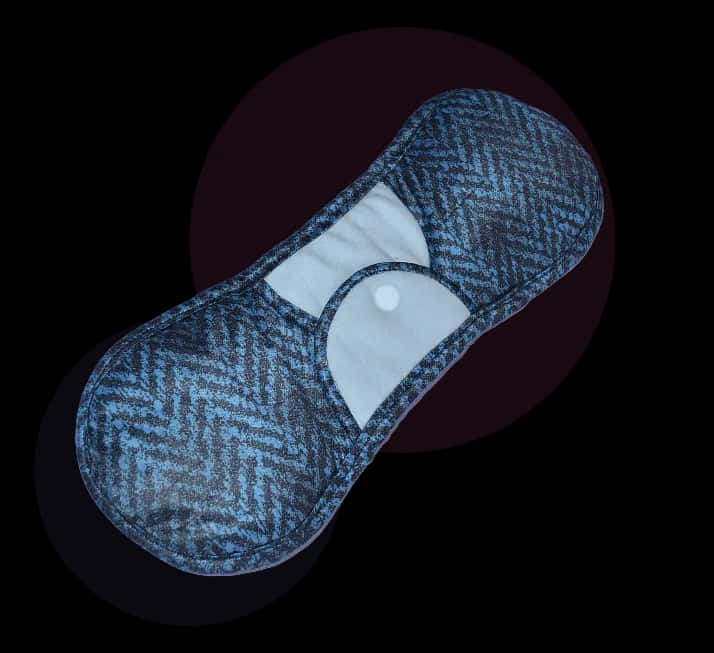
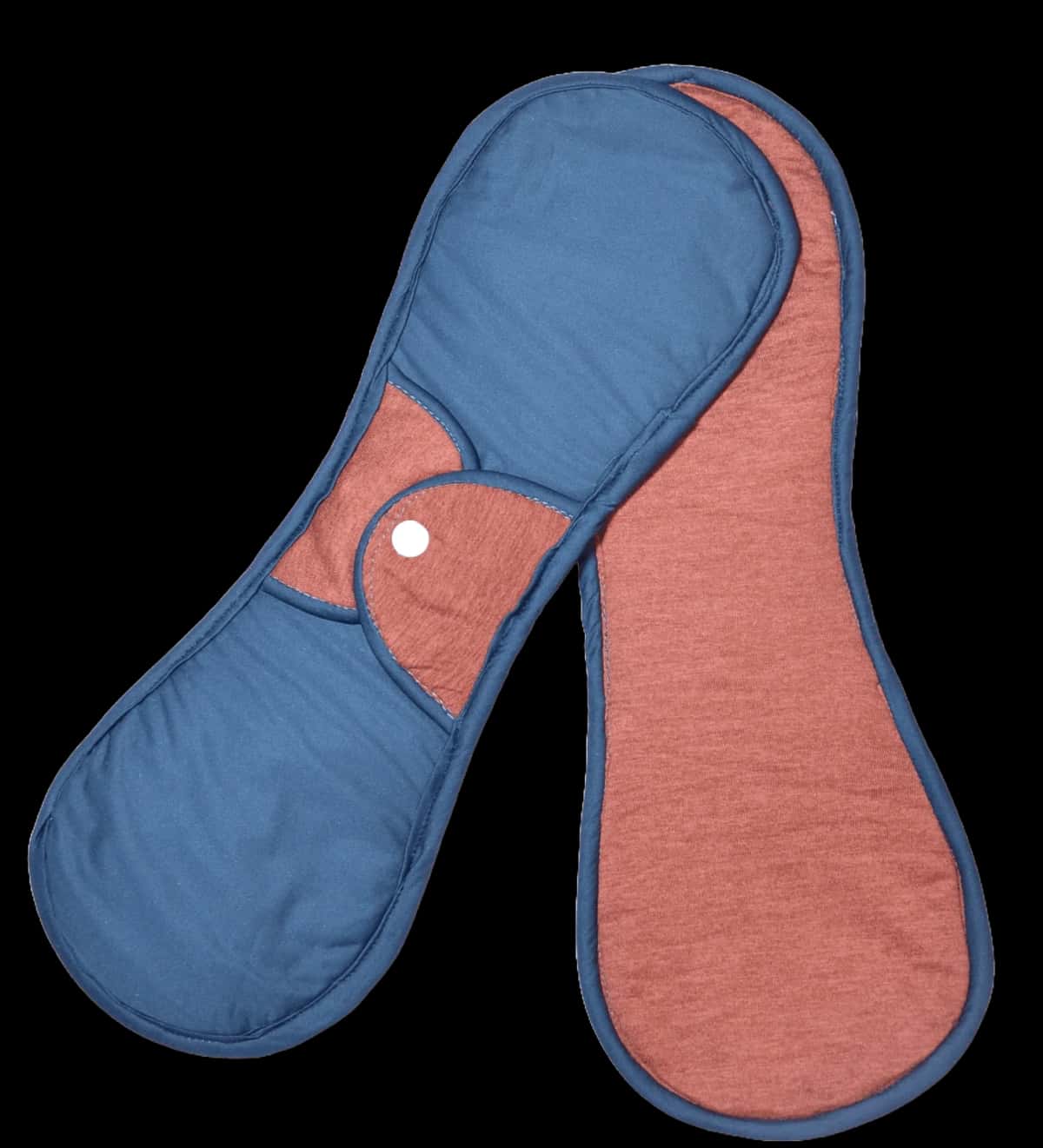
Our reusable pads

The Impact of Community-Led MHM Solutions
When communities take ownership of menstrual health, the benefits extend far beyond access to pads. These initiatives transform education outcomes, economic participation, health indicators, and social dynamics in ways that top-down programmes rarely achieve.
Educational and Economic Benefits for Women and Girls
School attendance data tells a powerful story. In communities with active MHM programmes, girls miss 40-50% fewer school days annually. That translates to 15-20 additional school days yearly – nearly a full month of education previously lost to period poverty. Teachers in Ogun State report that girls with reliable pad access participate more actively in class even during menstruation, no longer sitting anxiously in back rows fearing leaks.
The economic impact compounds over time. Girls who don’t miss school perform better academically, complete more years of education, and access better economic opportunities as adults. But the economic benefits start immediately for adult women too. Market women in Aba who previously stayed home 2-3 days monthly during heavy flow days now work full months, increasing income by 8-10%. Women participating in daily labour in agricultural communities don’t lose wages to menstruation-related absences.
Community MHM programmes also create local economic activity. When communities bulk-purchase reusable pads from Nigerian manufacturers, they support local employment. Some communities have members who become product distributors, earning commissions while helping neighbours access affordable products. A woman in Plateau State started as a participant in her community’s MHM programme and now coordinates distribution for five surrounding communities, earning income while advancing menstrual equity.
Health and Social Well-being Improvements
Access to clean, appropriate menstrual products dramatically reduces reproductive health risks. Health workers in communities with active MHM programmes report fewer cases of reproductive tract infections caused by using unhygienic materials like newspapers, rags, or leaves. Women using properly washed and dried reusable pads experience fewer irritations and infections than those using shared cloths or extending disposable pad use beyond safe timeframes due to cost.
The mental health benefits deserve equal attention. Period poverty creates constant stress – worrying whether your pad will last through the day, fearing embarrassment from leaks, feeling ashamed requesting help. When communities normalise menstrual health conversations and ensure product access, this psychological burden lifts. Women in community MHM programmes describe feeling “free” and “confident” – words that appear repeatedly in programme evaluations across different states.
Social dynamics shift when communities address menstruation openly. Fathers who attend community education sessions become advocates rather than obstacles. They understand why daughters need quality menstrual products and support wives purchasing them. Husbands who learn about menstrual health stop treating their wives’ periods as shameful secrets. A community health worker in Katsina State notes that domestic tensions around menstruation-related expenses have decreased significantly in communities with active MHM education, as families plan collectively for this regular need.
Environmental and Community-Wide Transformation
Reusable menstrual products dramatically reduce waste. One woman using disposable pads generates approximately 120-150 pads worth of waste yearly – that’s 5,400-6,750 pads over her reproductive lifetime. When a community of 200 women switches to reusables, they prevent over one million pads from entering already overburdened waste systems. In communities without formal waste management, this matters enormously. Used disposable pads previously clogged drainage, attracted pests, and created health hazards.
Community-led MHM programmes create ripple effects beyond immediate participants. When respected community members openly discuss menstruation, they give permission for broader conversations. Mothers who previously couldn’t discuss periods with daughters find language and confidence. Young women feel comfortable seeking help for menstrual problems instead of suffering silently. Communities that address one taboo successfully often tackle others – a women’s group in Rivers State that started with MHM has expanded to addressing domestic violence and maternal health.
Perhaps most significantly, community-led MHM solutions build confidence in communities’ ability to solve their own problems. When a neighbourhood or village successfully addresses period poverty without waiting for government or NGO intervention, they realise their collective power. This confidence transfers to tackling other challenges – water access, school infrastructure, healthcare gaps. Community-led MHM becomes a catalyst for broader community development and self-determination.
Addressing Common Concerns About Community-Led Approaches
Many communities hesitate to start MHM initiatives due to legitimate concerns. Understanding how other Nigerian communities have addressed these challenges helps new initiatives launch with confidence.
"Our Community Is Too Conservative to Discuss Menstruation"
This concern appears in communities across Nigeria, particularly in areas where cultural or religious traditions emphasise privacy around bodily functions. The solution lies not in confronting conservatism but in working within cultural frameworks. Communities that successfully navigate this challenge start conversations through trusted cultural gatekeepers – female religious leaders, respected grandmothers, or traditional birth attendants.
Frame discussions using culturally appropriate language and contexts. In Muslim communities, linking menstrual health to Islamic teachings about cleanliness and prayer makes the topic religiously legitimate rather than culturally transgressive. In traditional communities, connecting to cultural practices around female coming-of-age ceremonies creates acceptable entry points. A community in Zamfara State that initially seemed too conservative to address menstruation now runs a thriving MHM programme led by the Imam’s wife, who presents menstrual health as part of women’s religious duty to maintain cleanliness.
Start with small, private gatherings of women who already trust each other. Don’t begin with mixed-gender community meetings. Let women become comfortable discussing menstruation among themselves first. As they gain confidence and knowledge, they naturally extend conversations to daughters, and gradually to husbands and sons. Culture changes organically when approached respectfully, not confrontationally.
"We Don't Have Enough Resources or Money"
Financial constraints are real, but Nigerian communities have proven that effective MHM programmes require commitment more than large budgets. Start with what you have. A community in Taraba State began with just ₦5,000 raised from ten women contributing ₦500 each. They purchased reusable pads for the two girls in their neighbourhood most at risk of dropping out of school. Those girls’ improved attendance motivated other families to contribute, and the programme grew organically.
Leverage existing community structures rather than creating new ones. Use regular market day gatherings for education sessions instead of renting venues. Partner with local health centres that already have meeting spaces and trusted health workers. A community in Bauchi State holds MHM discussions during routine immunisation days when mothers already gather at the health post, requiring no additional mobilisation costs.
Many communities discover that preventing one girl from dropping out of school saves families money they would have spent on her early marriage or supporting an uneducated daughter long-term. Framing MHM investment as economic protection rather than charity helps families prioritise it even when resources feel scarce. Additionally, bulk purchasing quickly demonstrates cost savings – when ten women pool resources to buy together, each pays 30-40% less than buying individually at neighbourhood shops.
"How Do We Sustain This Long-Term Without Outside Support"
Sustainability concerns are valid. Many communities have watched well-intentioned programmes collapse when external funding ended. The key to long-term sustainability lies in building MHM support into permanent community structures rather than creating standalone programmes that require separate management.
Integrate MHM into existing community organisations. If your area has a community development association, make menstrual health one of its permanent focus areas with a dedicated small budget allocation. If women’s church or mosque groups already collect dues for various purposes, add MHM to the list of supported causes. A community in Delta State includes MHM in their community improvement levy alongside street cleaning and security, normalising it as standard community infrastructure.
Develop local leadership depth so programmes don’t depend on one person. Train multiple community members to lead education sessions, coordinate purchasing, and manage distribution. When the founding leader moves away or becomes busy, others seamlessly continue. Communities with successful long-term MHM programmes report having 5-8 trained leaders who rotate responsibilities, preventing burnout and ensuring continuity.
Create feedback mechanisms so programmes adapt to changing needs. Hold quarterly review meetings where participants share what’s working and what needs adjustment. A community in Nasarawa State discovered through feedback sessions that their original distribution model embarrassed younger girls, so they adjusted to a more private system. Programmes that listen and evolve survive. Rigid programmes that don’t adapt to community feedback eventually collapse even with adequate funding.
Why Sana Pads Partners With Community-Led Initiatives
Sana Pads exists because we believe Nigerian communities, not external saviours, will end period poverty. Since our founding, we’ve supported over 10,000 women directly and distributed more than 30,000 pads through partnerships with community groups, schools, and local organisations across Nigeria. We manufacture locally because we understand Nigerian realities – the climate that requires quick-drying fabrics, the infrastructure challenges that demand products washable without running water, and the economic constraints that need truly affordable solutions.
Our partnership model respects community leadership. We don’t impose programmes. Instead, we support initiatives communities design themselves by supplying cooperative purchases, providing free samples for education sessions, and sharing lessons from successful programmes in other communities. When a women’s group in Gombe contacted us wanting to start an MHM programme but unsure how to begin, we connected them with a similar group in Bayelsa that had worked through comparable challenges. Community-to-community knowledge sharing creates stronger solutions than expert advice from people who don’t live the realities.
We keep products affordable because economic accessibility determines impact. Our pricing reflects our mission – ending period poverty, not maximising profits. Schools, NGOs and other organisations can order any quantity at the same fixed price per pack. We’re not just a manufacturer but a partner in the movement for menstrual dignity across Nigeria, supporting communities leading their own change.
Taking Action in Your Community
Whether you’re an individual woman, a community leader, a teacher, or an NGO worker, you can contribute to community-led MHM solutions in your area. Change starts with one person who decides the status quo is unacceptable.
For Individuals and Small Groups
Start by talking. Share information about menstrual health and reusable products with three friends. Those three tell three more. Knowledge spreads through existing networks faster than formal programmes ever could. When you normalise conversations about menstruation in your personal circles, you create permission for others to speak openly too.
If you’re already using reusable pads, become a visible advocate. Share your experience honestly – the initial adjustment, the long-term benefits, the money saved. Personal testimonies convince better than statistics. Offer to show neighbours or colleagues your pads, explain how they work, and address concerns from your lived experience. A teacher in Ondo State keeps a demonstration pad in her handbag specifically for these spontaneous education moments.
Consider starting small with your immediate sphere of influence. If you’re a mother, ensure your daughters have quality menstrual products and education. If you’re a teacher, advocate for a school MHM programme starting with your class or year group. If you attend a religious congregation, suggest a women’s group discussion on menstrual health. Small actions create momentum. For personal use, our Starter Kit (3 Premium Pads plus a storage pouch) provides everything needed to begin using reusables confidently. Premium Pads with three absorbent layers handle regular flow reliably, while our No Wahala Pads work well for lighter days and our Maxi Pads support heavy flow needs.
For Organisations and Community Leaders
If you lead a community organisation, school, faith group, or NGO, you have unique power to catalyse community-led MHM solutions. Start by convening a conversation. Gather 10-15 women representing your community’s diversity and ask what menstrual health challenges they face. Listen more than you speak. Your role is facilitating community solutions, not imposing predetermined programmes.
Schools can implement MHM programmes relatively quickly. Form a committee including teachers, parent association members, and senior female students. Assess needs through confidential surveys, then design a three-part response: improving toilet facilities for privacy and water access, providing emergency pads through the school clinic, and integrating menstrual health education into appropriate classes. Many schools find that a modest annual budget of ₦50,000-₦100,000 covers pad supplies for students facing financial hardship, with funds raised through small additions to school fees or fundraising activities.
For organisations wanting to support multiple communities or implement larger programmes, bulk purchasing creates significant impact. An NGO in Benue State runs a programme where they provide starter packs to adolescent girls in underserved communities while training local women to continue education and support. This model creates immediate access while building long-term community capacity. Contact our team to discuss partnership options tailored to your organisation’s mission and capacity.
Building a Movement for Menstrual Dignity
Community-led MHM solutions represent more than access to menstrual products. They’re about dignity, agency, and communities claiming power to solve their own challenges. When women in Kano organise purchasing cooperatives, they’re not just buying pads. They’re declaring that period poverty is unacceptable and they won’t wait for permission to address it. When teachers in Calabar coordinate school MHM programmes, they’re affirming that girls’ education matters enough to remove every barrier. When faith leaders in Sokoto integrate menstrual health into religious education, they’re saying women’s bodies deserve respectful attention, not shameful silence.
The most powerful aspect of community-led approaches is their multiplying effect. One successful programme inspires five neighbouring communities. One confident advocate trains ten more. Communities solving period poverty gain skills and confidence to tackle other challenges. The women’s group that starts by purchasing pads together discovers their collective power and uses it to address water access, improve market facilities, or advocate for better healthcare. Menstrual equity becomes a gateway to broader community transformation.
Nigeria’s period poverty challenge is significant, but so is Nigerian communities’ capacity for creative problem-solving and mutual support. You don’t need to wait for perfect conditions, large budgets, or external partners. You need commitment, cultural sensitivity, and willingness to start small. Whether you’re organising fifteen neighbours under a neem tree or coordinating a school programme reaching 500 girls, you’re part of a growing movement transforming menstrual health across Nigeria, one community at a time. Learn more about supporting menstrual hygiene management in your community and explore how affordable, locally-made solutions are making menstrual dignity accessible to every Nigerian woman.
Keep reading in Menstrual Hygiene Management
Frequently asked questions
Why should I choose Sana Pads over regular disposable pads?
Sana Pads are made from high-quality, reusable materials, offering a sustainable and eco-friendly alternative to disposable sanitary products. They are gentle on your skin, highly absorbent, and cost-effective in the long run. By choosing Sana Pads, you contribute to reducing plastic waste while enjoying comfort and reliability throughout your cycle.
How long can I use a Sana Pad before it needs to be washed?
A Sana Pad gives you comfort and protection for 4 to 8 hours, depending on your flow. For freshness, change it every 4 to 6 hours - more often on heavy days. After each use, rinse it in cold water and wash it with soap. With proper care, each pad lasts 2 to 3 years.
Are Sana Pads safe for sensitive skin?
Yes, Sana Pads are made from soft, breathable, and hypoallergenic materials, ensuring they are gentle on your skin. They are free from harmful chemicals and toxins commonly found in disposable pads, making them an ideal choice for individuals with sensitive skin or allergies.
How do I clean and maintain my Sana Pads?
Rinse your pad in cold water straight away - hot water sets bloodstains. Then wash it with mild soap, by hand or in the machine, and rinse until the water runs clear. Dry it fully in direct sunlight, which also disinfects. Please avoid the tumble dryer, bleach and fabric softener: they break down the absorbent layers. Cared for like this, a Sana Pad lasts 2 to 3 years.
Does the price change for larger orders?
No. Each product has a fixed price per pack, no matter how many packs you order. You can calculate your total with our price calculator. For large orders, send us a direct message and we will confirm the delivery cost with you before you pay.
Testimonials
Discover what our customers are saying about our products.
Women around the world patronize Sana

“At first I felt irritated using a washable sanitary pads,I decided to give it a try and to my greatest surprise,it was very comfortable and very easy to wash, you can even go about your daily activities without fear of getting blood stain in public, I wanna say a Big shout out to SANA PADS!!”

“I’m absolutely loving Sana reusable pads! They make me feel so relaxed and at ease during my periods. Plus, they’ve significantly reduced the cost and stress of buying disposable pads every month. Kudos to Sana for creating such an amazing product – I’m a forever fan!”
“Sana Pad is very good, makes u feel comfortable and free, i love the pads the best ever!.”

“I’ve tried several reusable pad brands, but Sana stands out for its exceptional quality, comfort, and durability. The design is thoughtful, and the materials are gentle on my skin. Switching to Sana has not only reduced my environmental footprint but also saved me money in the long run. I’m grateful for this sustainable solution!”

“Buying disposable pads every month really added up, so I thought I’d give Sana Pads a try. I was surprised by how soft they are, and they work well for long days at university. Washing them is simple, and I haven’t had to buy new pads in months, which has saved me money. I also like that they’re more eco-friendly. It feels good to have an option that’s both affordable and better for the environment.”

“I’ve tried several pad brands over the years, but Sana pads truly stands out. From the first use, I noticed the difference — soft on the skin, super absorbent, and incredibly comfortable. Even on my heaviest flow days, Sana pads holds up so well. What I also love is how breathable and skin-friendly the material is. If you’re looking for a pad that combines comfort, reliability, and quality, I highly recommend giving Sana pads a try.”
Time to get involved
Contact Us
Margaret Ochegbudu
Business Manager