Cultural Practices Affecting Menstrual Hygiene in Nigeria
Known from







Nigeria has more than 250 ethnic groups, and menstrual practices differ widely between them. Some traditions restrict cooking, worship or movement during menstruation; others pass down useful knowledge. Understanding which local beliefs create real barriers, and which are harmless, is the starting point for any programme that hopes to change behaviour.
What You Need to Know About Cultural Practices and Menstrual Hygiene
Cultural beliefs shape how Nigerian women experience their periods in profound ways. From the materials used to the spaces accessed during menstruation, tradition influences every aspect of menstrual hygiene management.
Key Takeaways:
- Cultural practices affecting menstrual hygiene in Nigeria vary significantly across the country’s 250+ ethnic groups and religious communities.
- Menstrual restrictions commonly include food prohibitions, worship space limitations, and isolation practices that can compromise hygiene access.
- Traditional materials like old cloth and rags are used by approximately 60% of rural Nigerian women due to cultural preference and economic factors.
- Disposal taboos and water source restrictions in many communities force women to practice unhygienic menstrual management methods.
- Open conversation about periods remains culturally prohibited in 78% of Nigerian households, limiting young girls’ access to accurate hygiene information.
- Reusable sanitary pads costing around ₦600-800 per piece offer a culturally acceptable alternative that costs 70-85% less than disposables over time.
- Schools in Kano, Sokoto, and other northern states report cultural sensitivities around male teachers and mixed-gender discussions affecting menstrual health education.
Let’s explore how these cultural dynamics affect menstrual hygiene and what can be done to support both tradition and health.
Fatima sat outside her family compound in Kaduna, wondering why her grandmother insisted she couldn’t enter the kitchen during her period. At 16, she had questions no one seemed willing to answer. Her mother spoke in whispers, her aunties changed the subject, and her teacher at school rushed through the menstrual health lesson as if the topic itself was dangerous. Meanwhile, Fatima used old clothes her mother gave her, changed in the outdoor latrine when no one was looking, and counted the days until she could feel “normal” again.
Across Nigeria, millions of girls and women navigate their periods within a complex web of cultural beliefs, traditional practices, and unspoken rules. Some of these customs protect dignity and health. Others, passed down through generations without question, create barriers to proper menstrual hygiene. Understanding this landscape isn’t about rejecting tradition or blindly accepting Western approaches. It’s about recognizing which practices support women’s health and which ones we can thoughtfully evolve.
Understanding Nigeria's Cultural Menstrual Landscape
Nigeria’s diversity means menstrual practices differ dramatically from one community to another. What’s considered respectful menstrual behaviour in a Yoruba household in Lagos might differ entirely from expectations in an Igbo family in Enugu or a Hausa community in Kano. Yet certain themes appear across regions: silence surrounding menstruation, restrictions on women’s activities during their periods, and reliance on traditional materials and disposal methods.
The Silence That Shapes Hygiene Practices
In most Nigerian cultures, menstruation exists in a space of deliberate silence. Mothers hand their daughters clothes without explanation. Girls learn to hide their periods from fathers and brothers. Women develop elaborate codes – “I’m sick,” “that time,” “my visitor” – to avoid saying the actual words.
This silence isn’t mere modesty. It’s a cultural framework that treats menstruation as something between shameful and sacred, definitely not suitable for open discussion. A 2024 study from the University of Ibadan found that 73% of Nigerian mothers had never had a comprehensive menstrual hygiene conversation with their daughters before menarche. Girls learned from whispered exchanges with friends, from observing older sisters, or from their own trial and error.
The hygiene impact is direct. When girls can’t ask questions, they can’t learn proper practices. They don’t know how often to change materials, how to clean reusable cloths properly, or what symptoms require medical attention. In Kaduna State, health workers report seeing girls with infections because they wore the same cloth for an entire day, not knowing this was dangerous. The girls had no one to ask.
This silence also prevents communities from addressing menstrual hygiene as a public health priority. What isn’t discussed can’t be improved. Schools avoid the topic to respect cultural sensitivities. Health centres provide minimal information. NGOs struggle to implement menstrual health programmes when simply saying “period” or “menstruation” makes community leaders uncomfortable.
Traditional Materials and Their Hygiene Implications
Across Nigeria, traditional menstrual materials remain common. Old wrappers cut into strips, cotton wool wrapped in polythene bags, tissue paper folded multiple times, foam cut from old mattresses, even sand or ash in some remote communities. These aren’t choices made from preference alone. They represent cultural practices passed from mothers to daughters, combined with economic necessity and lack of alternatives.
In rural Benue State, a community health worker explained that grandmothers teach young girls to use old cloth because “it’s what we’ve always used, and we survived.” The method carries cultural authority. Using modern products might seem like rejecting family wisdom or pretending to be “too fancy” for traditional ways.
The hygiene challenges are significant. Old cloth often can’t be washed properly because cultural practices prohibit drying menstrual materials in sunlight where others might see them. Women dry cloths inside dark rooms where they don’t fully dry, creating perfect environments for bacterial growth. Without proper washing facilities, cloths get rinsed in cold water without soap. Some women reuse the same cloths for years.
These practices intersect with Nigeria’s infrastructure challenges. In communities where water is scarce, women must choose between drinking water and washing menstrual cloths. Where there’s no private washing area, hygiene becomes nearly impossible. A survey in Katsina State found that 64% of women using traditional cloth materials had experienced vaginal infections, compared to 23% using proper sanitary products.
Menstrual Restrictions and Access to Hygiene Facilities
Many Nigerian cultures impose restrictions on menstruating women’s activities and spaces. These vary by ethnic group and religious interpretation, but common ones include prohibitions on entering kitchens, preparing food, attending worship services, touching religious texts, or even sleeping in the same room as their husbands.
Some restrictions carry hygiene consequences. In communities where menstruating women can’t use the family bathroom, they wash in outdoor areas with less privacy and cleanliness. Where they’re prohibited from touching water sources, they can’t properly clean themselves or their materials. In some northern communities, women told researchers they couldn’t fetch water during their periods, meaning they went days with minimal washing.
Religious practices sometimes compound these challenges. While Islamic teachings emphasize cleanliness during menstruation, cultural interpretations sometimes limit women’s access to washing facilities in ways that contradict the religion’s hygiene emphasis. Christian communities might restrict menstruating women from choir practice or altar service, creating shame that prevents women from managing their periods openly and hygienically.
The isolation practices in some cultures – requiring menstruating women to stay in separate rooms or avoid common areas – can actually worsen hygiene. Isolated women have less access to proper facilities, clean water, and disposal options. They’re managing their periods in the least hygienic conditions possible, all in the name of tradition.
How Cultural Beliefs Shape Menstrual Hygiene Behaviours
Cultural practices don’t just exist as abstract beliefs. They translate into specific daily behaviours that either support or undermine menstrual hygiene. Understanding these pathways helps identify where interventions can work within cultural frameworks rather than against them.
Communication Patterns Within Families
The way Nigerian families talk about menstruation – or don’t – creates the foundation for all hygiene practices. In most households, menstrual knowledge transfers through same-gender relatives, usually mother to daughter, but often with minimal detail.
A typical scenario in Abuja or Port Harcourt looks like this: A girl gets her first period. Her mother gives her cloth or pads, shows her how to position them, and offers brief instructions like “change it regularly” and “keep yourself clean.” Questions about what’s normal, how the body works, or what products are best met with embarrassment or dismissal. Fathers and brothers remain completely outside these conversations.
This pattern affects product choice and hygiene practices directly. Girls use whatever their mothers give them without knowing alternatives exist. If a mother uses old cloth because of economic constraints, she presents it as the only option. If she uses disposable pads despite financial strain, the daughter might not know reusable options could save money. Knowledge doesn’t flow, so practices don’t evolve.
In polygamous households common in northern Nigeria, the dynamics become more complex. Co-wives might share information, but competition and privacy concerns sometimes prevent open discussion. Young girls receive conflicting advice from different mothers and must navigate these messages without clear guidance.
Extended family involvement varies by culture. Yoruba families might involve aunties and grandmothers in menstrual education. Igbo households might designate specific female relatives to guide girls through menarche. Hausa families often maintain strict privacy, limiting information sources further. Each pattern affects what girls learn and how well they can maintain hygiene.
Disposal Practices Rooted in Tradition
How women dispose of menstrual materials reflects deep cultural beliefs about blood, fertility, and spiritual vulnerability. These beliefs shape hygiene practices in ways that surprise outsiders but make perfect sense within cultural contexts.
Many Nigerian cultures consider menstrual blood spiritually potent and potentially dangerous. This isn’t simple superstition. It connects to beliefs about fertility, life force, and spiritual protection. Consequently, disposal must happen in specific ways to prevent the blood from being used in harmful spiritual practices or bringing misfortune.
In southern Nigeria, some communities require burning menstrual materials to protect the woman’s fertility. Others insist on burial in specific locations. Some prohibit disposing of materials in common waste bins where others might see them. While these practices aim to protect women, they create hygiene challenges.
Burning works theoretically, but in practice, women often can’t burn materials completely or safely. They hide partially burned cloths, creating unsanitary conditions. Burial might mean keeping soiled materials for days until the woman can bury them discreetly, storing them in conditions that promote bacterial growth.
In urban areas like Lagos and Abuja, these traditional disposal expectations collide with modern waste management. Women can’t burn materials in apartment buildings. They have no private burial spaces. Yet cultural beliefs persist, so women hide soiled materials in bags under beds or in corners, trying to find the right moment for proper disposal. The result is unhygienic storage that increases infection risk.
Religious interpretations add complexity. Some Islamic scholars emphasize that menstrual materials should be disposed of privately and respectfully. Christian teachings might not address disposal specifically, leaving women to follow cultural rather than religious guidance. The intersection creates confusion about what’s required versus what’s cultural habit.
Education Barriers in Communities and Schools
Cultural practices affecting menstrual hygiene in Nigeria become most visible in educational settings. Schools should provide menstrual health education, but cultural sensitivities often prevent effective teaching.
In many Nigerian schools, especially in northern states, menstrual health education faces significant barriers. Male teachers feel uncomfortable teaching the topic to female students. Female teachers rush through the content, embarrassed. Mixed-gender classrooms make open discussion nearly impossible. Students giggle, look away, or skip class entirely when the topic appears.
A biology teacher in Sokoto explained the challenge: “The curriculum says I should teach menstruation in JSS2. But when I try, the boys laugh, the girls hide their faces, and parents complain I’m teaching their daughters inappropriate things. So I assign reading and move on quickly.”
This pattern means most Nigerian students receive minimal menstrual health education despite it being in the national curriculum. They don’t learn about the menstrual cycle, hygiene requirements, or product options. They certainly don’t learn practical skills like how to manage periods at school or what to do if problems arise.
Cultural practices also affect school infrastructure for menstrual hygiene. Many schools lack private changing areas because discussing menstruation openly enough to advocate for these facilities violates cultural norms. Toilets don’t have water or disposal bins for the same reason. Girls manage their periods in inadequate facilities because culture prevents adults from acknowledging the need for better ones.
Some progressive schools in Lagos and Abuja have started girls-only menstrual health sessions, separating students by gender to reduce embarrassment. Others invite female health workers to speak with girls while boys attend different activities. These approaches work within cultural frameworks while improving education, but they remain uncommon.
Our reusable pads


Breaking Harmful Patterns While Respecting Culture
The goal isn’t to eliminate all cultural practices around menstruation. Many traditions serve important purposes – protecting privacy, marking life transitions, building female community bonds. The challenge is distinguishing between practices that support wellbeing and those that harm health, then finding culturally sensitive ways to evolve the harmful ones.
Starting Conversations in Culturally Appropriate Ways
Change begins with communication, but in ways that respect cultural contexts. Direct confrontation of traditional practices typically fails. Telling a grandmother that her menstrual wisdom is wrong creates defensiveness, not openness. Instead, effective approaches acknowledge tradition while introducing new information.
Community health workers in Kano have found success framing menstrual hygiene discussions around shared values. Instead of “your traditional methods are unhygienic,” they say “we all want our daughters healthy and able to attend school.” Instead of “these beliefs are superstitions,” they offer “let’s look at what Islam actually teaches about menstrual cleanliness.”
Religious leaders play crucial roles. When imams in northern Nigeria explain that proper menstrual hygiene aligns with Islamic emphasis on cleanliness, communities listen. When pastors in southern churches discuss menstruation as a natural part of God’s design rather than something shameful, attitudes shift. These voices carry authority that external health workers lack.
Women’s groups provide culturally appropriate spaces for menstrual health discussions. In Ondo State, a women’s cooperative started including menstrual hygiene in their regular meetings. The existing trust and female-only environment made it safe to discuss topics usually considered taboo. Women shared experiences, asked questions they’d never asked before, and learned from each other.
Intergenerational conversations require particular sensitivity. Young girls can’t directly challenge their grandmothers’ teachings without violating respect norms. But health workers can engage older women separately, acknowledging their wisdom while introducing new information about infection risks and hygiene improvements. When grandmothers become advocates, change accelerates.
Improving Traditional Practices Rather Than Replacing Them
Sometimes the most effective approach isn’t introducing completely new products or methods but improving existing traditional practices. This respects cultural preferences while addressing hygiene concerns.
For women who prefer cloth materials for cultural or economic reasons, the solution isn’t necessarily convincing them to use disposables. It teaches proper cloth management: washing with soap in hot water, drying thoroughly in sunlight or well-ventilated areas, storing in clean dry places, replacing cloths regularly.
Some organizations in Plateau State have worked with tailors to create improved traditional cloth pads – essentially cotton fabric sewn into better shapes with proper layers, similar to old methods but more effective. Women accept these more readily than commercial products because they feel culturally familiar while offering better absorption and hygiene.
Disposal practices can evolve too. In communities where burning is traditional, introducing simple incinerators or teaching complete burning methods maintains the cultural practice while improving hygiene and safety. Where burial is preferred, discussing appropriate timing and methods prevents unhygienic storage while respecting beliefs.
Water access directly affects menstrual hygiene, especially for women using reusable materials. Community development projects that improve water infrastructure support traditional practices by making them more hygienic. When women can access clean water easily, washing cloth materials becomes feasible. When privacy screens are added to washing areas, cultural modesty requirements and hygiene needs both get met.
Adapting Modern Solutions to Cultural Contexts
Modern menstrual products like reusable sanitary pads can fit within traditional cultural frameworks if introduced appropriately. The key is presenting them as tools that support cultural values rather than replacements for tradition.
Reusable pads address economic concerns while respecting cultural preferences for non-disposable materials. A woman in Bauchi explained her acceptance: “My grandmother used cloth. I use cloth. These pads are also cloth, just better designed. It’s not abandoning our ways. It’s improving them.”
The privacy aspect of reusable pads appeals to cultural values. They’re discreet, don’t create obvious disposal evidence, and can be washed and dried like traditional cloth. Women who feel uncomfortable buying disposable pads every month appreciate the one-time purchase that then gets managed privately at home.
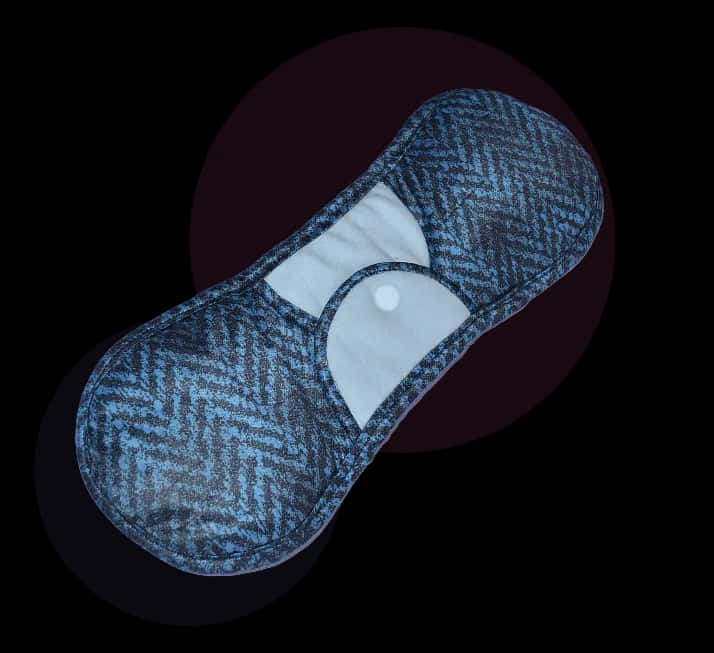
Colour choices matter culturally. Dark colours that don’t show stains align with cultural emphasis on hiding menstrual evidence. Patterns that look like regular fabric rather than obviously being “period products” reduce embarrassment. These details seem small but affect cultural acceptance significantly.
Education about modern products needs cultural framing. Instead of “disposables are wasteful” (which implies women using them are doing something wrong), messages emphasize “reusable pads save money your family can use for other needs.” Instead of “traditional cloth is unhygienic” (rejecting cultural practices), better framing is “these pads work like traditional cloth but with design improvements that keep you drier and more comfortable.”
Health Impacts of Cultural Menstrual Practices
Understanding how cultural practices affect physical health helps communities make informed decisions about which traditions to maintain and which to modify. The evidence is clear: some practices support health while others create significant risks.
Infection Risks From Unhygienic Materials and Practices
The connection between cultural menstrual practices and reproductive health infections is well-documented in Nigerian medical literature. A 2025 study published by Ahmadu Bello University Teaching Hospital found that women using unhygienic menstrual materials had 3.2 times higher rates of reproductive tract infections compared to those using proper sanitary products.
The infection pathway is straightforward. Menstrual blood provides nutrients for bacterial growth. When materials aren’t changed frequently, washed properly, or dried completely, bacteria multiply rapidly. Traditional practices that involve reusing inadequately cleaned cloths essentially reintroduce bacteria to the vaginal area repeatedly.
Specific cultural practices increase risk differently. Using ash or sand, still practiced in some remote areas, introduces foreign materials that irritate tissues and disrupt the vaginal environment’s natural defences. Storing soiled materials for days before disposal (common where burning or burial is required but can’t be done immediately) creates contamination risks for the entire household.
The prohibition on sunlight drying in many cultures is particularly problematic. Sunlight naturally kills bacteria through UV exposure and ensures complete drying. When women must dry materials in dark, poorly ventilated spaces to maintain cultural modesty, the materials remain damp and bacterial counts stay high.
Healthcare providers in Port Harcourt report that many women don’t connect their infections to menstrual hygiene practices. They seek treatment for symptoms – itching, discharge, pain – without mentioning how they manage their periods. Doctors often don’t ask because of the same cultural discomfort with the topic. This silence allows infections to recur because root causes aren’t addressed.
Educational and Economic Consequences
Cultural menstrual practices don’t just affect health directly. They create ripple effects that impact education, economic participation, and overall life opportunities, particularly for young girls.
School absenteeism due to menstruation is significantly higher in communities with restrictive cultural practices. When girls use inadequate materials that leak, lack access to changing facilities, or fear the shame of menstrual accidents, they simply stay home. A Federal Ministry of Education report from 2024 found that girls in northern Nigeria miss an average of 4-5 school days per month due to menstruation-related challenges, many rooted in cultural practices.
These absences compound. Missing a week of school monthly means missing approximately 20% of the school year. Girls fall behind academically, lose confidence, and eventually drop out at higher rates. The UNESCO office in Abuja documented that menstrual hygiene challenges contribute to 15-20% of female school dropout rates in rural areas.
The economic impact extends beyond school. Women who can’t participate in market activities, farming, or other economic work during their periods lose income. In communities where menstrual restrictions are strictest, women effectively lose one week’s earning potential every month. Over a lifetime, this represents enormous economic loss both personally and for communities.
Cultural silence around menstruation also prevents women from advocating for better workplace facilities. Offices, shops, and factories in Nigeria rarely provide adequate menstrual hygiene facilities because women don’t request them. Cultural discomfort makes women endure inadequate conditions rather than speak up about their needs.
Psychological and Social Wellbeing Effects
The shame, isolation, and secrecy surrounding menstruation in many Nigerian cultures affect mental health and social development, particularly for adolescent girls navigating menarche.
When a girl’s first period arrives shrouded in whispers and embarrassment rather than celebration and education, she learns that her body is shameful. This message, delivered at a vulnerable developmental stage, shapes self-perception for years. Psychologists working with adolescent girls in Lagos report that negative menstrual experiences contribute to broader body image issues and reduced self-confidence.
The isolation practices in some cultures compound this psychological impact. Being separated from family activities, prevented from attending school or worship, and treated as if temporarily contaminated sends powerful messages about female worth and belonging. Even when restrictions are framed as protective or respectful, they communicate that menstruating women are somehow less than their normal selves.
Social development suffers too. Girls who can’t participate in sports, school activities, or social events during their periods miss opportunities for skill development, friendship building, and identity formation. They learn to organize their lives around their periods rather than managing their periods around their lives.
The inability to discuss menstruation openly prevents girls from developing healthy communication skills about their bodies and needs. This pattern often continues into adulthood, affecting relationships, healthcare interactions, and parenting. Women who never learned to discuss periods comfortably struggle to educate their own daughters, perpetuating cycles of silence and shame.
Common Concerns About Changing Menstrual Practices
Resistance to changing cultural practices around menstruation often stems from legitimate concerns rather than simple stubbornness. Addressing these concerns directly and respectfully is essential for meaningful progress.
"We're Rejecting Our Culture and Becoming Too Western"
This concern appears frequently when modern menstrual products or practices are introduced. Community members, especially elders, worry that abandoning traditional menstrual practices represents broader cultural erosion and inappropriate Western influence.
The concern deserves acknowledgement. Nigeria has experienced cultural disruption from colonialism, globalization, and external development agendas that sometimes dismissed local wisdom. Healthy skepticism about new practices framed as “modern” or “better” makes sense in this context.
The response isn’t to dismiss cultural practices as backwards. It’s to distinguish between cultural identity and specific hygiene methods. Using reusable sanitary pads instead of old cloth doesn’t make someone less Nigerian, less Yoruba, less Igbo, or less Hausa. It’s a practical health decision, similar to using treated mosquito nets instead of only traditional malaria remedies. Both traditional wisdom and modern tools have value.
Many cultural values around menstruation – modesty, privacy, female community support – can be maintained while improving hygiene practices. A woman can uphold her culture’s emphasis on discretion while using more effective menstrual materials. She can respect traditional privacy norms while having access to better facilities.
Some of Nigeria’s most effective menstrual health advocates are cultural insiders – grandmothers, religious leaders, traditional birth attendants – who understand that protecting girls’ health honours cultural values more deeply than maintaining every specific practice unchanged. When a grandmother in Katsina says “we want what’s best for our girls, and now we know better ways to stay clean,” she’s not rejecting culture. She’s evolving it as cultures have always done.
Framing matters enormously. Messages presented as “your traditional ways are wrong, do it the modern way” trigger legitimate resistance. Messages framed as “here are tools that can help achieve the health and dignity your culture already values” gain acceptance. The difference isn’t just rhetorical. It reflects genuinely different approaches – one dismissive of culture, one respectful.
"Good Menstrual Products Are Too Expensive for Our Community"
Economic concerns are entirely valid. Many Nigerian families struggle to afford basic necessities. Adding menstrual product costs can seem impossible, especially when free traditional methods exist.
This concern often gets addressed inadequately. Simply telling women that reusable products save money long-term doesn’t help when they lack funds for the initial purchase. Explaining that disposables cost more over time doesn’t matter when immediate needs dominate thinking.
Real solutions require understanding economic realities. In communities where most families earn ₦50,000-80,000 monthly, spending ₦5,000-8,000 on a starter set of reusable pads feels impossible even if it saves money eventually. Payment plans, subsidy programmes, and community purchasing cooperatives can bridge this gap.
Some communities have developed sharing economies around menstrual products. Women’s groups purchase bulk quantities of reusable pads and distribute them, collecting small weekly payments rather than requiring full upfront costs. Schools partner with NGOs to provide products that students can take home and eventually keep after small contributions.
The economic argument strengthens when calculated honestly. A woman using disposable pads costing ₦100 each (buying cheaper brands), changing 4 times daily for 5 days monthly, spends ₦2,000 per month or ₦24,000 yearly. Over five years, that’s ₦120,000. A set of quality reusable pads costing ₦8,000 that lasts five years represents massive savings – approximately 70-85% less than disposables over time, even accounting for washing costs.
For families, these savings can fund school fees, medical care, or business capital. When presented this way – not as a luxury but as financial wisdom – resistance decreases. The challenge is bridging the gap between understanding long-term savings and accessing initial resources.
Organizations working effectively in this space don’t just offer products. They offer economic empowerment. Some train women to sew reusable pads, creating both access and income. Others connect menstrual health to existing development programmes around water, sanitation, education, or women’s economic advancement.
"How Do We Know These New Methods Are Actually Better?"
Skepticism about new health recommendations is rational, especially in communities that have experienced harmful interventions disguised as help. People want evidence, not just assertions that modern methods are superior.
This concern opens opportunities for education. Evidence exists abundantly. Medical studies, user testimonials, and community pilot programmes all demonstrate that proper menstrual hygiene with appropriate products reduces infection rates, improves comfort, and supports educational and economic participation.
Numbers matter. Sharing that infection rates dropped 60% in schools that provided proper menstrual products (data from Osun State pilot programmes) gives concrete evidence. Explaining that girls’ school attendance improved by 3-4 days monthly when they received adequate menstrual support (Federal Ministry of Education data) demonstrates real impact.
Personal testimonies often convince more than statistics. When a respected community member shares that her daughters’ health improved, school performance increased, or quality of life got better after changing menstrual practices, others listened. Peer influence within cultural contexts carries authority that external experts can’t match.
Demonstration projects help skeptics see results directly. When schools or community centres pilot improved menstrual hygiene programmes, community members can observe outcomes themselves. They see girls attending school consistently. They hear women report fewer health problems. They witness improved confidence and participation.
The approach should never be “trust us, we know better than your traditional wisdom.” It should be “let’s look at evidence together and see what works best for your community’s specific situation.” This respects both scientific evidence and community autonomy.
Some communities want to try new approaches on a small scale first. A women’s group might test reusable pads with a few members before wider adoption. A school might start with one class before expanding. This culturally appropriate pace of change, led by community decisions rather than external pressure, builds sustainable practices.
Supporting Menstrual Hygiene Within Nigerian Cultural Contexts
Nigeria needs menstrual health solutions designed for Nigerian realities – our climate, our infrastructure challenges, our cultural diversity, and our economic conditions. Generic approaches developed elsewhere often fail because they don’t account for local contexts.
Sana Pads exists specifically to address these Nigerian realities. As a local manufacturer, we understand that menstrual products need to work in hot, humid conditions across Lagos, Abuja, and Port Harcourt. We know that many women lack consistent electricity for drying materials, so our pads are designed to dry quickly even without fans. We recognize that water scarcity affects washing, so our products require minimal rinsing while staying hygienic.
Cultural understanding shapes everything we do. We know that discretion matters enormously in Nigerian contexts, so our pads use dark colours and discreet designs. We understand that family budgets are tight, so we’ve made reusable products that save families money rather than adding to monthly expenses. We recognize that menstrual health education often doesn’t happen at home, so we provide clear instructions with every product.
Since launching, Sana Pads has supported over 10,000 women directly and distributed more than 30,000 pads across Nigeria. We’ve worked with schools in Kano, Kaduna, and Sokoto where cultural sensitivities around menstruation are strongest, helping develop programmes that respect local values while improving hygiene. We’ve partnered with NGOs serving communities where traditional practices created health challenges, providing products and education that work within cultural frameworks rather than against them.
Our mission extends beyond selling products. We’re working to end period poverty and the educational barriers it creates. When girls in Benue State stay in school because they have reliable menstrual products, that’s success. When women in Ogun State report better health and reduced infection rates, that’s impact. When grandmothers in Jigawa State become advocates for improved menstrual hygiene while maintaining cultural values they cherish, that’s sustainable change.
We manufacture locally because we believe Nigerian women deserve products designed for their specific needs, not generic imports developed for different climates and contexts. We employ Nigerian women because menstrual health challenges should create economic opportunities within the communities they affect. We keep costs low because dignity during menstruation shouldn’t be a luxury only wealthy families can afford.
Taking Action in Your Community
Improving menstrual hygiene within cultural contexts requires action at multiple levels – individual decisions, family conversations, community initiatives, and institutional changes. Progress happens when people at all levels choose to be part of solutions.
For Individuals and Families
If you’re managing your own menstrual health or supporting daughters through menarche, practical steps can improve hygiene while respecting cultural values you hold important.
Start by evaluating your current menstrual products and practices honestly. Are your materials clean, comfortable, and adequate for your flow? Do they allow you to attend school, work, and social activities confidently? If not, exploring alternatives isn’t cultural betrayal. It’s self-care.
For mothers guiding daughters, the most powerful change is opening conversations despite cultural discomfort. You don’t need to abandon modesty values to provide practical information. Teaching proper hygiene, explaining menstrual cycles, and discussing product options protects health while maintaining appropriate boundaries. Your daughter will either learn from you with accurate information or from friends and the internet with potential misinformation.
Product selection should match both needs and flow levels. For light flow days, simpler pads like our No Wahala Pads with 1 leak-proof and 1 absorbent layer work perfectly and cost less. Regular flow typically needs Premium Pads with 1 leak-proof and 3 absorbent layers for reliable protection. Heavy flow days require maximum absorption like our Maxi Pads with 1 leak-proof and 5 absorbent layers.
Many women find our Starter Kit ideal for trying reusable pads without large investment. It includes 3 Premium Pads plus a storage pouch, enough to experience the benefits before committing to a full menstrual cycle set. The kit costs approximately 70-80% less than what you’d spend on disposables for the same period, demonstrating immediate savings.
Using reusable pads within cultural frameworks is straightforward. They wash like traditional cloth but with better design, so the same modesty practices around drying apply. They store discreetly, don’t create obvious disposal evidence, and last for years with proper care. Cultural practices around privacy and discretion remain intact while hygiene improves dramatically.
For Organizations, Schools, and Community Leaders
Institutions have enormous power to improve menstrual hygiene while respecting cultural contexts. Schools can ensure girls don’t miss education due to periods. NGOs can include menstrual health in existing programmes. Religious organizations can provide culturally authoritative voices supporting hygiene improvements.
Schools should start with infrastructure – private changing areas, toilets with water and disposal bins, emergency supplies for girls who start periods unexpectedly. These practical supports make enormous differences. Then address education, ideally with gender-separated sessions or female health workers when cultural norms make mixed-gender discussions inappropriate.
NGOs working on girls’ education, women’s health, or community development should integrate menstrual hygiene even if it’s not the primary focus. Addressing period poverty often removes barriers to success in other programme areas. A girl who receives menstrual products through an education programme can actually attend school consistently. A woman who isn’t managing infections from unhygienic practices can participate more fully in economic empowerment activities.
Bulk purchasing makes reusable products accessible for organizational distribution. Sana Pads supplies schools, NGOs and community programmes of any size at the same fixed price per pack. This makes it feasible for schools to provide pads to students from families who can’t afford individual purchases, or for NGOs to include menstrual products in community health distributions.
Implementation requires cultural sensitivity. Involve community leaders, especially women elders and religious authorities, in planning. Frame programmes around shared values like education, health, and female dignity. Move at a pace the community finds comfortable rather than imposing external timelines. Measure success not just in products distributed but in attitude shifts, infection rates, and school attendance data.
For questions about partnerships, bulk orders, or implementing menstrual health programmes in culturally complex contexts, contact Sana Pads directly. We’ve worked with diverse communities across Nigeria and can share lessons learned, connect you with other organizations doing similar work, and help design approaches that respect your community’s specific cultural context while improving menstrual hygiene outcomes.
Moving Forward Together
Cultural practices affecting menstrual hygiene in Nigeria are complex, deeply rooted, and varied across our diverse nation. Some traditions support dignity and health. Others, while well-intentioned, create barriers to proper menstrual hygiene management. The path forward isn’t choosing between tradition and health. It’s thoughtfully evaluating which practices serve women well and which can evolve while maintaining cultural identity and values.
Change happens most sustainably when communities drive it themselves, when religious and traditional leaders become advocates, when grandmothers share new wisdom alongside old, and when respect for culture accompanies commitment to health. Menstrual hygiene improvements don’t require cultural revolution. They require honest conversation, accurate information, appropriate products, and collective will to ensure that every Nigerian girl and woman can manage her period safely, comfortably, and with dignity.
The practical tools exist. Reusable sanitary pads designed for Nigerian contexts provide effective, affordable, culturally appropriate alternatives to both disposables and traditional materials. Education resources can present menstrual health information in ways that align with cultural values rather than violate them. Economic models can make products accessible even in resource-constrained communities.
What’s needed now is action – mothers having conversations they find uncomfortable because their daughters need information, teachers addressing menstrual health despite cultural awkwardness because students miss too much school, community leaders acknowledging that silence around menstruation harms health even as it preserves modesty, and individual women deciding that cultural identity and improved menstrual hygiene can coexist.
Better menstrual hygiene supports the values Nigerian cultures already hold: female health, educational achievement, family wellbeing, and women’s dignity. When approached with cultural sensitivity and community partnership, improving menstrual practices doesn’t threaten tradition. It honours it by ensuring the next generation of Nigerian women thrives. Learn more about menstrual hygiene management approaches that work within diverse cultural contexts while protecting health and supporting dignity.
Keep reading in Menstrual Hygiene Management
Frequently asked questions
Why should I choose Sana Pads over regular disposable pads?
Sana Pads are made from high-quality, reusable materials, offering a sustainable and eco-friendly alternative to disposable sanitary products. They are gentle on your skin, highly absorbent, and cost-effective in the long run. By choosing Sana Pads, you contribute to reducing plastic waste while enjoying comfort and reliability throughout your cycle.
How long can I use a Sana Pad before it needs to be washed?
A Sana Pad gives you comfort and protection for 4 to 8 hours, depending on your flow. For freshness, change it every 4 to 6 hours - more often on heavy days. After each use, rinse it in cold water and wash it with soap. With proper care, each pad lasts 2 to 3 years.
Are Sana Pads safe for sensitive skin?
Yes, Sana Pads are made from soft, breathable, and hypoallergenic materials, ensuring they are gentle on your skin. They are free from harmful chemicals and toxins commonly found in disposable pads, making them an ideal choice for individuals with sensitive skin or allergies.
How do I clean and maintain my Sana Pads?
Rinse your pad in cold water straight away - hot water sets bloodstains. Then wash it with mild soap, by hand or in the machine, and rinse until the water runs clear. Dry it fully in direct sunlight, which also disinfects. Please avoid the tumble dryer, bleach and fabric softener: they break down the absorbent layers. Cared for like this, a Sana Pad lasts 2 to 3 years.
Does the price change for larger orders?
No. Each product has a fixed price per pack, no matter how many packs you order. You can calculate your total with our price calculator. For large orders, send us a direct message and we will confirm the delivery cost with you before you pay.
Testimonials
Discover what our customers are saying about our products.
Women around the world patronize Sana
“Sana Pad is very good, makes u feel comfortable and free, i love the pads the best ever!.”

“I’ve tried several reusable pad brands, but Sana stands out for its exceptional quality, comfort, and durability. The design is thoughtful, and the materials are gentle on my skin. Switching to Sana has not only reduced my environmental footprint but also saved me money in the long run. I’m grateful for this sustainable solution!”

“At first I felt irritated using a washable sanitary pads,I decided to give it a try and to my greatest surprise,it was very comfortable and very easy to wash, you can even go about your daily activities without fear of getting blood stain in public, I wanna say a Big shout out to SANA PADS!!”

“I’m absolutely loving Sana reusable pads! They make me feel so relaxed and at ease during my periods. Plus, they’ve significantly reduced the cost and stress of buying disposable pads every month. Kudos to Sana for creating such an amazing product – I’m a forever fan!”

“Buying disposable pads every month really added up, so I thought I’d give Sana Pads a try. I was surprised by how soft they are, and they work well for long days at university. Washing them is simple, and I haven’t had to buy new pads in months, which has saved me money. I also like that they’re more eco-friendly. It feels good to have an option that’s both affordable and better for the environment.”

“I’ve tried several pad brands over the years, but Sana pads truly stands out. From the first use, I noticed the difference — soft on the skin, super absorbent, and incredibly comfortable. Even on my heaviest flow days, Sana pads holds up so well. What I also love is how breathable and skin-friendly the material is. If you’re looking for a pad that combines comfort, reliability, and quality, I highly recommend giving Sana pads a try.”
Time to get involved
Contact Us
Margaret Ochegbudu
Business Manager