Government Sanitary Pad Programmes for Nigeria: Wetin Dey Work?
Where pipo don see us







 Margaret Ochegbudu don check am · Update 16 min to read
Many Nigerian states dey run sanitary pad programmes, and the ones wey dey last get three things in common: dem dey buy from local makers, dem dey choose pads wey you fit wash use again instead of disposables to cut the cost of buying again and again, and dem dey join education with the sharing. Lagos, Anambra and the FCT show the clearest results. Donation wey dem do one time without follow-up no dey really change school attendance.
Imagine say you be 14 years old and you dey face choice wey no pikin suppose ever make: to miss school for one week every month, or to risk the shame of blood wey go pass through rag or other things wey you manage. Sadly, dis one no be imagination for millions of Nigerian girls—na their real life. But across Nigeria, government programmes don dey start to change dis story, and the results better pass wetin many pipo think.
From Lagos State big school programmes to the Federal Government support for local production, Nigeria dey slowly but surely build framework wey fit end period poverty forever. Plus, the programmes wey dey work best get common things wey other states and organisations fit copy. Make we look wetin dey really work and how you fit join the solution.
The Real Situation of Period Poverty for Nigeria Today
Period poverty dey affect about 37 to 50 million women and girls across Nigeria. Dis one make am one of the most serious public health wahala for the country, but pipo no dey talk about am enough. So dis numbers pass statistics—dem mean dreams wey dey wait, education wey stop for middle, and potential wey never show.
The situation don even hard more recently. Inflation wey dey rise don push the price of disposable sanitary pads pass wetin many families fit afford. Because of dis one, more girls dey use things wey no safe like rags, leaves or newspaper, and dis one dey expose dem to serious infections and health wahala.
Plus, the effect pass one person health far far. Research show say at least 24% of Nigerian girls dey miss school when dem dey see period because no facilities dey, sanitation no dey enough, or dem dey fear stigma. Dis absence dey affect how dem dey perform for school and their education for long time directly. Also, many girls dey finally drop out of school completely when the monthly wahala too much for dem.
The effect dey reach the whole community. When girls dey miss school, e dey more likely make dem face early marriage, teenage pregnancy and small chance to make money. So to fight period poverty no be only about health—na about to break the circle of poverty and inequality wey don dey for many generations.
Government Efforts Wey Dey Make Real Difference
Even with dis wahala, government programmes across Nigeria dey bring real change. The most important thing be say dis programmes dey show say when leaders get political will and dem join am with correct partnerships, e fit change lives for big level.
Federal Government National Policy on Menstrual Hygiene Management
For 2018, Nigeria take big step forward when dem launch the National Policy on Menstrual Hygiene Management. Dis full framework show plans to make period health education better, to promote hygiene products, and to make sure say schools get enough sanitation facilities. Plus, the policy dey specially push support for local production of sanitary pads wey pipo fit afford.
The Federal Government commitment pass policy papers. As the Minister of Women Affairs, Hajia Imaan Sulieman-Ibrahim, talk recently for one Menstrual Health and Hygiene Day event: “Millions of Nigerian girls still dey face period poverty—dem dey miss school, dey suffer shame, or even dey drop out because no pads and correct facilities dey.” But she stress say partnerships with NGOs, teachers and local makers dey change dis story.
Dis federal leadership dey create environment wey dey help state and local programmes. Plus, e dey show international donors and NGOs say Nigeria serious to address period health wahala for organised way, no be with efforts wey scatter scatter.
Success Stories From the States
Federal policy dey give the framework, but na state governments dey do the real work. Some states don show say dem be leaders, and dem dey show different ways wey dey work for different situations.
Lagos State don dey very active to address period health for schools. Their full programme no be only to share sanitary pads to female students, dem dey also run campaigns to teach about period health. Importantly, pipo don link the programme to increase wey you fit measure for how girls dey attend school.
The same way, Anambra State don focus on public schools, because dem see say government schools dey serve the pipo wey dey most vulnerable. Their organised sharing programme dey make sure say girls for public schools get period products all the time for the whole school year. Also, dem don invest to make school sanitation facilities better to support period hygiene management wey get dignity.
The Federal Capital Territory (FCT) don take approach of working together, dem partner with organisations like the Tabitha Cumi Foundation. Dis partnerships don reach over 1,600 girls across the FCT, Lagos and Benue States. Plus, new ideas like menstrual hygiene manuals for braille for blind girls dey show how careful work fit make sure say nobody dey left behind.
Wetin Universal Basic Education Commission (UBEC) dey do
Dr. Safiya Tamanuwa, Deputy Director of Placements and the Gender Unit for UBEC, don push approach wey see the whole picture, wey pass just to share products. Her framework understand say change wey go last need the community to join, no be only government action.
“When your eyes don open to something, you no get excuse again to ignore am,” Dr. Tamanuwa explain. Her approach dey push to involve Parents Teachers’ Associations (PTAs) and School-Based Management Committees (SBMCs) as important partners for period health education.
Dis approach wey put community for centre dey address one of the biggest wahala for period health programmes: culture wey resist. As dem involve parents and community leaders, UBEC programmes dey make the community feel say na their own, and e dey reduce stigma. Plus, dem dey make sure say period health education become part of school culture, no be something wey dem dey do once once.
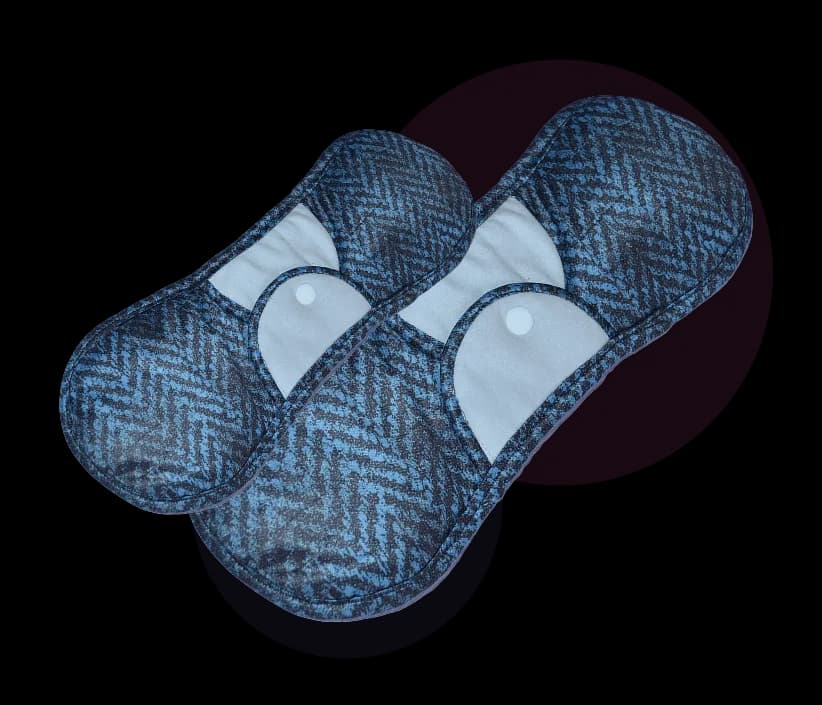
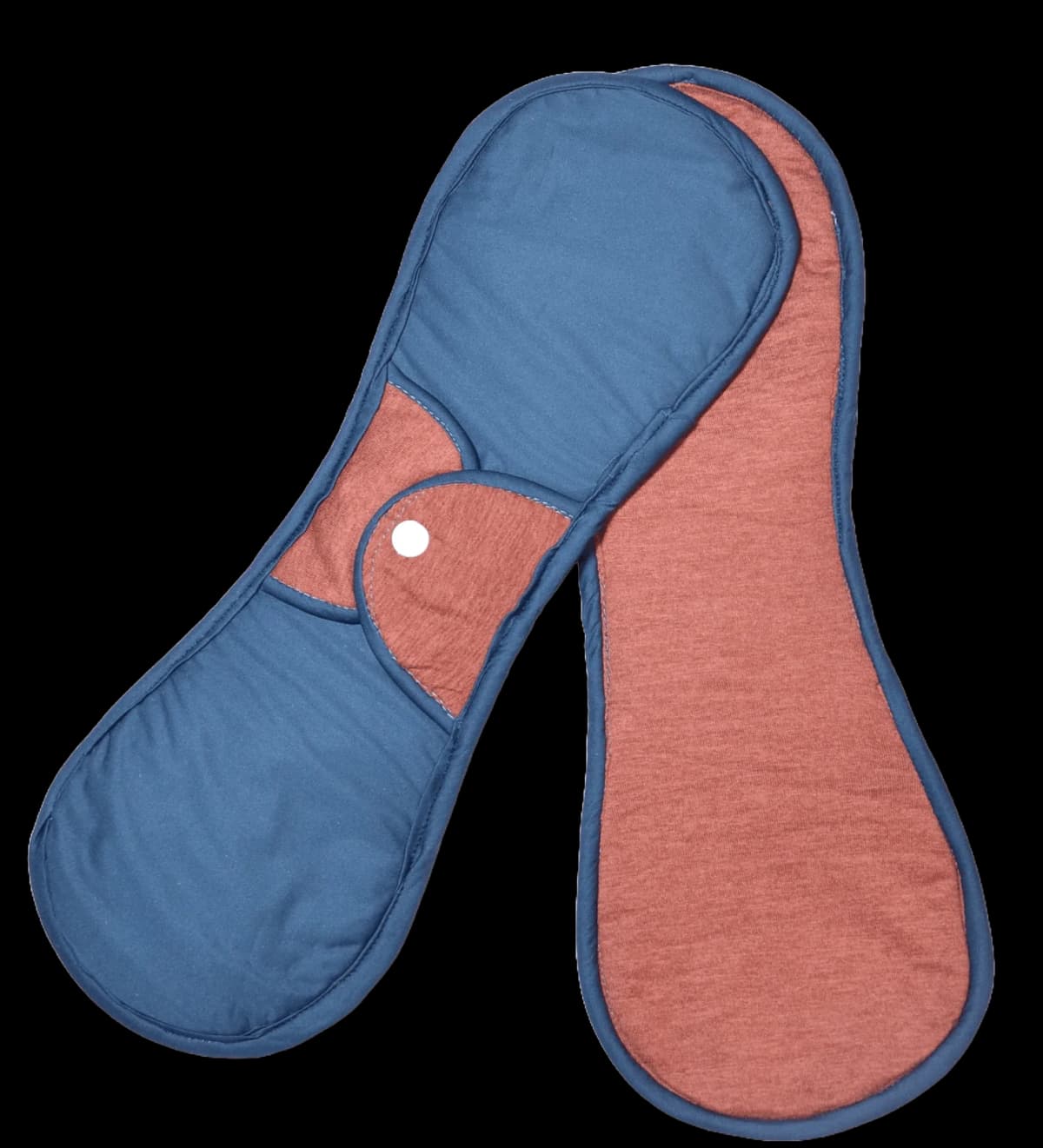
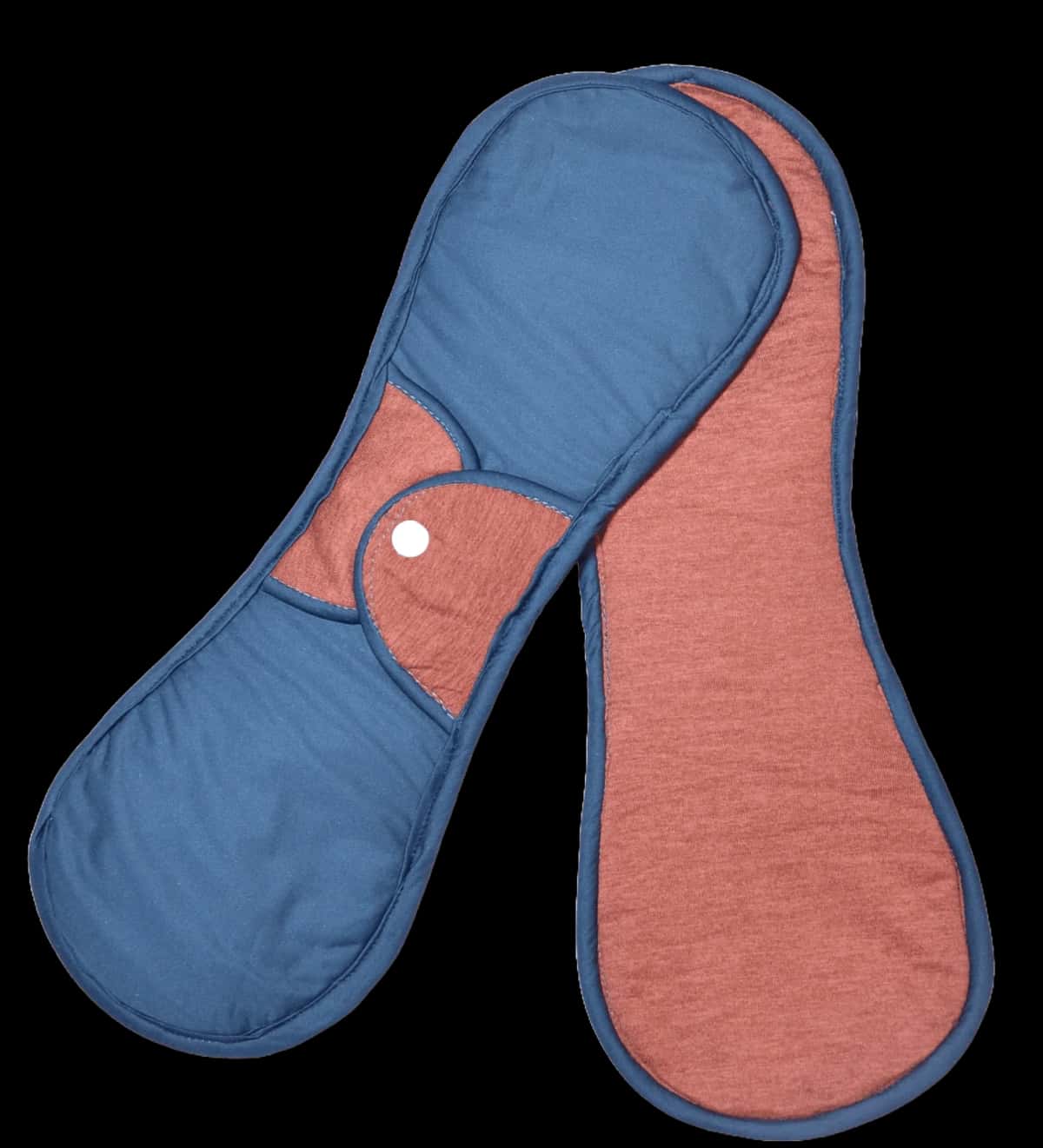
Our Sanitary Pads Wey You Fit Wash Use Again
Light Flow
Thin and light pad wey we design for
the last days of your period.
E get layer wey no dey leak for back.

Normal Flow
Heavy Flow
Wetin Dey Make Dis Programmes Really Work
Government sanitary pad programmes wey dey succeed get some main things in common wey make dem different from programmes wey get good intention but no dey work. To understand dis things fit help other states and organisations design programmes wey go get more impact.
How we dey make am for here and who we dey work with
The programmes wey dey last pass dey put support for Nigerian makers and local supply chains first. Dis approach get many benefits wey pass just to give products. First, e dey keep money for local economy, e dey create jobs and build capacity. Second, e dey reduce cost for long time because e remove import duty and shipping cost. Third, e dey make sure say the product design fit our culture and dey relevant for here.
To support sanitary pads wey you fit wash use again, like the ones wey companies like Sana Pads dey make, dey bring even bigger value for long time. The money for beginning for each girl fit high pass, but pads wey you fit use again dey last for years if you take care of dem well. So the cost for each use dey low well well pass disposable ones. Plus, pads wey you fit use again dey reduce waste for environment—something wey dey important more and more as Nigeria dey struggle with plastic pollution.
Local partnerships also dey make supply chains respond quick. When wahala show, local makers fit adjust quick instead of to wait for international supply chains. Also, local companies understand wetin pipo like, the sizes wey dem need, and how dem dey use products better pass international suppliers.
Pass Only Sharing: Education and Infrastructure
The programmes wey dey work best understand say to just share sanitary pads no reach. Without correct education and infrastructure, even products wey get high quality no go solve the real wahala wey girls dey face.
Full period health education dey address the lies and wrong beliefs wey dey add to stigma. For example, many girls no understand their period or dem no sabi how to use sanitary products correct way. So education programmes wey dey explain how the body dey work, hygiene habits and product options dey give girls power to make decisions about their health wey dem sabi well.
To build infrastructure dey important the same way. For many Nigerian schools, especially for villages, girls no get private, clean place to change sanitary products. Without correct facilities, even the best products go hard to use well. So government programmes wey dey succeed dey invest to make school sanitation facilities better, together with sharing of products.
Teacher training na another important part wey simple programmes dey often forget. When teachers understand period health and dem dey comfortable to talk about am, dem go become better help for students. But dis one need make dem address the teachers own discomfort and wrong beliefs about period.
Community Involvement and Men Involvement
To break stigma need change of mind for the whole community, no be only for girls and women. The programmes wey dey succeed pass dey bring boys and men join as allies on purpose, instead of to treat period as matter wey be only for women.
“Men and boys must get knowledge so dem fit support their sisters and daughters,” Dr. Tamanuwa stress. Dis approach wey include everybody dey help create environment wey dey support girls, where dem go comfortable to find help when dem need am. Plus, when boys understand period as normal thing for body, dem no go too dey laugh or shame their female classmates.
Religious and traditional leaders get important role for how community go accept period health programmes. When programmes involve dis strong voices early for the design, dem fit handle culture matters better. Also, community leaders fit help present period health support as something wey agree with traditional values of to take care of daughters and to make sure say dem succeed.
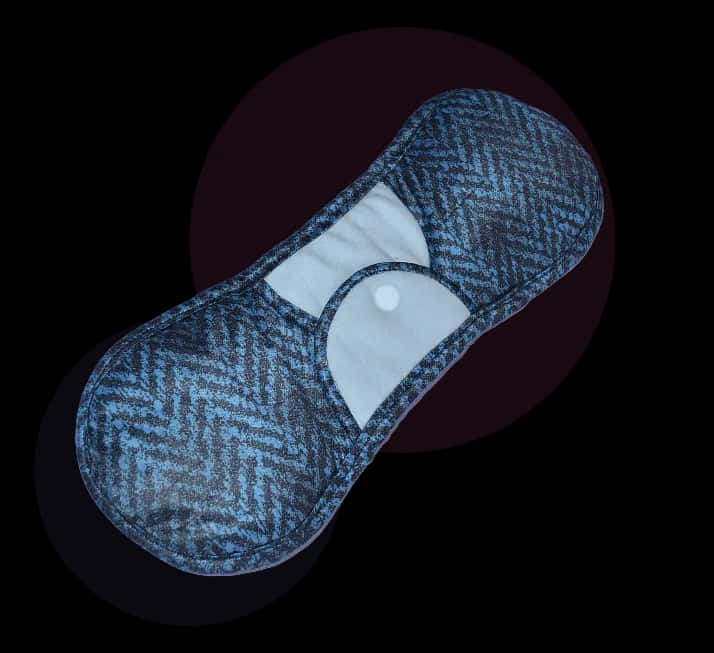
Our pads wey you fit wash

Wetin We Fit Learn From Success Stories for Other Countries
Nigeria government programmes fit learn better lessons from countries wey don fight period poverty well for big level. Dis international examples dey show wetin possible when leaders dey committed for long time and dem dey implement am with correct plan.
Kenya Free Sanitary Pads Law
For 2017, Kenya make new law wey make sure say all schoolgirls dey get free sanitary pads. Dis law na one of the most complete government response to period poverty for the world, and the results get important lessons for Nigeria.
The impact don big and you fit measure am. How girls dey attend school don increase well since dem start am. More important, how dem dey perform for school don better, because girls no dey miss important lessons again because of their period. Teachers talk say girls get more confidence and dem dey join class discussion more when dem no dey worry about period accident.
Kenya approach dey show the power of making period health support legal right instead of charity. Dis framework dey create way to fund am for long time and e dey make sure say dem dey implement am the same way for all regions. For Nigeria, dis one show say federal law wey make period health support compulsory fit be the backbone for programmes wey organised more.
Uganda AFRIpads Model
Uganda success with AFRIpads dey show how partnership between government and NGO fit create solutions wey dey last and wey local pipo dey drive. Dis programme dey join local manufacturing with full education and sharing programmes, and e create model wey Nigeria fit adjust for local situation.
The AFRIpads approach dey put products wey you fit use again first, and dis one agree well with goals for money and for environment. As e dey support local manufacturing, the programme dey create jobs and build capacity for long time. Plus, as e focus on products wey you fit use again, the money wey dem spend for beginning dey continue to give value for years.
Uganda experience also show how user education and support wey continue dey important. To just give pads wey you fit use again no reach—girls need to understand correct care so the products go last long and work well. So programmes wey dey succeed dey include follow-up education and support systems.
Our packages wey pipo dey buy pass
The Starter Package
E get 3 normal Sana Pads and free pouch to carry pads.
E good for pipo wey just dey start to use pads wey dem fit wash use again.
Package for days wey flow light
E get 4 Normal Pads and 1 Maxi Pads plus free pouch to carry pads. E good for women wey dey work long hours.

Package for women wey dey bleed well well
E get 3 Normal Pads, 2 Maxi Pads and if you want, 2 Labia Pads for maximum protection + free pouch. E good for women wey get strong flow.
Wahala Wey Still Need Solution
Even with the good progress, big wahala still dey to make government sanitary pad programmes bigger across Nigeria. To solve dis wahala dey important to reach the vision to end period poverty.
Money and Resource Gaps
Small money still be the biggest thing wey dey stop programmes wey dey work from growing. Policies dey for federal and state levels, but the budget wey dem give dey often no reach wetin full implementation need. So many programmes dey run small pass wetin suppose be, or dem dey depend well well on donor money instead of government money.
As implementation no dey the same for all regions, e dey add more wahala. States wey get strong economy and leaders wey dey committed dey get better programmes, while others dey behind. Dis difference between regions mean say whether girl go get period health support dey often depend on where she dey live pass wetin she really need.
Infrastructure needs, especially for village schools, need big investment wey many state governments dey struggle to make. To build correct sanitation facilities, train teachers and set up sharing systems, all of dem need money for beginning wey fit take years before e show result. But dis investments dey important for impact wey go last.
Culture Barriers and Stigma
Culture beliefs about period wey deep well well still dey stop programmes to work well for many communities. For some areas, pipo see period as something wey private and shameful so tey girls no dey want join sharing programmes or find help when dem need am.
Religious and traditional taboos about period fit make am hard for programmes to work well. Some communities believe say to talk about period open no correct, while others get special rules for women and girls wey dey see period. So programmes must handle dis matters carefully and still give the support wey dem need.
The silence about period pass wetin one person think, e reach how institutions dey work. Many schools no get clear policy on how to support students wey dey see period, and teachers dey often feel say dem no ready to handle period health matters. To break dis silence for institutions need organised training and policy development.
How Organisations Fit Support Government Efforts
Government programmes dey work best when NGOs, private companies and international organisations dey support dem with strong partnerships. Dis kind working together fit multiply impact and solve wahala wey government programmes go face if dem dey alone.
How to Build Partnerships Wey Dey Work
The partnerships wey dey succeed pass dey join government power to make policy with the knowledge and resources of organisations. For example, the work between government agencies and the Tabitha Cumi Foundation dey show how NGOs fit bring special knowledge while government dey make sure say e big and e dey last.
Partnerships wey dey work also need clear roles and responsibility wey everybody share. When each partner understand wetin dem go bring and wetin dem go do, programmes fit avoid to repeat the same work or to leave gaps. Plus, monitoring and evaluation systems wey dem share dey help make sure say partnerships reach the results wey dem plan.
To share resources pass to give money. E include knowledge, networks and infrastructure. Organisations dey bring deep knowledge of wetin community need and how to implement am well, while government dey give policy framework and institutional support. Also, private companies fit bring manufacturing capacity and knowledge of supply chain.
Quality Standards and How to Choose Products
To support government programmes need careful attention to product quality and whether the product fit. No be all sanitary products dey the same, and to choose the correct ones fit affect how programme go work and how users go satisfy well well.
Sanitary pads wey you fit wash use again get strong advantages for big government programmes. The cost for each one for beginning fit high pass disposable ones, but the value for long time big well well. Pad wey you fit use again wey get high quality fit last for years if you take care of am well, so the cost for each use go low well well pass disposables. Plus, options wey you fit use again dey reduce the cost wey government programmes dey spend again and again to buy and share products.
Quality standards dey especially important when you dey choose products wey you fit use again. Pads must dey comfortable, dey soak well, and last long, so users go satisfy and programme go succeed. Companies like Sana Pads wey specialise for products wey you fit use again wey get high quality understand dis needs and dem fit give solutions wey you fit trust for bulk orders.
Local manufacturing dey add another value to government partnerships. As programmes dey support Nigerian makers, dem dey keep the economic benefit for inside the country and dey build capacity for long time. Also, local companies fit give customer service wey dey respond quick and dem fit adjust products based on wetin users talk.
Time to join hand
The Road Forward: To Create Change Wey Go Last
The success stories wey dey come out across Nigeria dey show say to end period poverty possible with correct mix of political will, partnerships wey get plan, and community involvement. But to make dis success reach all Nigerian girls need commitment wey no go stop and new ideas wey dey continue.
If states share the models wey dey work, progress fit move fast well well. States wey don get approaches wey dey work suppose share wetin dem don learn and help others adjust am. Plus, federal coordination fit help make quality standards the same and make buying cheaper because e dey big.
To make programmes wey dey work bigger need both more money and better efficiency. Government budget fit always get limit, but partnerships wey get plan fit multiply the resources wey dey. Also, to focus on products wey you fit use again and local manufacturing fit reduce cost for long time and build supply chains wey go last.
The final vision clear: Nigeria where no girl dey miss school because of her period, where pipo dey talk about period open without shame, and where good period products dey for everybody wey need dem. Government programmes don already dey move the country go dis vision, and with support wey continue and partnerships wey get plan, e fit become real.
You ready to join the solution? Contact Sana Pads make we look how our high quality sanitary pads wey you fit wash use again fit support the period health programmes of your organisation. Together, we fit make sure say every Nigerian girl get the products and support wey she need to manage her period with dignity and confidence.
Learn more about our products:
- Starter Kit for new users
- Full Protection Kit for all your needs
- Questions wey pipo dey ask about pads wey you fit wash use again
The future of period health for Nigeria bright, and if government, organisations and communities continue to work together, period poverty fit become wahala of the past.

Contact Us
Testimonials
See wetin our customers dey talk about our products.
Women for all over di world dey buy Sana
“Sana Pad good well-well, e dey make you comfortable and free. I love the pads, na the best ever!”

“I don try different brands of reusable pad, but Sana stand out for the quality, the comfort and how e dey last. Dem design am with sense, and the material dey gentle for my skin. As I change to Sana, e don reduce how I dey spoil environment and e don also save me money for long run. I dey grateful for dis solution wey go last!”

“For first, e dey irritate me to use washable sanitary pad. I decide to try am, and to my greatest surprise, e comfortable well-well and e easy to wash. You fit even do your daily things without fear say blood go stain you for public. I wan give Big shout out to SANA PADS!!”

“I dey really love Sana reusable pads! Dem dey make me relax and feel free for my period time. Plus, dem don reduce the cost and stress of buying disposable pads every month well-well. Kudos to Sana for making dis kind correct product – I go be fan forever!”

“To dey buy disposable pads every month dey add up well-well, so I talk say make I try Sana Pads. E surprise me how soft dem be, and dem dey work well for long days for university. To wash dem simple, and e don reach months wey I never buy new pad, so e don save me money. I also like say dem dey better for environment. E sweet me say I get option wey cheap and wey better for environment.”

“I don try different pad brands for years, but Sana pads really stand out. From the first time I use am, I see the difference — e soft for skin, e dey soak well-well, and e comfortable die. Even for my heaviest flow days, Sana pads dey hold well. Wetin I also love na how the material dey allow air pass and e good for skin. If you dey find pad wey get comfort, wey you fit trust, and wey get quality, I really recommend make you try Sana pads.”
Time to join hand
Contact Us
Margaret Ochegbudu
Business Manager