Period Blood Colors and Wetin Dem Mean: Full Guide for Nigerian Women
Where pipo don see us







 Margaret Ochegbudu don check am · Update 26 min to read
Period blood fit be bright red reach dark brown or black, and most of dis change normal. Bright red usually mean fresh blood wey dey flow fast; brown or black na old blood wey take longer time before e comot from body. Orange or grey discharge wey get strange smell fit mean infection, and doctor suppose check am.
Period Blood Colours: Wetin You Need to Sabi
Your period blood no dey always get di same colour, and dat one usually normal. Di colour fit change for your cycle, and e depend on how fast blood comot from your body, your hormone levels and oda health things.
Main Points:
- Period blood colours fit be bright red reach dark brown or black, and most of di changes dey completely normal for healthy women.
- Bright red blood mean fresh period flow, but brown or black blood na old blood wey take longer time to comot from your uterus.
- Pink or watery blood fit show say your oestrogen low, say your body no dey get enough nutrients, or say na very light flow days for di start or end of your period.
- Orange blood wey mix with cervical fluid usually no dey harm, but if smell or itching follow am, e fit mean infection wey need medical attention.
- Grey discharge no dey ever normal and e always need doctor check immediately, because e usually mean infection or oda complications.
- To understand normal colour changes dey help Nigerian women know di difference between healthy cycle and warning signs, and e fit save ₦15,000-₦50,000 for clinic visits wey no need.
- Dark blood stains dey hard to remove from pads, so leak-proof reusable pads wey get good waterproof layers dey very important for Nigerian women.
Make we look exactly wetin each colour mean and when you suppose take action.
Funke siddon for her hostel room for University of Lagos, dey look her pad with worry for her face. Di blood no be di bright red wey she expect – e almost black. Plenty questions dey run for her head. Something dey wrong? She suppose go di health centre? She wan ask her roommate, but to talk about period no dey easy for her. For evening, she finally call her senior sister for Abuja, wey laugh small and explain say dark blood for di start or end of period dey completely normal. Funke relief come immediately, but she dey wonder why nobody teach her dis before. Like many Nigerian women and girls, she start to see period without understanding di full picture of wetin normal really be. Di colour of period blood fit tell you important things about your health, and when you understand dis signs, e go help you know di difference between normal changes and signs wey need medical attention.
Di Science Behind Period Blood Colours
When you dey see your period, your body dey shed di uterus lining wey build up during your cycle. Dis tissue get blood, mucus and endometrial cells. Di colour wey you see depend mainly on how long di blood don stay inside your body before e comot.
Why Blood Colour Dey Change
Think am like cut for your finger. When you first injure, di blood dey bright red. If you put plaster on am and check after some hours, di blood wey remain go look darker, even brownish. Na di same oxidation process dey happen with period blood. Fresh blood wey comot from your uterus quick dey bright red because e never get time to oxidise. Blood wey stay longer for your uterus before e comot dey turn brown or even black as e dey react with oxygen. Dis na basic chemistry, no be medical problem.
How fast your flow dey affect colour well well. For your heaviest days – usually day 2 and 3 for most Nigerian women – blood dey comot quick and e dey bright red. For di start or end of your period when flow slow, blood dey take longer to pass through your cervix and vagina, and e get time to dark. Di hot, humid weather for cities like Lagos, Port Harcourt and Calabar no dey change di colour of blood inside your body, but e fit affect how quick stain go hold for pad if you no wash am quick.
Hormones also get their part. Estrogen and progesterone levels dey affect how thick your uterus lining go grow and how fast e go shed. When dis hormones dey go up and down because of stress, food changes, or conditions like polycystic ovary syndrome (PCOS), you fit notice colour changes. Young girls for their first few years of period and women wey dey near menopause dey often see more colour changes as their hormones dey settle or change.
Di Role of Flow Speed and Di Position of Your Uterus
Di position of your uterus dey affect how blood dey flow comot. About 20% of women get uterus wey tilt, and dis one fit slow di blood flow and make di colour dark more often. Dis na normal body difference, no be defect. If you dey always see darker blood, e fit just be di natural pattern of your body.
Flow speed matter well well. Women wey get heavy period (menorrhagia) dey often see bright red blood all di time because e dey comot quick. Women wey get lighter flow fit see more brown or pink blood. Di amount of blood wey you dey lose for each cycle – usually 30-40 milliliters total, or about 2-3 tablespoons – also dey affect di colour. Even though e fit look plenty for pad, you no dey lose dangerous amount of blood unless you dey soak pads finish every one or two hours.
Cervical Mucus Wey Mix with Blood
Your cervix dey produce mucus for your whole cycle. Sometimes dis clear or whitish mucus dey mix with period blood, and e dey make pink or orange colour. Dis one completely normal and e dey happen to most women at one time or anoda. Di mucus dey protect, e dey keep your reproductive system healthy. When you see dis mixed colours, your body just dey do wetin dem design am to do.
Wetin Di Different Period Blood Colours Mean
All di colours wey period fit get fit look like something to fear, but each one get explanation wey make sense. Make we break down wetin you really dey see.
Period Blood Wey Bright Red
Dis na wetin most pipo dey picture when dem think of period blood. Bright red, like fresh blood from small cut, mean say your period dey flow well and di blood dey comot from your body quick. You go usually see dis colour for your heaviest flow days, usually day 2 and 3 of your period.
Bright red blood for your whole period dey perfectly healthy. E mean say your uterus dey squeeze well and e dey clear di lining well. If you dey use reusable pads like Sana Premium or Maxi Pads, bright red blood dey wash comot easier than darker colours when you first rinse dem for cold water. Many women for Abuja and Kano talk say dis colour na di easiest to clean from cloth pads.
But if bright red bleeding last pass 7 days, e become very heavy (you dey soak one pad finish every hour), or e dey happen between periods, book appointment with doctor. Even though e often no dey harm, bright red bleeding wey last long fit sometimes mean fibroids, polyps or hormone imbalance wey treatment go help.
Period Blood Wey Dark Red or Brown
Dis colour dey show when blood don stay for your uterus or vagina for some time before e comot. Oxidation – di same process wey dey make cut apple turn brown – dey make di blood dark. Dark red or brown blood dey very common for di start and end of period.
Many Nigerian women dey notice brown spotting one or two days before their period really start. Dis na old blood from di last cycle, or di very start of di uterus lining wey dey shed. Same way, di last days of your period dey often show brown discharge as your uterus dey push out di last tissue wey remain. Both situations dey completely normal.
Brown blood fit also show if your flow light overall. When blood no plenty, everything dey move slow, and e get time to oxidise. Women wey just start to use reusable pads sometimes dey worry about brown blood, dey think say e mean problem. Di truth be say, to change to pads wey dey allow air pass and no get chemical dey often help you see your natural cycle pattern clear, because disposable pads get perfume and chemicals wey fit cover or change wetin you see.
If you get brown discharge with serious cramp, fever or bad smell, go see health worker. Dis oda symptoms fit mean infection or tissue wey remain inside, even though dis one no common.
Black Period Blood
Dis one dey look like something to fear, but e usually be very old blood. Blood wey stay for your uterus longest dey turn darkest. You fit see black blood for di very start or end of your period, or first thing for morning after blood don gather for night while you dey sleep.
For women wey get slow flow or wey dey use menstrual products wey dey seal (like some cups), black blood dey show more often. E just be blood wey don oxidise well well. Di thick texture, wey sometimes dey like string, come from blood wey mix with uterus tissue and mucus. Even though e look different, e still be normal discharge.
But if you see black blood with oda symptoms – fever, serious pain, strange discharge between periods, or e hard for you to get belle – tell your doctor. For rare cases, black blood fit mean blockage for vagina or condition wey dem dey call hematometra. But for most Nigerian women, to see some black blood during period no need any action apart from to use pad wey fit absorb well, because darker blood dey usually thick.
Period Blood Wey Pink or Light Pink
Pink period blood dey happen when period blood mix with cervical fluid, or when estrogen low. You go often see am for di very start or end of your period when flow lightest. Oda fluids dey dilute di red blood cells, and dat one dey make di pink colour.
Low estrogen fit make your period always pink. Dis one sometimes dey happen when person lose weight too much, do exercise too much, or get conditions like polycystic ovary syndrome. Young girls wey just start period and women wey dey near menopause also dey see pink blood as their estrogen dey go up and down. If you dey Kaduna or Jos where di height and cool weather fit affect how active pipo be, you fit notice pink blood if you don increase physical activity well well recently.
Pink spotting between periods fit be ovulation bleeding, wey dey happen to about 5% of women and e no dey harm. But if you get belle and you see pink or red blood, contact your health worker. Even though small spotting fit normal for early pregnancy, e good make dem check am. Pink watery discharge wey get strange smell or come with itching need medical check for possible infection.
When body no get enough nutrients, especially low iron, e fit also make period lighter and pinker. Many Nigerian women get iron wey almost low because dem dey chop plenty processed food and small vegetables and protein wey get iron. To add more beans, ugwu (fluted pumpkin leaves), green vegetables and lean protein fit help your cycle normal again.
Orange Period Blood
Orange blood dey happen when red blood mix with discharge from cervix. Di discharge dey dilute di red, and depending on how dem mix, you go see from light orange reach rusty red-orange. Dis one dey usually happen for light flow days.
For most cases, orange blood no dey harm. Your cervix dey produce more discharge for some times for your cycle, and when dis one happen same time with light bleeding, orange go show. But orange discharge wey get bad smell, or wey come with itching, burning or strange texture, fit mean bacterial vaginosis or trichomoniasis. Dis common infections need antibiotic treatment.
Di challenge for Nigeria be say many women dey delay to treat infection because of shame or because of money. Basic infection test for government health center dey usually cost ₦2,000-₦5,000, while private clinics dey charge ₦8,000-₦15,000. Infection wey you no treat fit bring complications wey go cost far more, so to check am early dey save both health and money.
If you see orange blood once or twice with no oda symptom, just dey watch am. If e continue for many cycles or e come with discomfort, book check-up. No use vaginal products or douche to try “fix” di colour – dem dey disturb di natural pH of your vagina and dem dey often make problem worse.
Grey Discharge
Grey discharge na di only colour wey always need medical attention. E no dey ever be part of normal, healthy period. Grey discharge usually mean bacterial vaginosis, infection wey dey happen when di bacteria for vagina no balance. Oda possible causes na miscarriage or tissue wey remain inside after delivery.
If you see grey discharge, especially with smell like fish, contact health worker quick. Antibiotics dey treat bacterial vaginosis easily, but if you ignore am, e fit bring complications. Dis one include higher risk of sexually transmitted infections and pelvic inflammatory disease.
For women wey get belle, grey discharge with tissue or clots fit mean say di pregnancy don lost. Dis one need medical care immediately to make sure say all di tissue comot and to stop infection. Even though to talk about miscarriage hard for many Nigerian communities, to get proper medical care dey very important for your future health and fertility.
No panic if you see grey once – sometimes toilet paper fibre or discharge wey mix with oda colours fit look grey. But if you really see grey discharge with any bad smell or strange texture, book dat appointment. Your health worth di clinic visit.
Common Worries About Period Blood Colours
Many Nigerian women dey worry about their period blood colours but dem dey shame to ask question. Make we answer di most common worries directly.
"My blood too dark – e mean say I get bad blood?"
Dis na one of di most common worries, and e come from culture belief say “bad blood” need to comot from body. Truth be say no such thing as bad blood for your period. Dark or black blood na just old blood wey oxidise before e comot. E no mean say poison dey gather inside you or say your blood dey dirty.
Your period blood dey actually clean – e dey sterile when e comot from your uterus. Di uterus lining wey your body dey shed every month get work wey e do (to prepare for possible pregnancy), and now your body dey clear am well. Di colour wey e get when e comot no show your general health or di quality of your blood. Some women naturally get darker blood because their flow slow or because of di position of their uterus. Dis na just di pattern of your body.
If you dey worry, write down your colours for 2-3 cycles. Notice when darker blood dey show (usually for start and end of period) and whether you get any symptom wey dey worry like serious pain, fever or very heavy flow. If your period dey work normal for oda ways – e dey come almost on time, e dey last 3-7 days, e no dey scatter your life finish – di colour changes na just normal cycle things.
"I fit know if I get belle or infection from colour alone?"
Colour alone no dey diagnose anything. You need to look di full picture, including timing, symptoms and situation. Pink or brown spotting around di time wey your period suppose come fit be implantation bleeding from early pregnancy, or e fit be light period, or breakthrough bleeding from hormonal family planning. You no fit know which one without pregnancy test.
Same way, even though orange or grey discharge wey get smell dey often mean infection, you need proper diagnosis to know which infection and which treatment. Different infections need different antibiotics. To treat yourself based on colour alone, or to use medicine wey remain from your friend, fit make problem worse.
Use colour as one piece of information. If you see strange colours plus oda symptoms – itching, burning, strange smell, fever, serious pain, bleeding between periods – dat combination dey show say e good make you see health worker. Colour change alone, without oda symptom, usually just show normal cycle changes. When you no sure, quick check-up go give you peace of mind. Many primary health centers for Nigeria dey give women health services for reduced price, and consultation dey often under ₦3,000.
"My period blood get clots and dark tissue – something dey wrong with my uterus?"
Clots dey usually completely normal, especially for heavy flow days. When blood gather for your uterus or vagina before e comot, e dey begin to clot like blood from cut. Your body dey produce anticoagulants during period to keep blood dey flow, but when flow heavy or you don siddon or lie down for some time, small clots dey form.
Clots wey small pass ₦20 coin (about 2.5 cm) dey normal. Dem dey often look dark red or almost black because dem get older blood. Di texture fit be like jelly or like string. Dis na just blood wey mix with uterus lining tissue – exactly wetin suppose comot during period.
But if you dey always pass clots wey big pass ₦50 coin, you dey soak pads finish every hour, you dey feel dizzy or tire well well, or your period dey last pass 7 days, you suppose go make dem check you for menorrhagia (heavy period bleeding). Dis one dey affect about 10-15% of Nigerian women and e fit cause anemia if you no treat am. Causes include fibroids, adenomyosis, hormone imbalance or bleeding disorders. Dem all get treatment, but you need proper diagnosis first.
Di dark tissue wey you see na usually endometrial lining. Your uterus dey shed dis tissue every cycle, and e no dey always break into liquid. Small pieces of tissue dey normal. If di amount or texture dey worry you, collect sample (yes, e no sweet, but e go help) inside clean container and carry am go your doctor make e check am.
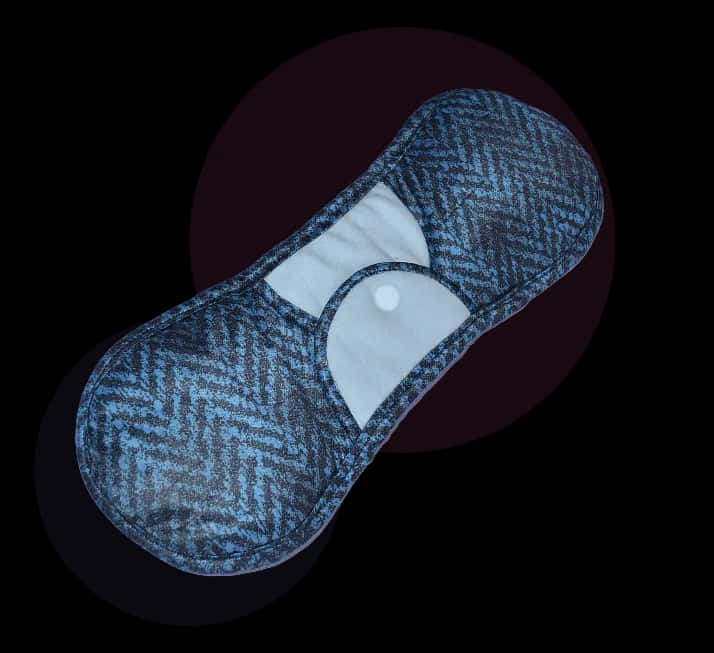
Our pads wey you fit wash


How Your Lifestyle and Health Dey Affect Period Blood Colour
Apart from di basic science of oxidation, many things dey affect di colours wey you see during your period. When you understand how dem connect, e go help you support your menstrual health.
Food and Water
Wetin you chop dey affect your hormone levels and di quality of your blood directly. Iron deficiency, wey common for Nigerian women wey no dey chop enough red meat, beans or green vegetables, fit make period lighter and pinker. Your body need iron to make healthy red blood cells. When iron low, your blood dey really pale.
When water no dey your body enough, your blood dey concentrate, and sometimes e dey look darker. For Nigeria hot weather, especially for northern cities during dry season, water fit easily dry for body. To drink enough water – about 8-10 glasses every day – dey keep everything dey flow well. Women wey dey drink enough water dey often talk say their period easier, with less cramp and flow wey steady.
B vitamins, especially B12 and folate, dey support healthy period. Dis vitamins dey help your body make and control blood cells. Food wey get plenty processed things and small whole grains, vegetables and protein fit cause deficiency wey go change your cycle. To add more whole foods – brown rice, beans, vegetables, fruits, fish – dey often make period normal again inside 2-3 cycles.
Stress and Hormone Wahala
Stress wey no dey stop dey raise cortisol levels, and dis one dey scatter di balance between estrogen and progesterone wey dey control your cycle. High stress fit delay period, make am lighter or heavier, and change di colour wey you see. Many university students for Nigerian campuses dey notice say their period dey change during exam time, with lighter flow and blood wey pink more or brown more.
Di stress of period poverty – to worry about money for pads, to fear leak for school or work, shame about period – dey affect your cycle by itself. Dis one dey create hard cycle where period stress dey make period health worse. To find period solutions wey you fit trust and afford dey reduce dis stress well well. Women dey talk say their cycle dey more regular once dem no dey worry again about how to manage their period.
Sleep also matter. Your body dey make and control hormones when you dey sleep. Bad sleep dey disturb dis process. As light dey always go and dey spoil sleep for Nigeria, many women dey struggle with sleep wey no regular, and dis one fit affect how regular their cycle be and how e dey.
Medical Conditions Wey Dey Affect Colour
Some health conditions dey change period blood colour and how e be. Polycystic ovary syndrome (PCOS), wey dey affect about 1 in 10 Nigerian women, dey often cause period wey no regular with different colours because of hormone imbalance. Women wey get PCOS fit stay months without period, then get heavy dark bleeding, or see light pink spotting.
Endometriosis, wey be when uterus tissue dey grow outside di uterus, fit cause very dark, thick blood with serious cramp. Uterine fibroids, wey common especially for women wey get African roots, dey often bring heavy bright red bleeding with big clots. Thyroid problems dey affect how body dey make hormones and fit change both how regular cycle be and blood colour.
If you notice big changes for your period colour plus oda symptoms – weight change, too much hair growth, serious pain, cycle wey no regular – ask for thyroid and hormone test. Many conditions get good treatment once dem diagnose am well. Government hospitals for big cities like Lagos University Teaching Hospital, University of Abuja Teaching Hospital and Aminu Kano Teaching Hospital dey do hormone test for reduced price, usually ₦5,000-₦15,000 for full panel.
Period Blood Colours for Different Stages of Life
Your period dey change for your whole reproductive life, and colour changes dey often follow dis changes.
Teenage Years and Di First Periods
Girls wey just start to see period dey often see di most different colours. For di first 1-3 years after menarche (first period), hormones still dey settle. Period fit light and pink one month, heavy and bright red di next month, with brown spotting for between. Dis one completely normal as body dey learn to control di menstrual cycle.
Young girls no need to worry about colour changes unless serious pain wey dey disturb school follow am, bleeding dey last pass 7 days regularly, or period heavy reach to soak pads finish every hour. Apart from dat, colour wey no dey same na wetin to expect for dis early years. To keep simple calendar wey dey track di day period start, how long e last and how heavy e be, go help you see pattern with time.
Education dey make big difference. Girls wey understand period blood colours no dey fear too much and dem get more confidence. But menstrual education still no reach for many Nigerian schools. To start open talk for house – mothers dey talk to their daughters, senior sisters dey share knowledge – dey build foundation for menstrual health for life.
Di Years Wey You Fit Born Pikin
For di peak years wey woman fit born pikin, roughly age 20-40, most women dey get pattern wey dey steady. You go learn your normal – whether na bright red blood from start to end, brown blood for start and end, clots sometimes, or any oda pattern. Once you sabi your normal, you fit see real changes wey fit need attention.
Hormonal family planning dey affect colours well well. Pills, injections and implants dey often make period lighter, and dem fit bring pink or brown discharge instead of full period. Dis one dey expected and e safe. IUDs sometimes dey increase flow and clots, especially copper IUDs. If you start any hormonal family planning, expect colour changes for di first 3 months as your body dey adjust.
Pregnancy and di time after you born dey change your period pattern well well. Di first period after you born pikin dey often heavy with bright red blood and clots as your uterus dey go back to normal size. E fit take some months before your normal colours and patterns return, especially if you dey breastfeed.
Perimenopause and Menopause
As women dey near menopause, wey usually start for their 40s, hormones wey dey go up and down dey make period scatter with colour changes. You fit skip period for months, then get very heavy bright red bleeding, then light brown spotting. During perimenopause, almost any combination fit happen as estrogen and progesterone levels dey change anyhow.
Di challenge for dis stage na to know di difference between normal perimenopause changes and problems wey need attention. General rule: if bleeding heavy reach to disturb your daily life, e come with serious pain, e get very big clots, or e happen after 12 months without period, make dem check you. Conditions like polyps, fibroids and thick uterus lining dey more common as age dey increase, and sometimes dem need treatment.
After menopause, any bleeding no normal and e need medical check immediately. Even though na often harmless conditions like atrophic vaginitis dey cause am, bleeding after menopause fit mean serious problems and dem suppose always check am.
Why Sana Pads Matter to Manage Different Blood Colours
To understand period blood colours na one thing. To manage dem with comfort and without plenty money na anoda thing. Na here solutions wey dem make for here, wey dem design for Nigerian women, dey make real difference.
Na right here for Nigeria dem dey make Sana Pads, by pipo wey understand di weather, di money reality and di culture around period. Pass 10,000 women don get direct support through Sana programmes, and dem don share pass 30,000 pads to girls and women wey for fit miss school or work during their period. Dis one no be only to sell products – na to end period poverty and make sure say every Nigerian woman fit manage her period with dignity.
Different blood colours get different properties. Dark blood wey don oxidise thick pass and e dey stain strong pass fresh bright red blood. Orange or pink watery blood dey flow faster and e fit leak easier. Dem design Sana Pads with dis reality for mind. Di leak-proof layer dey stop any colour of blood from soaking reach your clothes, and di absorbent layers dey hold everything well. Di Premium Pads, wey get one leak-proof layer and three absorbent layers, dey handle normal flow for any colour. Maxi Pads, wey get five absorbent layers, dey manage even di heaviest bright red flow days with big clots.
Di materials wey dey allow air pass no dey hold heat and wetness like disposable pads. Dis one matter for di health of your vagina – better air mean better pH balance and less risk of di infections wey fit cause orange or grey discharge wey dey worry. Fabric wey no get chemical mean say nothing dey change or cover wetin you see, and e dey help you understand your true cycle pattern.
Because dem dey make am for here, Sana understand how Nigerian women dey wash – hand wash for places wey water no dey run always, drying for humid weather near sea versus dry heat for north, and washing during rainy season. Dem design di pads to rinse clean even with dark blood, with only cold water for di first rinse and soap for di wash. Women for Lagos dey talk say dem dey wash their Sana Pads quick even when water scarce, by using small basin of water well.
Di most important thing be say reusable pads dey remove di monthly money stress of buying disposables. Starter Kit wey get three Premium Pads and storage pouch dey cost small part of wetin you go spend for disposables for just few months. Dat money freedom dey reduce stress, and as we don talk, dis one dey actually improve your menstrual health and how regular your cycle be.
Take Action: Understand and Manage Your Period
Now wey you don understand period blood colours, wetin you suppose really do with dis information? Knowledge get di most value when e lead to action.
For Your Own Menstrual Health
Start to track your period, including di colours. Use simple notebook, calendar, or one of di free period tracking apps wey dey for smartphone. Write when your period start, how many days e last, di general flow (light, medium, heavy) and di colours wey you see every day. After you track for 3-4 cycles, you go see your own pattern clear.
When you sabi your normal, changes go show clear. If you dey usually see brown blood for one day, then bright red for three days, then brown again for two days, you go notice immediately if one month show only pink blood, or if bright red bleeding continue for seven days. Changes no automatically mean problem, but dem dey tell you make you pay attention and maybe see health worker.
Choose period products wey fit your usual flow and colours. If your period dey always heavy and bright red with clots, you need products wey fit absorb well well – Sana Maxi Pads na exactly for dis. If your flow light with mostly brown or pink blood, di No Wahala Pads wey get one leak-proof layer and one absorbent layer fit do, and dem go dey more comfortable for everyday wear. Di Starter Kit na practical way to start with reusable pads, with three Premium Pads wey dey handle normal flow plus storage pouch wey no dey show.
Pay attention to food. If you notice say your period dey always pale or pink, check how much iron you dey chop. Add more beans, dark green vegetables and protein. If you fit get am and you get money, think about iron supplement, but to get nutrients from food na di best. Drink enough water, especially during your period, when water for body dey help flow comfortable and e dey reduce cramp.
For Organisations Wey Dey Support Women and Girls
If you dey work with NGO, school, health center or community organisation, to understand period blood colours suppose be part of your menstrual health education programme. Too many Nigerian girls dey panic when dem see dark or black blood because nobody explain say e normal. Dis fear dey keep girls for house instead of school, and e dey stop women from joining daily life well.
Put correct information about period blood colours, without shame, inside health classes and workshops. Use simple, clear language like dis article. Talk about di culture myths directly – no, dark blood no mean say you dey store poison; no, you no fit know if you fit get pikin from colour alone; yes, some clots dey completely normal. Correct information dey stop fear wey no need, and e dey help young women know when dem really need medical care.
Think about giving reusable pads through your programmes. To share disposable pads dey make pipo depend on you every time – girls need new pads every month. Reusable pads dey give solution wey go last. One distribution fit give protection for years. Schools, NGOs and oda organisations fit order any quantity for di same fixed price for each pack. When girls get period protection wey dem fit trust, dem dey go school regularly, dem understand their body better, and dem build confidence wey go help dem for life.
Partner with local health centers to give screening wey easy to reach for girls and women wey notice changes wey dey worry. Connect women wey show signs of possible infection, hormone imbalance or oda conditions with care wey dem fit afford. Di goal no be only education – na to join knowledge with real health support.
Waka Forward with Confidence
Period blood dey come for many colours, and now you understand why. Bright red blood dey fresh and dey flow fast. Brown and black blood don oxidise before e comot. Pink blood don mix with oda fluids. Orange blood dey mix with cervical discharge. Dis changes na normal part of healthy cycle. Grey discharge na di only colour wey need medical attention immediately.
Di colour of your period blood no dey define your health, your fertility or your value. E just be information – wetin dey happen inside your body. Track your pattern, sabi your normal, and notice changes wey matter. Chop well, manage stress where you fit, drink enough water, and choose period products wey support your comfort and dignity.
Thousands of Nigerian women don dey manage their period with more comfort and less money with reusable pads wey dem make for here, wey dey work for every colour and every type of flow. Whether you dey Lagos with heavy traffic and long journey to work, Kano with dry season heat, or Port Harcourt with humid weather near sea, period protection wey you fit trust dey make everything easier. When you understand wetin you see for your pad – whether bright red, dark brown or anything between – e dey give you confidence to take charge of your menstrual health instead of to dey worry for quiet. Learn more about how to support menstrual health through education, affordable products and community support for our full menstrual health resource center, where we talk about everything from period basics reach how to manage specific worries for your whole reproductive life.
Continue to read for Menstrual Health
Questions wey pipo dey ask well well
Why I go choose Sana Pads instead of normal disposable pads?
Sana Pads na high-quality materials wey you fit use again, so dem be sustainable option wey good for environment instead of disposable sanitary products. Dem dey gentle for your skin, dem dey absorb well well, and dem dey save money for long run. When you choose Sana Pads, you dey help reduce plastic waste, and you go enjoy comfort and pad wey you fit trust for your whole cycle.
How long I fit use one Sana Pad before I need to wash am?
One Sana Pad dey give you comfort and protection for 4 to 8 hours, depending on your flow. To stay fresh, change am every 4 to 6 hours – more often for heavy days. After each use, rinse am for cold water and wash am with soap. If you care for am well, each pad go last 2 to 3 years.
Sana Pads safe for sensitive skin?
Yes, dem make Sana Pads from soft materials wey dey allow air pass and no dey cause allergy, so dem dey gentle for your skin. Dem no get di harmful chemicals and toxins wey common for disposable pads, so dem be correct choice for pipo wey get sensitive skin or allergies.
How I go take clean and care for my Sana Pads?
Rinse your pad for cold water immediately – hot water dey make blood stain stick. Then wash am with mild soap, with hand or for machine, and rinse until di water clear. Dry am finish for direct sun, because sun dey also kill germs. Abeg no use tumble dryer, bleach or fabric softener: dem dey spoil di absorbent layers. If you care for am like dis, one Sana Pad go last 2 to 3 years.
Price dey change if I order plenty?
No. Each product get fixed price for each pack, no matter how many packs you order. You fit calculate your total with our price calculator. For big orders, send us direct message and we go confirm di delivery cost with you before you pay.
Testimonials
See wetin our customers dey talk about our products.
Women for all over di world dey buy Sana

“I dey really love Sana reusable pads! Dem dey make me relax and feel free for my period time. Plus, dem don reduce the cost and stress of buying disposable pads every month well-well. Kudos to Sana for making dis kind correct product – I go be fan forever!”
“Sana Pad good well-well, e dey make you comfortable and free. I love the pads, na the best ever!”

“I don try different brands of reusable pad, but Sana stand out for the quality, the comfort and how e dey last. Dem design am with sense, and the material dey gentle for my skin. As I change to Sana, e don reduce how I dey spoil environment and e don also save me money for long run. I dey grateful for dis solution wey go last!”

“For first, e dey irritate me to use washable sanitary pad. I decide to try am, and to my greatest surprise, e comfortable well-well and e easy to wash. You fit even do your daily things without fear say blood go stain you for public. I wan give Big shout out to SANA PADS!!”

“To dey buy disposable pads every month dey add up well-well, so I talk say make I try Sana Pads. E surprise me how soft dem be, and dem dey work well for long days for university. To wash dem simple, and e don reach months wey I never buy new pad, so e don save me money. I also like say dem dey better for environment. E sweet me say I get option wey cheap and wey better for environment.”

“I don try different pad brands for years, but Sana pads really stand out. From the first time I use am, I see the difference — e soft for skin, e dey soak well-well, and e comfortable die. Even for my heaviest flow days, Sana pads dey hold well. Wetin I also love na how the material dey allow air pass and e good for skin. If you dey find pad wey get comfort, wey you fit trust, and wey get quality, I really recommend make you try Sana pads.”
Time to join hand
Contact Us
Margaret Ochegbudu
Business Manager