Why Sanitary Pads Wey No Get Microplastic Dey Important for Nigerian Women Health
Where pipo don see us







 Margaret Ochegbudu don check am · Update 12 min to read
Most disposable pads get plastic for the back and for the top layer, wey dey hold heat and wetness for your skin, and na common cause of rash. Pads wey no get plastic wey touch your body dey allow your skin breathe. Dem no dey add microplastic to soil and water too, because disposable pads dey take 500 to 800 years to break down.
When Zainab, 14 years old from Kano, start to get rash wey no dey stop during her period, her mama think say na just part of growing up. But after she change to sanitary pads wey no get plastic, the irritation go finish. Dis story no be only her own—across Nigeria, plenty women dey discover say the disposable pads wey dem call “convenient” wey dem don dey use fit dey harm their health for ways wey dem never imagine.
The hidden cause? Microplastics wey dey inside normal sanitary pads, wey fit bring serious risk for women reproductive health and their general wellbeing.
Wetin Be Microplastics and Why E Suppose Concern You?
The Plastic Problem Wey Hide Inside Normal Pads
Microplastics na small small plastic pieces wey small pass 5mm, wey don enter almost every part of our daily life. Unfortunately, normal sanitary pads dey among the worst. Most pads wey dem dey sell get up to 90% plastic materials, including polyethylene, polypropylene and other synthetic compounds.
These plastics dey do different work for normal pads—dem dey stop water pass, help soaking, and make am comfortable. But new research show say these materials fit break into very tiny pieces when you dey use am, and fit enter your body through your most sensitive parts.
How Microplastics Dey Enter Your Body During Period
During period, your vagina area dey more open and sensitive. Also, the warmth and wetness dey make am easy for microplastic pieces to break comot from normal pads. These tiny pieces fit then enter through the vagina walls, wey get plenty blood vessels and dey allow things enter your blood directly.
Research wey dem publish for the International Journal of Molecular Sciences show say vagina tissue dey absorb microplastics easy, and dis one dey cause damage to cells and fit bring long-term health effect. Also, these pieces no dey break down naturally for your body—dem dey gather over time.
Why Nigerian Women Dey Face More Risk
Nigerian women dey face special challenge when e come to microplastic from sanitary products. Because information about wetin dey inside products no dey easy to get, many women dey use products wey get plenty plastic for many years without knowing. Also, the hot, humid weather for many parts of Nigeria fit make the plastic for pads break down faster, and more microplastic go comot.
Money problem also mean say many Nigerian women dey use cheaper, lower-quality products wey often get more harmful plastics and chemicals. So the same products wey dem dey market as “cheap solution” fit dey cause long-term health problems.
Health Risks of Sanitary Pads Wey Get Plastic
Reproductive Health Worries Wey You Need to Sabi
The reproductive system dey especially weak to microplastic exposure. Studies show say these pieces fit disturb how hormones dey work, and fit affect fertility and period cycle. Also, microplastics fit carry harmful chemicals like phthalates and BPA, wey pipo sabi say dey disturb hormones (endocrine disruptors).
For young Nigerian women wey just dey start to see period, early exposure to these chemicals fit get effect wey go last for how their reproductive system dey develop. Same way, women wey dey plan to get family suppose dey especially concerned about how microplastics fit affect their ability to get belle and carry healthy pregnancy.
Skin Irritation and Allergy
Many women dey get rash, itching or burning wey dey come back during their period without knowing say na their pads fit be the cause. Plastic materials for normal pads fit cause allergy, especially for Nigeria hot weather where more sweat fit make am worse.
The chemicals wey dem dey use make plastic parts fit also cause contact dermatitis (skin rash from wetin touch the skin). Over time, if e dey happen again and again, e fit lead to skin problems wey no dey go, wey go affect your comfort and confidence during period.
Long-term Effect for Vagina Health
Wetin fit worry pass na say microplastics fit disturb the delicate balance of bacteria for vagina. Your vagina dey keep careful balance of good bacteria wey dey protect am from infection. But plastic pieces and the chemicals wey follow dem fit disturb dis balance, and fit lead to infection wey dey come back or other problems.
Research show say long exposure to microplastics fit also increase inflammation (swelling) for vagina tissue, wey fit add to more serious health problems over time.
About Us

1. Top Quality
2. Care for Environment
We dey give women power for sustainable way with pads wey you fit wash use again wey dey friendly to environment.
3. Customer First
serve need and wetin go satisfy dem.
Our pads wey you fit wash
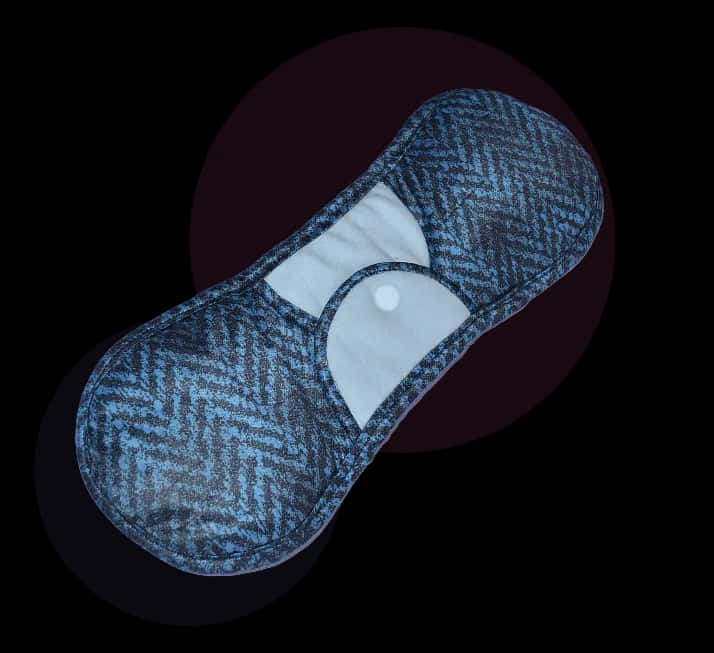
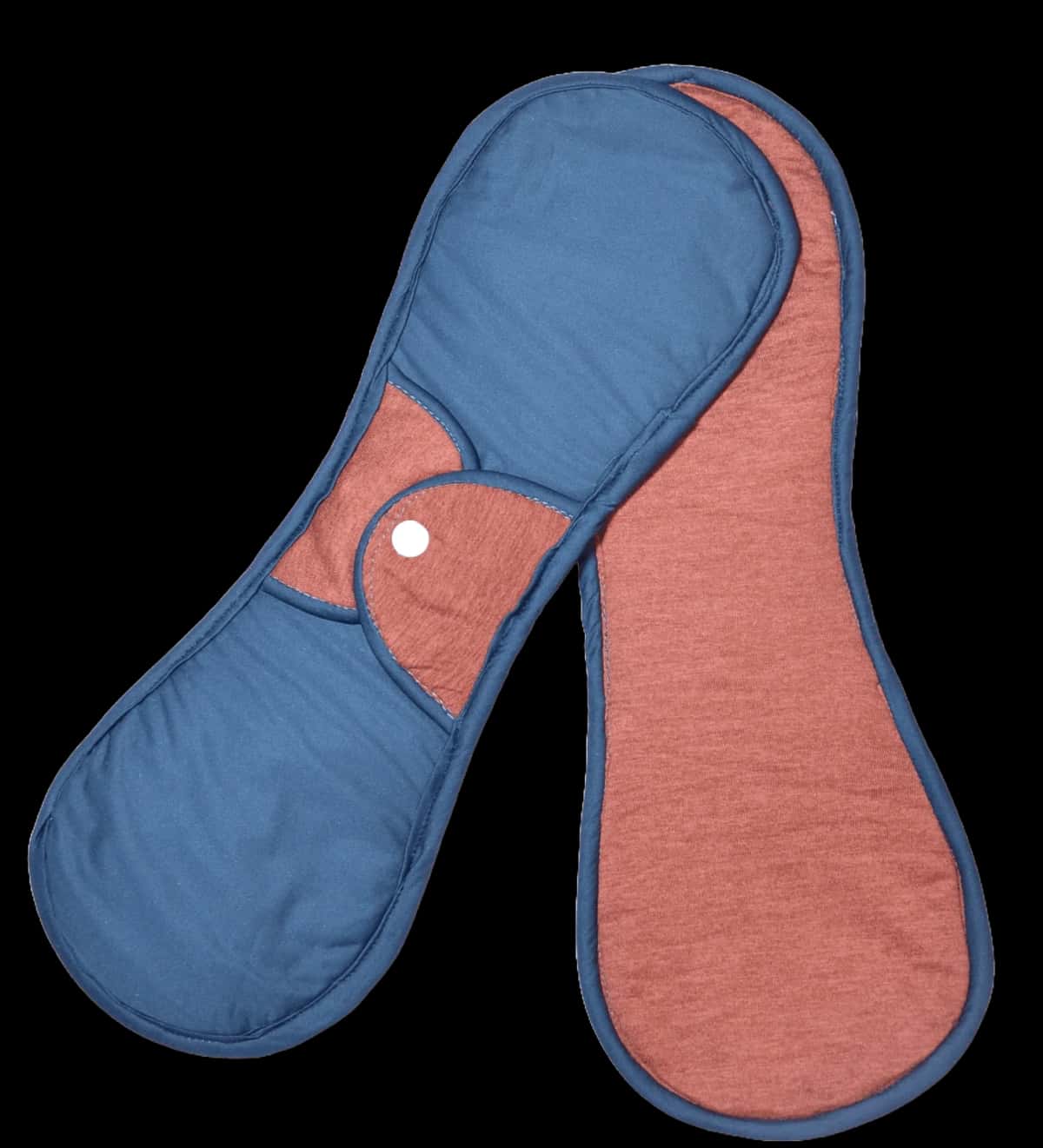

How to Know Sanitary Pads Wey No Get Microplastic
How to Read Label: Wetin to Look For and Wetin to Avoid
When you dey buy sanitary pads, to sabi read label dey very important. Avoid products wey get polyethylene (PE), polypropylene (PP) or other synthetic polymers. Instead, look for products wey dem make from natural materials like organic cotton, bamboo or hemp.
Dey careful with marketing words like “soft” or “silky”—these ones dey often mean synthetic materials. Same way, products wey dem call “super absorbent” dey often get plastic polymers wey fit release microplastics.
Natural Materials Wey Go Keep You Safe
The safest sanitary pads dey use natural materials wey air fit pass for every part. Organic cotton dey very good for the top layer because e soft, e dey soak, and e no go irritate sensitive skin. Bamboo fiber get natural power against bacteria and e dey soak well without plastic.
Hemp na another very good natural material wey dey soak and dey strong. These materials dey allow air pass, wey dey reduce risk of infection while dem dey give protection wey you fit trust without harmful chemicals.
Questions to Ask Your Supplier or Distributor
When you dey plan to buy plenty for schools or NGO programmes, ask clear questions about wetin dey inside the product. Ask for full list of materials and ask whether independent lab don test am for microplastics. Supplier wey you fit trust suppose dey open about how dem dey make am and the materials wey dem dey use.
No fear to ask about the waterproof layer—many products dey claim say dem “natural” but dem still dey use plastic for back. Products wey truly no get microplastic dey use natural waterproof methods or new designs wey no need plastic barrier.
Our Pads Wey You Fit Wash Use Again
Light Flow
Pad wey thin and light pass, wey we design for
the last days of your period.
E get layer wey no dey leak for the back.

Normal Flow
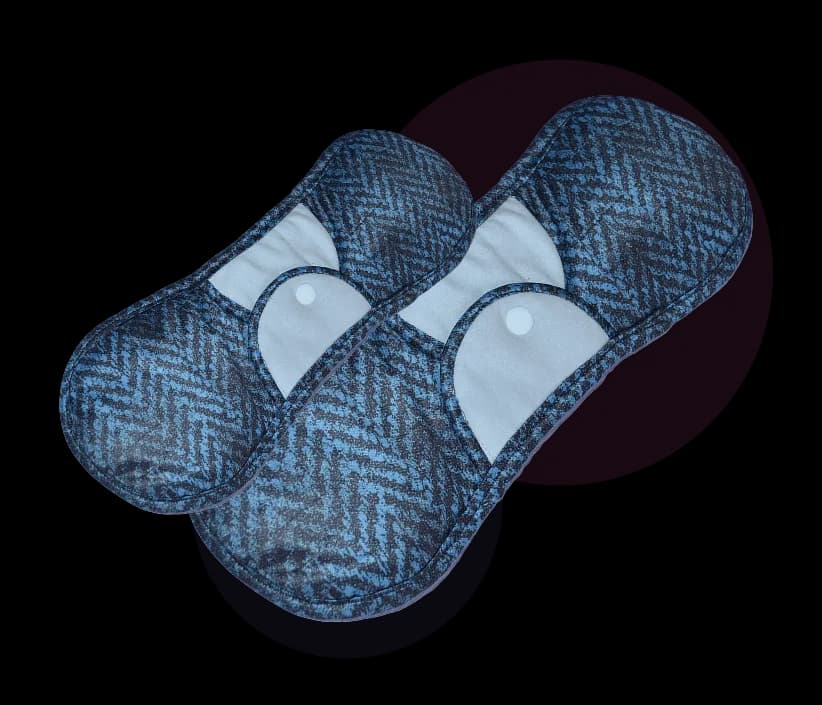
Heavy Flow
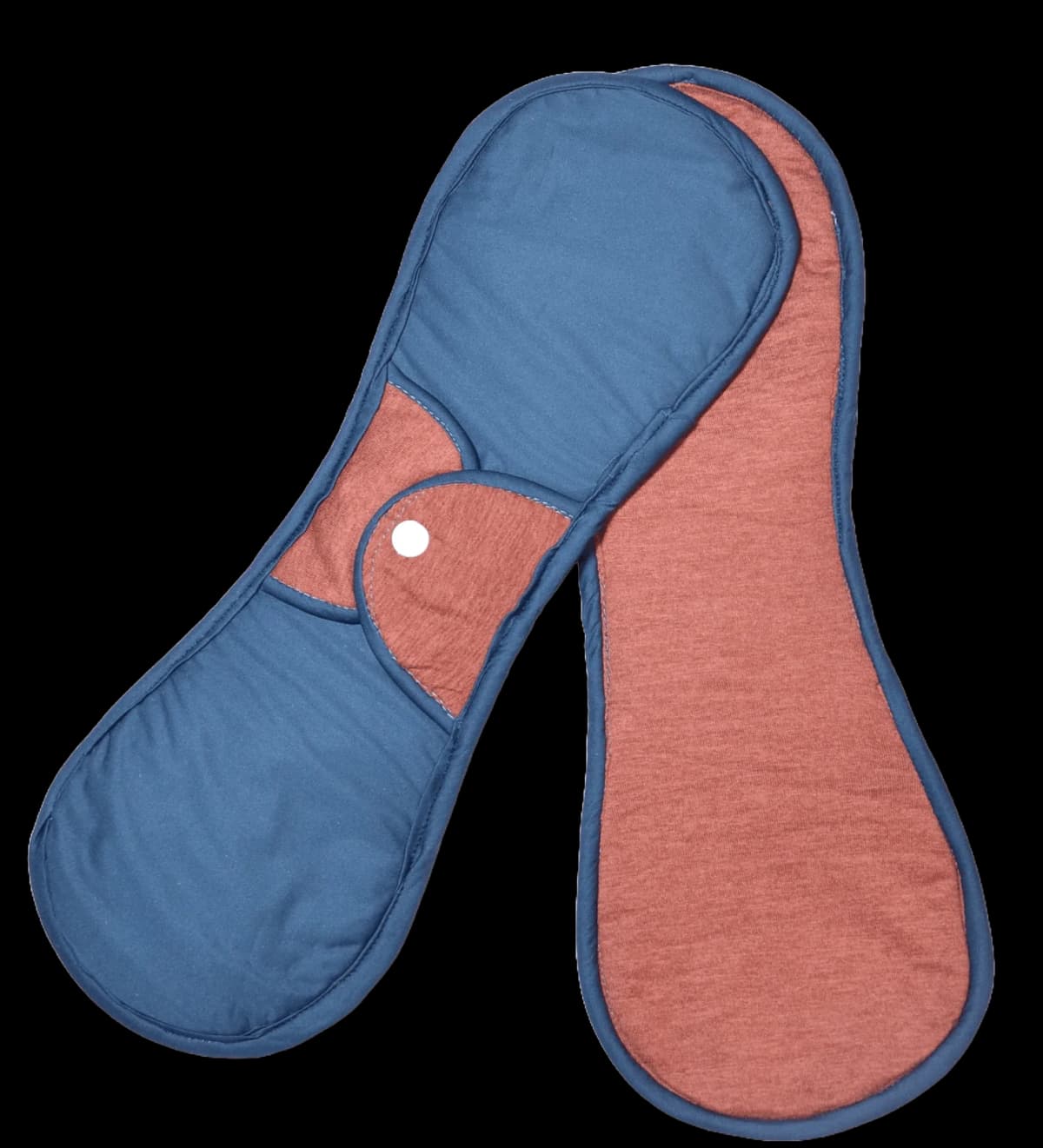
Sana Pads: Solution Wey No Get Microplastic Wey You Fit Trust
Our Natural Materials Wey No Get Chemical
For Sana Pads, we don commit to remove microplastics finish from our products. Our pads dey use only natural materials wey no dey cause allergy, wey safe for your body and the environment. The soaking layers dey made from bamboo fibers, wey naturally dey fight bacteria and smell without chemical treatment.
Our waterproof back dey use new natural materials wey dey give protection you fit trust without plastic. Dis mean say you go get the security wey you need during your period without to expose yourself to harmful microplastics or chemicals.
How We Dey Make Sure Say Plastic No Dey Our Products
We dey test our products well well to make sure say microplastics no dey inside. Every batch dey pass quality control test, and we dey work directly with suppliers wey get the same commitment to make products without plastic. Our supply chain dey open, so you fit trust say every Sana Pad truly no get harmful plastics.
Also, because we dey make am for here for Nigeria, our supply chain short and quality control better. We fit personally check every step of production to make sure say our high standard dey remain.
Real Stories From Nigerian Women Wey Don Change
Fatima from Lagos talk: “At first I no believe for pads wey you fit wash use again, but after I learn about microplastics, I decide to try Sana Pads. The difference show immediately—no more rash, no more discomfort. Plus, I dey save money every month.”
Same way, Grace, teacher for Abuja, talk: “I don dey use Sana Pads for six months now. No be only say my body dey feel better, I dey feel good because I sabi say I no dey expose my students to harmful chemicals when I recommend these products.”
How to Change: Practical Guide for Nigerian Families
Cost Comparison: Plastic vs. Options Wey No Get Plastic
Even though pads wey no get microplastic wey you fit wash use again need more money for first, dem dey save big money for long run. One set of Sana Pads fit last for years if you care for dem well, and you no go dey spend money every month on disposable products again.
For normal Nigerian woman, the money wey she go save for just one year fit plenty. Also, when you think about health cost wey microplastic exposure fit bring, to put money for safer products go worth am even more.
How to Teach Your Daughter About Safer Period Products
To start the talk about period health early dey very important. Explain to your daughter why to choose products wey no get microplastic matter for her health and future. Make am good talk about how to take care of her body and make smart choices.
Show her how to care for pads wey you fit wash use again well, make e be part of her normal hygiene routine. Dis education go give her power to make correct decisions about her health for her whole life.
Wetin Schools and NGOs Need to Sabi
Schools and NGOs get big role to push healthy period practice. When you dey choose products for programmes wey dey share pads, put products wey no get microplastic first, even if dem cost small more for beginning.
The long-term health benefit for students and pipo wey dey receive am pass the first cost difference by far. Also, to teach pipo about microplastics dey build awareness wey fit affect wetin dem go buy for many years wey dey come.
Time to Join Hand
Effect on Environment: Pass Personal Health
How Plastic Pads Dey Affect Nigerian Communities
The environment effect of sanitary pads wey get plastic pass individual health. These products dey add to Nigeria plastic waste problem wey dey grow, and most of dem dey end up for dumpsite or, worse, for rivers and communities.
For village areas, when pipo no throw plastic pads away well, e fit spoil water sources and harm the nature around. The microplastics from these products go later enter the food chain, and e go affect the health of whole communities.
How Period Poverty and Plastic Pollution Connect
Period poverty dey often force women to choose the cheapest products wey dey, wey usually get plenty plastic. Dis one dey create cycle where lack of money dey lead to more exposure to harmful chemicals, wey fit cause health problems wey go add more pressure on the small money wey dey.
When we support options wey no get microplastic, we fit break dis cycle and give healthier options wey also make sense for money for long run.
How to Build Sustainable Future for Our Daughters
To choose sanitary products wey no get microplastic na investment for our daughters future. We no dey just protect their health now—we dey also protect the environment wey dem go inherit.
Every time you choose product wey no get plastic, e dey send message to manufacturers about wetin Nigerian women value. Dis pressure from buyers fit push the whole industry to bring new period products wey safe and sustainable pass.
Take Action: Your Next Steps
Questions to Ask Before You Buy Again
Before you buy any sanitary product, ask yourself: Which materials dem use? Any plastic part dey inside? Dem don test the product for microplastics? I fit get full information about wetin dey inside?
No gree with marketing words wey no clear. Demand make manufacturers and suppliers dey open. Your health worth the extra effort to make sure say you dey choose products wey truly safe.
How to Push for Options Wey No Get Plastic for Your Community
Share wetin you sabi about microplastics with other women for your community. Organise discussions for community centres, schools or religious gatherings. The more women understand these risks, the stronger our voice together go be for safer products.
Support local businesses wey put health and sustainability first. When you choose companies like Sana Pads, you dey use your money vote for healthier future.
Where to Learn More
Dey follow new things for period health research. Follow health organisations and advocacy groups wey get good name, wey dey give information about product safety wey get evidence.
Connect with other women wey don change to products wey no get microplastic. To share experience and tips fit help you overcome any challenge and build community wey dey support each other for healthier choices.
Conclusion
Time don reach to put your health and the health of future generations first. Sanitary pads wey no get microplastic no be just luxury—dem dey necessary to protect women reproductive health and the environment.
For Sana Pads, we dey committed to provide period products wey safe, wey you fit afford, and wey sustainable for Nigerian women. Our pads wey you fit wash use again dey give the protection wey you need without the health risks wey dey come with products wey get plastic.
You ready to change? Contact us today to learn more about our products or to discuss bulk orders for your school or organisation. Check our product pages to find the correct Sana Pads for wetin you need, or check our FAQ for more information on how to care for your pads wey no get microplastic.
Your health matter. Your future matter. Choose wetin no get microplastic. Choose Sana Pads.

Contact Us
Continue to read for Wetin Be Reusable Sanitary Pads and How Dem Dey Work?
Testimonials
See wetin our customers dey talk about our products.
Women for all over di world dey buy Sana

“For first, e dey irritate me to use washable sanitary pad. I decide to try am, and to my greatest surprise, e comfortable well-well and e easy to wash. You fit even do your daily things without fear say blood go stain you for public. I wan give Big shout out to SANA PADS!!”

“I dey really love Sana reusable pads! Dem dey make me relax and feel free for my period time. Plus, dem don reduce the cost and stress of buying disposable pads every month well-well. Kudos to Sana for making dis kind correct product – I go be fan forever!”

“Sana Pad good well-well, e dey make you comfortable and free. I love the pads, na the best ever!”

“I don try different brands of reusable pad, but Sana stand out for the quality, the comfort and how e dey last. Dem design am with sense, and the material dey gentle for my skin. As I change to Sana, e don reduce how I dey spoil environment and e don also save me money for long run. I dey grateful for dis solution wey go last!”

“I don try different pad brands for years, but Sana pads really stand out. From the first time I use am, I see the difference — e soft for skin, e dey soak well-well, and e comfortable die. Even for my heaviest flow days, Sana pads dey hold well. Wetin I also love na how the material dey allow air pass and e good for skin. If you dey find pad wey get comfort, wey you fit trust, and wey get quality, I really recommend make you try Sana pads.”

“To dey buy disposable pads every month dey add up well-well, so I talk say make I try Sana Pads. E surprise me how soft dem be, and dem dey work well for long days for university. To wash dem simple, and e don reach months wey I never buy new pad, so e don save me money. I also like say dem dey better for environment. E sweet me say I get option wey cheap and wey better for environment.”
Time to join hand
Contact Us
Margaret Ochegbudu
Business Manager