How Much Pad Wey You Fit Wash Use Again Really Cost for Nigeria: Full 2026 Price Guide
Where pipo don see us







 Margaret Ochegbudu don check am · Update 21 min to read
Disposable pads dey cost one Nigerian woman about 800 to 1,200 naira every month. One set of pad wey you fit wash use again na 3,500 to 8,500 naira, you go pay am once, and e go last 2 to 3 years. So e go pay for imself inside about four to eight months, and e go save you 70 to 85 percent for di whole time wey you dey use am.
Ladi sidon for her family compound for Kaduna, dey count di squeezed naira notes wey she save from her school lunch money. ₦800 every month for disposable pads – money wey she really need for textbooks and transport. Her senior sister don change go pad wey you fit wash use again six months ago, and she no dey stop to talk about di money wey she don save, but Ladi dey worry about di money wey she go first pay. “Wetin if I spend all my savings and dem no work?” she ask her sister. “Wetin if dem too cost?” Like Ladi, thousands of Nigerian women and girls dey face dis question every day. Di calculation for period products be like say e simple until you sidon calculate am well. Between di pads wey you dey buy every month, di emergency run to chemist when period come unexpectedly, and di way disposable pad price dey rise, di cost dey add up faster pass water wey dey pour from broken pipe for rainy season. Di real question no be only “How much pad wey you fit wash use again cost?” but “Wetin dis pads really worth for your pocket, your health and your future?”
To Understand di True Cost: Wetin You Go Learn
Dis guide go break down every naira wey you go spend on reusable pads compared to disposables, to help you make decision wey you understand well, wey go protect both your pocket and your period.
Main Points:
- Reusable pads for Nigeria cost ₦2,500-₦8,000 first but dem dey last 2-3 years if you take care of dem well.
- Nigerian women dey spend ₦9,600-₦28,800 every year on disposable pads, but reusable na one-time investment.
- Quality reusable pads dey save you 85-92% for three years compared to buying disposables every month.
- Basic starter set of three reusable pads cost less than four months of disposable supplies.
- Sana Pads don support pass 10,000 Nigerian women direct and don share more than 30,000 pads for di whole country.
- Schools, NGOs and other organisations fit order any quantity for di same fixed price for each pack.
- How much reusable pads cost for Nigeria go drop to under ₦100 every month when you calculate am for di full time wey dem go last.
Make we break down exactly wetin you go pay, wetin you go save, and how to calculate di real value of to change to reusable period products.
Full Breakdown of di Cost: Wetin You Dey Really Pay For
To understand how much pad wey you fit wash use again cost for Nigeria, you need to look pass di price tag. E no be like pure water or bread wey you go finish and buy again. Pad wey you fit wash use again na investment wey go dey work for you month after month, year after year.
Di Money You Go Pay First: Wetin Reusable Pads Cost Today
For 2026, pad wey you fit wash use again for Nigeria dey start from ₦2,500 for basic starter kit reach ₦8,000 for premium collection for heavy flow. E fit look like big money if you don used to pay ₦800-₦1,200 every month for disposable, but di calculation tell another story. Normal Nigerian woman need about 3-5 reusable pads to manage her whole cycle well, as she dey change dem one by one while she dey wash and dry each one.
Sana Pads get three main types based on your flow. No Wahala Pads (for light flow) get one layer wey no dey leak plus one layer wey dey absorb. Premium Pads (for regular flow) get one layer wey no dey leak plus three layers wey dey absorb, for protection wey you fit trust. Maxi Pads (for heavy flow days) get one layer wey no dey leak plus five layers wey dey absorb, to carry your heaviest days without worry. Di Starter Kit, wey get three Premium Pads plus small pouch to keep dem quietly, get everything wey most women need to start dia reusable journey.
When you compare dis one with abroad prices wey reusable pads dey cost \(15-\)25 for one pad (₦23,000-₦38,000 for current exchange rate), pads wey dem make here like Sana Pads cost 70-85% less. To make am for Nigeria mean say shipping cost low, no import duty, and di design understand Nigerian weather and wetin we need. Woman for Lekki and student for Zaria get different wahala, but both of dem need pad wey go work for our heat and humid weather.
Monthly Disposable Cost: Di Hidden Leak for Your Pocket
Most Nigerian women no know how much dem dey really spend for disposable pads until dem calculate am well. Make we do di calculation together. If you dey use 12-20 pads for one cycle (normal range for most women), and each pad cost ₦50-₦80 depending on brand and where you dey, you dey spend ₦800-₦2,400 every single month.
But di cost no end there. You remember di emergency buying when period come unexpectedly and you buy small pack for high price for provision store near your office? Add di panty liners wey plenty women dey use every day for discharge or spotting (₦200-₦400 every month). Add di extra pant wey you dey replace because of leak and stain (₦500-₦2,000 many times for one year). Add transport money for those emergency trips to chemist.
Women for Lagos fit spend for di high side because city price high, while those wey dey small towns fit see price wey low small but brands no plenty. Any way wey e be, for one year, normal Nigerian woman dey spend ₦9,600-₦28,800 for disposable period products alone. For three years, na ₦28,800-₦86,400 wey dey comot from your pocket enter dustbin.
Di Real Calculation: Cost for Each Use Over Time
Na here pad wey you fit wash use again go show di real value. Imagine say you put ₦5,000 inside one complete set of quality reusable pads. If you take care of dem well (wash for cold water, dry for open air, sometimes put for sun to clean dem), dis pads go last 2-3 years. Make we calculate am for three years.
₦5,000 divide by 36 months na ₦139 every month. E small pass one bottle of malt or one plate of rice and stew for your favourite buka. Compare am with ₦800-₦2,400 every month for disposable. For dat same three years, you go save ₦23,800-₦81,400 – money wey reach to pay school fees, start small business, or keep emergency savings wey really matter.
Cost for each use tell even stronger story. If each reusable pad last 100 washes (careful estimate), and you get five pads wey you dey rotate for your cycles, na 500 uses total from your ₦5,000 investment. Dat one na ₦10 for each use. One disposable pad cost ₦50-₦80. You dey pay 5-8 times more every single time wey you use disposable product.
How to Calculate Your Own Savings
Before you decide whether reusable pads make sense for your pocket, you need to calculate am based on how you dey really spend and wetin you need.
Step 1: Track Wetin You Dey Spend for Disposable Now
For one full cycle, write down every naira wey you spend for period products. Add di normal pad buying, di emergency runs, panty liners, pain medicine wey you dey buy with pads, and extra pant wey you buy. Most Nigerian women dey discover say dem dey spend 20-40% more pass wetin dem think, once dem track everything honestly.
Check how your flow dey go too. Light flow days (1-2 pads) and heavy flow days (4-6 pads) dey make big difference for monthly cost. Women wey get longer period (6-8 days) go spend more pass those wey get short period (3-4 days). Your age matter too – teenagers dey often get irregular heavy flow wey need more products, while women wey dey near menopause fit get lighter, shorter period.
No forget di hidden cost wey no dey show for receipt. Di transport fare to chemist when pad finish. Di time wey you take go buy am wey you for use for business or study. Di stress of to dey wonder whether wetin you get go reach month end. Dis costs no dey show for your purse, but dem still dey drain your energy and your resources.
Step 2: Calculate Your Three-Year Comparison
Multiply wetin you dey spend every month for disposable by 36 months to see wetin you go spend for three years. Dis number dey shock women when dem see am for paper. Woman wey dey spend ₦1,500 every month go pay ₦54,000 for three years for products wey she dey throw away. Dat one pass wetin plenty Nigerians dey earn for one month.
Now calculate di reusable option. Quality starter set cost ₦3,500-₦5,000. You fit wan add 1-2 extra pads for heavy days or as backup (add ₦1,500-₦3,000). Di most wey you go spend: ₦8,000. Di difference between ₦54,000 and ₦8,000 na ₦46,000 wey go remain for your pocket for three years.
If you dey also take care of your daughters, multiply dis savings. Mama wey get two teenage daughters, wey each of dem dey spend ₦1,200 every month for disposable, go pay ₦86,400 for three years. To change all three females for di house to reusables go cost ₦15,000-₦24,000 total, and dem go save ₦62,400-₦71,400. Dat one na serious money for Nigerian economy today.
Step 3: Check Di Things Wey Dey Your Area
Your own situation dey affect di calculation. Women wey dey area wey water dey steady go find am easier to wash reusable pads pass those wey dey fetch water from borehole or dey buy from mai ruwa. But even if you add water and soap cost (₦200-₦400 every month at most), reusables still cost far less pass disposables.
Think about where you go dry dem. Women wey get dia own compound fit dry pads for sun openly after morning dew don dry. Those wey dey share house or dey live for high-rise flat for Victoria Island fit need to dry dem quietly inside house, wey go take longer but e still dey work well well. Where you dey live no go stop you to use reusables, e just change how you dey wash small.
Think about how your money dey enter too. Women wey get regular salary fit plan for di first money easily. Those wey get money wey no dey steady from trading or daily work fit save small small or buy pads one by one for 2-3 months. Sana Pads dey work with community groups and organisations to make bulk buying easier, so di cost for each pad go come down even more for group orders.
Pass Naira: Di Full Value
Di cheapest option no always be di one wey get di lowest price tag. When you dey calculate how much reusable pads cost for Nigeria, think about wetin else you dey buy apart from di pad itself.
Freedom for Your Money and Power to Plan
Reusable pads dey remove di monthly “period tax” wey dey drain your budget every cycle. Dat ₦800-₦2,400 wey before dey disappear by itself fit now go to goals wey go build your future. Students fit buy textbooks instead of pads. Market women fit put am back for dia goods. Office workers fit save for emergency or education.
To change from monthly spending to one-time investment dey also give your mind freedom. You go stop to worry whether you go get money for pad when period come. You go stop to dey calculate with fear whether to buy food or buy pad. Di peace of mind wey you get when you sabi say you dey covered every month, no matter how your money be, worth pass calculation.
Women wey change to reusables talk say dem dey feel say dem get more control over dia budget. One teacher for Enugu share say after she first pay ₦4,500 for reusable pads, she save di money wey she for spend on disposables for six months and she buy sewing machine to start side business. Di pads no only save her money – dem free money wey change her economic life.
Health Investment: Wetin You No Dey Buy
Disposable pads get chemicals, plastic and synthetic materials wey dey touch di most sensitive skin for your body for many hours every day. Even though di companies wey make dem dey talk say dem safe, plenty Nigerian women dey report rashes, itching and discomfort from disposable products, especially for our hot season. Quality reusable pads wey dem make from cotton and natural materials wey dey absorb dey reduce dis reactions well well.
Di cost to treat rashes, yeast infections and irritation dey add up over time. One tube of anti-fungal cream cost ₦800-₦2,500. To see doctor for problem wey no gree go cost ₦3,000-₦10,000 for private clinic. If to change to reusable pads wey dey breathe and wey no get chemicals fit prevent even one infection every year, you dey save both money and di discomfort of private health problems.
Reusable pads also dey reduce how you dey come in contact with dioxins and fragrance wey dey inside plenty disposable products. While research on long-term health effects still dey go on for di whole world, plenty Nigerian women prefer to dey careful first: when you fit choose natural cotton instead of synthetic chemicals wey go touch your body 5-7 days every month for 30-40 years, why you no go choose am?
Environment Costs Wey Dey Come Back Affect Us
Every disposable pad dey take 500-800 years to rot finish for our waste system wey don already full pass. Nigerian women wey dey use disposables dey produce about 5-7 kilograms of pad waste every year. Multiply am by millions of women wey dey see period, and you go see why our gutters dey block and our dumps dey overflow with period waste wey get plastic.
Dis one no be just environment talk wey far from you – e dey affect your daily life direct. Blocked drainage dey cause flood for rainy season. Waste wey overflow dey bring rats and dey cause health wahala for communities. Di cost of to live for dirty environment dey show for more sickness, house wey value don fall, and money wey you dey spend to treat sickness wey we for prevent. To choose reusables na to choose to stop to add to problem wey go later cost you money through environment damage.
Communities wey don change to reusables through school and NGO programs dey report cleaner compounds and less waste wahala. One secondary school for Kano wey give reusable pads to 200 female students don end di constant problem of toilets wey dey block from pads wey dem throw inside, and dis one dey save di school thousands for plumbing cost every year while di girls get period protection wey dem fit trust.
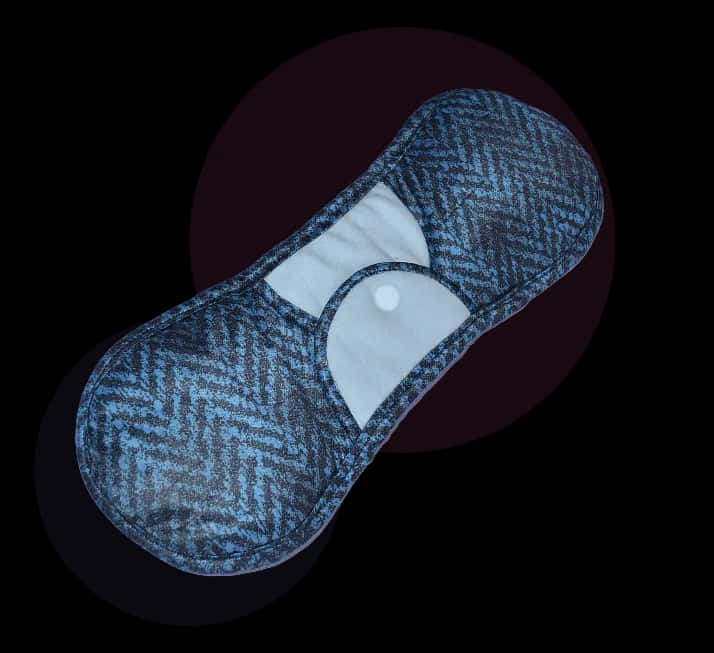
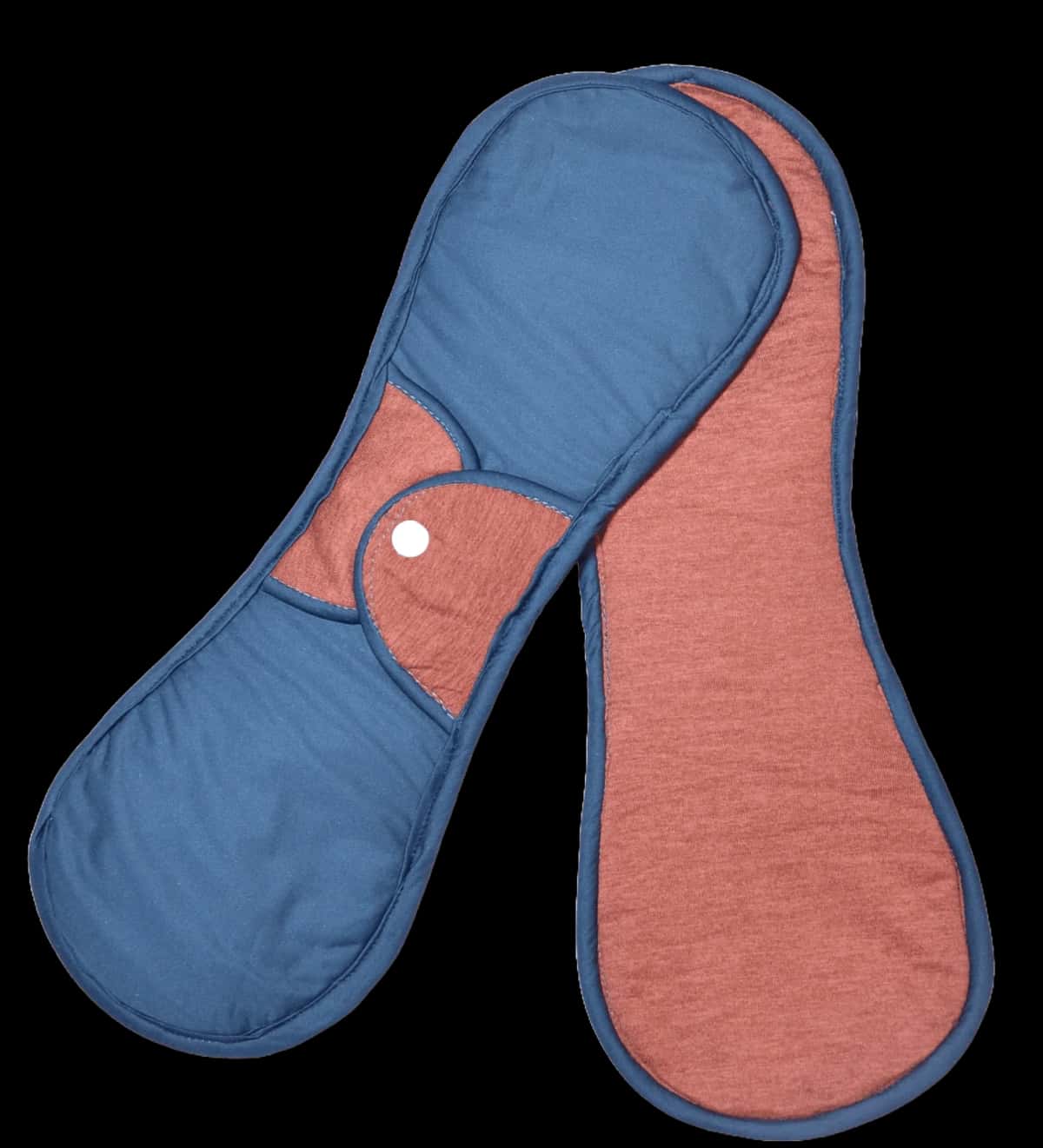
Our pads wey you fit wash

Answer to Your Worries About to Change
When we dey talk about how much reusable pads cost for Nigeria, women dey raise real worries wey deserve honest answer based on wetin people don really experience, no be marketing promise.
"But I No Fit Afford Di First Money Now"
Dis worry make sense well well, especially for our economy now wey plenty families dey struggle to find daily needs. To think of to spend ₦3,500-₦8,000 at once dey feel impossible when you dey manage monthly expenses with difficulty. But plenty practical solutions dey apart from to wait until you get extra money.
Start with just two pads instead of full set. Two quality reusable pads cost ₦1,400-₦2,000 and dem fit manage light flow days or be backup to make your disposable last longer. Use dem for your lightest days and use fewer disposables for heavy days. Dis mixed way go cut your monthly pad cost by 30-50% sharp sharp, and you go save di difference to buy more reusable pads small small.
Join or start savings group with your friends, colleagues or family. If five women each contribute ₦1,000, una go get ₦5,000 fund. Draw lots to know who go first, and every month different woman go use di money buy her reusable pad set. Inside five months, everybody don change and una share di cost. Plenty Nigerian women dey already do ajo, esusu or other rotating savings – to use dis system for period products dey work well well.
If you dey any community organisation, suggest make dem check how dem fit give reusable pads to members. Sana Pads dey work direct with NGOs and institutions to make big orders affordable and easy to get.
"Wetin If Dem Spoil Quick and I Waste My Money?"
Dis fear come from experience with poor quality reusable pads wey dey leak after few washes or wey dey tear inside few months. No be all reusable pads be di same, and to choose quality matter more for reusables pass disposables because na long-term investment you dey make.
Signs of quality na: strong stitching (check say di seams no go open after you wash am), fabric wey colour no dey run (cheap dye dey bleed and stain everything), correct snap buttons (cheap snaps dey rust or break), and enough layers wey dey absorb wey dem fix well. Sana Pads dey design specially for Nigerian conditions – our heat, di way we dey wash, di wahala we get to dry things. Pads wey dem make for European weather and washing machine dey often fail when Nigerians use am.
Correct care dey make pad last much longer. Wash am for cold water (hot water dey make stain stay and dey spoil di materials faster). Dry am for sun when you fit (sun dey clean am and bleach am naturally). Keep dry pads inside bag wey air fit pass (plastic bag dey keep moisture and mildew). Rotate many pads instead of to dey use di same one again and again. Dis simple habits, wey no cost extra money, fit make di difference between pads wey spoil early and pads wey last di full 2-3 years.
Most manufacturers wey people trust dey give guidance on care and how long pads go really last. If person promise you reusable pads wey go last 10 years with daily use, no believe am quick. If dem talk 2-3 years with correct care, dat one honest and e possible. Pass 10,000 Nigerian women don use Sana Pads, wey dey last 2-3 years with correct care, so di investment make sense for calculation.
"Dem Really Cheap Pass After Washing Cost?"
Some women dey worry say water, soap and time go chop di savings wey reusable pads dey bring. Make we calculate am honestly. You need about 2-3 litres of water for each pad to rinse and wash am. Soap go cost about ₦20-₦50 for each wash, depending on wetin you dey use. Even if you wash 15 times every month during your period, na ₦300-₦750 for water and soap every month.
Add dat ₦750 to di ₦139 monthly cost wey we calculate before (₦5,000 investment wey we share for 36 months). Your total monthly reusable cost na ₦889. Compare am with ₦800-₦2,400 for disposables, and you still dey save ₦0-₦1,511 every month. Even for di worst case wey you dey for di low side of disposable cost, you go break even and you go still gain di health and environment benefits. Most women dey save ₦500-₦1,500 every month even after washing cost.
Time worry deserve attention too. To wash pads dey take 10-15 minutes during your cycle, time wey you fit no get if you dey manage work, children, house work and other responsibilities. But most Nigerian women dey already wash pant and personal things with hand, so to add pads no be new work, e just add small to wetin you dey already do. You dey already spend time to buy disposables every month – to wash reusables for house really save you di trips to buy.
Women wey dey area wey water scarce fit rinse pads with di same water wey dem use for other washing, so every litre go work well. Those wey get house help fit add pad washing to house routine like other laundry. Students fit wash pads for di normal time wey dem dey baff. Solution dey for almost every living situation once di money and health benefits don motivate you.
Why Sana Pads Understand Nigerian Reality
Reusable pads wey dem import and even some wey dem make for Nigeria dey miss important details about how real women dey live, work and see period for Nigeria. Sana Pads dey make products specially for our situation, our weather and wetin we need.
To make am here for Nigeria mean say we understand say plenty women dey dry pads for open air for coastal areas wey humid, where nothing dey dry quick, or for dusty northern areas where harmattan dey affect everything. Our pads dey use materials wey dey dry faster pass normal cotton but still dey breathe and dey comfortable. We sabi say women wey dey compound wey many generations dey live need to dry pads quietly, so our pads dey look like normal dark-colour cloth when dem hang am, no be something wey everybody go know say na period product.
We understand how Nigerians dey wash too. Most women dey wash with hand and bar soap, no be machine with special detergent. Sana Pads fit carry hand washing, squeezing and di strong scrubbing wey Nigerian women dey use to make sure say things clean. We dey test our stitching for conditions wey match real use – we sabi say you no dey wash am softly for machine for delicate cycle.
Di price also follow Nigerian economic reality. As e dey cost about 50 US dollar cents to produce one pad, we dey put price wey go give real savings compared to disposables, instead of to make reusables look like luxury wey only rich people for city fit afford.
Since we start work, Sana Pads don support pass 10,000 Nigerian women direct and don share more than 30,000 pads across di country. Dis no be just sales numbers – dem be students wey stay for school during period instead of to miss class, market women wey stop to choose between food and period products, and mothers wey turn pad money to their children future. Di mission pass to just make products – na to really fight period poverty with solutions wey cheap and wey go last.
To Make di Change: Your Next Steps
To understand for your head how much reusable pads cost for Nigeria no be di same as to really take action to change your period routine. See how to move from information to action.
For Your Own Use: Start Wisely
Start with honest check of your flow. Track one full cycle and note light days (1-2 pads), medium days (3-4 pads), and heavy days (5+ pads). Dis information go tell you whether to start with No Wahala Pads for light flow, Premium Pads for regular protection, or Maxi Pads for heavy days.
Di Starter Kit (three Premium Pads plus pouch to keep dem) dey work well for most Nigerian women wey dey start dia reusable journey. Three pads mean say you fit rotate – one dey your body, one don wash and dey dry, one clean and ready. If your flow heavy or your period long, add 1-2 Maxi Pads to your starter set. If your flow light, di No Wahala option fit reach you alone, and e go reduce di money wey you go first pay.
Buy your first set for di beginning of your cycle, no be just before your period come. Dis one go give you time to practise how to fold, snap and put di pads well when you no dey bleed and you no dey stressed. Wash dem once before you use dem first time so dem go absorb better (new cloth always dey benefit from pre-washing). Start to use dem for light flow days to build confidence before you use dem for heavy flow days.
Track your savings well for di first three months. Every time wey you no buy disposable pads, write down di ₦800-₦1,200 wey you no spend. To see dis savings dey gather go make you sure of your decision and go push you to continue. After three months, you go don save ₦2,400-₦3,600 – money wey don already pay for most of your reusable investment.
For Organisations: To Bring Change for Community
Schools, NGOs, religious organisations and community groups fit bring big change if dem give reusable pads to women and girls wey no fit afford di first money by themselves. Secondary school wey wan give reusable pads to 100 female students go need first investment of about ₦350,000-₦500,000 depending on di products wey dem choose, but e go cover dat students period product needs for 2-3 years.
Calculate di cost for each student every year: ₦5,000 first investment divide by 3 years na ₦1,667 for each student every year, or ₦139 every month. Compare am with to give students ₦1,000 every month for disposable pads (₦12,000 every year, ₦36,000 for three years for each student). Di reusable way cost 85-90% less and e dey bring impact wey go last wey no need money every time.
Contact Sana Pads direct to discuss wetin you need, your timeline and your budget. We dey work with organisations to arrange packages wey fit your mission and wey go reach as many women and girls as possible.
Add education join di pads wey you dey share. Women need to understand how to use am well, how to wash am and how to take care of am, so e go last di full 2-3 years. Sana Pads dey give education materials and fit support training sessions for bigger partnerships with organisations. Di goal no be just to share products but to bring change for behaviour wey go continue to help women long after di first program don end.
Na Your Period, Your Choice, Your Savings
How much reusable pads cost for Nigeria dey tell two different stories, depending on how you calculate value. Di first price of ₦2,500-₦8,000 dey look costly until you compare am with ₦28,800-₦86,400 wey you go spend on disposables for di same time. Di time to wash pads dey look like burden until you think of di time wey you go save from emergency shopping trips and di worry whether you go fit afford next month supplies. To leave di disposables wey you don used to dey look risky until you taste di freedom of never to run out of period protection, no matter how your money be.
Thousands of Nigerian women don already do dis calculation and choose reusables. Students dey stay for school instead of to miss class. Mothers dey feed family better with money wey dem before dey spend on disposable pads. Market women dey put pad money back into business wey dey grow dia income. Dis no be big miracle from one product change, but real improvement for daily life when you turn your money to wetin matter pass.
Your period dey cost money – dat one no go change. But whether you go dey spend ₦800-₦2,400 every month forever, or you go invest ₦5,000 once for 2-3 years of protection, dat choice na your own. Di calculation favour reusables well well. Di health benefits support di change. Di environment impact make am responsible. Di only question wey remain na when you go change, no be whether you suppose change.
You ready to stop to pay di monthly period tax and start to save for wetin really matter? Check Sana Pads full range of reusable options, calculate your own savings, and join di thousands of Nigerian women wey don choose money freedom together with period dignity. Visit our full guide onpad wey you fit wash use again to learn more about di change wey go save your money, protect your health, and support period equality wey go last for di whole Nigeria.
Continue to read for Pads Wey You Fit Wash Use Again
Questions wey pipo dey ask well well
Why I go choose Sana Pads instead of normal disposable pads?
Sana Pads na high-quality materials wey you fit wash use again, so dem be option wey good for environment instead of disposable sanitary products. Dem gentle for your skin, dem dey absorb well well, and dem go save you money for long run. When you choose Sana Pads, you dey help reduce plastic waste and you go still enjoy comfort and pad wey you fit trust for your whole cycle.
How long I fit use one Sana Pad before I go wash am?
One Sana Pad go give you comfort and protection for 4 to 8 hours, depending on your flow. To stay fresh, change am every 4 to 6 hours - more often for heavy days. After each use, rinse am for cold water and wash am with soap. If you take care of am well, each pad go last 2 to 3 years.
Sana Pads safe for sensitive skin?
Yes, Sana Pads na soft materials wey dey breathe and wey no dey cause allergy (hypoallergenic), so dem gentle for your skin. Dem no get di harmful chemicals and toxins wey dey common for disposable pads, so dem be correct choice for people wey get sensitive skin or allergies.
How I go wash and take care of my Sana Pads?
Rinse your pad for cold water immediately - hot water dey make blood stain stay. Then wash am with mild soap, with hand or for machine, and rinse am until di water clear. Dry am well well for direct sunlight, wey also dey kill germs. Abeg no use tumble dryer, bleach or fabric softener: dem dey spoil di layers wey dey absorb. If you take care of am like dis, Sana Pad go last 2 to 3 years.
Price dey change for bigger orders?
No. Each product get fixed price for each pack, no matter how many packs you order. You fit calculate your total with our price calculator. For big orders, send us direct message and we go confirm di delivery cost with you before you pay.
Testimonials
See wetin our customers dey talk about our products.
Women for all over di world dey buy Sana

“I dey really love Sana reusable pads! Dem dey make me relax and feel free for my period time. Plus, dem don reduce the cost and stress of buying disposable pads every month well-well. Kudos to Sana for making dis kind correct product – I go be fan forever!”

“Sana Pad good well-well, e dey make you comfortable and free. I love the pads, na the best ever!”

“I don try different brands of reusable pad, but Sana stand out for the quality, the comfort and how e dey last. Dem design am with sense, and the material dey gentle for my skin. As I change to Sana, e don reduce how I dey spoil environment and e don also save me money for long run. I dey grateful for dis solution wey go last!”

“For first, e dey irritate me to use washable sanitary pad. I decide to try am, and to my greatest surprise, e comfortable well-well and e easy to wash. You fit even do your daily things without fear say blood go stain you for public. I wan give Big shout out to SANA PADS!!”

“I don try different pad brands for years, but Sana pads really stand out. From the first time I use am, I see the difference — e soft for skin, e dey soak well-well, and e comfortable die. Even for my heaviest flow days, Sana pads dey hold well. Wetin I also love na how the material dey allow air pass and e good for skin. If you dey find pad wey get comfort, wey you fit trust, and wey get quality, I really recommend make you try Sana pads.”

“To dey buy disposable pads every month dey add up well-well, so I talk say make I try Sana Pads. E surprise me how soft dem be, and dem dey work well for long days for university. To wash dem simple, and e don reach months wey I never buy new pad, so e don save me money. I also like say dem dey better for environment. E sweet me say I get option wey cheap and wey better for environment.”
Time to join hand
Contact Us
Margaret Ochegbudu
Business Manager