Cost of Sanitary Pads in Nigeria: A Complete Price Guide for 2026
Known from







A Nigerian woman using disposable pads spends roughly 800 to 1,200 naira a month, or about 10,000 to 14,000 naira a year. A set of reusable pads costs between 3,500 and 8,500 naira once and lasts 2 to 3 years, which works out 70 to 85 percent cheaper over that period.
Understanding Sanitary Pad Costs in Nigeria: What Every Woman Should Know
The price of menstrual products directly impacts the health, education, and economic stability of Nigerian women. Whether you are a student managing pocket money, a mother budgeting for daughters, or an organization planning distribution programs, understanding these costs helps you make informed decisions.
Key Takeaways:
- The average Nigerian woman spends between ₦8,000 and ₦15,000 annually on disposable sanitary pads, representing 5-10% of minimum wage.
- A single disposable pad costs ₦80-₦350 depending on brand and absorbency, with premium imported brands costing significantly more.
- Reusable sanitary pads reduce monthly period costs by 70-90% after the initial investment, costing as low as ₦300 per pad.
- Women in rural areas often pay 20-30% more for menstrual products due to limited distribution and transportation costs.
- Organisations can order as many packs as they need at our fixed price per pack, with delivery to any state in Nigeria.
- Over 60% of Nigerian girls have missed school due to inability to afford adequate menstrual protection according to recent surveys.
- Choosing the right absorbency level prevents waste and reduces overall monthly expenditure on period products.
Let’s break down exactly what sanitary pads cost across Nigeria, why prices vary so dramatically, and how you can reduce your menstrual product expenses without compromising your health or dignity.
Blessing sits in her SSS2 classroom in Ibadan, pretending to listen to her mathematics teacher. But her mind is elsewhere, calculating a different kind of problem. Her mother gave her ₦2,500 last week for her monthly needs, but after buying three packets of disposable pads at ₦800 each, she had only ₦100 left. No transport money for the week. No lunch money either. She did what many Nigerian girls do – she used the pads longer than safe, stretched them across more days, and missed two days of school when her flow was heaviest. This is not a story about poverty alone. It is a story about how the cost of sanitary pads in Nigeria affects education, health, and dignity for millions of women and girls across our country.
The Real Cost of Periods: Breaking Down Sanitary Pad Prices in Nigeria
When you walk into a pharmacy in Lagos, a provision store in Kano, or a supermarket in Port Harcourt, you will encounter a confusing array of menstrual products with prices that seem to change every month. Understanding what drives these costs helps you budget effectively and identify where you can save money.
Disposable Pad Prices Across Different Categories
Basic disposable pads, often manufactured locally or imported from Asian countries, typically cost between ₦80 and ₦150 per pad when purchased in packets of 8-10 pieces. These entry-level products provide minimal absorbency and are designed for light flow days. A packet usually costs ₦700-₦1,200 in most Nigerian markets. However, these cheaper options often lead to higher overall costs because they require more frequent changes and offer less leak protection, meaning you might use 5-6 pads daily during heavy flow instead of 3-4 with better quality products.
Mid-range disposable pads, which include most nationally advertised brands you see on television, cost ₦150-₦250 per pad. These provide better absorbency, wing protection, and some odour control features. A typical packet of 10 pads ranges from ₦1,800 to ₦2,500. Most Nigerian women who can afford it choose this category because it balances cost with reasonable performance. During a typical 5-day period using 4 pads daily, you would spend approximately ₦3,000-₦5,000 monthly, or ₦36,000-₦60,000 annually.
Premium and imported disposable pads represent the highest price category, ranging from ₦280 to ₦450 per pad. These products, often imported from Europe or North America, offer advanced features like ultra-thin design, superior absorbency, and longer protection times. A packet of 8-12 pads can cost ₦3,500-₦5,000. While these provide excellent protection and comfort, they remain financially out of reach for most Nigerian women, representing what many earn in several days of work.
Why Prices Vary So Dramatically Across Nigeria
Location significantly impacts what you pay for menstrual products. In major cities like Lagos, Abuja, and Port Harcourt where distribution networks are established, prices tend to be lower and more competitive. However, in rural areas of Kaduna, Borno, or Cross River states, the same packet of pads might cost 20-30% more because retailers must account for transportation costs, limited supplier options, and lower sales volumes that prevent bulk purchasing advantages.
Exchange rate fluctuations hit menstrual product prices hard because many components, even in locally assembled pads, are imported. The superabsorbent polymers, adhesive strips, and packaging materials often come from overseas suppliers paid in dollars or euros. When the Naira weakens against these currencies, manufacturers pass increased costs to consumers within weeks. This explains why pad prices seem to creep upward every few months, making budgeting for periods increasingly difficult.
Retailer markup adds another layer to final costs. Pharmacies typically charge 15-25% more than large supermarkets for the same products because of lower purchase volumes and higher operational costs. Market traders operate on thin margins but may lack popular brands, forcing shoppers to choose between price and preferred products. Understanding these dynamics helps you identify the most cost-effective purchasing locations in your area.
How Much Nigerian Women Actually Spend on Periods: The Lifetime Calculation
Crunching the numbers reveals a sobering reality about the financial burden of menstruation over a woman’s reproductive years.
Monthly and Annual Expenses for Disposable Pads
A woman with average flow using mid-range disposable pads typically needs 20-25 pads per cycle. At ₦180 per pad, this totals ₦3,600-₦4,500 monthly, or ₦43,200-₦54,000 annually. For context, this represents approximately 10-15% of Nigeria’s current minimum wage of ₦70,000 monthly. A family with three menstruating females could spend ₦130,000-₦160,000 yearly just on sanitary pads, competing with food, school fees, medical care, and housing costs.
Women with heavy flow face even steeper costs. They might use 30-40 pads per cycle, particularly during the first few days when flow is strongest. This pushes monthly costs to ₦5,400-₦7,200, or ₦64,800-₦86,400 annually. For many Nigerian households, this represents an impossible expense, forcing difficult choices between adequate menstrual protection and other essential needs.
The 30-Year Calculation
From menarche around age 12-13 until menopause around age 45-50, Nigerian women menstruate for approximately 35-40 years. Excluding pregnancy and breastfeeding periods that temporarily pause menstruation, most women experience about 400-450 periods across their lifetime. Using conservative estimates of ₦4,000 per period with disposable products, the lifetime cost reaches ₦1,600,000-₦1,800,000. This staggering figure represents money that could fund education, business ventures, property purchases, or retirement savings.
These calculations assume relatively stable prices, which Nigeria’s economic reality does not support. Factoring in inflation, currency devaluation, and rising import costs, younger women today will likely spend significantly more over their menstruating years than their mothers did. This escalating financial burden makes the search for affordable alternatives not just sensible but essential.
Comparing Costs: Disposable vs. Reusable Options
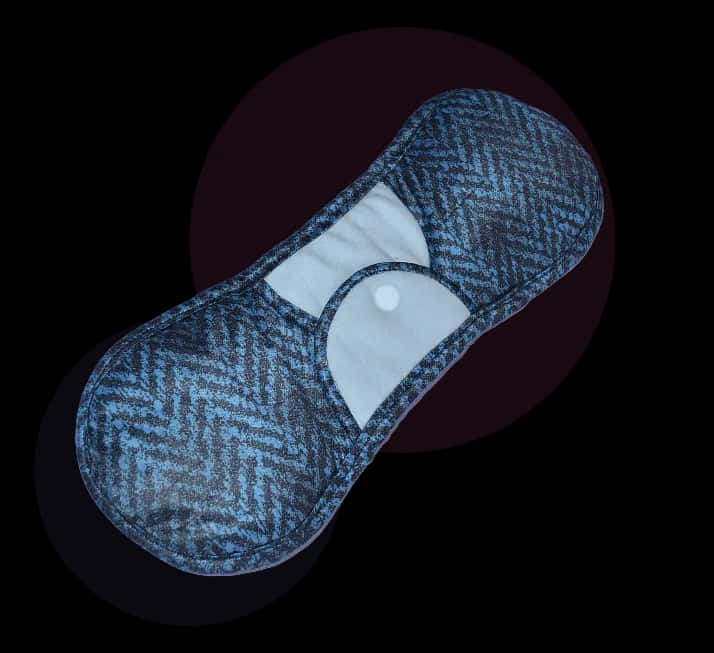
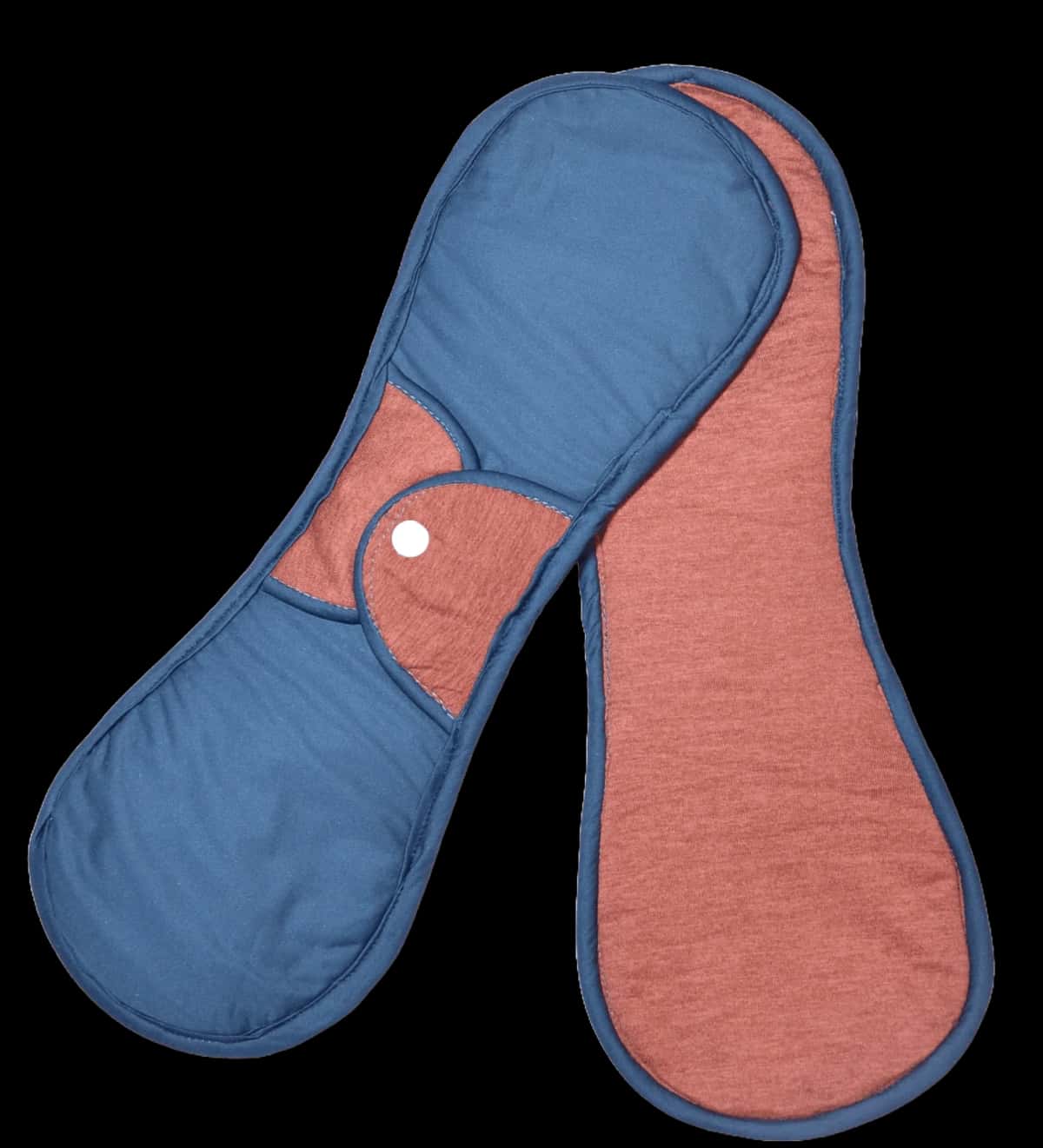
Reusable sanitary pads present a dramatically different financial picture. A quality reusable pad costs ₦300-₦800 depending on absorbency and features. A woman needs approximately 6-10 reusable pads to manage her cycle comfortably, representing an initial investment of ₦1,800-₦8,000. These pads last 2-3 years with proper care, bringing the average annual cost down to ₦600-₦4,000.
This represents savings of 70-90% compared to disposable products. Over ten years, a woman using reusable pads might spend ₦4,500-₦40,000 total compared to ₦430,000-₦540,000 for disposables. The financial advantage becomes undeniable when viewed across this timeline. The initial investment, while challenging for women living month to month, pays for itself within 2-4 months of use.
Our reusable pads

Practical Strategies to Reduce Your Menstrual Product Costs
Understanding costs is valuable, but knowing how to reduce them while maintaining health and dignity is transformative. These strategies work for Nigerian women at various income levels and life situations.
Smart Shopping and Budgeting Approaches
Bulk purchasing offers significant savings when you have the upfront funds. Buying 3-6 months of supplies when you receive salary or business income reduces per-unit costs by 10-20% and protects against mid-month price increases. Form buying cooperatives with sisters, friends, or colleagues to access bulk discounts together. Five women pooling ₦5,000 each can purchase quantities that trigger wholesale pricing, then divide the products fairly.
Track your actual pad usage for two cycles to understand your real needs. Many women discover they can reduce costs by matching pad absorbency to flow level more precisely. Using a lighter, cheaper pad on low-flow days and reserving premium products for heavy days can cut monthly costs by 20-30%. Keep a simple diary noting which days require how many pads of what type, then purchase accordingly.
Shop at large supermarkets or wholesalers rather than small pharmacies when possible. Shoprite, Ebeano, and similar chains often run promotions on menstrual products, offering buy-two-get-one deals or percentage discounts. Time your purchases around these promotions. Market days in smaller towns sometimes bring traveling vendors with competitive prices worth investigating.
Transitioning to Reusable Products
Start your reusable pad journey with a hybrid approach if the upfront cost feels overwhelming. Purchase 3-4 reusable pads for your lightest flow days, using them first while your disposable supply stretches further. As you save money from reduced disposable purchases, gradually add more reusable pads until you have a complete set. This phased transition spreads costs across several months while you learn care routines and build confidence in the products.
Choose absorbency levels strategically when building your reusable pad collection. Most Nigerian women find that 2 light-absorbency pads, 4 medium-absorbency pads, and 3-4 heavy-absorbency pads create a versatile rotation that handles all flow levels. This typically costs ₦3,000-₦6,000 total but eliminates disposable pad purchases for 2-3 years.
Learn proper care techniques to maximize pad lifespan. Rinse pads in cold water immediately after use to prevent staining, then wash with regular soap and water, and dry completely in sunlight when possible. The Nigerian sun provides natural disinfection while drying. Proper care extends pad life beyond manufacturer estimates, improving your return on investment.
Community and Family Approaches
Mothers with multiple daughters face multiplied costs that strain household budgets. Investing in reusable pads for the family creates shared resources that dramatically reduce monthly expenses. While pads should not be shared simultaneously for hygiene reasons, having a household supply of 15-20 reusable pads in various absorbencies allows multiple family members to cycle through them, with each woman using her own set during her period while others are washing or drying.
Schools and religious organizations can support menstrual equity by providing pad distribution programs or subsidized purchasing cooperatives. If your daughter’s school does not have such a program, consider proposing one to administrators or parent-teacher associations. Institutional purchasing of reusable pads keeps per-student costs low while ensuring students never miss school due to periods.
NGOs and women’s groups across Nigeria run menstrual health programs that sometimes provide free or subsidized products. WASH programs, reproductive health initiatives, and girls’ education projects often include menstrual product support. Research what exists in your local government area through community health centers, women’s development organizations, or online directories of NGO services.
The Benefits of Investing in Affordable, Quality Menstrual Products
Reducing menstrual product costs creates ripple effects throughout women’s lives, extending far beyond monthly budget relief.
Financial Freedom and Economic Empowerment
Saving ₦30,000-₦50,000 annually by switching to reusable pads frees money for genuinely transformative purposes. A student can purchase textbooks, pay exam fees, or buy a smartphone for educational applications. A small business owner can reinvest in inventory or equipment. A mother can redirect funds to children’s school fees or healthcare. This redirected spending creates compound benefits that multiply over years.
Financial stress decreases when you eliminate the monthly panic of finding money for pads. The psychological relief of knowing your period won’t trigger a budget crisis improves mental health and decision-making. Women report feeling more in control of their lives when period costs become predictable and manageable. This empowerment extends to other financial planning areas, creating positive behavioral spirals.
Young women who manage period costs effectively during their school years develop financial literacy skills applicable throughout life. Learning to calculate cost-per-use, compare long-term value against initial price, and make strategic purchasing decisions builds economic competence. These skills, learned through menstrual product management, transfer to rent negotiations, employment contracts, and business planning.
Health and Dignity Improvements
Adequate menstrual protection enables proper hygiene management that prevents infections and reproductive health complications. When cost is no longer a barrier, women change pads at appropriate intervals, maintain cleanliness, and avoid dangerous improvised materials. These practices protect fertility, prevent chronic infections, and reduce healthcare costs that dwarf sanitary pad expenses.
Confidence transforms when you trust your menstrual protection. Walking without fear of leakage, sitting in class without anxiety, and participating fully in work and social activities during your period restores dignity that financial barriers had stripped away. Nigerian women describe this psychological shift as liberation, the feeling that their body’s natural functions no longer control or limit their life choices.
School attendance and workplace productivity increase dramatically when menstrual product costs no longer force absences. Girls in schools where reusable pads are provided show 95% attendance during menstruation compared to 60-70% among girls using inadequate protection. This attendance translates directly to improved grades, higher exam scores, and better educational outcomes that shape entire life trajectories.
Environmental and Community Benefits
Reusable pads eliminate approximately 150-200 disposable pads annually per woman from Nigeria’s waste stream. While environmental impact might not be the primary concern for women struggling to afford any menstrual products, it represents a significant bonus benefit. Reduced plastic waste means cleaner communities, fewer clogged drainage systems during rainy season, and less environmental pollution affecting everyone’s health.
When women in communities transition to affordable menstrual products together, they create support networks and normalize previously taboo conversations. Mothers demonstrate to daughters that managing periods effectively is achievable regardless of economic circumstances. This knowledge transfer breaks cycles of shame and misinformation that have persisted for generations, creating healthier attitudes toward menstruation across entire communities.
Economic benefits multiply at community level when women redirect menstrual product spending to local businesses and services. Money saved on imported disposable pads, when spent at local markets, schools, or service providers, circulates within Nigerian communities rather than flowing to multinational corporations. This local economic activity supports employment and community development in ways that sanitary pad purchases never do.
Common Concerns About Managing Period Costs in Nigeria
Changing how you approach menstrual product purchasing raises legitimate questions and concerns that deserve honest, practical answers.
"Reusable Pads Sound Great, But I Cannot Afford the Upfront Cost"
This concern is completely valid and represents the primary barrier preventing many Nigerian women from accessing reusable products despite their long-term savings. When you are managing daily survival on limited income, finding ₦3,000-₦5,000 for initial pad purchase feels impossible even when you understand the eventual savings.
Several strategies can help bridge this gap. Start with a single reusable pad costing ₦300-₦500. Use it on light flow days while continuing with your usual disposable products on heavier days. The money you save on disposables that month, even if only ₦200-₦400, goes toward purchasing your second reusable pad. Continue this pattern monthly, gradually building your collection from savings generated by the pads you already own. Within 6-8 months, you will have transitioned completely to reusables without ever needing a large lump sum.
Ask family members to consider reusable pads as birthday or holiday gifts. Rather than clothing or accessories you might not choose yourself, a set of quality menstrual pads provides lasting value. Some women report that when they explicitly requested pads as gifts and explained the financial mathematics, relatives were enthusiastic to contribute something genuinely helpful.
Look for NGO programs, church groups, or women’s organizations in your area providing menstrual health support. Many distribute reusable pads free or at heavily subsidized prices to women and girls who cannot afford them. Community health centers sometimes know which programs operate locally. A few phone calls or questions at your local government area health office might connect you to resources you did not know existed.
"Will Cheaper Products Provide Adequate Protection?"
Price does not always correlate with performance, particularly when comparing disposable to reusable products. Many expensive imported disposable pads rely heavily on marketing and brand recognition rather than superior functionality. Meanwhile, well-designed reusable pads at moderate prices often provide equal or better leak protection, absorbency, and comfort.
Quality indicators matter more than price alone. For reusable pads, examine stitching quality to ensure it will withstand multiple washes, check that leak-proof layers extend fully to pad edges, and verify that absorbent materials are thick enough for your flow level. A ₦500 reusable pad with excellent construction outperforms a ₦3,000 packet of poorly designed disposables every time.
Many Nigerian women discover that locally manufactured products, including those from companies like Sana Pads, outperform imported options because they are designed specifically for our climate and needs. International brands create products for temperate climates with different humidity, activity patterns, and body types. Products designed with Nigerian women’s realities in mind often work better at lower prices than prestigious imports.
Test products on light flow days or at home before trusting them in high-stakes situations like important exams, work presentations, or long journeys. This low-risk experimentation builds confidence in new products without fear of embarrassing leaks. Most women find their concerns about cheaper or different products disappear after one successful cycle of use.
"I Do Not Have Good Water Access for Washing Reusable Pads"
Water scarcity and irregular supply present genuine challenges for reusable pad use in many Nigerian communities. However, washing reusable pads requires far less water than most women imagine, and strategic approaches work even in water-limited situations.
A single reusable pad needs approximately 1-2 liters of water for complete washing, much less than a bucket bath and comparable to hand-washing undergarments you already manage. If you conserve water enough to maintain personal hygiene and clothing cleanliness, you have enough for reusable pads. The water used for initial pad rinsing can be recycled for cleaning floors or watering plants, maximizing efficiency.
Timing washing to water availability works for most women. Rinse pads briefly in a small amount of water immediately after use to prevent staining, then store them in a dry container until you have adequate water for thorough washing. Pads can wait 1-2 days for proper washing without hygiene issues as long as they received that initial rinse. This approach aligns pad care with your normal water collection or supply schedule.
During extreme water scarcity, hybrid approaches maintain hygiene. Use reusable pads when water is available and keep a small disposable pad reserve for days when water is too scarce for washing. This still reduces your disposable pad costs by 60-80% while ensuring you always have appropriate protection regardless of water availability.
Why Sana Pads Offers the Best Value Solution for Nigerian Women
Understanding sanitary pad costs in Nigeria led us to create products specifically addressing the financial barriers preventing women from accessing dignified menstrual protection. Sana Pads exists because we believe period poverty is solvable through local manufacturing, honest pricing, and products designed for real Nigerian conditions.
Our reusable pads cost approximately 70-85% less than the ongoing expense of disposable products while providing superior protection through multiple absorbency layers. We manufacture in Nigeria, which eliminates import costs, currency exchange vulnerabilities, and the price volatility that plagues imported products. This local production means stable, predictable pricing that helps women budget confidently.
We have supported over 10,000 women directly and distributed more than 30,000 pads across Nigeria, with each pad eliminating approximately ₦40,000-₦60,000 in disposable product costs over its 2-3 year lifespan. Our impact extends beyond individual women to schools where we provide bulk supplies, enabling entire student populations to attend classes without period-related absences.
Understanding Nigerian climate challenges shaped our product design. Our leak-proof layers withstand humid conditions without deteriorating, absorbent materials dry quickly even during rainy season, and fabrics remain comfortable despite heat. We test everything in Lagos humidity, Kano heat, and Port Harcourt dampness because products must work in your real life, not laboratory conditions.
Beyond products, we are committed to ending period poverty through education, advocacy, and accessible pricing that never forces women to choose between dignity and financial survival. Every purchase supports local manufacturing jobs, contributes to menstrual equity programs, and proves that Nigerian women deserve products created with their needs, culture, and economic realities centered in every design decision.
Getting Started: Taking Control of Your Period Costs Today
You do not need to continue spending unsustainable amounts on menstrual products. Simple actions today start reducing costs while improving your protection, comfort, and confidence during periods.
For Individual Women and Girls
Begin by calculating your actual monthly and annual spending on disposable pads. Write down exactly what you purchase each cycle and what it costs. Seeing the annual total often provides motivation to explore alternatives because the number is usually higher and more shocking than expected.
Consider starting with a Sana Pads Starter Kit, which includes 3 Premium Pads plus a storage pouch. This provides enough pads to manage most of a typical cycle, with each pad featuring 1 leak-proof layer and 3 absorbent layers for reliable protection during regular flow. The kit costs less than two months of disposable pad purchases but lasts 2-3 years with proper care.
Match products to your flow levels for maximum cost efficiency. No Wahala Pads with 1 leak-proof layer and 1 absorbent layer work perfectly for light days, spotting, or as backup protection. Premium Pads handle regular flow confidently with their 3 absorbent layers. Maxi Pads, featuring 1 leak-proof layer and 5 absorbent layers, manage even the heaviest flow days without leaks or frequent changes. Building a collection across these categories costs less than six months of disposable pads while serving you for years.
Learn simple care routines that take just minutes daily. Rinse pads in cold water after use, wash with regular soap, and dry in sunlight when possible. This minimal care investment protects your product investment and ensures pads remain hygienic and effective throughout their lifespan.
For Organizations and Community Leaders
Schools, NGOs, churches, and women’s groups can transform menstrual equity in their communities through bulk purchasing programs.
Start with a pilot program for a subset of your student or member population. Provide 3-4 reusable pads to 20-30 girls or women, track attendance or participation changes over three months, and gather feedback on product performance and care challenges. This data helps you refine your approach and demonstrates impact to funders or administrators when seeking resources to expand.
Partner with local health centers to provide menstrual health education alongside product distribution. Products alone cannot solve period poverty if women lack knowledge about proper use, care, and hygiene practices. Combined education and product programs achieve significantly better outcomes than either intervention alone.
Contact Sana Pads to discuss your organization’s specific needs, timeline, and budget. We work with schools across Nigeria to create customized programs that fit your community’s unique circumstances, whether you are serving 50 students or 500, operating in urban Lagos or rural communities with limited resources.
Conclusion
The cost of sanitary pads in Nigeria – ranging from ₦8,000 to ₦15,000 annually for disposable products – creates genuine barriers to education, health, and economic opportunity for millions of women and girls. These expenses consume 5-10% of minimum wage earnings, forcing impossible choices between dignity and survival. When a student misses 20-40 school days yearly because she cannot afford adequate protection, or when a mother spends money needed for food on overpriced menstrual products, we face a crisis of equity that demands practical solutions.
Reusable sanitary pads reduce these costs by 70-90% after initial investment, transforming period management from monthly financial crisis to predictable, affordable routine. The savings, multiplied across 35-40 menstruating years, reach over ₦1.5 million per woman compared to disposable products. This money can fund education, build businesses, purchase property, or secure futures rather than disappearing into landfills monthly.
Taking control of your period costs starts with understanding what you actually spend, exploring reusable alternatives, and making strategic purchasing decisions that balance upfront investment against long-term savings. Every Nigerian woman deserves access to affordable, dignified menstrual protection that never forces her to stay home, improvise with dangerous materials, or sacrifice other essential needs. Visit our Period Poverty Nigeria page to learn more about menstrual equity challenges across our country and discover how affordable, locally manufactured solutions are changing lives one period at a time.
Keep reading in Period Poverty Nigeria
Frequently asked questions
Why should I choose Sana Pads over regular disposable pads?
Sana Pads are made from high-quality, reusable materials, offering a sustainable and eco-friendly alternative to disposable sanitary products. They are gentle on your skin, highly absorbent, and cost-effective in the long run. By choosing Sana Pads, you contribute to reducing plastic waste while enjoying comfort and reliability throughout your cycle.
How long can I use a Sana Pad before it needs to be washed?
A Sana Pad gives you comfort and protection for 4 to 8 hours, depending on your flow. For freshness, change it every 4 to 6 hours - more often on heavy days. After each use, rinse it in cold water and wash it with soap. With proper care, each pad lasts 2 to 3 years.
Are Sana Pads safe for sensitive skin?
Yes, Sana Pads are made from soft, breathable, and hypoallergenic materials, ensuring they are gentle on your skin. They are free from harmful chemicals and toxins commonly found in disposable pads, making them an ideal choice for individuals with sensitive skin or allergies.
How do I clean and maintain my Sana Pads?
Rinse your pad in cold water straight away - hot water sets bloodstains. Then wash it with mild soap, by hand or in the machine, and rinse until the water runs clear. Dry it fully in direct sunlight, which also disinfects. Please avoid the tumble dryer, bleach and fabric softener: they break down the absorbent layers. Cared for like this, a Sana Pad lasts 2 to 3 years.
Does the price change for larger orders?
No. Each product has a fixed price per pack, no matter how many packs you order. You can calculate your total with our price calculator. For large orders, send us a direct message and we will confirm the delivery cost with you before you pay.
Testimonials
Discover what our customers are saying about our products.
Women around the world patronize Sana

“At first I felt irritated using a washable sanitary pads,I decided to give it a try and to my greatest surprise,it was very comfortable and very easy to wash, you can even go about your daily activities without fear of getting blood stain in public, I wanna say a Big shout out to SANA PADS!!”

“I’m absolutely loving Sana reusable pads! They make me feel so relaxed and at ease during my periods. Plus, they’ve significantly reduced the cost and stress of buying disposable pads every month. Kudos to Sana for creating such an amazing product – I’m a forever fan!”

“Sana Pad is very good, makes u feel comfortable and free, i love the pads the best ever!.”

“I’ve tried several reusable pad brands, but Sana stands out for its exceptional quality, comfort, and durability. The design is thoughtful, and the materials are gentle on my skin. Switching to Sana has not only reduced my environmental footprint but also saved me money in the long run. I’m grateful for this sustainable solution!”

“I’ve tried several pad brands over the years, but Sana pads truly stands out. From the first use, I noticed the difference — soft on the skin, super absorbent, and incredibly comfortable. Even on my heaviest flow days, Sana pads holds up so well. What I also love is how breathable and skin-friendly the material is. If you’re looking for a pad that combines comfort, reliability, and quality, I highly recommend giving Sana pads a try.”

“Buying disposable pads every month really added up, so I thought I’d give Sana Pads a try. I was surprised by how soft they are, and they work well for long days at university. Washing them is simple, and I haven’t had to buy new pads in months, which has saved me money. I also like that they’re more eco-friendly. It feels good to have an option that’s both affordable and better for the environment.”
Time to get involved
Contact Us
Margaret Ochegbudu
Business Manager