How Much Sanitary Pad Cost for Nigeria: Full Price Guide for 2026
Where pipo don see us







 Margaret Ochegbudu don check am · Update 25 min to read
Nigerian woman wey dey use disposable pad dey spend about 800 to 1,200 naira every month, or about 10,000 to 14,000 naira every year. One set of pad wey you fit wash use again cost between 3,500 and 8,500 naira one time, and e fit last 2 to 3 years. Dat one mean say e cheaper by 70 to 85 percent for dat time.
Wetin Sanitary Pad Dey Cost for Nigeria: Wetin Every Woman Suppose Sabi
Di price of period products dey directly affect di health, education and money stability of Nigerian women. Whether you be student wey dey manage pocket money, mama wey dey plan money for her daughters, or organization wey dey plan distribution program, to understand dis cost go help you make better decisions.
Main Points:
- Average Nigerian woman dey spend between ₦8,000 and ₦15,000 every year for disposable sanitary pad, wey be 5-10% of minimum wage.
- One disposable pad dey cost ₦80-₦350 depending on brand and absorbency, and premium imported brands dey cost much more.
- Reusable sanitary pads dey reduce monthly period cost by 70-90% after di first spending, and e fit cost as low as ₦300 per pad.
- Women for village areas dey often pay 20-30% more for period products because distribution small and transport cost high.
- Organisations fit order as many packs as dem need for our fixed price per pack, with delivery to any state for Nigeria.
- Recent surveys show say over 60% of Nigerian girls don miss school because dem no fit afford correct period protection.
- To choose di correct absorbency level dey prevent waste and reduce wetin you dey spend every month for period products.
Make we break down exactly wetin sanitary pad dey cost across Nigeria, why price dey different so much, and how you fit reduce your period product spending without spoiling your health or dignity.
Blessing sidon for her SSS2 class for Ibadan, dey pretend say she dey listen to her mathematics teacher. But her mind no dey there; she dey calculate another kind problem. Her mama give her ₦2,500 last week for her monthly needs, but after she buy three packet of disposable pad at ₦800 each, na only ₦100 remain. No transport money for di week. No lunch money too. She do wetin plenty Nigerian girls dey do – she use di pads pass di time wey safe, stretch dem for more days, and she miss two days of school when her flow heavy pass. Dis no be story about poverty alone. Na story about how di cost of sanitary pad for Nigeria dey affect education, health and dignity of millions of women and girls for our country.
Di Real Cost of Period: How Sanitary Pad Price Be for Nigeria
When you waka enter pharmacy for Lagos, provision store for Kano, or supermarket for Port Harcourt, you go see plenty kinds of period products wey dey confuse person, and di price be like say e dey change every month. If you sabi wetin dey push dis price, e go help you plan your money well and see where you fit save.
Disposable Pad Price for Different Levels
Basic disposable pad, wey dem dey often make for here or bring from Asian countries, dey usually cost between ₦80 and ₦150 per pad when you buy am for packet of 8-10 pieces. Dis cheap ones no dey absorb much, and na for light flow days dem make dem. One packet dey usually cost ₦700-₦1,200 for most Nigerian markets. But dis cheap ones fit make you spend more for di end, because you go need to change dem more often and dem no dey hold leak well. Dat mean say you fit use 5-6 pads every day when flow heavy, instead of 3-4 with better quality pad.
Middle-level disposable pad, including most big brands wey you dey see for TV, dey cost ₦150-₦250 per pad. Dem dey absorb better, dem get wings, and some fit control smell small. Normal packet of 10 pads dey cost from ₦1,800 to ₦2,500. Most Nigerian women wey get money for am dey choose dis level, because di price and di work balance. For normal 5-day period wey you dey use 4 pads every day, you go spend about ₦3,000-₦5,000 every month, or ₦36,000-₦60,000 every year.
Premium and imported disposable pad na di highest price level, from ₦280 to ₦450 per pad. Dis products, wey dem dey often bring from Europe or North America, get better features like ultra-thin design, strong absorbency and protection wey dey last longer. Packet of 8-12 pads fit cost ₦3,500-₦5,000. Even though dem dey protect well and dem comfortable, most Nigerian women no fit afford dem, because e be like wetin many pipo dey earn for several days of work.
Why Price Dey Different So Much Across Nigeria
Where you dey live dey affect wetin you go pay for period products. For big cities like Lagos, Abuja and Port Harcourt where distribution don settle, price dey lower and shops dey compete. But for village areas for Kaduna, Borno or Cross River states, di same packet of pad fit cost 20-30% more, because sellers must cover transport cost, dem no get many suppliers, and dem no dey sell plenty, so dem no fit enjoy bulk buying.
When exchange rate dey go up and down, e dey hit period product price hard, because plenty parts, even for pad wey dem assemble for here, na import. Di superabsorbent polymers, di gum strip and di packaging material dey often come from abroad, and dem dey pay for dollar or euro. When Naira weak against dis money, di companies dey push di extra cost to customers inside few weeks. Na why pad price be like say e dey climb up every few months, and e dey make am harder and harder to plan money for period.
Di profit wey sellers dey add na another layer for di final price. Pharmacy dey usually charge 15-25% more than big supermarket for di same product, because dem dey buy small and their running cost high. Market traders dey work with small profit, but sometimes dem no get di popular brands, so buyers must choose between price and di brand wey dem like. If you understand all dis, e go help you find di cheapest place to buy for your area.
How Much Nigerian Women Dey Really Spend for Period: Di Lifetime Calculation
When you calculate di numbers, you go see one hard truth about di money burden of period for di years wey woman fit born pikin.
Monthly and Yearly Spending for Disposable Pad
Woman wey get normal flow and dey use middle-level disposable pad dey usually need 20-25 pads every cycle. At ₦180 per pad, dis one reach ₦3,600-₦4,500 every month, or ₦43,200-₦54,000 every year. To put am for context, dis one be about 10-15% of Nigeria minimum wage of ₦70,000 every month wey dey now. Family wey get three females wey dey see period fit spend ₦130,000-₦160,000 every year only for sanitary pad, and dis money dey compete with food, school fees, medical care and house rent.
Women wey get heavy flow dey face even higher cost. Dem fit use 30-40 pads every cycle, especially for di first few days when flow strong pass. Dis one push monthly cost reach ₦5,400-₦7,200, or ₦64,800-₦86,400 every year. For plenty Nigerian households, dis na cost wey dem no fit carry, and e dey force dem make hard choice between correct period protection and other important needs.
Di 30-Year Calculation
From di first period around age 12-13 until menopause around age 45-50, Nigerian women dey see period for about 35-40 years. If you remove pregnancy and breastfeeding time wey dey stop period for small time, most women dey see about 400-450 periods for their whole life. If we use small estimate of ₦4,000 per period with disposable products, di lifetime cost reach ₦1,600,000-₦1,800,000. Dis big money na money wey for fit pay for education, business, property, or savings for old age.
Dis calculation dey assume say price no go move too much, but Nigeria economy no dey support dat. When you add inflation, Naira wey dey fall, and import cost wey dey rise, young women of today go likely spend much more for their period years than their mamas spend. Dis burden wey dey grow make am no be only sense, but e dey necessary to find cheaper options.
Compare Di Cost: Disposable vs. Pad Wey You Fit Wash Use Again
Sanitary pad wey you fit wash use again dey show different money picture. One good quality reusable pad dey cost ₦300-₦800 depending on how e dey absorb and di features. Woman need about 6-10 reusable pads to manage her cycle well, wey mean say she go first spend ₦1,800-₦8,000. Dis pads dey last 2-3 years if you take care of dem well, so di average cost every year go come down to ₦600-₦4,000.
Dis one mean say you fit save 70-90% compared to disposable products. For ten years, woman wey dey use reusable pads fit spend ₦4,500-₦40,000 total, compared to ₦430,000-₦540,000 for disposables. When you look am for dis long time, di money advantage clear well. Di first money wey you go spend fit hard for women wey dey live month to month, but e go pay back itself inside 2-4 months of use.
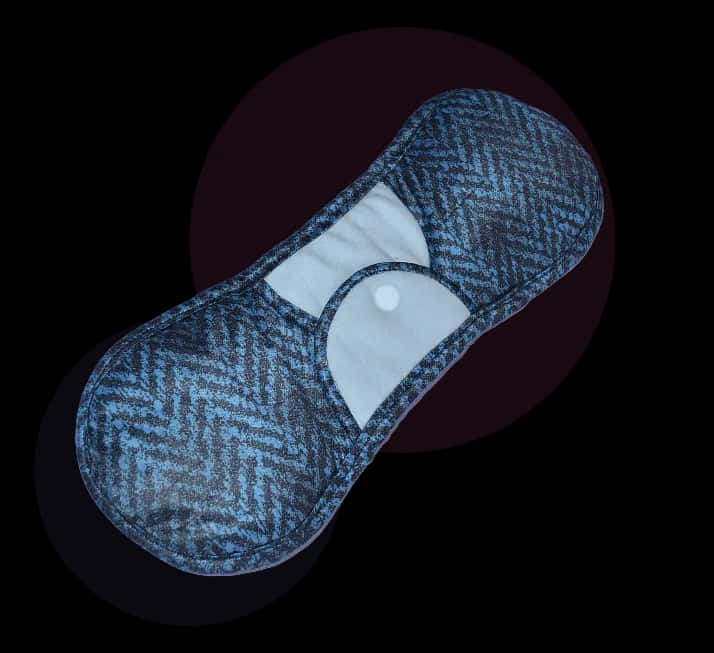
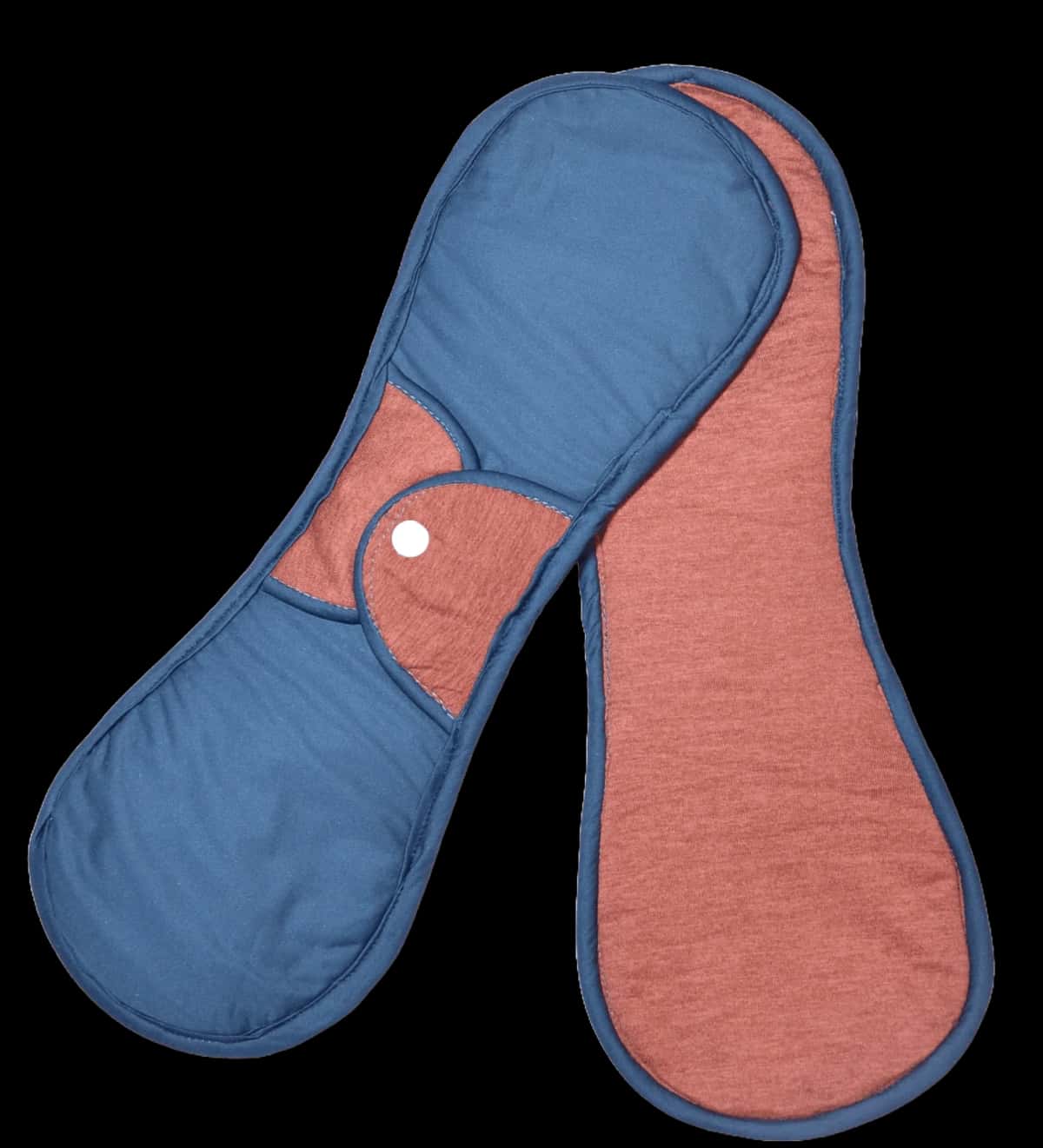
Our pads wey you fit wash

Practical Ways to Reduce Wetin You Dey Spend for Period Products
To understand di cost good, but to sabi how to reduce am and still keep your health and dignity na wetin go really change things. Dis ways dey work for Nigerian women for different income levels and life situations.
Smart Ways to Buy and Plan Your Money
To buy plenty at once dey save money well if you get di money for hand. If you buy supply for 3-6 months when salary or business money enter, e go reduce di cost per pad by 10-20% and protect you from price wey fit rise for middle of month. Join hand with your sisters, friends or colleagues to buy together and get bulk discount. Five women wey each contribute ₦5,000 fit buy quantity wey go reach wholesale price, then share di products well.
Count how many pads you really dey use for two cycles so you go sabi wetin you really need. Plenty women dey find say dem fit reduce cost if dem match di pad absorbency to their flow well. If you use lighter, cheaper pad for light days and keep premium products for heavy days, e fit cut monthly cost by 20-30%. Keep simple diary wey show which day need how many pads and which type, then buy according to am.
Buy for big supermarket or wholesaler instead of small pharmacy when you fit. Shoprite, Ebeano and other chains like dem dey often run promo for period products, like buy two get one free or percentage discount. Plan your buying around dis promo. Market days for small towns sometimes dey bring traders from other places wey get good price, e good make you check dem.
How to Move to Pad Wey You Fit Wash Use Again
If di first cost dey too much for you, start your reusable pad journey by mixing di two. Buy 3-4 reusable pads for your lightest flow days and use dem first, so your disposable supply go last longer. As you dey save money because you dey buy less disposable, dey add more reusable pads small small until you get complete set. Dis step-by-step change dey spread di cost over several months while you dey learn how to care for dem and dey build confidence for di products.
Choose absorbency levels with sense when you dey build your reusable pad collection. Most Nigerian women dey find say 2 light pads, 4 medium pads and 3-4 heavy pads make one rotation wey fit handle all flow levels. Dis one dey usually cost ₦3,000-₦6,000 total, but e go stop di need to buy disposable pad for 2-3 years.
Learn di correct way to care for dem so di pads go last long. Rinse di pads for cold water immediately after use so stain no go set, then wash with normal soap and water, and dry dem finish for sun when you fit. Nigerian sun dey kill germs naturally while e dey dry di pad. Correct care dey make di pad last pass wetin di company estimate, and you go gain more from wetin you spend.
Ways for Community and Family
Mamas wey get many daughters dey face cost wey don multiply, and e dey press household budget. To invest for reusable pads for di family dey create shared supply wey dey reduce monthly spending well well. Pads no suppose dey shared at di same time because of hygiene, but if di house get supply of 15-20 reusable pads for different absorbency, many family members fit use dem in turn, with each woman using her own set during her period while di others dey wash or dry.
Schools and religious organizations fit support period fairness by running pad distribution programs or group buying wey dem support with money. If your daughter school no get dis kind program, think of suggesting one to administrators or parent-teacher associations. When institution buy reusable pads, cost for each student go low, and students no go ever miss school because of period.
NGOs and women groups across Nigeria dey run period health programs wey sometimes dey give free products or products for reduced price. WASH programs, reproductive health programs and girls education projects dey often include period product support. Find out wetin dey for your local government area through community health centers, women development organizations, or online lists of NGO services.
Di Benefit of Spending Money on Good Period Products Wey Dey Affordable
When period product cost reduce, e dey bring good change for women whole life, far pass just relief for monthly budget.
Money Freedom and Economic Power
To save ₦30,000-₦50,000 every year because you change to reusable pads go free money for things wey fit really change life. Student fit buy textbooks, pay exam fees, or buy smartphone for learning apps. Small business owner fit put di money back for goods or equipment. Mama fit use di money for her pikin school fees or hospital. Dis money wey you redirect dey bring benefit wey dey multiply over years.
Money stress dey reduce when di monthly panic to find money for pad don stop. Di peace of mind wey you get when you sabi say your period no go cause money crisis dey improve mental health and how you dey take decision. Women dey talk say dem feel say dem control their life more when period cost don dey predictable and easy to manage. Dis power dey spread to other money planning, and e dey bring more good habits.
Young women wey sabi manage period cost well during school years dey learn money skills wey dem go use for whole life. To learn how to calculate cost for each use, compare long-term value with first price, and make smart buying decisions dey build money sense. Dis skills wey dem learn from managing period products dey help dem for rent negotiation, work contract and business planning.
Better Health and Dignity
Correct period protection dey allow good hygiene wey dey prevent infection and problems for reproductive health. When cost no be wahala again, women go change pad at di correct time, keep demself clean, and avoid dangerous things wey dem dey use as substitute. Dis practices dey protect fertility, prevent infection wey no dey go, and reduce hospital cost wey big pass sanitary pad cost.
Confidence dey change when you trust your period protection. To waka without fear of leak, to sit for class without worry, and to join work and social activities fully during your period dey return di dignity wey money wahala don collect. Nigerian women dey describe dis change for mind as freedom, di feeling say di natural work of their body no dey control or limit their life choices again.
School attendance and work output dey rise well well when period product cost no dey force pipo to stay house again. Girls for schools wey dey give reusable pads dey show 95% attendance during period, compared to 60-70% for girls wey no get correct protection. Dis attendance dey bring better grades, higher exam scores and better education results wey dey shape their whole life.
Benefit for Environment and Community
Reusable pads dey remove about 150-200 disposable pads every year for each woman from Nigeria waste. Even though environment fit no be di main concern for women wey dey struggle to afford any period product, e still be big extra benefit. Less plastic waste mean cleaner communities, less gutter wey dey block for rainy season, and less pollution wey dey affect everybody health.
When women for one community change to affordable period products together, dem dey create support for each other and make am normal to talk things wey before be taboo. Mamas dey show their daughters say to manage period well possible, no matter di money situation. Dis passing of knowledge dey break di cycle of shame and wrong information wey don dey for generations, and e dey bring better attitude to period for whole communities.
Di money benefit dey multiply for community level when women take di money wey dem for spend on period products spend am for local businesses and services. Money wey dem save from imported disposable pads, when dem spend am for local market, school or service providers, dey circulate inside Nigerian communities instead of to go to big foreign companies. Dis local business activity dey support jobs and community development for way wey sanitary pad buying no dey ever do.
Common Worries About How to Manage Period Cost for Nigeria
To change how you dey buy period products dey bring real questions and worries wey deserve honest, practical answers.
"Pad Wey You Fit Wash Use Again Sound Good, But I No Get Money for Di First Cost"
Dis worry correct well well, and na di main wall wey dey stop plenty Nigerian women from getting reusable products, even though dem go save money for long run. When you dey manage daily survival with small income, to find ₦3,000-₦5,000 to buy pad for di first time dey feel impossible, even when you understand di saving wey go come later.
Some ways fit help close dis gap. Start with one reusable pad wey cost ₦300-₦500. Use am for light flow days while you continue with your normal disposable products for heavier days. Di money wey you save on disposables dat month, even if na only ₦200-₦400, go help you buy your second reusable pad. Continue like dis every month, dey build your collection small small from di savings wey di pads wey you get already dey bring. Inside 6-8 months, you go don change fully to reusables without ever needing big money at once.
Ask family members make dem consider reusable pads as birthday or holiday gift. Instead of clothes or accessories wey you fit no choose by yourself, set of quality period pads dey give value wey go last. Some women talk say when dem clearly ask for pads as gift and explain di money calculation, their relatives happy to contribute something wey really dey help.
Look for NGO programs, church groups or women organizations for your area wey dey give period health support. Plenty of dem dey share reusable pads free or for very reduced price to women and girls wey no fit afford am. Community health centers sometimes sabi which programs dey work for di area. Few phone calls or questions for your local government area health office fit connect you to help wey you no know say e dey.
"Cheaper Products Go Protect Me Well?"
Price no always show how product go work, especially when you dey compare disposable with reusable products. Plenty expensive imported disposable pads dey depend more on advert and brand name than say dem work better. Meanwhile, reusable pads wey dem design well for moderate price dey often give di same or better leak protection, absorbency and comfort.
Quality signs matter pass price alone. For reusable pads, check di stitching make sure say e go fit survive many washes, check say di leak-proof layer reach di edges of di pad, and confirm say di absorbent material thick reach your flow level. ₦500 reusable pad wey dem build well dey perform pass ₦3,000 packet of disposables wey dem design badly every time.
Plenty Nigerian women dey discover say products wey dem make for here, including dose from companies like Sana Pads, dey work pass imported ones because dem design dem specially for our weather and our needs. International brands dey make products for cold weather wey get different humidity, different way pipo dey move, and different body types. Products wey dem design with Nigerian women real life for mind dey often work better for lower price than big-name imports.
Test products for light flow days or for house before you trust dem for important situations like big exams, presentation for work, or long journey. Dis way wey no get much risk dey build confidence for new products without fear of leak wey go shame you. Most women dey find say their worry about cheaper or different products dey disappear after one cycle wey go well.
"I No Get Good Water to Wash Pad Wey I Fit Use Again"
Water scarcity and water wey no dey come regularly na real wahala for reusable pad use for plenty Nigerian communities. But to wash reusable pads no need as much water as most women dey think, and smart ways dey work even where water small.
One reusable pad need about 1-2 liters of water to wash finish, far less than bucket bath, and e be like to hand-wash underwear wey you already dey do. If you dey manage water reach to keep your body and your clothes clean, you get enough for reusable pads. Di water wey you use for di first rinse fit use again to clean floor or water plants, so nothing waste.
To plan washing around when water dey available dey work for most women. Rinse di pads small for little water immediately after use so stain no go set, then keep dem for dry container until you get enough water to wash dem well. Pads fit wait 1-2 days before proper washing without hygiene problem, as long as dem don get dat first rinse. Dis way dey match pad care with your normal time to fetch water or when water dey come.
When water scarce well well, mixing di two dey keep hygiene. Use reusable pads when water dey, and keep small supply of disposable pad for days when water too scarce to wash. Dis one still reduce your disposable pad cost by 60-80%, and you go always get correct protection no matter whether water dey or not.
Why Sana Pads Na Di Best Value for Nigerian Women
As we understand sanitary pad cost for Nigeria, e push us to create products wey dey tackle di money wahala wey dey stop women from getting period protection wey get dignity. Sana Pads dey because we believe say period poverty fit end through local manufacturing, honest price, and products wey dem design for real Nigerian conditions.
Our reusable pads dey cost about 70-85% less than di continuous spending for disposable products, and dem dey protect better with many absorbent layers. We dey manufacture for Nigeria, and dis one remove import cost, exchange rate wahala, and di price wey dey jump up and down wey dey worry imported products. Dis local production mean stable price wey you fit predict, and e dey help women plan their money with confidence.
We don support over 10,000 women directly and share more than 30,000 pads across Nigeria, and each pad dey remove about ₦40,000-₦60,000 of disposable product cost for its 2-3 year life. Our impact pass individual women reach schools where we dey give bulk supply, so whole student population fit attend class without missing because of period.
Di way Nigerian weather be shape how we design our products. Our leak-proof layers dey stand humid weather without spoiling, di absorbent materials dey dry quick even for rainy season, and di fabric dey comfortable even with heat. We dey test everything for Lagos humidity, Kano heat and Port Harcourt dampness, because products must work for your real life, no be for laboratory.
Apart from products, we dey committed to end period poverty through education, advocacy and price wey pipo fit afford, wey no go ever force women to choose between dignity and money survival. Every purchase dey support local manufacturing jobs, dey contribute to period fairness programs, and dey show say Nigerian women deserve products wey dem create with their needs, culture and money reality for di centre of every design decision.
Make You Start: Take Control of Your Period Cost Today
You no need to continue to dey spend money wey you no fit carry for period products. Simple steps today go start to reduce cost and improve your protection, comfort and confidence during period.
For Each Woman and Girl
Start by calculating wetin you really dey spend every month and every year for disposable pad. Write down exactly wetin you buy every cycle and how much e cost. When you see di total for one year, e dey often push you to look for other options, because di number dey usually high and e dey shock pass wetin you expect.
Consider to start with Sana Pads Starter Kit, wey get 3 Premium Pads plus one storage pouch. E give you enough pads to manage most of normal cycle, and each pad get 1 leak-proof layer and 3 absorbent layers for protection wey you fit trust for regular flow. Di kit cost less than two months of disposable pad buying, but e dey last 2-3 years if you care for am well.
Match di products to your flow levels so you go save pass. No Wahala Pads wey get 1 leak-proof layer and 1 absorbent layer dey work well for light days, spotting, or as backup protection. Premium Pads dey handle regular flow with confidence with their 3 absorbent layers. Maxi Pads, wey get 1 leak-proof layer and 5 absorbent layers, dey manage even di heaviest flow days without leak or changing too often. To build collection from dis types cost less than six months of disposable pads, and e go serve you for years.
Learn simple care routine wey dey take only few minutes every day. Rinse di pads for cold water after use, wash with normal soap, and dry for sun when you fit. Dis small care dey protect di money wey you spend for di product, and e make sure say di pads remain clean and dey work well for their whole life.
For Organizations and Community Leaders
Schools, NGOs, churches and women groups fit change period fairness for their communities through bulk buying programs.
Start with small test program for part of your students or members. Give 3-4 reusable pads to 20-30 girls or women, track how attendance or participation change for three months, and collect feedback on how di product work and wetin hard for di care. Dis information go help you improve your plan and show di impact to funders or administrators when you dey find resources to expand.
Partner with local health centers to give period health education together with di products. Products alone no fit solve period poverty if women no sabi correct use, care and hygiene. Programs wey join education and products together dey get much better results than either one alone.
Contact Sana Pads to discuss wetin your organization need, your timeline and your budget. We dey work with schools across Nigeria to create programs wey fit your community situation, whether you dey serve 50 students or 500, for Lagos city or for village communities wey no get much resources.
Last Word
Di cost of sanitary pad for Nigeria – from ₦8,000 to ₦15,000 every year for disposable products – dey block education, health and money chance for millions of women and girls. Dis spending dey chop 5-10% of minimum wage, and e dey force pipo make impossible choice between dignity and survival. When student miss 20-40 school days every year because she no fit afford correct protection, or when mama spend money wey suppose buy food for period products wey too cost, na fairness crisis wey need practical solution.
Reusable sanitary pads dey reduce dis cost by 70-90% after di first spending, and e dey change period from monthly money crisis to routine wey you fit plan and afford. Di savings, when you multiply am for 35-40 years of period, reach over ₦1.5 million for each woman compared to disposable products. Dis money fit pay for education, build business, buy property or secure future, instead of to disappear inside dumpsite every month.
To take control of your period cost start with understanding wetin you really dey spend, looking at reusable options, and making smart buying decisions wey balance di first spending against long-term savings. Every Nigerian woman deserve affordable period protection wey get dignity, wey no go ever force her to stay house, use dangerous things, or sacrifice other important needs. Visit our Period Poverty Nigeria page to learn more about period fairness wahala across our country and see how affordable solutions wey dem make for here dey change lives, one period at a time.
Continue to read for Period Poverty for Nigeria
Questions wey pipo dey ask well well
Why I go choose Sana Pads instead of normal disposable pads?
Dem make Sana Pads from high-quality materials wey you fit use again, so dem be option wey dey last and wey good for environment instead of disposable sanitary products. Dem gentle for your skin, dem dey absorb well, and dem dey save money for long run. When you choose Sana Pads, you dey help reduce plastic waste while you dey enjoy comfort and pad wey you fit trust for your whole cycle.
How long I fit use Sana Pad before I need to wash am?
Sana Pad dey give you comfort and protection for 4 to 8 hours, depending on your flow. To stay fresh, change am every 4 to 6 hours - more often for heavy days. After each use, rinse am for cold water and wash am with soap. If you care for am well, each pad dey last 2 to 3 years.
Sana Pads dey safe for sensitive skin?
Yes, dem make Sana Pads from soft materials wey dey allow air pass and wey no dey cause allergy (hypoallergenic), so dem gentle for your skin. Dem no get di harmful chemicals and toxins wey dem dey often find for disposable pads, so dem be correct choice for pipo wey get sensitive skin or allergy.
How I go clean and take care of my Sana Pads?
Rinse your pad for cold water immediately - hot water dey make blood stain stay. Then wash am with mild soap, with hand or for machine, and rinse until di water clear. Dry am finish for direct sun, wey dey also kill germs. Abeg no use tumble dryer, bleach or fabric softener: dem dey spoil di absorbent layers. If you care for am like dis, Sana Pad dey last 2 to 3 years.
Price dey change if I order plenty?
No. Each product get fixed price per pack, no matter how many packs you order. You fit calculate your total with our price calculator. For big orders, send us direct message and we go confirm di delivery cost with you before you pay.
Testimonials
See wetin our customers dey talk about our products.
Women for all over di world dey buy Sana

“For first, e dey irritate me to use washable sanitary pad. I decide to try am, and to my greatest surprise, e comfortable well-well and e easy to wash. You fit even do your daily things without fear say blood go stain you for public. I wan give Big shout out to SANA PADS!!”

“I dey really love Sana reusable pads! Dem dey make me relax and feel free for my period time. Plus, dem don reduce the cost and stress of buying disposable pads every month well-well. Kudos to Sana for making dis kind correct product – I go be fan forever!”

“Sana Pad good well-well, e dey make you comfortable and free. I love the pads, na the best ever!”

“I don try different brands of reusable pad, but Sana stand out for the quality, the comfort and how e dey last. Dem design am with sense, and the material dey gentle for my skin. As I change to Sana, e don reduce how I dey spoil environment and e don also save me money for long run. I dey grateful for dis solution wey go last!”

“I don try different pad brands for years, but Sana pads really stand out. From the first time I use am, I see the difference — e soft for skin, e dey soak well-well, and e comfortable die. Even for my heaviest flow days, Sana pads dey hold well. Wetin I also love na how the material dey allow air pass and e good for skin. If you dey find pad wey get comfort, wey you fit trust, and wey get quality, I really recommend make you try Sana pads.”

“To dey buy disposable pads every month dey add up well-well, so I talk say make I try Sana Pads. E surprise me how soft dem be, and dem dey work well for long days for university. To wash dem simple, and e don reach months wey I never buy new pad, so e don save me money. I also like say dem dey better for environment. E sweet me say I get option wey cheap and wey better for environment.”
Time to join hand
Contact Us
Margaret Ochegbudu
Business Manager