Menstrual disorders: Full guide for Nigerian women
Where pipo don see us







 Margaret Ochegbudu don check am · Update 26 min to read
Menstrual disorders dey affect reach 30 percent of Nigerian women. Dem include period wey no dey come regular, heavy bleeding, serious pain and period wey no dey come at all. PCOS dey affect about one in ten Nigerian women, and fibroids dey affect reach 25 percent by age 40. Most of dem fit treat if dem find am early, and treatment dey inside Nigeria health system.
Understand menstrual disorders: Wetin you need sabi
Menstrual disorders dey affect reach 30% of women for Nigeria for one time for their life, but most of dem dey suffer quietly. Dis guide go help you recognise di signs, understand wetin dey happen for your body, and know when to find help.
Main tins wey you go carry go:
- Menstrual disorders include period wey no dey come regular, heavy bleeding, serious pain, and period wey no come at all wey pass di normal reasons.
- Common conditions like PCOS dey affect 1 in 10 Nigerian women, and fibroids dey affect reach 25% of women by age 40.
- Heavy period bleeding mean say blood dey soak pass one pad every 1-2 hours, or blood clot wey big pass ₦50 coin dey comot.
- Most menstrual disorders fit treat if doctor find dem early, and options dey even inside Nigeria health system.
- If you track your period for 3 months, e go help doctors find di problem quick and correct.
- Pad wey you fit wash use again, wey cheap, fit manage heavy flow while you dey find treatment, and e dey cost 70-85% less pass disposables with time.
- If you ignore serious signs, e fit lead to anaemia, wahala to get pregnant, and life wey no good like before.
Make we look well-well wetin be menstrual disorder, how to recognise di warning signs, and wetin you fit do today.
Blessing siddon for her bed for her apartment for Surulere, she bend down because of pain. Dis na di third month wey her period come two weeks early, with cramp wey strong so tey she no fit go work. Her colleagues don start to dey whisper, her supervisor dey vex, and her mama dey talk say “e normal – just take paracetamol.” But Blessing know say something no correct. Like millions of Nigerian women, she get menstrual disorder, but she no know wetin dem dey call am, whether e serious, or where she go find help. Shame and confusion make her keep quiet, even as her life dey small more with every period wey she no fit predict.
You no dey alone, and you deserve answers.
Understand menstrual disorders: Wetin normal and wetin no normal
Menstrual disorder na any condition wey dey affect how your monthly period dey regular, how long e dey last, how much blood dey comot, or how much pain e dey give, for way wey dey scatter your life. Even though every woman period dey small different, some patterns dey show say something need doctor attention.
How normal period cycle dey look
Before we talk about disorders, make we first see wetin pipo dey call normal. Normal period cycle dey last 21 to 35 days, from di first day of one period reach di first day of di next one. Di period itself (di days wey you dey bleed) dey usually last 2 to 7 days. You fit lose about 30 to 40 millilitres of blood for total, wey be like 2 to 3 tablespoons, even though e dey often look like more because e dey mix with oda fluids.
Normal period pain fit be small cramp reach discomfort wey no too strong, wey normal painkiller like ibuprofen fit handle. You suppose still fit go school, go work and do your everyday tins, even if you no too comfortable. Your cycle fit change by few days every month, and dat one dey fine. Stress, travel, sickness or change for your routine fit all affect di timing for small time.
For Nigeria weather, you fit notice say your flow be like say e heavy pass for hot season, because heat fit increase how blood dey move for body. Dis one dey usually normal. Wetin matter na di pattern for some months, no be one period wey different.
When your period become problem
Menstrual disorder dey when your cycle dey always stop you from living normal. E fit mean pain wey strong so tey you no fit stand up, bleeding wey heavy so tey you dey change pad every hour, period wey dey come anyhow without any pattern, or cycle wey dey disappear for months without pregnancy or menopause.
Di main word na “always”. One hard period after exam week wey get stress, or when family get wahala, no mean say you get disorder. But if you don get di same worrying signs for three or more periods wey follow each oda, time don reach to check am.
Common menstrual disorders include dysmenorrhoea (period wey pain well-well), menorrhagia (very heavy bleeding), oligomenorrhoea (period wey no dey come often, more than 35 days apart), amenorrhoea (period wey no dey come at all), and cycle wey no get any pattern wey you fit predict. Each one get different cause and treatment, na why correct diagnosis matter.
Di menstrual disorders wey common pass for Nigeria
Some conditions dey affect Nigerian women well-well. Uterine fibroids, growth wey no be cancer inside di womb, dey affect reach 25% of women by age 40, and e dey even high pass among African women. Dem dey often cause heavy bleeding, period wey dey last long, and pressure for lower belle.
Polycystic Ovary Syndrome (PCOS) dey affect about 1 in 10 women for di whole world, including for Nigeria. E dey cause period wey no dey come regular or wey no dey come at all, too much hair for body, pimples, weight gain, and e fit affect how to get pregnant. Plenty Nigerian women wey get PCOS no dey get diagnosis, because pipo dey talk say na “just stress” or “you dey chop too much.”
Endometriosis, wey be when tissue wey be like di inside of womb dey grow outside di womb, dey cause serious pain, heavy bleeding and problem to get pregnant. Even though correct Nigerian numbers no plenty, research show say e dey affect about 10% of women for di whole world for di years wey dem fit get pikin. Pelvic Inflammatory Disease (PID), wey dey often come from STIs wey nobody treat, dey damage di organs wey dey make pikin and dey cause period wey dey pain and no dey come regular. E common well-well for areas wey no get easy access to sexual health services.
Recognise di warning signs: When to find help
When you understand di correct signs, e go help you talk for yourself when you go see doctor. Plenty Nigerian women dey fear to see doctor because pipo don tell dem say their signs “normal” or say dem “just dey do drama.” Trust your body. If something no feel correct, e deserve make dem check am.
Heavy period bleeding (Menorrhagia)
Heavy bleeding na one of di menstrual disorders wey common pass, but plenty women no know say their flow heavy pass normal, because dem never talk about am with oda pipo. You get menorrhagia if blood dey soak pass normal pad or tampon every one to two hours for some hours wey follow each oda, if your period dey last pass seven days, if blood clot wey big pass ₦50 coin dey comot, or if you need change pad for night.
Heavy bleeding dey often lead to anaemia (low iron for body), wey dey cause tiredness, weakness, short breath and pale skin. If you dey tire well-well during your period, or you notice say your heart dey beat fast when you climb stairs, anaemia fit dey start. Dis one dey worry well-well for Nigeria, where plenty women already no dey get enough iron because dem no fit easily get food wey get plenty iron.
Di cause of heavy bleeding fit be fibroids and polyps, hormone imbalance, bleeding disorders, or problem with how your womb dey squeeze. Health worker fit find di cause through examination, ultrasound or blood test. Treatment fit include medicine to reduce bleeding, hormone options to make your cycle regular, or for some cases, procedure to remove fibroids or to fix oda structure problems.
Serious period pain (Dysmenorrhoea)
Period pain get levels. Small cramp normal. Pain wey dey make you vomit, faint, or dey always make you miss school or work, no normal. Serious dysmenorrhoea dey feel like strong cramp or pain wey dey stab for your lower belle, lower back or thighs. E fit come with feeling to vomit, running stomach, headache or dizziness.
Primary dysmenorrhoea mean period wey dey pain without any disease under am – your womb just dey make too much prostaglandins, chemicals wey dey cause cramp. Secondary dysmenorrhoea mean say one condition under am like endometriosis, fibroids or PID dey cause di pain. Di difference matter because dem need different treatment.
If your pain start inside few years after your first period and e no change much, e fit be primary dysmenorrhoea. If di pain start later for life or e dey worse more and more, think say e fit be secondary dysmenorrhoea. If pain dey happen outside your period or during sex, make sure say you go make dem check you. For Lagos, Abuja, Kano and oda big cities, gynaecologists fit do ultrasound and oda tests to find di cause. Even for areas wey no get plenty facilities, doctor wey sabi work fit often find di problem through careful examination and di history of your signs.
Period wey no dey come regular or wey no dey come at all
Your period no need come di exact same day every month, but e suppose follow pattern wey you fit generally predict. Irregular period mean say di length of your cycle dey change by more than 7-9 days from one month to anoda, or you no fit predict at all when your period go come. Absent period (amenorrhoea) mean say you miss three or more periods when you no dey pregnant, you no dey breastfeed, and you never reach menopause.
Plenty tins dey cause irregular period. PCOS na one of di main causes for young women. Thyroid problems, wey dey affect how your whole body dey work, fit scatter cycle. Too much weight loss or weight gain, too much exercise, stress wey no dey finish, and some medicines, all dey affect period. For some Nigerian women, especially students and young workers wey dey face strong pressure for school or work, cycle wey stress dey scatter dey common more and more.
Period wey no dey come at all always need make dem check am. Apart from pregnancy, di causes include premature ovarian insufficiency (early menopause), pituitary gland problems, scar inside di womb from infection or procedure before, and hormone imbalance. If you never reach 16 and your period never start, or if your period stop for more than three months, go see health worker. Your fertility, your bone health and your general wellbeing depend on fixing di cause wey dey under am.
How to get diagnosis: Wetin you go expect
To go hospital for period problem fit make you fear, especially for culture where pipo no dey talk about period for open. When you know wetin to expect, e go help you prepare and talk for yourself well.
Track your signs before your appointment
Di one tin wey go help pass before you see doctor na to track your period for at least three months. Write di first day of each period, how many days e last, and how heavy di flow be each day (light, normal, heavy or very heavy). Write any pain (give am number from 1-10), oda signs like headache or stomach wahala, and how di signs dey affect your everyday life.
Write how many pads you dey use every day. Dis one dey give doctors clear information, no be only how you feel am. Write also any medicine wey you dey take, including herbs, and anything wey give you stress for each period. Stress, sickness and big changes for life all dey affect period, and dis information dey help doctors know di difference between problem wey go pass and real disorder.
You fit track am for paper, for notebook, or for your phone. Simple notes dey fine – you no need fancy app. Carry dis record go your appointment. Plenty Nigerian doctors no get much time for each patient because patients plenty, so organised information go help you get better care for di small time wey dey.
Wetin dey happen when you see doctor
Your doctor go ask you plenty questions about your period history: when you first see your period, how your cycle be before di problem start, your sex history, pregnancy or miscarriage wey you don get before, and di health history of your family. Talk true. Wetin you tell doctor na secret between una, and if you hide information (maybe because of shame), e fit lead to wrong diagnosis.
Body examination dey usually include to check your belle for pain or lump, and pelvic examination to check di organs wey dey make pikin. If you never do sex and you no comfortable with examination inside, talk am. Doctor fit check some conditions with ultrasound for belle only, even though examination inside dey give more information.
Blood tests dey often check for anaemia, how thyroid dey work, hormone levels, and sometimes bleeding disorders. Ultrasound scan, either for belle or inside di vagina (transvaginal), fit find fibroids, cysts, polyps and oda structure problems. For Nigeria, ultrasound dey everywhere, even for small cities, and e dey usually cost from ₦3,000 to ₦15,000 depending on di place and facility. Special tests like MRI, hysteroscopy (camera inside di womb) or laparoscopy (camera inside di belle) dey for teaching hospitals and private hospitals for big cities, but dem cost more.
How to find health care for Nigeria system
To find your way for Nigeria health system for menstrual disorders need patience. Start with general doctor or family medicine doctor for primary health centre if money na di problem. Dem fit do di first check, give you basic treatment, and send you go see specialist when e need. PHCs dey collect small money, sometimes as small as ₦500 to ₦2,000 to see doctor.
For specialist care, gynaecologists dey work for government hospitals, teaching hospitals and private clinics all over Nigeria. Teaching hospitals for Lagos (Lagos University Teaching Hospital), Ibadan (University College Hospital), Abuja (National Hospital), Kano (Aminu Kano Teaching Hospital) and oda cities dey give specialist care for reduced price, but di waiting time fit long. Private hospitals and clinics dey quick pass but dem cost more – expect ₦5,000 to ₦20,000 to see specialist.
Some NGOs and health programmes dey give gynaecology care for reduced price, especially for young women. Organisations wey dey focus on women health sometimes dey run free screening camps from time to time. Ask for health centre near you about programmes wey dey come. No let money stop you from finding care. Menstrual disorders wey nobody treat dey often lead to more serious (and more costly) wahala later.
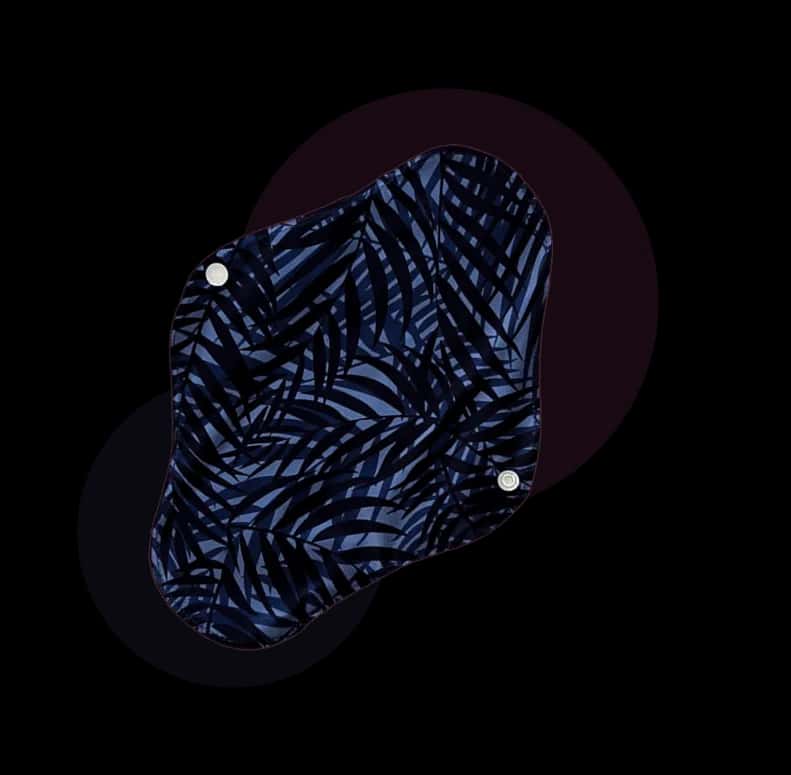
Our pads wey you fit wash
How to manage menstrual disorders: Treatment options
Treatment depend fully on wetin dey cause your menstrual disorder, how serious your signs be, your age, and whether you want get pregnant for future. Most conditions get different ways to treat dem, from medicine to change for lifestyle to surgery.
Medical treatments wey dey for Nigeria
Hormone treatments dey often be di first option for plenty menstrual disorders. Family planning pills, hormonal IUDs or oda hormone methods fit make irregular cycle regular, reduce heavy bleeding and reduce pain. Even though culture dey look family planning medicine with bad eye, dis medicines get correct medical work pass only to stop pregnancy. Plenty Nigerian doctors dey give dem specially for menstrual disorders.
Medicines wey dey fight inflammation like ibuprofen dey reduce both pain and bleeding, because dem dey reduce how body dey make prostaglandin. Tranexamic acid, medicine wey dey help blood clot, fit reduce heavy bleeding reach 50%, and e dey for Nigerian pharmacies. Iron supplements dey treat anaemia wey heavy bleeding cause – your doctor fit give you ferrous sulfate or oda iron medicine.
For particular conditions, treatment dey different. Doctor fit manage fibroids with medicine to make dem small, or remove dem through myomectomy (surgery to remove dem) if dem dey cause serious signs. PCOS treatment dey often include metformin to help di body use insulin better, together with change for lifestyle. Endometriosis fit need pain medicine, hormone treatment to hold am down, or surgery to remove di endometrial tissue. PID need antibiotics to clear di infection, and di sex partners must collect treatment di same time so di infection no go come back.
Lifestyle tins wey dey help
Even though change for lifestyle alone no dey usually cure menstrual disorders, e dey make di signs better well-well and e dey support medical treatment. To manage stress with anything wey dey work for you – prayer, meditation, exercise, to talk with friends – dey help cycle wey stress wey no dey finish don scatter to come back regular. Plenty Nigerian women dey carry big responsibility to take care of family while dem dey work or study, and dis one dey bring stress wey no dey stop.
Food matter pass wetin plenty pipo think. Food wey get plenty iron like beans, dark green vegetables (ugwu, waterleaf), and when you fit afford am, red meat and fish, dey help prevent anaemia. To reduce salt fit reduce belle wey swell and water wey body dey hold. Some women see say when dem reduce caffeine and alcohol, their signs better, but di evidence no clear.
Exercise wey no too strong, wey you dey do regular, dey help with period pain because e dey release endorphins and make blood move well. Dis no mean hard gym workout if you no fit get am – 30-minute waka round your area dey work well. When period dey pain, gentle stretching or yoga positions fit give relief. Heat, wey be to use hot water bottle for your lower belle, dey make di muscles wey dey cramp relax, and na old Nigerian remedy wey science really support.
When surgery become necessary
Some menstrual disorders need surgery when di soft treatments no work. Myomectomy dey remove fibroids but e dey keep di womb, wey important for women wey still want get pregnant for future. Endometrial ablation dey destroy di inside layer of di womb to reduce or stop bleeding for women wey no want get more pikin. Hysterectomy (to remove di whole womb) na di last option for serious cases wey no answer oda treatments.
Dis procedures dey for Nigeria teaching hospitals and plenty private hospitals. Di cost dey different well-well – myomectomy for government hospital fit cost ₦100,000 to ₦300,000, while private hospitals dey charge ₦500,000 or more. Some health insurance schemes dey cover dis procedures, but di cover for Nigeria still small. Discuss all di options well with your doctor, including di risks, how long e go take you to recover, and di effect on fertility, before you go for surgery.
How to live well even with menstrual disorders
If dem tell you say you get menstrual disorder, e no mean say you no fit live full, active life. With correct management, most women dey see say their signs and their life better well-well. Di journey need patience, to talk for yourself, and practical ways to manage di signs while you dey find treatment.
How to manage heavy flow for practical way
If you dey bleed heavy, whether you dey wait for treatment or you dey manage condition wey dey continue, di correct period products dey make big difference. Heavy flow need product wey dey soak di most and dey stop leak, especially when you no fit change pad often, like for long work shift or for schools wey no get good WASH facilities.
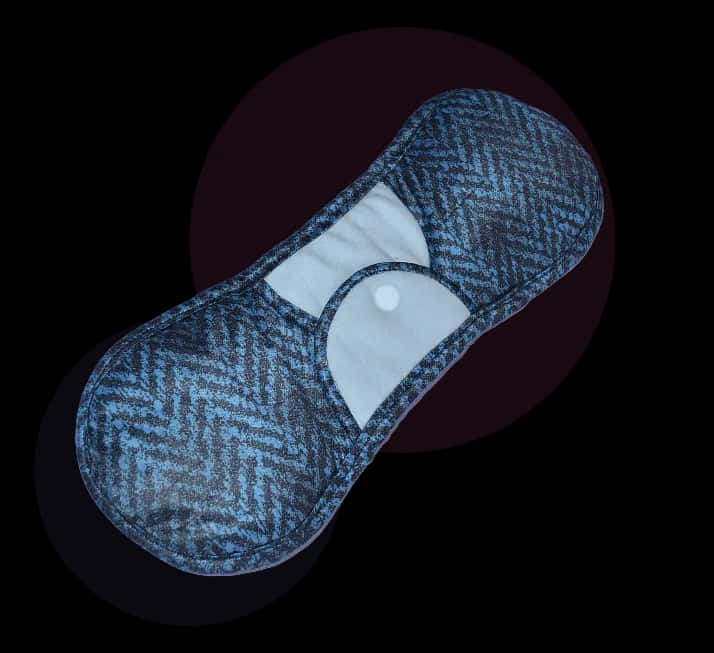
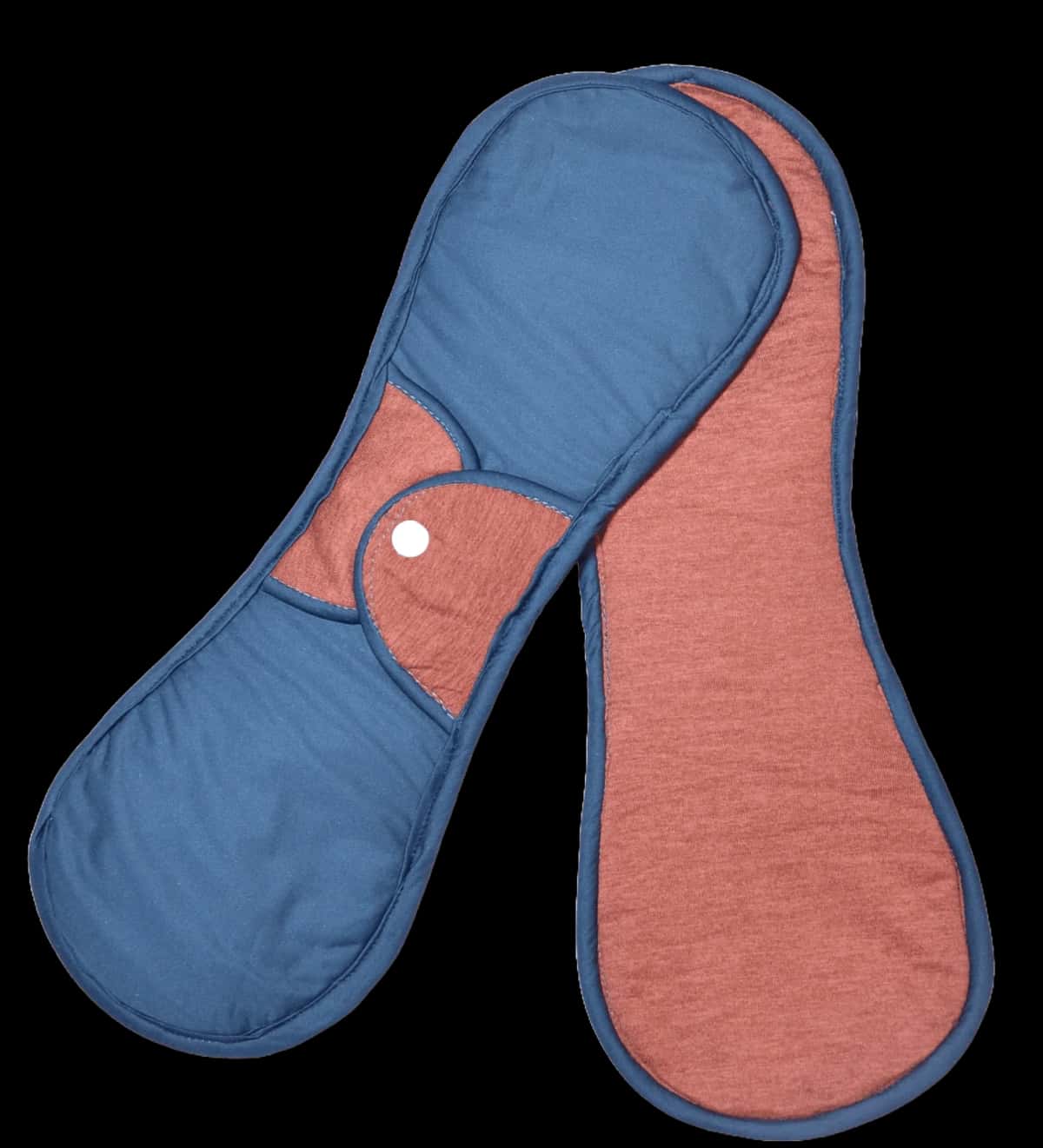
Pad wey you fit wash use again wey get many layers wey dey soak fit handle heavy flow, and e dey give better value pass to dey buy disposables all di time. Dem also better for environment, and dis one important when you dey manage condition wey go last long wey need plenty products every month. Disposables fit need change every 1-2 hours for heavy flow, but pad wey you fit wash use again wey dem design well, wey get five or more layers wey dey soak, fit last 3-4 hours even with heavy bleeding.
Plan before for heavy days: keep extra pads for your bag, know where clean toilets dey for di road wey you dey pass every day, and wear dark cloth wey no go show stain if e leak. Carry small container of water or wipes for quick cleaning if you need am. For night, use extra-long pads and think about to put mat wey water no fit pass under your bedsheet so your mind go rest.
How to cope with pain wey no dey finish
To live with serious period pain every month dey tire di body and di mind. Apart from medicine, gather different ways to manage di pain. Find di tins wey dey make your pain start – some food, stress, no enough sleep – and reduce dem where you fit.
Make comfort routine for di days wey e dey pain. E fit include heat, some ways to lie down or rest, gentle massage, breathing exercise, or to do tins wey go take your mind comot from di pain. Some Nigerian women dey get relief from traditional remedy like warm ginger tea or herbs wey dey around, but discuss dem with your doctor make sure say dem no go spoil di treatment wey dem give you.
Tell your family, partner, employer and teachers clearly wetin you need. Plenty pipo no understand say serious period pain na real medical condition, no be weakness or say you dey exaggerate. You fit need explain give di pipo around you, calm-calm, say you get condition wey doctor don diagnose wey need make dem adjust for you for di hard days. Dis one fit mean to work from house sometimes, to take break to rest, or to change your work small for some time.
Protect your mind health
To deal with menstrual disorder wey no dey finish dey affect mind health. When cycle no dey regular and you no fit predict am, e dey give worry all di time. Serious pain every month dey lead to depression. Heavy bleeding wey fit leak any time dey make you fear to dey with pipo and dey make you alone. Worry about fertility wey dey come with some menstrual disorders dey bring sadness and stress.
Accept dis feelings as correct answer to hard situation, no be say you weak. Find support from friends or family wey understand and wey you trust. For big Nigerian cities, support groups for women wey get conditions like PCOS or endometriosis dey, both face-to-face and online. To connect with pipo wey really understand wetin you dey pass through dey reduce loneliness.
If worry or depression too much, if e dey affect your sleep, how you dey chop, your relationships, or how you fit do your everyday tins, find support for your mind health. Counsellors and therapists dey increase for Nigeria, and some dey charge price wey you fit afford or price wey dey follow wetin you get. Some teaching hospitals get psychiatry departments wey fit help. Your mind health important like your body health when you dey manage condition wey no dey finish.
Common lies and worries about menstrual disorders
Wrong information and cultural beliefs about menstrual disorders dey often stop women from finding help or from following treatment well. Make we answer di wrong beliefs wey common pass, straight.
"Serious period pain normal - just bear am"
Dis one fit be di lie wey dey harm Nigerian women pass. Yes, small cramp normal. Pain wey dey make you vomit, faint, miss work or school, or wey dey make you lie down for hours, no normal, and nobody suppose ever accept am as normal. Di talk wey be “our mothers suffer, so we must suffer too” dey make women suffer for nothing, when treatment wey dey work dey.
Serious period pain dey often show say condition dey under am wey need treatment. Endometriosis, for example, dey worse with time if nobody treat am, and e fit cause damage wey no go comot for di organs wey dey make pikin and for fertility. Early diagnosis and treatment dey prevent wahala. Plus, pain wey no dey finish dey affect your whole life – your education, your work, your relationships and your mind health. You deserve to live without pain wey dey knock you down every month.
Because culture dey push pipo to keep quiet about period, plenty Nigerian women never discuss their signs with oda pipo, so dem no know say wetin dem dey pass through no normal. If your period dey always disturb your life, talk to health worker. Treatment wey dey work dey, from simple medicine wey dey fight inflammation, to hormone treatment, to surgery for serious cases. You no need to suffer quietly.
"Menstrual disorders mean say you no fit born"
Even though some menstrual disorders fit affect fertility, to get menstrual disorder no mean automatically say you no fit get pikin. Plenty women wey get PCOS, fibroids, irregular cycle, or even endometriosis dey get pregnant well, sometimes with help from doctor, sometimes without. Di link between menstrual disorders and fertility no simple, and e different for each pesin.
Wetin matter na to get correct diagnosis and treatment. Some conditions, if nobody treat dem, fit affect fertility with time. But with correct management, plenty women wey get menstrual disorders dey get healthy pregnancy. PCOS, for example, na one of di main causes of infertility, but plenty women wey get PCOS dey get pregnant with change for lifestyle, medicine like metformin or clomiphene, or assisted reproductive technologies.
If you get menstrual disorder and you want get pikin for future, discuss am with your doctor. E dey affect di treatment wey dem go choose. For example, if you get fibroids, your doctor fit advise myomectomy (to remove only di fibroids) instead of oda procedures wey dey affect di womb. When you talk open about wetin you want for pikin, you go get treatment wey match di plans for your life.
"Modern medicine go harm you - use only natural remedy"
Traditional remedies get their place to manage period signs. Ginger tea for feeling to vomit, warm cloth for pain, some herbs for inflammation – dis ones fit give real relief. But serious menstrual disorders dey often need medical diagnosis and treatment wey traditional remedy alone no fit give.
Fibroid no go disappear with herbs. Endometriosis need medical management. PCOS need full treatment wey go handle hormone imbalance and metabolism problems. Heavy bleeding wey dey cause serious anaemia need iron supplement and treatment to stop di blood wey dey comot too much. If you depend only on traditional remedy for serious conditions, e fit make di problem worse and bring wahala wey go hard to treat later.
Di best way na to join medical treatment wey get evidence with traditional practices wey dey support and wey no dey disturb your treatment. Talk true to your doctor about any herbs or traditional medicine wey you dey use, because some fit mix bad with di medicine wey dem give you or affect di test results. Di same way, talk true to traditional healers about your medical treatment. You no need choose between traditional and modern way – to join both with correct information dey often work best.
Why Sana Pads dey support women wey get menstrual disorders
To manage menstrual disorder dey often mean heavy flow, longer period, or cycle wey you no fit predict. Dis one dey add stress and cost, especially when you dey buy disposable products all di time. Dem create Sana Pads specially with di real life of Nigerian women for mind, including di ones wey dey manage hard period conditions.
Our pad wey you fit wash use again, wey we make for here, understand Nigeria weather, di small access to clean water for some areas, and di money pressure wey plenty women dey face. Heavy flow no need mean to spend ₦2,000 to ₦5,000 every month for disposables. Our Maxi Pads, wey get one layer wey no dey leak and five layers wey dey soak, dey handle even very heavy flow, and dem dey last for years if you take care of dem well. Dis one mean say women wey get menorrhagia fit manage their condition with money wey dem fit afford while dem dey find medical treatment.
We don directly support pass 10,000 women and share pass 30,000 pads for Nigeria. Plenty of dis women dey manage menstrual disorders – heavy bleeding from fibroids, cycle wey no dey predictable from PCOS, long period from different causes. Dem need protection wey dem fit trust and wey dem fit afford, wey no go add money stress to their health wahala. Pass products, our mission dey fight period poverty wey dey often stop Nigerian women from going hospital, because dem don already stretch finish just to afford basic period supplies.
We design our products specially for Nigerian condition: dem dey dry quick even for coastal areas wey get humidity, dem strong enough to handle hand washing when e need, and dem dey give dignity and protection no matter your period wahala. Because we dey make dem for here, we understand wetin Nigerian women need for way wey products from abroad no fit. We no dey only sell pads – we dey support your right to manage your health with dignity and with money wey you fit afford.
Take action: Your next steps
Whether you think say you get menstrual disorder or doctor don already diagnose you, you fit take clear steps today to make your situation better. Progress dey start with small steps wey you fit manage, wey go build reach better health.
For each pesin wey dey manage period health
Start to track your period today if you never start. Use notebook, your phone, or simple calendar. Write di first day of your period, how long e last, how heavy di flow be, how di pain be, and how di signs dey affect your everyday life. Do am for three months, then check whether you see pattern wey dey worry wey need make you see doctor.
If your flow heavy, whether na from condition wey doctor don diagnose or while dem dey check your signs, change to period products wey fit handle wetin you need without you dey change all di time. Our Premium Pads (one layer wey no dey leak plus three layers wey dey soak) dey work well for normal flow reach flow wey heavy small. For very heavy bleeding, our Maxi Pads (one layer wey no dey leak plus five layers wey dey soak) dey give maximum protection. Dis ones dey save about 70-85% compare to using disposables every month for one year.
Our Starter Kit, wey get three Premium Pads plus one pouch to keep dem, na very good way to start if pad wey you fit wash use again new to you. E dey give you enough pads to dey change during your period while you dey learn how to take care of dem well. Di kit go serve you for some months while you dey check whether you need option wey dey soak pass.
Book appointment with doctor if you don track signs wey dey worry for three periods. Carry your symptom diary, write your questions before you go, and no comot until you get clear answers and treatment plan. If doctor no take your worry serious, go see anoda doctor for second opinion. You sabi your body pass anybody.
For organisations wey dey support women health
Schools, NGOs, health facilities and community organisations dey play big role to handle menstrual disorders, as dem dey create awareness and dey give resources. Plenty Nigerian women dey suffer quietly because dem no get basic information about wetin normal and when to find help. Education programmes for schools and communities fit change dis one.
Think about to start period health education wey include information about menstrual disorders, no be only basic period information. Girls and women need sabi say serious pain no normal, wetin heavy bleeding really mean, and where dem fit find help. Give dis information for way wey match their age, wey respect culture, and wey still give women power with knowledge.
For organisations wey dey give period products to pipo wey no get, think about to add pad wey dem fit wash use again, especially for women wey get heavy flow wey dey use plenty more products every month. Sana Pads dey supply schools, NGOs and community programmes of any size for di same fixed price for each pack.
Work with health facilities near you to run screening camps from time to time, where women fit ask questions and get basic check for menstrual disorders. Even simple tins – to teach how to track signs, to give information about health services wey dey, to reduce di shame wey dey around to find help – dey make big impact. Contact us make we discuss how we fit support your programme with period solutions wey cheap and with education materials.
Move forward with knowledge and hope
Menstrual disorders dey affect millions of Nigerian women, but dem no need control your life. To understand wetin dey happen for your body na di first step to get help. When you know say serious pain, heavy bleeding or irregular cycle no be “just normal”, e go give you power to find diagnosis. To know say treatment wey dey work dey, dey give hope. To take practical steps to manage di signs while you dey find medical care dey make your everyday life better immediately.
Your period suppose never stop you from going school, going work, or living full life. You deserve answers when something no feel correct. You deserve health workers wey go listen and take your worry serious. You deserve period products wey you fit afford, wey dey work with your body, no be against am. You deserve to make decisions about your health based on correct information, no be lies or shame.
Whether you just dey start to check signs wey dey worry you, or you don already dey manage menstrual disorder wey doctor diagnose, resources dey to support you. Medical treatment dey handle di cause wey dey under. Practical period solutions dey manage di everyday wahala. Community support dey reduce loneliness. Knowledge dey replace fear with understanding. Menstrual disorders common, dem fit treat, and dem no be anything to shame for. Start your journey to better period health today: track your signs, find medical advice when you need am, and find period solutions wey dey work for wetin you need. Visit our period health resource centre for more full information about how to keep healthy period for your whole life.
Continue to read for Menstrual Health
Questions wey pipo dey ask well well
Why I go choose Sana Pads instead of normal disposable pads?
Sana Pads na pads wey dem make with high-quality material wey you fit wash use again. Dem be option wey dey last and wey good for environment, instead of disposable pads. Dem soft for your skin, dem dey soak well-well, and dem go save you money for long run. When you choose Sana Pads, you dey help reduce plastic waste, and you go dey comfortable and dey trust your pad for your whole period.
How long I fit use Sana Pad before I go wash am?
Sana Pad dey give you comfort and protection for 4 to 8 hours, depending on your flow. To stay fresh, change am every 4 to 6 hours - more often for heavy days. After every use, rinse am for cold water and wash am with soap. If you take care of am well, each pad go last 2 to 3 years.
Sana Pads safe for sensitive skin?
Yes, dem make Sana Pads with soft material wey air fit pass and wey hypoallergenic, so dem soft for your skin. Dem no get di harmful chemicals and poison wey dey common inside disposable pads, so dem be correct choice for pipo wey get sensitive skin or allergy.
How I go take wash and take care of my Sana Pads?
Rinse your pad for cold water sharp-sharp - hot water dey make blood stain stay. Then wash am with mild soap, with hand or for machine, and rinse am until di water clear. Dry am finish for direct sun, wey also dey kill germs. Abeg no use tumble dryer, bleach or fabric softener: dem dey spoil di layers wey dey soak. If you take care of am like dis, Sana Pad go last 2 to 3 years.
Di price dey change if I order plenty?
No. Each product get one fixed price for each pack, no matter how many packs you order. You fit calculate your total with our price calculator. For big order, send us direct message and we go confirm di delivery cost with you before you pay.
Testimonials
See wetin our customers dey talk about our products.
Women for all over di world dey buy Sana

“I dey really love Sana reusable pads! Dem dey make me relax and feel free for my period time. Plus, dem don reduce the cost and stress of buying disposable pads every month well-well. Kudos to Sana for making dis kind correct product – I go be fan forever!”
“Sana Pad good well-well, e dey make you comfortable and free. I love the pads, na the best ever!”
“I don try different brands of reusable pad, but Sana stand out for the quality, the comfort and how e dey last. Dem design am with sense, and the material dey gentle for my skin. As I change to Sana, e don reduce how I dey spoil environment and e don also save me money for long run. I dey grateful for dis solution wey go last!”

“For first, e dey irritate me to use washable sanitary pad. I decide to try am, and to my greatest surprise, e comfortable well-well and e easy to wash. You fit even do your daily things without fear say blood go stain you for public. I wan give Big shout out to SANA PADS!!”

“To dey buy disposable pads every month dey add up well-well, so I talk say make I try Sana Pads. E surprise me how soft dem be, and dem dey work well for long days for university. To wash dem simple, and e don reach months wey I never buy new pad, so e don save me money. I also like say dem dey better for environment. E sweet me say I get option wey cheap and wey better for environment.”
“I don try different pad brands for years, but Sana pads really stand out. From the first time I use am, I see the difference — e soft for skin, e dey soak well-well, and e comfortable die. Even for my heaviest flow days, Sana pads dey hold well. Wetin I also love na how the material dey allow air pass and e good for skin. If you dey find pad wey get comfort, wey you fit trust, and wey get quality, I really recommend make you try Sana pads.”
Time to join hand
Contact Us
Margaret Ochegbudu
Business Manager