Period Wahala by Age: Wetin Normal for Nigerian Women for Every Stage of Life
Where pipo don see us







 Margaret Ochegbudu don check am · Update 27 min to read
Wetin normal dey change with age. For puberty, age 10 to 15, cycle wey no regular na wetin you go expect for di first two years. For di years wey woman fit born pikin, fibroids and PCOS dey common pass. From about 40, cycle dey short or long as perimenopause dey start. When you sabi di stage of life wey you dey, e go stop worry wey no need and delay wey no need.
Wetin You Need to Know About Period Wahala for Different Ages
Your period dey change throughout your life, and wetin fit look like danger for one age fit be normal for another age. Many Nigerian women dey suffer quietly because dem no sabi wetin normal for dia stage of life.
Main tins to know:
- Period wahala dey different well-well between puberty (10-15 years), di years wey woman fit born pikin (20-40 years), and perimenopause (40-55 years), and every stage get im own normal pattern.
- Teenagers dey usually get cycle wey no regular for 2-3 years after dia first period, while women wey pass 40 dey often face timing wey no dey predictable as dem dey near menopause.
- Heavy bleeding dey affect 30% of Nigerian women during di years wey dem fit born pikin, and di causes dey range from hormone wey no balance to conditions wey need doctor.
- Serious pain wey no let you do normal things, bleeding wey pass 7 days, or cycle wey short pass 21 days, need make you see health worker, no matter your age.
- Sanitary pads wey you fit wash use again dey cost Nigerian women 60-75% less every year than disposables, so to manage period dey cheaper for all stages of life.
- Because culture no dey allow pipo talk about period for Nigeria, many women no know say dia symptoms need treatment, and dem dey suffer for years when dem for fit prevent am.
- To track your cycle dey help you see di pattern wey fit your age, and e dey make am easier to notice real problems wey doctor need check.
Make we look exactly wetin normal for every age and when you suppose worry.
Blessing siddon for her mama bed for their house for Ikeja, tears dey run comot for her face. At 14, her period don become too much – e heavy reach say she dey miss school three days every month. Her mama, wey don reach 45 now, understand di frustration but for different reason. Her own cycle don scatter, sometimes e go come two times for one month, sometimes e no go come at all. “Mama, why dis thing dey happen to us?” Blessing ask. Her mama draw her close, dey wish say she get better answer. Di truth be say period wahala dey look different for different ages, and wetin normal for teenager no be di same thing wey normal for woman wey dey near menopause. To understand dis difference fit be di difference between worry wey no need and to know when you really need find help.
How Period Dey Change Throughout Life
Your menstrual cycle no dey stand one place. From di time you start to see period reach your last period, your body dey always adjust hormone levels, how you dey ovulate, and how you dey bleed. Dis changes dey follow pattern wey you fit predict, based on your age and your reproductive stage.
Think of your reproductive life like di seasons for Nigeria. As we get rainy season, dry season, and di change between dem, your period life get different phases. Every phase get im own “weather,” and wetin go strange for one season normal well-well for another one. Heavy rain for July na wetin we expect, but di same rain for January go surprise pipo. Di same way, period wey no regular at 14 normal, but at 28, e fit be sign say something need attention.
Teenage Years: When Everything Still Dey Set (Ages 10-19)
When girl first start to see period, her body still dey learn how to arrange di hormone dance wey dey make cycle regular. Di hypothalamus, pituitary gland and ovaries need time to communicate well with each other.
For di first two to three years after menarche (first period), cycle wey no regular na di normal thing, no be di strange one. Fatima from Kaduna fit see period for January, no see am at all for February, then see am two times for March. Dis one no necessarily be problem. Her body dey practice. During dis time, many girls no dey ovulate every cycle, and dis one dey affect timing and flow.
Heavy bleeding common for teenagers because di lining of dia womb dey often build pass wetin e need before e shed. Girls fit soak pad every one or two hours for dia heaviest days. For Lagos secondary schools, teachers talk say girls dey often miss class during period, many times because dem no get protection wey fit dia heavy flow, no be because of real health problem.
Pain during teenage period dey usually come from strong squeezing of di womb. As body dey mature and start to ovulate regularly, many girls dey find say dia cramp dey actually reduce. But serious pain wey dey cause vomit, fainting, or wey dey make dem always miss school, need make doctor check am. Conditions like endometriosis fit start for teenage years, and early diagnosis dey make big difference.
Di wahala for Nigeria be say many mamas no ever learn wetin normal demself, so dem no fit always guide dia daughters well. Plus, culture taboo mean say girls dey often suffer quietly instead of talking about period wahala open.
Years Wey Woman Fit Born Pikin: When Pattern Suppose Settle (Ages 20-40)
By your early twenties, your menstrual cycle suppose don find im rhythm. Most women dey settle for pattern wey steady for dem, even though “normal” dey different well-well from one person to another. Your cycle fit be 25 days while your sister own na 32 days, and both of una fit dey healthy well-well.
During dis years, your body dey ovulate regularly (except if you dey use hormonal contraception, you get belle, or you dey breastfeed). Dis one dey make cycle easier to predict. You suppose fit roughly know when your period go come, how long e go last, and how heavy e go be.
But small change sometimes normal. Stress, sickness, travel, big weight change or hard exercise fit disturb your cycle for small time. Chidinma, one banker for Abuja, notice say her period dey often come one week late during quarter-end closing when work stress high pass. Once di stress time pass, her cycle go back to normal. Dis kind change wey dey happen once once no be cause for worry.
Wetin no normal during dis years na cycle wey always no regular, very heavy bleeding wey dey soak protection every hour, serious pain wey medicine wey you fit buy without prescription no fit control, or bleeding between periods. Dis symptoms fit show conditions like fibroids (very common for Nigerian women), polycystic ovary syndrome (PCOS), endometriosis, or hormone wey no balance.
Fibroids need special mention because studies show say up to 80% of Black women dey develop fibroids by age 50, and many of dem dey get am for dia thirties. Dis growths for womb wey no be cancer dey often cause heavy bleeding wey dey last long and serious cramp. Many Nigerian women dey accept dis symptoms as normal “heavy flow” when treatment dey.
Pregnancy and breastfeeding get dia own period pattern. After you born, period fit no regular for some months, especially if na only breast milk you dey give pikin. Some women no dey see period again until dem stop breastfeeding completely, while for others, period dey come back after some weeks.
As Menopause Dey Near: When Change Become Normal Again (Ages 40-55)
Perimenopause – di change wey dey lead to menopause – dey often start when woman dey her forties, even though e fit start early or late. During dis phase, your ovaries dey slowly produce less estrogen, and ovulation no dey regular again. Dis one dey cause period confusion wey fit last many years.
If you dey your forties and your period wey dey regular before don become something wey you no fit predict, you fit dey perimenopause. You fit see normal period, skip two months, see light period, then see di heaviest bleeding of your life. Your cycle fit short reach 21 days for some months, then stretch reach 45 days.
Many Nigerian women for dis age group dey worry say dem get belle when dem miss period, or dey fear serious sickness when bleeding heavy. Usually, dis changes na normal perimenopause. But di wahala be say serious conditions fit also start during dis years, so e important make doctor check bleeding wey no regular, especially if you don pass 45 and you dey see new symptoms.
Aisha, one 47-year-old teacher for Kano, get flooding wey serious reach say she no fit comot house during her period. She think say na normal change to menopause, but her doctor find fibroids wey don grow well-well. Treatment improve her life well-well. Di lesson: even though bleeding wey no regular normal during perimenopause, doctor still suppose check heavy bleeding.
Hot flashes, sweating for night, mood change and sleep wahala dey often follow di period changes during perimenopause. Dis symptoms dey come from hormone levels wey dey go up and down. Some Nigerian women dey get small symptoms, while for others dis change dey affect dia daily life well-well.
Doctors dey officially diagnose menopause after 12 months wey follow each other without period. Di average age for Nigerian women na around 48-51 years, even though e dey vary. After menopause, any bleeding from vagina no normal and doctor suppose check am quick.
How to Know When Period Wahala Need Doctor
To understand wetin normal for your age dey help, but some symptoms need doctor check no matter how old you be or di stage of reproductive life wey you dey.
Danger Signs Wey Always Need Check
Heavy bleeding wey dey soak your protection every hour for many hours wey follow each other no normal for any age. Di same thing for bleeding wey pass seven days or bleeding between periods. Dis patterns fit cause anemia, wey dey make you tire, dizzy, and e go hard you to concentrate.
For Nigeria health system, many women dey delay to find care because of cost, how far hospital dey, or fear of examination wey dey enter body. But conditions wey dey cause bleeding wey no normal dey often worse without treatment. Fibroids dey grow bigger, endometriosis dey spread, and anemia dey become serious. Early check usually mean treatment wey simple and wey no cost reach.
Pain na something wey every person dey feel different, but if your period pain no let you go school, go work or do your normal things, e worth to check am. Period pain wey no dey answer to pain medicine wey you fit buy without prescription, wey dey cause vomit or running stomach, or wey come with fever, suppose see doctor quick.
Cycle wey short pass 21 days or long pass 35 days (once your cycle don become regular after teenage years) fit show hormone wey no balance, wey treatment fit help. PCOS, thyroid problems and other conditions fit disturb cycle timing and also affect your general health and your ability to get belle.
Special Things to Watch for Every Age
For teenagers, period pain wey strong reach to cause fainting, vomit, or missing school every month, doctor suppose check am for endometriosis. Even though some cramp normal, pain wey dey knock person down no be something wey young women suppose just bear. Early treatment fit stop di condition from getting worse.
Teenagers wey never start period by age 16, or wey dia breast never start to develop by age 13, suppose see health worker. Even though late development fit be normal, especially for families wey e dey run, e fit also show hormone problem wey early treatment fit help.
During di years wey you fit born pikin (twenties and thirties), sudden change for cycle wey dey regular before need attention. If your period don dey predictable for years and e suddenly no regular again, or e heavy or e dey pain, find out wetin cause am. New symptoms dey often show new things like fibroids or hormone change.
Women wey dey try get belle suppose track dia cycle and discuss any irregularity with dia health worker. When ovulation no regular, e dey hard to get belle, but many causes get treatment. For Nigeria, couples dey often wait for years before dem go check fertility, but early help dey usually give more treatment options.
For women for dia forties and fifties, di challenge na to separate normal perimenopause from problems wey need treatment. Good rule: if symptoms dey affect your life well-well, e worth to handle dem. You no need suffer through years of period wey dey flood or serious hot flashes just because dem be “natural.” Plenty treatment wey dey work dey.
Culture Barriers Wey Dey Stop Women From Getting Help
For many Nigerian communities, dem dey teach women to bear period wahala quietly. To talk about period open dey often look like something wey no correct, and some women believe say to suffer during period na just dia portion as women.
Dis culture silence get real health consequences. Women wey get conditions wey treatment dey for, like fibroids, PCOS or endometriosis, dey often suffer for years before diagnosis. By di time dem find care, di condition don progress, and treatment don become more complex.
Health workers fit also add to di problem when dem dismiss women complaints as normal period complaint without checking dem well. If health worker no take your symptoms serious, go find second opinion. Your quality of life matter for every age.
How to Manage Period Wahala for Different Stages of Life
Even though some period wahala need medical treatment, you fit manage many of dem well with practical ways wey fit your age and your situation.
Ways for Teenagers and Young Women
For young women wey get heavy flow, to get protection wey dem fit trust and wey dey absorb well dey make big difference for confidence and for going to school. Many Nigerian girls dey use protection wey no reach – old cloth, toilet paper, or thin disposable pads – because dia family no fit afford better option every month.
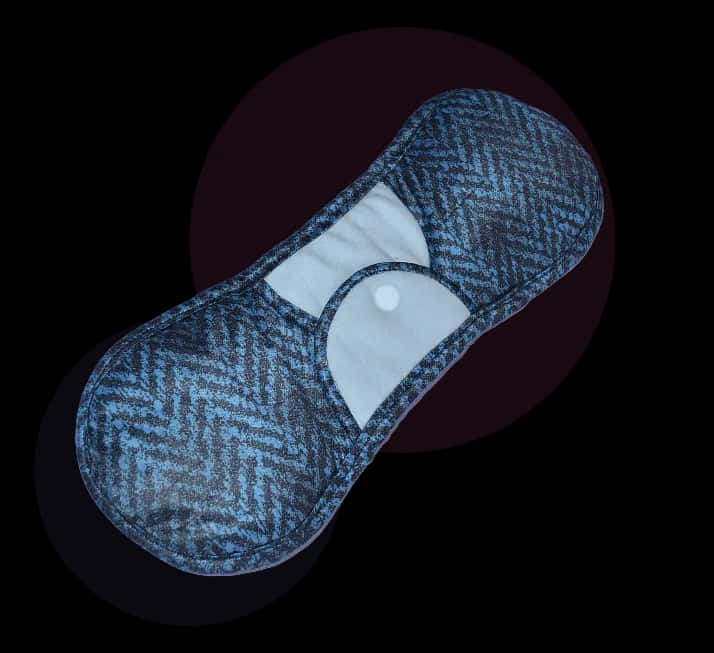
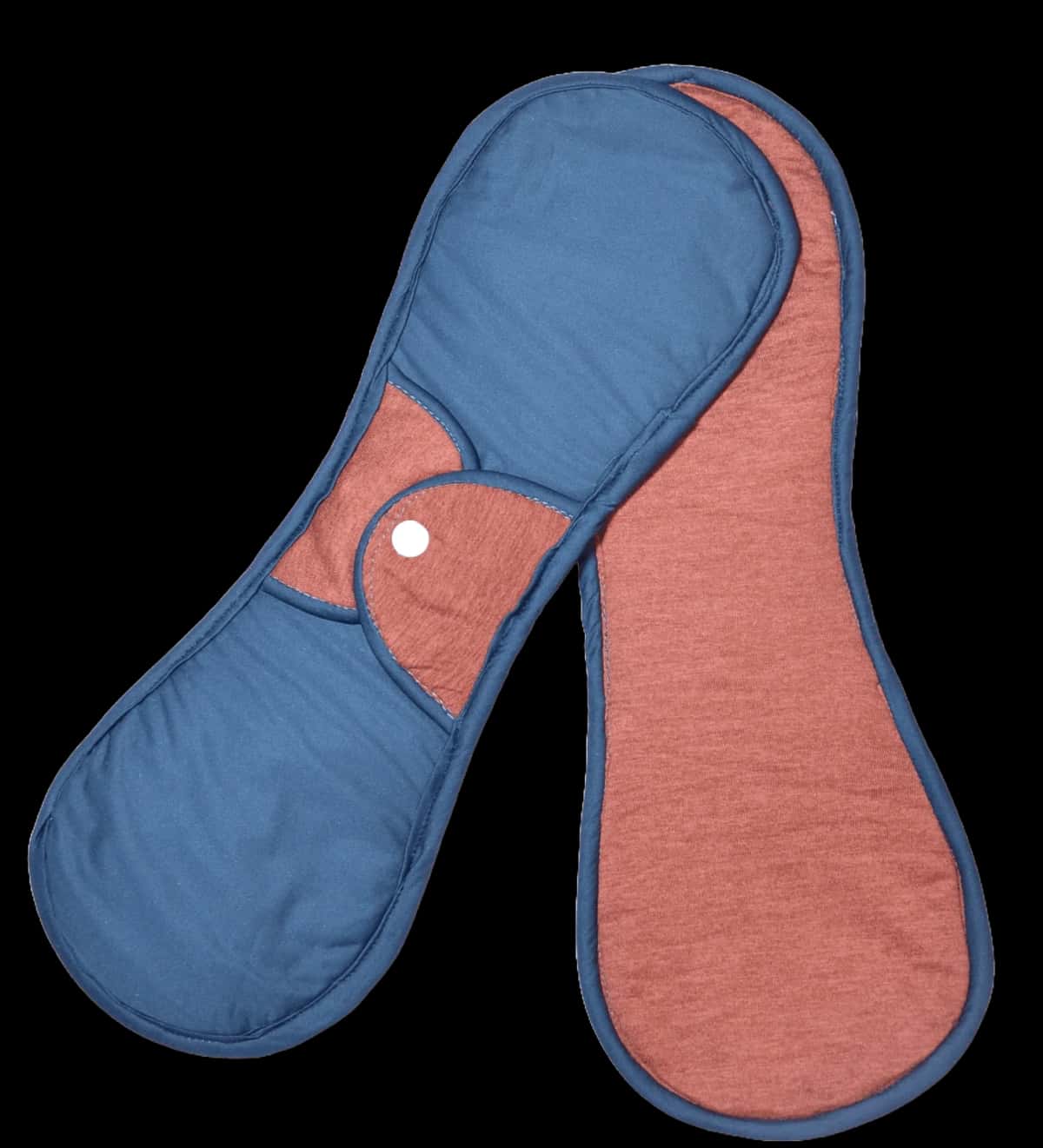
Pads wey you fit wash use again na practical solution. Teenager wey dey use Sana Maxi Pads (wey dem design for heavy flow with five layers wey dey absorb) fit go school with confidence even for her heaviest days. No be like disposables wey you need change every few hours for ₦50-100 each, pads wey you fit wash use again, you fit rinse and use again throughout di day, then wash dem well for house.
To teach young women to track dia cycle dey help dem understand dia own pattern. Simple calendar wey dem go mark di first day of bleeding and write whether flow light, medium or heavy dey give useful information. After some months, pattern go show. Dis tracking dey also help dem see when things change, so e go easy to know when to find help.
To manage pain for teenagers suppose start with simple ways: bottle of warm water for lower belly, small exercise, and pain medicine wey you fit buy without prescription like ibuprofen (wey dey reduce both pain and bleeding). If dis ones no give enough relief, make doctor check am.
Ways for Women for Di Peak of Di Years Wey Dem Fit Born Pikin
For your twenties and thirties, when you understand your normal cycle, e go help you notice change quick. Women wey dey plan pregnancy go benefit if dem dey track when dem dey ovulate. Women wey no dey plan pregnancy need contraception wey dem fit trust, and dem suppose discuss with dia health worker how different methods dey affect period.
For heavy bleeding during dis years, pads wey you fit wash use again dey help both for money and for practical. Woman wey dey use disposable pads fit spend ₦2,000-3,000 every month for period products. For one year, dat one na ₦24,000-36,000. Set of good pads wey you fit wash use again cost far less and e dey last 2-3 years, so you go save 60-75% compared to disposables.
Professional women for Lagos, Abuja and Port Harcourt dey often worry how to manage heavy period for office wey dem fit no fit go toilet easy during long meetings. To get protection wey dey absorb well-well, and to know say you fit rinse am and use am again for toilet, dey give security wey disposables no fit match when dem finish.
Many women for dis age group dey also manage period while dem dey care for small pikin, dey do hard work and dey run house. When you make period management simple by removing di need to dey buy disposables from market every time, you don remove one cause of stress and expense.
Solutions for Women Wey Dey Near Menopause
Because you no fit predict perimenopause, you need dey ready for your period any time. Many women for dia forties and fifties dey carry period products always because dem no fit know when bleeding go start.
To keep pads wey you fit wash use again for your bag, your car and your desk drawer for work dey make sure say you always ready, without carrying plenty disposable pads wey dey full bag. When bleeding become heavy during perimenopause, pads wey dey absorb pass dey stop leak wey go shame you.
Some women dey find say to keep period journal during perimenopause dey help dem see pattern inside di confusion. To write down di days wey you bleed, how heavy di flow be, and other symptoms wey follow am (hot flashes, mood change, how you sleep) dey give health workers useful information if dem need check you.
Dis na also di time wey many Nigerian women dey guide younger women – daughters, nieces, younger colleagues. To share correct information about how period dey change throughout life dey help break di silence, and e dey give di next generation better knowledge pass wetin you fit get.
Our pads wey you fit wash

Di Benefit of Knowing Di Period Pattern Wey Fit Your Age
To know wetin normal for every stage of life get plenty benefits wey pass only body health.
Less Worry and Better Mental Health
When you no know whether your symptoms normal, you go dey worry all di time. Teenage girls dey fear say something bad dey happen when dia cycle no regular. Women for dia thirties dey panic when dia period suddenly change. Women wey dey near menopause dey worry about serious sickness when na normal perimenopause dem dey pass through.
To understand di pattern wey fit your age dey reduce dis worry. When Blessing mama learn say period wey no regular and wey heavy dey common for teenagers, and say Blessing symptoms, even though dem dey disturb, no dangerous, her worry reduce well-well. She fit focus on how to manage am instead of thinking say di worst go happen.
Dis knowledge dey also help women know when dem really need doctor. Instead of ignoring serious symptoms because “period always get wahala,” women wey understand normal changes fit see real danger signs.
Mental health and menstrual health connect. Serious period pain, heavy bleeding wey dey cause anemia, and hormone wey dey go up and down dey all affect mood, energy and how you feel inside. To manage di body symptoms dey often improve mental health, and to reduce worry about whether symptoms normal dey bring im own relief.
Better Life and More Work Done
Period wahala dey make Nigerian women miss work, school, place of worship and social events. Girls dey drop out of school because dem no fit manage period well. Working women dey reject opportunities because dem fear say dia period go disturb. Older women dey withdraw from activities as bleeding wey no dey predictable dey make planning hard.
To handle period wahala – whether with better period products, medical treatment when e need, or just to understand say symptoms fit manage and no be disaster – dey bring quality of life back. Women wey dey manage dia period well dey take part more for education, work and community life.
Work and money dey increase when period wahala no dey push women aside. Woman wey dey miss three work days every month because of serious period no dey lose only income, she dey also lose chance to grow for her career. Schoolgirl wey dey stay for house during period dey fall behind for school. All dis losses for each person dey add up to big money impact for communities.
Better menstrual health dey also improve family life. Mamas wey dey manage dia period well fit care for dia pikin better. Women wey anemia or pain wey no dey stop no dey tire, get more energy for dia family and community.
Environment and Money Wey Fit Last
To understand period pattern for your whole life dey help you make choices about period products wey fit last. Woman wey dey see period from age 13 reach 50 (37 years) go see about 450 periods. If she dey use 20 disposable pads every period, dat na 9,000 disposable pads for her whole life – wey dey create big waste and money wey no dey stop to go.
To switch to pads wey you fit wash use again, even for part of your period life, dey reduce both di harm to environment and di cost well-well. For Nigerian families wey dey manage tight budget, to stop or reduce di monthly buying of period products dey free money for food, school fees, health care or savings.
Environment benefit matter for Nigerian communities wey waste management no strong. Disposable pads no dey rot for 500-800 years. For areas wey no get waste collection wey dey reliable, used pads dey often end up for gutter, wey dey add to flood during rainy season, or pipo dey burn dem, and e dey release dangerous chemicals.
Women wey dey use pads wey you fit wash use again talk say dem dey happy to know say dia monthly cycle no dey damage environment. Dis one matter especially to younger Nigerian women wey dey care more and more about sustainability and environment responsibility.
Common Worries About Period Wahala for Different Ages
Many Nigerian women dey worry about dia menstrual health but dem dey fear to find information or help because of culture taboo, cost, or fear say pipo go judge dem.
"How I Go Know If My Teenager Period Too Heavy?"
Dis na one of di questions wey mamas dey ask pass. Di medical meaning of heavy bleeding na to lose pass 80ml of blood for one period, but to measure blood no dey practical for most women.
Practical signs say teenager bleeding too heavy include: to soak pad or tampon every hour for many hours wey follow each other, bleeding wey pass seven days, to pass blood clot wey big pass ₦10 coin, or to become pale, tired or dizzy during period wey pipo fit notice (fit be sign of anemia).
But even if di bleeding no reach di doctor measure for “too heavy,” if e dey stop your daughter from going school, joining activities or sleeping well, e worth to handle am. Quality of life matter as much as medical measurement.
Many mamas dey worry say to carry dia daughter go see doctor about period wahala fit no correct, or say health workers go judge dem say dem dey find care for “normal” period. Remember say health workers suppose take period worries serious for any age. If your daughter period dey affect her life well-well, she deserve check-up and solution.
For now, make sure say she get protection wey reach. Many teenage girls dey use thin pads wey dem design for light flow because na wetin dey available or wetin dem fit afford, then e go leak for heavy days. Pads wey dem really design for heavy flow go make am much easier to go school.
"My Cycle Don Change for My Thirties - I Suppose Worry?"
Change by itself no automatically mean wahala, but sudden change wey no get explanation for pattern wey dey steady before need check. If your period dey regular and predictable for your whole twenties, then e suddenly no regular again, e heavy pass, e pain pass, or e bring other new symptoms for your thirties, something don change for your body.
Common causes include fibroids (very common for Nigerian women), hormone wey no balance, thyroid problem, big weight change, new medicine, or stress. Some causes need treatment, others just need make you dey watch dem. Di only way to know na to check.
But no be every change mean sickness. To start or stop hormonal contraception dey affect cycle. Pregnancy, to born pikin and breastfeeding get dia own pattern. Big changes for life – to start new work wey dey demand plenty, wahala for relationship, to care for sick family member – fit disturb cycle for small time.
Di main thing na whether di changes continue. If your cycle scatter for one or two months during time wey stress plenty, then e go back to normal, e fit be say na di situation cause am. If di changes continue for three months or more, or if di symptoms serious (very heavy bleeding, strong pain, bleeding between periods), go make dem check you.
Many Nigerian women dey delay to find care because dem fear say tests or treatment go cost too much. Start with basic consultation. Many times, if doctor ask you questions well and do simple check of your body, answer go come without expensive test. Even if you need test, to know wetin dey happen better pass to dey worry about wetin you no know.
"Wetin I Dey Experience Na Menopause or Something Wey Serious Pass?"
For women for dia forties and fifties, to separate normal perimenopause from conditions wey need treatment fit hard. Both fit cause bleeding wey no regular, but some patterns dey worry pass.
Perimenopause dey usually come with irregularity wey dey increase small small over many years. Cycle fit short, long, or become something wey you no fit predict. Flow fit heavy sometimes and light other times. You fit no see period at all for months then e go come back. Dis changes dey usually go up and down instead of to follow one direction.
Patterns wey dey worry pass include: bleeding wey always heavy well-well (wey dey soak protection every hour), bleeding wey dey come more often than every three weeks, bleeding between periods, bleeding during or after sex, or bleeding after twelve months without period (after dem don consider you say you don reach menopause).
Dis patterns fit still be part of perimenopause, but dem fit also show polyps, fibroids, hormone wey no balance, or for rare cases, conditions wey serious pass. Because di risk high pass for older women, to check am important.
Di good news be say most bleeding wey no normal for dis age group get cause wey no dangerous. Di wahala for Nigeria be say women dey often accept heavy bleeding wey dey scatter dia life as something wey dem must bear, instead of to find check-up and treatment. You no need suffer through years of period wey dey flood just because you dey near menopause. Treatment wey dey work dey.
If cost dey worry you, talk am open with your health worker. Sometimes simple treatment like medicine dey give big relief without expensive procedure. Even when you need procedure, to delay dey usually make di problem worse and di treatment cost more, no be less.
Why Sana Pads Dey Support Nigerian Women for Every Age
For Sana Pads, we understand say period wahala dey look different for different stages of life, because we dey live dis reality with you. As Nigerian company, we design our products specially for di challenges wey Nigerian women dey face – from heavy bleeding for hot and wet weather, to small access to water to change pad often, to di money load of buying disposables every month.
Our range dey serve women for every stage. Teenagers wey get heavy period wey no get timing dey find security for Maxi Pads wey get five layers wey dey absorb, wey fit handle even di heaviest flow. Women for di peak of di years wey dem fit born pikin dey like Premium Pads wey balance absorbing and comfort for regular flow. Women wey dey face di unpredictable period of perimenopause dey benefit from having options for both light and heavy days.
We don support pass 10,000 Nigerian women direct and we don share pass 30,000 pads through partnership with schools, NGOs and community organisations. Dis work pass just to sell products. We commit to end period poverty by making good period care reach everybody, no matter how dia money be.
We dey make our pads for here, so we understand wetin Nigerian women need well-well. We know say light wey dey go dey make am hard to dry pads, so we design dem to dry reasonably quick even without direct sun. We know say water scarcity for some areas dey make washing hard, so our materials dey release stain easy with small scrubbing. We know say di hot weather need materials wey dey breathe wey no go cause discomfort or rash.
We also know say education matter as much as products. Na why we dey give information about menstrual health wey fit different ages and stages of life. When organisations buy pads in bulk to share, we dey add education materials about period health, how to care for pad well, and how to know when to go see doctor.
Our mission pass managing period symptoms; we dey support women education, work and dignity for every age. Whether you be mama wey dey find solution for your daughter heavy teenage period, working woman wey dey manage perimenopause bleeding wey no get timing, or NGO wey dey serve women of all ages, we dey here to support you.
How to Start: Find Di Correct Solution for Your Age and Your Needs
To take action on period wahala start with understanding your situation now and wetin you need. Whether you dey manage your own menstrual health or you dey support another person, practical first steps dey make difference.
For You and Your Family
Start by tracking your pattern for 2-3 cycles. Write when bleeding start, how many days e last, whether flow light, medium or heavy every day, and any other symptoms like pain, mood change or tiredness. Dis information dey help you understand wetin normal for you, and e dey make am easier to discuss your worries with health workers if e need.
Check di period products wey you dey use now with honest eye. Dem dey give you enough protection? You dey leak often? You dey worry say e go finish before your period end? You dey spend money wey you no fit really afford for disposables every month? If any answer na yes, time don reach to think about other options.
For heavy flow for any age, Sana Maxi Pads dey give security with five layers wey dey absorb plus one layer wey no dey leak. Dem dey handle heavy bleeding well without di bulk of many disposable pads. For regular flow, Premium Pads with three layers wey dey absorb plus layer wey no dey leak dey give strong protection for cheaper price. For lighter days, No Wahala Pads with one layer wey dey absorb dey work well-well.
If pads wey you fit wash use again new to you, our Starter Kit get three Premium Pads plus one pouch to keep dem – e reach to try di system without big money. Most women dey find say 6-8 pads in total (mix of absorbency based on how your flow be) dey give dem enough to rotate comfortably for di whole cycle.
Di money wey you spend go pay back quick. If you dey spend ₦2,500 every month for disposables now (₦30,000 every year), complete set of pads wey you fit wash use again cost less than wetin you go spend for disposables for three months, but e dey last 2-3 years. Di savings dey between 60-75% every year compared to disposables.
For Organisations, Schools and Community Leaders
If you dey serve women and girls for different age groups, you don see how period wahala dey affect education, work and wellbeing. Schools dey see girls miss class every month. NGOs wey dey support women to make money dey see how period wahala dey stop dem from taking part. Health organisations understand how period wahala wey no get treatment dey affect general health.
To give good period products together with education dey make real impact. Organisations wey dey share pads wey you fit wash use again talk say school attendance dey improve, more women dey take part for work, and di health of di pipo wey dem dey help dey better.
Sana Pads dey supply schools, NGOs and community programmes of any size for di same fixed price per pack. We fit arrange di distribution based on wetin your pipo need – more heavy flow options for grown women, more variety packs for groups wey get different ages, starter kits for girls wey just start period.
We dey also support how you go take run am. To share pads without education dey reduce how well dem dey work. We dey share materials about how to use, wash and care for di pads, plus menstrual health information wey fit di age. For bigger partnerships, we fit provide training sessions for programme staff.
If you wan support di women and girls for your community, organisation or area, contact us make we discuss options. Whether you be school for Kaduna wey get 200 girls, NGO for Port Harcourt wey dey run women empowerment programmes, or health centre for Abuja wey dey serve different kind pipo, we fit work together to face period poverty and menstrual health wahala.
Move Forward with Confidence for Every Age
Period wahala dey affect women different for di different stages of life. Wetin normal at 15 different from wetin normal at 35 or 50. To understand dis difference dey reduce worry and dey help you know when symptoms need doctor. Teenage irregularity and heavy flow need practical management and assurance, no be panic. Changes for adult women need check if dem sudden or serious. Di confusion of perimenopause na wetin we expect, but you no need suffer am quietly.
For all ages, to get enough period protection matter. Nigerian women no suppose miss school, work or life activities because dem no fit manage dia period well. Money problem no suppose force anybody to choose between period products and other things wey dem need.
Knowledge plus practical solution dey give women power to control dia menstrual health. Track your pattern, understand wetin normal for your age, find help when you need am, and put money for solutions wey go last and serve you throughout di years wey you fit born pikin.
Every Nigerian woman deserve to manage her period with dignity, comfort and confidence, whether she be 14 or 54. For more information about menstrual health wahala and solutions for different stages of life, visit our full guide on menstrual health.
Continue to read for Menstrual Health
Questions wey pipo dey ask well well
Why I go choose Sana Pads instead of normal disposable pads?
Dem make Sana Pads from high-quality materials wey you fit use again, so dem be sustainable option wey dey good for environment instead of disposable sanitary products. Dem dey gentle for your skin, dem dey absorb well-well, and for long run dem dey save money. When you choose Sana Pads, you dey help reduce plastic waste and you go enjoy comfort and pad wey you fit trust for your whole cycle.
How long I fit use one Sana Pad before I need wash am?
Sana Pad dey give you comfort and protection for 4 to 8 hours, depending on your flow. To stay fresh, change am every 4 to 6 hours - more often for heavy days. After every use, rinse am for cold water and wash am with soap. If you care for am well, every pad go last 2 to 3 years.
Sana Pads safe for skin wey dey sensitive?
Yes, dem make Sana Pads from soft materials wey dey breathe and wey no dey cause allergy, so dem dey gentle for your skin. Dem no get dangerous chemicals and toxins wey dey common for disposable pads, so dem be correct choice for pipo wey get sensitive skin or allergies.
How I go take clean and care for my Sana Pads?
Rinse your pad for cold water immediately - hot water dey make blood stain stay. Then wash am with mild soap, with hand or for machine, and rinse until di water clear. Dry am finish for direct sunlight, wey also dey kill germs. Abeg no use tumble dryer, bleach or fabric softener: dem dey spoil di layers wey dey absorb. If you care for am like dis, Sana Pad go last 2 to 3 years.
Price go change if I order plenty?
No. Every product get fixed price per pack, no matter how many packs you order. You fit calculate your total with our price calculator. For big orders, send us direct message and we go confirm di delivery cost with you before you pay.
Testimonials
See wetin our customers dey talk about our products.
Women for all over di world dey buy Sana

“For first, e dey irritate me to use washable sanitary pad. I decide to try am, and to my greatest surprise, e comfortable well-well and e easy to wash. You fit even do your daily things without fear say blood go stain you for public. I wan give Big shout out to SANA PADS!!”

“I dey really love Sana reusable pads! Dem dey make me relax and feel free for my period time. Plus, dem don reduce the cost and stress of buying disposable pads every month well-well. Kudos to Sana for making dis kind correct product – I go be fan forever!”
“Sana Pad good well-well, e dey make you comfortable and free. I love the pads, na the best ever!”

“I don try different brands of reusable pad, but Sana stand out for the quality, the comfort and how e dey last. Dem design am with sense, and the material dey gentle for my skin. As I change to Sana, e don reduce how I dey spoil environment and e don also save me money for long run. I dey grateful for dis solution wey go last!”

“To dey buy disposable pads every month dey add up well-well, so I talk say make I try Sana Pads. E surprise me how soft dem be, and dem dey work well for long days for university. To wash dem simple, and e don reach months wey I never buy new pad, so e don save me money. I also like say dem dey better for environment. E sweet me say I get option wey cheap and wey better for environment.”

“I don try different pad brands for years, but Sana pads really stand out. From the first time I use am, I see the difference — e soft for skin, e dey soak well-well, and e comfortable die. Even for my heaviest flow days, Sana pads dey hold well. Wetin I also love na how the material dey allow air pass and e good for skin. If you dey find pad wey get comfort, wey you fit trust, and wey get quality, I really recommend make you try Sana pads.”
Time to join hand
Contact Us
Margaret Ochegbudu
Business Manager