Period After You Born Pikin: Wetin to Expect
Where pipo don see us







 Margaret Ochegbudu don check am · Update 21 min to read
Period dey usually come back between 6 weeks and 18 months after you born, and e depend mainly on how often you dey breastfeed. If na only breast milk you dey give, period dey delay pass. Di first few periods after you born often heavy pass, long pass, or no dey come on time like before belle, and e go settle after some cycles.
Period After You Born: Wetin New Mama Need to Sabi
After nine months without period, plenty new mamas dey wonder when period go come back and how e go be. Di answer dey different well well, depending on how you dey breastfeed, di hormones for your body, and how your own body dey recover.
Main Points:
- Period after birth dey usually come back between 6 weeks and 18 months after delivery, and e depend mainly on how often you dey breastfeed.
- Your first period after you born go likely heavy pass normal, and you go often need maxi-size protection for 2-3 days.
- Lochia (bleeding after birth) no be period, and e dey last 4-6 weeks immediately after delivery.
- Breastfeeding dey delay period because prolactin hormone dey stop ovulation (egg release), but dis protection dey different well well from woman to woman.
- Cycle wey no regular na normal thing for di first 6-12 months as your hormones dey balance again.
- For Nigeria, pad wey you fit wash use again dey give new mamas cheap solution, wey dey save 60-80% compared to to buy disposable every month for Lagos pharmacies.
- You fit get belle before your first period after birth come back, so talk about family planning with your health worker.
To understand dis patterns go help you prepare your body and your mind for when your body ready to get belle again. Make we look well wetin dey happen after you born and how to handle dis change.
Chioma sidon for her mama compound for Enugu, she carry her three-month-old daughter as she dey gist with her younger sister. “When my period go come back?” she ask quietly, as she dey look around make sure say nobody else dey hear. Her mama don tell her say “e no go come until you stop breastfeeding,” but her neighbour period come back just six weeks after delivery. Another friend don reach eight months after birth and she still dey wait. Chioma confuse and she dey worry small. Something dey wrong with her body? Like plenty new mamas all over Nigeria, she get questions about period after birth wey nobody dey answer clear. Di truth be say every woman body dey recover different after she born, and if you understand wetin to expect, e go help you pass dis change with confidence instead of fear.
Di Science Behind Period After Birth
How your period go come back after you born depend on how your hormones dey balance as your body dey heal, dey feed your baby and dey adjust to mama life.
How Breastfeeding Dey Affect When Your Period Go Come Back
Breastfeeding dey direct when your period go come back through one hormone wey dem dey call prolactin. When your baby dey suck, your body dey release prolactin to make milk. Dis same hormone dey stop di hormones wey dey push ovulation. Think am like light switch – as long as prolactin dey high from breastfeeding wey dey happen often, di ovulation switch go stay off.
Mamas wey dey give only breast milk every 2-4 hours, day and night, often no dey see period for 6-12 months or pass. Women all over Nigeria don dey use dis natural way to space pregnancy for generations. But dis protection no dey sure and you no fit predict am.
Once you start formula, start solid food around six months, or your baby start to sleep long for night, prolactin go drop. How often you dey breastfeed matter pass weda you dey breastfeed at all. Mama for Abuja wey dey breastfeed her baby every hour go likely see her period late pass mama for Kano wey dey join breastfeeding with formula.
Some women body just dey react to prolactin pass, but others dey ovulate even when na only breast milk dem dey give. No “normal” time dey, na only wetin normal for your own body.
Lochia and Your First Real Period
Plenty new mamas dey confuse lochia with period, but dem different well well. Lochia na di discharge wey dey come from vagina after delivery as your womb dey remove di lining wey support your pregnancy. E dey start bright red and heavy, then small small e go turn pink, then brown, then yellowish-white for 4-6 weeks.
Your first real period after birth dey happen after lochia stop finish. You go know say na period because e dey follow period pattern: e go start, e go heavy, then e go reduce for 3-7 days. E also dey come with signs wey you sabi like cramps, breast wey dey pain, or mood change.
Dat first period dey often surprise women because e heavy. Your womb don stretch and e still dey go back to di size wey e be before belle. Di lining of di womb fit thick pass normal. Plenty Nigerian mamas talk say dia first period last 7-10 days with 2-3 days of very heavy flow wey need protection wey dem never need before belle.
If you dey week 8 or 9 after birth and suddenly you get heavy bleeding with clots after lochia don reduce to brown or yellow, na likely your first period. But if you get sudden heavy bleeding wey dey soak pad inside one hour, or bleeding wey get bad smell, contact your health worker immediately because e fit be infection or part of placenta wey remain for inside.
Why Period After Birth Dey Feel Different
Your first few periods after you born fit no be like your cycles before belle at all. Hormones dey balance again, your womb dey go back to normal size, and your body dey handle di work of taking care of small baby.
Common changes include heavier flow, period wey dey last long, cramps wey worse, or, wey go surprise you, period wey light and easy. Some women wey dey get painful period before belle dey see say dia cycles after birth easier to handle. Others dey see di opposite.
Period wey no dey come on time na normal for di first year. You fit see period for 8 weeks after birth, then nothing for 3 months, then another one come. Because you no fit predict am, to track your period important but e fit vex you. Your body dey find im rhythm again, and dat one dey take time.
Di work of mama life – sleep wey dey break, stress, body wey no get enough food – dey also affect how regular your cycle go be. Mama for Port Harcourt wey dey face NEPA wey dey take light often for hot weather, wey dey take care of newborn and other children, fit see say her cycle dey take long to settle pass mama wey get more help and rest.
How to Handle Your First Periods After Birth
To prepare for period wey you no fit predict and wey fit heavy while you dey take care of newborn need practical plan and correct protection.
How to Choose Correct Period Protection
Wetin you need for period after you born no be di same as wetin you need before belle. Most new mamas need pad wey fit absorb di most for di first 2-3 days, then dem fit change to normal protection as di flow dey reduce.
Disposable pads look easy, but di money dey add up quick when you need change every 2-3 hours for heavy flow days. One pack of 10 pads for ₦1,500-₦2,000 for Lagos markets no dey last long. When your cycle no regular, you fit use 3-4 packs for some months, and e go press budget wey don already tight for di months wey new baby dey cost plenty.
Pad wey you fit wash use again get big advantage for mama wey just born. E dey absorb like disposable or even pass am, e dey comfortable for skin wey still dey sensitive after birth, and di money wey you go save plenty. After di first money wey you spend, you go get protection for 2-3 years without to dey buy pad every month. For mama wey already dey buy nappies, formula and baby things, dis one matter.
Di key na to choose pad wey fit absorb correct. Pad for light flow no go fit handle heavy bleeding after birth, and e go bring leak and vex. Maxi-size reusable pads wey get many layers wey dey absorb dey give confidence for days wey you no know how di flow go be. You fit always change to lighter protection as your period dey go.
How to Prepare Period Kit for After Birth
When you prepare, stress go reduce when your period finally come, especially as you no know exactly when e go be. Prepare small kit wey you fit carry quick, e go help well well if you dey go out with your baby.
Put 3-4 pads wey get different absorb level, because you no go know how heavy your flow go be. Add small wet bag or ziplock to keep used pads until you fit wash dem. Pack some pain medicine wey your doctor approve, especially if you dey breastfeed. Put comfortable dark-colour pant wey no go show stain.
Keep dis kit for your nappy bag or one special place for house. Plenty Nigerian mamas dey keep one kit for house and smaller one for dia church bag or market bag. Dis preparation mean say e no go catch you unprepared for clinic, for your mama house, or during long church service for Kaduna.
Also prepare how you go dey wash for house before your period come. Decide where you go rinse and soak pads (bucket for bathroom dey work well), which soap you go use (normal laundry soap dey okay), and where you go dry dem (hidden place inside house dey best for privacy).
How to Handle Heavy Flow While You Dey Take Care of Your Baby
Heavy period after birth dey bring practical wahala when you dey take care of baby wey need you every few hours. You no fit always change your pad immediately when you need to, and leak dey stress you pass when you already dey handle nappy change and baby clothes.
Protection for night dey very important because newborn no dey sleep reach morning. You already dey wake for feeding – di last thing wey you need na to see say blood don pass enter your wrapper or bedsheet. To use pad wey fit absorb di most for night dey give you security for dat small sleep time wey you get.
For daytime, change pad more often pass wetin you think say you need, especially for your heaviest flow days. If you dey normally change every 4 hours before belle, change to every 2-3 hours after birth. Dis one go stop even pads wey fit absorb plenty from to overflow and e go reduce fear of leak.
Wear dark-colour, loose wrapper or skirt for house during your period. Dem go hide any leak wey you no expect while you dey focus on your baby. Plenty mamas for Abuja and Jos dey keep special “period clothes” for dat first cycles after birth when you no fit predict di flow. Dis practical way dey reduce washing stress and dey protect di clothes wey you like pass.
Our pads wey you fit wash

Benefits of to Prepare for Period After Birth
To understand and prepare for when your period go come back dey give many advantages for time wey life don already hard.
Money Benefits for New Families
New baby dey cost money. Between nappies, clothes wey dem dey outgrow every month, clinic visit, formula money wey fit come, and expenses wey you no expect, plenty Nigerian families dey feel say money don tight. To add ₦3,000-₦5,000 every month for disposable pads dey press budget more, especially as period after birth dey often last long and need more pads.
If you change to pad wey you fit wash use again, dis money wey dey repeat go stop. Di first cost of 4-6 better reusable pads reach almost wetin you go spend for 2-3 months of disposable, but di reusable pads go last years. For your first year after birth, when you still dey buy nappies and baby things, di savings dey usually between 60-80% compared to to buy disposable pads.
Dis savings go increase if you plan more pregnancy. Di same reusable pads go serve you for many periods after birth and normal cycles between children. Plenty Nigerian mamas calculate say dem dey save ₦30,000-₦50,000 for all dia childbearing years because dem change once.
Dis money go stay for your house budget for other important things: wetin your baby need, school fees for di older children, health, or savings. For families for Kano, Kaduna, or village areas where money no dey come regular, to stop pad money every month dey make budget stable.
Comfort for Body and Health Benefits
Skin after birth dey sensitive, hormones dey go up and down, and your body dey heal from pregnancy and delivery. Di material wey dey touch your skin during period matter pass before.
Reusable pads wey dem make with natural cloth dey allow air pass better than disposable wey get plastic for back, and dis one important for Nigeria hot, humid weather. Dis air wey dey pass dey reduce wet wey fit scratch di place between vagina and anus wey still dey heal, or c-section scar. Plenty mamas wey just born talk say cloth pads no dey rub or disturb dem like before.
Pad wey no get chemicals, perfume and synthetic material good for women wey dey heal from birth. Your private part fit dey sensitive pass before belle, so soft material important. Some women dey get new sensitivity after dem born wey dey make disposable pads uncomfortable.
To use reusable pads also dey make you dey watch your flow, di colour, and any strange sign. Dis attention go help you see problem early. If your period get strange smell, get big clots, or e heavy pass level (e dey soak di strongest protection under one hour), you go notice am and you fit go find medical advice.
Dis connection with your body after birth dey support your full recovery and e dey help you sabi di difference between normal change after birth and warning signs wey need medical attention.
Effect for Environment and Community
Period after birth dey make plenty dirt if you dey use disposable. With flow wey long and heavy wey need change often, one cycle after birth fit use 30-40 pads. Multiply dis one by millions of Nigerian mamas, and di effect for environment go big well well.
Dis pads dey end for dustbin systems wey don already full for Lagos, Abuja and other cities, or dem dey burn dem for compound, and dem dey release poison. For areas wey nobody dey pack dirt regularly, dem dey cause sanitation wahala and pollution wey dey affect everybody.
When you choose reusable options, you dey show your children sustainable choice. Your daughter go grow see how pipo dey handle period without to make bags of dirt every month. Dis one dey make sustainable period habits normal for di next generation.
To support local Nigerian makers dey make communities strong and dey create work. Money wey you spend on reusable pads wey dem make for Nigeria dey stay for Nigerian economy, e dey support local workers and dia families instead of to make foreign companies wey dey sell disposable rich.
Dis bigger effect dey carry your role as mama pass your own house, and e dey add to healthy environment and economic growth wey go benefit all Nigerian children.
Common Worries About Period After Birth
New mamas get correct worries about how dem fit get belle again and how to handle period with baby care. If we answer dis worries honestly, e go help you prepare.
"How I Go Take Know If Something Dey Wrong?"
Plenty new mamas dey worry say dem no go sabi bleeding wey no normal, because period after birth naturally dey hard to predict and e different from cycles before belle. Dis worry make sense – how you go take see problem when you no know wetin normal?
Some warning signs always need medical attention, no matter how long since you born. Find help immediately if you soak pad in one hour or less for two hours wey follow each other, pass clots wey big pass golf ball, get sudden sharp pain with bleeding, or notice discharge wey get bad smell with fever.
Also contact your health worker if your period last more than 10 days and e no show sign say e dey reduce, if you dey feel dizzy or like say you wan faint during your period (fit be anaemia, wey mean blood no dey your body reach), or if you get strong cramps wey dey stop you from to take care of your baby.
For worries wey no too urgent, track your cycles even when dem no regular. Write when bleeding start, how heavy e be every day, and when e stop. Dis record go help your health worker check if your pattern dey inside normal range for after birth. Plenty Nigerian mamas dey use simple calendar mark or phone notes to track.
Trust your mind. If something no feel right, even if you no fit explain exactly wetin, see health worker. Medical workers for clinics for Port Harcourt, Ibadan, or your local health centre understand how things dey change after birth and dem fit calm your mind or find real problem.
Most worries about period after birth dey turn out to be normal change, but to check dey give peace of mind for time wey stress don already plenty.
"I Fit Get Belle Before My Period Come Back?"
Dis worry show one important truth: yes, you fit really get belle before you see your first period after birth. Plenty Nigerian mamas don surprise with “Irish twin” pregnancy (two children wey dem born inside one year) because dem believe say if period never come, dem no fit get belle.
Ovulation dey happen around 2 weeks before period. Dis mean say your body fit release egg, di egg fit meet sperm, and you fit get belle without to ever see dat first period. Breastfeeding dey give some natural protection through high prolactin, but you no fit trust am and you no fit predict am.
If you never ready for another belle now, talk about family planning with your health worker for your 6-week check-up after birth. Plenty family planning options dey safe while you dey breastfeed. Your health worker fit help you choose method wey fit your health, your breastfeeding plan, and your family plans.
Some Nigerian families want children wey close and dem go welcome another belle quick. Others need space because of health, money, or wetin dem prefer. Both choice correct, but e suppose be plan, no be surprise.
No depend on period wey never come as family planning unless you ready for another belle. Dis practical way go help you plan your family based on how your life really be, no be wetin pipo dey assume about getting belle after birth.
"Reusable Pads No Go Be Too Much Work With New Baby?"
To take care of newborn dey tire person. Plenty mamas dey wonder if to add pad washing to di plenty clothes wey dem don already dey wash fit work. Dis correct worry deserve honest answer.
Reusable pads need washing, but di work small and e easy to join with routine wey you already get. Rinse used pads for cold water when you change dem – e dey take 30 seconds. Gather dem for small bucket or wet bag. Every 1-2 days, wash dem with your normal clothes or wash with hand with soap and water.
Di time wey e go take fit reach 5-10 minutes every few days, almost di same as to waka go pharmacy when your disposable finish. Plenty Nigerian mamas dey find di routine calm, small time to take care of themselves while baby dey sleep.
Compare dis one with di wahala to see say your disposable pads don finish for 9 PM when your baby dey cry, NEPA don take light, and you no fit easily reach shop. Or to see say you don spend dis month pad money for baby emergency and now you must handle your period without pad. Dis kind situation dey bring more stress pass to wash few pads.
With reusable pads, you go always get pad ready. No emergency run to chemist. No dey juggle budget. No dey beg your husband to buy pad for awkward time. Dis reliability dey reduce load for your mind for time wey you already dey track feeding time, nappy change and sleep.
Di small washing work dey give big peace of mind and ease, and most mamas dey see say e worth am once dem set simple routine.
Solution for Period After Birth for Nigeria: Sana Pads
Nigerian mamas dey face special wahala after birth, and solution wey dem design for here fit handle am better pass imported products wey dem make for different weather and different life.
Sana Pads understand wetin Nigerian mamas need because we be Nigerian women wey commit to end period poverty for our country. We design our reusable pads specially for our weather, and we think about di heat, di humidity and di infrastructure wahala wey dey affect new mamas for Lagos, Kano, Abuja and everywhere between.
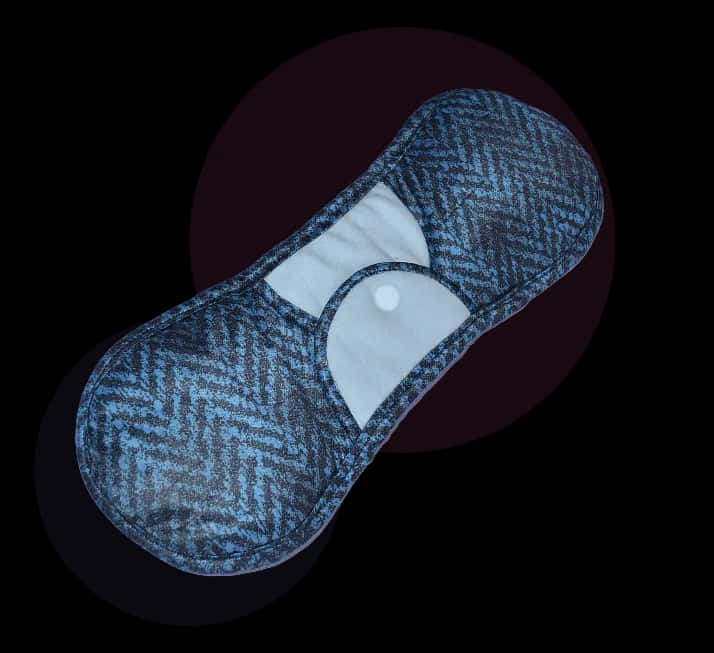
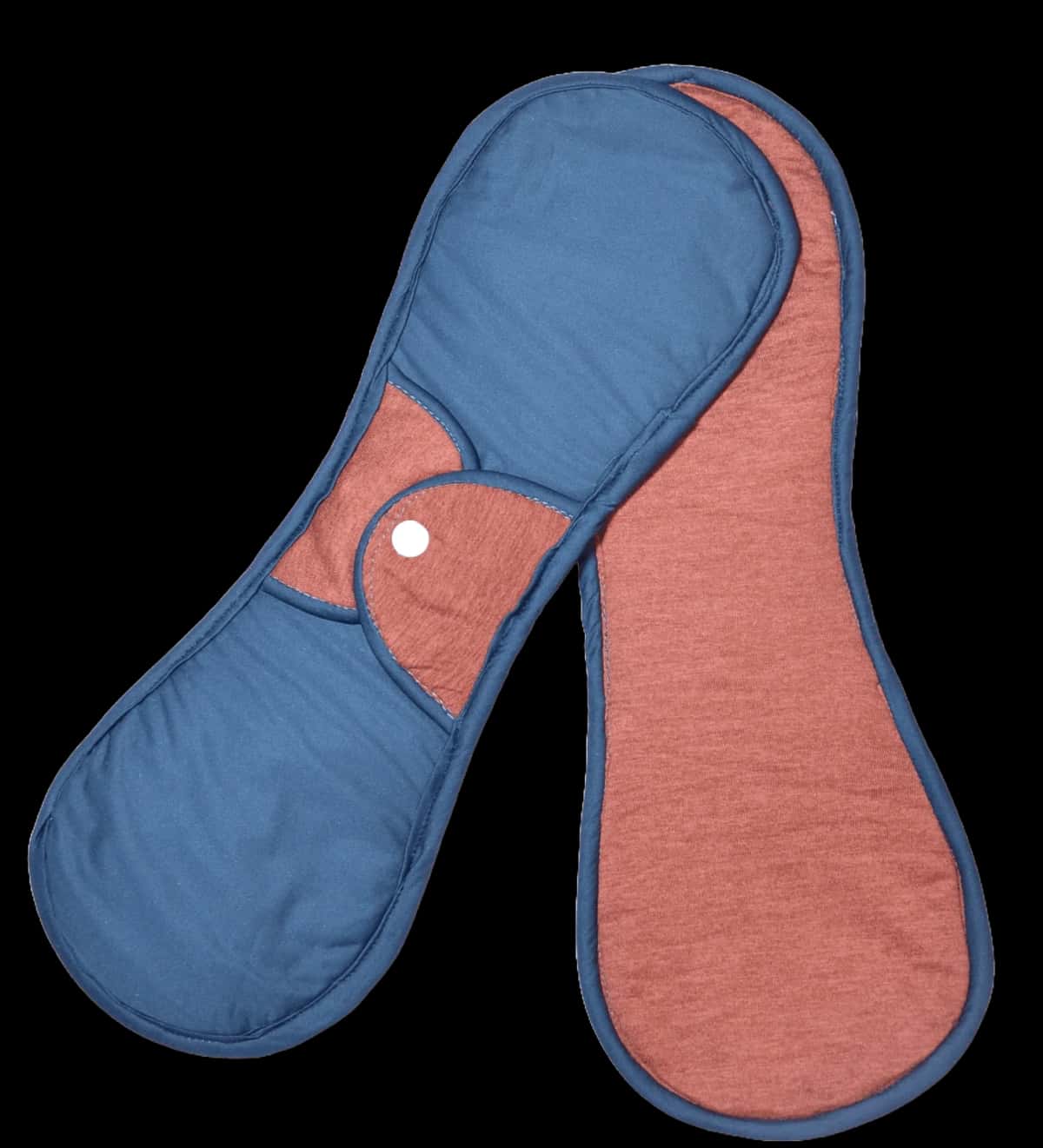
For mamas wey just born, we get pads with different absorb levels to match flow wey you no fit predict. Our Maxi Pads with five layers wey dey absorb dey give di heavy-flow protection wey most mamas need for dia first few cycles after birth. As your period dey settle, Premium Pads with three layers wey dey absorb dey work well for regular flow days, and No Wahala Pads dey handle lighter days comfortably.
Apart from products, we commit to support Nigerian mamas through teaching and access. We don already support over 10,000 women direct and share more than 30,000 pads through partnerships with health facilities, NGOs and community organisations. Every purchase dey support local work for factory and dey help fund free pads for mamas wey no fit afford period products.
We know say mamas wey just born dey face money pressure. Our pads dey remove di monthly money for disposable, and e dey help families use di small money wey dem get for babies and other important things.
Our mission pass to sell pads, na to make sure say every Nigerian woman fit handle her period with dignity, even for di hard time after birth when to take care of herself dey often come last. We dey here to support your mama journey with practical, affordable and sustainable solution.
Take Action: Prepare for Your Period After Birth
Weda your period don already come back or you still dey wait, if you prepare now e go reduce stress and make sure say you ready anytime period start again.
For New Mamas and Women wey Get Belle
Start by learning wetin to expect, and you don do am by reading dis article. Share dis information with your partner or family members wey dey support you, so dem go understand why your period fit no regular or fit heavy and dem fit give correct help.
Build your period kit for after birth before you need am. Choose 2-3 Maxi Pads for heavy flow days and 2-3 Premium Pads for lighter flow. Di Starter Kit na practical way to start with reusable pads, with three Premium Pads and storage pouch, and you fit add Maxi Pads for your heaviest days.
Wash new pads before di first use so dem go absorb well. Set your washing routine and where you go keep di pads while you still get belle or for di early weeks after birth before your period come back. Dis preparation mean say you no go dey find how to arrange things for your first period while baby dey cry.
Talk to your health worker about when to expect your period based on your own situation. Talk about family planning if you wan prevent or space pregnancy. Ask about any warning signs wey concern your type of delivery or your health condition.
Last last, connect with other mamas. Your friends, sisters, cousins or church members wey don born fit share wetin dem pass through. Even though everybody time different, to know say you no dey alone for di confusion dey give comfort.
For Health Workers and Community Organisations
Health facilities, NGOs and community groups wey dey support new mamas fit add teaching about period after birth to dia mama care programmes.
Put information about when period dey come back for check-ups after birth and for new mama support groups. Plenty Nigerian mamas dey get plenty teaching about pregnancy but small guidance after birth apart from di first recovery. To talk about period dey make dis part of life after birth normal and e dey stop worry wey no need to dey.
Think am to give reusable pads as part of care packages after birth or mama health programmes. For organisations wey dey serve poor communities where disposable pads na luxury wey pipo no fit afford, reusable options dey give sustainable solution wey go support women even after di first sharing.
Sana Pads dey supply schools, NGOs and community programmes of any size for di same fixed price per pack. We dey partner with schools, health centres and NGOs all over Nigeria to make sure say period products reach women wey need dem pass.
To train health workers, community health volunteers and peer educators to talk about period after birth dey create support network for new mamas. Dis talk fit happen during clinic visit, community health outreach, or women group meetings.
When we join period health with bigger mama support, we dey help Nigerian mamas pass life after birth with better information, correct supplies, and confidence say wetin dem dey experience na normal.
Conclusion
Your period after birth go come back when your body ready, from few weeks reach more than one year after delivery. E go likely look different from your cycles before belle, with heavier flow, time wey no regular, and different signs. Dis unpredictability na normal thing. Your body don do big work to carry and born baby and now e need time to find im new rhythm.
To prepare with correct period protection, especially reusable options wey fit handle heavy flow and save money for di months wey newborn dey cost plenty, dey give practical support for dis change. To understand wetin to expect dey reduce fear and dey help you sabi di difference between normal change and warning signs.
Nigerian mamas deserve period solutions wey dem design for our reality – our weather, our resources, our needs. You deserve to handle your period after birth with dignity and comfort while you dey focus on wetin matter pass: to bond with your baby and to recover from birth.
If you ready to prepare for your period after birth with sustainable, affordable protection, check Sana Pads range of reusable options wey we design specially for Nigerian women. Contact us to learn more about which products fit your needs or to discuss partnership for organisations wey dey support mamas wey just born for your community. For full information about how to handle your period health for all stages of life, including recovery after birth, visit our resource centre.
When your period come back, e show say your body don recover well. Face am prepared, with knowledge, and with solutions wey work for your life.
Continue to read for Menstrual Health
Questions wey pipo dey ask well well
Why I go choose Sana Pads instead of normal disposable pads?
Dem make Sana Pads with better material wey you fit use again, so dem be sustainable choice wey good for environment instead of disposable pads. Dem soft for your skin, dem dey absorb well, and dem dey save you money for long run. When you choose Sana Pads, you dey help reduce plastic dirt while you dey enjoy comfort and pad wey you fit trust for your whole cycle.
How long I fit use Sana Pad before I wash am?
Sana Pad dey give you comfort and protection for 4 to 8 hours, depending on your flow. To stay fresh, change am every 4 to 6 hours - more often for heavy days. After every use, rinse am for cold water and wash am with soap. If you take care of am well, each pad go last 2 to 3 years.
Sana Pads safe for skin wey dey react easy?
Yes, dem make Sana Pads with soft material wey dey allow air pass and wey no dey cause allergy, so dem gentle for your skin. Dem no get di bad chemicals and toxins wey dey common for disposable pads, so dem be correct choice for pipo wey get skin wey dey react easy or allergy.
How I go wash and take care of my Sana Pads?
Rinse your pad for cold water immediately - hot water dey make blood stain stay. Then wash am with mild soap, with hand or for machine, and rinse am until di water clear. Dry am finish for direct sunlight, wey also dey disinfect am. Abeg no use tumble dryer, bleach or fabric softener: dem dey spoil di layers wey dey absorb. If you take care of am like dis, Sana Pad go last 2 to 3 years.
Price dey change for bigger orders?
No. Each product get one fixed price per pack, no matter how many packs you order. You fit calculate your total with our price calculator. For big orders, send us direct message and we go confirm di delivery cost with you before you pay.
Testimonials
See wetin our customers dey talk about our products.
Women for all over di world dey buy Sana

“I dey really love Sana reusable pads! Dem dey make me relax and feel free for my period time. Plus, dem don reduce the cost and stress of buying disposable pads every month well-well. Kudos to Sana for making dis kind correct product – I go be fan forever!”
“Sana Pad good well-well, e dey make you comfortable and free. I love the pads, na the best ever!”

“I don try different brands of reusable pad, but Sana stand out for the quality, the comfort and how e dey last. Dem design am with sense, and the material dey gentle for my skin. As I change to Sana, e don reduce how I dey spoil environment and e don also save me money for long run. I dey grateful for dis solution wey go last!”

“For first, e dey irritate me to use washable sanitary pad. I decide to try am, and to my greatest surprise, e comfortable well-well and e easy to wash. You fit even do your daily things without fear say blood go stain you for public. I wan give Big shout out to SANA PADS!!”

“I don try different pad brands for years, but Sana pads really stand out. From the first time I use am, I see the difference — e soft for skin, e dey soak well-well, and e comfortable die. Even for my heaviest flow days, Sana pads dey hold well. Wetin I also love na how the material dey allow air pass and e good for skin. If you dey find pad wey get comfort, wey you fit trust, and wey get quality, I really recommend make you try Sana pads.”

“To dey buy disposable pads every month dey add up well-well, so I talk say make I try Sana Pads. E surprise me how soft dem be, and dem dey work well for long days for university. To wash dem simple, and e don reach months wey I never buy new pad, so e don save me money. I also like say dem dey better for environment. E sweet me say I get option wey cheap and wey better for environment.”
Time to join hand
Contact Us
Margaret Ochegbudu
Business Manager