How to Put Pad Wey You Fit Wash Use Again Inside Your CSR or ESG Strategy: Practical Guide for Naija Organisations
Where pipo don see us







 Margaret Ochegbudu don check am · Update 18 min to read
Pads wey you fit wash use again fit inside CSR or ESG programme because you fit measure di results: school days wey girls attend, disposable pads wey no go dumpsite, and money wey each house save. When you buy from Naija company wey dey make am, di same budget go also create local jobs. One set dey replace around 240 disposable pads every year, so e easy to report how much waste you reduce.
Imagine say you waka enter one secondary school for Lagos where girls no dey miss class again because of dia period. Picture one workplace where female workers dey feel say dem get support and value for dia whole menstrual cycle. Dis change no be just dream—e dey happen for Nigeria through new CSR and ESG programmes wey put menstrual health first.
For Sana Pads, we don see with our own eye how organisations fit make change wey go last while dem dey reach dia sustainability goals. Also, to put menstrual health inside company strategy na one of di cheapest ways to push gender equality and environment protection at di same time.
Why Menstrual Health Suppose Dey Inside Your CSR Strategy
How Big Period Poverty Be for Nigeria
For Nigeria, about 50 million women and girls no get steady access to clean menstrual products. Because of dis, many dey use tins wey no safe like rag, newspaper or leaves—materials wey fit cause serious infection and oda health problems. Also, dis wahala pass one pesin health, e dey affect whole communities and economic development.
Di money wey period dey cost dey bring more wahala. When family dey earn between ₦30,000 and ₦50,000 every month, to spend ₦2,000-₦3,000 on disposable pads too much for dem. Because of dis, girls dey often stay for house during dia period, and dem dey miss up to 20% of dia school days every year.
Organisations like Plan International Nigeria don record how period poverty dey connect direct with how girls dey drop out of school. Same way, WaterAid Nigeria report say poor menstrual hygiene facilities for schools dey make dis wahala worse.
How Menstrual Health Connect to Many SDGs
When you handle menstrual health through your CSR strategy, you dey push many Sustainable Development Goals at di same time:
SDG 3 (Good health and better life)
To give safe menstrual products dey reduce infection and dey support reproductive health. Also, to teach about menstrual hygiene dey build healthy habits wey go last for life.
SDG 4 (Education wey good well well)
When girls get menstrual products wey dem fit trust, dia school attendance dey improve well well. Also, dignity and comfort during period dey make dia learning better.
SDG 5 (Women and men dey equal)
Programmes for menstrual equity dey fight period poverty and shame direct. Also, dem dey open way for women to take part for economy and leadership.
SDG 6 (Clean water and toilet)
Programmes for pads wey you fit wash use again dey often include better WASH facilities (water, sanitation and hygiene) and hygiene teaching. Because of dis, whole communities dey benefit from better sanitation habits.
How E Dey Work
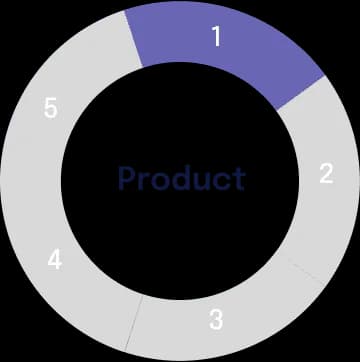
For Sana Pads, we dey choose our materials well to make sure say dem comfortable and you fit trust dem. Each pad get layer wey no dey leak for full protection, and bamboo fibre wey dey absorb well well. Unlike polyester, bamboo no dey hold smell by nature and e gentle for skin, so e dey keep you comfortable and fresh for di whole day. Our pads dey give protection wey you fit depend on and wey dey protect environment.
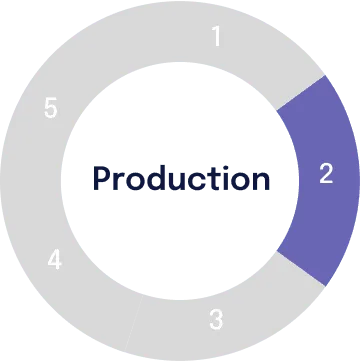
How We Dey Make Am
Dem dey make Sana Pads for Nigeria and dem follow NAFDAC requirements.
Our quality control team dey check all di pads, and after dat dem dey sanitize dem before dem sell dem.
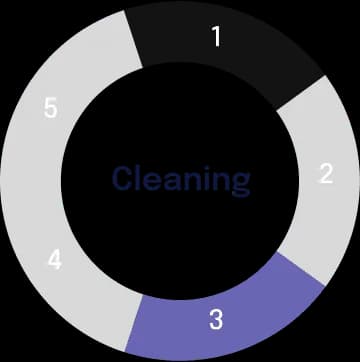
We design Sana Pads make dem easy to take care of without washing machine. After you use am, just rinse di pad for water, then wash am with hand with mild soap.
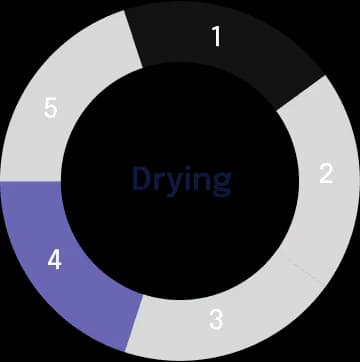
To keep dem fresh and clean, dry Sana Pads for sun after you wash dem. Di UV rays from sun dey kill germs naturally and remove smell, and dem dey keep your pads soft and ready to use again. Na easy way to dry wey dey protect environment, and e go make sure say di comfort last long.
E dey protect environment, no chemicals, e cheap & e no dey give stress
We make Sana Pads make dem protect environment, make dem safe, cheap and easy to use. Dem make am from materials wey dey protect environment, and you fit use am again and again, so e dey help you reduce waste. Dem no get strong chemicals, so dem gentle for skin and dem dey give comfort without irritation. Because you fit use dem again, cost dey low, so dem be smart choice wey go last long for your cycle.
Why Menstrual Equity Programmes Make Sense for Business
Apart from di help for society, menstrual health programmes dey bring business benefits wey you fit measure. Workers dey do more work when women feel say dem get support during period. Also, companies wey dey run dis programmes dey report say workers dey stay longer and pipo dey see dem as better employer.
Di Nigeria Private Sector Alliance (NIPSA) don show how menstrual health support for workplace dey help create environment where all genders dey included. Also, dis programmes dey show organisations as forward-thinking employers, and dem dey attract di best workers.
Wetin E Dey Do for Environment: How to Reach Your ESG Goals
Di Plastic Wahala Wey Disposable Pads Get
Normal disposable pads get plastic parts wey dey take 500-800 years to rot. For Nigeria alone, about 50 million women dey produce millions of tons of menstrual waste every year. Because of dis, e don become environment crisis wey organisations no fit ignore again.
Each woman wey dey use disposable products dey produce about 5.5 kg of menstrual waste every year. When you multiply am for all di women for Nigeria, na very big load for environment. Also, when pipo throw am for water and open dumpsite anyhow, e dey make pollution worse.
Di Nigerian Environmental Society don record how menstrual waste dey add to plastic pollution for rivers and water. Same way, environment research show say disposable pads wey dey rot dey release dangerous chemicals inside soil and underground water.
How Pads Wey You Fit Wash Use Again Dey Support Climate Goals
To change to pads wey you fit wash use again dey reduce carbon footprint and waste well well. One reusable pad dey replace about 100-200 disposable pads for im 3-year life. So, organisations wey dey run reusable pad programmes fit measure big environment impact.
To make reusable pads for here, like di ones wey Sana Pads dey make, dey reduce di smoke from transport more. Also, to support local production dey create jobs while e dey reduce damage to environment.
Research from UNICEF Nigeria show say menstrual products wey you fit use again fit reduce each pesin carbon footprint by up to 85% compared to disposables. Also, di environment savings dey grow when programmes reach thousands of pipo.
How to Measure Environment ROI
Organisations fit track dia environment impact through some measurements:
- Plastic waste wey no go dumpsite: Calculate how many kilograms of disposable pad waste you stop
- Carbon emissions wey reduce: Measure di smoke from transport and production wey you save
- Water wey you save: Calculate di water wey dem for use to make disposable pads
- Waste wey no go landfill: Track how much waste no go dumpsite
Dis measurements dey give clear data for ESG report and to talk with stakeholders. Also, dem dey show say your organisation dey serious about to protect environment.
Our Sanitary Pads Wey You Fit Wash Use Again
Light Flow
Pad wey thin and light pass, wey we design for
di last days of your period.
E get layer wey no dey leak for back.

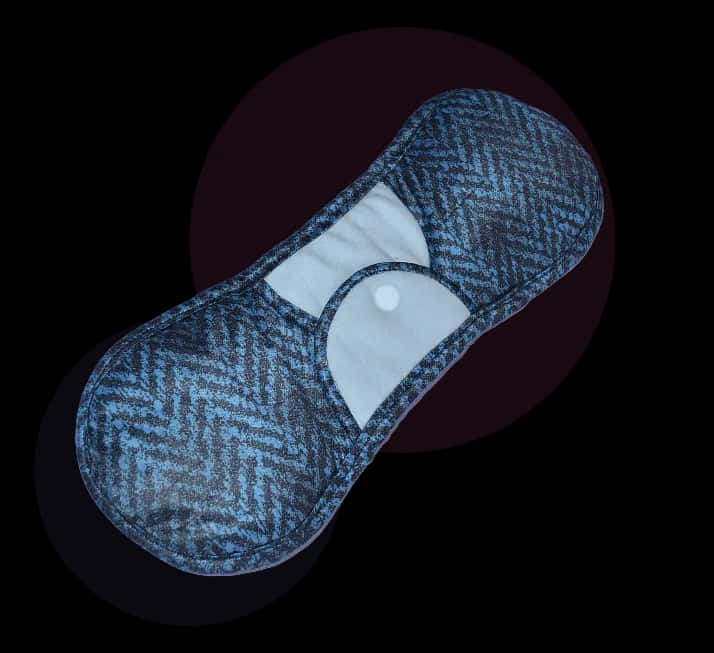
Normal Flow
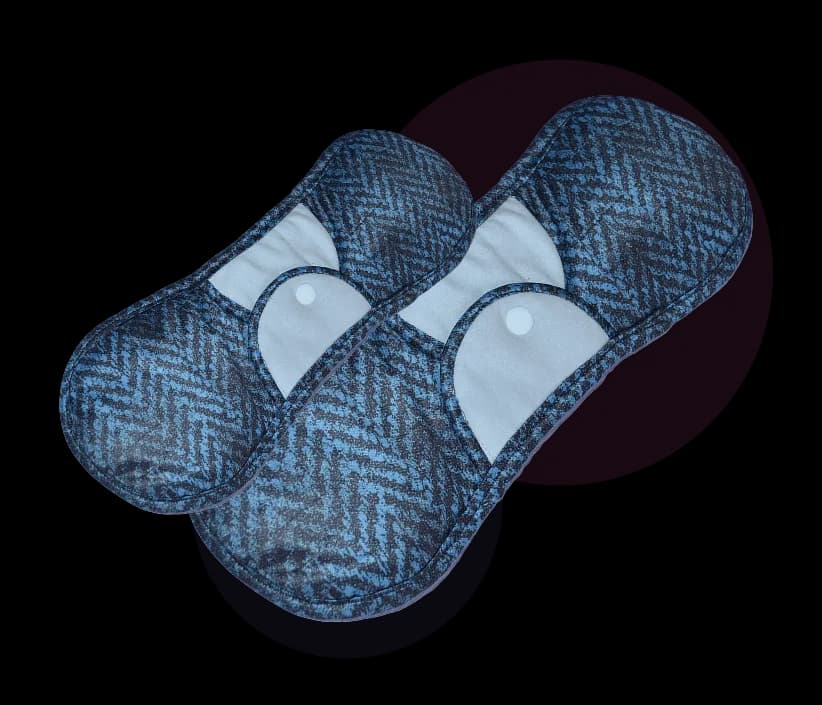
Heavy Flow
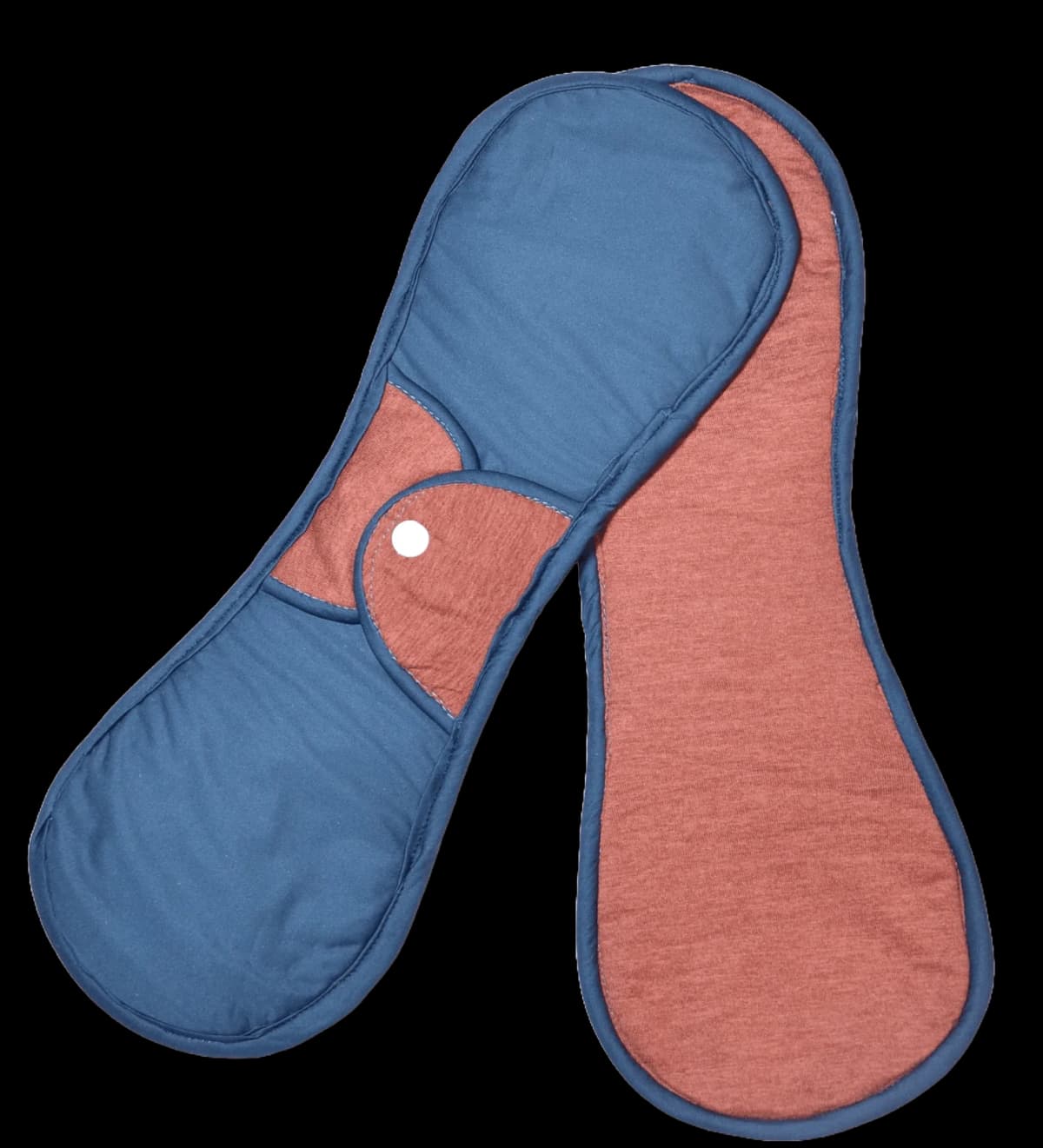
Our pads wey you fit wash
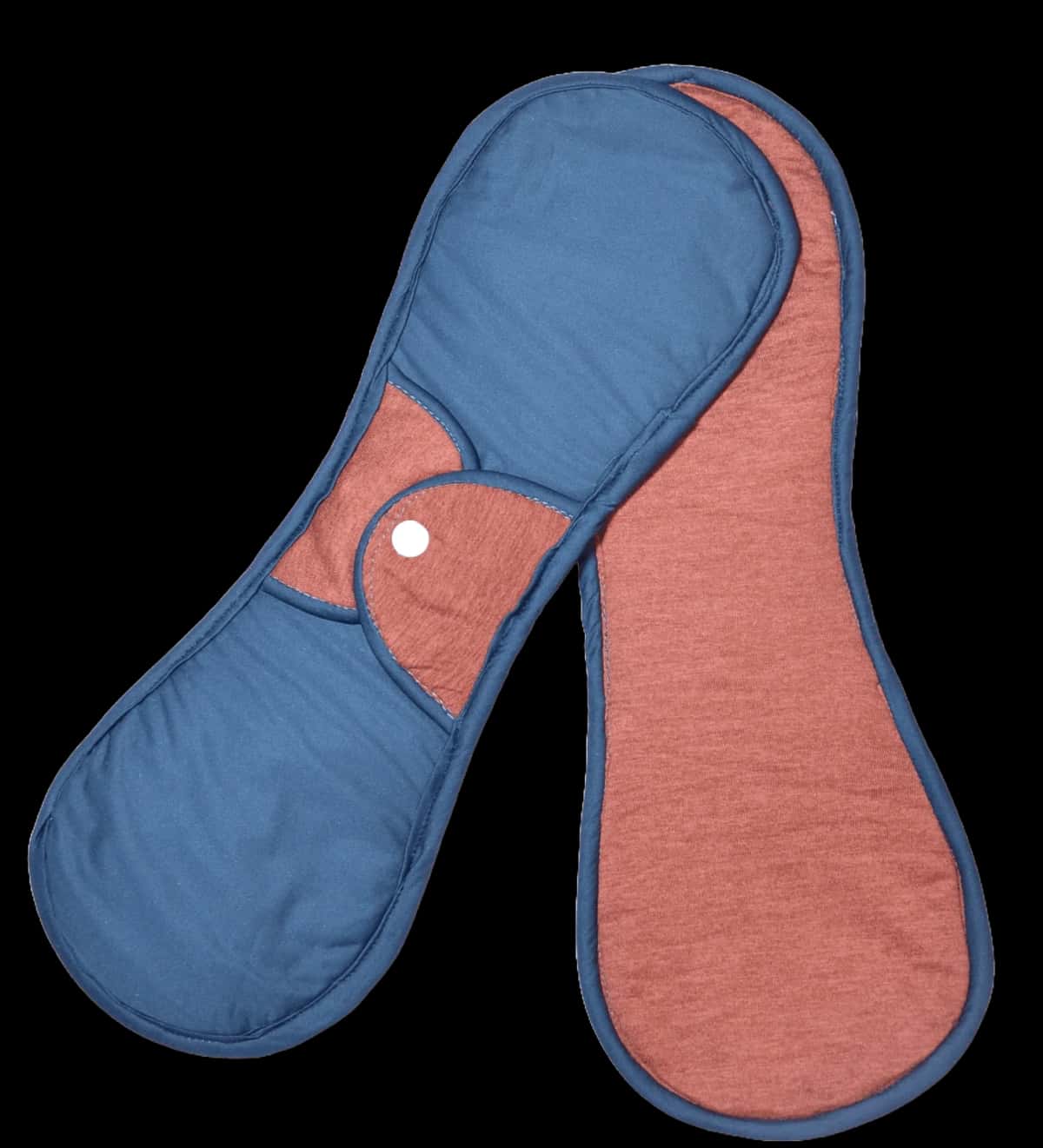

How to Do Am: How to Start
To Partner with Local Companies (like Sana Pads)
Menstrual health programmes wey work need products wey you fit trust, wey get high quality and wey meet wetin di users need. To partner with local companies wey don dey for long dey make sure say di product quality good, and e dey support di economy for di country. Also, local partnership dey allow make dem adjust di products and give service wey dey answer quick.
Sana Pads dey give full partnership packages for organisations wey dey run CSR programmes. Dis one include product supply, training materials, tools to monitor di programme, and technical support wey dey continue. Also, our team dey give advice on how to run di programme in a way wey respect di culture.
Main tins to think about for partnership with company wey dey make pads:
- Product quality standards: Make sure say di pads meet international hygiene and safety requirements
- How much dem fit produce: Check say dem fit meet di size and di timeline of your programme
- Local presence: Choose companies wey get connection with di community and understand di culture
- Support services: Choose partners wey dey give training, teaching and help to monitor di programme
Ways to Share Products Wey Dey Work
To share products well need careful planning and to involve di community. Ways wey don work include:
Programmes for schools: To partner with education authorities to put menstrual health inside school health services. Because of dis, girls dey get products, teaching and support wey dey continue for place wey dem sabi.
To work with health facilities: To work with clinics and health centres to add menstrual products to reproductive health services. Also, dis way dey make sure say medical pipo dey oversee am and e dey bring wider health teaching.
Programmes for workplace: To give products and teaching direct to female workers through HR departments. Also, dis programmes fit include supportive policies like menstrual leave.
To share for community: To involve local women groups and community organisations for teaching and support from pipo to pipo. Also, dis way dey use di social networks and trust wey don already dey.
Training and Teaching Parts
To share products alone no reach—full teaching na im dey make di programme succeed. Di main training parts na:
How to use di product: Full instruction on how to wear, change and take care of pads wey you fit wash use again. Also, how to solve common worries and answer questions.
Hygiene habits: Wider menstrual hygiene teaching wey cover body changes, how to watch your health, and when to go see doctor. Also, to handle myths and wrong beliefs wey fit block pipo.
How to take care of di pads: Correct way to wash, dry and keep di pads so dem go last long. Also, to teach how to repair dem make dem fit use dem longer.
Teaching from pipo to pipo: To train participants make dem share wetin dem learn with friends, family and community members. Because of dis, di programme impact dey multiply through informal networks.
Organisations like Society for Family Health Nigeria don show how full teaching dey make programme work better. Same way, Marie Stopes International Nigeria dey stress say e important to join products with knowledge and support.
Time to Join Hand
How to Measure Success: KPIs and Reporting
How to Track Social Impact Measurements
Strong monitoring systems dey help organisations show say di programme dey work, and dey help dem improve am based on data. Di main social impact indicators na:
Education results:
- School attendance before and after di programme start
- How di results of di pipo wey benefit don improve
- How school dropout don reduce for di schools wey di programme target
Health improvement:
- Infections and health problems wey pipo report
- How pipo dey go find health care
- General knowledge about reproductive health
Empowerment indicators:
- Checking how participants confidence don grow
- Leadership chances and how pipo dey take part
- Economic activity and business wey di pipo wey benefit dey do
How to Measure Environment Impact
Environment measurements dey give clear proof of how di programme dey help sustainability:
Waste wey reduce:
- Kilograms of disposable pad waste wey you stop every year
- Percentage wey menstrual waste don reduce
- How much waste no go landfill
Carbon footprint:
- CO2 emissions wey reduce because of local production
- Transport emissions wey you save
- To compare carbon footprint for di whole life of di product
To save resources:
- Water wey you save for production
- Raw materials wey reduce
- How energy use don improve
Best Ways to Do ESG Reporting
Good ESG reporting dey explain di impact clear to stakeholders and dey show say di organisation serious. Di best ways na:
Numbers data: Show clear numbers about how many pipo di programme reach, di environment savings, and di social results. Also, use pictures like charts and infographics make pipo understand am better.
Real stories: Add wetin pipo talk by demself and case studies wey show how di programme change each pesin life. Also, dis stories dey give di data human face and dey connect stakeholders for heart.
Comparison: Show how tins don improve over time and compare am with industry standards or similar programmes. Also, dis one dey show say di organisation dey improve and dey learn all di time.
Check from outside pipo: Use independent evaluators or partner with research institutions to confirm di impact wey you claim. Because of dis, pipo go believe you more and stakeholders go trust you.
Real Success Stories from Naija Organisations
Company Programmes Wey Make Difference
Big Naija companies don run new menstrual health programmes with very good results. For example, one big telecommunications company partner with Sana Pads to give reusable products to female workers for all dia offices. After dat, dem report 30% reduction for sick leave requests and workers dey happy more for workplace.
Same way, one multinational bank put menstrual health support inside dia diversity and inclusion strategy. Dia programme include to give products, teaching sessions and supportive policies. Because of dis, di number of female workers wey stay increase by 15% for di first year.
NGO Partnerships and Wetin Dem Achieve
Non-governmental organisations don lead menstrual health programmes for communities for Nigeria. ActionAid Nigeria don run school programmes wey reach thousands of girls for village communities. Dia partnership with local companies dey make sure say products dey available steady while e dey support economic development.
Di Centre for Girls’ Education don record big improvement for education results through dia menstrual health programmes. Also, dia programmes include full sexuality education and life skills training.
Government Programmes Wey Dey Lead Change
State governments dey see menstrual health more and more as public health priority. Lagos State school health programme now include menstrual hygiene teaching and to give products. Also, di Federal Capital Territory don test reusable pad programmes for public schools.
Di Nigeria Centre for Disease Control don develop guidelines for menstrual hygiene for emergency situations, because dem see say menstrual care wey get dignity important during crisis. Also, dis guidelines dey guide humanitarian response and development programmes.
Common Wahala and How to Overcome Dem
How to Handle Culture Matter with Care
Period still be sensitive matter for many Naija communities, so you need to handle culture and beliefs with care. Programmes wey work dey invest to involve di community and dey work with traditional and religious leaders make pipo accept am.
Ways to handle culture with care include:
Community talk: To arrange discussion with parents, teachers and community leaders to answer dia worries and build support. Also, dis talks dey help find di culture barriers and di solutions.
To involve religion: To work with faith-based organisations to explain menstrual health with religious teaching about cleanliness and health. Also, religious leaders fit become strong voices wey go make pipo accept di programme.
To start small small: To start with smaller pilot programmes to show di benefits before you make am big. Because of dis, success stories from di first pipo wey join go help convince community members wey still doubt.
Local champions: To find and train community members wey go speak for menstrual health programmes. Also, influence from pipo wey dem know dey often work better than message from outside.
How to Make Di Programme Last
Success wey go last need steady money and commitment from institutions. Organisations must plan pass di first start to make sure say di impact continue.
Ways to make am last include:
To build local capacity: To train community members and institutions make dem fit run di programmes by demself. Also, dis one dey reduce how dem dey depend on outside support while e dey build local knowledge.
Cost-sharing models: To move small small from full sponsorship to where participants dey contribute, while you make sure say di programme still dey reach pipo and dem feel say e be dia own. Also, dis way dey support money sustainability for long time.
To work with government: To work with public sector partners to put menstrual health inside official policies and budgets. Because of dis, programmes dey get institutional support and money wey dey continue.
To make income: To create chances for di pipo wey benefit to make money through programme activities, like teaching odas or sharing products. Also, dis one dey give each pesin power while e dey support di programme to last.
Budget Planning and How to Manage Cost
Good money planning dey make sure say programmes get di biggest impact with di money wey dey. Main tins to think about:
Total cost of ownership: To calculate all di programme costs, including products, training, sharing and monitoring. Also, think about indirect costs like staff time and admin cost.
Cost for each pesin wey benefit: To compare different ways to run di programme to find di ones wey cheap pass. Also, dis analysis dey help use resources well and design di programme better.
Economies of scale: To use bulk buying and standard methods to reduce cost per unit. Also, bigger programmes dey often use money better pass smaller ones.
Local sourcing: To partner with companies for di country to reduce cost while you dey support local economic development. Because of dis, dis way dey bring both money and social benefits.
Next Steps: How to Build Your Menstrual Health Programme
Time to check and plan
Before you start menstrual health programme, check well well to understand di needs, di wahala and di opportunities. Dis one include:
Needs assessment: Ask di pipo wey di programme go help about wetin dem dey do now, dia wahala and wetin dem like. Also, involve stakeholders like parents, teachers and community leaders.
Resource mapping: Find di resources wey dey, like money, partnerships and capacity to run di programme. Also, check di wahala wey fit come and how to reduce di risk.
Programme design: Make full plans wey include timelines, budgets and monitoring frameworks. Also, make sure say di plans match di goals of di organisation and wetin di pipo wey benefit need.
Stakeholder engagement: Build relationship with main partners like government agencies, NGOs and community organisations. Because of dis, strong partnerships dey make di programme work better and last longer.
Timeline to Run Di Programme
Programme wey work dey follow clear timeline:
Months 1-2: To Build Partnerships
- Finish partnership with di company wey dey make pads and agree on product specifications
- Finish agreements with stakeholders and memorandums of understanding
- Make training materials and monitoring tools
Months 3-4: Pilot
- Start small pilot programmes for some places wey you choose
- Do di first training sessions and share products
- Start monitoring and evaluation
Months 5-6: To Make Di Programme Better
- Check di pilot results and use di lessons wey you learn
- Improve di way you dey run am and di materials
- Prepare to make am big
Months 7-12: To Make Am Big and Evaluate
- Expand di programme to all di pipo wey you target
- Do full monitoring and evaluation
- Write down di results and prepare impact reports
Ways to Make Am Last for Long Time
To build programmes wey go last need commitment wey dey continue and management wey dey adjust:
To dey improve all di time: Check and update di programmes regularly based on monitoring data and wetin di pipo wey benefit dey talk. Also, follow di latest best practices and new ideas for menstrual health.
To build capacity: Invest to train local partners and build institutional capacity to manage di programme. Also, dis one dey make sure say di programmes fit continue even when di organisation priorities change.
Policy advocacy: Work with government partners to put menstrual health inside official policies and programmes. Because of dis, e dey bring change for di whole system wey pass wetin one organisation fit do.
New ideas and adjustment: Dey open to new ways, technologies and partnerships wey fit make di programme work better. Also, new ideas dey push improvement wey dey continue and dey make di impact big pass.
Get Support from Di Sana Team
You ready to change your CSR strategy with menstrual health programme wey get meaning? Sana Pads dey give full advice and support for organisations wey dey run programmes for pads wey you fit wash use again. Our team wey get experience dey give everything from needs assessment to impact evaluation, to make sure say your programme get di biggest social and environment impact.
Contact us today make we discuss how we fit partner with your organisation to bring change wey go last for women and girls for everywhere for Nigeria. Together, we fit build future where no girl go miss school because of her period, and no woman go face barrier to work and make money because menstrual health support no dey.
Visit our team page to learn more about how we fit work together for CSR, or check our impact stories to see how oda organisations don run menstrual health programmes well with Sana Pads.

Contact Us
Testimonials
See wetin our customers dey talk about our products.
Women for all over di world dey buy Sana

“For first, e dey irritate me to use washable sanitary pad. I decide to try am, and to my greatest surprise, e comfortable well-well and e easy to wash. You fit even do your daily things without fear say blood go stain you for public. I wan give Big shout out to SANA PADS!!”

“I dey really love Sana reusable pads! Dem dey make me relax and feel free for my period time. Plus, dem don reduce the cost and stress of buying disposable pads every month well-well. Kudos to Sana for making dis kind correct product – I go be fan forever!”
“Sana Pad good well-well, e dey make you comfortable and free. I love the pads, na the best ever!”

“I don try different brands of reusable pad, but Sana stand out for the quality, the comfort and how e dey last. Dem design am with sense, and the material dey gentle for my skin. As I change to Sana, e don reduce how I dey spoil environment and e don also save me money for long run. I dey grateful for dis solution wey go last!”

“To dey buy disposable pads every month dey add up well-well, so I talk say make I try Sana Pads. E surprise me how soft dem be, and dem dey work well for long days for university. To wash dem simple, and e don reach months wey I never buy new pad, so e don save me money. I also like say dem dey better for environment. E sweet me say I get option wey cheap and wey better for environment.”

“I don try different pad brands for years, but Sana pads really stand out. From the first time I use am, I see the difference — e soft for skin, e dey soak well-well, and e comfortable die. Even for my heaviest flow days, Sana pads dey hold well. Wetin I also love na how the material dey allow air pass and e good for skin. If you dey find pad wey get comfort, wey you fit trust, and wey get quality, I really recommend make you try Sana pads.”
Time to join hand
Contact Us
Margaret Ochegbudu
Business Manager
Social Impact: To Give Women and Girls Power
How to Break Di Cycle of Girls Wey Dey Drop Out of School
Education dey change life, but period poverty dey block girls from classroom. When organisations give pads wey you fit wash use again to schools, dem dey face dis wahala direct. Because of dis, girls dey get confidence, dem dey attend school more, and dia results dey better.
Di Federal Ministry of Education Nigeria don recognise say menstrual health dey very important to get equal education. Also, state governments dey put menstrual hygiene inside school health programmes more and more.
Success stories from schools wey dey use Sana Pads dey show big improvement. For example, attendance dey increase by 25-40% when girls get quality menstrual products wey dem fit trust. Also, teachers dey report say girls dey take part more for class and dia results dey better.
To Support Women Make Dem Take Part for Economy
Menstrual health programmes for workplace dey create environment where women fit grow for dia work. When employers give pads wey you fit wash use again and supportive policies, female workers dey get less stress and dem dey happy more for dia job. Because of dis, organisations dey benefit from more work output and less absence.
Di International Labour Organization Nigeria dey stress how menstrual health support dey help create good work conditions. Also, dis programmes dey show say di organisation serious about gender equality and inclusion.
To make pads wey you fit wash use again for here also dey create jobs, especially for women. For example, Sana Pads dey employ local tailors and dey give skills training, and dis one show how CSR programmes fit give pipo economic power.
To Build Communities Wey Get Better Health
Menstrual health teaching programmes dey spread good effect for di whole community. When organisations support full menstrual hygiene programmes, dem dey help break shame and dey spread health knowledge. After dat, whole families and communities dey benefit from better knowledge and habits.
Community health workers wey dem train for menstrual hygiene dey become pipo wey dey speak for women health generally. Also, dis programmes dey often include mamas and caregivers, so di impact dey reach pass di pipo wey collect di products direct.