Best Pads wey You Fit Wash Use Again for Heavy Flow for Nigeria: Full Guide
Where pipo don see us







 Margaret Ochegbudu don check am · Update 22 min to read
For heavy flow, find pad wey get at least four layers wey dey absorb, extra length and wide back. Sana Maxi Pad na for dis one dem build am. Women wey get heavy flow usually need five to seven pads wey dem dey rotate, so dry one go always dey while di others dey wash and dry.
Chioma siddon for back of her JSS3 classroom for Port Harcourt, dey shift every few minutes because e no dey comfortable her. Na only 10 a.m., but she don change her pad two times since assembly. By lunchtime, she go need another one. As one disposable pad na ₦150, her heavy flow mean say she dey spend pass ₦3,000 every month – money wey her mama dey struggle to find from her small provision shop. Wetin worse pass di cost na di fear wey no dey stop. She go leak before next break? She fit afford enough pads for di whole week? Chioma story dey happen all over Nigeria, where women wey get heavy period flow dey face double wahala: to find products wey really work and to afford dem every month.
Heavy flow during period no be only small inconvenience. E dey affect your education, your work, your confidence and your pocket. But to find di correct reusable pads for heavy flow fit turn dis struggle to freedom. Dis guide go show you exactly how to choose, use and benefit from reusable pads wey dem design for heavy period bleeding for Nigeria.
Wetin Make Reusable Pad Best for Heavy Flow
When your period heavy, you need pass normal protection. You need pads wey dem build specially to absorb plenty, stop leak, and give you confidence all day.
Main tins to remember:
- Di best reusable pads for heavy flow get 3-5 layers wey dey absorb between di top cloth and di waterproof layer for back.
- Good heavy flow pads fit absorb 30-50ml of period blood, and dem fit last 4-6 hours even for your heaviest days.
- Reusable pads for heavy flow cost 60-75% less than disposable for one year for Nigeria.
- Correct absorbent layers get materials like microfibre, bamboo or cotton terry cloth wey dey hold liquid without to feel bulky.
- Nigerian women wey get heavy flow need pads wey dey dry quick for humid weather and wey no dey allow bacteria grow for heat.
- Maxi-size reusable pads (25-35cm long) dey cover better and dey stop leak for back during heavy flow nights.
- To change to reusable heavy flow pads dey save di average Nigerian woman ₦25,000-₦40,000 every year.
Make we look exactly wetin separate ordinary pads from di ones wey really work for heavy period flow.
To Understand Heavy Period Flow and Wetin Pad Need
Heavy period bleeding, wey doctors dey call menorrhagia, dey affect about 1 in 3 Nigerian women at some point for di years wey dem fit born pikin. If blood dey soak your pad finish every 2-3 hours, if you dey pass clots wey big pass ₦10 coin, or if your period dey last pass seven days, e likely say you get heavy flow.
Wetin Heavy Flow Really Mean
Normal period bleeding dey release about 30-40ml of fluid for di whole period. Heavy flow dey release 60-80ml or more, sometimes pass 100ml. Think am like dis: normal pad fit hold like two tablespoons of liquid. Your heavy days fit bring four to six tablespoons before lunchtime alone.
Dis one no be say you dey “do too much” or you get “weak bladder.” Heavy flow get real causes: hormone imbalance, fibroids (common for Nigerian women), adenomyosis, or na just di natural way your body dey do. When you understand dis, you go see say you need special products, no be to just “try harder” with normal pads.
Di shame wey plenty Nigerian women dey feel about heavy flow often come from di silence wey our culture get around period. For Lagos markets or Kano classrooms, we no dey talk dis details open. But heavy flow na medical reality for millions of women, and to accept am na di first step to find solutions wey work.
How Dem Take Build Heavy Flow Pads
Reusable pad wey dem design for heavy flow dey work like good drainage system. Di top layer (wey touch your skin) must allow liquid pass quick so you go stay dry. Di middle layers must catch dat liquid and hold am well. Di bottom layer must be waterproof completely so e no go leak enter your clothes.
Imagine say you dey make sandwich. Di bread for top get small holes (like di stay-dry cloth). Di things for middle thick and dey absorb, like many slices of bread wey soak for soup (dis na your microfibre, bamboo or terry cloth layers). Di bread for bottom, dem wrap am with plastic (your waterproof PUL layer). Dis “sandwich” design na wetin make reusable pads work for heavy flow.
How many absorbent layers e get matter well well. Pad wey get one absorbent layer fit hold 10-15ml. Three layers fit hold 30-40ml. Five layers fit hold 50ml or more, so you fit wear am for full school day or work shift even for your heaviest day. Good heavy flow pads dey balance thickness with comfort. Nobody want feel like say na pillow dem wear between dia legs.
Wetin Nigerian Weather Mean for Your Pad
Nigeria heat and humidity dey bring special wahala for reusable pads. For Abuja dry season or Lagos humid months, your body dey hot and you dey sweat more. Dis sweat dey join with period blood, so your pad must handle both.
Di best reusable pads for heavy flow for Nigeria dey use materials wey dey breathe, wey dey stop di hot, sweaty feeling of disposable pads. Natural fibres like cotton and bamboo dey allow air pass, and still di pad dey waterproof where e matter. Dis one dey reduce di risk of rash, infection, and dat uncomfortable “plastic diaper” feeling wey plenty women dey talk about with disposable.
Drying time also matter for Nigeria. For rainy season or for areas where light no dey steady (hello, NEPA), you need pads wey go dry within 24 hours when you hang dem inside house. Pads wey get too many layers or synthetic cloth wey no dey breathe fit take days to dry, and dat one dey make perfect place for mould and bacteria. Good manufacturers dey design heavy flow pads wey balance absorbing with drying time wey make sense for Nigerian conditions.
How to Choose Di Correct Heavy Flow Reusable Pad
To choose reusable pad for heavy flow no be to just grab di thickest one wey you see. You need to understand how your own flow dey go, your daily routine, and which features matter pass for your body.
Check How Your Flow Dey Go
Start by tracking your period for one cycle. For your heaviest days (usually days 1-3), how often you dey change disposable pads? Every hour mean say di flow heavy well well. Every 2-3 hours mean heavy flow. Every 4-5 hours mean moderate-heavy flow.
Dis information go tell you how much absorbing you need. For flow wey heavy well well, find pads wey get 5+ absorbent layers or wey dem label “overnight/maxi”. For heavy flow, 3-4 layers dey work well. For moderate-heavy flow, 2-3 layers fit do.
Also think about your type of flow. Some women get heavy bleeding wey steady, e no dey change. Others dey get sudden gush when dem stand up or cough, with lighter flow in between. Women wey dey get gush need pads wey dey spread liquid well (di fluid go spread enter all di layers quick), while women wey get steady bleeding need pad wey fit hold plenty overall.
Check Size and How E Dey Cover
Reusable pads for heavy flow get different lengths: regular (20-25cm), long (25-30cm), and maxi/overnight (30-35cm or longer). Length no be only about absorbing, e also be about how e dey cover, especially for night.
If you dey sleep on your back, you need pad wey cover reach far for back of your pant. If you dey turn turn for bed, you need wider pads wey cover more space from side to side. Plenty Nigerian women find say maxi-length pads dey give dem confidence to sleep whole night without to wake up check for leak.
For heavy flow for daytime, long pads (25-28cm) usually cover well for when you siddon for desk, waka go market, or enter public transport across Lagos. Di main thing na to make sure say di absorbent core reach almost di full length, no be only di middle.
Check Di Quality of How Dem Make Am
No be all reusable pads dey di same. Before you buy, check dis quality signs:
Di sewing suppose tight and even, no loose thread. Pads wey dem no sew well dey scatter after few washes, and di layers fit gather for one place, and leave gap where leak go happen.
Di waterproof layer suppose cover di whole back, reach di edges. Some cheap pads only waterproof for di middle, so di edges fit leak for side.
Di snaps suppose be metal, no be plastic. Nigerian heat fit bend plastic snaps, and dem dey break easy. Metal snaps dey last for years and dem dey still hold well even after hundreds of washes.
Dem suppose describe di absorbent layers clear. Manufacturers wey get good name dey tell you exactly which materials dem use and how many layers. Description wey no clear like “super absorbent” without details often mean say di materials no good.
Di kind material wey dey absorb heavy flow
Di materials inside your reusable pad na wetin decide how well e go work. To understand dis materials go help you make better choice based on wetin you need and wetin you value.
Microfibre Layers
Microfibre na synthetic cloth wey dem make from polyester fibres wey thin well well. E dey absorb liquid quick and e dey hold plenty even though e thin. One microfibre layer fit absorb like two or three layers of normal cotton.
For Nigerian women, microfibre get one big advantage: e dey dry quick, even inside house. If you wash your pads for evening, dem go usually dry by morning, even without direct sun. Dis one make microfibre good if you no get plenty space outside to dry, or during rainy season for Port Harcourt or Calabar.
Di bad side na say microfibre na synthetic. Some women wey get sensitive skin dey feel irritation after dem wear am for long time, especially for Nigerian heat. Also, microfibre fit start to smell quicker than natural fibres if you no wash am well, because synthetic materials fit hold bacteria.
Bamboo plus cotton terry cloth
Bamboo cloth and cotton terry cloth (di material wey dem take make towel) na natural fibres wey dey absorb, and plenty reusable pads dey use dem. Bamboo dey fight bacteria by nature and e soft well well. Cotton terry strong and most Nigerian women sabi am.
Dis natural materials dey breathe better than synthetic, so heat and wetness no go gather. For Kano hot season or Ibadan humidity, dis breathing dey make real difference for comfort. Natural fibres also dey fight di bacteria wey dey cause smell better than synthetic.
Di price you go pay na drying time. Bamboo and cotton terry dey take longer to dry, sometimes 24-48 hours for humid weather without direct sun. You need more pads for your rotation if you choose natural fibre. But plenty women feel say di comfort and di breathing worth am to get small more pads.
Designs Wey Mix Materials
Di best reusable pads for heavy flow often mix materials with plan. One common design dey use microfibre for di core (to absorb quick and hold plenty) with bamboo or cotton top layer (for comfort and to be gentle for skin).
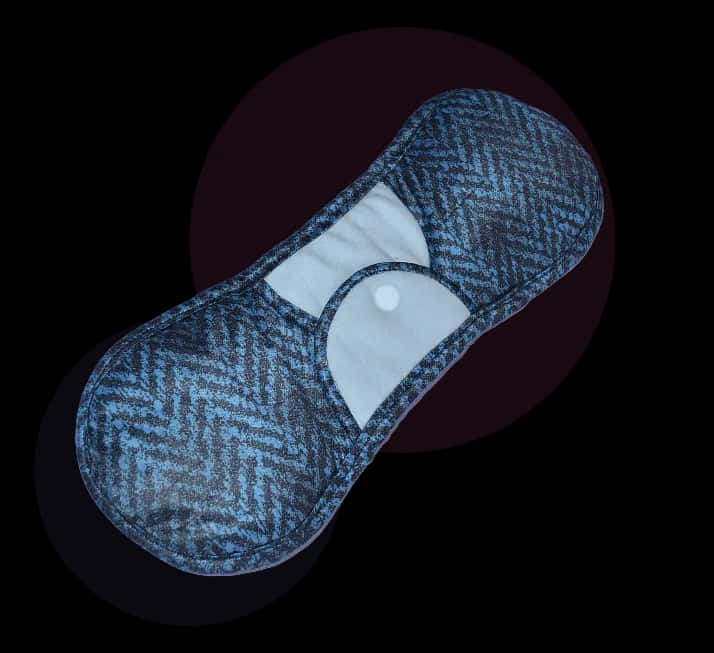
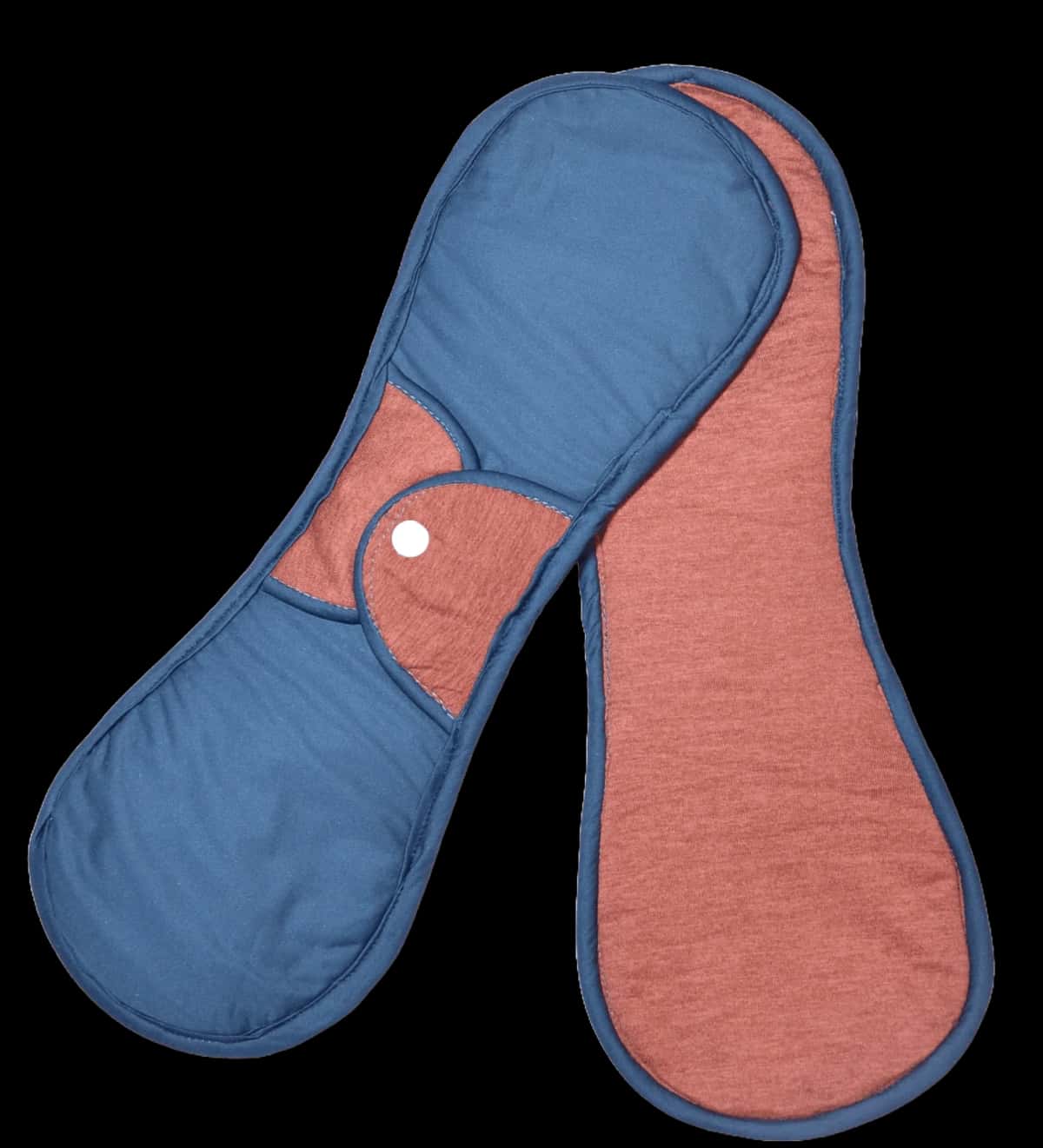
Dis mix dey give you di benefits of both: quick absorbing, e dey hold plenty, comfort, breathing, and drying time wey make sense. When you dey check pads, ask about di layers. Heavy flow pad wey dem design well fit get: one bamboo top layer, three microfibre absorbent layers, one cotton terry absorbent layer, and one waterproof PUL backing.
To understand dis materials go help you see pass marketing talk and choose pads wey really fit your life for Nigeria.
Our pads wey you fit wash

Benefits of Reusable Pads for Heavy Flow
To change to reusable pads when you get heavy flow dey bring benefits wey pass your period week. Dis advantages dey grow with time, dem dey affect your money, your health and your peace of mind.
Money Wey You Go Save, Wey Dey Grow
Heavy flow mean say you go use more pads – sometimes 6-8 disposable pads every day for your heaviest days. As one disposable pad dey cost ₦120-₦200 for Nigerian markets, one heavy flow period dey cost ₦3,500-₦6,000 every month, or ₦42,000-₦72,000 every year.
Complete set of good reusable pads for heavy flow (8-10 pads to rotate well) dey cost ₦15,000-₦25,000 for beginning. Dis pads dey last 2-3 years if you take care of dem well. For three years, disposable go cost ₦126,000-₦216,000. Reusable pads go cost ₦15,000-₦25,000 total. You go save ₦111,000-₦191,000 for three years.
For Nigerian families, dis difference big well well. Dat money fit turn school fees, business capital, or money for emergency. For organisations wey dey share pads to girls for Kaduna or Enugu schools, reusable pads mean say dem go reach more girls with di same budget and give protection wey dey last years instead of hours.
Di savings go even big pass when you remember say heavy flow often dey continue for 10-20 years or more for woman life. Di money wey disposable dey take dey gather reach hundreds of thousands of naira – money wey fit build future instead of to fill dustbin.
Better Health and Comfort
especially with di long time wey heavy flow dey make you wear am. Plenty Nigerian women wey get heavy flow dey report rash, itching and discomfort after dem wear disposable for some hours.
Reusable pads wey dem make from natural materials dey remove most of dis chemicals. Cotton, bamboo and good waterproof layers dey gentle for skin. Di breathing dey reduce heat and wetness, and e dey reduce di risk of yeast infection and bacterial vaginosis, wey both dey more common for hot and humid weather.
Heavy flow also dey increase di risk of toxic shock syndrome if you no dey change period products often enough. Even though e rare with pads, correct hygiene matter. Reusable pads dey help you notice your flow because you dey see am when you dey change pad, and dis one dey help you monitor your period health better.
Also, di confidence wey pad wey no dey leak dey give dey help your mental health. Plenty women wey get heavy flow dey get anxiety around dia period – I go leak for dis meeting? I fit afford enough pads dis month? Reusable pads wey you fit trust dey remove dis worries, and dem dey give you back di freedom to live normal during period.
Impact for Environment and Community
Woman wey get heavy flow wey dey use disposable pads dey produce about 200-300 used pads every year. For 30 years of period, na 6,000-9,000 disposable pads for dumpsite. For Nigeria, where waste management system no strong, dis pads often end up for gutter, for water, or dem burn dem for open fire, wey dey release poison chemicals.
Reusable pads dey reduce dis waste to almost zero. One set of 10 reusable pads dey replace thousands of disposable, and e dey keep plastic and chemicals out of Nigerian soil and water. For communities from Bayelsa to Borno, less period waste mean cleaner environment for everybody.
When you choose reusable pads from local manufacturers like di ones for Nigeria, you dey also support local jobs and economic growth. Your money dey stay for Nigerian economy, e dey support tailors, cloth sellers and small businesses instead of big multinational companies.
Finally, to use reusable pads open dey help break di shame around period. When your daughter, sister or neighbour see you dey manage heavy flow with confidence with reusable products, e dey make period normal and e dey open space for conversations wey go help di next generation.
Common Worries About Reusable Pads for Heavy Flow
To change to reusable pads when you get heavy flow dey often bring some worries. Dis worries make sense and dem deserve honest answers wey come from real experience of Nigerian women.
"Dem Go Really Hold Enough Without to Leak?"
Dis na di number one worry for women wey get heavy flow, and e make sense well well. If blood don ever pass many layers of disposable pads for you, to trust cloth fit feel like risk.
Di truth be say reusable pads wey dem design well with enough layers (3-5 for heavy flow) dey hold as much as disposable or even more. Di main difference na say reusable pads dey absorb liquid enter cloth layers wey dey spread am across di whole pad, while disposable dey use gel crystals wey fit full for one spot and then leak.
Nigerian women wey dey use good heavy flow reusable pads dey always report 4-6 hours of protection without leak, even for dia heaviest days. Dis one match or pass how disposable pads dey perform. Di secret na to choose pads wey dem make specially for heavy flow, no be to try make normal pads work by changing dem more often.
Start your change on day wey flow light or for house on weekend. Test how much your reusable pad fit hold for situation wey no too serious. Wear dark clothes or put towel for your chair if you dey fear. Most women find say dia fear big pass di reality. After one time wey e work well, confidence go come quick.
If e leak for you, usually e mean say you need pad wey dey absorb more or you need to change am more often, no be say reusable pads no fit work for heavy flow. Move up to maxi pads or change every 3-4 hours instead of 5-6 until you find your rhythm.
"How I Go Take Wash Pads Wey Get Blood?"
Di silence wey our culture get around period dey make plenty Nigerian women no comfortable to see and touch period blood. Dem don teach us say period dirty and e be shame, something wey you must hide. To wash reusable pads dey face dis matter directly.
Dis na di reality: period blood na normal body fluid, e no “dirty” pass sweat or spit. E get blood, di lining of di womb, and fluid from vagina. E no be poison and e no dangerous. To change how you think about period blood, to see am as natural and healthy sign of your reproductive system, go help reduce di feeling wey dey stop you from washing pads.
For practical side, to wash pads simple pass wetin most women dey expect. Rinse di used pad for cold water until di water almost clear. Dis one dey take 1-2 minutes. Then wash am with hand with soap or throw am join your normal laundry. Di blood dey comot easy when you rinse am quick.
Plenty Nigerian women dey keep small bucket with cold water and cover for dia bathroom. Drop used pads inside di bucket as you dey change dem. For end of di day or when di bucket full, rinse all of dem together, then wash. Dis method dey hold any smell and e dey make di work quick.
If you get house help or you dey share washing work, you fit worry about privacy. Use bucket wey person no fit see inside, with cover, or rinse your pads for private before you add dem to di family laundry. Once you rinse dem, dem go look like normal dark cloth. You fit also wash dem finish with hand for your private bathroom if na wetin you like.
"Dem Go Smell or Make Me No Comfortable for Nigerian Heat?"
Nigerian heat na real thing. To siddon for Lagos traffic or to teach for Kano classroom without AC mean say you go sweat, and to add period pad to dat situation dey bring real worry about comfort.
Good reusable pads dey actually breathe better than disposable because dem dey use natural fibres and dem no dey hold heat like disposable wey get plastic for back. Women dey always report say dem dey sweat less and dem dey more comfortable with reusable pads, even for Nigerian heat.
Smell dey come when period blood stay against synthetic material wey no dey breathe, and e dey make place for bacteria to grow. Reusable pads wey get natural top layer and design wey dey breathe dey allow air pass, and dis one dey reduce smell well well. Change your pad every 4-6 hours during heavy flow, just as you go do with disposable, and smell no go really be problem.
If you notice say smell dey start, e usually mean one of three things: you need to change more often, your pads need better washing (make sure say you rinse for cold water first, then wash well with soap), or you fit get infection wey need doctor attention. Strong smell wey no dey go no be normal for any period product, and e deserve check-up.
For comfort side, heavy flow pads wey dem design well thick pass light flow pads, but dem no suppose feel bulky or stop you from moving. Modern reusable pads dey bend follow your body shape and dem dey stay for place with snaps wey you fit adjust to di width of your pant. After some hours, most women dey forget say dem wear am.
Why Sana Pads Dey Work for Nigerian Women Wey Get Heavy Flow
To understand heavy flow from Nigerian side mean to understand di reality wey Nigerian women dey face: humid heat, water wey no dey easy to get, light wey no dey steady, small budget, and wetin culture expect about to hide am and to dey clean.
Dem dey make Sana Pads for Nigeria specially for dis conditions. Di heavy flow options (Premium Pads wey get 3 absorbent layers and Maxi Pads wey get 5 absorbent layers), dem build dem to dry within 24 hours even without direct sun, and dis one dey solve one of di biggest practical wahala of reusable pads for Nigeria.
Di materials dey balance absorbing with breathing. Dem dey use mix wey dey work well for Nigerian heat, and wey dey stop di trapped heat and wetness wey dey cause discomfort and infection. Di waterproof back reach di edges completely, and e dey stop di side leak wey Nigerian women dey often get when dem siddon for long time for classroom or office.
Since 2019, Sana Pads don support pass 10,000 women directly and share more than 30,000 pads across Nigeria. Plenty of dis women get heavy flow, and before, dem dey spend 20-30% of dia monthly income on disposable pads or dem dey miss school and work because dem no fit afford enough protection.
Di impact pass individual women. Schools wey partner with Sana Pads dey report better attendance among girls during period. Mamas dey report less money stress and more dignity for dia daughters. Community health workers dey report better period hygiene and less infections among women wey dey use good reusable pads.
Sana Pads no dey only sell products, but dem dey work to end period poverty for Nigeria with solutions wey cheap, wey go last, and wey really work for Nigerian bodies for Nigerian conditions. Every pad wey person buy dey support dis mission and e dey help reach more women across di country.
How to Start with Heavy Flow Reusable Pads
To change to reusable pads for heavy flow no mean say you must replace all your disposable for one night. To change small small dey build confidence and e dey help you learn wetin work best for your body.
For Individual Women
Start with small test. Buy 2-3 heavy flow reusable pads to try for one period cycle. Use dem for days wey flow moderate first, and keep disposable as backup. Dis one go let you try washing, drying and wearing reusable pads without di pressure to depend on dem completely.
Notice how long each pad dey last before you feel wet or you begin worry about leak. Dis one go tell you di best time to change. Notice how dem feel for your skin and whether you dey comfortable for Nigerian heat. Wetin you notice go guide your full change.
Once you don dey comfortable, build complete rotation. For heavy flow, most women need 8-10 pads total: 4-5 wey you dey use during your period, 4-5 wey dey wash or dry. Dis one dey make sure say clean, dry pads always dey even if drying take longer than you expect.
For heavy flow specially, think about Sana Pads Starter Kit, wey get Premium Pads with 3 absorbent layers wey good for regular to heavy flow days. Add Maxi Pads one by one, wey get 5 absorbent layers, for your heaviest days and for night protection. Dis mix dey give you freedom to match your pad with your flow every day.
Plan about ₦15,000-₦22,000 for complete heavy flow reusable pad setup wey go last 2-3 years. Spread di buying over 2-3 months if you need to, buy few pads every time salary enter until you get full rotation. Di cost small pass three months of disposable pads well well, and after dat first payment, wetin you dey spend every month on period products go be almost zero.
For Schools, NGOs and Community Organisations
Organisations wey dey support girls and women wey get heavy flow fit make big change through reusable pad programmes. Heavy flow na one main reason why girls dey miss school – dem no fit afford enough protection, or dem dey fear say dem go leak for class.
Start by checking wetin your community really need. Ask girls about how dia flow dey go, which period products dem dey use now, and wetin dey stop dem from going school during period. Dis information go help you choose di correct pad types and quantity.
Partner with manufacturers wey understand Nigerian conditions and wey dey support organisations. Sana Pads dey supply schools, NGOs and community programmes of any size for di same fixed price per pack. Apart from products, find partners wey dey give training on correct use, washing, and period health education.
Di programme dey work best when you join am with education. Girls need to understand how to use reusable pads correct, wash dem well, and dry dem safe. Add sessions on period health, to sabi your body, and to reduce shame. When girls understand dia body and dem get confidence for dia products, attendance and performance dey improve well well.
Think about to give washing things with di pads: small bucket with cover, normal soap, and maybe drying rack or bag. For schools wey no get enough WASH facilities, dis extra things dey make reusable pads practical, no be only for paper.
Monitor and adjust your programme based on feedback. Di girls dey really use di pads? Which wahala dem dey face? Which extra support go help? Programmes wey dey listen and dey adjust dey succeed better for long time than distribution wey happen one time without follow-up.
Organisations across Nigeria, from Sokoto to Akwa Ibom, don run reusable pad programmes wey succeed. Di first money wey dem put dey bring back profit through better attendance, better health, and girls wey fit continue school without to stop every month.
Control your heavy flow from today
Heavy period flow no suppose control your life, finish your money, or limit your dreams. Di correct reusable pads, wey dem design specially for heavy flow and Nigerian conditions, dey give protection wey you fit trust, wey dey last for years, and wey go save you tens of thousands of naira.
Now you understand wetin make reusable pads work for heavy flow: many absorbent layers, good waterproof back, materials wey dey breathe, and how dem make am wey fit Nigerian weather. You sabi how to choose pads based on how your flow dey go and your lifestyle. You don see di benefits for money, health and environment wey dey grow with time.
Di most important thing, you sabi say you no dey alone. Thousands of Nigerian women wey get heavy flow don make dis change well. Dem dey wake up without worry about how dem go afford pads dis month. Dem dey siddon for meetings, teach classes, and ride okada without fear of leak. Dem dey sleep whole night with comfort.
Whether you be woman wey dey find solution for your own heavy flow, mama wey dey support her daughter, or organisation wey dey work to end period poverty for Nigerian communities, reusable pads for heavy flow dey give way forward wey go last. Di first step need courage to try new thing. Every step after dat one go dey easier.
Sana Pads Maxi Pads and Premium Pads, dem design dem specially for heavy flow for Nigerian conditions. With pass 30,000 pads wey dem don share and 10,000 women wey dem don support, di impact clear and e dey grow. Your choice to change to reusable pads for heavy flow dey help your own wellbeing and e dey help end period poverty across Nigeria.
Visit dipads wey you fit wash use again collection to see options wey dem design for heavy flow, compare how much dem dey absorb, and start your journey to period protection wey cheap, wey go last, and wey really work for Nigerian women.
Continue to read for Pads Wey You Fit Wash Use Again
Questions wey pipo dey ask well well
Why I go choose Sana Pads instead of normal disposable pads?
Dem make Sana Pads with good quality materials wey you fit use again. Dem be better option wey no dey spoil environment like disposable sanitary products. Dem gentle for your skin, dem dey absorb well well, and dem go save you money for long run. When you choose Sana Pads, you dey help reduce plastic waste, and you go enjoy comfort and pad wey you fit trust for your whole cycle.
How long I fit use Sana Pad before I need to wash am?
Sana Pad dey give you comfort and protection for 4 to 8 hours, depending on your flow. To stay fresh, change am every 4 to 6 hours - more often for heavy days. After each use, rinse am for cold water and wash am with soap. If you take care of am well, each pad go last 2 to 3 years.
Sana Pads safe for sensitive skin?
Yes, dem make Sana Pads with soft materials wey dey breathe and wey no dey cause allergy, so dem gentle for your skin. Dem no get di harmful chemicals and toxins wey dey common for disposable pads, so dem be correct choice for pipo wey get sensitive skin or allergy.
How I go take clean and care for my Sana Pads?
Rinse your pad for cold water immediately - hot water dey make blood stain stay. Then wash am with mild soap, with hand or for machine, and rinse until di water clear. Dry am finish for direct sun, wey dey also kill germs. Abeg no use tumble dryer, bleach or fabric softener: dem dey spoil di layers wey dey absorb. If you care for am like dis, Sana Pad go last 2 to 3 years.
Di price dey change for bigger orders?
No. Each product get fixed price per pack, no matter how many packs you order. You fit calculate your total with our price calculator. For big orders, send us direct message and we go confirm di delivery cost with you before you pay.
Testimonials
See wetin our customers dey talk about our products.
Women for all over di world dey buy Sana

“I dey really love Sana reusable pads! Dem dey make me relax and feel free for my period time. Plus, dem don reduce the cost and stress of buying disposable pads every month well-well. Kudos to Sana for making dis kind correct product – I go be fan forever!”

“Sana Pad good well-well, e dey make you comfortable and free. I love the pads, na the best ever!”

“I don try different brands of reusable pad, but Sana stand out for the quality, the comfort and how e dey last. Dem design am with sense, and the material dey gentle for my skin. As I change to Sana, e don reduce how I dey spoil environment and e don also save me money for long run. I dey grateful for dis solution wey go last!”

“For first, e dey irritate me to use washable sanitary pad. I decide to try am, and to my greatest surprise, e comfortable well-well and e easy to wash. You fit even do your daily things without fear say blood go stain you for public. I wan give Big shout out to SANA PADS!!”

“I don try different pad brands for years, but Sana pads really stand out. From the first time I use am, I see the difference — e soft for skin, e dey soak well-well, and e comfortable die. Even for my heaviest flow days, Sana pads dey hold well. Wetin I also love na how the material dey allow air pass and e good for skin. If you dey find pad wey get comfort, wey you fit trust, and wey get quality, I really recommend make you try Sana pads.”

“To dey buy disposable pads every month dey add up well-well, so I talk say make I try Sana Pads. E surprise me how soft dem be, and dem dey work well for long days for university. To wash dem simple, and e don reach months wey I never buy new pad, so e don save me money. I also like say dem dey better for environment. E sweet me say I get option wey cheap and wey better for environment.”
Time to join hand
Contact Us
Margaret Ochegbudu
Business Manager