Di Big Benefits of Pad Wey You Fit Wash Use Again: Full Guide for Nigerian Women
Where pipo don see us







 Margaret Ochegbudu don check am · Update 22 min to read
Di practical benefits na money, health and pad wey you fit trust. One set dey cost 70 to 85 percent less pass disposables for two to three years, no plastic layer dey touch your skin to cause rash, and e no go ever finish for middle of month because you no need to dey buy am again.
Blessing siddon for her bed for dia two-room apartment for Surulere, Lagos, dey count di money wey her mama give her for di week. ₦2,500. From dis money, she need transport to school, lunch and sanitary pad. Her period go come in three days. She sabi wetin dis one mean – another month wey she go choose between to chop lunch or to manage her period with dignity. Another week wey she go miss school because di ₦500 for disposable pad mean say no transport money. Her senior sister don tell her about pad wey you fit wash, but Blessing dey wonder: e fit really work? Something wey you go use again fit really better pass wetin she don always sabi? Dis kind questions don hold plenty Nigerian women inside period poverty, dey miss chances just because dem no know say better way dey.
Understand Pad Wey You Fit Wash Use Again: Wetin You Need to Know
Reusable sanitary pads dey give Nigerian women practical and cheap option instead of disposable products. No be like pads wey you dey use one time wey dey finish your money every month, washable cloth pads fit last 2-3 years if you care for dem well, and dem dey save you thousands of Naira while dem dey protect your health and di environment.
Main Benefits Wey You Go See:
- Reusable pads dey save Nigerian women 70-85% for period care cost for two years compared to disposables.
- One good reusable pad dey replace about 120 disposable pads for im life of 2-3 years.
- Washable pads dey reduce skin irritation and rash because dem no get di strong chemicals wey dey inside most disposables.
- Women talk say smell no dey worry dem like before because natural fabrics wey dey breathe dey allow air pass better pass plastic.
- Reusable pads dey support local Nigerian manufacturing and dey reduce plastic waste for our communities.
- Schools for Lagos and Abuja talk say attendance don better when girls change to reusable options wey dem fit trust.
- Di first money of ₦3,000-₦5,000 dey pay back itself inside 4-6 months for most Nigerian women.
Make we see exactly how reusable sanitary pads dey change how women across Nigeria dey manage dia period.
Why Pad Wey You Fit Wash Use Again Dey Work Better Pass Wetin You Think
Plenty Nigerian women grow up dey believe say disposable pad na di only modern and clean option. TV adverts dey show women wey get confidence for white trousers, as if na only thin pad wey get plastic back fit give real protection. But dis story no look wetin women really need – pad wey dem fit trust, wey dem fit afford, and dignity for di whole menstrual cycle.
Pad wey you fit wash use again don change well well from di folded cloth wey your grandmama fit don use. Modern washable pads dey join old wisdom with new design, and dem make dem specially to handle menstrual flow.
How Dem Dey Design Modern Pad Wey You Fit Wash
Think of reusable pad like sandwich wey dem make well. Each layer get im own work, and dem dey work together to keep you comfortable and protected. Di top layer dey touch your skin – dem make am with soft fabric wey dey soak, wey dey quickly pull wetness comot from your body. Dis pulling na very important. You go dey dry and comfortable because wetness dey go down, e no dey spread go side.
Di middle layers na your security team. Dis layers wey dey soak dey suck and hold menstrual flow, and dem dey stop leak even for heavy days. Good reusable pads like di ones wey dem make for Nigeria dey use plenty layers – from one to five layers wey dey soak, depending on how your flow be. More layers mean more space to hold, like when you add more sponge to clean wetin pour.
Di bottom layer na your barrier wey no dey leak. Dem make am with waterproof fabric wey dey breathe. E dey stop di flow make e no reach your pant, but air still dey pass. Dis breathing dey make big difference. No be like di plastic back for disposables wey dey hold heat and wetness (wey dey give you dat sweaty feeling wey no dey comfortable), modern leak-proof layers dey let your skin breathe. Di pad dey stay for one place with wings wey you go snap round your pant – e hold well but e no too thick.
Di Science Behind Better Comfort
Your private part area dey sensitive, and di skin there thin pass, and things dey pass enter am easy pass skin for other parts of your body. Dis one mean say anything wey touch dis area dey enter your body more easy. Most disposable pads wey dem dey sell for Nigerian markets get synthetic materials, glue, perfume and bleaching chemicals. Dis chemicals fit scatter your natural pH balance, and e fit cause irritation, itching and even infection.
Natural fabrics dey work with your body, no be against am. Cotton and bamboo fabric naturally dey fight bacteria and dem no dey cause allergy. Dem dey allow air pass well, and dis one dey keep your vulva for healthy temperature and wetness. Think about to wear polyester blouse for Lagos traffic compared to cotton one. Your skin fit breathe for cotton. Di same thing apply for your period protection.
Women wey change to reusable pads dey often talk say dia period pain don reduce. Even though research still dey look dis connection, plenty health workers believe say e get to do with say chemical no dey touch body again and say di temperature for waist area dey better. Your body dey work better when e no dey fight irritation every month.
Why Dem Fit Nigerian Weather and Situation Well
Nigeria hot and humid weather even make reusable pads more practical pass disposables for plenty ways. Disposable pads dey make heat gather like greenhouse – di plastic back dey hold heat and wetness, and dis one dey bring discomfort and more risk of rash or infection. For cities like Kano where heat dey high well well for hot season, reusable pads wey dey breathe dey give real relief.
NEPA matter self dey favour you. No be like menstrual cup wey need running water every time to put am and remove am, reusable pads simple. You fit change dem anywhere wey you get small privacy. To wash dem no need light every time or hot water. Bucket, small cold water and normal soap dey work well well. Plenty women for Kaduna, Port Harcourt and village areas dey manage dia reusable pads well even with infrastructure wahala.
To worry about water shortage make sense, but reusable pads no dey use as much water as you fit think. To rinse one pad dey take di same water as to wash your hand well – something wey you dey already do plenty times every day. Compare dis one with di resources wey dem need to make, package and carry disposable pads come your local market every single month.
How to Enjoy Dis Benefits Yourself: Practical Guide
To change to reusable pads no need make you change everything one night. Plenty Nigerian women dey change small small, dey build confidence as dem dey learn wetin work for dia body and dia daily life.
Start Your Journey with Pad Wey You Fit Wash
Start with di days wey your flow light pass. Most women dey find say day two to day four of dia period na di easiest to try something new. Your flow dey steady, you no dey handle heavy bleeding for night, and you fit dey house or dey follow your normal routine. Start with just one or two reusable pads. Wear one during day when you fit easily reach bathroom if you need am.
Choose di level of soaking wey fit wetin you need. If you dey usually use normal disposable pads, pad wey get three layers wey dey soak go likely work well. Heavy flow days fit need five layers. Light days or small spotting need only one layer. Plenty Nigerian women dey buy small starter set – maybe three pads wey dey soak different levels – to test wetin work before dem buy enough for full cycle.
Full rotation usually mean 6-10 pads in total. Dis one allow you wear one, get clean ones wey ready, and get some for wash, all without rush. You go find your own rhythm. Some women for Lagos dey wash pads every evening after work. Others for Abuja dey gather dem through dia period and wash everything together for di end. Both ways dey work – choose wetin fit your time and how you dey live.
Washing and Care Wey Simple
To wash am simple pass wetin plenty women dey expect. When you remove pad wey you don use, rinse am under cold water sharp sharp if you fit. Cold water dey stop stain from holding and e dey remove most of di blood quick. You go see di water red, then pink, then clear. Dis one dey take about 30-60 seconds for each pad.
If you no fit rinse am sharp sharp – maybe you dey work or you dey market – fold di pad inside and put am for small wet bag or wrap am for nylon bag for your handbag. Di blood no go dry finish for few hours, so e go easy to rinse when you reach house. Never leave used pads for days before you rinse dem. Dis one dey cause smell and e dey make stain more likely.
After you rinse am, wash di pads with normal hand soap or detergent. You fit wash dem one by one with hand or put dem with your normal laundry. Most women dey wash with hand so dia mind go rest say e clean, and e dey take about two minutes for each pad. Scrub small small, look well for di middle where most soaking dey happen. Rinse well until di water clear – soap wey remain fit reduce how di pad dey soak as time dey go.
Drying na di last step. Hang pads for direct sunlight anytime wey you fit. Sunlight dey naturally kill germs and e dey help stop stain. If you dey live for compound where privacy small, dry di pads inside out or for your room near window. Dem go dry inside 3-6 hours depending on how wet di air be. Never iron directly on top di waterproof layer because strong heat fit spoil how e dey stop leak.
Wear Pad Wey You Fit Wash with Confidence
Where you put di pad matter to stop leak. Put di pad for di middle of your pant so di part wey dey soak go dey under your vagina opening. Di pad suppose stretch from just under your pubic bone reach your tailbone area. Snap di wings well round your pant – dis one dey keep everything for one place even when you dey move, sit or sleep.
Change your pad every 3-6 hours for daytime, di same way you go do for disposable. Heavy flow fit need change every 2-3 hours. You go quickly learn your body rhythm. Most Nigerian women dey carry one or two extra pads for small pouch for dia handbag. Di wet bag dey hold used pads quietly until you reach house.
To wear reusable pads dey need di same time to get used to am like new shoe. For your first day, you fit dey feel di pad too much, dey check am every time. By day three, you go forget say e dey there. By your second cycle, e go feel normal finish. Di small thickness compared to ultra-thin disposables dey actually give plenty women peace of mind – you fit feel say di protection dey there.
Our pads wey you fit wash
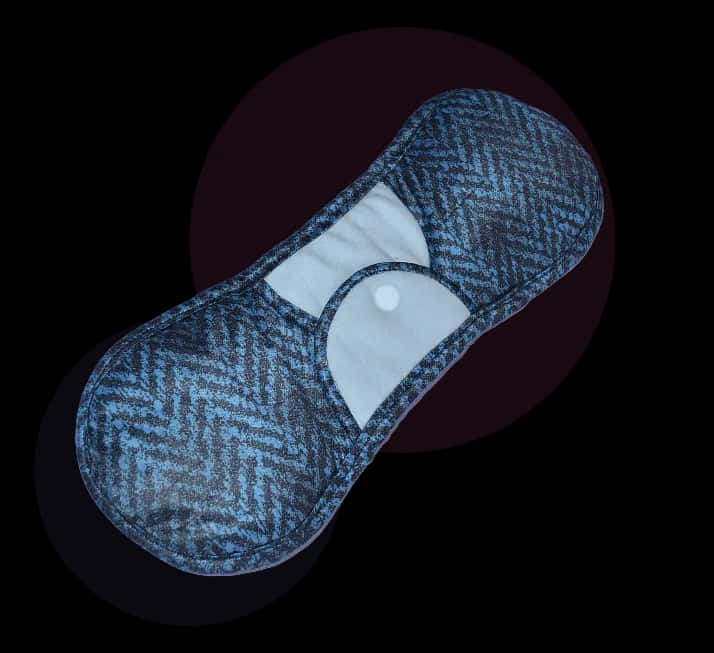
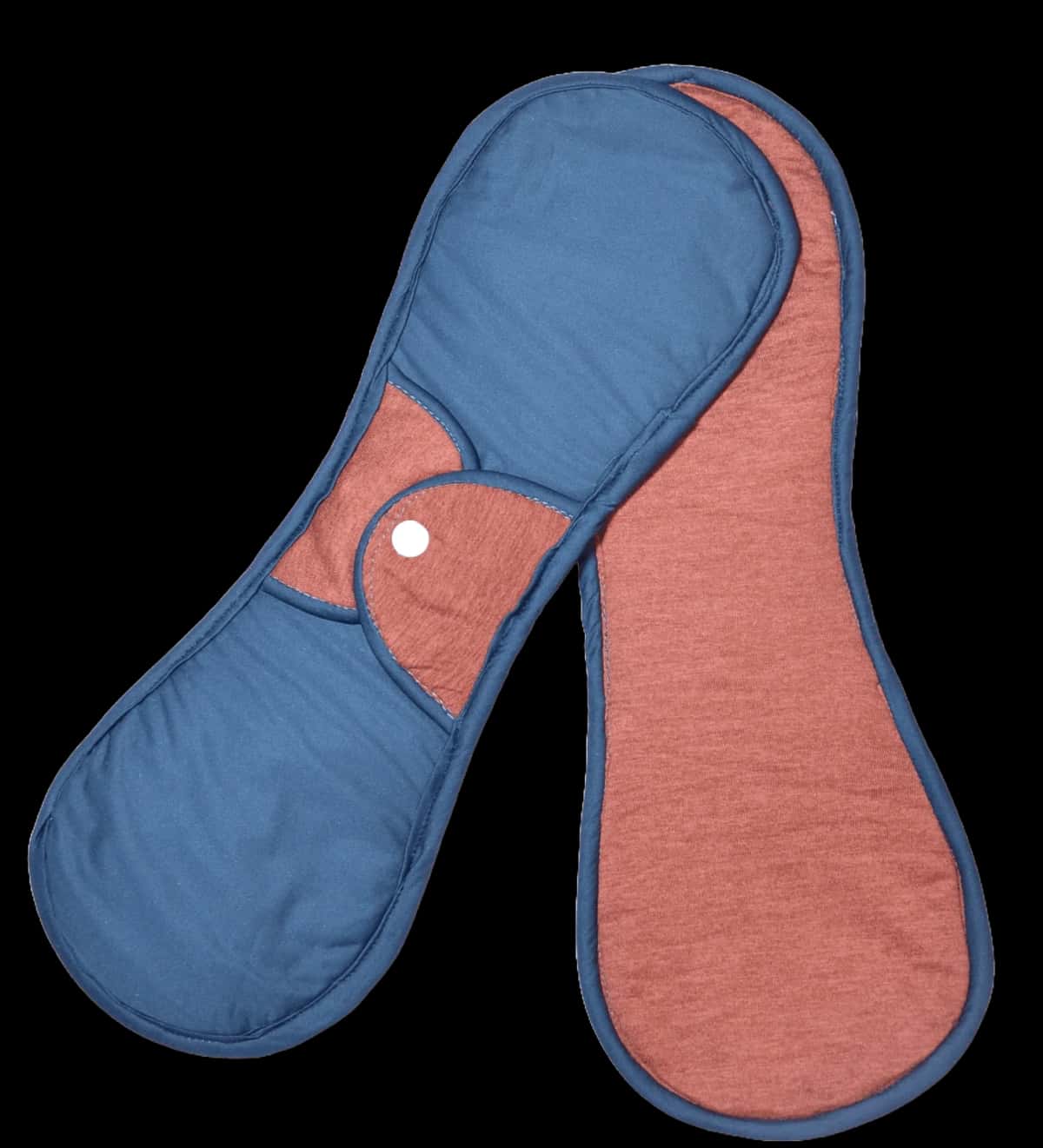

Di Strong Benefits Wey Dey Change Everything
When you understand di benefits of reusable sanitary pads, you go see why pass 10,000 Nigerian women don already change, and thousands more dey join dem every month.
Money Freedom and Economic Power
Di money wey you dey save with reusable pads dey show quick and e big. Remember Blessing story from di beginning. She dey spend about ₦500-₦700 every month for disposable pads. Dat one na ₦6,000-₦8,400 every year. For five years, she go spend ₦30,000-₦42,000 for period products wey she go use one time and throw away.
Now look reusable pads. Good starter set of three pads dey cost around ₦3,000-₦5,000. Full rotation of eight pads dey cost about ₦8,000-₦12,000. Dis pads dey last 2-3 years if you care for dem well. For five years, you go spend about ₦8,000-₦12,000 in total, compared to ₦30,000-₦42,000 for disposables. You go save between 70-85%, depending on which disposable brand you dey buy before.
Dis money go stay for your pocket for other needs. Transport to school or work. Better food. Savings for emergency. Plenty women for cities like Ibadan and Enugu talk say to change to reusable pads free money wey dem use for dia children school or small business. Di money benefit pass one person – when women get more money, whole families and communities dey benefit.
For market women, students and women wey dey do informal work where to miss one day mean to lose money, reusable pads dey give protection wey you fit trust wey no depend on whether you get cash dat particular week. You don already buy. You dey covered for years. Dis security dey give deep peace of mind together with di practical benefits.
Health Better Wey You Fit Feel
Nigerian women wey change to reusable pads dey always talk say dem get fewer health complaints wey concern dia period. Di common changes na less skin irritation, less itching and fewer rash for di vulva area. Dis problems dey often come from how body dey react to di perfume, glue and synthetic materials for disposable pads.
Natural fabrics dey allow air pass well, and dem dey keep healthy temperature and wetness for your private part area. Dis kind environment no dey allow bacteria and fungus grow too much wey fit lead to infection. Plenty women dey notice less smell when dem dey use reusable pads. Dis one dey happen because fabrics wey dey breathe dey stop di hot and wet environment wey bacteria like to grow and cause smell.
Some Nigerian women talk say dia period don light and pain less after dem change to reusables. Even though each person experience different and more research still need, some ideas talk say e get to do with say chemical no dey touch body again and say swelling don reduce. Your body no dey always react to irritation, so your reproductive system fit work more normal.
Di benefit for mind need di same attention. Period poverty dey bring stress, worry and shame. Women wey no fit afford enough protection dey often get depression and dey stay alone. When you get period care wey you fit trust, dis monthly wahala go comot. You fit focus on work, school, relationships and goals instead of period fear. Dis peace of mind dey make your whole wellbeing better well well.
Impact for Environment and Community
Each Nigerian woman go use about 10,000-12,000 disposable sanitary pads for di years wey she dey see period. Multiply dis one by all di women for Nigeria wey dey for period age, and you go see billions of plastic pads wey dey enter our waste every year. Dis pads no dey rot. Dem dey sit for landfills or, wey dey more common for Nigeria, for open dumps, gutters and waterways for 500-800 years.
When you change to reusable pads, you by yourself dey stop about 120 disposable pads from entering Nigerian waste every year. For five years, dat one na 600 pads less wey dey dirty our communities. Di impact for environment pass waste. To make disposable pads need petroleum products, plenty water and chemical processing. Reusable pads dey need far less resources for dia whole life.
To support local Nigerian makers of reusable pads dey keep money for our own economy. E dey create work for Nigerian women and men. E dey build skill and power to manufacture inside Africa instead of to depend on products wey dem import. When you buy reusable pads wey dem make here, you dey vote for economic independence and development wey fit last.
Community health dey better when fewer plastic pads dey block gutters for cities like Lagos and Port Harcourt. Better drainage mean less flood for rainy season. Dis one dey reduce risk of sickness wey dey come from water and e dey make life better for cities. Wetin each person choose dey bring impact for everybody.
Answers to Your Correct Worries and Questions
To change to reusable sanitary pads dey bring correct questions. Make we answer di worries wey Nigerian women dey talk pass.
"Dem No Go Leak Pass Disposables?"
Dis na di number one worry, and e make sense well. To leak for school, work or for party dey shame person and e no dey comfortable. You need protection wey you fit trust, and you dey worry say cloth pad no fit do am.
Di truth be say good reusable pads, when you wear dem correct and change dem regularly, no dey leak pass disposable pads – many times dem dey leak less. Di design wey get plenty layers dey soak better pass thin disposables. Di waterproof back dey stop leak di same way plastic back for disposables dey do. Di main difference na to choose di correct soaking level for your flow and to put am correct.
Plenty Nigerian women actually see dia worst leak with disposable pads – wings wey no gum well for humid weather, pads wey shift when dem dey move, or pads wey no fit carry heavy flow even though dem cost plenty. Reusable pads dey stay for one place better because di snap button dey hold well pass glue for hot and humid Nigerian weather.
Start by using reusable pads for house or for days wey your flow light. Dis one go build your confidence. You go quickly learn how long you fit wear pad before you change am, di soaking level wey you need, and how to put everything correct. Most women talk say dem dey feel more safe with reusables after di first learning time, because di protection dey di same every month. No difference for quality like di one wey you dey get for different batches of disposables.
"To Wash Used Pad No Dey Dirty or Unhygienic?"
Culture belief wey talk say menstrual blood no clean or e dey spoil things dey make people fear to touch used pads. Some Nigerian women dey worry say to wash pads go spread germs or say di pads no fit ever clean again. Dis worries deserve answer wey get respect and wey honest.
Menstrual blood no dirty and e no dey dangerous. Na normal thing wey dey comot from body, e no dirty pass blood from finger wey cut. In fact, menstrual fluid clean from germs when e comot from your body. E only dey touch bacteria from your skin and from outside. To wash pads with soap and water dey remove blood and any bacteria finish, and e dey leave dem clean like any other cloth wey you wash and wear again.
Think about other things wey you dey wash and use again without worry – pant, towel, baby napkin if you get small pikin. You trust say washing dey make dem clean. Di same thing apply to sanitary pads. To wash dem well with soap dey kill bacteria. To dry dem for sunlight dey kill more germs. Di pads really clean and safe to use again.
Plenty Nigerian women no dey comfortable with washing for di beginning, but dem dey find say e quickly become normal, like to wash plate or to bath. You go get practical way to do am. Some women dey rinse pads for bathroom sharp sharp, and dem see am like to wash hand. Others dey use bucket wey dem keep for am and dem dey do am like quick work. Di discomfort dey usually go inside one or two cycles once you see how simple and normal di thing be.
If to touch blood really too much for you because of culture or personal reason, think whether reusable pads fit you for now. Shame no dey to accept wetin you fit handle. But plenty women wey feel like dis for di beginning find say need (money matter) or strong mind (to protect environment) help dem push pass di first discomfort, and dem get used to am quick pass wetin dem expect.
"Dem Go Show Under My Cloth or Feel Thick?"
Modern reusable pads thin pass wetin plenty women dey expect, but dem dey usually thick small pass ultra-thin disposables. Di thickness depend on how e dey soak – pad wey get one layer wey dey soak thin well, but maxi pad wey get five layers get thickness wey you go notice. Dis thickness get work wey e dey do, e no too much.
Di worry say e go show make sense if you dey always wear cloth wey tight well well like bodycon gown or leggings. For dis kind case, reusable pads fit show small line, di same way disposable pads dey often do. Most Nigerian women wey dey wear normal cloth – skirt, gown, trouser, wrapper – dey find say reusable pads no dey show pass disposables. Di key na to choose cloth wey fit during your period, something wey you fit already dey do.
Di feeling different from ultra-thin pads, but different no mean say e no comfortable. Plenty women dey talk say reusable pads dey feel more like normal pant pass disposables. No plastic noise when you dey waka. No sweaty plastic feeling. Di soft fabric dey gentle for your skin. Di small thickness dey give you peace of mind say you dey well protected, and dis one dey reduce worry about leak.
To get used to am dey take about one cycle. For your first period with reusable pads, you go notice dem more. You fit dey check dem every time or dey feel dem too much. By your second or third cycle, dem go feel normal finish. Your body and mind go adjust. Plenty Nigerian women talk say now disposable pads dey feel strange and no comfortable when dem use am once in a while for travel.
Why Nigerian Women Trust Sana Pads for Period Care Wey You Fit Wash
To understand di benefits of reusable pads na one thing. To find good products wey dem make with Nigerian women needs for mind na another thing. Dem start Sana Pads specially to fight period poverty and give African women menstrual solutions wey fit last.
Wetin make reusable pads wey dem make here different? Companies wey dey Nigeria understand our weather, our infrastructure wahala and our culture. Sana Pads dey design products wey dey dry quick for humid weather, wey dey hold well when you dey move well well, and wey need small water to wash. Di layers wey dey soak dey arranged for tropical weather where air passing matter as much as how e dey soak.
Pass 10,000 Nigerian women don get direct support through Sana Pads programmes, and pass 30,000 pads don reach women wey for miss school or work during dia period. Di mission pass to sell products. E cover teaching about menstrual health, fighting period shame, and making sure say every Nigerian woman fit manage her period with dignity no matter how her money be.
Local manufacturing mean local work. Nigerian women dey sew, check quality and package every Sana Pad. Wetin you buy dey support dis work directly. E also mean shorter supply chain, less harm to environment from transport, and products wey dem test for Nigerian situation, no be designs wey dem make for Western markets and import without change.
Di commitment to keep price low dey make good reusable pads reach people. Even as dem dey keep high standard for manufacturing, Sana Pads prices still dey reach for students, market women and women for village areas. Schools, NGOs and other organisations fit order any quantity for di same fixed price per pack.
How to Start: Your Road to Better Period Care
You don learn di benefits, you don answer your worries, and you understand why reusable pads dey work. To take di first step easy pass wetin you fit think.
For Women and Girls
Start with small money to test whether reusable pads fit your life and your body. Di Starter Kit na cheap way to start – three Premium Pads plus storage pouch. Premium Pads get one layer wey no dey leak and three layers wey dey soak, so dem good for normal flow days when most women need protection wey dem fit trust.
Dis starter set cost less pass three months of disposable pads but e dey last 2-3 years if you care for am well. Use your first cycle to learn your rhythm. How often you need to change? Which soaking level dey work for heavy days and light days? You like to change pads for evening and wash dem sharp sharp, or to gather dem and wash dem together?
Once you don confirm say reusable pads dey work for you, add more based on how your flow be. Women wey get light to normal flow fit add some No Wahala Pads – dem get one layer wey no dey leak and one layer wey dey soak, correct for light days and spotting. Women wey get heavy flow suppose buy some Maxi Pads wey get one layer wey no dey leak and five layers wey dey soak. Dem dey give maximum protection for night and for your heaviest days.
Full rotation of 6-10 pads go allow you manage your whole cycle well without to dey wash pads plenty times every day. You fit build your collection small small for 2-3 months, dey use reusable pads for some days and disposables for other days until you get enough reusables for your whole period.
For Schools, NGOs and Community Organisations
If you dey work with young girls or women wey dey face period poverty, reusable pads na solution wey fit last, instead of to make dem depend on sharing every month. To share reusable pads one time dey support women for years, no be just one cycle.
Schools for Lagos, Abuja, Kano and other Nigerian cities don run menstrual hygiene programmes with reusable pads, and dem see quick improvement for attendance and how girls dey join for class. Girls wey before dey miss 2-3 days every month now dey come regular.
To run am dey work best when you join am with teaching. Share pads together with clear instructions and open talk about menstrual health, how to wash, and how to fight shame. Follow-up sessions after di first cycle dey allow girls ask questions, solve problems and build confidence. Dis support dey make sure say e succeed.
NGOs wey dey work on women empowerment, health or environment dey find say reusable pads fit well with di bigger goals of dia programme. Di health benefits dey support wellbeing goals. Di impact for environment dey support sustainability work. Di money wey dem save dey give women economic power. Chance dey for partnership to adjust programmes for di needs of each community.
Your Period No Suppose Control Your Life
Di benefits of reusable sanitary pads pass di products demself. Money freedom mean say you fit choose how to spend your money instead of to put small money wey you get for disposable products every month. Better health mean fewer rash, less discomfort and less worry about how to manage period. Impact for environment mean cleaner Nigeria for di generations wey dey come. Community benefits mean to support local manufacturing and to help other women get period care wey get dignity.
Blessing from Surulere later try reusable pads after her sister bring starter pack come house. She no believe am for her first cycle, she dey check for leak every time, dey wash with care, dey worry say dem no go dry on time. By her third month, she notice say she never think about period product money for weeks. Di ₦500 wey she dey spend for disposables now dey buy lunch. She go school every single day, even during her period. Her grades better because she no dey miss class. Her confidence grow because she no dey worry about leak or smell.
Thousands of Nigerian women get story like dis. To change to reusable pads na turning point – from to see period as monthly wahala to manage am as normal part of life. From to sacrifice other needs to buy period products to get protection wey you fit trust inside your routine.
Your period no suppose ever force you to choose between dignity and other things wey you need. Reusable sanitary pads dey make sure say you no need to make dat choice. Whether you be student for Kano, market woman for Onitsha, teacher for Port Harcourt or mama for Abuja, di benefits of changing to reusable pads fit change your period from load to just another part of being woman.
You ready to enjoy dis benefits yourself? Visit here to see di options and find di correct one for wetin you need.
Continue to read for Pads Wey You Fit Wash Use Again
Questions wey pipo dey ask well well
Why I go choose Sana Pads instead of normal disposable pad?
Sana Pads dem make with high-quality materials wey you fit use again. Dem be better choice wey fit last and wey good for environment, instead of disposable sanitary products. Dem soft for your skin, dem dey soak well, and dem go save you money for long run. When you choose Sana Pads, you dey help reduce plastic waste, and you go dey comfortable and fit trust your pad for your whole cycle.
How long I fit use Sana Pad before I wash am?
Sana Pad dey give you comfort and protection for 4 to 8 hours, depending on how your flow be. To dey fresh, change am every 4 to 6 hours - more times for days wey e heavy. After every use, rinse am for cold water and wash am with soap. If you care for am well, each pad dey last 2 to 3 years.
Sana Pads safe for skin wey dey sensitive?
Yes, Sana Pads dem make with soft materials wey dey breathe and wey no dey cause allergy, so dem gentle for your skin. Dem no get dangerous chemicals and toxins wey dey usually dey inside disposable pads, so dem be correct choice for people wey get sensitive skin or allergy.
How I go clean and take care of my Sana Pads?
Rinse your pad for cold water sharp sharp - hot water dey make blood stain hold. Then wash am with mild soap, with hand or for machine, and rinse am until di water clear. Dry am finish for direct sunlight, wey dey also kill germs. Abeg no use tumble dryer, bleach or fabric softener: dem dey spoil di layers wey dey soak. If you care for am like dis, Sana Pad dey last 2 to 3 years.
Di price dey change if I order plenty?
No. Each product get fixed price per pack, no matter how many packs you order. You fit calculate your total with our price calculator. For big orders, send us direct message and we go confirm di delivery cost with you before you pay.
Testimonials
See wetin our customers dey talk about our products.
Women for all over di world dey buy Sana

“For first, e dey irritate me to use washable sanitary pad. I decide to try am, and to my greatest surprise, e comfortable well-well and e easy to wash. You fit even do your daily things without fear say blood go stain you for public. I wan give Big shout out to SANA PADS!!”

“I dey really love Sana reusable pads! Dem dey make me relax and feel free for my period time. Plus, dem don reduce the cost and stress of buying disposable pads every month well-well. Kudos to Sana for making dis kind correct product – I go be fan forever!”

“Sana Pad good well-well, e dey make you comfortable and free. I love the pads, na the best ever!”

“I don try different brands of reusable pad, but Sana stand out for the quality, the comfort and how e dey last. Dem design am with sense, and the material dey gentle for my skin. As I change to Sana, e don reduce how I dey spoil environment and e don also save me money for long run. I dey grateful for dis solution wey go last!”

“To dey buy disposable pads every month dey add up well-well, so I talk say make I try Sana Pads. E surprise me how soft dem be, and dem dey work well for long days for university. To wash dem simple, and e don reach months wey I never buy new pad, so e don save me money. I also like say dem dey better for environment. E sweet me say I get option wey cheap and wey better for environment.”

“I don try different pad brands for years, but Sana pads really stand out. From the first time I use am, I see the difference — e soft for skin, e dey soak well-well, and e comfortable die. Even for my heaviest flow days, Sana pads dey hold well. Wetin I also love na how the material dey allow air pass and e good for skin. If you dey find pad wey get comfort, wey you fit trust, and wey get quality, I really recommend make you try Sana pads.”
Time to join hand
Contact Us
Margaret Ochegbudu
Business Manager