Pads Wey You Fit Wash Use Again for Schools: Full Guide for Nigerian Students and Teachers
Where pipo don see us







 Margaret Ochegbudu don check am · Update 21 min to read
Reusable pads dey work for school if girl get enough of dem. Five to seven pads go make her fit change during di day, carry di used ones go house inside pouch wey water no fit pass, and wash dem for evening. Schools wey add toilet wey get lock and water, plus extra pads wey dem keep for girls, dey see attendance come back quick.
Blessing na 14-year-old student for Government Secondary School for Kaduna. Every month, she dey miss 3-4 days of school because her family no fit afford disposable pads. When she go school during her period, she dey siddon for back of di class, dey fear say blood go leak pass her uniform. Her grades don fall from second position to fifteenth for her class. Blessing story no be only her own. Across Nigeria, thousands of girls dey miss school every month just because dem no fit get correct period products. But wetin if schools fit provide solution wey go keep girls for class, protect their dignity, and cost less than to buy disposables every month? Dat solution na reusable sanitary pads, and e dey change education results for Nigerian schools.
Wetin You Need to Sabi About Reusable Pads for Schools
Schools across Nigeria dey discover say to give reusable period pads na one of di cheapest ways to improve girls education results. When students get period protection wey dem fit trust, attendance dey increase, confidence dey grow, and learning dey continue without stop.
Main Points:
- Reusable pads for schools cost 70-85% less than to give students disposable pads every year.
- Nigerian schools wey dey use reusable pads talk say girls absence during period don reduce by 23-32%.
- One reusable pad dey last 2-3 years, so di monthly struggle to buy disposables go end.
- Schools, NGOs and other organisations fit order any quantity for di same fixed price per pack.
- To start am well include hygiene education, washing facilities and respect for culture, so e go work.
- Students for Lagos, Abuja and Kano schools dey perform better for class after dem collect reusable pads.
- Each pad wey dem share dey keep about 150-200 disposable pads out of Nigerian dump sites every year.
Make we look exactly how schools fit run reusable pad programmes wey go work for Nigerian students, teachers and communities.
Why Reusable Pads Dey Change School Attendance
Period poverty na quiet crisis for Nigerian schools. Research from Federal Ministry of Education show say 1 in 4 Nigerian girls dey miss school during period. For some village communities, di number climb reach 1 in 2. Di reasons join each other: families no fit afford disposable pads wey cost ₦200-500 per pack, schools no get enough WASH facilities, and cultural taboo no dey allow pipo talk about period openly. When girls miss 3-5 days of school every month, dem dey fall back for mathematics, sciences and languages. Dis gap for education dey widen every year, and e dey add to why plenty teenage girls dey drop out of school.
Di Real Cost of Period Poverty for Education
Calculate wetin period poverty dey cost Nigerian family. One student need about 10 pads every cycle, wey mean 2-3 packs every month for ₦200-500 per pack. For one school year, dat na ₦2,400-6,000 just for period products. For families wey dey earn minimum wage (₦30,000 every month), dis one na 8-20% of one parent monthly income. Many families just no fit afford dis expense together with school fees, uniforms, textbooks and transport.
Parents dey face choices wey hard well well. Dem go buy pads or pay for extra lessons? Dem go put their daughter dignity first or their son school things? Many times, dem go tell girls make dem “manage” with rags, newspaper or leaves. These things wey dem use instead no dey comfortable, you no fit trust dem, and dem fit cause infection. Di fear say blood go leak pass school uniform dey too much. Many girls dey choose to stay for house instead of to risk di shame of bleeding pass their cloth for front of classmates.
Di effect for school work dey serious. To miss 4 days every month equal 48 school days every year, almost one full term. Students no fit learn calculus, chemistry reactions or essay writing if dem no dey class. Teachers for Enugu and Plateau states talk say sharp girls wey dey miss school regularly during period dey struggle to keep their position for class. By senior secondary school, many don fall back so tey dem go drop out completely.
How Reusable Pads Dey Break Di Cycle
Reusable sanitary pads dey give solution wey fit last, wey dey face both di money problem and di practical problem for period health. Unlike disposables wey you must buy every month, one good reusable pad dey last 2-3 years if you take care of am well. Di calculation clear: if one pack of disposables cost ₦300 and one student need 36 packs for three years (₦10,800), one set of reusable pads wey cost ₦2,000-3,000 go save families ₦7,800-8,800.
For schools, di benefits dey multiply across dozens or hundreds of students. When one school for Jos North give reusable pads to 120 female students, di programme cost about ₦240,000 from di start. Compare dis one with di cost wey go dey repeat if dem dey give disposables: ₦36,000 every month or ₦432,000 every year. Di reusable pads pay for themselves for less than seven months, and dem still dey serve students for years.
Apart from money, reusable pads dey bring back dignity and confidence. Students talk say dem dey feel more secure, dem dey join for class more, and dem dey come school well throughout their cycle. Teachers dey notice say concentration and participation don improve. Di effect for mind wey come from knowing “I get protection wey I fit trust” big well well for teenage girls wey dey pass through puberty for places where pipo still dey see period as shame.
Three Pillars of School Programmes Wey Dey Work
To start reusable pads for schools well need more than just to share products. Schools wey dey get di best results dey focus on three pillars wey join together: product quality, education, and support with facilities.
Product quality matter well well. Pads must absorb reach for 6-8 hours of school, dey comfortable to siddon and do physical education, and strong to take plenty washing for Nigerian conditions. Bad pads wey dey leak, dey shift when you dey move, or dey spoil quick go spoil student confidence and make pipo no trust di programme. Schools suppose test samples before dem buy plenty, and ask small group of students wetin dem think about comfort, absorbency and how easy e be to wash.
Education important di same way. Students need practical teaching on how to use, wash, dry and keep reusable pads. Many of dem never see reusable pads before and fit no sure about dis “new” way. Full period health education no go only teach how to use pad, but also puberty, menstrual cycle, hygiene and how to answer common myths. Dis education dey work best when e include boys and male teachers, because e dey reduce stigma and build support for di whole community.
Support with facilities dey help students manage their period with dignity for school. At least, schools need clean toilets with water to wash hand, private place to change pads, and place to rinse used pads. Many Nigerian schools no get these basic things. Di programme fit need to include WASH improvements, like to put handwashing stations, make sure water dey always, or create changing places with privacy screens. Without these facilities, even di best reusable pads no fit support students fully.
How to Start Reusable Pads for Your School
To start reusable pad programme need planning, but di process straight when you break am into clear steps. Schools across Nigeria don run programmes wey serve 50 to 500+ students well. Your school fit do am too.
Step 1: Check Wetin You Need and Gather Support
Start by understanding how your school situation be. How many female students wey dey 10-18 years dey your school? Which percentage come from poor families wey dey struggle to afford period products? Which WASH facilities dey now? Ask teachers privately to understand how period poverty dey affect attendance and performance for your school. Dis data go dey very important when you dey find money or approval from school administrators, Parent-Teacher Associations or government education offices.
Build one main team wey include female teachers, di school nurse or health coordinator, and male administrators wey ready and understand why dis issue important for education. Male teachers and principals get big role to show say period health na serious education matter, no be only “women matter.” Hold first meetings to explain how reusable pads dey improve attendance, school results and how many students dey finish school. Present am as investment for education, no be charity.
Bring parents in early through PTA meetings or community gatherings. Some parents fit get worry about reusable pads, dey fear say dem no clean or dem hard to maintain. Answer these worries direct with education and testimonies from other schools. When parents understand di money wey dem go save and di health benefit, most of dem go support am well well. For conservative communities, if respected community or religious leaders support di programme, e fit remove resistance wey come from cultural taboo.
Step 2: Find Money and Products
Calculate your programme budget. For 100 students, starter programme wey go give each girl 3 reusable pads (enough to rotate and wash) dey cost about ₦150,000-200,000 depending on di pad type. Dis one fit look like big money until you compare am with di repeating cost to give even part of disposable pads. Add cost for period health education materials, storage pouches and WASH facility improvements if you need dem.
Check different places to get money. Some state ministries of education get budget for period health. International NGOs wey dey work for education, girls empowerment or public health fit give grants or partnership. Corporate social responsibility programmes from Nigerian companies dey fund school period health projects more and more. Parent-Teacher Associations fit raise money through community events. Some schools dey use mixed model where di school go give pads to students from poor families, and other families go buy for reduced price.
Contact reusable pad manufacturers direct to talk about price for institutions. Manufacturers like Sana Pads fit guide you to choose correct products for school. Ask for samples make your main team test dem. Think about starting with pilot programme wey go serve one or two classes before you expand to di whole school. Dis one go allow you to improve your plan and gather proof of impact.
Step 3: Start with Education and Support Wey No Go Stop
No ever share reusable pads without full period health education. Plan series of sessions, best during school hours as part of health or life skills lessons. Teach puberty, menstrual cycle, correct hygiene during period, and detailed practical teaching on how to use and care for reusable pads. Show how to wash, how to dry wey dey work for Nigerian weather, and how to keep dem well. Give time for questions for safe place wey dey support dem.
Separate sessions for girls and boys dey work well for start, but include at least one mixed session where e fit. When boys understand basic things about period, dem no go too dey laugh or shame classmates wey dey see period. When male teachers join these talks, dem dey show say period na normal body process, no be shame wey person must hide.
Create support wey no go stop. Choose one “period friendly” female teacher or nurse wey students fit go meet with questions or worries. Set up quiet system for students wey need more pads or help with washing. Some schools dey create “dignity cupboard” with extra pads, pant and pain relievers. Follow di programme with regular check-ins with students and teachers, and adjust based on wetin dem talk. Track attendance data to show di impact, wey go help you get more money and support.
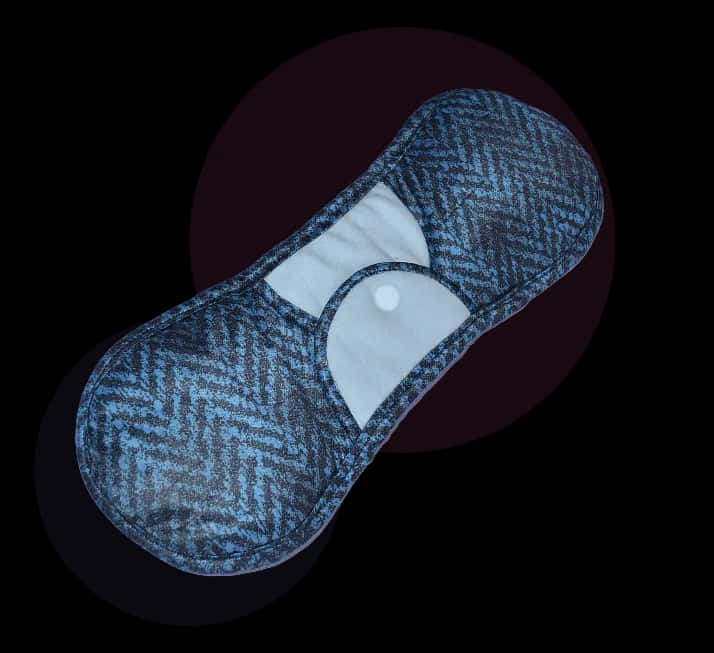
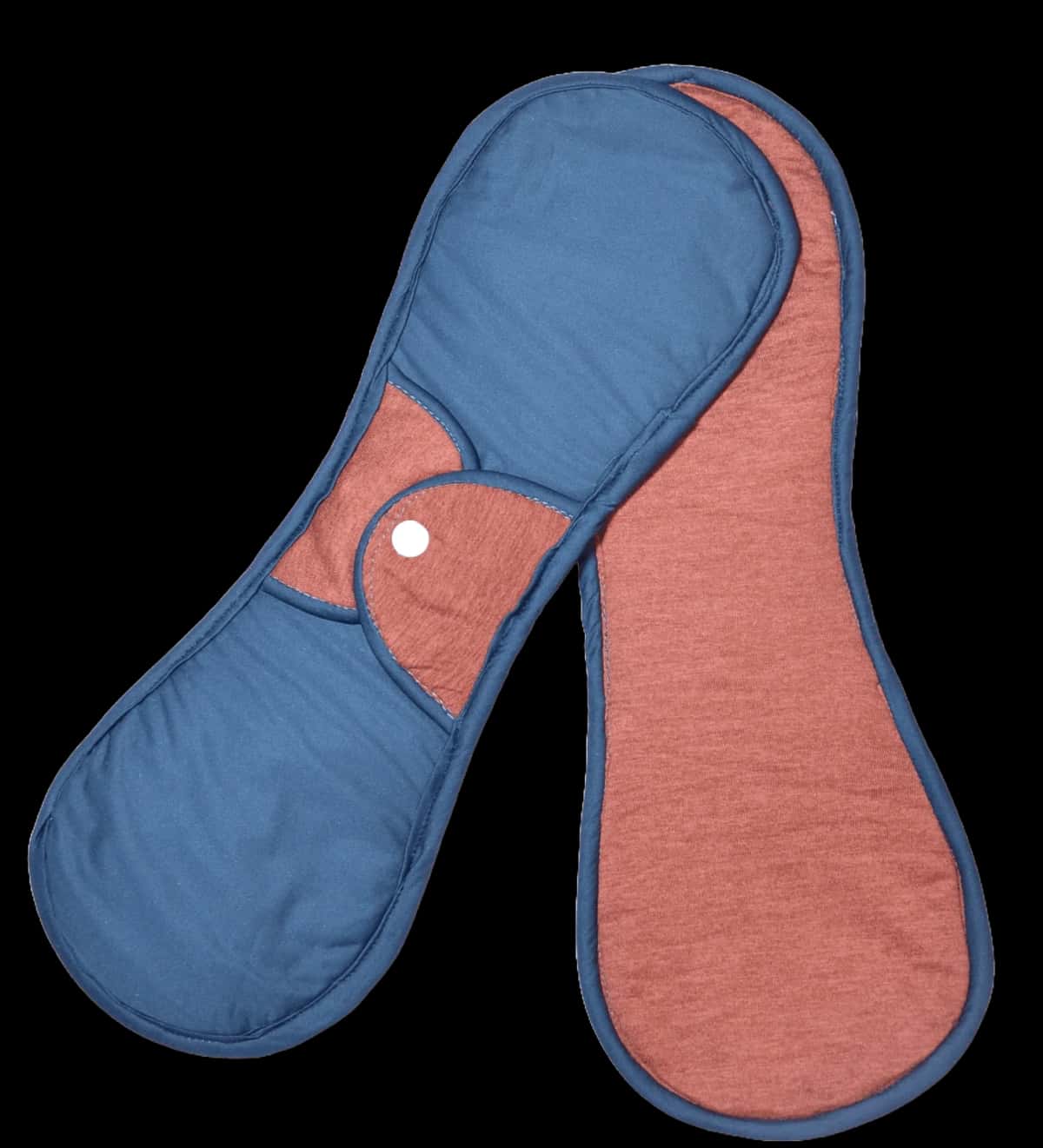
Our pads wey you fit wash

Benefits of Reusable Pad Programmes for School
Di advantages of giving reusable pads through schools pass just di students wey collect dem. These programmes dey spread good effect go families, communities and Nigeria education system.
Money Benefit for Families and Schools
Di quick money relief for poor families big. Mothers for Kano dey talk about di worry of choosing between food and pads every month. When schools give reusable pads, families dey use dat ₦300-500 every month for school fees, good food or other children needs. For all di secondary school years of one student, dis one na ₦18,000-30,000 savings, enough to pay WAEC exam fees or skills training.
Schools dey gain for money side too. Even though you need to spend money first, for long time reusable pads cheap pass any programme wey dey give disposables. Schools wey don try to give free disposable pads dey find say di cost wey dey repeat too much, and many times dem dey stop di programme after one or two terms. Reusable pads dey remove dis repeating cost for 2-3 years, so di programme fit continue for long.
Di return on investment dey show for better school results. When girls dey come school well, dem dey perform better, and exam pass rates and school rankings go rise. Schools for Lagos and Ogun states wey dey run reusable pad programmes talk say WAEC results for female students don improve for way wey you fit measure. Better results dey attract more students, and dis one dey increase enrolment and government money wey dem dey give based on number of students.
Effect for Health and Social Life of Students
Di health benefits of good reusable pads pass disposable ones. Reusable pads wey dem make from natural fabric wey dey breathe dey reduce di risk of rashes and irritation wey dey common with disposables wey get plastic back for Nigeria hot and humid weather. Students talk say dem dey feel more comfortable throughout di school day. Unlike things wey dem dey use instead like rags or newspaper, reusable pads wey dem design well dey give protection wey you fit trust, without di risk of infection wey dey come from dirty materials.
Di effect for social life and mind big di same way. Students wey get period protection wey dem fit trust dey join everything for school. Dem dey attend physical education classes, answer questions for board, and siddon anywhere for class instead of to hide for back. Confidence dey grow when students know say dem fit manage their period without fear of leak or smell. Teachers for Anambra state talk say girls wey dey quiet before don start to dey active for class after dem collect reusable pads.
Period health education wey come with di pads dey bring more benefits. Students dey learn about their body, reproductive health and how to take care of themselves. Dis knowledge dey help dem recognise signs wey no normal wey need doctor, make correct decisions about their health, and later teach their own daughters. When pipo dey talk openly about period, e dey reduce di stigma wey don keep generations of Nigerian women quiet.
Benefit for Environment and Community
Every student wey dey use reusable pads dey stop about 150-200 disposable pads every year from entering waste. Nigeria dey produce plenty period waste, and most of am dey end for open dump, water ways, or dem go burn am, and e go release poison chemicals. Disposable pads dey take 500-800 years before dem rot, and dem get plastic wey dey break into microplastics wey dey spoil soil and water. School programmes wey introduce hundreds of students to reusable pads dey bring benefit for environment wey go last.
Communities dey notice when schools put girls education and period health first. School programmes wey dey move forward dey change how communities dey talk, and dem dey make am easy for parents to talk about period with daughters, and for women to ask for better period health resources. Schools go become example, and dem go inspire schools wey near, churches and community organisations to start similar things.
Di long-term effect for community big well well. Girls wey finish secondary school because dem get period products dey earn more money, marry later, get fewer children, and put more into their own children education. Development research don show dis effect wey dey pass from one generation to another well well. Period health programmes no be only about pads – dem be investment to break poverty cycle and push equality between women and men for Nigerian society.
Common Worries About Reusable Pads for Schools
School administrators, teachers and parents dey often get correct questions and worries about starting reusable pad programmes. To answer these worries direct and honest dey very important for programme to work.
Worry 1: Hygiene and Washing Wahala
Di most common worry na whether students fit keep reusable pads clean, especially as many schools and houses no get enough water. Dis worry make sense, and e deserve full answer. Reusable pads, when you wash dem well, dey clean like disposables, and many times dem clean pass. Di main thing na to give clear, practical washing teaching and make sure students get basic things wey dem need.
To wash well need cold water, mild soap and sun to dry. Students suppose rinse pads for cold water after use, soak am small if e need to remove stain, wash with normal laundry soap (no be strong detergent), and dry am finish for sun. Sun dey kill germs naturally through UV rays. Dis process dey take 10-15 minutes of real work. Even houses wey no get tap water fit keep reusable pads clean with water for basin. Many Nigerian families already dey wash cloth with hand, so to wash pad na just small addition to wetin dem don dey do.
Schools fit support hygiene if dem put handwashing stations near toilets and teach students how to wash hand well after dem touch dirty pads. Some schools dey build simple rinsing place with privacy screens where students fit quickly rinse pads before dem carry dem go house inside pouch wey water no fit pass. Di aim no be for students to finish washing for school (most of dem prefer to wash for house), but to give enough support so students go dey comfortable to manage pads quietly and clean throughout di school day.
Worry 2: Culture and Religion
Some parents and community members dey fear say reusable pads go clash with cultural or religious practices about period. For some communities for northern Nigeria, traditional practices involve special ways to throw away period materials, but reusable pads, you go wash dem and use again. For some religious understanding, period blood no dey pure, and dis one dey raise question about washing pads together with other laundry.
These worries deserve respectful talk. Most religious and traditional leaders, when dem learn about reusable pads, dey see say dem agree with values of cleanliness, modesty and to take good care of wetin we get. Islamic teaching put cleanliness first and require special purification after period, and dis one fully fit go with reusable pad use. Christian teaching no get any law against reusable period products. For history, traditional practices dey use cloth wey dem fit use again before disposable pads come, so reusable pads na actually return to di traditional way with modern improvement.
Schools suppose bring religious and traditional leaders in early when dem dey plan di programme. When respected community pipo support reusable pads say dem correct and dem good, most worries go clear. Some families fit still prefer disposables for personal or religious reasons, and schools suppose respect these choices and still make sure say all students get one kind period protection. To dey talk and give education dey usually solve cultural worries without touching anybody deep belief.
Worry 3: Whether Students Go Use Am and Whether Di Programme Go Last
Administrators dey fear say students no go really use reusable pads because disposables easy, or say pads go lost, spoil or dem go abandon am. Dem dey ask whether programmes go still work after di first excitement finish. These na practical worries wey come from experience with other school projects wey get good intention but fail because dem no run am well or nobody continue to commit.
Students dey use di pads most when programmes include full education, support wey no dey stop, and dey face practical barriers. Students wey understand why reusable pads good for dem, how to use dem correct, and get support for questions or problems dey continue to use pads for long time. Schools suppose follow programmes with regular check-ins, surveys wey no show name, and attendance tracking. When issues show (pads dey wear out, students need new ones, confusion about care), schools fit respond quick.
For di programme to last, you need plan wey pass di first sharing. Put money aside for new pads as di first ones go wear out after 2-3 years. Train many teachers to lead period health education so di programme go continue even when staff change. Join period health into normal health lessons instead of to treat am like one-time event. Schools wey see reusable pads as part of full health and WASH plan dey keep their programmes running well. Di ones wey treat am like one-time sharing event dey usually see di programme die small small. Di difference na whether di school commit to period health as education priority wey no dey stop.
Why Sana Pads Dey Partner with Nigerian Schools
Dem start Sana Pads specially to fight period poverty for Nigeria with reusable sanitary pads wey cheap and wey dem make here for Nigeria. Since 2023, we don support pass 10,000 women and girls direct and share more than 30,000 pads across Nigerian communities. Schools and education institutions na main part of our mission, because we understand say period health na education equality issue from di root.
We design our pads for Nigerian conditions. We understand di wahala of hand washing for areas wey water small, di need for pads wey dey dry quick for humid weather, and how important e be make pad absorb reach for 6-8 hour school days. Our No Wahala Pads (1 layer wey no dey leak + 1 layer wey dey absorb) dey work well for light flow days or for smaller students. Premium Pads (1 layer wey no dey leak + 3 layers wey dey absorb) fit normal flow, and dem dey give protection wey you fit trust throughout di school day. Maxi Pads (1 layer wey no dey leak + 5 layers wey dey absorb) dey serve students wey get heavy flow wey dey stay house before because dem dey fear leak.
Apart from products, we dey give support to start di programme, like period health education materials, teacher training resources, and guide on how to make school environment friendly for girls wey dey see period. We know say school programmes wey dey work need more than pads – dem need partnership.
When you choose Sana Pads for your school programme, you dey support local manufacturing and jobs for Nigeria. You dey invest for company wey commit to end period poverty across Africa. Every purchase dey help us bring period health products reach communities wey need dem most. We no dey just sell pads; we dey build movement for menstrual equity and education opportunity.
How to Start Reusable Pads for Your School
To take di first step to start reusable pad programme fit look like too much, but you no need do everything at once. Start where you dey, with any resources wey you get, and build from there.
For School Administrators and Teachers
Start with education and awareness. Hold staff meetings to talk about how period poverty dey affect your students. Share attendance data wey show how girls dey miss school. Invite speaker from organisation wey dey work for period health or arrange visit to school wey dey use reusable pads well. When staff understand and commit, dat one na foundation for programme wey go work.
Start small if you need to. Pilot programme wey serve 20-30 students from poor families dey cost ₦30,000-40,000, wey many schools fit manage from their own small budget or through small fundraising. Our Starter Kit (3 Premium Pads + storage pouch) na very good start for students wey never use reusable pads before. Three pads dey allow rotation – one you dey wear, one dey dry, one clean and ready. After you show di impact with pilot group, to grow am to serve more students go dey easier.
Contact Sana Pads make we talk about wetin your school need. We fit help you check which pad types fit your students, calculate programme cost, and plan timeline for how to start. We dey give sample pads to test and we fit connect you with other schools wey dey run programmes wey dey work. Reach us through our website or call us to start di talk.
For Parents and Community Organisations
If your daughter school never dey give period health support, speak up for am. Attend PTA meetings and raise dis issue as education equality matter wey dey affect girls performance and attendance. Share information about reusable pads and how dem cheap compared to buying disposables every time. Offer to join committee wey dey work on am. Schools dey respond when parents speak up, especially when parents offer partnership instead of just complaint.
Community organisations, churches and NGOs fit sponsor school programmes as part of education or health projects. Partner with one school to give reusable pads to students, pay for WASH improvements, or teach period health. These programmes dey bring impact wey you fit measure and strong stories for donors and supporters. Organisations wey dey work for girls education, public health or community development go see say period health programmes match their mission well well.
Families fit start with their own daughters while dem dey push for programmes for di whole school. When you introduce your daughter to reusable pads for house, e dey build her confidence and skill before she fit collect dem for school. Many mothers talk say reusable pads dey open important talk with daughters about body, health and self-care. These talks dey make mother and daughter relationship strong, and dem dey prepare girls to manage their period by themselves with confidence.
Make We Move Forward Together
Nigeria. Students wey dey miss school before now dey come regularly, dey join with confidence, and dey reach their full potential for school. Teachers talk say class dey better when all students fit focus on learning instead of to worry about period. Parents dey feel relief for money and dey proud as dem dey see their daughters succeed. Schools dey gain better attendance, better exam results, and pipo dey recognise dem as leaders for education equality.
Di change start with one simple understanding: period health no be private problem wey each family must solve alone. Na public health and education equality issue wey need institutions to act. When schools give reusable pads together with full period health education and basic WASH facilities, dem dey remove one big barrier wey dey stop girls from getting education equal with boys. Dis one no be charity – na justice and correct education policy.
Thousands of Nigerian students don already dey benefit from school reusable pad programmes. Thousands more dey wait for their schools, communities and leaders to see dis need and act. Whether you be teacher, administrator, parent or citizen wey care, you fit play role to make period health resources reach more students.
Contact Sana Pads today to start to plan programme for your school or community. Together, we fit make sure say every Nigerian girl get wetin she need to learn with dignity, come school regularly, and build di future wey she deserve. Because no girl suppose miss education just because she dey see her period. Read more for here about our full range of reusable sanitary pads and how dem dey support education equality across Nigeria.
Continue to read for Pads Wey You Fit Wash Use Again
Questions wey pipo dey ask well well
Why I go choose Sana Pads instead of normal disposable pads?
Dem make Sana Pads from good quality materials wey you fit use again, so dem be alternative to disposable sanitary products wey no dey spoil environment. Dem soft for your skin, dem dey absorb well well, and dem go save you money for long run. When you choose Sana Pads, you dey help reduce plastic waste, and you go dey comfortable and fit trust your pad through your whole cycle.
How long I fit use one Sana Pad before I need wash am?
One Sana Pad dey give you comfort and protection for 4 to 8 hours, depending on your flow. To stay fresh, change am every 4 to 6 hours - more often for heavy days. After each use, rinse am for cold water and wash am with soap. If you take care of am well, each pad go last 2 to 3 years.
Sana Pads safe for skin wey sensitive?
Yes, dem make Sana Pads from soft materials wey dey breathe and no dey cause allergy, so dem gentle for your skin. Dem no get di bad chemicals and toxins wey disposable pads dey usually get, so dem be good choice for pipo wey get sensitive skin or allergies.
How I go take clean and care for my Sana Pads?
Rinse your pad for cold water immediately - hot water dey make blood stain stay. Then wash am with mild soap, with hand or for machine, and rinse until di water clear. Dry am finish for direct sun, wey dey also kill germs. Abeg no use tumble dryer, bleach or fabric softener: dem dey spoil di layers wey dey absorb. If you take care of am like dis, one Sana Pad go last 2 to 3 years.
Di price dey change if I order plenty?
No. Each product get fixed price per pack, no matter how many packs you order. You fit calculate your total with our price calculator. For big orders, send us direct message and we go confirm di delivery cost with you before you pay.
Testimonials
See wetin our customers dey talk about our products.
Women for all over di world dey buy Sana

“I dey really love Sana reusable pads! Dem dey make me relax and feel free for my period time. Plus, dem don reduce the cost and stress of buying disposable pads every month well-well. Kudos to Sana for making dis kind correct product – I go be fan forever!”
“Sana Pad good well-well, e dey make you comfortable and free. I love the pads, na the best ever!”

“I don try different brands of reusable pad, but Sana stand out for the quality, the comfort and how e dey last. Dem design am with sense, and the material dey gentle for my skin. As I change to Sana, e don reduce how I dey spoil environment and e don also save me money for long run. I dey grateful for dis solution wey go last!”

“For first, e dey irritate me to use washable sanitary pad. I decide to try am, and to my greatest surprise, e comfortable well-well and e easy to wash. You fit even do your daily things without fear say blood go stain you for public. I wan give Big shout out to SANA PADS!!”

“I don try different pad brands for years, but Sana pads really stand out. From the first time I use am, I see the difference — e soft for skin, e dey soak well-well, and e comfortable die. Even for my heaviest flow days, Sana pads dey hold well. Wetin I also love na how the material dey allow air pass and e good for skin. If you dey find pad wey get comfort, wey you fit trust, and wey get quality, I really recommend make you try Sana pads.”

“To dey buy disposable pads every month dey add up well-well, so I talk say make I try Sana Pads. E surprise me how soft dem be, and dem dey work well for long days for university. To wash dem simple, and e don reach months wey I never buy new pad, so e don save me money. I also like say dem dey better for environment. E sweet me say I get option wey cheap and wey better for environment.”
Time to join hand
Contact Us
Margaret Ochegbudu
Business Manager