Di Best Cloth for Pad Wey You Fit Wash Use Again: Wetin Nigerian Women Need Sabi
Where pipo don see us







 Margaret Ochegbudu don check am · Update 25 min to read
Di best pads wey you fit wash use again dey use cotton or bamboo for di side wey touch your skin, some cotton layers wey dey absorb for di middle, and backing wey really no dey allow water pass. Cloth wey dem weave loose or wey thin na wetin dey make cheap pads gather together and leak after few washes. Bamboo dey absorb more for each layer; cotton cheaper and e dey dry quick for humid weather.
Wen Fatima from Kaduna buy her first reusable pad from local market, she happy say she go save money. But after only three washes, di cloth start to tear. Di inside layers gather together, and di outside layer leak for her next period. Shame catch her for work, and she dey wonder if all reusable pads no dey reliable like dis. Di problem no be reusable pads demself – na di quality of di cloth. Just as you no go sew school uniform with thin market cloth wey dey tear easy, reusable period pads need special cloth wey fit handle blood, wetness, washing and Nigeria hot weather. Di cloth na im go decide if your pad go last six months or di full 2-3 years, if e go stay comfortable for Lagos humidity or cause rash, and if e go really save you money or turn another disappointment.
Wetin Make Cloth Good for Reusable Sanitary Pads
To understand cloth choice go help you no waste money on pads wey no go last. Different layers need different cloth power, and wetin dey work for cool European weather fit fail finish for Nigeria heat.
Main Points:
- Di best reusable pads dey use three kinds of cloth wey dey work together: waterproof backing, absorbent core, and soft top layer wey dey pull wetness comot from skin.
- Cotton flannel and bamboo fleece dey give di absorbency wey Nigerian women fit trust pass, dem dey hold 5-8 times their weight for liquid without to feel wet.
- PUL (polyurethane laminate) fabric dey make barrier wey water no fit pass at all, but air still dey pass, so e no dey give dat hot, wet feeling wey cheap plastic backing dey cause.
- Good cloth dey make pads last 2-3 years if you take care of dem well, and dis one make dem 60-75% cheaper than disposable pads, even if one pad cost ₦300-500.
- Avoid cloth wey dem dey sell as “toweling” or general “absorbent material” because dis ones dey gather, lose shape after washing, and often get synthetic fibres wey dey cause rash for humid weather.
- Pads wey dem make for Nigeria with cotton from here dey work better for our weather than imported ones wey dem design for cool weather.
- How thick di cloth be no matter like di type of cloth – thin pad wey dem design well with correct layers dey work better pass thick pad wey dem make with wrong materials.
Make we look exactly which cloth dey work, why dem matter, and how to see quality before you buy.
Understand Di Three Important Cloth Layers
Every reusable pad wey dey work well be like system wey dem design with care, no be just cloth wey dem fold together. Think am like to build house – you need di correct materials for di correct place, or everything go fail.
Di Top Layer: Wetin Dey Touch Your Skin
Di cloth for top layer dey stay against your body for 6-10 hours every day during your period. Dis cloth need do something wey be like say e no make sense – e must feel dry, but e must still allow liquid pass quick. Cotton flannel, bamboo jersey and microfleece dey do am through wicking (dem dey pull di liquid go down). Wen blood touch dis cloth, di liquid dey pass go di layers wey dey absorb for under, instead of to sidon for top near your skin.
Cotton flannel, di soft brushed cloth wey dem dey use for baby blanket, dey work well-well for Nigeria condition. E dey stay soft even after plenty washes for our hard water. Plenty women for Abuja and Jos like am because e no dey hold heat like synthetic cloth. Bamboo jersey dey feel smooth like silk and small cold, but e cost more and e dey take longer to dry for humid places near sea like Port Harcourt.
Microfleece, even though e be synthetic, get im place for heavy flow days. Di small-small fibres dey make road wey dey carry liquid comot from skin very fast. But some women dey find am too hot for everyday use for Nigeria heat. Di main thing be say all three dey pull wetness go down instead of to make am spread for side or sidon for top, and dis one dey stop dat wet, soft feeling wey go make you dey remember your pad every time.
Di Middle Layer: Di Part Wey Dey Absorb
Na here your pad dey really hold period blood, and dis layer na im dey decide how much e fit carry. Di absorbent core dey usually get 1-5 layers of cloth, depending on whether you need protection for light, regular or heavy flow. Di two best materials na cotton flannel (yes, di same cloth dey work here too) and bamboo fleece.
Cotton flannel for di core dey absorb steady, and you fit predict am. E dey hold about 6 times im weight for liquid, e dey dry quick small even for rainy season, and e cost less than special cloth. Wen you see “3 layers wey dey absorb,” e usually mean three layers of cotton flannel wey dem stack together, wey make pad wey fit handle regular flow for 4-6 hours. Five layers of cotton flannel dey make strong pad wey good for night or heavy flow days.
Bamboo fleece na di premium option – e dey absorb 8 times im weight for liquid and e soft well-well. Di cloth get natural power wey dey fight germs and help control smell, and dis one matter wen you dey carry used pad for your bag for hours before you reach house to wash am. But bamboo fleece dey take longer to dry, and you go notice am. For humid areas or for rainy season wen cloth dey take days to dry for line, dis one na real thing to consider. You need enough pads to rotate so you fit cover di long drying time, and dis one go increase di money wey you go spend first.
Di Bottom Layer: Protection Wey No Dey Allow Water Pass
Di backing cloth na im go make or spoil reusable pad. If dis layer fail, nothing else matter – you go leak enter your cloth. Di best standard na PUL fabric (polyurethane laminate). Dis material wonderful: water no fit pass am at all, but air still dey pass for very small level. E dey allow air move, so you no go get dat hot, wet, uncomfortable feeling wey dey trap heat and wetness against your skin.
PUL dey look like normal cloth for one side, and e get coating wey shine small for di other side. Dem join di waterproof layer to di cloth, dem no just rub am for top. Dis mean say e dey bend with your body, e no dey crack or peel after washing, and e dey keep im waterproof power for years. Plenty Nigerian tailors wey dey make pads for house dey use plastic sheet or “waterproof fabric” from market instead, but dis ones dey cause problem. Market plastic no dey allow air pass at all, so you go sweat more, fit get rash, and you go get dat uncomfortable feeling of plastic for skin. E also dey crack for where dem fold am after many washes, and e go start to leak exactly where you need protection pass.
Some manufacturers dey use fleece or wool as natural layer wey dey resist water. Even though dem dey work for light flow, dem no really dey waterproof and dem no dey work well for Nigeria heat. Stick with PUL for protection wey you fit trust.
How Weather and Use Dey Affect How Cloth Dey Work
Nigeria weather dey ask for special things wey plenty imported reusable pads no fit meet. If you understand dis things, e go help you choose pads wey really work for your daily life, no be only for theory.
Heat, Humidity and How Air Dey Pass
Port Harcourt, Lagos and other cities near sea dey get humidity of 70-90% for most part of di year. Dis one dey affect how cloth dey feel for your skin and how long e go take to dry. Synthetic cloth dey trap heat against your body, and wen e join with high humidity for outside, e dey make place wey bacteria and yeast dey grow. Women wey dey use pads wey get polyester or acrylic for inside layer dey often get rash or infection, no be because reusable pads get problem by nature, but because di wrong cloth dey create hot, wet place.
Natural fibres like cotton and bamboo dey absorb sweat vapour from your skin and allow air move. Dis one dey keep you comfortable for dat long Lagos work days wen you dey move between office wey get AC and di strong heat for outside. How air dey pass become very important for girls wey sidon for crowded, hot classroom for 6-8 hours every day. Pad wey dey work fine for cool weather go feel like punishment for Nigeria condition.
Drying time get direct link with humidity. For rainy season, even thin cloth fit take 2-3 days to dry finish if you hang am inside house. Bamboo fleece fit need 4-5 days. Dis one mean say you need more pads to rotate, usually 8-10 pads for comfortable cycle instead of di 5-6 wey fit reach for dry weather. Wen you dey calculate how much you go save, remember say you need dis bigger number of pads for start.
Washing Condition and How Long Cloth Go Last
Most Nigerian women dey wash cloth with hand, with bar soap or powder detergent for bucket water. Dis one dey stress cloth more than washing machine. Di cloth must fit stand scrubbing, squeezing and hanging for direct sun without spoiling. Cotton flannel dey handle dis treatment well-well – e even dey soft more as you dey wash am again and again. Bamboo dey hold well but e need gentle hand to keep di smooth feel.
Di waterproof PUL layer get one enemy: strong heat. Boiling water or very hot water for long time fit damage di polyurethane coating. For areas where women dey boil period cloth to make am clean, dis one dey clash with di habit. Good PUL no need boiling – cold or small warm water with soap dey clean am well. But to convince women say cold water washing reach need education, because di old way of period cloth hygiene dey focus on hot water and boiling.
Hard water, wey common for plenty Nigerian areas, dey affect cloth in different ways. Cotton dey handle di minerals well small, even though e fit dey stiff small with time. If you add vinegar for rinse (one cap full for di last rinse water), e go help soften cloth and remove di mineral wey gather. Bamboo cloth fit dey scratch for very hard water if you no do dis treatment. Synthetic cloth like microfleece dey even work better for hard water, e dey keep im feel no matter di minerals.
How to Keep Pads Between Periods
Between cycles, your clean pads go stay for storage for 3-4 weeks. Humid weather fit make mildew grow for natural cloth wey no dry finish before you keep am. Na why to make sure say pads dry finish before you pack dem matter well-well. Cotton and bamboo must dry like bone, no be just “almost dry.” Check di thickest part of di core – if e feel even small cold or wet wen you touch am, give am another day for sun.
Where you keep dem matter too. To keep pads for plastic bag wey you close tight for humid weather fit trap wetness and make mildew grow. Cloth bag wey dey allow air pass or basket for dry part of your house dey work better. Some women for northern Nigeria where humidity low fit keep pads for drawer without problem, but women near sea need to watch air movement more.
How to Choose Di Correct Cloth Arrangement for Your Needs
No be every woman need di same pad design. Your flow, how you dey live, and whether you get place to wash suppose guide how you choose cloth.
Light Flow and Options for Every Day
For light flow days (usually di first and last days of your period) or protection for daily discharge, you need comfort and air more than heavy absorbency. One layer of absorbent cloth between di top and bottom layers dey give enough protection. Dis arrangement – soft top layer, one cotton flannel core, PUL backing – dey make thin pad wey nobody go notice, wey no dey show under cloth.
Dis light pads dey dry quick, often dem dey dry finish inside 5-8 hours for sunny weather or overnight near window during harmattan. Dis one make dem good even if you no get plenty. Three light-flow pads fit reach if you fit wash and dry dem every day, but if you get 5-6, you go get more freedom. Di thin shape also dey make dem cool and comfortable to wear whole day for Nigeria heat, and dis one matter for women wey dey use dem for discharge protection throughout di month.
How soft di cloth be dey show more for light-flow pads because dem no thick. Na here bamboo jersey dey shine well – di smooth feel dey sweet for everyday use. But cotton flannel na option wey cheaper and e still dey give good comfort for most women.
Protection for Regular Flow
Most period flow dey for regular category – days 2-4 of your cycle wen you dey bleed steady but no too heavy. Dis one need 3-4 layers wey dey absorb to give 4-6 hours of protection. Di standard arrangement dey use cotton flannel or bamboo fleece for di core, e dey make pad wey thick about 5-7mm wen you press am, and e dey handle most daily activities without leak.
Dis na di pad wey go work pass for your collection – you go need 5-6 of dem to rotate well for di days wey your period heavy pass. Di balance of cloth matter here. If di layers too few, you go need change too often, and dis one na problem if you dey work for place wey no easy to change pad. If di layers too many, di pad go dey bulky, e go take forever to dry, and e no go comfortable.
For women for Lagos, Abuja or other cities wey get office work, regular-flow pads with 3 layers dey get di correct balance. You fit wear one from morning reach lunch break, change for afternoon, and finish di work day well. For market traders or teachers wey no fit easily waka comot, 4-layer arrangement dey give di extra one or two hours of protection wey dem need.
Protection for Heavy Flow and Night
Heavy flow and night use need maximum absorbency. Dis one mean 5-6 layers of core cloth, wey dey make pads wey thick 8-12mm. For dis thickness, di cloth wey you choose dey affect comfort and drying time well-well. Pure cotton flannel dey make very thick pad wey dey dry well small but e dey feel bulky. To join materials – maybe 2 layers of bamboo fleece wey cotton flannel layers surround – dey give better absorption with small less bulk.
Di shape matter as much as absorbency for night pads. Pad wey long and wide, with cloth wey reach far for back, dey stop leak wen you lie down. Some women for Jos and Kaduna talk say di small cold for night for dis areas dey make di extra bulk of heavy pads less uncomfortable than e for be for heat near sea.
You need fewer heavy-flow pads – usually 2-3 maxi pads dey add to your collection of regular-flow pads. But dis ones dey take longest to dry, especially for rainy season. Plan for 3-4 days of drying time for thick, 6-layer pads for humid weather. Dis one mean say your 2-3 maxi pads fit still dey dry wen your next period come if you no get sunny place to dry dem.
Our pads wey you fit wash
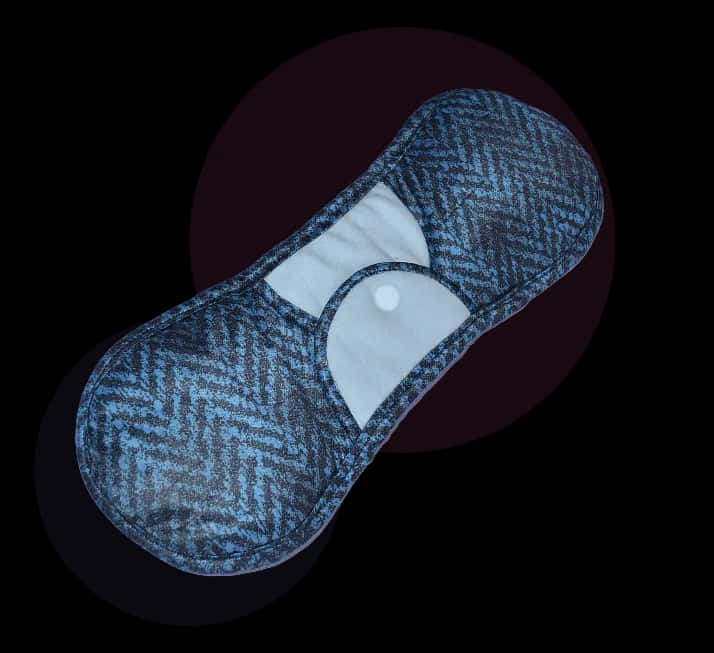
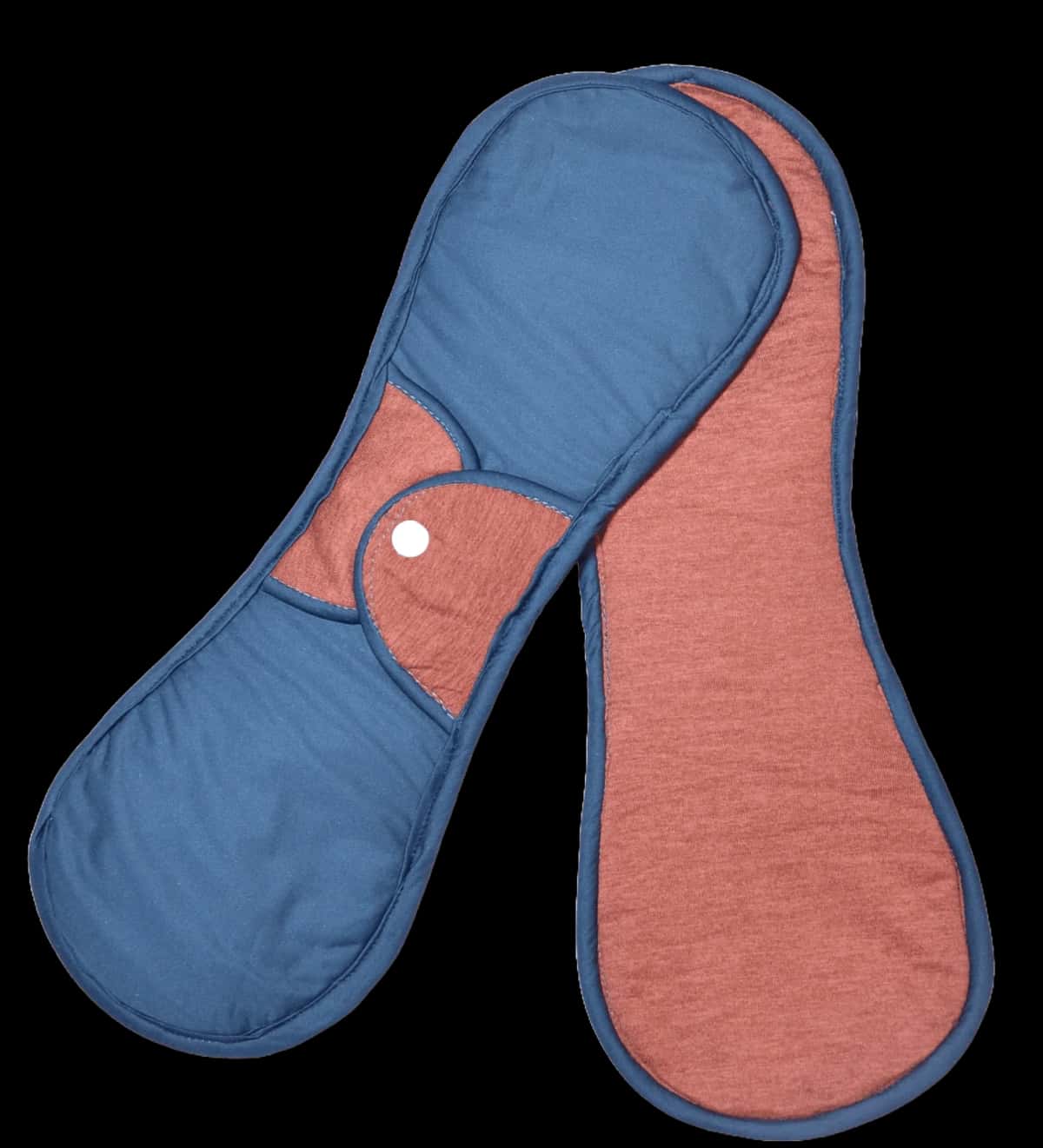

Di Benefits of Good Cloth for Reusable Pads
To spend money on pads wey dem make with correct cloth instead of cheap ones dey give you plenty advantages wey pass di basic work of period protection.
How You Go Save Money Over Time
Good reusable pad wey dem make with cotton flannel, bamboo and PUL dey last 2-3 years if you take care of am well. Di first cost dey look high pass disposable – one premium reusable pad fit cost ₦300-500, while disposable cost ₦50-80. But di calculation dey change well-well over time.
Think about woman wey get moderate flow wey dey use 20 disposable pads every cycle. For ₦60 per pad, dat one na ₦1,200 every month or ₦14,400 every year. Complete set of good reusable pads (8-10 pads of different absorbency) fit cost ₦3,000-4,500 total. Di same pads go serve you for 2-3 years, for small part of wetin disposable pads go cost for dat time. Dat one na savings of more than ₦54,000 – e reach to pay school fees, start small business, or handle family emergency.
Cloth quality na im dey decide if you go really get dis savings. Cheap pads wey dem make with wrong cloth fit last only 6-12 months before dem start to leak, stop to absorb well, or tear. For dat time, you must buy new ones, and di money benefit don go. Good cloth dey turn reusable pads from experiment wey you no sure of to real money relief.
Better Health and Comfort
Di cloth wey dey touch your body during period dey affect your health. Disposable pads get synthetic materials, glue, and often chemical perfume wey fit irritate di soft skin for your private part. Plenty Nigerian women dey get itching, rash or discomfort from disposable pads but dem dey think say na normal period discomfort.
Natural cloth like organic cotton and bamboo dey remove contact with dis chemicals. Women wey change go good reusable pads dey often talk say rash don reduce, itching don reduce, and smell don reduce. How correct cloth dey allow air pass dey stop di hot, wet place where yeast infection dey grow. Dis one dey important well-well for humid weather where you already dey fight environment wey dey make bacteria and fungus grow.
Comfort reach your mind too. Pad wey get good PUL backing and enough absorbent layers go let you focus on work, school or daily activities without to dey worry every time about leak. Girls for Kano and Sokoto talk say dem dey go school more wen dem dey use reusable pads wey dem fit trust instead of folded cloth or disposable pads wey no dey reliable. Di confidence wey dey come from knowing say your pad go work dey allow you live normal during your period instead of to stop doing things.
Impact on Environment and Community
Every year, one woman wey dey use disposable pads dey produce about 5-7 kilograms of period waste – plastic and synthetic tins wey dey take 500-800 years to rot. Multiply dis one for all di women wey dey see period for Nigeria, and di waste go plenty pass imagination. Good reusable pads dey reduce dis waste reach almost zero.
Where di cloth come from also dey bring money for local economy. Nigerian manufacturers wey dey use cotton from Nigeria dey support Nigerian farmers and textile producers instead of to send money go foreign companies. Dis one dey keep money for inside communities, and e dey create jobs and chance to make money especially for women, because textile work dey give plenty Nigerian women job.
Wen pads finally tear after years of use, natural cloth parts like cotton and bamboo dey rot inside months, no be hundreds of years. Di PUL layer get plastic, but e small well-well compare to years of disposable pad packaging, glue strips and synthetic absorbent cores.
Common Worries About Cloth Quality and How E Dey Work
Women wey dey think about reusable pads dey often get correct questions about how di cloth go work for real life. To answer dis worries with honesty go help you make decision wey you sabi well.
"Di Cloth No Go Get Stain and Look Dirty?"
Blood dey stain cloth – na so body be. But if you choose correct cloth and wash am well, di stain wey dey show go reduce reach level wey no go worry most women. Cotton and bamboo cloth dey rinse clean easy pass synthetic materials. Blood protein dey hold synthetic fibres tight and e dey hard to remove, but natural fibres dey release stain easy.
How you wash am matter well-well. To rinse pads for cold water immediately after use dey remove most blood before e set. Blood protein dey hold cloth tight wen e meet hot water, and di stain go stay forever. Cold water dey keep di protein loose so e go wash comot. After cold rinse, wash with soap to remove wetin remain. Plenty women for Abuja and Lagos talk say their pads still look almost new even after years of use, only small colour change for di core layers wey no dey show wen you wear am.
Sun dey naturally bleach any stain wey remain. To hang pads for direct sun for some hours dey make dem white naturally and kill bacteria. Di UV light for Nigeria sun strong reach so pads wey dry for outside regularly dey look better and clean pass di ones wey dry inside house. Some women for northern Nigeria dey praise di dry harmattan season say e dey make pads wey clean pass and smell fresh pass.
Dark-colour cloth for di top layer dey hide any small colour change wey remain. Even though plenty manufacturers dey use light colour for di core layers where stain no dey show wen you dey use am, if you choose dark print or dark colour for di top cloth, you no go worry at all about stain wey dey show.
"Dem No Go Start to Smell Bad After Some Time?"
Fresh period blood no dey get strong smell. Di bad smell wey people dey connect with period mainly dey come from blood wey dey rot wen e trap against synthetic materials without air. Disposable pads wey get plastic backing dey create place wey no get air, where bacteria wey no need oxygen dey grow and produce strong smell. Good cloth pads with PUL wey dey allow air pass dey let air move, and dis one dey stop di bacteria from growing.
To wash well dey remove smell wahala almost finish. Di main steps na to rinse di blood comot quick (inside 24 hours after use), wash with soap and water, and dry finish for sun. Di UV rays for sun dey kill bacteria wey dey cause smell naturally. Women wey dey follow dis steps every time talk say their pads dey smell like clean cloth – no different from pant wey you just wash.
Bamboo cloth get natural power wey dey fight germs and reduce smell more. Even for di hours between wen you remove di pad and wen you wash am, wen di used pad dey inside wet bag or container, bamboo pads no dey smell like pure cotton ones. Dis one matter for women wey no fit wash pads immediately – market traders, people wey dey travel, or women wey dey live for house wey no get private place to wash.
If pads still dey smell even after regular washing, e usually mean say you no rinse am finish or e no dry finish. Smell dey live for wet cloth. To make sure say pads dry finish before you keep dem dey solve most smell problem. To wash pads sometimes with small vinegar (about two tablespoons inside di wash water) dey remove any smell wey gather from minerals for hard water.
"Wetin If Di Waterproof Layer Stop to Work?"
Di PUL waterproof backing for good pads dey work well for 2-3 years under normal use. But some things fit damage am before time. Boiling water, very hot water wey pass 60°C, bleach, and direct ironing with high heat fit all spoil di polyurethane coating. Di coating fit also later start to separate from di cloth layer (delaminate) after hundreds of washes.
You fit test di waterproof easy. Hold di pad up to light – window or lamp. Di PUL suppose look di same everywhere, no thin place or small hole where light dey pass. Pour small water for di backing side and watch for some minutes. Good PUL go hold water for top like bead, and no water go pass go di other side.
Wen PUL finally fail, e no mean say di pad don reach im end. Tailor wey sabi work fit change only di backing layer and keep di absorbent core and top layer. Dis repair dey make pad last longer for small part of di cost of new pads. Some Nigerian manufacturers, including Sana Pads, dey offer repair service because dem understand say to last mean to repair, no be to throw away.
Before PUL fail finish, you go notice say leak risk dey increase small-small wen di flow heavy or after you wear di pad for many hours. Dis one dey give you time to repair or change di pad instead of to get leak wey come sudden. Dis slow change different from how disposable pads dey fail, because dem dey fail sudden wen di glue no hold again or di absorbent core full.
Why Sana Pads Dey Put Correct Cloth First
To understand how cloth dey work for Nigeria condition, you need to live dat condition. Sana Pads dey make reusable sanitary pads right here for Nigeria, with cloth wey dem test specially for our weather. Di company don support over 10,000 women directly and don share more than 30,000 pads give girls and women wey no get access to safe period products.
Every Sana pad dey use three cloth layers wey dem choose with care. Di top layer na soft cotton flannel wey dey pull wetness comot from skin and still dey comfortable for humid heat. Di absorbent core dey use plenty layers of high-quality cotton flannel – one layer for light flow, three for regular flow, and five for heavy flow and night protection. Di backing layer dey use real PUL fabric wey no dey allow water pass at all, but e still dey allow air pass.
Local manufacturing mean say we understand say women for Port Harcourt dey face different challenge from women for Maiduguri. Women near sea need maximum air to handle humidity, while women for north dey look for pad wey go last for di hard harmattan condition. Di cloth choices dey show dis difference. To manufacture for Nigeria also dey make good pads reach Nigerian women for price wey dem fit afford, instead of to pay extra import money for products wey dem design for richer markets.
Apart from to sell pads, Sana Pads dey teach women about how to take care of cloth, how to wash, and how to use am well. Dis knowledge dey make sure say women get di full 2-3 years life and di maximum value from their pads. Di mission pass business, na to end period poverty by making period protection wey go last reach people, cheap, and correct for Nigerian women lives.
How to Start with Reusable Pads Wey Get Good Cloth
To choose your first reusable pads no need to dey hard for you. First focus on cloth quality, then choose absorbency level wey match your normal cycle.
For Women and Girls
Start with Starter Kit wey get 3-4 pads of different absorbency so you fit test wetin work for your flow. Look for pads wey clearly talk wetin dem take make di cloth – good manufacturers dey proudly list cotton flannel, bamboo and PUL because dem sabi say dis materials dey work well. Avoid pads wey get description wey no clear like “absorbent material” or “waterproof fabric,” because dis ones dey often mean cheap replacement.
For light flow days, choose No Wahala Pads wey get one backing wey no dey leak and one layer wey dey absorb. Dem dey work well for di beginning and end of your period or for daily discharge protection. For around 50 dollar cents per pad, dem dey give protection wey cost 60-75% less than to use disposable pads over di 2-3 years life of di pad.
For regular flow days (usually days 2-4 of your cycle), Premium Pads wey get one backing wey no dey leak and three layers wey dey absorb dey give 4-6 hours of comfortable protection. Dem dey handle most situations – school days, office work, market, church service and daily activities. You go need 5-6 of dem to rotate well through your heaviest days.
For heavy flow or night use, Maxi Pads wey get one backing wey no dey leak and five layers wey dey absorb dey give maximum protection for 8-10 hours. If you get 2-3 of dem, you fit sleep well without worry and handle your heaviest flow days with confidence.
Di Starter Kit join three Premium Pads with small bag wey you fit use keep dem quietly, e go give you everything wey you need to try reusable pads for one cycle. Dis one go let you feel di comfort, test di washing routine, and check di cloth quality before you spend money on complete set. Most women wey finish one cycle with good cloth pads dey decide to buy more because di benefits dey show immediately.
For NGOs, Schools and Community Organisations
Organisations wey dey serve girls and women fit make big impact if dem give reusable pads wey get good cloth. Schools wey dey run period health programmes dey see say pad quality get direct effect on whether di programme go succeed. Girls wey collect cheap pads with bad cloth dey often stop to use dem after leak shame dem, and di programme money go waste. Good cloth pads dey keep girls dignity and keep dem for school.
Wen you dey order pads for programmes, put cloth quality first before lowest price. Ask di suppliers about di exact cloth wey dem use, ask for sample pads to test, and check whether di waterproof backing really dey work. Di small extra money wey you spend first for good cloth go pay back through better programme results and pads wey last longer.
Schools, NGOs and other organisations fit order any quantity for di same fixed price per pack. Organisations fit also arrange to pay small-small over some months, so to share pads for big scale no go too heavy for pocket.
For di programme to succeed, education must follow di pads. Girls and women need clear information about washing, drying and storage wey go keep di cloth quality. Simple instruction paper with pictures dey help women take care of pads well, whether dem sabi read or not. Visits after 3-6 months dey allow organisations answer any question about cloth care and check whether di pads dey work as dem suppose.
Community health workers, school nurses and programme coordinators fit get training on how to check cloth quality, so dem fit check di condition of pads, find problems wey come from care, and give more support. Dis training dey make sure say di programme continue after di first pad distribution.
Last Word
Cloth quality na im dey decide if reusable pads go be solution wey last or experiment wey go disappoint you and waste your money. Cotton flannel, bamboo fleece and real PUL waterproof backing dey make pads wey fit stand Nigeria weather, wey dey protect you well for years, and wey dey comfortable even for our heat and humidity. Dis cloth dey resist di stain, smell and spoil wey cheap ones dey get after only few months of use.
Di cloth wey you choose dey affect your pocket, your health, your comfort and your confidence. Complete set of pads wey dem make well cost less than four months of disposable pads, but e go serve you for 2-3 years. Natural cloth dey remove contact with synthetic chemicals and dey make place wey air dey pass, wey dey stop rash and infection for hot, wet weather.
Whether you be woman wey tire to dey spend ₦1,200 every month on disposable pads, mama wey dey find better option for her daughter, or organisation wey commit to support girls education, cloth quality must guide your decision. Wen you understand wetin make cloth good for reusable pads, you fit check any option with confidence and choose products wey really serve your needs. Good cloth pads dey turn period from monthly money burden to normal part of life with dignity and comfort. Check our guide on reusable sanitary pads to learn more about how to change go period protection wey go last and wey dey work for Nigerian women. Go here to learn more.
Continue to read for Pads Wey You Fit Wash Use Again
Questions wey pipo dey ask well well
Why I go choose Sana Pads instead of normal disposable pads?
Dem make Sana Pads with high-quality materials wey you fit use again, so dem be alternative to disposable sanitary products wey dey last and wey no dey spoil environment. Dem dey gentle for your skin, dem dey absorb well-well, and for long run dem dey save you money. Wen you choose Sana Pads, you dey help reduce plastic waste, and you go enjoy comfort and pad wey you fit trust throughout your cycle.
How long I fit use one Sana Pad before I go wash am?
Sana Pad dey give you comfort and protection for 4 to 8 hours, depending on how your flow be. To stay fresh, change am every 4 to 6 hours - more often for heavy days. After every use, rinse am for cold water and wash am with soap. If you take care of am well, each pad go last 2 to 3 years.
Sana Pads safe for skin wey dey sensitive?
Yes, dem make Sana Pads with materials wey soft, wey dey allow air pass, and wey no dey cause allergy (hypoallergenic), so dem dey gentle for your skin. Dem no get di harmful chemicals and toxins wey dem dey often find for disposable pads, so dem be correct choice for people wey get sensitive skin or allergy.
How I go take clean and take care of my Sana Pads?
Rinse your pad for cold water immediately - hot water dey make blood stain stay. Then wash am with mild soap, with hand or for machine, and rinse am until di water clear. Dry am finish for direct sun, wey also dey kill germs. Abeg no use tumble dryer, bleach or fabric softener: dem dey spoil di layers wey dey absorb. If you take care of am like dis, Sana Pad go last 2 to 3 years.
Price go change if I order plenty?
No. Each product get fixed price per pack, no matter how many packs you order. You fit calculate your total with our price calculator. For big orders, send us direct message and we go confirm di delivery cost with you before you pay.
Testimonials
See wetin our customers dey talk about our products.
Women for all over di world dey buy Sana

“I dey really love Sana reusable pads! Dem dey make me relax and feel free for my period time. Plus, dem don reduce the cost and stress of buying disposable pads every month well-well. Kudos to Sana for making dis kind correct product – I go be fan forever!”

“Sana Pad good well-well, e dey make you comfortable and free. I love the pads, na the best ever!”

“I don try different brands of reusable pad, but Sana stand out for the quality, the comfort and how e dey last. Dem design am with sense, and the material dey gentle for my skin. As I change to Sana, e don reduce how I dey spoil environment and e don also save me money for long run. I dey grateful for dis solution wey go last!”

“For first, e dey irritate me to use washable sanitary pad. I decide to try am, and to my greatest surprise, e comfortable well-well and e easy to wash. You fit even do your daily things without fear say blood go stain you for public. I wan give Big shout out to SANA PADS!!”

“I don try different pad brands for years, but Sana pads really stand out. From the first time I use am, I see the difference — e soft for skin, e dey soak well-well, and e comfortable die. Even for my heaviest flow days, Sana pads dey hold well. Wetin I also love na how the material dey allow air pass and e good for skin. If you dey find pad wey get comfort, wey you fit trust, and wey get quality, I really recommend make you try Sana pads.”

“To dey buy disposable pads every month dey add up well-well, so I talk say make I try Sana Pads. E surprise me how soft dem be, and dem dey work well for long days for university. To wash dem simple, and e don reach months wey I never buy new pad, so e don save me money. I also like say dem dey better for environment. E sweet me say I get option wey cheap and wey better for environment.”
Time to join hand
Contact Us
Margaret Ochegbudu
Business Manager