Pad wey you fit wash use again vs disposable pad for Nigeria: Di better choice for your health, your money and your future
Where pipo don see us







 Margaret Ochegbudu don check am · Update 40 min to read
For Nigerian house, disposable pad dey cost around 10,000 to 14,000 naira for each person every year, and dem dey throw am away after some hours. Pad wey you fit wash use again, you go buy am once, e go last 2 to 3 years and e go save you 70 to 85 percent. Di wahala na di washing: you go rinse am after every change, and you need space to dry am.
Amina siddon for her compound for Kaduna, dey count naira notes for her kitchen table. ₦1,800 for one pack of Always pad. Her two daughters go need at least three packs dis month. Dat one na ₦5,400 – almost a week money from her small provision shop, and e go finish just like dat. She remember di textbook wey her younger daughter need, di kerosene wey don dey finish, and dat heavy feeling wey she sabi well-well come sit for her chest.
“Mama, I need pad,” her 14-year-old daughter call from inside. Amina close her eyes. How many oda mothers for Nigeria dey face dis same hard choice every single month?
Wetin if anoda way dey – way wey fit save your family pass ₦100,000 every year, and still dey better for your daughters health?
Wetin you go learn: Why dis choice matter
Dis guide go show you di real difference between disposable pad and pad wey you fit wash use again for Nigeria – pass wetin di companies wey dey make dem dey tell you.
Main tins wey you go carry go:
- Disposable pad dey cost Nigerian families ₦60,000-₦120,000 every year, but pad wey you fit wash use again dey cost about 80-90% less for di whole time wey e go last, just ₦5,000-₦15,000 for 2-3 years of protection.
- One pad wey you fit wash use again dey replace about 150-200 disposable pads for di time wey e go last. E dey stop tons of plastic waste from blocking Nigeria gutters and from spoiling di water for Lagos, Abuja, Kano and oda places.
- Disposable pads get artificial perfume, bleach and superabsorbent polymers wey fit cause skin irritation, infection and pH imbalance. But good pad wey you fit wash use again dey use natural material like bamboo and cotton.
- Pass 50% of Nigerian schoolgirls dey miss class every month because dem no fit afford pad, but pad wey you fit wash use again dey remove dis monthly cost.
- Pad wey you fit wash use again wey dem make for Nigeria (like di ones wey meet NAFDAC standard) dey support local work and reduce how we dey depend on products wey dem import.
- To take care of pad wey you fit wash use again simple: rinse am for cold water, wash am with mild soap, and dry am for sun – you no need any special equipment.
- For NGOs and schools wey dey serve 100 girls, pad wey you fit wash use again go cost ₦500,000-₦1,500,000 once, instead of ₦180,000 every month for disposables.
Make we look well-well how dis two options take compare, and which one really good pass for Nigerian women.
Understand menstrual products: Wetin you really dey use?
Every month, about 40 million Nigerian women and girls dey see their period. But wetin dey inside di pad wey dem dey use, most pipo no sabi. When you understand di main difference between disposable pad and pad wey you fit wash use again, e go help you make better choice for your health, your pocket and your community.
Disposable sanitary pad: How dem make am and wetin dey inside
Disposable pads full Nigerian pharmacy shelf. Brands like Always, Molped, Sure Care and Softcare don become name wey every house sabi, from Calabar reach Sokoto. But wetin dem take make dis pad wey you dey use only once?
Normal disposable pad get three main layers wey dey work together. Di top layer wey touch your skin, dem dey usually make am from polypropylene or polyethylene – plastic wey dem make from petroleum, so e go fit soak liquid quick. Di middle part wey dey soak get wood pulp wey dem mix with superabsorbent polymers (SAPs) wey dey turn liquid to gel. Di bottom layer na polyethylene plastic wey dey stop blood from passing enter your cloth.
Between dis layers, di companies dey often add artificial perfume to cover smell, bleach chemicals to make am look white and “clean”, gum to hold di pad together, and different chemical treatment. Think of am like small plastic sandwich: each tin wey dey inside get im own work, but e fit also bring problem.
Dis pads dey work well for di one time wey dem make am for. Di middle part fit hold plenty liquid, and di plastic for back dey stop leak wey go shame you. But dat same plastic dey cover your skin like seal, and air no fit pass. For Nigeria hot and humid weather – whether you dey for Port Harcourt wey dey steam, or for Maiduguri dry heat – as air no dey pass, e dey make am uncomfortable well-well.
Pad wey you fit wash use again: Natural material and design
Pad wey you fit wash use again na completely different way to manage period. Instead of plastic from petroleum and artificial chemicals, good pad wey you fit wash use again dey use natural material wey air fit pass, and dem design am to use again and again for some years.
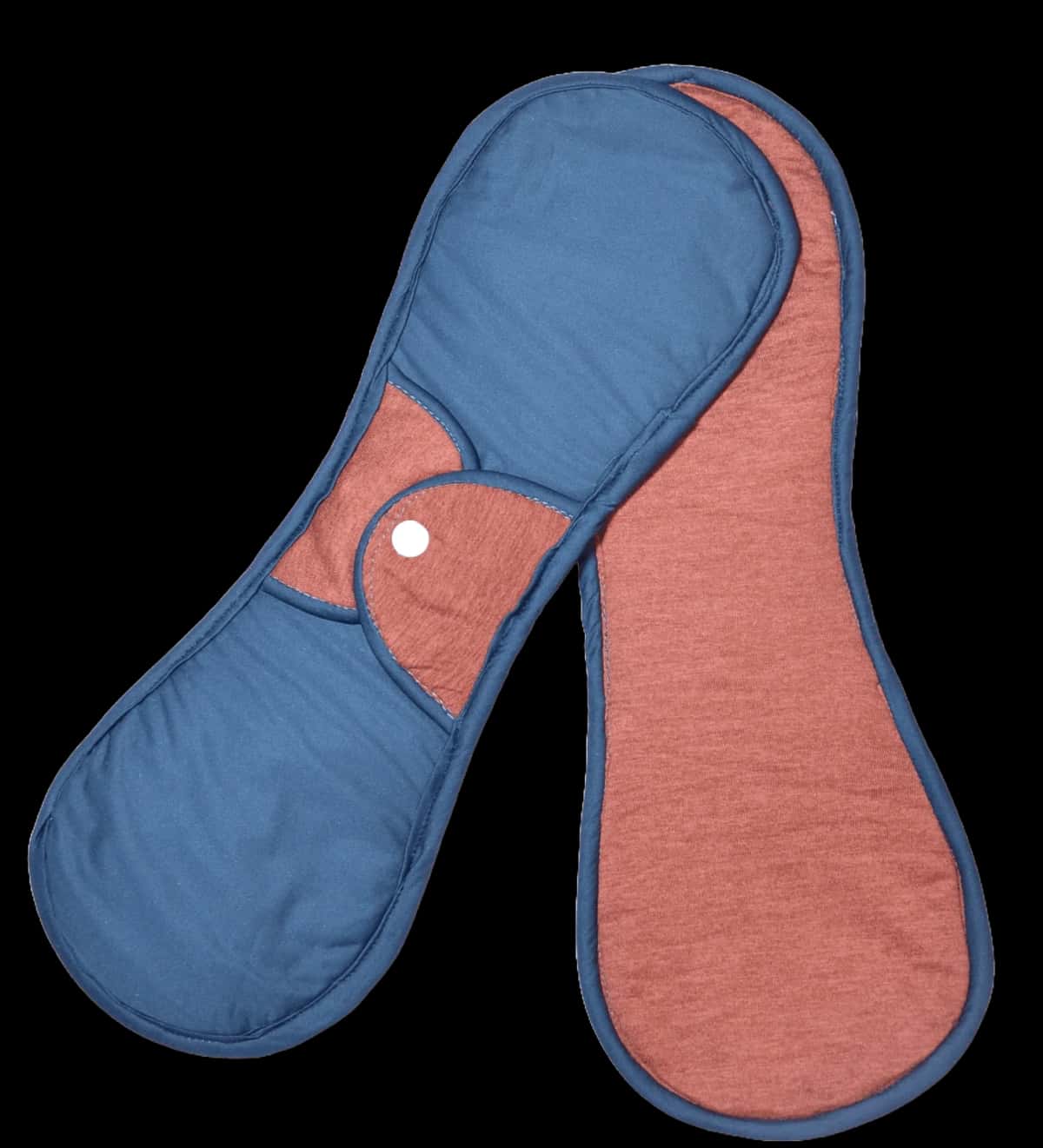
Pad wey dem design well dey usually get four layers wey each get im work. Di top layer wey touch your skin na soft cotton or bamboo fibre – natural material wey dey soak, wey soft for body and wey dey allow air pass. Di middle layers wey dey soak get more bamboo fibre or cotton towel cloth wey dey pull di wetness comot from your body and lock am inside di pad. One hidden layer wey water no fit pass (dem dey often make am from food-grade PUL – polyurethane laminate) dey stop leak, but small air still fit pass. Di outside layer for back dey give di pad shape, and e dey often get press button (snap) to hold di pad for your pant.
Dis design be like di old cloth way wey women don dey use for Africa for many generations, but with modern improvement. Di bamboo fibre inside good pad wey you fit wash use again dey naturally fight bacteria and smell, without any chemical. Because of di layers, wetness dey move comot from your skin instead to sit there, so e dey comfortable well-well, both for Nigeria rainy season wey get humidity and for di hot dry season.
How di way you dey use dem take different
Di difference pass only di material. Disposable pad dey follow one straight road: you buy am, wear am for 4-8 hours, wrap am, throw am away, then start again. Pad wey you fit wash use again dey go round like circle: you wear am for 8-12 hours, rinse am for cold water, wash am with mild soap, dry am for sun, keep am for your pad pouch, and do di same tin again for 2-3 years.
Dat drying for sun matter pass wetin most pipo think. For Nigeria strong sun – whether for Lagos, Kano or for village – di UV rays from sun dey naturally kill germs and make di pads fresh without any chemical. Dis free way to kill germs don dey protect cloth for African houses for hundreds of years.
Di real cost: Wetin Nigerian families really dey spend
Numbers dey talk di story wey advert dey hide. When you calculate wetin pad really dey cost Nigerian houses, di difference between disposable pad and pad wey you fit wash use again go too clear to ignore.
Disposable pad: Di monthly cost wey no dey ever finish
Enter any chemist for Ikeja, Wuse or Sabon Gari and check di price yourself. One pack of good disposable pad (8-14 pieces) now dey cost between ₦700 and ₦1,800, depending on di brand and how e dey soak. Normal Nigerian woman need 10-20 pads for each period, so na 1-2 packs every month.
Make we calculate wetin dis mean for one woman for different time. Every month: ₦1,200 average for one pack times 1.5 packs na ₦1,800. Every year: ₦1,800 every month times 12 months na ₦21,600. For three years: ₦21,600 every year times 3 years na ₦64,800. For her whole life (about 35 years wey she go dey see period): ₦21,600 times 35 na ₦756,000.
Now multiply am by how many pipo dey di family. Fatima from Ilorin, wey we talk about before, get three daughters. Her house dey spend ₦7,200 every month only for period – dat na ₦86,400 every year. For family wey dey make ₦45,000 every month, almost 16% of di money dey go only for period products. Dat percent dey even high pass for families for village, or families wey dey do farming, trading or handwork, where di money wey dem dey make every month no dey steady.
Dis calculation use di price of 2026, but look how pad price don climb. Five years ago, one pack na ₦400-₦600. Di price don pass double, but wetin families dey earn no really change. When NEPA take light and you need run your generator, when school fees reach, when sickness emergency come, pad money na di first tin wey pipo dey often cut.
Dis one na wetin health workers dey call “period poverty” – when lack of money stop pipo from getting correct period products. One survey for 2024 for Lagos poor communities find say 50% of women and girls dey face period poverty, and e dey force dem to use newspaper, old cloth rag, tissue paper, or even leaf. Dis dangerous replacements dey increase di risk of infection and dey cause stress for mind.
Pad wey you fit wash use again: Money wey you go spend once
Pad wey you fit wash use again need money for di beginning, but e dey stop di cost wey dey continue. Full starter set for one person dey usually get 6-8 pads (for light, normal and heavy flow) plus one pouch wey water no fit pass. For Nigeria, good set of pad wey you fit wash use again dey cost between ₦5,000 and ₦15,000, depending on di brand, di material and where dem make am.
Make we use ₦10,000 as average for dis calculation. Dat one payment go give you full period protection for 2-3 years if you take care of am well. Every year: ₦10,000 divide by 2.5 years na ₦4,000 every year. For three years total: ₦10,000. For whole life (to buy new set every 2.5 years for 35 years): 14 sets times ₦10,000 na ₦140,000.
Compare dis whole-life numbers: ₦756,000 for disposables against ₦140,000 for pad wey you fit wash use again. Di money wey you go save na ₦616,000 for each woman – e reach to start small business, pay for secondary school, or build one more room for your house.
For families, NGOs and schools, dis numbers dey multiply well-well. Organisation wey dey serve 100 girls go spend ₦180,000 every month for disposables (₦2,160,000 every year), against ₦1,000,000 once for pad wey you fit wash use again wey go last for years. Di ROI (wetin di money wey you put go bring back) go clear inside six months.
Hidden cost wey pass di price wey you pay
Di real cost comparison pass di price wey dey on top di pad. Disposable pads dey make waste wey somebody must handle. For area wey get waste collection, you dey pay for dat service. For community wey no get correct way to throw waste away, pipo dey spend time and money to burn di waste (with firewood or fuel), or dem go dey suffer blocked gutters for rainy season.
Transport money matter too. To dey run go chemist every month – whether you pay okada, keke or bus – e dey add up. Pipo wey dey use pad wey dem fit wash use again dey make dis journey once in some years, no be every month.
Health cost na anoda hidden expense. When girls dey use tins wey no clean because their families no fit afford pad, di infection wey e go cause go need treatment. Treatment for infection for di womb area fit cost ₦5,000-₦15,000 for government hospital, and e go cost pass dat for private clinic. To prevent am with correct period hygiene cheap pass treatment far-far.
Health and hygiene: Which one dey protect Nigerian women better?
Di choice wey you dey make every month affect pass your pocket – e dey touch your body health directly. Di material wey dey touch di most sensitive skin for your body for some days every month matter well-well.
Chemical wahala inside disposable pads
Your stomach dey filter poison from food before e enter your blood. Your skin no get dat kind protection. Chemicals wey di skin of your vagina soak dey enter your body directly, so wetin dey inside period products matter well-well.
Most disposable pads get some kinds of chemicals wey suppose make you worry. Superabsorbent polymers (SAPs) dey turn liquid to gel, but dem fit irritate sensitive skin and scatter di natural pH balance. Artificial perfume dey cover smell, but e dey often cause allergy wey go make you itch, burn and get rashes. Bleach dey make di white “clean” colour with chlorine compounds wey fit leave dioxin for inside. Di gum wey hold di layers together get volatile organic compounds wey fit irritate your breathing.
You remember di #MyAlwaysExperience campaign for social media wey spread for Nigeria and Africa? Thousands of women share how popular disposable brands give dem burns, rashes, blisters and infections. Dis no be only few cases, na sign of big problem with period products wey get plenty chemicals.
Research from environmental health studies show say if pesin dey near dis chemicals for long time, e fit affect reproductive health. But di companies no need show full list of wetin dey inside, because dem classify period products as medical devices. As dem no dey show everything, e no possible for buyers to make choice wey full with correct information.
Nigeria hot and humid weather dey make dis problems worse. When temperature for Lagos reach 35°C with plenty humidity, dat pad wey get plastic for back dey cover your skin like hot sealed place – di perfect place for bacteria and yeast to grow. Plenty women talk say discomfort, smell and infection dey increase for rainy season, when to use disposable pad dey especially uncomfortable.
Di natural safety of good pad wey you fit wash use again
Pad wey you fit wash use again wey dem make with natural material na softer option. Organic cotton and bamboo fibre na hypoallergenic – dem no dey easily cause allergy. Air fit pass through dis material naturally, so your skin go dey dry and cool. Bamboo get natural power to fight bacteria and yeast without chemical treatment. As artificial perfume and dye no dey, di common tins wey dey cause irritation no dey again.
Blessing, one student for University of Lagos, share wetin happen to her: “I dey get rashes every single month from disposable pads. Three days inside my period, di itching go start. Since I change to pad wey I fit wash use again, I never get any infection at all. I fit even forget say I dey see my period, because dem comfortable well-well.”
Good pad wey you fit wash use again also dey manage wetness better pass disposables. Instead to trap liquid for your skin like di plastic back dey do, di cloth layers dey pull di wetness comot from your body enter di middle part wey dey soak. Dis one dey make you feel fresh for longer time, and e dey reduce di hot, wet condition wey dey make bacteria grow.
Correct hygiene for both options
Some pipo dey worry about hygiene with pad wey you fit wash use again, but if you take care of am well, e safe well-well. Di main steps na: rinse am for cold water as you comot am (hot water dey make blood stain stay), wash am with mild soap (you no need any special product), and dry am for direct sun.
Dat drying for sun dey kill germs naturally, and e important well-well. Nigeria plenty sun dey give free way to kill germs through UV rays wey dey kill bacteria, viruses and fungi. Dis old African way don protect cloth for many generations, and e dey work perfect for period pads.
Disposable pads fit also carry bacteria if you no change am often enough. Di advice na to change am every 4-6 hours, no matter how di flow be, but plenty Nigerian women – especially schoolgirls – dey wear am pass dat time to save money. Pad wey you wear for 8-10 hours go become place wey bacteria dey grow, no matter how dem advertise say e get “advanced technology”.
For both kinds of pad, you need clean hands before and after you change, water to wash (yourself and di pad wey you fit wash use again), and correct place to keep am. Di main difference be say pad wey you fit wash use again need small more attention for how you dey take care of am, while disposables need correct way to throw waste away – and plenty Nigerian communities no get am.
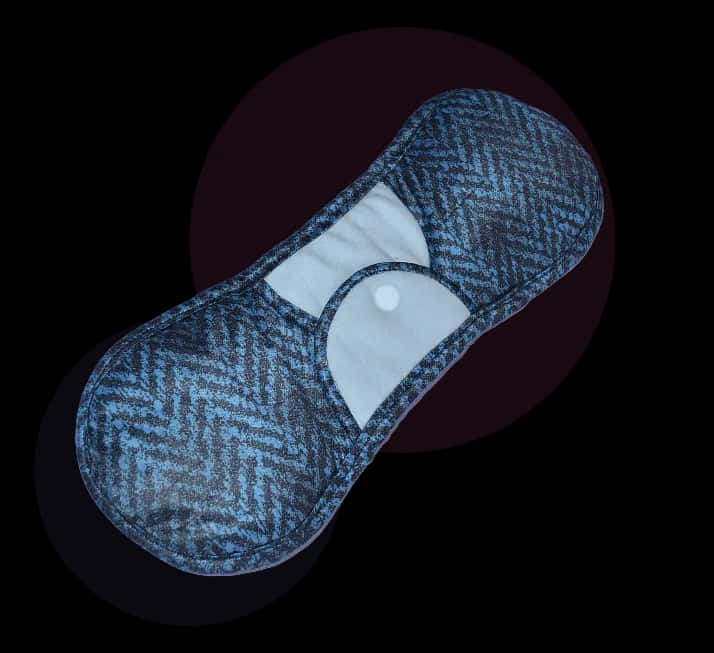
Our pads wey you fit wash

Environment: Your choice dey shape Nigeria future
Wetin each person choose dey bring result for everybody. When millions of Nigerian women choose their period products, dat decision fit spoil or help di environment wey we all dey share.
Di waste wahala wey disposables dey make dey grow
Every single disposable pad dey take 500-800 years to rot. Make dis one enter your head well – pad wey pesin wear for eight hours for 2026 go still dey for di year 2826. One woman dey use about 11,000 disposable pads for all di years wey she dey see period. Multiply am by di about 40 million women and girls for Nigeria wey dey see period, and we dey look 440 billion pads wey go enter our environment for one generation.
Where dis pads dey go? For cities like Lagos, Abuja and Port Harcourt wey get some waste management, dem dey join di mountain of dirt for dumpsite wey don full pass. For communities wey no get waste collection, dem dey gather for gutter, open dump and water. For rainy season, pads dey block gutters, and dis one dey add to di flood wey dey scatter areas from Ikeja reach Minna.
Dis plastic products no dey just sit there without wahala. As dem dey slowly break for hundreds of years, dem dey release microplastics enter soil and water. Rivers wey communities dey depend on for fishing, washing and sometimes for drinking dey get period waste inside. To burn dirt for open place – wey common for area wey no get waste collection – dey release poison chemicals from di burning plastic pads enter di air wey pipo dey breathe.
Di #MyAlwaysExperience campaign show anoda waste problem. When pads cause reaction, women dey change brand instead to change di kind of product, so waste dey come from many products wey no work. Every pad wey dem try and leave dey add to di load wey environment dey carry.
Think also about di tins wey dem need to make disposables. To cut wood for pulp dey finish forest. To make plastic need petroleum. Chemical processing need energy and water. Packaging dey use more plastic. To carry dem from factory (wey dey often dey outside Nigeria) go distribution centre and go shop dey burn fuel. Di full cost to environment pass far di pad wey you throw away.
How pad wey you fit wash use again dey reduce di load on environment
Every woman wey change to pad wey she fit wash use again dey stop thousands of disposable pads from spoiling Nigeria environment. One pad wey you fit wash use again dey replace about 150-200 disposable pads for di 2-3 years wey e go last. For one woman for her whole life, to change dey stop 11,000 plastic pads from entering dumpsite and water.
Sana Pads talk say dem don already stop pass 122,000 disposable pads from spoiling Nigeria since dem start production. As more pipo dey use am, dis impact go multiply well-well. Imagine if only 10% of Nigerian women wey dey see period change – dat na 44 billion plastic pads wey no go gather for our environment for each generation.
Pad wey you fit wash use again wey dem make here for Nigeria get more benefit for environment. Production dey happen inside di country, so dem no need carry am come from far. Di making dey use natural material wey fit grow again, no be petroleum products. Waste from production (cloth pieces) fit turn to oda tins or become compost, instead to sit for dumpsite for hundreds of years.
To wash dem need water, but e small far pass di water wey dem dey use to make disposable pads. To dry for sun dey use Nigeria plenty free sun energy, no be industrial drying wey dey burn plenty fuel. When dem don finish dem work after years, pad wey dem make with natural fibre dey rot inside some months, no be hundreds of years.
Local production still dey create work for Nigerians, and di money go dey circulate inside di economy, instead to go abroad to big foreign companies. Dis money benefit dey join di benefit for environment, e dey make communities strong while e dey protect natural resources.
Changes for environment for community level
Di effect on environment pass wetin one person choose, e dey touch di whole community. Schools wey dey give female students pad wey dem fit wash use again dey reduce di waste wey dem go manage well-well. NGO wey dey serve 500 girls dey stop about 120,000 disposable pads every year from entering waste – dat na many tons of plastic and chemical waste wey no go dey again.
Communities wey get better period options dey see cleaner environment. When girls and women no need to hide or leave used pads for bush, gutter or toilet because no place dey to throw dem, public places go dey clean and healthy. Dis one matter especially for areas wey no get enough WASH (water, sanitation and hygiene) facilities.
Di change for mind matter too. Women wey dey use pad wey dem fit wash use again dey get more sense about waste in general, and dem dey often start oda ways wey dey protect environment. Dis knowledge dey spread for families and communities, and e dey make more pipo take responsibility for environment.
How e dey work: Everyday life with disposable pad vs pad wey you fit wash use again
How products suppose work for paper no matter reach how dem dey work for your real everyday life – for school, work, market and house, for all di different places for Nigeria.
How to manage disposable pads every day
To use disposable pads get simple routine wey most Nigerian women sabi well. You dey buy pads every month from chemist, supermarket or market seller. You dey carry extra one for your bag, because if e finish when you no expect, you go need rush go buy. You dey change pad every 4-8 hours depending on your flow, and you go find toilet wey get small privacy. You dey wrap di used pad for im nylon or for newspaper, then throw am for bin – or, for places wey no get bin, you go hide am for your bag until you find correct place to throw am.
Dis routine dey work well when everything dey correct. You get money when you need buy pad. Shops open and get pad when you need buy. Toilet dey with privacy, running water and bin. You get place to throw used pads well.
But Nigerian reality dey often scatter dis perfect picture. School toilets often no get door, privacy, water or bin. Your chemist near you no get di brand wey you like again. Traffic fit make you no reach shop before dem close. Money tight for di week wey you need pad. For dis kind situation wey common, pipo wey dey use disposable pad dey face worry, dey manage anyhow, and their hygiene dey suffer.
Di weight for mind matter too. To dey worry all di time say pad go finish, to dey calculate whether you go fit afford di one for next month, and to dey plan around whether shop get am, dey put load for your mind – and pipo wey dey use pad wey dem fit wash use again no get dat load again.
How to live with pad wey you fit wash use again for Nigeria
Pad wey you fit wash use again need different routine, but e dey give you different freedom. You go start with your full set – maybe eight pads, wey go give you plenty to dey change. Every morning, you go pick one clean, dry pad from your pouch and press di button make e hold your pant well. After 8-12 hours (dem dey usually last pass disposables), you go change to fresh pad and put di used one inside your wet bag wey water no fit pass.
For house, you go rinse di used pads for cold water – dis step dey take two minutes. You fit do am sharp-sharp or make dem soak small if you need. Then wash dem with normal soap (di same bar soap wey you dey use baff dey work perfect). Last last, hang dem make dem dry for sun. For Nigeria strong sun, pads dey dry finish inside few hours, even for rainy season.
Dis routine go enter your body inside one period. For di beginning e go feel strange, but pipo wey dey use am talk say e quickly become simple pass di disposable routine. “I fear for di beginning,” Chioma from Enugu talk. “But after my first month, I see say e easy pass. I no dey worry again whether I get pad. Dem just dey my drawer every time.”
To free from shopping every month and to dey count wetin remain all di time dey remove big load from pipo mind. You no go ever face dat fear wey dey come when period start when you no expect and you no get pad. Schoolgirls no go miss class because their mama no get pad money dat week. Working women no go stop their work to rush go buy pad.
How to take care of am and keep am well
Correct care dey make pad wey you fit wash use again dey work well for years. Di main steps na: rinse am for cold water to remove blood before e stain, wash am with mild soap (strong detergent fit spoil di fibre), no use bleach or fabric softener because dem dey spoil di material, dry am for sun to kill germs naturally and make am fresh, and keep only pads wey don dry finish inside pouch wey air fit pass.
Common mistakes wey you suppose avoid na: to use hot water wey dey make stain stay forever, to wash am for machine for hot cycle wey dey spoil di layer wey water no fit pass, to use strong chemicals wey go irritate your skin later, and to keep pads wey still wet, because mildew fit grow for dem.
If you take care of dem well, good pad wey you fit wash use again go dey work well for 2-3 years of normal use. Some pipo talk say their pads last pass dat with very good care. When di pads don reach their end, you go see say dem no dey soak like before, di cloth don wear, or di buttons don loose – dis na clear sign say time don reach to change dem.
Di care routine need clean water – and dis one matter well-well for Nigerian communities where water scarcity dey affect everyday life. Women for area wey water dey scarce need think about dis before dem choose product. But di water wey you need to wash pad wey you fit wash use again small compared to di water wey dem dey use to make disposable pads, so for total, pad wey you fit wash use again still better for water.
Benefits for health, money and society
Di choice between disposable pad and pad wey you fit wash use again dey touch pass wetin easy for you alone. E dey affect each pesin health, family money, how girls dey go school, and how di community dey do.
Money freedom and power for family
Di benefit of pad wey you fit wash use again wey you go see first na for house budget. When Fatima from Ilorin change her family to pad wey dem fit wash use again, she save ₦86,000 every year – money wey she turn to her daughters education and her small business wey dey grow. “Di stress just comot finish,” she explain. “I stop to fear period week, because I no dey choose between pad and food again.”
Dis money relief dey multiply for Nigerian families. Mothers dey get small breathing space for tight budget. Girls fit go school every day instead to miss days every month. Women dey put di money wey dem save for business, more education, better house, or savings for emergency.
For di 40% of Nigerians wey dey live under poverty line, dis savings na money wey fit change life. ₦100,000 wey you save with time fit be di difference between to continue school or to drop out, to start small business or to dey depend on oda pipo for money, or to get money for hospital emergency or to face sickness without anything.
Young women wey change from disposables to pad wey dem fit wash use again talk say e help their mind, pass only di money wey dem save. Di worry about monthly cost don go, dem no dey depend on whether market get am, and dem feel say dem dey do their part for environment – all dis one dey make dem feel better. “I feel say I get more control for my life,” Grace from Kaduna talk. “One less tin wey I dey depend on oda pipo for.”
Better health and how to prevent infection
Women wey change from disposable to good pad wey dem fit wash use again dey always talk say their health better. Skin irritation and rashes dey reduce almost immediately. Yeast infection and urinary tract infection dey reduce over some months. Better pH balance and less smell dey show inside few periods.
Dis improvement dey come from di big difference for di material. Natural fibre dey allow air pass better pass plastic, so harmful bacteria and yeast no dey grow easily. As artificial chemicals no dey, di tins wey dey cause irritation no dey again. Better way to manage wetness dey keep skin dry and healthy.
For girls and women wey dey suffer infection wey dey come with period, to change to pad wey dem fit wash use again fit stop di infection wey dey come back every month. Instead to dey treat infection wey dey come back with medicine, to solve di root cause with better period products dey stop infection before e start.
Di benefit for mind health need di same attention. Period poverty dey bring shame, worry and stress wey dey affect di mind. When girls dey miss school every month because dem no get pad, dem dey fall back for book and with their friends. Di loneliness, di shame and di school wey dey break dey add to depression and dey reduce how dem value themselves. When dem get period products wey dem fit depend on, all dis load for mind go comot, and girls fit focus on learning and on growing with oda pipo.
Education and power for women
Di link between period hygiene and education direct and strong. Studies show say one in ten African girls dey miss school because of period. For Nigeria, where about 10 million children no dey go school (most of dem na girls), period hygiene wahala dey play big part.
When schools give pad wey dem fit wash use again, or when families fit afford am, girls dey go class every day. Dem dey join fully for PE, class discussion and school activities, without stop every month. Their result for school dey better when dem no dey miss 3-5 days every month. Their confidence dey grow when period no dey give dem worry or shame again.
Sa’adatu from Kano, wey don finish university now and dey speak for young pipo, talk say na pad wey she fit wash use again save her education. “Dat pads no only help me finish secondary school,” she remember. “Dem give me back my dignity and my future. I fit focus on learning instead to dey worry say blood go stain my uniform.”
Organisations wey dey work for education dey see more and more say period hygiene na basic tin wey school must get. Schools wey put correct WASH facilities and dey give period products dey see say female students dey come school more, dey do better, and dey stay for school. Di money wey dem put for period hygiene dey bring better result for education.
Di power wey e dey give pass each girl, e dey change di whole community. When women and girls learn how to make their own pad wey dem fit wash use again, dem get way to make money. Training programmes wey dey teach how to make pad wey dem fit wash use again dey create work wey dey bring money for women, and e dey support dem to stand on their own and develop di community.
Common worries and honest answers
To understand di real tins about both products, we need to answer di worries and wrong beliefs wey dey stop pipo from making choice wey get correct information.
"Pad wey you fit wash use again really clean?"
Dis worry dey top di list for women wey dey think to change. Di worry make sense – dem don teach us say period dirty by itself, and say anything wey you go throw away clean by itself.
Di truth be say both kinds of product fit dey clean or dirty, depending on how you dey use dem. Disposable pad wey you wear too long go become place wey bacteria dey grow, even though e be “disposable”. Pad wey you fit wash use again wey you rinse, wash and dry for sun well, e clean well-well.
Di key to keep pad wey you fit wash use again clean na di care routine. To rinse am for cold water dey remove blood well. To wash am with soap dey remove bacteria and body fluid. To dry am for sun dey kill di germs wey remain with UV naturally. When you follow dis simple steps, your pad wey you fit wash use again go clean like any oda cloth wey you wash and wear for your skin.
Think about am like dis: you dey wash your pant and wear am again, and you no dey worry about hygiene. Pad wey you fit wash use again dey get even better cleaning pass normal laundry – cold water sharp-sharp, washing wey na only for am, and drying for sun wey dey kill germs. Dis process even clean pass how pipo dey normally take care of cloth.
Research about period hygiene support dis one. Studies wey compare infection between pipo wey dey use disposable and pipo wey dey use pad wey dem fit wash use again no see any big difference, when pipo take care of dem well. Wetin dey decide no be di kind of product, na correct hygiene, no matter di option wey you choose.
For women wey dey worry about some particular hygiene situation, good pad wey you fit wash use again dey solve dis worries through di design. Di layer wey water no fit pass dey stop liquid from touching your cloth, as good as di back of disposable pad. Di middle part wey dey soak dey lock fluid away from your skin, as well as di middle of disposable pad. Di press buttons dey hold di pad well for im place without gum.
"Dem no go leak or fail me for bad time?"
Fear of leak dey affect di product wey pipo dey choose well-well, especially for women wey don feel di shame of blood stain wey pipo fit see. Dis worry deserve honest answer.
Good pad wey you fit wash use again, when di size correct and you put am well, dey protect you like disposable or even better. Di many layers with special back wey water no fit pass dey stop leak well. Di press buttons dey hold di pad strong pass di gum of disposable pad, wey fit shift or fail for di humid weather wey common for Nigeria.
Di important words na “good pad wey you fit wash use again”. No be all pad wey you fit wash use again dey work di same. Pads wey dem no make well, wey no get enough soaking layers, wey get thin layer wey water suppose no pass, or wey get weak buttons, go leak and fail. Na why to choose maker wey you fit trust important well-well.
Pipo wey dey use am talk say pad wey dem fit wash use again dey leak less pass disposables, once dem learn correct size. Heavy flow days need pad for heavy flow – same as disposables. For night, you need longer pad wey cover more – again, same as disposables. Di rules still be di same; na only di product change.
Plenty women see say pad wey dem fit wash use again dey reliable pass disposables, especially for Nigeria weather. Di gum for disposable pad dey often fail for humidity or when you sweat, and di pad go shift and leak. Di press buttons for pad wey you fit wash use again dey hold am for im place no matter di heat or wetness.
To change am di correct time matter for both kinds. Pad wey you fit wash use again dey usually last 8-12 hours for normal flow days, compare to di advice of 4-6 hours for disposables. For heavy days, both kinds need make you change dem more often. When you learn how your own flow be and you adjust, you go stop leak for any of di two options.
For extra protection for very heavy days or when you dey sleep, some women dey wear pad wey dem fit wash use again with period pant, or dem dey use two pads on top each oda. Dis na each pesin choice, depending on dem flow and how dem confident.
"Wetin if I no fit wash dem well where I dey live?"
Dis worry correct, and e dey affect women for area wey no get enough water, women wey no get private place to wash, women wey dey share house, or women wey dey travel often.
To get water na real wahala for plenty Nigerian communities. When house dey struggle to get enough water to drink and cook, to put water aside to wash pad dey really hard. Dis reality mean say pad wey you fit wash use again no fit fit every situation.
But better ways dey. Women for area wey water dey scarce talk say e work for dem when dem soak di pads inside bucket, so dem no go use plenty water. Some communities dey set up place wey women fit wash their pads together, so e go become normal and dem go share wetin dem get. Organisations wey dey share pad wey dem fit wash use again dey now add training on how to take care of dem with small water.
Privacy worry get solution too. Di wet bag wey water no fit pass, wey dey come with most sets of pad wey you fit wash use again, dey allow you carry and keep used pads quietly until you get chance to wash dem. Women fit rinse pads quick for private bathroom, then wash dem well later. As folded pads small, dem dey dry quick even when di sun no hit dem directly, so pipo no go need show dem for open place.
For women wey dey travel or wey dey for temporary situation (to visit family, to stay for school hostel, to work far from house), to carry disposables as backup make sense. Di aim no be to stick to only one kind of product by force, but to make sensible choice based on your situation. To use pad wey you fit wash use again for house and disposables when you dey travel still dey save plenty money and help environment, compare to to use disposables all di time.
Work places and schools fit support pipo wey dey use pad wey dem fit wash use again if dem provide enough WASH facilities – private toilets wey get door, running water, soap, and bin to keep wet bag for small time. Dis basic facilities dey help everybody, and dem dey make am possible to manage period hygiene.
Why Sana Pads: Solution wey dem make for Nigeria for Nigerian women
To understand di options matter, but to know where you fit get good pad wey you fit wash use again na wetin dey turn wetin you want do to wetin you really do.
Sana Pads dey make pad wey you fit wash use again right here for Nigeria, and dem design am for wetin Nigerian women need and for Nigerian condition. No be like products wey dem import wey dem design for cold weather, Sana Pads understand di wahala to manage period for Lagos humidity, Kano heat or Benin rain.
Wetin di company commit to pass to sell products, na to end period poverty for Nigeria. Since dem start work, Sana Pads don directly support pass 10,000 women and share pass 30,000 pads give schools, NGOs and individuals. Dis no be only sales numbers – dem be real girls wey dey stay for school, real mothers wey dey turn pad money to wetin family need, and real communities wey dey get better period hygiene.
Di benefit of local production matter well-well. Sana Pads dey follow di rules of NAFDAC (National Agency for Food and Drug Administration and Control), so di product safety and quality meet Nigerian standard. Di company understand Nigerian wahala – from water scarcity wey dey affect how pipo dey wash, reach di cultural sensitivity around period wey must guide how dem dey teach.
Di quality of production show dis understanding. Di quality control team dey check each Sana Pad before dem kill germs for am and pack am. Di materials – bamboo fibre wey dey soak well pass and dey fight smell, layers wey no dey leak for maximum protection, soft cloth wey comfortable for Nigeria weather – dem choose dem carefully make dem work for di real condition wey Nigerian women dey face every day.
Di products dey cover different flow. No Wahala Pads wey get one layer wey no dey leak and one layer wey dey soak dey good for light flow days. Premium Pads wey get one layer wey no dey leak and three layers wey dey soak dey handle normal flow. Maxi Pads wey get one layer wey no dey leak and five layers wey dey soak dey protect for heavy flow. Dis variety dey make sure say you get di correct protection, no matter wetin you need.
Di mission of Sana Pads pass business success, e reach social impact. Di company dey work with schools and NGOs to make more pipo wey no get, fit get period products. Sana Pads dey supply schools, NGOs and community programmes of any size for di same fixed price for each pack. Dem dey put strong eye for education – to teach correct use, care and period health – so di products go fit change lives fully.
When you choose products wey dem make for here like Sana Pads, you dey also support Nigeria economy. Di money wey you spend dey stay inside di country, e no dey go make foreign companies rich. Di work wey production, distribution and education programmes dey create dey help Nigerian workers and their families. Community wealth dey grow when money dey circulate for here.
Wetin di company commit to for environment dey join im social mission. Every Sana Pad wey stop pesin from using disposable pad dey help make Nigerian communities clean. As dem focus on products wey strong and wey go last long, no be products wey dem make to spoil quick, e show respect for customers and for environment.
Take action: Make di change wey go work for you
To understand di benefits of pad wey you fit wash use again no matter much if you no get practical way to get am and start to use am for your own situation.
For each woman and girl
If you dey think to change to pad wey you fit wash use again for yourself, start by looking your situation well. Think about how your period flow dey be every month – how many days, light or heavy. Think about where you dey live – you get water to wash and space to dry? Check your budget – you fit put ₦5,000-₦15,000 now so you go save plenty more with time?
Di Starter Kit na very good way to start. Sana Pads Starter Kit get three Premium Pads plus one pouch to keep dem – e reach to try di product and learn di routine, without big commitment. Dis option cost far less pass full set, but e still get enough pads for you to really check whether pad wey you fit wash use again dey work for you.
Start for period wey di flow light, no be your heaviest days. Dis one go allow you learn di care routine and build confidence, without testing di products for di hardest condition. Wear dem for house first before you trust dem for outside. Dis step-by-step way dey make you sabi dem and get confidence naturally.
Keep few disposables near you for di month wey you dey change. Backup dey reduce worry and e dey allow you go back to wetin you sabi if you need. Plenty women dey see say dem no even need di disposables at all, but to know say dem dey there dey give peace of mind while you dey adjust.
Learn correct care from di beginning. Cold water to rinse, mild soap to wash, sun to dry am well and kill germs. Dis simple steps dey make di product last and dey keep am clean. No try skip any step or use hot water instead – follow di process wey dem advise for di best result.
To choose product, match di pads to wetin you need. For light flow days and when you need panty liner: No Wahala Pads dey give enough protection and dem no thick. For normal flow days (most of your period): Premium Pads dey give protection wey you fit trust for di whole day. For heavy flow days and for night: Maxi Pads dey soak di most and cover di most. Most women need mix of di kinds to cover their whole period well.
For organisations, schools and community leaders
If you dey run programmes wey dey serve women and girls, to add period hygiene management go bring impact wey you fit measure for health, education and empowerment.
First, check wetin di pipo wey you dey serve need. How many girls or women you go serve? How their flow dey usually be and which products dem need? Which WASH facilities dey for di places of your programme? Which cultural tins dey affect period hygiene for your community?
Plan budget for full programme, no be only to share products. Good period hygiene management include good pad wey you fit wash use again wey match wetin di users need, education on correct use and care, training for staff and teachers on period health, better WASH facilities where dem need am, and support and new supply wey go continue.
For schools, calculate di bulk wey you need based on how many students dey. Secondary school wey get 200 female students fit first give each girl one Starter Kit (3 pads), then increase am to full sets (6-8 pads) as di budget allow. Dis investment go cost ₦600,000-₦2,000,000 once, compare to disposable pad programmes wey go cost ₦360,000 every month or ₦4,320,000 every year.
Contact di company to discuss partnership, support for education, and guidance on how to run am wey match di needs of your programme.
To join am with programmes wey you already get dey increase di impact. Period health education dey fit well inside health class, biology lesson, life skills training and WASH programmes. Training for teachers dey make staff fit support students well and with correct knowledge. To bring parents inside dey join families for di conversation, and di impact go pass school wall.
Watch di results to show wetin di programme dey do. Track how female students dey come school before and after you start. Write down health results like infections wey dem report. Ask di users whether their confidence and how dem dey join for school don change. Gather testimony wey show how e change pipo life. Dis data go help show why di programme correct and help oda pipo copy am.
Plan make di programme fit continue. To share di first pads na only di beginning. Systems to replace pads wey don wear after 2-3 years, education wey go continue for new students, to maintain WASH facilities, and to pass knowledge to new staff, go make di programme continue to bring benefit for long time.
Work with local leaders to handle cultural barriers. Chiefs, religious leaders and elders wey community respect fit support period health education and di use of pad wey you fit wash use again. When dem support am, e go make am normal to talk about tins wey pipo dey often see as taboo, and di community go accept am quick.
Make we move forward together
Di choice between disposable pad and pad wey you fit wash use again dey shape health, money and future for Nigeria. Disposable pads dey cost Nigerian families ₦60,000-₦120,000 every year and dey make mountain of waste wey no dey rot, wey dey spoil our communities for hundreds of years. Pad wey you fit wash use again need small money for di beginning, but e dey last 2-3 years, e dey save families pass ₦100,000 and e dey remove thousands of plastic pads from environment. Good pad wey you fit wash use again wey dem make with natural material dey prevent di skin irritation, infection and chemical wey dey come with disposable pads. Schools and NGOs wey change to pad wey dem fit wash use again dey make am possible for girls to go class every day, instead to miss school every month because dem no get period products.
You remember Amina from di story for di beginning, wey dey count naira notes and dey make hard choices? She represent millions of Nigerian women wey dey face dis decision every month. But she also represent di solution – when communities accept period options wey dey last like pad wey you fit wash use again, we dey remove di load of period poverty from families, we dey protect our environment, and we dey give power to di next generation.
Sana Pads dey ready to support your journey to better period health. Whether you be woman wey dey find solution for yourself, mother wey dey protect her daughters future, or organisation wey dey serve communities, pad wey you fit wash use again wey dem make for here dey give proven way to dignity, health and freedom from period poverty.
Di time for dis choice na now. Every month wey you wait na anoda month of cost wey you no need, health risk wey fit happen, and damage to environment. Take di step wey match wetin you believe and wetin you need. [Check all di products of Sana Pads] to find di solution wey fit your life, and know say your choice no only help you, e dey also help make communities for Nigeria clean and healthy.
Click here to learn more.
Continue to read for Pads Wey You Fit Wash Use Again
Questions wey pipo dey ask well well
Why I go choose Sana Pads instead of normal disposable pads?
Sana Pads na pads wey dem make with high-quality material wey you fit wash use again. Dem be option wey dey last and wey good for environment, instead of disposable pads. Dem soft for your skin, dem dey soak well-well, and dem go save you money for long run. When you choose Sana Pads, you dey help reduce plastic waste, and you go dey comfortable and dey trust your pad for your whole period.
How long I fit use Sana Pad before I go wash am?
Sana Pad dey give you comfort and protection for 4 to 8 hours, depending on your flow. To stay fresh, change am every 4 to 6 hours - more often for heavy days. After every use, rinse am for cold water and wash am with soap. If you take care of am well, each pad go last 2 to 3 years.
Sana Pads safe for sensitive skin?
Yes, dem make Sana Pads with soft material wey air fit pass and wey hypoallergenic, so dem soft for your skin. Dem no get di harmful chemicals and poison wey dey common inside disposable pads, so dem be correct choice for pipo wey get sensitive skin or allergy.
How I go take wash and take care of my Sana Pads?
Rinse your pad for cold water sharp-sharp - hot water dey make blood stain stay. Then wash am with mild soap, with hand or for machine, and rinse am until di water clear. Dry am finish for direct sun, wey also dey kill germs. Abeg no use tumble dryer, bleach or fabric softener: dem dey spoil di layers wey dey soak. If you take care of am like dis, Sana Pad go last 2 to 3 years.
Di price dey change if I order plenty?
No. Each product get one fixed price for each pack, no matter how many packs you order. You fit calculate your total with our price calculator. For big order, send us direct message and we go confirm di delivery cost with you before you pay.
Testimonials
See wetin our customers dey talk about our products.
Women for all over di world dey buy Sana

“I dey really love Sana reusable pads! Dem dey make me relax and feel free for my period time. Plus, dem don reduce the cost and stress of buying disposable pads every month well-well. Kudos to Sana for making dis kind correct product – I go be fan forever!”
“Sana Pad good well-well, e dey make you comfortable and free. I love the pads, na the best ever!”

“I don try different brands of reusable pad, but Sana stand out for the quality, the comfort and how e dey last. Dem design am with sense, and the material dey gentle for my skin. As I change to Sana, e don reduce how I dey spoil environment and e don also save me money for long run. I dey grateful for dis solution wey go last!”

“For first, e dey irritate me to use washable sanitary pad. I decide to try am, and to my greatest surprise, e comfortable well-well and e easy to wash. You fit even do your daily things without fear say blood go stain you for public. I wan give Big shout out to SANA PADS!!”

“I don try different pad brands for years, but Sana pads really stand out. From the first time I use am, I see the difference — e soft for skin, e dey soak well-well, and e comfortable die. Even for my heaviest flow days, Sana pads dey hold well. Wetin I also love na how the material dey allow air pass and e good for skin. If you dey find pad wey get comfort, wey you fit trust, and wey get quality, I really recommend make you try Sana pads.”

“To dey buy disposable pads every month dey add up well-well, so I talk say make I try Sana Pads. E surprise me how soft dem be, and dem dey work well for long days for university. To wash dem simple, and e don reach months wey I never buy new pad, so e don save me money. I also like say dem dey better for environment. E sweet me say I get option wey cheap and wey better for environment.”
Time to join hand
Contact Us
Margaret Ochegbudu
Business Manager