Pads Wey You Fit Wash Dey Safe? Everytin Nigerian Women Need to Sabi
Where pipo don see us







 Margaret Ochegbudu don check am · Update 25 min to read
Pads wey you fit wash use again dey safe when you wash dem with soap and dry dem finish for sun, because sun dey kill bacteria. Infection risk dey come from wearing any pad for too long or keeping am when e still wet, no be from using am again. Change am every four to six hours, exactly as you go do for disposable.
Fatima sit for her JSS3 class for Kaduna, and she no fit sit well for her chair. Her mama give her reusable pad dat morning, but she no stop to worry. E go leak? E fit cause infection? Her aunty don warn am say “those pads wey dem dey wash” no clean. For break time, she tell her friend Maryam her mind, and Maryam whisper back, “My sister don use dem for two years. She talk say dem even clean pass disposable.” Dat talk change everytin for Fatima, but na real information help her get confidence. Like Fatima, thousands of Nigerian women dey wonder whether reusable pads dey safe. As plenty wrong information dey move for market, school and family compound, e don reach time to look the facts.
Wetin You Need to Sabi About Reusable Pad Safety
Reusable sanitary pads dey safe when dem make dem well and you take care of dem well. Dem dey often better for health pass disposable because dem no get chemicals or plastic wey go touch your skin.
Main Points:
- Reusable pads wey dem make with quality material dey safe for medicine side, and health organisations all over the world dey recommend dem.
- To wash well with soap and dry for sun dey remove 99.9% of bacteria, so reusable pads dey clean to use again and again.
- Quality reusable pads no get bleach, dioxins or artificial perfume wey dey plenty disposable pads.
- Nigerian women talk say rash, irritation and smell dey reduce when dem change from disposable to reusable pads wey dem make well.
- One reusable pad cost about ₦1,000-1,500 but e dey replace more than 100 disposable pads, and e dey save 70-85% for period cost.
- Reusable pads dey last 2-3 years if you take care of dem well, so dem dey practical even for areas wey water small.
- More than 10,000 Nigerian women dey now use reusable pads safe for Lagos, Kano, Abuja and villages.
Make we look well how reusable pads dey work, wetin make dem safe, and how you fit use dem with confidence for Nigeria.
How to Understand Reusable Pad Safety and Hygiene
Whether reusable pad dey safe depend on three tins: the material wey dem use make am, the design wey dey stop bacteria from growing, and how you dey take care of am between uses. When all three correct, reusable pads no be only safe, dem fit even better for health pass disposable.
Think am like cooking pot. You no dey throw your pot away after you cook jollof rice. You wash am well, and e safe to use again. Na the same tin for reusable menstrual pads, but with some important tins wey concern private part hygiene.
The World Health Organization and plenty public health studies confirm say reusable menstrual products wey dem make well and wey you take care of well no get health risk. In fact, plenty health worries about menstrual products dey come from chemicals for disposable, no be from reusable ones.
Wetin Make Reusable Pad Safe
Safe reusable pad get three main parts wey dey work together. The outside layer wey no dey leak dey stop period blood from reaching your cloth and dey keep wetness away from your skin. The absorbent layers inside dey pull wetness quick from your body and hold am well. The layer wey touch your skin dey use natural cloth wey air dey pass, wey no dey hold heat or make place for bacteria to grow.
Quality matter well well here. Reusable pad wey dem make well dey use cloth wey dey dry quick and dry finish. Dis one very important for Nigeria humid weather, mostly for rainy season for places like Port Harcourt or Calabar. Material wey dey dry quick dey stop the wet condition where bacteria dey multiply.
How dem sew am and build am also affect safety. Seam wey dey outside or rough edge fit scratch soft skin. Quality pads get smooth, flat seam and strong stitching wey fit last plenty washes without rough place.
Chemical safety na another important tin. Safe reusable pads no get artificial perfume, no chlorine bleach wey remain, no dioxins from processing, and no plastic wey dey break into small particles. Your skin dey absorb anytin wey touch am. The vagina area dey absorb well well, na why doctors dey warn against strong soap and chemical for there.
Plenty Nigerian women talk say after dem change to reusable pads wey no get chemical, their period symptoms even better. The rash, itching and strong smell wey dem get with disposable go. Dis one no be by chance. Dat kind symptoms dey often come from reaction to chemical for disposable pads, no be from period itself.
How Correct Care Dey Keep You Safe
To wash reusable pads correct simple pass wetin plenty pipo think, and e dey kill bacteria well well. Studies show say to wash with ordinary soap and water dey remove 99% of period blood and bacteria. When you add sun, e go reach 99.9% because UV light from sun dey kill the remaining germs naturally.
To wash am no need special equipment or costly detergent. Cold water dey remove fresh blood easy. To wash with any soap – bar soap, powder detergent or liquid detergent – for warm or cold water dey clean the cloth well. To dry am for direct sun for 3-4 hours dey finish the cleaning naturally and free.
Dis one fit Nigerian life well. Most houses get soap and sun, even for areas wey no get tap water. You fit rinse pads with water from bucket, wash dem for basin, and dry dem for line or flat place. You no need light, you no need special equipment.
Some women dey worry about how to dry pads for harmattan or rainy season when sun no plenty. Even for cloudy days, to dry am for outside air dey work. Soap washing plus drying finish (even without direct sun) dey keep pads clean. If you get space inside house, to hang pads near window or for room where air dey pass well dey work well.
The real risk no be to use reusable pads, na to use dem when dem still wet. Pad wey never dry finish fit hold bacteria. Na why e important to get 3-4 pads wey you dey rotate. E dey give each pad time to dry finish before you use am again.
Which One Safe Pass: Reusable or Disposable Pads?
When you compare safety with open eye, reusable pads dey often win disposable. Disposable pads wey dem dey sell for Nigerian markets get very different quality. Some get super absorbent polymers (the gel wey dey swell), material wey dem bleach with chlorine, artificial perfume and gum chemicals. Dis tins dey touch your skin for hours, and some women dey develop sensitivity or allergy.
Cheap disposable pads sometimes dey use poor material wey fit scratch skin or no fit stop leak. The plastic back wey dey stop leak dey also hold heat and wetness for your body, and na there bacteria dey grow well. Na why disposable pads dey often get strong smell after few hours.
Reusable pads wey dem make with natural cloth wey air dey pass dey let air move. Dis one dey keep your skin dry and comfortable. Because no chemical dey, allergy and irritation go reduce. Plenty Nigerian women notice say smell dey small with reusable pads, because bacteria no dey multiply fast for place wey air dey pass.
For contamination matter, both types of pads safe when you use dem correct. Disposable pad don get germs the moment you open the pack with hand wey you never wash or you drop am for dirty toilet. Reusable pad go get germs if you no wash and dry am well. Safety depend on hygiene, no be the type of pad.
One safety matter wey pipo dey forget na toxic shock syndrome (TSS). Even though e rare well well with any menstrual product wey dey outside body, TSS don connect with super-absorbent tampons and menstrual cups wey stay inside body for too long. Pads wey dey outside, whether reusable or disposable, no get dis risk because dem no dey enter body.
How to Use Reusable Pads Safe for Nigeria
To use reusable pads safe get three simple practices: choose products wey get quality, follow correct hygiene when you dey wear am, and take care of dem well between uses. Every step fit work for normal Nigerian living situation.
Start with Products Wey Get Quality
Your safety dey start when you choose reusable pads wey dem make well from makers wey you fit trust. Look for pads wey clearly talk how many absorbent layers dem get, back wey no dey leak wey dem don test, soft cloth wey comfortable for skin, and fastener wey hold the pad well for place.
Ask questions before you buy. How many layers e get? Which cloth dem use? How long the pads dey usually last? Maker wey trust im product go answer clear. Companies wey no check quality well or wey use material wey no safe dey often give answers wey no clear.
For Nigeria reusable pad market wey dey grow, quality different well well. Some sellers dey import poor products or dey make pads without correct knowledge of hygiene. Others, like makers wey be Nigerian owners wey understand Nigerian needs and weather, dey make pads specially for our situation.
Start with small buying to test quality. Buy one or two pads first. Wash and wear dem for one full cycle. Notice how dem dey work, whether dem dey scratch your skin, how fast dem dey dry, and whether dem still keep their shape after washing. If e satisfy you, buy enough pads for full cycle.
For most women, 4-6 pads dey enough for one full period. Light flow days fit need 2 pads, heavy flow days fit need 3-4 changes. When you get extra, you no go ever lack clean, dry pad wey ready.
How to Keep Clean During Your Period
To wear reusable pads safe need the same basic hygiene as disposable. Wash your hand before you change your pad, even if you dey hurry. Dis one dey stop bacteria from reaching your private part. For school or work where hand washing place no dey steady, carry small bottle of water and soap, or use hand sanitizer as backup.
Change your pad every 3-6 hours depending on your flow. Heavy flow days need more change. Light flow days fit allow longer time, but no leave the same pad on for more than 8 hours. To change regular dey stop smell and keep you comfortable.
When you dey change pad outside house, carry small bag wey water no dey pass for used pads. Simple nylon bag or pouch wey get zip dey work well. Plenty women for Lagos and Abuja dey keep small bag for their handbag or school bag. Used pads fit stay for dis bag until you reach house to wash dem, usually for 6-8 hours without any hygiene problem.
To rinse the used pad quick before you put am for your bag dey help stop stain and e go make washing easy later. If water dey, use 30 seconds to rinse out the heavy blood. If water no dey, the pad fit wait until you reach house. Blood no dey become dirty for health just because e stay for few hours.
Some women dey worry about smell when dem carry used pads. Period blood itself no get much smell. The strong smell wey pipo connect with period dey come from bacteria wey dey multiply for warm place wey air no dey pass (like disposable wey get plastic back). Used reusable pad wey you fold put for bag no dey smell much, mostly when you compare am with used disposable pad.
How to Wash and Keep Your Pads
To wash am simple and e dey work well well. Rinse the used pad for cold water until the water almost clear. Dis one dey take 1-2 minutes of gentle squeezing under running water or inside basin. Cold water dey release blood easy, but hot water fit make stain stay.
After you rinse, wash the pad with soap. You fit wash with hand for basin with other cloth, or wash pads separate if you like. Use any soap or detergent wey your house dey normally use. You no need special products. Scrub small-small, mostly for the absorbent middle where blood gather. Rinse well until no soap remain.
Squeeze out extra water and hang am to dry for direct sun if you fit. Spread the pad flat or hang am by the wings so air go pass round all the layers. Depending on weather and how thick the pad be, e dey take 3-6 hours to dry for sun or 6-12 hours for shade.
Some Nigerian women dey worry about drying pads where men for family or neighbours fit see dem. Dis culture modesty worry make sense. You fit dry pads inside pillowcase wey still allow air pass, hang dem inside house near window wey sun dey enter, or dry dem for line for private part of compound. Some women for shared compound dey dry pads folded inside other cloth.
The main tin na to make sure say e dry finish. If pad still feel wet, no keep am and no wear am. When e dry finish, the pad go feel crisp and light. Keep dry pads for clean, dry place like drawer, shelf or hanging organizer. Keep dem away from dust and wetness
Our pads wey you fit wash
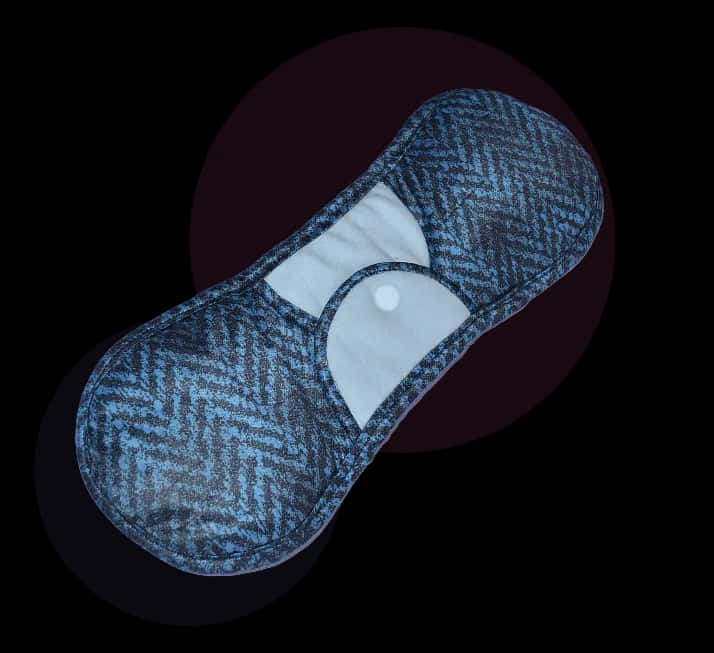
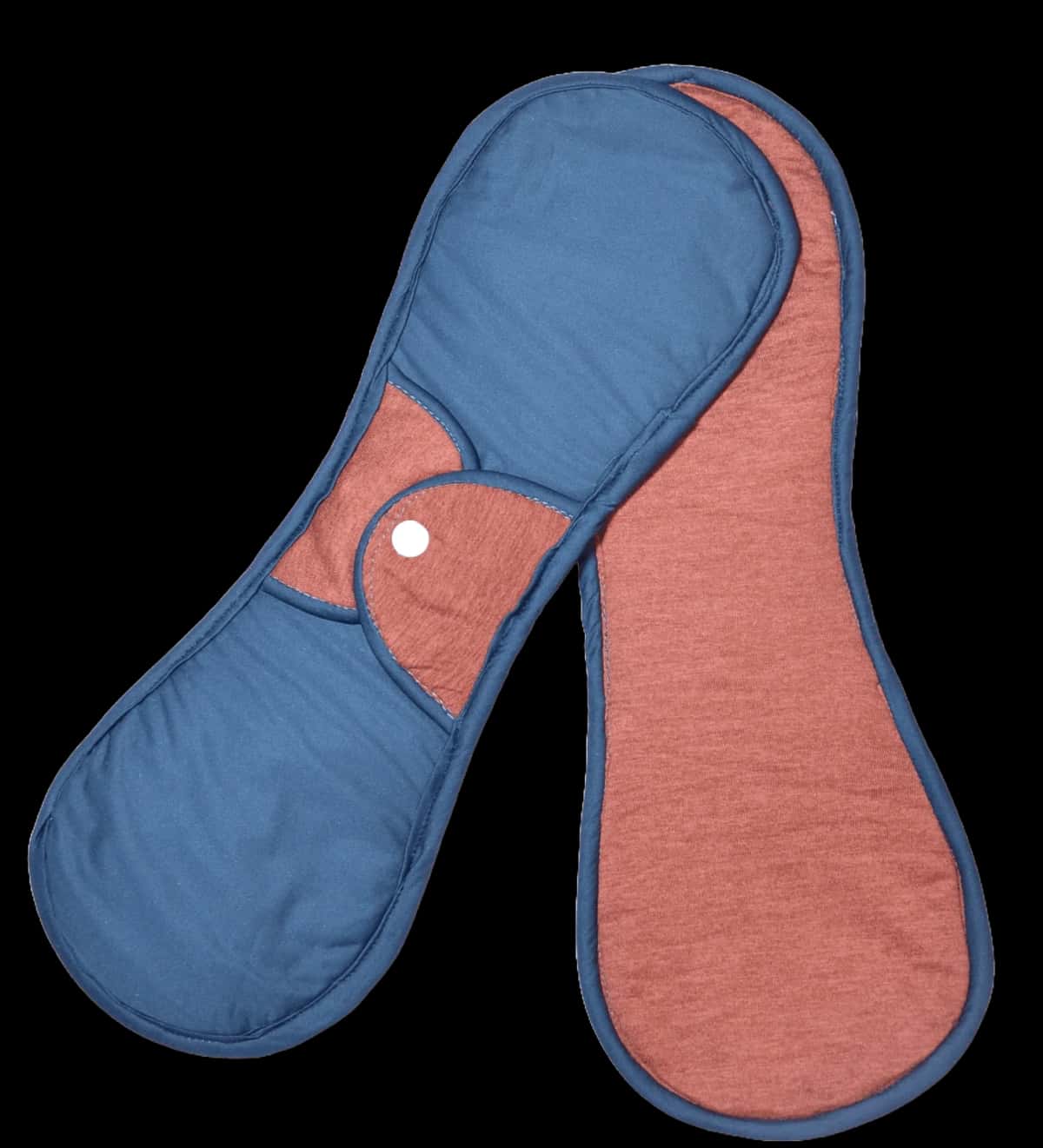

The Health and Money Gain of Safe Reusable Pads
When dem make reusable pads well and you take care of dem correct, dem get big advantage over disposable for three main areas: money wey you save, better health, and personal dignity.
Money Freedom and Savings for Long Time
The cost difference between reusable and disposable pads big well well as time dey go. Woman wey dey see period for 5 days every month need about 20 disposable pads every cycle. At ₦50-100 per pad, dat na ₦1,000-2,000 every month, or ₦12,000-24,000 every year.
Set of 4-5 quality reusable pads cost ₦4,000-7,500 for first time but e dey last 2-3 years. For two years, reusable pads dey save ₦20,000-45,000 compared to disposable. For five years, savings go reach ₦50,000-100,000 for each woman. For families wey get many daughters, dis savings dey multiply well well.
Dis calculation dey change lives for real. The money wey you save dey pay school fees, buy textbooks, pay hospital bills or support small business. For communities where families dey choose between buying pads and other important tins, reusable pads dey remove dat hard choice.
For schools and organisations wey dey support girls education, the savings dey help reach more students. NGO wey dey spend ₦240,000 every year to give disposable pads to 20 girls fit serve 60-80 girls with reusable pads for the same budget. Dis calculation of dignity mean more girls go stay for school, more women go dey go work, and more families go stand well for money.
To fit buy reusable pads dey change tins well well for northern Nigeria and villages, where girls dey miss school during period because families no fit buy pads every month. When one reusable pad replace 100 disposable, period poverty go fit end.
Health Gain and Better Comfort
Women wey change to quality reusable pads dey often talk about health improvement wey dem no expect. Skin irritation and rash wey dem think say na normal period symptoms dey often go within 1-2 cycles. Dis one show say plenty common “period problems” dey really come from reaction to chemicals for disposable pads.
The cloth wey air dey pass for reusable pads dey allow air move, and e dey keep skin dry and healthy. The natural material no dey disturb the delicate pH balance of vagina flora. Without artificial perfume wey dey cover smell, plenty women notice say their smell even reduce, because the natural bacteria balance for their body dey stay healthy.
Comfort go better well. Quality reusable pads dey soft for skin pass disposable wey get plastic back. Dem dey move with your body, dem no dey gather or shift. Because no gum dey, no sticky tin go remain for pant and no risk of allergy from gum chemicals.
Some women dey get less cramp and lighter flow after dem change to reusable pads, but scientific studies about dis connection still small. The idea be say e remove contact with chemicals wey dey disturb hormones, wey dey inside some disposable pad materials. Even though more research still dey needed, plenty Nigerian women talk say dis one happen to dem.
The mind health gain important the same way. To manage your period with confidence, without worry about how you go buy next month pad, dey reduce stress. Girls for school dey do better for book when period fear no dey distract dem. Women for work dey do more work when to manage period become normal routine, no be stress.
Environment and Community Impact
Even though personal safety na the main matter, the environment gain of reusable pads dey make communities healthy for everybody. One woman wey dey use disposable pads dey produce waste of about 10,000 pads for the years wey she dey see period. For country of more than 100 million women and girls, dat waste too much for our sanitation systems wey don already dey suffer.
Disposable pads get plastic wey dey take 500-800 years to rot. Dem dey gather for drainage, and dem dey add to flood for cities like Lagos for rainy season. Dem dey pile for dumps near communities, and dem dey bring health danger and ugly pollution. Pipo dey often burn dem, and dem dey release poison chemical inside air wey families dey breathe.
Reusable pads dey remove dis waste finish. One pad wey replace 100 disposable mean 99 pads less for dump, gutter or burning place. When thousands of women make dis change, everybody go see the community impact. Compound go clean, gutter no go block much, and smoke from burning waste go reduce.
Dis environment gain connect back to safety direct. Clean community mean healthy family. Less air pollution mean less breathing problem. Better drainage mean less water wey dey stand where mosquito dey breed. When you choose to use reusable pads safe, you dey protect no be only your own health but your neighbours health too.
Answer to Safety Worries and Common Wrong Beliefs
Even with clear proof say dem safe, plenty Nigerian women still dey fear to try reusable pads because of wrong beliefs wey no dey go and worries wey make sense. Make we answer the most common worries direct and honest.
"To Wash Pads No Go Spread Infection for My Family?"
Dis one fit be the most common worry, mostly from mamas wey wan protect their pikin. The fear be say to wash menstrual pads for water wey everybody dey share or together with family cloth go spread period blood and bacteria for everytin.
The truth different well well. Period blood no dey spread disease pass any other blood, and e dey far less than plenty tins wey we dey handle every day without worry. Unless woman get infection wey dey for blood like HIV or hepatitis, her period blood no get infection risk for family members. Even with dis infections, to wash well with soap and water dey remove the risk to pass am finish.
The washing itself clean when you do am correct. To rinse used pads before you wash dem dey remove most of the blood. To wash with soap dey kill any bacteria or virus wey dey. If you still dey worry, wash menstrual pads separate from other cloth. Use one basin only for am, wash the pads first, then clean the basin with soap before you wash other tins.
Plenty Nigerian women don already dey wash cloth nappy for babies, underwear wey get different body fluid, and cloth wey sweat or blood from cut or other tins touch. The hygiene rule na the same. Soap and water, if you use dem correct, dey make everytin safe.
Remember say for houses wey dey use disposable pads, used pads dey often stay for toilet dustbin for days, open to air, dey call insects, and dem dey bring real hygiene risk pass pad wey you rinse and wash at once. Reusable pad wey you take care of well na really the cleaner option.
"Reusable Pads Go Give Me Infection or Disease?"
Some women dey worry say to wear pad wey dem don use before, even after washing, go cause vagina infection, urinary tract infection or problem for reproduction. Dis worry dey often come from family or friends wey insist say na only “fresh” pads dey safe.
Medical proof show say dis worry no get ground. Reusable pads wey you wash and dry correct dey safe for medicine side. Washing dey remove bacteria to the same level as when you wash underwear or towel. You dey wear the same underwear again and again after washing and you no dey fear infection. Reusable pads dey work the same way.
Vagina infection dey come when bacteria or fungus grow pass normal, usually because wetness dey trapped, chemical dey irritate, or pH balance don scatter. Quality reusable pads dey even reduce infection risk compared to disposable, because air dey pass better, dem no get chemical wey dey irritate, and dem no dey make warm, wet place wey no get air where bad bacteria dey grow.
The most common cause of infection wey connect with period na to wear any pad (reusable or disposable) for too long without change. Bacteria dey multiply for old period blood. Change your pad every 3-6 hours, and infection risk go remain small whether na reusable or disposable.
If you get itching, discharge wey no normal, or discomfort during your period, dis one mean say na reaction to chemicals for disposable pads, or infection wey need medical treatment, or say your reusable pads no dey dry finish before you use dem again. The solution na to make sure say dem dry finish or to go see health worker, no be to stop reusable pads finish.
Thousands of Nigerian women don use reusable pads safe for years without infection. Health facilities and maternal health programmes across Africa dey give reusable pads more and more, because medical workers sabi say dem safe when pipo follow quality standards and care instructions.
"Wetin If I No Fit Wash Dem Well or I No Get Enough Water?"
Water shortage na real wahala for plenty Nigerian communities. Women dey worry say dem no go get enough water to drink, cook and also wash reusable pads. Dis worry practical and e deserve practical answer.
To wash reusable pads need less water pass wetin you fit think. To rinse 2-3 pads dey use about 1-2 litres of water. To wash dem well need another 1-2 litres. Total water wey you go use every day for your period na 2-4 litres, like to wash few pieces of underwear.
You fit use water well when you wash pads with other small tins for the same basin. Rinse pads first for cold water, then wash everytin together with soap. The same water wey clean your pads go also clean handkerchief, underwear or small cloth. Nothing waste.
For areas wey water scarce well well, some women dey gather the water wey dem use rinse pads (wey dey remove most blood quick) and use am water plants or flush toilet. The washing water itself, after you add soap, fit water plants after the soap don wash comot. Dis way dey respect water as precious tin and still keep hygiene.
For time wey water shortage too much, you fit change how you dey wash. Clean only the absorbent part of the pad with small water and soap, mostly the area wey blood touch. Leave am for sun to dry well for longer time. Soap, scrubbing and UV sunlight together dey keep pads clean even with small water.
Some women dey keep few disposable pads for very hard periods when water no dey at all. To use reusable pads for 80-90% of your periods still dey save plenty money and give big gain, even if sometimes you use disposable for water crisis. No make perfect stop you from doing good.
Why Sana Pads Lead for Safety for Nigerian Women
Sana Pads dey make reusable sanitary pads specially for Nigerian women needs, weather and reality. Because we understand the local wahala, we fit put safety first for every stage of production.
Our pads dey use high-quality cloth wey dey dry quick and wey dey work well for Nigeria humid weather. For rainy season for southern Nigeria or harmattan for northern regions, Sana Pads dey dry finish inside time wey make sense. Dis one dey stop the wetness wey fit hold bacteria.
Every pad get layer wey no dey leak wey dey stop flow from passing, but air still dey pass. The absorbent layers dey use material wey dey pull wetness quick from skin and hold am well. The layer wey touch skin na soft cloth wey no get chemical, wey no dey scratch even sensitive skin.
We dey avoid artificial perfume, bleach and chemicals wey no necessary. Women dey talk say dem get less rash, less irritation and better comfort with Sana Pads compared to other products wey dem don try before. Dis one no be by accident. E dey come from how we dey make am, wey put health first before to cut cost.
Sana Pads don support more than 10,000 Nigerian women direct and don share more than 30,000 pads across communities. We dey partner with schools for Kano, we dey work with NGOs for Lagos, and we dey supply health programmes for villages. Dis experience dey teach us wetin Nigerian women need for safe and comfortable period care.
We get three types of pad for different needs. No Wahala Pads wey get 1 layer wey no dey leak plus 1 absorbent layer dey work perfect for light flow days. Premium Pads wey get 1 layer wey no dey leak plus 3 absorbent layers dey handle normal flow with confidence. Maxi Pads wey get 1 layer wey no dey leak plus 5 absorbent layers dey handle heavy flow without worry. Every type get the same safety standard and the same quality of production.
Our mission pass to sell products. We dey work to end period poverty by making safe, cheap reusable pads reach every Nigerian woman. We dey give education about correct use and care. We dey train community health workers and teachers. We dey support girls to stay for school and women to dey go work during their period.
Because we dey make am for here, we understand Nigerian reality. We sabi about compounds wey privacy small for drying pads. We dey remember water shortage for some regions. We sabi say NEPA wahala mean women no fit depend on electric drying. We dey design products wey work for real Nigerian life, no be perfect Western condition.
How to Start with Safe Reusable Pads
Dem design Sana Pads specially for our weather and the way we dey wash. Our high-quality bamboo fibre dey rinse clean easy, and the back wey water no dey pass fit stand plenty washing without spoil. We dey test every pad to make sure say e still dey work well even after hundreds of washes.
For Each Woman and Girl
If you fit, start your reusable pad journey for period wey flow light. Dis one go allow you get used to washing and wearing without heavy flow wahala. If you start for heavy flow, just change pads more often and no worry if your first washing no perfect. You go learn quick as you dey practice.
Start with 3-pack of our Premium Pads for ₦4,000. E go give you enough pads to test am while you dey learn how to take care of dem. Premium Pads dey work well for normal flow days of most women. If you see say dem no reach for your heaviest days, add 1-2 Maxi Pads.
For very light flow or spotting days, No Wahala Pads dey give comfortable protection wey nobody go notice. Plenty women dey build full set with 2 No Wahala Pads for light days, 3 Premium Pads for normal days, and 2 Maxi Pads for heavy days. Dis 7-pad set cost about ₦7,000 and e dey handle every flow level well, and compared to buying disposable pads at ₦75 per piece, e dey save you between 70-85% for just one year.
Set your washing routine early. Keep small basin only for pad rinsing for your bathroom. When you change pads, rinse am at once if you fit, or keep am for your bag wey water no dey pass until you fit rinse am. Wash once every day during your period. Hang am to dry for the place wey you choose. Keep clean, dry pads for drawer or bag wey you keep only for dem.
Follow your experience for the first 2-3 cycles. Notice which pad type you like for which days. See how many pads you really dey use every day. Check how comfortable you be and any skin reaction. Dis information go help you arrange your pad set and care routine for wetin you need.
No fear to contact us with questions. We be Nigerian women ourselves. We understand your worries and we fit give you advice for your own situation.
For Organisations and Community Programmes
Schools, NGOs, health programmes and community organisations fit make big impact when dem give reusable pads to students or pipo for their programme. Dis one dey support girls education, women work and money, and community health at the same time.
Start by calculating wetin you need. How many girls or women you go serve? How many pads each person need? Normal programme dey give 4-5 pads to each person. For school wey get 50 girls wey need support, dat na 200-250 pads total. Organisations fit order as many packs as dem need at our fixed price for each pack, with delivery to any state for Nigeria.
Put education inside your programme plan. To just share pads without teaching correct care dey bring problem. Plan workshops or training wey go cover how to wash pads correct, how often to change dem, how to make sure dem dry finish, and how to see quality problem. We dey give training support and education materials to organisations wey partner with us.
Think about starting with small test programme. Choose 10-20 pipo to collect pads first. Follow their experience for 3-6 months. Gather wetin dem talk about wetin work and the wahala wey come. Use dis information to fix your plan before you make am big.
Handle privacy matter early. Girls for boarding school need safe, private place to wash and dry pads. Women for workplace programmes need water and place to change. Community programmes suppose think about culture wey no dey like make pipo talk about period open. Plan your programme around the real life of your pipo.
Plan money so programme go continue. The fine tin about reusable pads na say one sharing dey serve pipo for 2-3 years. School wey spend ₦100,000 to give reusable pads to 50 girls don almost solve their period product need for many years. Compare am with disposable pad programmes for every month or every year wey need money forever.
Partner with local health workers or programme staff wey get experience wey fit dey support pipo for the programme. Person wey fit answer questions, handle worries and solve problems dey make programme succeed well well.
Contact Sana Pads to talk about wetin your programme need. We understand wetin institutions need, budget wahala and how hard e be to run programme. We fit suggest which pads join together go fit your pipo, recommend how to share dem, and give training support. Together, we fit design programme wey really serve your community.
The question “reusable pads dey safe?” get clear answer wey proof dey back: yes, sure, when dem make dem well and you take care of dem correct. Quality reusable pads dey give Nigerian women health gain, big money savings and environment advantage compared to disposable. Safety no dey come from say you use pad once, e dey come from the quality of material and how clean you dey take care of am. Thousands of Nigerian women from Sokoto to Lagos, from Maiduguri to Port Harcourt, dey now manage their period safe, comfortable and cheap with reusable pads. You fit join dem with confidence. Whether you be student for Kano wey dey wonder if you fit buy next month pads, mama for Abuja wey dey find healthier options for your daughters, or organisation leader wey dey plan programmes to support girls education, safe reusable pads na solution wey don prove itself. Learn more about howsanitary pads wey you fit wash use again dey change how Nigerian women dey manage period, one safe, comfortable cycle wey get dignity at a time.
Continue to read for Pads Wey You Fit Wash Use Again
Questions wey pipo dey ask well well
Why I go choose Sana Pads instead of normal disposable pads?
Dem make Sana Pads with material wey get high quality wey you fit use again. Dem be option wey dey last and wey no dey spoil environment, instead of disposable sanitary products. Dem gentle for your skin, dem dey soak well well, and dem go save you money for long run. When you choose Sana Pads, you dey help reduce plastic waste, and you go enjoy comfort and protection wey you fit trust for your whole cycle.
How long I fit use one Sana Pad before I need to wash am?
Sana Pad dey give you comfort and protection for 4 to 8 hours, depending on your flow. To stay fresh, change am every 4 to 6 hours - more often for heavy days. After every use, rinse am for cold water and wash am with soap. If you take care of am well, every pad dey last 2 to 3 years.
Sana Pads dey safe for sensitive skin?
Yes, dem make Sana Pads with soft material wey air dey pass and wey no dey cause allergy, so dem gentle for your skin. Dem no get the bad chemicals and poison wey dey common for disposable pads, so dem be correct choice for pipo wey get sensitive skin or allergy.
How I go clean and take care of my Sana Pads?
Rinse your pad for cold water immediately - hot water dey make blood stain stay. Then wash am with mild soap, with hand or for machine, and rinse am until the water clear. Dry am finish for direct sun, because sun dey also kill germs. Abeg no use tumble dryer, bleach or fabric softener: dem dey spoil the absorbent layers. If you take care of am like dis, Sana Pad dey last 2 to 3 years.
Price dey change if I order plenty?
No. Every product get one fixed price for each pack, no matter how many packs you order. You fit calculate your total with our price calculator. For big orders, send us direct message and we go confirm the delivery cost with you before you pay.
Testimonials
See wetin our customers dey talk about our products.
Women for all over di world dey buy Sana

“For first, e dey irritate me to use washable sanitary pad. I decide to try am, and to my greatest surprise, e comfortable well-well and e easy to wash. You fit even do your daily things without fear say blood go stain you for public. I wan give Big shout out to SANA PADS!!”

“I dey really love Sana reusable pads! Dem dey make me relax and feel free for my period time. Plus, dem don reduce the cost and stress of buying disposable pads every month well-well. Kudos to Sana for making dis kind correct product – I go be fan forever!”

“Sana Pad good well-well, e dey make you comfortable and free. I love the pads, na the best ever!”

“I don try different brands of reusable pad, but Sana stand out for the quality, the comfort and how e dey last. Dem design am with sense, and the material dey gentle for my skin. As I change to Sana, e don reduce how I dey spoil environment and e don also save me money for long run. I dey grateful for dis solution wey go last!”

“To dey buy disposable pads every month dey add up well-well, so I talk say make I try Sana Pads. E surprise me how soft dem be, and dem dey work well for long days for university. To wash dem simple, and e don reach months wey I never buy new pad, so e don save me money. I also like say dem dey better for environment. E sweet me say I get option wey cheap and wey better for environment.”

“I don try different pad brands for years, but Sana pads really stand out. From the first time I use am, I see the difference — e soft for skin, e dey soak well-well, and e comfortable die. Even for my heaviest flow days, Sana pads dey hold well. Wetin I also love na how the material dey allow air pass and e good for skin. If you dey find pad wey get comfort, wey you fit trust, and wey get quality, I really recommend make you try Sana pads.”
Time to join hand
Contact Us
Margaret Ochegbudu
Business Manager