How to Understand Your Menstrual Cycle and Hormones for Nigeria
Where pipo don see us







 Margaret Ochegbudu don check am · Update 29 min to read
Menstrual cycle dey usually last 21 to 35 days, and 28 na di average. Oestrogen dey rise for di first half and progesterone for di second half, na why your energy, mood and appetite dey change across di month. When you understand dis pattern, e go easy to notice when something don really change.
Wetin You Need to Sabi About Your Menstrual Cycle
Your menstrual cycle na monthly pattern of hormone changes wey dey prepare your body for pregnancy wey fit happen. When you understand dis changes, e go help you track your health, plan your activities, and know when something need medical attention.
Main Points:
- Your menstrual cycle dey usually last 21-35 days, and 28 days na di average for most Nigerian women.
- Four main hormones dey control your cycle: estrogen, progesterone, follicle-stimulating hormone (FSH) and luteinizing hormone (LH).
- Your cycle get four different phases, and each one get different hormone levels wey dey affect your body and your mood.
- To track your cycle for 3-6 months dey help you understand your own pattern and catch irregular tins early.
- Plenty tins wey common for Nigeria – stress, change for food, malaria and PCOS – fit affect how regular your cycle be.
- To understand your fertile window (usually days 10-17) dey help both for family planning and when you dey try get belle.
- Hormone imbalance dey show warning signs like serious cramps, very heavy bleeding, or cycles wey short pass 21 days.
Make we look exactly how your menstrual cycle dey work and wetin each phase mean for your everyday life.
Cynthia sidon for her secondary school classroom for Port Harcourt, her belle dey cramp as she dey count di days since her last period. Twenty-eight days? Thirty? She no fit remember. Her friend whisper say irregular period mean say something dey wrong, but Cynthia no get anybody to ask. Her mama only tell her make she “manage am quietly,” and her biology teacher skip di reproductive health chapter finish. At seventeen, Cynthia feel like say her body dey speak language wey she no understand. She no dey alone. Across Nigeria, millions of women and girls dey manage dia menstrual cycle without understanding di hormones wey dey play like orchestra inside dia body every month. Dis lack of knowledge no just dey cause confusion – e dey stop women from noticing health problems, planning dia lives, and making informed decisions about dia bodies. To understand your menstrual cycle no be only to sabi when your period go come. Na to understand your health, your fertility, and di powerful hormones wey dey affect everytin from your mood to your energy level throughout di month.
Wetin You Go Need Before You Start
Your menstrual cycle na one of di most wonderful systems for your body. Think am like seasons – your body dey pass through changes wey you fit predict every month, dey prepare for pregnancy wey fit happen, whether you want get belle or not. Hormones dey control dis changes. Hormones na chemical messengers wey dey travel inside your blood dey tell different parts of your body wetin to do.
Plenty Nigerian women dey learn to track when dia period come, but few understand why e dey come or wetin dey happen for di rest of di month. Dis knowledge gap mean say dem dey miss important health signals. Research from University of Lagos Teaching Hospital show say 64% of women wey dey find fertility treatment never track dia full menstrual cycle pass to mark di days of dia period. To understand di full picture dey give you power over your reproductive health.
Di Four Phases of Your Menstrual Cycle
Your menstrual cycle dey divide into four phases, and each one get im own hormone activity. Day 1 na always di first day of your period – di day wey you see bright red bleeding, no be just small spotting.
Phase 1: Menstruation (Days 1-5) – Dis na di period itself. Di level of both estrogen and progesterone dey drop sharp, and dis one dey make di lining of your womb (uterus) shed. Dis lining dey comot from your body as period blood. You fit feel tired dis days because your hormones dey for di lowest level. Plenty women for Lagos and oda Nigerian cities wey get humid weather talk say dem dey feel more discomfort for dis phase because heat dey make cramps worse. Your body dey basically clean house, dey remove di womb lining wey e build last month. Di blood wey you lose fit be 30-40 millilitres (about 2-3 tablespoons) on average, even though e dey often look like more.
Phase 2: Follicular Phase (Days 1-13) – Dis phase actually dey overlap with your period and e dey continue after bleeding stop. Your pituitary gland (small gland for your brain) dey release follicle-stimulating hormone (FSH). Dis hormone dey tell your ovaries make dem prepare some egg follicles. Usually, one follicle go become di main one. As dis follicles dey grow, dem dey produce estrogen. Estrogen level dey rise steady, and e dey make di lining of your womb thick again, dey prepare am like soft bed for pregnancy wey fit happen. Plenty women dey notice say dem get more energy for dis phase. Your skin fit look clearer, and you fit feel more like to mix with pipo. Dis na di natural preparation time of your body.
Phase 3: Ovulation (Around Day 14) – When estrogen reach high enough level, e dey cause sudden rise of luteinizing hormone (LH). Dis LH surge dey make di main follicle release im egg – dis release na ovulation. Di egg dey travel down your fallopian tube, where sperm fit fertilise am if sperm dey. Ovulation dey usually happen around day 14 of 28-day cycle, but e dey vary well-well. Some women for Kano talk say dem dey ovulate as early as day 10, while oda ones for Abuja notice am around day 16. You fit notice small rise for body temperature (about 0.5 degrees), clearer cervical mucus wey look like raw egg white, or small cramp for one side of your lower belle. Dis fertile window – di five days before ovulation plus di ovulation day – na di time wey pregnancy fit happen.
Di Hormones Wey Dey Run Di Show
Four main hormones dey arrange your menstrual cycle, dey work together like musicians for orchestra. When you understand dem, e go help you notice when one tune no dey sound well.
Estrogen na mainly your ovaries dey produce am, and e dey rise for di first half of your cycle. Think of estrogen as your energy hormone. E dey build your womb lining, keep your bones strong, dey affect your mood for good way, and e even dey affect how your skin look. When estrogen high (around days 8-12), plenty women dey feel confident and get energy. When e low (during your period), you fit feel tired or your mood fit dey down. For Nigeria, where plenty women no fit easily do hormone test, to learn how you dey feel for different estrogen levels dey help you understand your own pattern.
Progesterone dey take over after ovulation. Di empty follicle wey release di egg dey turn to something wey dem dey call corpus luteum, and na im dey produce progesterone. Dis hormone dey keep di womb lining and e dey raise your body temperature small. Progesterone dey calm you – e fit make you sleepy and relax more. If pregnancy no happen, progesterone level dey drop sharp around day 28, and dis one dey make your period start. Some women dey get symptoms before period like breast pain, bloating or mood change when progesterone drop. To understand dis one dey help you prepare instead of to worry.
Follicle-Stimulating Hormone (FSH) and Luteinizing Hormone (LH) na your pituitary gland for your brain dey produce dem. FSH dey start di cycle by telling your ovaries make dem prepare egg follicles. LH dey create di surge wey dey cause ovulation. Dis two hormones dey carry message between your brain and your ovaries, dey arrange di whole monthly dance. When dis hormones no dey communicate well, cycle dey become irregular – common problem wey dey affect about 35% of Nigerian women wey dey di age to born pikin, according to 2024 data from di Nigerian Society of Reproductive Health.
Stage 4: Luteal Phase (from day 15 reach 28)
After ovulation, your body dey enter di luteal phase. Di corpus luteum (di follicle wey remain) dey produce progesterone and some estrogen. Dis hormones dey keep your womb lining thick and well fed, just in case fertilised egg come to settle. Dis phase dey usually last 14 days, but e fit be from 10-16 days.
If pregnancy happen, di embryo wey dey grow dey produce hormone wey dem dey call hCG, and e dey tell di corpus luteum make e continue to make progesterone. Dis one dey stop your period and keep di pregnancy. If pregnancy no happen, di corpus luteum dey break down after about 14 days. Progesterone and estrogen levels go fall well-well. Dis sharp drop dey make your womb lining shed, and your period go start. Di cycle go start again.
Plenty women dey get premenstrual syndrome (PMS) for di last days of di luteal phase. Common symptoms na breast pain, bloating, strong craving for food, mood swings, tiredness and quick vex. Dis tins dey happen because of hormone changes, especially di drop for progesterone. For Nigeria stressful city life like Lagos traffic, or di heat of Kano dry season, dis symptoms dey often feel stronger. When you understand say dem no go last and na hormones dey cause dem, e go help you cope better.
How Your Cycle Dey Affect Your Everyday Life for Nigeria
Your menstrual cycle no just dey control your period – e dey affect your energy, mood, sleep, appetite, and even how you dey react to stress throughout di month. When you notice dis patterns, e go help you plan your life around your natural rhythm instead of to dey fight am.
Energy and Work Patterns
For your follicular phase (days 1-13), estrogen wey dey rise dey usually bring more energy and motivation. Dis one dey often be di best time for hard tasks, important meetings or to start new projects. Plenty Nigerian businesswomen for Abuja and Lagos talk say dem dey fix big presentations or negotiations for dis phase when dia brain sharp pass.
Around ovulation (day 14), you fit feel most confident and like to mix with pipo. Your communication skill dey often reach im peak dis days. Dis na very good time for networking events, hard conversations or community activities.
For your luteal phase (days 15-28), energy dey reduce small small as progesterone dey rise. You fit prefer quiet work wey need attention to details. Di last days before your period dey often bring di lowest energy. Instead of to force yourself, plan office paperwork, planning work, or activities wey no need your full power. Dis one no be weakness – na to work with your body. For Jos, women farmers don share say dem don learn to plan lighter farm work for di days before dia period, and dem dey keep heavy lifting for di weeks wey dem feel stronger.
Mood and Feelings Changes
Hormone changes dey naturally affect your mood. For high-estrogen days (around days 8-13), plenty women dey feel hopeful and like to mix with pipo. For di luteal phase, especially di last 5-7 days, di calming effect of progesterone plus di way e later drop fit cause mood changes.
About 30-40% of Nigerian women dey get mood changes wey dem fit notice before period, according to 2025 research from University of Ibadan. Dis tins no be “for your head only” – na real changes for brain chemicals wey hormone shift dey cause. Estrogen and progesterone dey affect serotonin and oda brain chemicals wey dey control mood.
To understand dis pattern dey help you respond well. If you dey vex quick or dey cry easily for di days before your period, to sabi say e no go last and na hormone dey cause am go stop worry wey no necessary. You fit plan for am – maybe avoid big decisions for dis time or make sure say you rest more. Plenty women for Kaduna talk say to track dia cycle help dem notice dia mood patterns and stop to blame demself for normal hormone reactions.
Body Changes Throughout Your Cycle
Your body dey change small small throughout your cycle. During period, you fit get cramps as your womb dey squeeze to shed im lining. To drink enough water dey help, especially for Nigeria hot weather where if water no dey your body, cramps dey worse.
For di follicular phase, you fit notice say your skin dey clearer as estrogen dey rise. Some women find say dem dey sleep better for dis phase too.
Around ovulation, cervical mucus dey become clear, slippery and e dey stretch – like raw egg white. Dis mucus dey help sperm travel go meet di egg. Some women dey also notice small ovulation pain wey dem dey call mittelschmerz, cramp or ache for one side of di lower belle.
For di luteal phase, progesterone fit make your body hold water, and you go feel bloated. Your breasts fit dey pain or swell. Some women dey notice say dem dey hungry more, especially craving for carbohydrate food. Your body temperature dey rise small (about 0.3-0.5 degrees Celsius), na why temperature tracking fit confirm ovulation. For Nigeria weather wey don already hot, you no go really feel dis small rise, but basal thermometer fit measure am if you check am first tin for morning.
How to Track Your Menstrual Cycle: Practical Methods
To understand how di cycle dey work dey help, but to track your own cycle dey give you personal information about di special patterns of your body. You no need expensive tools – simple tracking methods dey work well.
Calendar Method: Simple and Easy to Use
Di calendar method na di easiest place to start. You only need calendar or notebook. Mark day 1 as di first day of bright red bleeding. Count each day until your next period start – dat total na your cycle length.
Track for at least three months to see your pattern. You go notice your average cycle length and whether your cycles dey regular (di difference dey less than 7 days) or irregular. Plenty women dey discover say dia cycle no be exactly 28 days – anytin between 21-35 days dey normal. For Port Harcourt, community health workers dey teach dis method because e no need technology, e dey work even when light no dey, and e no cost anytin.
Write notes about symptoms too. Record how strong di cramps be, mood changes, energy level and any spotting. After some months, patterns go show. You fit notice say you always get headache two days before your period, or say your energy dey reach im top around day 10. Dis information dey help you plan your month and notice early when something change wey fit need medical attention.
Symptom Tracking: Understand Wetin Your Body Dey Tell You
No just mark your period days, track body and feeling symptoms too. Every day, write down few main tins wey you notice. You get cramps? How your energy be – high, medium or low? Wetin about your mood? Any breast pain? Skin changes? How your cervical mucus look?
Dis detailed tracking go show your own hormone pattern. You fit discover say you dey feel anxious every month around day 24-26 (late luteal phase), and dis one go help you sabi say na hormone, no be say your life dey scatter. Or you fit notice say cramps always start di night before bleeding, and dis one go help you prepare.
Women for Kano wey dey track symptoms talk say dem dey feel more in control of dia body. One teacher share say tracking help her realise say her monthly “stomach upset” no be food poisoning but normal symptom before period. She change wetin she dey chop for those days and di problem reduce. Dis kind practical knowledge dey come only when you track your own patterns.
Temperature and Mucus Tracking to Sabi Your Fertile Days
If you dey try get belle or you wan avoid pregnancy di natural way, temperature and cervical mucus tracking dey give more detailed fertility information. Dis methods need more commitment but dem dey give valuable knowledge.
Basal Body Temperature (BBT) – Your body temperature when you dey rest dey rise small (0.3-0.5°C) after ovulation because of progesterone. Check your temperature with basal thermometer every morning before you comot from bed, di same time every day. Write di temperature down. After ovulation, you go see say di temperatures dey always higher pass di two weeks before. Dis one dey confirm say ovulation don happen, but e no dey tell you before e happen. For Nigeria warm weather, use fan di same way every time or check your temperature for room wey get AC if e possible, because room temperature dey affect di reading. Even with dis challenges, plenty women for Abuja dey use BBT tracking well.
Cervical Mucus Monitoring – Your cervical mucus dey change throughout your cycle. After your period end, you fit get some dry days. Then mucus go show – first e thick and e dey stick, then small small e go become like cream, then finally e go clear, slippery and e go dey stretch like raw egg white. Dis “egg white” mucus mean say fertility dey for di highest – ovulation dey happen or e wan happen. After ovulation, mucus go thick and stick again, or e go dry. Check di mucus by wiping with toilet paper before you urinate, or check di opening of your vagina with clean fingers. Dis one no cost anytin and e no need any equipment, so women everywhere for Nigeria fit use am.
Our pads wey you fit wash
Why e good make you sabi your menstrual cycle
Knowledge about your menstrual cycle dey bring many benefits wey pass just to sabi when your period go come. Dis understanding dey improve your health, how you dey plan, and how your whole life be.
Health Benefits: Catch Problems Early and Get Better Care
When you understand your normal cycle, e go help you notice abnormal changes early. If your 28-day cycle wey dey usually regular suddenly become 45 days, or if you start to bleed much more pass before, you go sabi say something don change and you fit go for medical care quick.
Plenty serious reproductive health conditions dey show early signs through cycle changes. Polycystic ovary syndrome (PCOS), wey dey affect about 8-12% of Nigerian women according to 2024 research, dey often cause irregular cycles and missed periods. Fibroids for womb, wey common well-well among Nigerian women (dem dey affect up to 60% by age 35), dey often cause heavier bleeding or longer periods. Endometriosis dey make period pain dey worse and worse. Thyroid problems dey affect how regular di cycle be.
When you track your cycle, you go notice dis changes within one or two months, instead of to just dey feel say something “no dey right” for six months before you find help. Early detection mean easier treatment. Dr. Ngozi Adekunle from Lagos University Teaching Hospital explain say women wey dey track dia cycle dey usually get faster and more correct diagnosis, because dem dey give exact information about dia patterns instead of general talk.
Cycle tracking dey also help you separate normal change from real problem. One longer cycle fit just be stress from NEPA light wey dey go wey dey affect your sleep, but three irregular cycles wey follow each oda show say something dey wey you suppose check. Dis knowledge dey stop both worry wey no necessary and di dangerous habit of ignoring real symptoms.
How e dey help family planning and fertility
To understand your fertile window – about days 10-17 of your cycle, with di highest fertility around ovulation – dey help whether you dey try get belle or you dey avoid pregnancy.
For couples wey dey try get pikin, to sabi your fertile days dey help you focus. Research show say if you time sex for di five days before ovulation and di ovulation day itself, di chance to get pregnant dey increase well-well. Di Fertility Society of Nigeria report say couples wey dey track ovulation dey get pregnant about three months faster on average pass those wey no dey track. Since fertility test and treatment dey cost well and dem no plenty for Nigeria, dis free method dey help plenty couples avoid medical treatment wey dem no need.
For natural family planning, to understand your cycle dey help you know di days wey risk high pass. Even though dis method need careful tracking and e no reliable reach modern contraception, e no cost anytin and e no get side effects. Plenty Nigerian women, especially for northern states where religion or culture dey affect contraceptive choices, dey use fertility awareness methods well. To combine temperature, mucus and calendar tracking (dem dey call am symptothermal method) fit reach 98% effectiveness if you use am perfectly, but di way pipo dey normally use am no reliable reach dat.
How e dey help your mind and feelings
When you sabi how hormones dey affect your mood, e go stop you from blaming yourself and from confusion. Instead of to think “Why I dey emotional like dis?” you fit know “Na two days remain before my period – dis na normal progesterone drop.”
Plenty Nigerian women talk say dem feel relief after dem learn say dia monthly mood patterns na from body, no be personal failure. One nurse for Kaduna share say to understand how she dey vex quick before period help her warn her family: “My period go come in three days, so I fit dey moody.” Dis honesty improve her relationships because everybody understand say her mood change no go last.
For women wey get anxiety or depression, cycle tracking dey help show whether symptoms dey worse for some cycle phases. Some women get premenstrual dysphoric disorder (PMDD), serious type of PMS wey dey affect 3-8% of women. PMDD dey cause serious mood symptoms wey dey show for di luteal phase and dey clear after period start. Tracking dey show dis pattern clear, and e dey help doctors diagnose and treat di condition well. Without tracking, dem dey often mistake PMDD for general depression.
Benefits for Planning Your Life
To understand your cycle dey help you plan your life with sense. Fix important exams, job interviews or big presentations for your follicular phase wey get high energy when e possible. Plan quiet activities for di days before your period when you naturally feel like to stay for house and rest.
Plenty Nigerian women dey use cycle knowledge to pack correct tins when dem dey travel. If you go visit village wey no get enough WASH facilities (water, toilet and place to wash) during your period, you fit change travel dates when e possible or pack extra supplies. Athletes and students dey plan around dia cycle too. Research show say performance fit change across di cycle, and for plenty women, strength dey reach im top around ovulation.
Business owners for Lagos and oda cities talk say dem dey use cycle knowledge to fix important negotiations or networking events for dia ovulation phase when dem dey confident, and dem dey keep di week before period for office paperwork and planning work. Dis one no be excuse – na smart use of your natural rhythm.
Common Worries About Menstrual Cycle and Hormones
Plenty Nigerian women get questions or worries about dia cycle. When we talk about dis worries open, e go help you understand wetin normal and wetin need medical attention.
Worry 1: "My Cycle No Dey Regular - Something Dey Wrong?"
Irregular cycle dey worry plenty women, but irregular no automatically mean say something dey wrong. First, understand wetin “irregular” really mean. Medical professionals dey see cycle as irregular if e dey change by more than 7-9 days, if e dey always short pass 21 days or long pass 35 days, or if you dey skip months completely.
Some irregularity dey normal for some situations. For di first one or two years after period start (menarche), cycle dey often irregular while your hormone system dey mature. During perimenopause (di years before menopause, wey dey usually start for your 40s), cycle dey become irregular again as hormone production dey reduce. Stress, big change for weight, heavy exercise, travel and sickness fit all scatter your cycle for some time.
But irregular cycle wey no stop for di years wey you fit born pikin (ages 20-40) dey often show say one problem dey wey you suppose check. PCOS na di most common cause of irregular cycle, and e dey affect millions of Nigerian women. Thyroid problems, both hyperthyroidism and hypothyroidism, dey scatter cycle. Big weight loss or very low body fat (common for athletes or for areas wey food no dey reach) fit stop period completely. High stress dey affect di hypothalamus, wey dey control reproductive hormones.
Di main tin na tracking. If your cycle dey change anyhow for three months or more, see health worker. Carry your tracking records – dem dey help doctors diagnose faster. Plenty women for Abuja and Lagos now dey go private clinics where doctors dey take period matter serious, but access still small for rural areas. If you dey place wey no get enough healthcare, pharmacists fit sometimes give first advice on whether your pattern need medical attention.
Worry 2: "My PMS Too Strong - How I Go Cope?"
Premenstrual syndrome dey affect up to 75% of women small or big, and about 20-30% dey get medium to serious symptoms. Common complaints na mood swings, quick vex, anxiety, depression, tiredness, craving for food, breast pain, bloating and headache.
Serious PMS dey really affect your life. You fit miss school or work, avoid social activities, or get wahala for relationships. Dis one no be weakness or complain – na real body response to hormone changes.
Some strategies dey help manage PMS well. Regular exercise, even just to waka 30 minutes every day, dey reduce PMS symptoms for plenty women. Exercise dey help balance hormones and e dey improve mood because body dey release endorphins. For Nigerian cities where gym no dey easy to reach, to waka for your area for di cool morning or evening hours dey work well.
Food changes dey help too. To reduce salt dey reduce bloating. To reduce caffeine dey improve sleep and reduce breast pain. To chop regular meals with complex carbohydrates dey stop blood sugar crash wey dey make mood worse. Plenty women find say to reduce sugar dey help, even though e hard when craving for carbohydrate food dey before period. For Nigeria, to choose whole grains like brown rice and whole wheat instead of refined carbs, to chop plenty beans, and to get protein regularly dey help keep blood sugar steady.
To manage stress dey make big difference. Progesterone dey calm you, but when e drop sharp before your period, stress dey feel stronger. Tins like deep breathing, prayer, meditation, gentle stretching, or just to rest more for di week before your period dey help your body cope with hormone changes. Plenty Nigerian women find say to reduce wetin dem don commit to for dis phase – to say no to extra responsibilities when period near – dey stop am from becoming too much.
For serious PMS or PMDD, medical treatment dey help. Some hormonal contraceptives dey reduce symptoms because dem dey keep hormone level steady. Antidepressants fit dey used either throughout di month or only for di luteal phase for PMDD. Talk to health worker if your symptoms dey scatter your life well-well. You deserve relief – to suffer through serious PMS no dey necessary and e no get any benefit.
Worry 3: "I No Sabi If I Dey Ovulate - How I Go Know?"
Plenty women dey worry whether dem dey ovulate, especially when dem dey try get belle. Some signs dey show say ovulation dey happen.
Di sign wey you fit trust pass na di pattern of your cycle. Regular cycles (21-35 days, wey di difference dey less than 7 days) dey usually show regular ovulation. Di luteal phase (from after ovulation until your period) dey usually be 14 days, so if your cycles dey always around 28 days, you fit dey ovulate around day 14.
Body signs dey help confirm ovulation. Di cervical mucus change – from thick mucus to clear, slippery, stretchy “egg white” mucus – dey show peak fertility and say ovulation dey near. Dis mucus fit last 1-3 days. Some women dey feel mittelschmerz (ovulation pain), ache for one side of di lower belle or sharp small pain when di egg comot.
Basal body temperature tracking dey confirm ovulation after e don happen. Your temperature dey rise 0.3-0.5°C after ovulation and e go stay high until your period start. When you see dis two-part pattern (biphasic: lower temperature before ovulation, higher after), e confirm say ovulation happen.
Ovulation predictor kits (OPKs) wey you fit buy without prescription dey detect di LH surge wey dey cause ovulation. Dem dey for bigger pharmacies for Lagos, Abuja and oda cities, but dem dey cost around ₦3,000-₦8,000 for each cycle. You go test your urine every day around di middle of di cycle. When di test turn positive (e catch LH surge), ovulation dey usually happen within 24-36 hours.
If your cycle dey very irregular or you no see period for some months, you fit no dey ovulate regularly. Dis one common with PCOS, thyroid problems, very low body weight, too much exercise or high stress. If you don dey try get belle for 6-12 months and e no work, see fertility specialist wey fit test whether you dey ovulate and find any obstacle.
Menstrual Health Solutions for Nigeria
Nigerian women dey face special challenges to manage menstrual health, from small access to quality products to poor WASH facilities (water, toilet and washing) for schools and work places. To understand your cycle dey get more value when you combine am with practical solutions wey dey available for your area.
Sana Pads dey handle menstrual health well by giving high-quality reusable sanitary pads wey dem design specially for Nigerian conditions. Unlike imported products wey dem design for countries wey weather no too hot, Sana Pads dey made here for Nigeria with understanding of Nigeria humid coastal areas and di hot, dry northern areas. Di materials dey breathe well, dem dey dry fast even without steady light, and dem fit carry plenty washing for different water conditions.
Pass products, Sana Pads don support over 10,000 women directly and don share more than 30,000 pads across Nigeria. Dis impact dey reach schools where girls dey miss class during period because dem no get products, rural communities where women dey use unsafe materials, and cities where di cost of disposable pads dey squeeze tight budget.
To understand your menstrual cycle dey work together with to get menstrual products wey you fit trust. When you sabi say your period go start around day 28, you fit prepare: make sure your reusable pads dey clean and dey inside your bag. When you sabi your heavy flow days (usually days 2-3), you go sabi say make you use Maxi Pad instead of lighter one. When you understand di special pattern of your cycle, period no go catch you unawares again, and you go get control.
Di mission pass to sell products – na to end period poverty for di whole Nigeria. Period poverty – when person no get access to menstrual products, education and facilities – dey affect millions of Nigerian women and girls. E dey keep girls out of school, e dey stop women from working, e dey cause health risk from unsafe materials, and e dey keep shame and stigma around normal body functions. To create awareness about menstrual cycle na part of how to break dis cycle of poverty and stigma.
How to Start: Take Control of Your Menstrual Health
To understand your menstrual cycle go change from book knowledge to real benefit when you really start to track and respond to di patterns of your body. Dis na how to begin.
For Each Woman: Your Own Tracking Journey
Start to track today – you no need wait for your next period before you begin. Write today date, note where you dey for your cycle if you sabi, and write down any symptom wey you dey feel now. From now go, note di important signs of each day.
Get simple calendar or notebook wey na only for cycle tracking. Mark day 1 when your period start with bright red bleeding. Number each day wey follow. Write short notes about symptoms: energy level, mood, cramps, how mucus look, or anytin else wey you notice. After three months, check your records. Calculate your average cycle length by finding di average of di three cycle lengths. Notice symptom patterns – you dey always tire around day 25? Your mood dey drop two days before bleeding start?
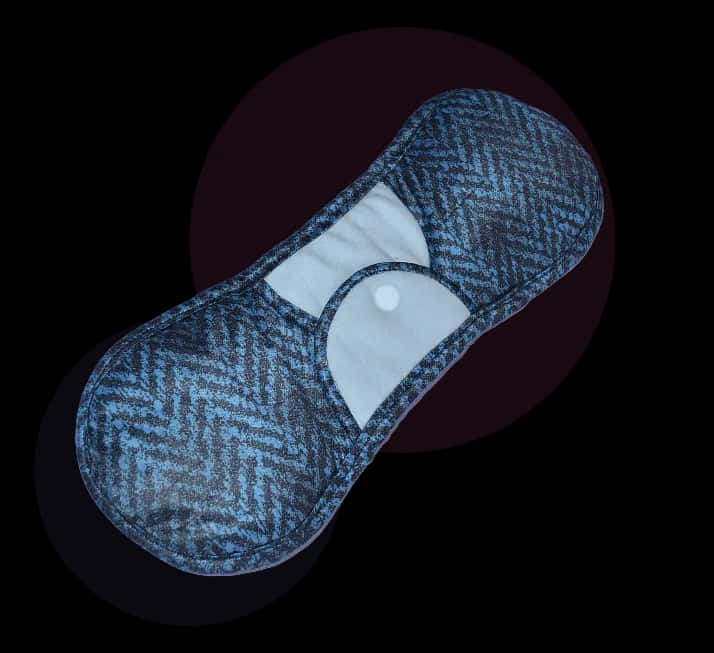
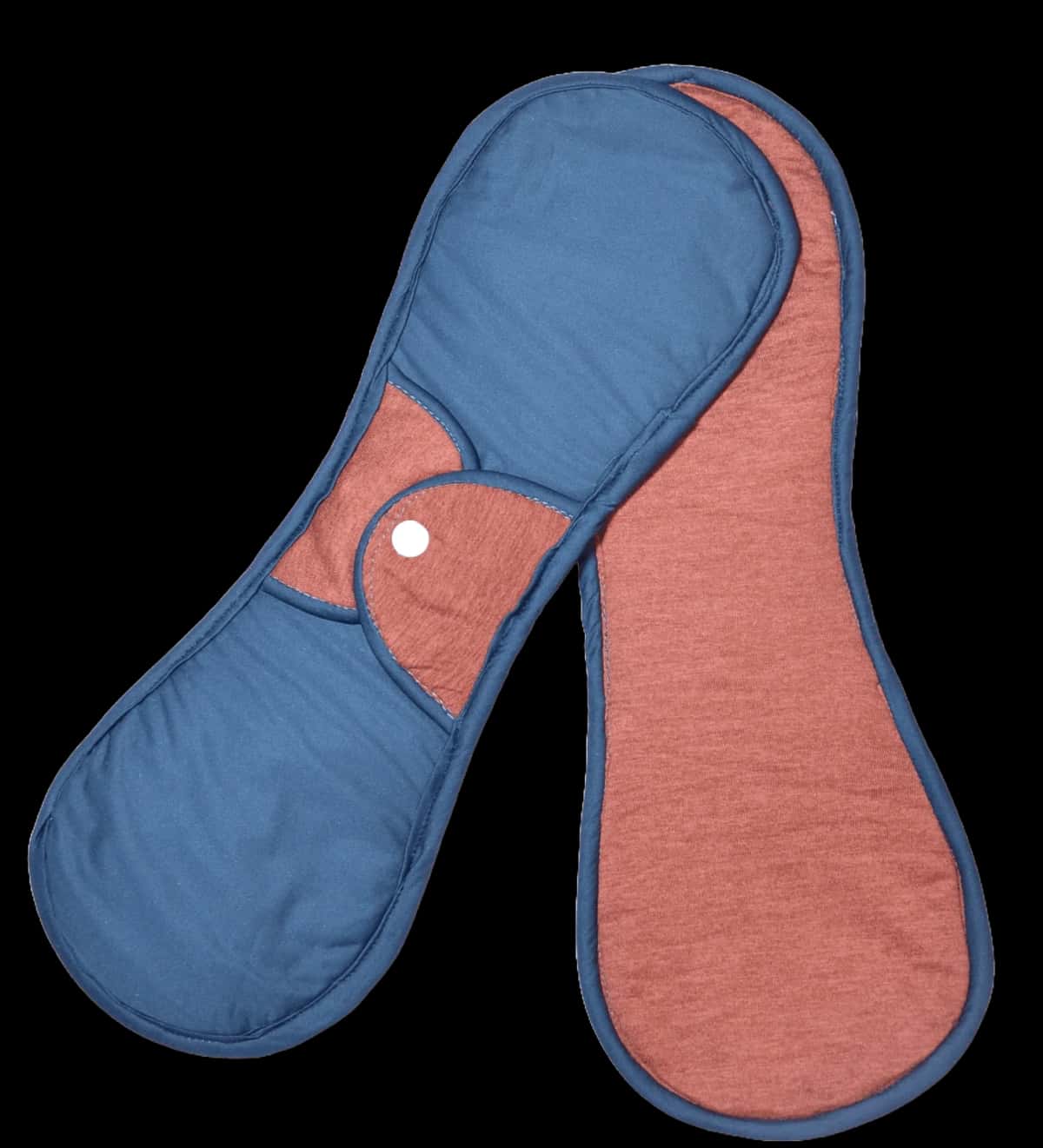
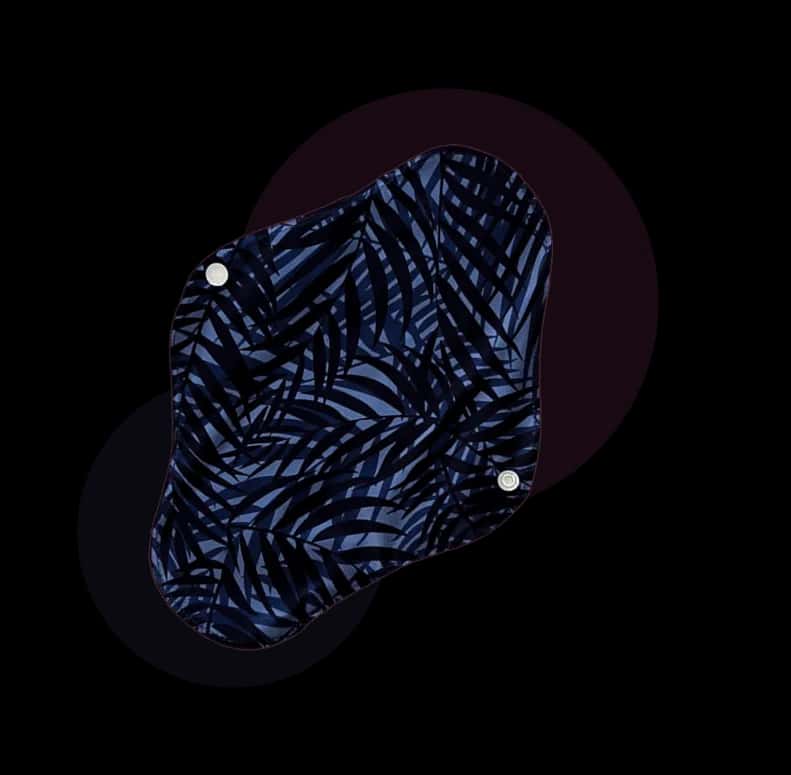
Choose di correct reusable pad for your flow. If tracking new to you, you fit never sabi your flow pattern, so to start with di Starter Kit make sense. Di Starter Kit get three Premium Pads plus storage pouch – e reach to carry you through your period if you dey wash and rotate dem. Premium Pads get one layer wey no dey leak and three layers wey dey soak, and dem dey handle normal flow well for most women.
As you dey track your cycle for some months, you go sabi your flow pattern. If your heaviest days dey soak Premium Pads quick, Maxi Pads wey get five layers wey dey soak go give better protection. Dem dey work well for night too, dem dey stop leak while you dey sleep. If you get light flow days for di beginning or end of your period, No Wahala Pads wey get only one layer wey dey soak dey give comfortable, thinner protection wey reach for light bleeding.
To use reusable pads dey easier when you understand your cycle. Pack your pads di day before your period suppose start. Prepare by washing your pads from last cycle and keep dem ready. For heavy flow days, change more often and rinse used pads quick to stop stain. As flow dey reduce, you fit wear pad longer before you change.
For Organisations and Community Leaders: How to Support Women Health
Schools, NGOs, health facilities, religious organisations and women groups fit make big impact when dem combine menstrual cycle education with access to reusable pads.
Start by organising menstrual health education sessions. Use di information for dis article to arrange workshops wey cover cycle phases, hormones, tracking methods, and symptoms wey normal versus symptoms wey suppose worry person. Create safe space where girls and women fit ask questions without shame. Plenty Nigerian women get basic questions but dem no get where to ask. For Kano, one secondary school report say after dem host menstrual health workshops, girls dey feel more free to talk about period with teachers and to find help for symptoms wey dey worry dem.
Give tracking tools. Simple printed calendars where girls fit mark dia cycle no cost much, but dem dey give women power with knowledge about dia body. Teach practical tracking – how to know day 1, which symptoms to note, and how to calculate cycle length. Follow up after some months to help participants understand dia patterns.
Combine education with access to products. Schools, NGOs and oda organisations fit order any quantity for di same fixed price per pack. One reusable pad dey last 2-3 years, so one distribution dey give years of menstrual care wey get dignity. Schools fit create “pad libraries” where girls fit borrow clean pads during school day, wey dey useful especially for girls wey period start for dem unexpectedly or wey forget dia pads for house.
Partner with local health workers to give medical support to women wey find worrying symptoms through tracking. Create referral pathways so women wey notice irregular cycles, serious pain or too much bleeding fit get correct care. For areas wey no get enough healthcare, train community health workers to give basic education on when symptoms need medical attention.
Organisations wey dey work on menstrual health dey create effect wey dey spread through communities. When one woman learn to track her cycle and manage her period with dignity, she go teach her daughters, her friends and her community members. When schools give education and products, girls dey stay for school during dia period, and dis one dey lead to better education results and more opportunities. Dis investment for women health dey make whole communities strong.
Final Word
Your menstrual cycle na strong sign of your general health. Di four phases – menstruation, follicular, ovulation and luteal – dey create monthly rhythm wey estrogen, progesterone, FSH and LH dey control together. To track your own pattern for just three months dey show valuable information about your body, and e dey help you plan your life with sense and catch health problems early. When you understand say your cycle dey affect your energy, mood and body symptoms throughout di month, e dey stop confusion and e dey help you work with your natural rhythm instead of against am.
Across Nigeria, women dey take back power over dia reproductive health through knowledge and access to correct menstrual products. You deserve to understand di language of your body, to manage your period with dignity, and to make informed decisions about your health. Whether you be teenage girl for Kano wey just dey start to track your first cycles, mama for Port Harcourt wey dey teach her daughter about hormones, or programme manager for Abuja wey dey design menstrual health projects, dis knowledge dey give freedom.
Start to track your cycle today, and think about to change go affordable, sustainable reusable pads wey fit your own flow pattern. Together, we fit end period poverty and make sure say every Nigerian woman get di knowledge and resources to manage her menstrual health with confidence and dignity. Visit our website to learn more about women health for Africa and find products wey dey support your menstrual wellness journey.
Continue to read for Women Health for Africa
Questions wey pipo dey ask well well
Why I go choose Sana Pads instead of normal disposable pads?
Sana Pads dey made from high-quality materials wey you fit use again, and dem be sustainable, eco-friendly option instead of disposable sanitary products. Dem dey gentle for your skin, dem dey soak well-well, and dem go save you money for long run. When you choose Sana Pads, you dey help reduce plastic waste while you dey enjoy comfort and pad wey you fit trust for your whole cycle.
How long I fit use Sana Pad before I need to wash am?
Sana Pad dey give you comfort and protection for 4 to 8 hours, depending on your flow. To stay fresh, change am every 4 to 6 hours – more often for heavy days. After each use, rinse am for cold water and wash am with soap. If you take care of am well, each pad go last 2 to 3 years.
Sana Pads dey safe for sensitive skin?
Yes, Sana Pads dey made from soft, breathable and hypoallergenic materials (materials wey no dey easily cause allergy), so dem dey gentle for your skin. Dem no get di harmful chemicals and toxins wey dey common for disposable pads, so dem be correct choice for pipo wey get sensitive skin or allergies.
How I go take clean and take care of my Sana Pads?
Rinse your pad for cold water immediately – hot water dey make blood stain stick. Then wash am with mild soap, with hand or for machine, and rinse until di water clear. Dry am finish for direct sunlight, wey dey also kill germs. Abeg no use tumble dryer, bleach or fabric softener: dem dey spoil di layers wey dey soak. If you take care of am like dis, Sana Pad go last 2 to 3 years.
Price dey change for bigger orders?
No. Each product get fixed price per pack, no matter how many packs you order. You fit calculate your total with our price calculator. For big orders, send us direct message and we go confirm di delivery cost with you before you pay.
Testimonials
See wetin our customers dey talk about our products.
Women for all over di world dey buy Sana

“For first, e dey irritate me to use washable sanitary pad. I decide to try am, and to my greatest surprise, e comfortable well-well and e easy to wash. You fit even do your daily things without fear say blood go stain you for public. I wan give Big shout out to SANA PADS!!”

“I dey really love Sana reusable pads! Dem dey make me relax and feel free for my period time. Plus, dem don reduce the cost and stress of buying disposable pads every month well-well. Kudos to Sana for making dis kind correct product – I go be fan forever!”
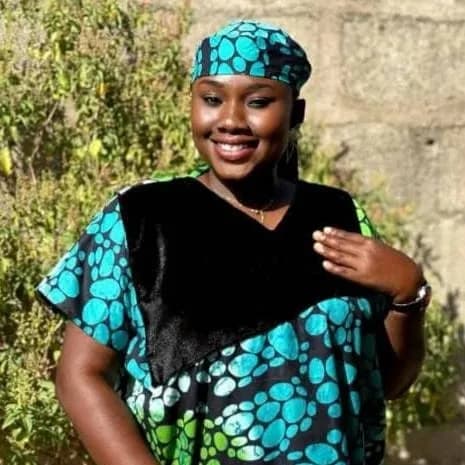
“Sana Pad good well-well, e dey make you comfortable and free. I love the pads, na the best ever!”

“I don try different brands of reusable pad, but Sana stand out for the quality, the comfort and how e dey last. Dem design am with sense, and the material dey gentle for my skin. As I change to Sana, e don reduce how I dey spoil environment and e don also save me money for long run. I dey grateful for dis solution wey go last!”

“To dey buy disposable pads every month dey add up well-well, so I talk say make I try Sana Pads. E surprise me how soft dem be, and dem dey work well for long days for university. To wash dem simple, and e don reach months wey I never buy new pad, so e don save me money. I also like say dem dey better for environment. E sweet me say I get option wey cheap and wey better for environment.”

“I don try different pad brands for years, but Sana pads really stand out. From the first time I use am, I see the difference — e soft for skin, e dey soak well-well, and e comfortable die. Even for my heaviest flow days, Sana pads dey hold well. Wetin I also love na how the material dey allow air pass and e good for skin. If you dey find pad wey get comfort, wey you fit trust, and wey get quality, I really recommend make you try Sana pads.”
Time to join hand
Contact Us
Margaret Ochegbudu
Business Manager