Fertility Awareness for African Women: Full Guide to Understand Your Cycle
Where pipo don see us







 Margaret Ochegbudu don check am · Update 28 min to read
Fertility awareness mean say you dey track signs for your body, like di fluid wey dey come from your cervix (cervical mucus) and your temperature when you wake up, to know your fertile days. If you wan do am correct, you must observe every day for many cycles. E free and you no need medicine, but e no dey reliable for anybody wey her cycle no regular.
Wetin Be Fertility Awareness and How E Fit Help You?
Fertility awareness (dem also dey call am natural family planning or cycle tracking) na di way you dey watch di signs wey your body dey show for your whole menstrual cycle, to know when you dey fertile. E no be like guess or apps wey no fit know your own pattern; dis method dey teach you to read di signal direct from your body.
Di Main Points:
- Women dey fertile for only about 6-7 days every cycle (5 days before ovulation plus di day of ovulation itself).
- Fertility awareness dey work by tracking cervical fluid, basal body temperature, and how long your cycle be, to know those fertile days.
- Dis method dey 95-99% effective when you use am correct and every time, like many modern contraceptives.
- Over 200 million women for di whole world dey use fertility awareness methods, plus more and more women for Nigeria and Africa.
- To learn dese methods no cost anything apart from thermometer (₦2,000-₦5,000), and you no need to dey spend money every time or go clinic.
- Fertility awareness dey help you understand health wahala like PCOS or irregular cycle, because e dey show di pattern over time.
- Nigerian women dey often see say dis method fit dia culture and religion pass hormonal contraception.
To understand your fertility dey change how you see your body. Whether you dey live for busy Lagos or for village for Kaduna, dese signs dey work di same way and dem dey give you information wey nobody fit collect from you.
Yetunde siddon for di edge of her bed for Surulere, Lagos, she hold one calendar wey she don dey mark for three months. Her mama never teach her about fertility signs. For secondary school, biology class rush pass reproduction for one week wey everybody dey shy. Now wey she don reach 28, and she dey try get belle with her husband, she realise say she no sabi almost anything about when her body dey really fertile. Her friend Omotola don mention something wey dem dey call “fertility awareness” but Yetunde dey shame to ask detailed questions. Like many Nigerian women, she don spend years dey try make she no get belle, but she never learn how belle dey really happen or how to know di natural signs wey her body dey show when e dey fertile.
You no dey alone if dis one sound familiar. All over Nigeria and Africa, millions of women dey manage dia reproductive life with small information about dia own cycle. Whether you wan get belle, avoid am natural way, or just understand your body better, fertility awareness dey give practical knowledge wey women don get for generations. Dis guide go show you exactly how to use am for Nigeria.
Understand Your Menstrual Cycle and Your Fertile Window
Your menstrual cycle no be only about your period. Na full hormone conversation wey dey happen for your body every month, and e dey bring changes wey you fit see and learn to know. Most Nigerian women learn say cycle na 28 days, but healthy cycles dey actually range from 21 to 35 days, and plenty difference dey normal well well.
Di Four Phases of Your Cycle
Your cycle get four different phases, and each one get different hormone pattern. Day 1 na di first day of your period (full flow, no be small spotting). Di menstrual phase dey last 3-7 days while di lining of your womb dey comot. For dis time, fertility hormones dey low and you no dey fertile.
Di follicular phase dey start for day 1 and e dey continue until ovulation. Your body go start to produce follicle-stimulating hormone, wey dey tell your ovaries make dem prepare egg. How long dis phase dey last dey different from woman to woman, and even from one cycle to another for your own body. Woman for Abuja fit get 10-day follicular phase for one month and 14 days di next month, especially if she don get stress, sickness, or travel.
Ovulation na when one mature egg comot from your ovary, normally 12-16 days before your next period start. Dis na di most important thing for fertility awareness. You fit get belle only if sperm meet egg, and di egg dey survive only 12-24 hours after e comot. But sperm fit survive for fertile cervical fluid for up to 5 days, na why your fertile window dey reach about 6-7 days total.
Di luteal phase dey come after ovulation and e dey last about 10-16 days (dis length dey almost di same every time for each woman). For dis phase, your body dey produce progesterone to prepare for belle wey fit happen. If belle no happen, hormone level go drop and period go start, and di cycle go start again.
Di Science Behind Your Fertile Window
Pipo don tell many Nigerian women say you fit get belle “any time” or only “for day 14.” Both na lie. Research show say 95% of pregnancies dey come from sex during di 6 days wey end for ovulation day. Outside dis window, belle almost no fit happen according to statistics.
Di fertile window dey because of cervical fluid. As ovulation dey near, your cervix dey produce fluid wey dey feed sperm and carry am go. Dis fluid dey change from sticky or creamy (less fertile) to clear, slippery, and stretchy like raw egg white (very fertile). For Nigeria hot weather, you fit notice dis fluid easy. After ovulation, progesterone dey make cervical fluid dry quick, and you go feel “dry.”
Your basal body temperature (BBT) also dey change with ovulation. Before ovulation, your BBT dey normally range from 36.2°C to 36.5°C. After ovulation, progesterone dey raise your temperature by 0.2°C to 0.5°C, and e go stay so until your period. Dis temperature change dey confirm say ovulation don happen. For Lagos or Port Harcourt humid weather, you need to check your temperature first thing for morning before you comot from bed, and use di same thermometer every day.
Common Cycle Differences for African Women
Nigerian and African women get di same fertility pattern like women for di whole world, but some things dey affect our cycle in special way. Heat and humidity no dey change di time of ovulation, but dem fit make am easy to observe cervical fluid. Stress from money wahala, NEPA light wey dey go and spoil sleep, or family pressure fit delay ovulation, and dat cycle go long.
Breastfeeding dey affect fertility well well. Di lactational amenorrhea method (LAM) dey give natural protection from belle if your baby never reach 6 months, you dey give di baby only breast milk, and your period never come back. Many Nigerian mamas dey breastfeed for long time, and fertility awareness dey help you know when fertility come back, wey dey different well well from woman to woman.
Sickness wey common for Nigeria, like malaria or typhoid, fit scatter cycle for small time by delaying ovulation. Dis no mean say di method fail – e mean say you dey see say your body never show fertile signs yet and you go adjust. Na di method dey work be dat, to keep you informed.
How to Do Fertility Awareness: Three Methods Wey Don Prove
To learn fertility awareness mean say you go choose one or more ways to observe and you go track am every time. You no need expensive apps or equipment – na only commitment to observe every day. Make we look di three main ways and how dem dey work for Nigeria.
Di Cervical Fluid Method (Billings Ovulation Method)
Dis method depend completely on how you observe cervical fluid for your whole cycle. Every day, you go check how di opening of your vagina feel and look any fluid wey dey for your pant or when you wipe after toilet. You dey look for change for how e thick, di colour, and how e feel.
Start to check after your period finish. For di beginning, you fit feel “dry” and no fluid wey you fit notice. As ovulation dey near, fluid dey normally show – first e go cloudy or white and sticky, den e go creamy, and last e go clear and slippery. Dis very fertile fluid dey feel slippery like oil, e dey stretch between your fingers, and e dey look like raw egg white. Di last day of dis slippery, stretchy fluid na “peak day” and e dey normally happen within one day of ovulation.
After peak day, di fluid dey dry quick within 1-3 days because of progesterone. You go go back to dry feeling until your period start. To avoid belle, no do sex or use barrier (like condom) from di first day wey you notice any cervical fluid until 4 full days after peak day. To get belle, do sex during di days of slippery, stretchy fluid.
Dis method dey work well for Nigeria because e no need any equipment and you fit check anytime you use toilet. Whether you dey house for Kano, for work for Abuja, or you dey travel, your body dey give di information. Many Nigerian women like say dis method no need make dem discuss buying things with partner or go clinic.
Di Basal Body Temperature Method (BBT)
BBT tracking mean say you go check your temperature every morning before you comot from bed, before you talk, drink water, or do anything. You dey look for di temperature change wey confirm say ovulation don happen. Use basal thermometer (dem dey sell am for pharmacies for big Nigerian cities for ₦2,000-₦5,000) wey dey show two numbers after di decimal point so e go correct.
Check your temperature around di same time every morning. Write am for chart or simple notebook. For di follicular phase, temperature dey stay for lower range. After ovulation, you go see say temperature go up and e go stay up. Di change fit slow over 2-3 days or e fit happen sudden. Once you see three temperatures one after di other wey at least 0.2°C higher than di six days before, you don confirm ovulation.
To prevent belle, di fertile window dey close for di evening of di third high temperature one after di other. From dat time until your period start, belle no fit happen according to statistics. To get belle, BBT no too help to time sex (because e dey confirm ovulation after e don happen) but e dey very good to confirm say you dey ovulate and to know how long your luteal phase be.
Wahala for Nigeria include sleep time wey no regular, NEPA light wey dey go and spoil sleep, or shift work. If you be nurse wey dey do night shift or mama wey baby dey wake plenty times, BBT fit no too reliable. Di method need at least 3-4 hours of sleep wey no break before you check your temperature. But many Nigerian women dey use BBT well by checking temperature anytime dem wake after dia longest sleep, and dem dey write any disturbance for dia chart.
Di Symptothermal Method (Join Plenty Signs Together)
Di symptothermal method dey join cervical fluid observation, BBT tracking, and often checking where your cervix dey, to make am work pass. Dis joined way dey give you double check – you no dey depend on one sign alone, so you go get confidence and you go catch cycles wey no normal.
You go track cervical fluid every day like we talk above. You go also check your BBT every morning. Some women dey add cervix position check – your cervix dey change position and how e feel during your cycle; e dey low and hard (like di tip of your nose) when you no dey fertile, and e dey go up and soft (like your lips) when you dey fertile. To do dis, you go put clean fingers inside your vagina to feel your cervix; some Nigerian women dey comfortable to do am, others no dey. E no compulsory.
With di symptothermal method, you go count yourself as fertile from di first sign of any cervical fluid OR from day 6 of your cycle (anyone wey come first) until di evening of di third high temperature one after di other AND 4 days after peak cervical fluid day. Dis double-check system dey make di method work well well when you use am correct.
Di symptothermal method need more attention every day than methods wey use only one sign, but e dey give 99% effectiveness with perfect use. Many Nigerian women wey dey use dis method to prevent belle dey see say di confidence worth di few minutes every day. Teacher for Kaduna fit check cervical fluid when she use toilet for school, check her temperature before her 5:30am prayers, and write everything for chart before breakfast – e go just become simple morning routine.
Our pads wey you fit wash

Why African Women Dey Choose Fertility Awareness
Fertility awareness get special benefits wey match Nigerian and African women situation, values, and health needs well well. To understand dese benefits go help you decide if dis way fit your life.
Money Freedom and Economic Benefit
Di money benefit of fertility awareness big well well for Nigeria. Hormonal contraceptives dey cost ₦1,500-₦5,000 every month for pills, ₦3,000-₦8,000 every three months for injection, or ₦15,000-₦40,000 to put things like IUD or implant. For all di years wey woman fit get pikin, dese costs dey add up reach hundreds of thousands of Naira.
Fertility awareness need only one-time buying of basal thermometer (₦2,000-₦5,000) and paper to write chart – or nothing at all if you dey use only cervical fluid method. After you learn di method, wey normally dey take 1-3 cycles of observation, you go get knowledge wey go serve you for many years. Many Nigerian women dey attend free classes for churches, NGOs, or health centres to learn how to observe correct.
For couples wey dey plan to get pikin, fertility awareness dey normally reduce di time to get belle because e dey help you know your real fertile days instead of guessing. Dis fit save money wey you for spend on ovulation kits (₦2,000-₦5,000 each) or fertility treatment. Woman wey dey use fertility awareness wey get belle for 3 months instead of 12 months of trying anyhow, don save nine months of stress wey no need and maybe doctor visits.
Di method also dey remove cost wey no dey stop for all your reproductive years. Whether you be 18 or 45, whether you dey avoid belle, dey try get am, or dey watch your health, di observation na di same. Mama for Enugu wey teach her daughter fertility awareness don give her tool wey no cost anything to maintain and wey go help her for 30+ years.
Health Benefit and To Sabi Your Body
Fertility awareness dey make you sabi your body normal pattern well well, so you go quick notice when something no correct. Women wey dey chart dia cycle dey notice early signs of conditions like polycystic ovary syndrome (PCOS), thyroid problem, or hormone imbalance wey dey show as ovulation wey no regular, short luteal phase, or temperature wey no change at all.
E no be like hormonal contraceptives wey dey cover cycle wahala; fertility awareness dey show dem. If you get PCOS, wey dey affect 8-13% of women wey fit get pikin for di whole world (di rate almost di same for African women), your charts go show am through ovulation pattern wey no regular. To discover am early mean early treatment and better health for long time. Woman for Jos wey notice say she never ovulate for three months fit go find medical care quick instead to discover fertility problem years later when she dey try get pikin.
Di method no get any side effect because you no dey put hormone or device inside your body. Many Nigerian women talk say dem dey add weight, mood dey change, or dem no too want sex when dem dey use hormonal contraceptives. Others get medical conditions (like history of blood clot or some cancers) wey make hormonal methods no good for dem. Fertility awareness dey work with your natural cycle, e no dey stop am.
Mamas wey dey breastfeed dey benefit well well. Hormonal methods fit reduce breast milk for some women, and many Nigerian mamas dey give only breast milk for six months or more. Fertility awareness dey work fine during breastfeeding, and e dey help you know when fertility come back without affecting your milk or your baby.
Benefit for Culture, Religion and Relationship
For many Nigerian couples, fertility awareness fit dia culture and religion pass artificial contraception. Most religious traditions don approve di method, including Catholic, some Protestant churches, and many Islamic scholars, because e dey work with natural fertility instead to block am by force.
Di method need husband and wife to talk and work together, especially when dem dey use am to prevent belle. Many Nigerian women talk say dis one dey make dia marriage better – partners dey discuss fertility together, make decisions together, and often dem dey closer. Man wey understand im wife cycle dey often feel say family planning concern am too, instead to see am as “her responsibility” alone.
Fertility awareness dey respect di knowledge about women body wey many African cultures don hold from generation to generation. Your grandmama fit no call am “di symptothermal method,” but she fit don sabi things about moon cycle, body signs, and di time of fertility. Dis way dey respect dat old wisdom and e dey add science to make am correct.
Di method also dey flexible. During fertile days when you dey avoid belle, couples fit choose to no do sex, use barrier like condom, or do outercourse (sex play wey penis no enter vagina). Dis flexibility dey let you make decisions wey fit your relationship stage, how you practice religion, and wetin you like. New married couple for Abeokuta fit choose to no do sex during fertile days, while couple wey get three pikin fit prefer condom for those 6-7 days every month.
Common Worries About Fertility Awareness for Nigeria
Every woman wey dey think about fertility awareness get correct questions and worries. Make we answer di common ones direct and honest, with practical answers for Nigeria.
"Wetin If My Cycle No Regular? E Go Work for Me?"
Na dis worry pipo dey get pass, and e make sense. Many Nigerian women get cycle wey no regular because of stress, health conditions like PCOS, breastfeeding, or because menopause dey near. Dis na di truth: fertility awareness dey actually work better than calendar methods exactly because e dey follow wetin your body dey do for each cycle instead to predict from average.
Calendar methods (like to think say you dey ovulate for day 14 or to use apps wey dey predict from your past cycles) dey fail when cycle no regular because na guess dem dey guess. True fertility awareness methods – cervical fluid and BBT – dey observe wetin dey happen at di moment. If stress delay your ovulation reach day 22 instead of day 14, you go notice say cervical fluid show late and you fit act accordingly.
But cycles wey no regular at all need more careful count of di fertile window and more careful observation. If your cycles dey change anyhow (sometimes 28 days, sometimes 50 days), you fit get longer time wey you go count as “maybe fertile” until you confirm clear say ovulation don happen. Woman wey get PCOS for Ibadan fit see 15-20 days wey fit be fertile for some cycles instead of 6-7 days, and she go need more days of no sex or barrier use if she dey prevent belle.
To get belle when your cycle no regular, fertility awareness dey actually good well well. Instead to guess when you go ovulate, you go wait make cervical fluid show (anytime wey e happen) and time sex for dat time. Many women wey get cycle wey no regular, wey struggle to get belle by trying anyhow, dey succeed within few cycles when dem use fertility awareness to know when dem really ovulate.
"E Really Dey Work? I Don Hear Say E No Dey Work"
Di question about how well e dey work deserve clear answer wey get evidence. When we talk about “di rhythm method” or “calendar method” wey your mama fit don try, yes, those ones no dey work well like dis (around 75-88% with normal use). Those methods dey guess from average and dem no dey observe real body signs.
Modern fertility awareness methods – especially di symptothermal method wey join cervical fluid and temperature – dey show 98-99% effectiveness with perfect use and about 95% with normal use. One 2007 German study of 900 women wey dey use di symptothermal method to prevent belle find 99.6% effectiveness rate. Dese numbers reach or pass many hormonal contraceptive methods.
Di key word na “if you use am correct.” Fertility awareness need observation every day, correct charting, and to follow di rules strict during di fertile window when you dey prevent belle. E need commitment from both partners. If couple decide to “try am anyhow” during fertile days wey dem don see, dat one no be say di method fail – na di choice wey di users make.
For Nigeria, to get good teaching dey affect how well e dey work well well. To learn from trained teacher (dem dey for some hospitals, religious organisations, or NGOs) dey give better result than to try learn from app alone. Couple for Warri wey attend three teaching sessions and learn to chart correct go get better result well well than person wey dey try join information together from internet sources wey no agree with each other.
To get belle, dem dey measure how well e dey work in another way – how quick you get belle. Studies show say couples wey dey use fertility awareness to get belle dey normally get am within 3-6 cycles, but 12+ cycles when dem dey try anyhow, so e dey work very well for dis goal.
"Wetin About Nigeria Weather and How We Dey Live?"
Nigerian women dey often ask if heat, humidity, or infrastructure wahala dey affect fertility awareness. Dese na practical worries from real life wey deserve honest answer from wetin pipo don live through.
Heat and humidity no dey actually change your fertility signs, even though dem fit affect how you go take observe. You fit still see cervical fluid no matter how hot outside be. But sweat fit mean say you need to check di fluid direct for di opening of your vagina instead to depend on wetin you see for pant. Many Nigerian women dey find say di “inside check” method dey more reliable for hot weather anyway.
Bad sleep from NEPA light wey dey go, heat wey make sleep no sweet, or generator noise fit affect BBT. If your night bad well well, write am for your chart. One temperature wey no correct no dey spoil your whole chart – na di general pattern you dey look. Most women see say dem fit still know di temperature change even when sleep spoil sometimes. To check your temperature di same time every day matter pass perfect sleep.
Water shortage no dey too affect observation, but if you dey area wey water no plenty, keep hygiene by washing hand before you check your cervix inside. Some women dey keep small bottle of water specially to wash hand before dem check cervix position.
To live for house wey many generations dey together fit affect privacy for chart or to talk with your partner. Many Nigerian women dey keep dia chart secret for dia bedroom or dem dey use simple signs wey only dem understand. Di observation itself dey take only few minutes for bathroom or bedroom – e no different from di time you dey take care of your body.
Travel, whether na inside Nigeria for work or to visit family, no dey stop fertility awareness. Your body dey travel with you. Time zone change fit affect BBT for small time (check temperature after your longest sleep), but cervical fluid dey di same. Businesswoman wey dey travel between Lagos and Abuja every week fit continue her observation easy like person wey no dey move.
How Fertility Awareness Fit Nigerian Women Health Needs
All over Nigeria, women dey face special reproductive health wahala – small access to good healthcare for village areas, cost wahala, culture shame to talk about period and fertility, and gap for health education. Fertility awareness dey handle some of dese wahala in special way.
For village communities from Sokoto to Cross River, where health centre fit dey hours away and contraceptives no dey always dey stock, fertility awareness no need supply chain. Woman go learn di method once and she go do am by herself, without monthly clinic visit or hoping say pharmacy get stock. Dis independence matter well well when di nearest clinic dey 30 kilometers away or health workers dey change anyhow.
Health education gap dey leave many Nigerian women with small understanding of dia own body. One 2019 study find say fewer than 40% of Nigerian teenage girls fit talk correct when for dia cycle belle fit happen. Fertility awareness dey fill dis gap and e dey give full education about how di body dey make pikin. Woman wey learn fertility awareness no go only sabi how to track her cycle, she go also sabi how ovulation dey work, wetin hormones dey do, and how her body dey function. Dis knowledge dey improve her health knowledge for life.
Di method also dey face di reality say many Nigerian women no get control over contraceptive decisions. Fertility awareness need di man to join, and dis one fit be benefit or wahala depending on how di relationship be. For healthy relationship, to share responsibility for fertility awareness dey often make men respect dia wives body more and join family planning more. But for relationship where woman no get power, any method wey need partner to cooperate go get wahala. Dis na honest reality wey we must talk.
Money pressure mean say many Nigerian families no fit pay contraceptive cost every time. With inflation wey dey push medicine prices up, method wey no cost anything after you learn am dey attractive pass. Di thermometer wey cost ₦2,000-₦5,000 na about one month of family planning pills, but e dey last for years. For family wey dey manage budget carefully to pay school fees and handle food price wey dey rise, dis difference matter well well.
Sana Pads and Women Health Education
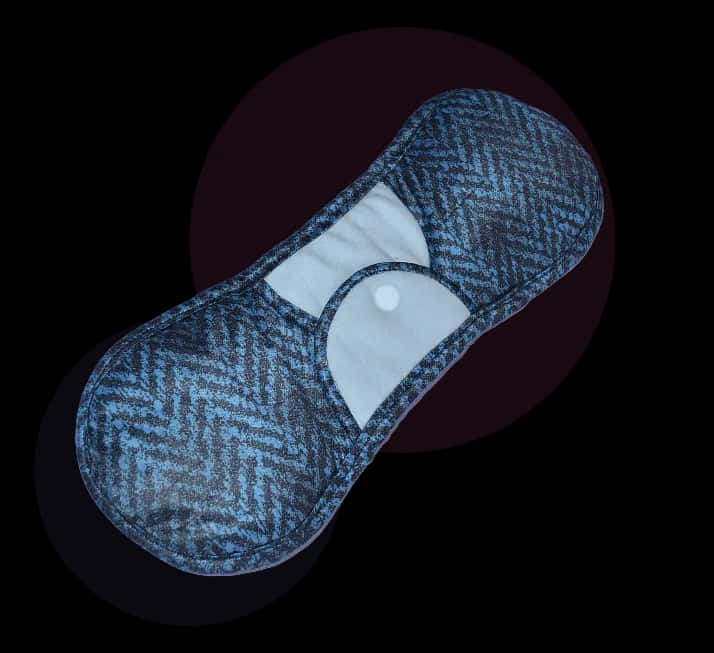
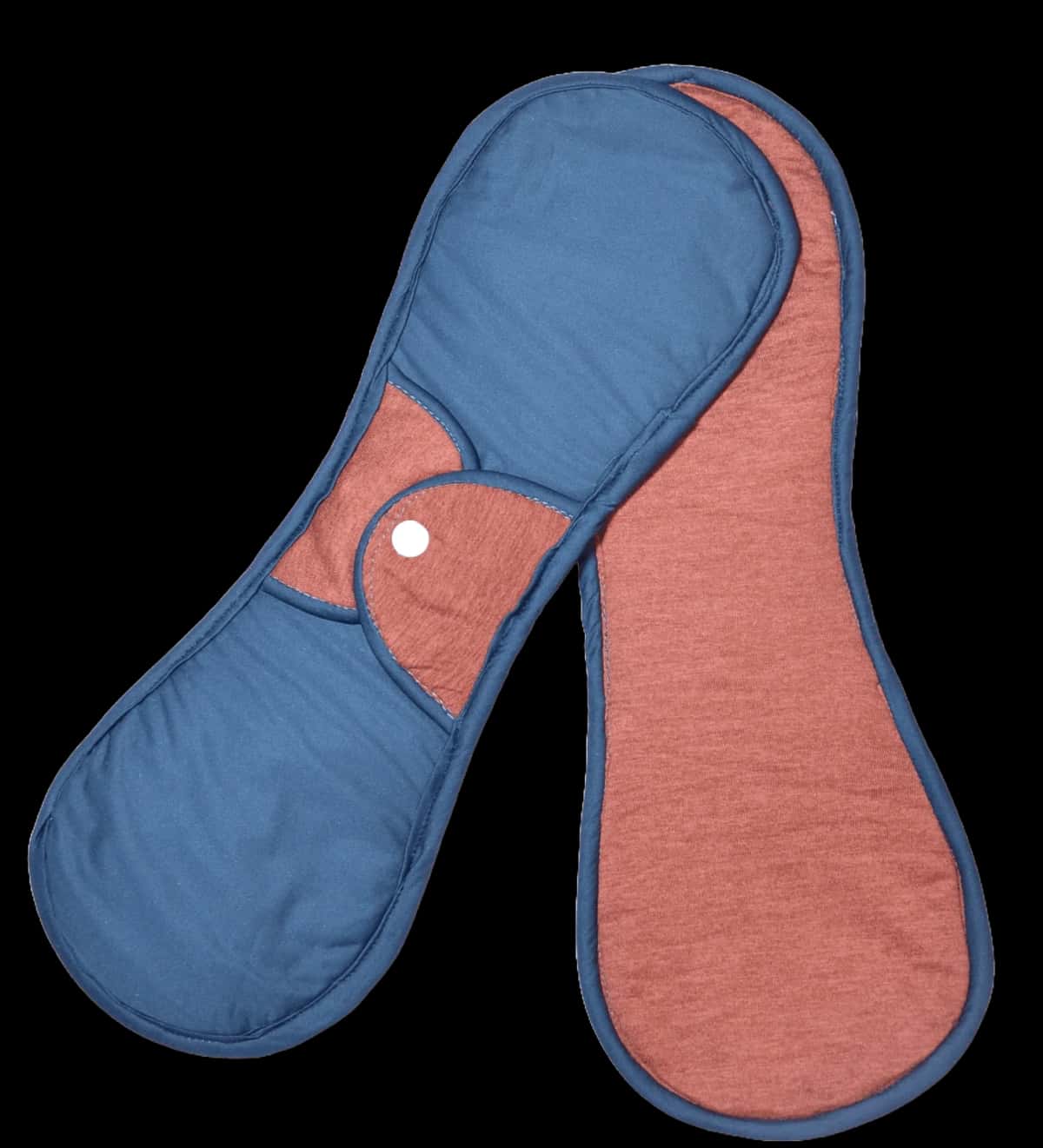
For Sana Pads, we sabi say period poverty and fertility knowledge na parts of women reproductive health wey join together. To understand your cycle dey help you know when your period go come, manage how your flow dey change, and plan how many pads you need. Many women notice say dia flow heavy pass for days 1-2, wey need our Maxi Pads with 5 layers wey dey soak, while later period days dey work well with Premium Pads with 3 layers wey dey soak.
Since 2018, Sana Pads don support over 10,000 Nigerian women directly and don share more than 30,000 reusable pads for communities. We dey make am for Nigeria, and we understand di special wahala wey you dey face – our hot, humid weather, infrastructure wahala, and di need for products wey go last without changing dem every time. Our pads dey dry fast pass imported ones wey dem design for countries wey weather cool, dem use materials wey fit stand Nigeria washing conditions, and dem cost about 85-90% less for dia whole life compared to buying pad wey you go throw away every time.
Apart from selling pads, we commit to full menstrual health education wey include understanding your cycle, to sabi your body, and empowerment. When you understand your fertility, you fit make decisions about family planning wey you sabi well, notice health problems early, and trust your body wisdom. Dis one join well with our mission to end period poverty – because poverty no be only about money to buy products, na about access to knowledge, dignity, and control over your reproductive life.
Our team understand say to track your cycle dey easier when you no dey worry about pad cost during your period. One Sana pad dey replace about 150-200 pads wey you go throw away for di 2-3 years wey e dey last. Dat na ₦15,000-₦30,000 wey you save wey fit go for your family needs, including health care, education, or just to reduce money stress wey dey affect your cycle.
We dey give advice to organisations wey dey run fertility awareness programmes and need period products wey reliable and cheap. Schools wey dey teach girls reproductive health, NGOs wey dey run programmes to empower women, and health centres wey dey give family planning education don partner with Sana Pads for bulk orders. To teach girls about dia cycle dey get more impact when e join with period solutions wey go last.
How to Start Fertility Awareness for Nigeria
Whether you wan prevent belle natural way, get belle quick, or just understand your body better, to start fertility awareness get clear steps wey you fit follow. You no need to perfect from di first day – you dey learn skill wey dey better as you dey practice.
For Yourself: Your First Three Cycles
Start with simple observation for your next cycle. You no need buy anything now or make big decisions. Start by noticing cervical fluid every day – check when you use toilet, look wetin you see for tissue or pant, and notice how you feel for di whole day. Write simple notes: “dry,” “sticky,” “creamy,” “slippery,” “stretchy.” Na your starting point be dat.
If you wan add temperature tracking, buy basal thermometer from pharmacy for Lagos, Abuja, Kano, or order online if you dey small town. Digital thermometers wey dey show two numbers after di decimal point dey work well. Start to check your temperature every morning before you comot from bed, around di same time. Write am for paper – simple notebook with dates and temperatures dey work perfect. You never dey make decisions yet, na just to observe pattern.
For dese first three cycles, use di method wey you dey use now to prevent belle (whether na condom, no sex, or hormonal contraceptives wey you dey finish). You dey learning mode, you dey build confidence to know your signs. By di end of three cycles, you go likely see clear patterns – when cervical fluid dey show, how your temperature change dey look, how long your luteal phase dey last.
Find teaching if you fit. Some Catholic churches dey offer Natural Family Planning classes (open to anybody no matter di religion). Some hospitals for big cities get trained teachers. Online resources dey, but to learn face to face from person wey fit check your charts and answer questions about your own body dey make am correct well well. To invest for 2-3 teaching sessions dey pay back for confidence and correct practice.
To manage your period during dese learning cycles, try our Starter Kit (3 Premium Pads with 3 layers wey dey soak plus pouch to keep dem) as cheap way to start reusable pads. Premium pads dey work well for normal flow days, wey most women dey see for most of dia period. Watch whether you need our Maxi Pads with 5 layers wey dey soak for your heaviest days or if No Wahala Pads with 1 layer wey dey soak dey work for light days – dis one dey help you understand your flow pattern together with your fertility pattern.
For Organisations: How to Run Fertility Awareness Programmes
Health centres, schools, NGOs, and religious organisations all over Nigeria na correct places for fertility awareness education. To run programme need trained teachers, materials wey fit culture, and follow-up support for di pipo wey join.
Start by training your staff for fertility awareness methods through certified programmes. Di Couple to Couple League, Billings Ovulation Method Association, and other organisations dey offer teacher training (some dey online, some need travel). If at least two trained teachers dey for your staff, you fit offer group classes and follow-up for each person.
Make materials wey respect culture for English and local languages where e fit. Fertility awareness involve to talk about body, sex, and fertility open but with respect. Materials suppose answer common Nigerian worries: if religion accept am, how partner go join, how to observe for house wey many pipo dey share, and how to manage local infrastructure wahala. Pictures wey show cervical fluid changes and temperature charts dey help women wey dey learn better with picture than with writing.
For di beginning, run programmes with women and men separate (women groups to learn observation, couple sessions to use fertility awareness together), to respect culture rules about talking reproduction. Many Nigerian women dey more comfortable to ask detailed questions when men no dey, while couples need joint sessions to learn how to work together.
Give di pipo wey join basic supplies: basal thermometers (to buy 20-50 thermometers for wholesale dey reduce di cost to ₦1,500-₦2,500 each), charting materials, and maybe reusable period products. Schools wey dey teach teenage girls about cycle fit join menstrual cup or pad provision with fertility education, to handle both knowledge and practical period management at di same time.
For organisations wey dey work with women wey fit use fertility awareness to prevent belle, give follow-up for long time. Group meetings every month for di first 3-6 months go allow women ask questions as dem dey come, share experience, and build confidence. WhatsApp group for di pipo wey join (if most of dem get phone) go make quick questions possible: “Dis one look like fertile fluid?” with photo, or “My temperature different today after bad sleep – I go count myself as fertile?”
Schools, NGOs and other organisations fit order any quantity at di same fixed price for each pack. School wey dey teach 100 girls about period cycle and fertility awareness fit order 100 Starter Kits (each one get 3 Premium Pads) at reduced price for institutions. Dis joined approach – education about how body dey work plus practical tools to manage period – dey change how girls see dia cycle from shame and confusion to knowledge and confidence. Contact us to talk about partnership wey go join fertility awareness education with period poverty solutions wey go last.
Move Forward With Knowledge and Confidence
To understand fertility awareness dey open door for you, whether you be 16 years old for secondary school wey dey learn about your body for di first time, 25 and new married wey dey plan your family, 35 with pikin wey don decide say you don finish with belle, or 45 wey menopause dey near and you wan track di changes. Di knowledge dey work di same way for all dese stages of life because di biology no dey change.
Your fertile window dey for about 6-7 days every cycle, and you fit know am through cervical fluid and basal body temperature. To observe dese signs no cost anything and e dey give information wey you fit use to prevent belle natural way, get belle quick, or watch your health. Research show effectiveness rate of 95-99% with correct use, like modern contraceptives, without side effects, cost wey no dey stop, or to depend on supply chain. Over 200 million women for di whole world dey trust dia observation, including more and more women for Nigeria and Africa wey see say di method fit dia culture, money situation, and health needs.
Start simple – observe your body for three cycles while you dey learn di correct way. Find teaching from trained teachers where dem dey. Practice every time and with honesty. Whether you choose only di cervical fluid method, BBT tracking, or di joined symptothermal way, you dey gain body knowledge wey go serve you for many years.
For Sana Pads, we dey support Nigerian women full reproductive health, from understanding fertility to managing period with dignity. Each of our reusable pads dey last 2-3 years, e dey reduce period cost by 85-90% compared to buying pad wey you go throw away every month, and e dey make less waste for environment. Knowledge about your cycle plus period products wey dey last mean freedom – from period poverty, from confusion about your body, and from depending on systems wey no dey always serve African women well. Learn more about how to support women health programmes and period solutions wey dey last through our resource centre for women health for Africa.
Continue to read for Women Health for Africa
Questions wey pipo dey ask well well
Why I go choose Sana Pads instead of normal pad wey you go throw away?
Dem make Sana Pads from high-quality materials wey you fit use again, so dem be alternative wey dey last and wey good for environment instead of sanitary products wey you go throw away. Dem soft for your skin, dem dey soak well well, and dem dey save money for long run. When you choose Sana Pads, you dey help reduce plastic waste while you dey enjoy comfort and reliability for your whole cycle.
How long I fit use one Sana Pad before I need to wash am?
One Sana Pad dey give you comfort and protection for 4 to 8 hours, depending on your flow. To stay fresh, change am every 4 to 6 hours - more often for heavy days. After every use, rinse am for cold water and wash am with soap. If you take care of am well, each pad go last 2 to 3 years.
Sana Pads safe for skin wey dey sensitive?
Yes, dem make Sana Pads from materials wey soft, wey air dey pass, and wey no dey cause allergy (hypoallergenic), so dem gentle for your skin. Dem no get harmful chemicals and toxins wey dey common for pad wey you go throw away, so dem be correct choice for pipo wey get sensitive skin or allergy.
How I go take wash and care for my Sana Pads?
Rinse your pad for cold water immediately - hot water dey make blood stain stay. Den wash am with mild soap, with hand or for machine, and rinse am until di water come out clear. Dry am finish for direct sun, wey also dey kill germs. Abeg no use tumble dryer, bleach and fabric softener: dem dey spoil di layers wey dey soak. If you care for am like dis, one Sana Pad go last 2 to 3 years.
Price dey change for bigger orders?
No. Each product get fixed price for each pack, no matter how many packs you order. You fit calculate your total with our price calculator. For big orders, send us direct message and we go confirm di delivery cost with you before you pay.
Testimonials
See wetin our customers dey talk about our products.
Women for all over di world dey buy Sana

“I dey really love Sana reusable pads! Dem dey make me relax and feel free for my period time. Plus, dem don reduce the cost and stress of buying disposable pads every month well-well. Kudos to Sana for making dis kind correct product – I go be fan forever!”
“Sana Pad good well-well, e dey make you comfortable and free. I love the pads, na the best ever!”

“I don try different brands of reusable pad, but Sana stand out for the quality, the comfort and how e dey last. Dem design am with sense, and the material dey gentle for my skin. As I change to Sana, e don reduce how I dey spoil environment and e don also save me money for long run. I dey grateful for dis solution wey go last!”

“For first, e dey irritate me to use washable sanitary pad. I decide to try am, and to my greatest surprise, e comfortable well-well and e easy to wash. You fit even do your daily things without fear say blood go stain you for public. I wan give Big shout out to SANA PADS!!”

“To dey buy disposable pads every month dey add up well-well, so I talk say make I try Sana Pads. E surprise me how soft dem be, and dem dey work well for long days for university. To wash dem simple, and e don reach months wey I never buy new pad, so e don save me money. I also like say dem dey better for environment. E sweet me say I get option wey cheap and wey better for environment.”

“I don try different pad brands for years, but Sana pads really stand out. From the first time I use am, I see the difference — e soft for skin, e dey soak well-well, and e comfortable die. Even for my heaviest flow days, Sana pads dey hold well. Wetin I also love na how the material dey allow air pass and e good for skin. If you dey find pad wey get comfort, wey you fit trust, and wey get quality, I really recommend make you try Sana pads.”
Time to join hand
Contact Us
Margaret Ochegbudu
Business Manager