Di Reproductive Health Wahala Wey Common for African Women: Full Guide
Where pipo don see us







 Margaret Ochegbudu don check am · Update 22 min to read
Di condition wey African women dey face pass na fibroids, PCOS, endometriosis, infection for reproductive tract and wahala wey dey come during pregnancy. Most of dem fit treat if dem find am early, and most of dem dey show sign wey pipo dey easily take as normal, like very heavy bleeding or pain wey dey scatter your daily life.
Make You Understand Reproductive Health: Wetin Every African Woman Suppose Sabi
Reproductive health mean your body, your mind and your life with pipo, wey join with your reproductive system for your whole life – no be only when you get belle. For African women, culture, money and health care matter dey shape dis experience for special way.
Main Points:
- Di reproductive health wahala wey common for African women na fibroids, infection, period wey no dey come on time, and PCOS. E dey affect 1 in 3 women for dia life.
- Many condition no dey get diagnosis because hospital hard to reach. Na only 40% of Nigerian women dey see gynecologist regularly.
- Early sign like bleeding wey no normal, pain wey no gree go, or discharge wey strange, no ignore am at all, because if you treat am on time e go stop bigger wahala.
- Culture taboo and wrong information dey stop 65% of women from finding help for di first six months wey di sign start.
- Treatment fit be change for how you dey live wey cost as small as ₦5,000 every month, reach medical treatment wey some health insurance dey cover.
- If you keep good period hygiene, dey do checkup regularly and dey learn, e go reduce di risk of serious complication well well.
- Support from community and open talk dey help break di silence wey dey make condition wey fit treat dey worse for nothing.
Make we look dis condition well well, understand how dem dey affect African women, and see di practical steps wey you fit take to protect your reproductive health.
Blessing sidon for di waiting room of community health center for Ikoyi, Lagos, she hold her hand tight for her lap. She be 28 years, and for more than a year she don dey get period wey no dey come on time and pain for her pelvis, but shame make am keep quiet. When her cousin finally convince am make she go find help, di nurse tell am something wey change everything: “You no dey alone. Every week we dey see plenty women wey get di same worry.” Dat simple assurance open door for treatment wey go bring her good life back. Blessing story be like di story of millions of African women wey dey suffer for quiet with reproductive health wahala, dey believe say dem must endure pain and complication as “woman portion.” But reproductive health problem no be shame and e no be something wey must happen – dem be medical condition wey deserve attention, treatment and open talk.
Di Reproductive Health Wahala Wey Common Pass for African Women
Reproductive health wahala dey affect women of every age, every background and every part of Africa. Even though every woman experience different, some condition dey show well well for our communities. If you understand dis wahala, e go help you see di sign early and find di correct care.
Fibroids for Womb: Di Quiet Epidemic
Uterine fibroids na growth wey no be cancer, wey dey grow inside or around di womb (uterus), and African women dey carry pass dia own share of dis burden. Research show say by age 50, reach 80% of Black African women go get fibroids – almost double di rate for women from other ethnic background. Dis growth fit small like seed or big like melon, and many women dey get plenty fibroids at di same time.
Di sign dey different well well. Some women no dey feel any sign at all, na only during routine check dem dey discover say dem get fibroids. Others dey get heavy period bleeding wey dey soak pad inside an hour, period wey dey last pass seven days, serious cramp, pressure for pelvis, to dey urinate many times, constipation, or back pain. For Kano and Kaduna, health workers talk say many women dey take dis sign as “normal heavy period” until anemia from di blood wey dem lose force dem to find help.
Wetin dey make am plenty for African women, researchers still dey find out, but genetics, vitamin D shortage, food, and environment all get dia part. Di good news be say you fit manage fibroids. Treatment fit be medicine to control di sign reach surgery for serious case. Many women dey live full, active life as dem dey manage fibroids under correct doctor supervision.
Pelvic Inflammatory Disease and Infection for Reproductive Tract
Pelvic Inflammatory Disease (PID) and other infection for reproductive tract na another big challenge. PID dey happen when bacteria spread from vagina or cervix go di womb, fallopian tubes, or ovaries. If you no treat am, dis infection go cause pelvic pain wey no dey stop, infertility, and ectopic pregnancy – condition wey fit kill, where di pregnancy dey grow outside di womb.
For Nigerian communities, as clean water and correct toilet and sanitation no dey easy to get, e dey increase di risk of infection. Study for 2024 find say women for area wey WASH facility (water, sanitation and hygiene) poor dey get infection for reproductive tract three times more. Di sign na pain for lower belle, discharge from vagina wey no normal and get smell, pain when you dey urinate, bleeding wey no dey come on time, fever, and pain during sex.
Many infection dey start small and dem fit treat am, but e dey worse because pipo delay care. Culture belief wey no want make pipo talk about “private problem,” plus fear say pipo go judge you or say e go cost money, mean say women dey find help only when di pain don pass wetin dem fit bear. But early treatment with correct antibiotics normally dey clear PID finish. Di key na to recognise di sign and act quick, without shame or delay.
Polycystic Ovary Syndrome and Hormone Wey No Balance
Polycystic Ovary Syndrome (PCOS) dey affect 6-12% of women for di whole world, but for Africa, di number wey dem dey diagnose still low – no be say women wey get am few, na because awareness and place to test am no plenty. PCOS na hormone disorder wey dey cause period wey no dey come on time, male hormone wey too much, and small cyst for di ovaries.
Women wey get PCOS dey often notice say dia period no dey come on time or e no come at all, e hard to get belle, too much hair for face or body, pimples (acne), weight wey dey increase especially for belle area, hair wey dey thin for head, and skin wey dey dark for body fold. For Lagos teaching hospitals, doctors talk say dem dey see more and more young women for dia twenties wey get dis sign, many times after years wey dem think say di period wey no regular na “just how dia body dey work.”
PCOS no get cure, but you fit manage am well through change for how you dey live, medicine, and regular check. Women wey get PCOS wey keep healthy weight, dey exercise regularly, and dey work with health workers to manage di sign dey live healthy life and dey get successful pregnancy when dem want.
Know Di Warning Signs: When You Suppose Go See Doctor
To know when sign need doctor attention and when e be normal change fit confuse you, especially as many communities no dey talk open about reproductive health. Dis part go give you clear guide on top di sign wey you no suppose ignore at all.
Bleeding Wey No Normal
Your menstrual cycle na important sign of your whole health. Some change dey normal, but some kind bleeding dey show say problem dey inside. Go make doctor check you if your period dey last pass seven days, if you dey bleed or see small blood (spotting) between period, if you dey bleed after sex, if period heavy so tey you dey soak pad or tampon every hour for many hours, if you dey pass blood clot wey big pass ₦50 coin, or if you dey bleed after menopause don finish.
For Port Harcourt and Abuja, gynecologists dey stress say “heavy” mean different thing to different women. Practical way to measure am be dis: if your bleeding dey disturb your daily work, if e make you change pad for night, or if e dey make you tire and weak, e deserve doctor attention. Many women for Nigeria dey see very heavy bleeding as normal because dia mama and grandmama experience di same thing – but say e run for family no make di condition normal or something wey you go accept.
Track your cycle with simple calendar or app for phone. Write di first day wey bleeding start, how many days e last, and how heavy di flow be. Dis information go help health workers see di pattern and give correct diagnosis when you visit.
Pain Wey Dey Scatter Your Life
Period pain (dysmenorrhea) dey affect most women small or plenty, but serious pain wey no let you work, read book, or do your daily things no be something wey you must just endure. Go make dem check you if pelvic pain dey make you miss work or school, if e no improve with pain medicine wey you buy for chemist, if e dey happen outside your period, if fever or cold dey follow am, if e dey happen during sex, or if e dey worse as time dey go.
Endometriosis na condition where tissue wey be like di inside lining of womb dey grow outside di womb. E dey cause serious pain and e dey affect about 10% of women for di whole world. For Nigeria, many pipo wey get endometriosis no dey get diagnosis because many women and even some health workers dey see serious period pain as normal. One woman from Kaduna talk say she suffer for twelve years before doctor finally take her pain serious, check am well, and find say na endometriosis.
Pain na your body alarm. When dat alarm dey ring and e no stop, listen. Culture teaching wey dey tell women make dem suffer for quiet no dey help your health or your wellbeing.
Discharge or Smell Wey No Normal
Discharge from vagina dey change as your cycle dey go, and dis change dey completely normal. But some kind sign dey show infection or other problem wey need treatment. See health worker if you notice discharge wey get strong bad smell, wey thick like cottage cheese (soft white cheese wey get lumps, e fit be yeast infection), wey get green or yellow colour (e fit be bacterial infection), discharge wey come with itching, burning, or irritation, or discharge wey get blood when you no dey see your period.
Many Nigerian women dey use traditional method or medicine wey dem buy for chemist without correct diagnosis. Some home remedy fit give relief, but others dey make infection worse or dey hide di sign of serious condition. Health worker fit do simple test to find wetin dey cause di discharge wey no normal and give treatment wey hit di exact problem.
Good period hygiene dey play big role to prevent infection. If you dey use clean period product wey dey breathe, dey change am regularly, and dey keep your private part clean, e go reduce infection risk well well.
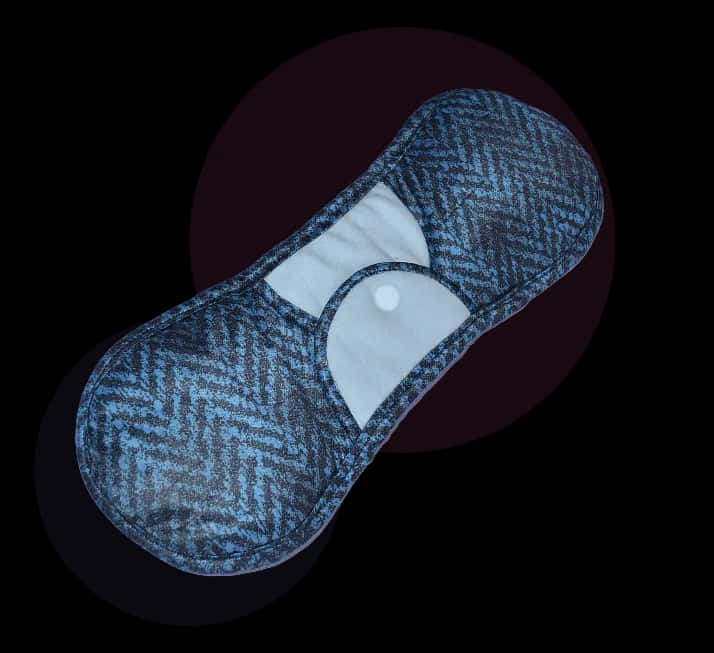
Our pads wey you fit wash

Prevention and Protection: Take Control of Your Reproductive Health
No be all reproductive health wahala you fit prevent, but some practice dey reduce your risk well well and dey help catch problem early when e easy to treat pass. Dis practical steps fit enter Nigerian women daily life, no matter how much money dem get or where dem dey.
Put Period Hygiene First
Good period hygiene na di foundation of reproductive health. Use clean period product and change am regularly – every 4-6 hours for pad, and follow wetin di maker talk for other product. Wash your private part with clean water every day, and make sure say your hand clean before and after you change period product. No put traditional substance inside your vagina, because dem fit scatter di natural pH balance and bring infection.
Di wahala wey many Nigerian women dey face na clean water and private place to change pad, especially for public schools and work place. If you no get water for school or work, carry small bottle of water and clean cloth to wash hand, e go help you keep clean. Pad wey you fit wash use again get advantage here – e cheap, e good for environment, and when dem make am well with layer wey dey pull wet comot and layer wey dey fight bacteria, e dey support better hygiene pass disposable pad wey pipo no dey change often because of cost.
Throw used period product away well: wrap am for paper or bag and put am for di correct dustbin. For area wey no get waste collection, to bury used product far from water source dey protect your own health and community health.
Make Regular Health Checkup Easy to Reach
Health experts advise say women wey dey have sex and all women wey pass 21 suppose do gynecological check every 1-2 years, even when dem dey feel well. Dis checkup dey find problem before sign show, and e dey give you chance to talk your worry for place wey dey support you.
Di truth for many Nigerian women be say regular checkup be like something wey no possible because of cost, distance to hospital, or time. Start by finding di community health center or primary health care center wey near you pass – dem dey often give basic reproductive health service for lower cost pass private hospital. Many centers for Lagos, Abuja, and state capitals dey get special women health days wey fee dey reduce. Hospitals wey religious groups dey run and NGO clinics sometimes dey give free or cheap reproductive health screening.
If formal hospital still far from your reach, connect with community health workers or trained midwives wey fit do basic screening, teach you, and send you go hospital if sign dey worry. If you build relationship with health worker wey you trust, e go make am easy to find help when problem come.
Food, How You Dey Live, and Self-Care
Wetin you dey chop and how you dey live dey affect your reproductive health straight. Balanced food wey get plenty fruits, vegetables, whole grains and protein dey support hormone balance and how your body dey fight sickness. Food wey get plenty iron like beans, spinach, and liver dey help prevent anemia, and dis one important especially for women wey get heavy period. Drink enough water, e dey support everything wey body dey do, including reproductive health.
Regular exercise dey reduce risk of PCOS, dey help manage fibroids, dey reduce period pain, and dey support your whole wellbeing. You no need expensive gym membership – to waka, dance, do house work, and farm work all count. Try do at least 30 minutes of movement most days of di week.
Keep healthy weight through balanced food and exercise. Both too much weight and too small weight dey affect hormone balance and how period dey come on time. Manage stress through prayer, meditation, time with pipo wey you love, or things wey you enjoy – stress wey no dey stop dey scatter reproductive hormones and dey make di sign of many condition worse.
Make We Clear Di Common Lie and Wrong Belief
Wrong information about reproductive health dey spread fast for place where open, correct talk no plenty. Dis lie dey stop women from finding correct care and fit lead to practice wey dey harm. Make we face di wrong belief wey common pass straight.
"Heavy Period and Serious Pain Na Just Part of Being Woman"
Dis belief dey cause suffering pass maybe any other reproductive health lie. Some small discomfort for period dey common, but serious pain wey no let you do normal things, or bleeding wey heavy so tey you get anemia, no be normal at all and e always deserve doctor check. Di way pipo dey see suffering as normal come from generations of women wey no get treatment, no be because dis sign dey acceptable or necessary.
Health workers fit give many solution depending on wetin dey cause am. Hormone medicine dey arrange cycle and reduce bleeding. Anti-inflammatory medicine dey reduce pain. Surgery dey for serious case. Change for how you dey live dey help many women. Di first step na to believe say you deserve relief and go find help.
Your grandmama fit don suffer well well with her period because she no get another option. You get. To use di health care wey dey no be weakness or to spoil yourself – na wisdom and self-care wey go let you live full life.
"Reproductive Health Wahala Mean Say You No Fit Born Pikin"
Some condition dey affect fertility, but most reproductive health wahala fit treat or fit manage for way wey go protect fertility. Women wey get PCOS, fibroids, and even endometriosis dey get healthy pregnancy with correct medical support. Di main thing na early diagnosis and correct management before complication start.
To delay treatment because of fear or shame dey create di same fertility problem wey women dey fear. Infection wey dem no treat dey scar di fallopian tubes. Fibroids wey dem no manage dey grow bigger and dey hard to treat pass. Endometriosis dey damage reproductive organs more and more. Early treatment dey stop dis complication.
If e dey hard for you to get belle, to find help from fertility specialist dey open door to different treatment option. Many Nigerian teaching hospitals now get fertility clinics wey get better and better treatment for cost wey low pass to travel abroad for care.
"Na Only Married Women or Women Wey Dey Have Sex Suppose Worry About Reproductive Health"
Reproductive health concern every woman from her first period reach menopause, whether she marry or not, whether she dey have sex or not. Condition like PCOS, fibroids, and hormone wey no balance dey happen whether you dey have sex or not. Period wey no dey come on time, painful cycle, and other sign deserve attention whether you be 15 or 50, married or single.
Dis lie dey harm young girls especially, wey dey get condition like endometriosis or PCOS for dia teenage years but no dey get medical attention because pipo say dem “too young” for dat kind problem. Early diagnosis and management dey stop years of suffering for nothing and dey protect fertility for future.
Every woman deserve reproductive health care wey fit her age and her situation. Sex na just one small part of reproductive health – your whole wellbeing matter for your entire life.
Why Local Solution Matter: How Sana Pads Dey Support Women Health
To face reproductive health wahala need medical care, but e also need practical tools wey dey support daily management and prevention. Na here solution wey dem design for here dey make big difference.
Sana Pads start because of dis simple truth: Nigerian women deserve period product wey dem design for Nigerian reality. Our pad wey you fit wash use again dey handle many reproductive health concern at di same time. Di layer wey dey pull wet comot dey keep skin dry, e dey reduce infection risk wey dey worse when wet stay long for hot, damp weather. Di fabric wey dey fight bacteria dey stop bacteria from growing while you dey wear am. Di design wey hold well and e no dey leak dey give confidence to women wey dey manage heavy bleeding from fibroids or other condition.
Apart from di product, Sana Pads don support more than 10,000 women directly and share more than 30,000 pads give communities across Nigeria. Our work with schools, health organisations, and NGOs dey focus on education plus product. We dey train community health workers to recognise sign wey need doctor attention, while we dey give practical period solution wey dey reduce infection risk and dey support dignity.
As we dey make am for here, we understand Nigerian wahala well well. We dey design for di woman for Kano wey no get water every time, di girl for Lagos wey dey miss school because of leak, and di market woman for Port Harcourt wey no fit afford to miss work day. Our mission pass to sell pad, e reach to end period poverty and support education – because reproductive health depend on both medical care and practical tools for every day.
When women get period product wey dem fit trust and wey clean, dem fit focus on finding medical care for dia sign, no be just to survive every period. Dis combination of practical support and access to health care dey bring real change for women reproductive health.
Di First Steps: Your Action Plan for Better Reproductive Health
To understand reproductive health wahala matter only if di knowledge turn to action. Whether you dey find help for yourself, you dey support your daughter or friend, or you dey work to improve community health, dis practical steps go move you forward.
For Each Woman: Wetin You Suppose Put First for Your Health
Start by tracking your cycle and your sign. Use simple notebook, calendar, or free phone app to write when your period start, how long e last, how heavy di flow be, how di pain be, and any sign wey strange. After three months, you go get correct information wey go help you and health workers see di pattern.
Book checkup with health worker. If cost dey worry you, start with di community health center wey near you and ask about di service wey dem get and how much e cost. Prepare for di visit, write your questions and your sign down – fear dey often make us forget important things once we enter consulting room. Carry your cycle tracking notes go.
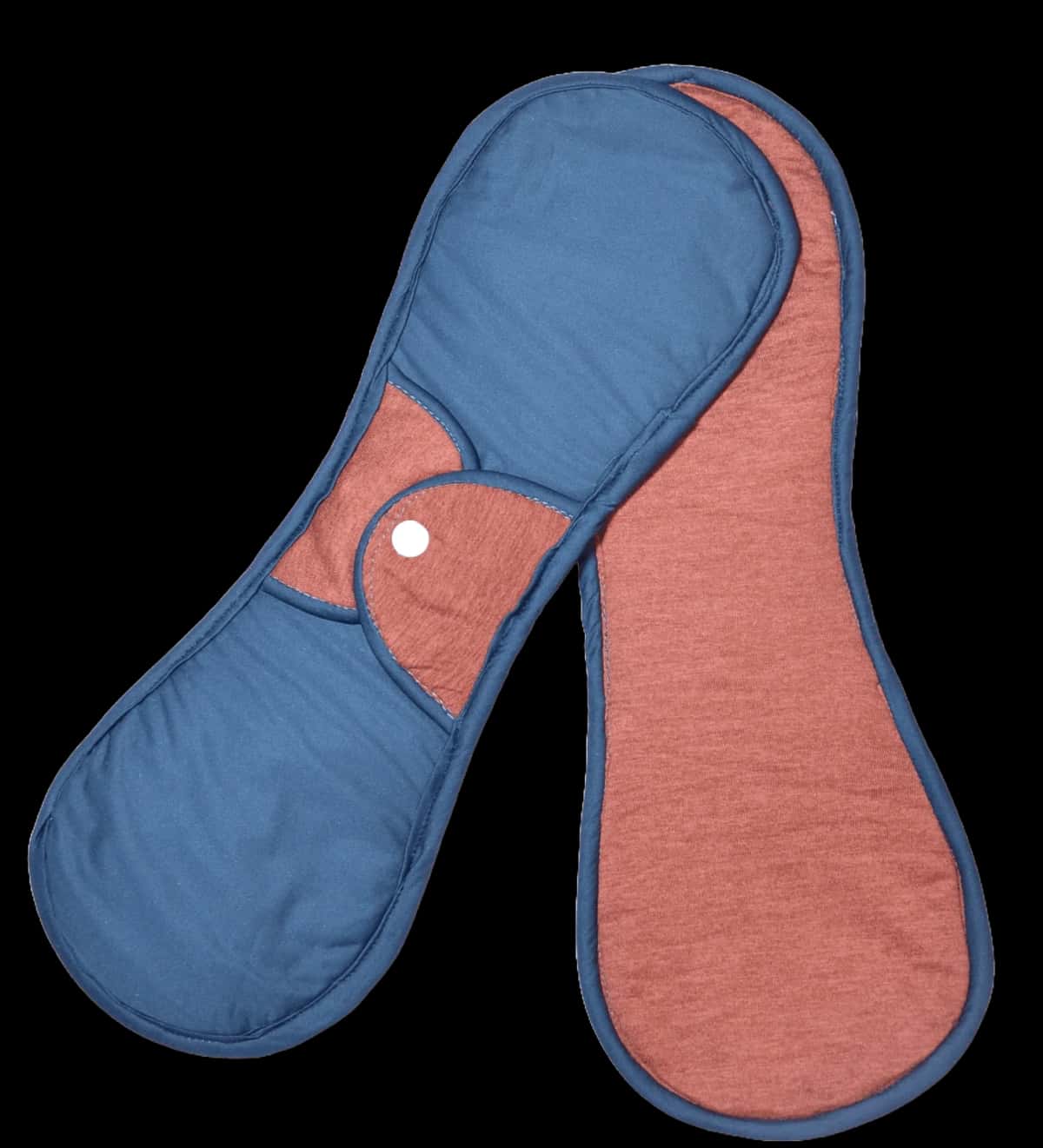
For every day management, put money for quality period product wey fit your need. Women wey get light flow dey find say our No Wahala Pads (with one layer wey no dey leak and one layer wey dey absorb) dey okay well well and dem cheap. Women wey get regular flow go enjoy Premium Pads wey get one layer wey no dey leak and three layers wey dey absorb, wey dey handle normal period days well. Women wey dey manage heavy bleeding from fibroids or other condition need our Maxi Pads, wey get one layer wey no dey leak and five layers wey dey absorb, to handle heavy flow without leak and without to dey change am every time. Our Starter Kit get three Premium Pads plus pouch to keep dem, e be cheap way to start with pad wey you fit wash use again.
Build support network: find at least one person wey you fit talk true with about reproductive health – sister, friend, cousin, or health worker. To break loneliness na strong medicine by itself.
For Organisations and Community Leaders: Wetin We Fit Do Together
Schools, NGOs, religious organisations, and community groups get big role to improve reproductive health. Start by creating safe place for talk where women and girls fit talk dia worry without pipo judging dem. Partner with health workers to dey do health education sessions and screening from time to time.
Give practical support through period product wey dey reduce infection risk and dey keep girls for school. Organisations fit order as many packs as dem need for our fixed price per pack, and we dey deliver to any state for Nigeria. Dis product, plus education on how to recognise sign wey need doctor attention, dey give full support.
Train teachers, youth leaders, and community health workers to recognise reproductive health warning sign and send pipo go di correct place. Many serious condition dey late to catch just because nobody recognise wetin di sign mean. To give community members basic knowledge dey save lives.
Connect your community with health resources: make list of di health centers wey dey your area, di service dem dey give, and how much e cost. To help women find dia way for di health system dey reduce di barrier wey dey stop dem from finding care.
To Round Am Up
Reproductive health wahala dey affect millions of African women, but e no need to define your life or limit am. Condition like fibroids, infection, PCOS, and endometriosis na medical problem wey get medical solution. To recognise sign early, to find correct care without shame, and to use daily practice wey dey support reproductive health dey give you power to take control. Culture silence and wrong information don hide dis matter for too long, and e don cause suffering for nothing across generations. To break dat silence start with talk like dis – honest, practical, and wey focus on solution. Every woman deserve information about reproductive health, access to good health care, and practical tools wey dey support her wellbeing every day. Whether you get sign, you dey support person wey get am, or you dey work to improve community health, di steps wey you take today go spread reach far pass your own situation. You deserve to live without pain wey no need to dey, to understand your body, and to get di care wey you need. If you want more full information on how to support women health across Africa, check our complete guide on women health for Africa, where we talk about prevention, culture matter, and practical solution for communities wey commit to end period poverty and support every woman right to health and dignity.
Continue to read for Women Health for Africa
Questions wey pipo dey ask well well
Why I go choose Sana Pads pass normal disposable pads?
Sana Pads na high-quality material wey you fit use again, e be sustainable option wey good for environment instead of disposable period product. E soft for your skin, e dey absorb well well, and e go save you money for long run. When you choose Sana Pads, you dey help reduce plastic waste, and you go enjoy comfort and pad wey you fit trust for your whole cycle.
How long I fit wear Sana Pad before I need wash am?
Sana Pad dey give you comfort and protection for 4 to 8 hours, depending on your flow. To stay fresh, change am every 4 to 6 hours - more often for heavy days. After every use, rinse am for cold water and wash am with soap. If you take care of am well, each pad go last 2 to 3 years.
Sana Pads safe for skin wey dey sensitive?
Yes, Sana Pads na soft material wey dey breathe and wey no dey cause allergy, so e gentle for your skin. E no get harmful chemical and toxin wey dem dey often find for disposable pads, so e be correct choice for pipo wey get sensitive skin or allergy.
How I go take clean and take care of my Sana Pads?
Rinse your pad for cold water immediately - hot water dey make blood stain stick. Then wash am with mild soap, with hand or for machine, and rinse am until di water come out clear. Dry am finish for direct sun, sun dey also kill germs. Abeg no use tumble dryer, bleach or fabric softener: dem dey spoil di layers wey dey absorb. If you take care of am like dis, Sana Pad go last 2 to 3 years.
Price dey change if I order plenty?
No. Each product get fixed price per pack, no matter how many packs you order. You fit calculate your total with our price calculator. For big order, send us direct message and we go confirm di delivery cost with you before you pay.
Testimonials
See wetin our customers dey talk about our products.
Women for all over di world dey buy Sana

“I dey really love Sana reusable pads! Dem dey make me relax and feel free for my period time. Plus, dem don reduce the cost and stress of buying disposable pads every month well-well. Kudos to Sana for making dis kind correct product – I go be fan forever!”
“Sana Pad good well-well, e dey make you comfortable and free. I love the pads, na the best ever!”
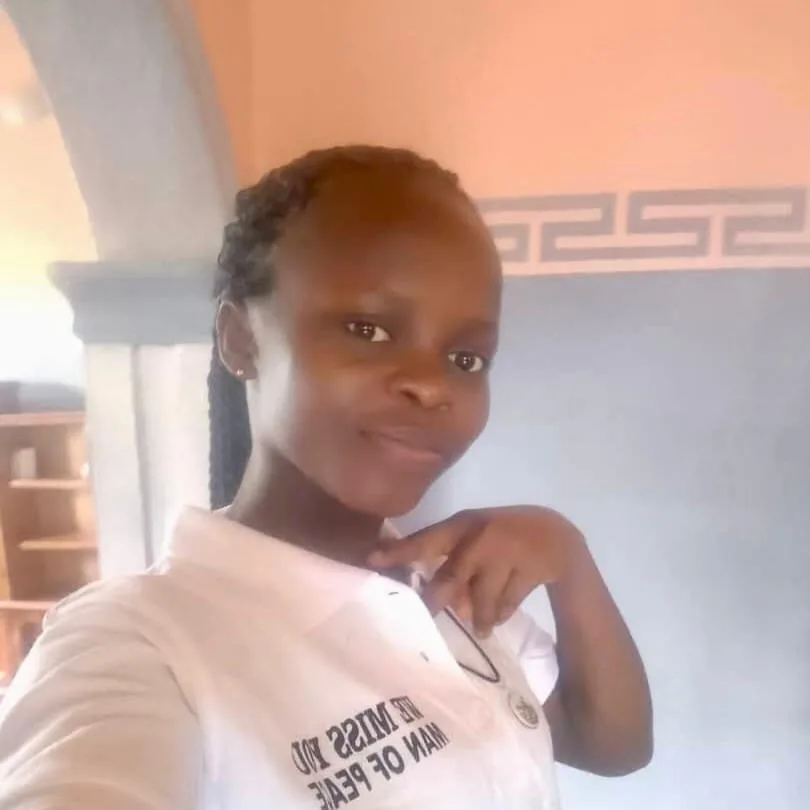
“I don try different brands of reusable pad, but Sana stand out for the quality, the comfort and how e dey last. Dem design am with sense, and the material dey gentle for my skin. As I change to Sana, e don reduce how I dey spoil environment and e don also save me money for long run. I dey grateful for dis solution wey go last!”

“For first, e dey irritate me to use washable sanitary pad. I decide to try am, and to my greatest surprise, e comfortable well-well and e easy to wash. You fit even do your daily things without fear say blood go stain you for public. I wan give Big shout out to SANA PADS!!”

“To dey buy disposable pads every month dey add up well-well, so I talk say make I try Sana Pads. E surprise me how soft dem be, and dem dey work well for long days for university. To wash dem simple, and e don reach months wey I never buy new pad, so e don save me money. I also like say dem dey better for environment. E sweet me say I get option wey cheap and wey better for environment.”

“I don try different pad brands for years, but Sana pads really stand out. From the first time I use am, I see the difference — e soft for skin, e dey soak well-well, and e comfortable die. Even for my heaviest flow days, Sana pads dey hold well. Wetin I also love na how the material dey allow air pass and e good for skin. If you dey find pad wey get comfort, wey you fit trust, and wey get quality, I really recommend make you try Sana pads.”
Time to join hand
Contact Us
Margaret Ochegbudu
Business Manager