Women Health Priorities for Africa 2026: Wetin Nigerian Women Need to Sabi
Where pipo don see us







 Margaret Ochegbudu don check am · Update 25 min to read
Period health dey affect pass 500 million women for Africa, and e still dey among di women health areas wey dey get di smallest money. Di other priorities for 2026 na women wey dey die from pregnancy and birth, cervical cancer screening, and how women fit get reproductive care outside big cities, where distance and cost dey decide who go get treatment.
Make We Understand Women Health Priorities for Africa Today
Wetin women need for dia health for Africa dey change fast as more pipo dey sabi and di barriers dey slowly break. Dis guide cover di most important health priorities for African women for 2026, with practical information wey concern your life for Nigeria.
Main Tins to Remember:
- Period health and hygiene dey affect pass 500 million African women, but e dey collect less than 2% of health money for di whole continent.
- As of 2026, Nigeria still dey among di countries for di world where women dey die pass from pregnancy and birth: 512 deaths for every 100,000 babies wey dem born alive.
- Cervical cancer dey kill African women pass women for any other continent, but for Nigeria less than 15% of di women wey suppose do screening dey do am.
- Mental health wahala dey affect 1 for every 4 Nigerian women, but sake of culture and shame, 80% no dey go find professional help.
- To get good period products fit cost Nigerian women ₦2,000-₦5,000 every month, and dat one fit chop 10-25% of minimum wage.
- Diseases wey no dey pass from person to person, like diabetes and high blood pressure (hypertension), now dey affect 35% of Nigerian women for city wey don pass age 30.
- Full reproductive health education dey reach less than 40% of Nigerian girls before dia first period.
Make we look each priority well well and find practical solutions wey dey work for Nigerian situation and pocket.
Folake siddon for di waiting room of one health clinic for Ikeja, Lagos, dey look younger women as dem dey come and go. She don reach 42, but she never do cervical cancer screening before. Her mama no dey talk about “women matter” apart from childbirth, so Folake learn to keep quiet about period wey dey pain her, cycle wey no dey regular, and di fear wey dey come with every sign wey she no understand. When her daughter turn 16 last year, Folake decide say tins go change. She start to dey ask questions – about period health, reproductive rights, and di health services wey African women really need but wey pipo no dey talk about openly.
Folake story show one bigger change wey dey happen for Nigeria and Africa for 2026. Women dey demand better healthcare, more information, and solutions wey dem design for dia real life – no be foreign models wey no look local reality. To understand women health priorities for Africa today no be only about medical facts. Na about to know wetin dey keep women healthy, productive and strong for communities from Kano reach Cape Town.
Di Main Women Health Priorities Wey Dey Shape Healthcare for Africa
Women health priorities for Africa don change well well as health systems dey grow and women voice dey strong pass before for health policy talk. Di situation for 2026 show old problems wey still dey and new opportunities wey dey come, and dem dey touch your wellbeing and di wellbeing of women for your community direct.
Period Health and Hygiene Management
Period health na di foundation of women wellbeing, but dem still no dey give am enough money and pipo no dey talk about am for Africa. For Nigeria, about 25 million women dey see period every month, but less than 30% fit always get safe period products wey dem fit afford. Dis one no be only about comfort – bad period hygiene dey bring health and money wahala wey dey follow each other.
Think of period health management like di foundation of house. When di foundation crack, every room wey dey on top go suffer. Girls dey miss about 4-5 school days every month because dem no fit manage dia period well, and dat one mean say 20% of di school year don waste. Dis education gap dey affect future work, how much money dem fit make, and how dem understand health. Women wey dey work for market, office or farm dey lose work di same way when dem no get correct period products and toilet.
Di health wahala pass di opportunities wey dem miss. To use materials wey no clean – old cloth, newspaper or leaves – dey increase di risk of infection for di reproductive tract, and dis one fit cause infertility (person no fit get pikin) or pelvic pain wey no dey go. For villages for Kaduna and Kano states, health workers talk say 40% of di reproductive health complaints wey women get come from bad period hygiene when dem dey young.
To get clean water and private toilet make di wahala worse. Plenty Nigerian schools no get basic WASH (water, toilet and hygiene) facilities, and less than 35% get separate toilet for girls wey get water. If no private place dey to manage period, girls go stay for house. If no water dey to wash pads wey you fit wash use again well, women go face hard choice between wetin dem fit afford and hygiene.
Maternal Health: Safe Pregnancy and Delivery Services
Nigeria get almost 20% of all di women wey dey die from pregnancy and birth for di whole world, even though na only 2.6% of world population dey Nigeria. Dis hard number show di second big health priority for African women for 2026. Women no suppose die from pregnancy – e dey happen because of causes wey pipo fit see before and fit prevent, wey still dey because health system get gaps.
Di main killers still be heavy bleeding after birth (postpartum hemorrhage), eclampsia, sepsis (serious infection for blood), and wahala from abortion wey no safe. Most deaths dey happen because women no fit get trained birth attendant during delivery or emergency care when complication show. For northern Nigeria, na only 39% of births dey happen for health facility wey get trained attendants. Distance to hospital, transport money, and culture wey prefer traditional birth attendants dey create barriers wey dey cost lives.
Antenatal care don improve: 67% of Nigerian women dey go at least one antenatal visit. But di quality and how di care dey continue dey different well well. One woman for Abuja city center fit get ultrasound, blood pressure check, and advice on food. Another woman for village for Borno fit see one midwife wey work don too much for just once, get small screening, and nobody go follow up. Dis inequality for maternal health services na one of Africa most urgent health priorities.
Di cost of maternal healthcare dey stop plenty women from going for care on time. Even when services dey, money for transport, medicine and facility fees dey too much for families wey dey earn ₦30,000-₦50,000 every month. Women dey wait until emergency happen before dem go, when treatment don become more expensive and more dangerous.
Reproductive Cancers and Access to Screening
Cervical cancer dey kill about 8,000 Nigerian women every year, but na one of di cancers wey pipo fit prevent and treat pass when dem catch am early. Dis contradiction make reproductive cancer screening one top women health priority for Africa for 2026. Human papillomavirus (HPV) na im dey cause almost all cervical cancer, and both HPV vaccine and regular screening fit prevent most deaths.
Di screening numbers now dey worry person. Less than 15% of Nigerian women wey suppose do screening don ever do cervical cancer screening through Pap smear or visual inspection with acetic acid. Breast cancer screening numbers dey low di same way, even though breast cancer na di cancer wey common pass among Nigerian women. Most cases dey show when dem don reach advanced stage, when treatment options don small and di chance to survive don fall well well.
Why screening numbers still dey low like dis? Di barriers plenty and dem dey on top each other. Plenty women no sabi say screening dey or why e matter. Culture taboo about examination of reproductive parts dey stop others from going for care. Health facilities wey dey do screening dey mostly for cities, so women for villages no fit reach am. When services dey, di cost of ₦5,000-₦15,000 for screening pass wetin most women fit pay without money wahala.
Because health workers no plenty, even facilities wey get correct equipment dey struggle to run screening programmes wey dey regular. One teaching hospital for Port Harcourt fit get screening equipment but dem go only use am two days every week because staff no reach. Women wey don arrange transport, person to look pikin, and time off work fit reach there find say service no dey, and dis one dey make dem lose trust and lose heart.
How to Close Di Big Gaps for Women Healthcare Access
To understand health priorities no too matter if no practical way dey to handle dem inside Nigeria health system. Di approaches wey dey below show wetin dey work for communities across Africa and wetin you fit push for or do for your own area.
Make Health Education for Community Strong
Change for healthcare dey start with information. Health education for community dey carry important knowledge go meet women for where dem dey live, work and gather. Dis approach dey work because e dey pass di barriers wey dey stop women from reaching formal health facilities, and e dey build support groups among women.
For Lagos and Ogun states, community health workers dey run women health sessions every month for markets, churches and mosques. Dem dey talk about period health, family planning, cancer warning signs, and when to go health facility. On average 40-60 women dey attend each session, and surveys wey dem do after show say 70% of di pipo wey attend talk say dem don change at least one health habit within three months.
Dis education model dey work because e respect culture and still dey give information wey get evidence. When pipo wey community trust run di sessions for local language, shame go reduce and women go ask questions wey dem no go ever ask for clinic. Dem fit adjust di topics to wetin di community need, whether na period management for students for Ibadan or food for young mothers for Sokoto.
You fit push for programmes like dis for your community if you connect with local government health departments, NGOs wey dey work on women health, or religious organisations wey dey do community outreach. Schools na another important place for education – full period health education before first period dey help girls learn healthy habits from di start, instead make dem learn by trial and error and maybe health wahala.
Make Important Health Products Dey Cheap and Easy to Get
Knowledge without resources dey bring frustration, no be power. Women wey sabi say dem need period products, vitamins for pregnancy, or screening still dey face di wahala of money. To make important health products available for price wey Nigerian women fit really afford na practical priority wey get quick impact.
Take period products as example. Disposable pads dey cost ₦2,000-₦5,000 every month, wey be 7-17% of Nigeria ₦30,000 minimum wage for one month. Dis one dey force hard choices – period products or food, school fees, or transport. Women dey use unsafe tins no be because dem no sabi, but because money no dey. Period products wey you fit wash use again na solution wey handle both cost and environment.
Good pads wey you fit wash use again dey reduce period cost by about 75-85% for two years compared to disposables. One woman wey dey spend ₦4,000 every month on disposables (₦48,000 for one year) fit cover her needs with pads wey you fit wash use again, wey cost much less every year. For families wey get many women and girls wey dey see period, dis savings go multiply well well.
Access also mean say di products dey available. Products must reach women outside Lagos and Abuja. Distribution networks wey include village markets, school programmes, and partnership with health facilities go make sure say where you live no go decide your health options. Bulk buying programmes for schools and organisations dey reduce cost more, and dem dey make sure say students fit attend class throughout dia period without stop or fear.
Make Mental Health Join Women Healthcare
Pipo dey see mental health more and more as priority for women healthcare across Africa. Depression, anxiety and conditions wey come from trauma dey affect millions of Nigerian women, but health systems wey dey focus mainly on body health no dey handle dem.
Mental health and body health connect well well. Stress wey no dey stop dey make conditions like high blood pressure and diabetes worse. Depression wey dem no treat during pregnancy dey increase di risk say baby go born before time and with low weight. Fear about how to manage period dey affect school and work as much as di period itself. But mental health services still dey scarce, pipo dey look am with shame, and most Nigerian women no fit afford am.
To join dem together na practical solution. Instead make women go find special mental health care, primary health workers fit check for common mental health conditions during normal visits. One woman wey come for antenatal care fit get depression screening together with body examination. Period health counselling fit include how to manage stress and talk about how woman see her body. Dis one dey make mental health normal part of overall wellbeing, no be separate tin wey get shame.
Community approaches dey work here too. Support groups for new mothers, support circles for menopause, and programmes for teenage girls dey create space for women to share wetin dem don pass through and how dem dey cope. Dis groups dey reduce loneliness and dey connect women to professional services when dem need am. To train community health workers to sabi mental health warning signs and give basic counselling or referral dey make di health safety net strong for community level.
Our pads wey you fit wash

Di Real Benefits When We Put Women Health First
To invest for women health dey bring benefits wey pass one person wellbeing. To understand dis bigger benefits dey help show why women health priorities for Africa deserve more attention, money and policy support for 2026 and after.
Money Power and More Productivity
Healthy women dey contribute more to dia families, communities and di country economy. Dis one no be theory – na economic reality wey you fit measure. When girls dey manage dia period well and dey go school regularly, dem go learn pass. More education dey connect direct to more money for life and less poverty.
Research from organisations wey dey track development show say to improve period health management alone fit add 0.5-1% to di GDP of African countries through more school attendance and more productivity for work. For Nigeria economy, dat one mean billions of naira for productive power wey dey waste now because of health barriers wey fit be prevented.
Women wey get maternal healthcare dey survive childbirth and go back to work. Di ones wey do cervical cancer screening dey catch di disease early when treatment cost less and e dey work pass, so dem no go spend di kain hospital money wey dey make whole family poor. Even small improvement for women access to health dey bring big economic gain for individual and national level.
Di money wey pads wey you fit wash use again dey save show dis economic benefit for house level. One family wey move ₦4,000 every month from disposable pads go other needs fit invest am for children education, food, or small business. Multiply dis one for millions of houses, and di economic impact go big well well.
Better Health from One Generation to Di Next
Investment for women health dey bring benefits for generations wey dey grow with time. Healthy mothers dey raise healthier children. Girls wey get full health education dey make better health decisions for dia whole life and dey pass di knowledge to dia own pikin. Dis passing of health knowledge and habits from one generation to di next dey make community wellbeing dey go up and up.
Better maternal health dey affect direct how babies and children survive. When mothers get good antenatal care, trained birth attendant, and support after birth, dia babies go born better and fewer babies go die. Correct food for mother during pregnancy dey reduce di risk say pikin no go grow well (stunting) or go develop late. Dis early health advantage dey affect how children brain develop, how dem perform for school, and dia health when dem grow.
To break period shame for one generation dey change how di next generation go experience period. Mothers wey get education and support about period dey talk more open with dia daughters, and dis one dey reduce shame and fear and dey teach healthy habits from di start. Dis change to open talk dey improve health and dey make relationship between mother and daughter strong.
To prevent cervical cancer through HPV vaccine for young girls dey protect whole future generations from one disease wey dey kill but wey fit be prevented. Screening programmes wey catch cancer early dey save mothers wey for die and leave dia children as orphans, with all di social and money wahala wey dat one dey bring. Health investment for women dey move forward through time and dey benefit di whole society.
Environment and Social Sustainability
Women health priorities for Africa dey meet environment matter more and more, especially for period health management. Nigeria dey produce thousands of tons of waste from disposable period products every year. Dis products get plastic wey dey take 500-800 years to rot, and dem dey spoil soil and water and dey cause sanitation wahala for communities wey no get good waste management.
Period products wey you fit wash use again dey reduce dis burden on environment well well. One woman wey use pads wey she fit wash use again for five years dey stop about 1,500 disposable pads from entering waste. If millions of women do am, dis change go reduce plastic pollution well well and save di resources wey dem dey use to make and distribute disposable products.
Social sustainability dey come when health solutions dey build community power instead of making pipo depend on foreign aid or imported products. Health products wey dem make for Nigeria dey support Nigerian jobs and economic development, and dem dey make sure say di products fit local weather, culture and money reality pass imported ones wey dem design for different places.
Community health education programmes dey build social capital as dem dey train community health workers, create support groups, and make di connection between formal health systems and di communities wey dem dey serve strong. Dis social investment dey keep paying as trained community members dey continue to teach and support others long after di first programmes don finish.
Common Worries About Women Health Priorities
To move attention and resources go women health priorities dey bring correct questions and worries. To answer dem direct and honest dey help build di understanding and support wey we need for real change.
"Why Una Dey Focus on Women Health Specially?"
Some pipo dey ask whether women health deserve special attention when health systems dey struggle to meet basic needs for everybody. Dis worry show say resources really no plenty, but e no understand how to neglect women health dey harm everybody.
Women health dey affect di health of everybody in special way because women na di main pipo wey dey make health decisions for families. Mother wey understand health go make sure say her children get vaccine, correct food, and medical care on time. Women wey get good experience for hospital dey trust di system and dey go for care when dem need am. Di ones wey face dismissal, disrespect or harm for hospital dey avoid formal care and dey discourage others from going.
When mothers die from pregnancy and birth, dem dey leave children as orphans wey no get protection, and dis one dey create social welfare needs wey cost pass wetin e for cost to prevent di deaths from di start. Cervical cancer deaths dey take mothers from families when dem dey for dia best working years, and dis dey scatter di house economy. Period barriers wey dey stop girls education dey keep poverty cycle wey dey affect whole communities for generations.
To invest for women health no be game wey one person win and another lose. Instead, na investment wey dey bring big return and dey make families, communities and national development strong. Countries wey get di best women health numbers dey always show better health for everybody, stronger economic growth, and more social stability pass countries where women health dey back.
"Nigeria Fit Really Afford Dis Health Priorities?"
Budget wahala na real challenge for Nigeria health system. With plenty demands and small resources, some pipo dey ask whether women health priorities na luxury instead of important investment. Di evidence show say to neglect women health dey cost far pass to handle am.
Prevention dey cost far less than treatment for disease wey don advance. Cervical cancer screening wey cost ₦5,000-₦10,000 dey prevent treatment cost of ₦500,000-₦2,000,000 for advanced cancer – cost wey dey often finish families money while di chance to survive still dey low. Emergency care for pregnancy complication dey cost 5-10 times more than normal antenatal care wey for prevent di emergency.
Plenty women health programmes wey get big impact no need big money. Community health worker programmes dey cost about ₦50,000-₦100,000 every year for each worker to train, equip and supervise. Each worker dey reach hundreds of women with health education wey dey prevent costly health problems. Period health education for school dey cost about ₦2,000 for each student, but di benefit dey last for whole life.
Period products wey you fit wash use again na example of solution wey cheap and get quick impact. Dem no need government subsidy wey no dey end; na one-time investment wey cover needs for many years. Bulk buying for schools and pipo wey need help dey cost far less than to dey give disposable products all di time, and e dey bring better result for environment and money.
Di question about whether we fit afford am often show say priorities no dey correct, no be say resources no dey at all. Nigeria health budget still dey below wetin international bodies recommend, about 3-4% of GDP. Inside di budget wey dey, women health dey get small money compared to others, even though e dey affect half of di population. To move even small percentage go women health programmes wey get big impact go bring improvement wey you fit measure without big budget increase.
"Culture Resistance Go Stop Progress?"
Culture beliefs and practices dey shape health behaviour for di different communities for Nigeria. Some pipo dey fear say culture resistance – especially about period health, reproductive healthcare and women freedom to decide for demself – go stop progress on women health priorities no matter di resources or programmes wey dey.
Culture dey change small small but steady when di approach respect community values and still give better options wey make sense. Look period health education. Instead make dem fight di culture silence about period direct, programmes wey dey work dey work inside di culture wey dey already. Religious organisations dey run girls programmes wey dey talk about period health through religious teaching about cleanliness and dignity. Traditional leaders dey support messages about period management when pipo approach dem with respect and show dem evidence of di benefits for dia communities.
How you present am matter well well. If you present women health priorities as Western values wey come from outside, pipo go resist. If you present di same priorities as ways to honour Nigerian women dignity, support wetin dem dey contribute to families and communities, and help dem reach dia potential, e go agree with culture values wey pipo hold well for di different Nigerian communities.
Women demself dey drive culture change when dem get information and support. Mothers wey learn about cervical cancer screening dey share am with dia sisters, daughters and friends. Girls wey get period health education dey talk more open with dia mates, and small small dem dey make normal di talk wey di generations before no fit do. Dis kind change from di ground dey often move faster than policy changes from di top.
To carry men and community leaders along dey make culture accept am faster. When fathers understand how period health dey affect dia daughters education and future opportunities, plenty of dem dey become supporters. Religious leaders wey learn say to prevent women from dying for pregnancy and birth agree with faith values wey protect life dey often become strong voices for women access to healthcare. Culture resistance dey reduce when different voices from inside di community dey talk for change, instead of pipo from outside wey dey force am.
Why Sana Pads Dey Push Women Health Priorities Forward for Nigeria
To handle women health priorities for Africa need solutions wey dem design for African reality, no be imported models wey no look local situation. Sana Pads come from deep understanding of wetin Nigerian women really need, di challenges dem dey face, and dia real life – no be theory wey dem develop for another place.
Because we dey make di products for Nigeria, we design dem for di country hot and humid weather, with materials wey dey dry quick and still dey comfortable when temperature reach 35-40 degrees Celsius. Plenty foreign designs of pads wey you fit wash use again dey use heavy materials wey no fit Nigerian condition. Sana Pads dey put air flow and quick drying first, wey matter both for Lagos humidity and harmattan dryness.
To understand di real infrastructure situation dey shape how we design di product. For communities where water no dey always, you fit wash Sana Pads well with small water and dem go dry within hours, no be days. Dis practical design come from real life for Nigerian communities, no be assumption say water and light dey anytime.
Since we start, Sana Pads don support pass 10,000 women direct and don distribute pass 30,000 pads through individual sales, school programmes and NGO partnerships. Dis numbers mean girls wey dey go school throughout dia period, women wey dey work without fear of leak or where to change, and families wey dey move period product money go other important needs.
Di mission pass to sell products: na to end period poverty and support education for Nigerian girls and women. Sana Pads dey supply schools, NGOs and community programmes of any size for di same fixed price for each pack. Partnership with NGOs wey dey work on girls education dey put period health management inside bigger empowerment programmes. Education materials dey come with di products, so women go understand how to care for dem and use dem well.
To support Sana Pads mean to support Nigerian manufacturing, jobs and economic development, no be to make international companies rich. E mean to choose solutions wey dem develop with deep respect for Nigerian culture, weather and money reality. Di most important tin: e mean to join one mission to make sure say no Nigerian woman or girl go miss opportunity because of her period.
How to Start Better Women Health Habits
To understand women health priorities for Africa matter most when e turn to action wey improve your own health or help you support other women for your community. Di practical steps wey dey below go help you start from wherever you dey now.
For Individuals Wey Want Better Health
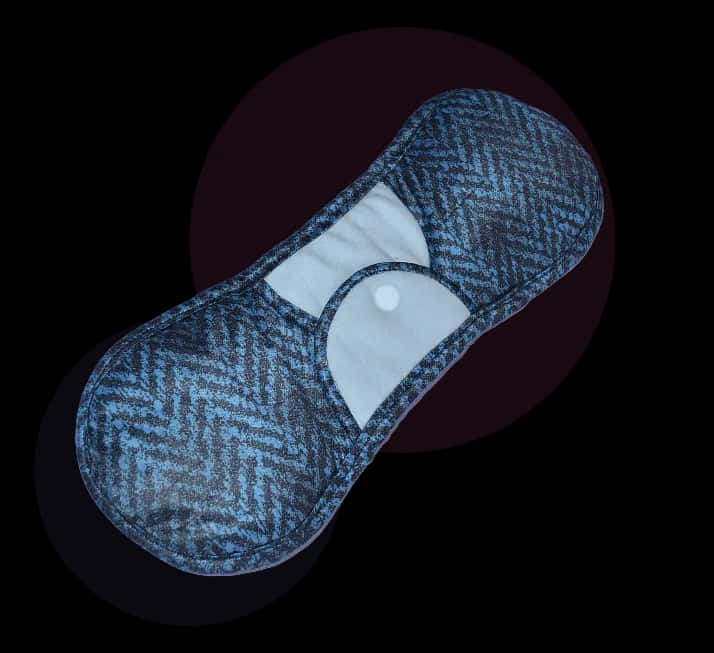
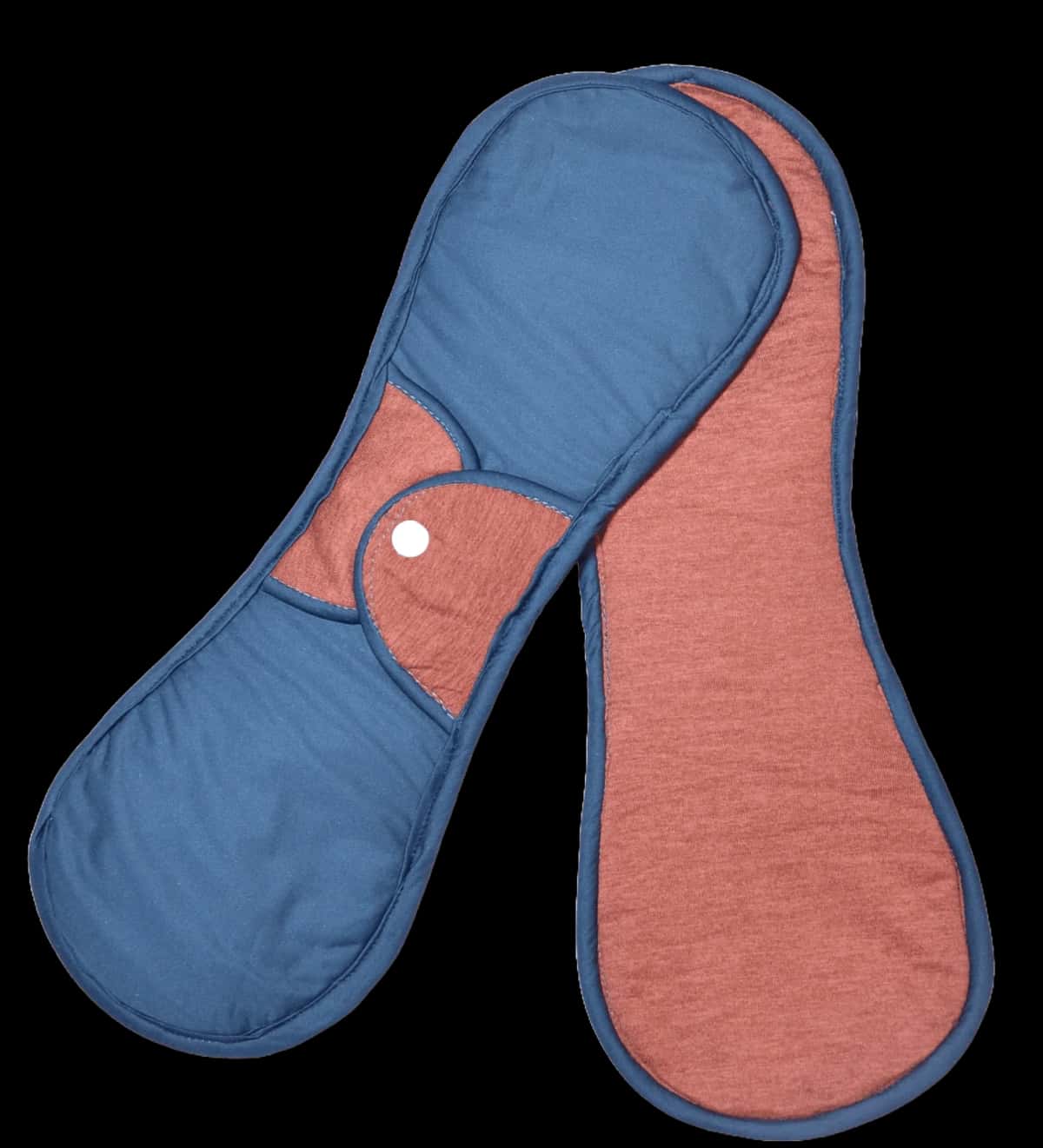
Start by checking how you dey manage your own period. If you dey use disposable pads now and di monthly cost dey hard for you, pads wey you fit wash use again go reduce di cost sharp sharp and dem better for environment. Di Starter Kit – three Premium Pads plus one storage pouch – get everything you need to start to use pads wey you fit wash use again with confidence.
Premium Pads get one layer wey no dey leak plus three layers wey dey absorb, so dem good for normal flow days, wey be most of di days for most women cycle. For light days, No Wahala Pads with one layer wey no dey leak and one absorbent layer dey give comfortable protection without extra bulk. Heavy flow days need Maxi Pads with one layer wey no dey leak and five absorbent layers wey fit carry your heaviest days well.
Most women see say 6-8 pads dey cover di whole cycle, so you fit dey wash dem in turn without worry say clean pad no go ready. Calculate how much you dey spend on disposables every month now, then compare am with di one-time money for pads wey you fit wash use again wey dey last 2-3 years if you take care of dem well. You go see di savings quick, and di benefit for environment and convenience go grow with time.
Apart from period products, plan screening for prevention wey fit your age and risk. Women wey pass 30 suppose put cervical cancer screening first every 3-5 years, and breast examination every year. Women wey get family history of reproductive cancers or other risk fit need screening more often. Contact your local government health center about women health services wey dey – plenty of dem dey do screening for reduced price or free during special health campaigns.
For Organisations Wey Dey Support Women Health
Schools, NGOs, health facilities and community organisations get big role to push women health priorities for Africa forward. If you dey lead or work inside dis kind organisation, you fit make impact now now through programmes and partnerships wey get clear target.
Period health programmes for schools dey join education with products. Contact Sana Pads about bulk ordering for your school or organisation. Put period health education inside health and life skills curriculum, so all girls go get correct information before dia first period, instead make dem learn through confusion and maybe shame.
NGOs wey dey work on girls empowerment, women economic development, or health matter fit put period health as priority wey cut across everything. Girl wey dey manage her period with confidence dey go school regularly and dey join economic opportunities fully. Women wey no need to spend money on pads every month fit invest di savings for dia business or family. Better period hygiene dey reduce infections for di reproductive tract and di wahala wey dey follow dem.
Health facilities fit make women health services better by training all staff on care wey get respect and wey sabi gender matter. Plenty women dey avoid hospital because of how dem don dismiss dem, judge dem or disrespect dem before. To create place where women feel say pipo hear dem and value dem dey make dem come for prevention services before emergency happen.
Community leaders and religious organisations fit sponsor health education sessions wey go reach women wey no fit go health facility. Partner with local government health departments or health NGOs to bring screening services, health talks or product distribution direct to your community during gatherings and events wey dey already.
Conclusion
Women health priorities for Africa don finally dey get di attention and investment wey dem don deserve for long. Period health, maternal care, reproductive cancer screening and mental health support no be luxury – dem be di foundation for women dignity, productivity and power. When women get healthcare wey dem design for dia real needs, no be theory, whole communities dey benefit through better education, stronger economy and healthier generations wey dey come.
Nigerian solutions for Nigerian problems dey work pass imported models. Local manufacturing understand local reality. Community approaches respect culture and still give care wey get evidence. Products wey cheap and sustainable, like pads wey you fit wash use again, dey handle needs now and dey bring long-term benefits for women, families and environment.
You no need to wait for perfect policy or full healthcare reform before you make difference. Start with your own health habits, support other women for your community, and choose Nigerian solutions wey dey push women wellbeing forward. Whether you be student for Kano, mother for Port Harcourt, or organisation leader for Abuja, you fit push women health priorities forward through di choices you make and di conversations you start.
Contact Sana Pads to learn more about products and programmes wey dey support period health, access to education and women empowerment across Nigeria. Together, we dey build future where every Nigerian woman and girl get di health resources, information and dignity wey she deserve. For full information about period health, reproductive wellness and practical solutions, visit our women health in Africa resource page.
Continue to read for Women Health for Africa
Questions wey pipo dey ask well well
Why I go choose Sana Pads instead of normal disposable pads?
Dem make Sana Pads with high-quality materials wey you fit use again, so dem be sustainable option wey good for environment instead of disposable sanitary products. Dem gentle for your skin, dem dey absorb well well, and dem go save you money for long run. When you choose Sana Pads, you dey help reduce plastic waste and you go enjoy comfort and protection wey you fit trust throughout your period.
How long I fit use one Sana Pad before I go wash am?
One Sana Pad dey give you comfort and protection for 4 to 8 hours, depending on your flow. To stay fresh, change am every 4 to 6 hours - more often for heavy days. After each use, rinse am for cold water and wash am with soap. If you care for am well, each pad go last 2 to 3 years.
Sana Pads safe for skin wey dey sensitive?
Yes, dem make Sana Pads with soft materials wey dey allow air pass and wey no dey cause allergy (hypoallergenic), so dem gentle for your skin. Dem no get di harmful chemicals and toxins wey pipo dey often find for disposable pads, so dem be correct choice for pipo wey get sensitive skin or allergy.
How I go clean and take care of my Sana Pads?
Rinse your pad for cold water immediately - hot water dey make blood stain stay. Then wash am with mild soap, with hand or for machine, and rinse am until di water clear. Dry am finish for direct sunlight, wey also dey kill germs. Abeg no use tumble dryer, bleach or fabric softener: dem dey spoil di absorbent layers. If you care for am like dis, one Sana Pad go last 2 to 3 years.
Di price dey change for bigger orders?
No. Each product get fixed price for each pack, no matter how many packs you order. You fit calculate your total with our price calculator. For big orders, send us direct message and we go confirm di delivery cost with you before you pay.
Testimonials
See wetin our customers dey talk about our products.
Women for all over di world dey buy Sana

“I dey really love Sana reusable pads! Dem dey make me relax and feel free for my period time. Plus, dem don reduce the cost and stress of buying disposable pads every month well-well. Kudos to Sana for making dis kind correct product – I go be fan forever!”
“Sana Pad good well-well, e dey make you comfortable and free. I love the pads, na the best ever!”
“I don try different brands of reusable pad, but Sana stand out for the quality, the comfort and how e dey last. Dem design am with sense, and the material dey gentle for my skin. As I change to Sana, e don reduce how I dey spoil environment and e don also save me money for long run. I dey grateful for dis solution wey go last!”

“For first, e dey irritate me to use washable sanitary pad. I decide to try am, and to my greatest surprise, e comfortable well-well and e easy to wash. You fit even do your daily things without fear say blood go stain you for public. I wan give Big shout out to SANA PADS!!”
“I don try different pad brands for years, but Sana pads really stand out. From the first time I use am, I see the difference — e soft for skin, e dey soak well-well, and e comfortable die. Even for my heaviest flow days, Sana pads dey hold well. Wetin I also love na how the material dey allow air pass and e good for skin. If you dey find pad wey get comfort, wey you fit trust, and wey get quality, I really recommend make you try Sana pads.”

“To dey buy disposable pads every month dey add up well-well, so I talk say make I try Sana Pads. E surprise me how soft dem be, and dem dey work well for long days for university. To wash dem simple, and e don reach months wey I never buy new pad, so e don save me money. I also like say dem dey better for environment. E sweet me say I get option wey cheap and wey better for environment.”
Time to join hand
Contact Us
Margaret Ochegbudu
Business Manager