Community MHM Solutions: How Nigerian Communities Dey End Period Poverty
Where pipo don see us







 Margaret Ochegbudu don check am · Update 22 min to read
Period hygiene programmes wey di community itself dey lead dey work better pass programmes wey dem bring from top, because dem sabi di local situation, di language and di taboos. Programmes wey don succeed for Nigeria dey join local production or bulk buying of pads wey you fit wash use again, training for teachers and mothers, and dem dey carry men and boys join instead of to treat period like topic for women alone.
How Community MHM Solutions Dey Look for Nigeria
When communities take ownership of period hygiene, dem dey bring change wey go last and wey go reach di women wey need am pass. Across Nigeria, from Lagos to Sokoto, grassroots programmes dey show say dem work better pass programmes from top, because dem understand di local situation, di culture and di real wahala wey women dey face.
Main Points:
- Community MHM solutions dey reduce period poverty by 60-80% for Nigerian communities wey join, as dem dey pool local resources and share knowledge.
- Dis programmes dey cost 70-85% less pass reusable pads wey normally dey sell for ₦3,500-₦5,000 for each disposable pack every month, when communities buy for bulk.
- Women groups, faith organisations and school parent associations dey run MHM programmes well without outside money for all 36 states.
- Community ways dey handle culture taboos better because local leaders wey people trust dey lead di conversation wey outsiders no fit lead.
- Nigerian community MHM programmes wey don succeed include cooperative buying, peer education networks and work wey dey bring money to pay for access wey go continue.
• Schools wey get community MHM support dey see 40-50% less girls wey dey miss class during period, compared to schools wey no get programme. - Local solutions dey fit specific wahala like water wey no dey steady for Abuja or serious heat for Maiduguri better pass national programmes wey be one-size.
Make we see exactly how Nigerian communities dey build dis solutions and how your community fit start or make similar programmes stronger.
Grace Okoro sidon under neem tree for her compound for Enugu, with fifteen women from her area around her. Dem no dey talk di usual matter like rice price or church programme. Today, dem dey talk about something wey affect every woman wey dey there but wey nobody talk about openly until six months ago: period hygiene. Grace start dis monthly meeting after her daughter drop out of school because she no fit afford sanitary pads. Now, dis women dey put money together, dey share knowledge and dey support each other through wetin dem call dia “Women’s Dignity Circle.” Wetin start with fifteen women don grow reach pass 200 families for dia community. Grace story show something powerful wey dey happen across Nigeria – communities no dey wait again for solution from outside for period poverty. Dem dey create dia own.
To Understand Period Hygiene Management Wey Community Dey Lead
Community MHM solutions dey turn di old way upside down. Instead of to wait for government programme or NGO, communities dey find dia own period health wahala and dey design solutions wey fit dia own situation. Dis way dey work because di women wey dey face period poverty na dem dey design dia own solutions.
Wetin Make Community Solutions Different
Old MHM programmes dey often follow one pattern: organisation from outside see one need, dem give products or education for small time, then dem comot. Communities collect help but dem no build power to continue di solution. When di programme end, women go back to di same struggle. Community ways dey work different. Women for Kano dey organise savings groups wey dey buy reusable pads together. Mothers for Port Harcourt dey teach dia daughters together, and dem dey break di silence about period. Teachers for Kaduna dey work with parent associations to make sure say school toilets get water and privacy. Dis no be temporary help but community structures wey go remain.
Di power dey for ownership. When Mrs. Adebayo for Ibadan dey train other women about period health, she no dey deliver another person message. She dey share knowledge wey she don confirm through her own experience. When church women fellowship for Jos create pad lending library for members wey no get money, dem understand exactly which women need support and how to give am without shame. Community solutions dey change as things dey happen because di people wey dey run dem dey face di same wahala.
Main Parts of Community MHM Programmes Wey Don Succeed
Every community MHM programme wey succeed get some things wey dem share, even though dem dey look different depending on di local situation. First, education dey wey pass basic biology. Women dey learn about period health, di product options, and how to talk about period with dia daughters and husbands. Dis education dey happen for places wey people dey comfortable – person sitting room, after Friday prayers, during market day gatherings – no be formal classroom wey dey make people fear.
Second, money part dey. Communities sabi say knowledge without access no dey change anything. Dem dey create systems to make products affordable: bulk buying cooperatives, plans to pay small small, or work wey dey bring money and di profit dey pay for pads. One women group for Abeokuta dey make and sell soap, and dem dey use di profit buy reusable pads for members. One school for Calabar dey collect extra ₦200 with school fees, and e don become fund wey dey give pads to any girl wey need am, nobody go ask question.
Third, programmes wey succeed dey handle infrastructure. Communities dey make school toilets better, dey make sure water dey, and dey create private place to change pads. Dem dey work with wetin dem get instead of to wait for perfect condition. One school for Plateau State wey no get running water choose two students every week to fetch water specially for di girls toilet before school start. Simple, e go last, and na di community design am.
Di Work of Leaders and Networks Wey People Trust
Community MHM solutions dey succeed or fail because of leadership. Di programmes wey work pass na people wey communities already trust dey lead dem: older women wey people respect, teachers wey people like, health workers or religious leaders. For northern Nigeria, where culture dey very sensitive about period, female Islamic scholars wey dey lead women education circles don become strong MHM voices. Dem dey talk about period health inside religious teaching about cleanliness and dignity, so di conversation dey acceptable for di culture.
Networks matter as much as one-one leaders. When one community find way wey work, di communities wey near am dey copy am and adjust am. Di women cooperative way wey start for one area for Enugu don spread to twelve other communities through people wey know each other. One teacher training programme for Oyo State train teachers wey later train dia colleagues for other schools. Dis natural networks dey spread solutions faster and dem dey last pass formal programmes, because dem dey follow di trust and communication roads wey already dey.
How to Start Community MHM Programme for Your Area
To start community MHM programme no need big budget or partners from outside. E need commitment, respect for culture and good planning. Communities across Nigeria don show say grassroots programmes fit bring big impact with small resources.
To Build Your Main Team and Find Out Wetin Your Community Need
Start by finding 3-5 people wey get passion and wey represent different parts of di community. Include women of different ages, different religions if e dey, and different positions for society. For Lagos, programmes wey succeed dey often include one market woman, one teacher, one health worker and one religious leader. For village areas, to carry di village women leader or one grandmother wey people respect join dey make people believe am more.
Di first work for your team na to understand di MHM wahala wey your community get. No assume say you sabi. Do informal conversation with women and girls. Which products dem dey use now? Wetin dey stop dem to get better options? How culture beliefs dey affect di way dem dey handle period? One community for Borno discover say dia main wahala no be product price but how to throw pads away – women dey fear say person go find used pads and use dem do juju. Dia solution focus on education about how to throw pads away safely together with access to products, so dem handle di real worry instead of wetin people just assume.
Write down wetin you learn: How many girls wey dey school age dey your community? What percentage dey miss school during period? Where women dey buy period products now? Wetin be di average cost every month? Dis starting information go help you measure impact later and design solutions wey hit di target.
To Create Ways to Get Money Wey Go Last
Community MHM programmes dey grow well when dem fit carry dia own cost from di beginning. Di cooperative buying way dey work well for Nigeria. Women dey contribute small money every week or every month – ₦200 to ₦500 – inside one group fund. Di group dey use di money wey dem gather to buy reusable pads for bulk. Each woman dey collect pads based on wetin she contribute, but di power wey di group get to buy together dey make quality products affordable.
Another way wey dey work na to join MHM with work wey already dey bring money. One women group for Anambra State wey already dey make and sell palm oil add small extra money to every bottle wey dem sell. Dat extra money dey pay for pads for group members and girls for di community wey need help. Dis way dey work because e build on structure wey already dey, instead of to create new one wey need separate management.
For school programmes, to add small MHM fee to school levy dey make sure say money dey come steady. Parents dey pay ₦500-₦1,000 every year, and e go be fund wey parent-teacher committee dey manage. Di fund dey buy pads wey dem keep for school clinic, and any girl wey need am fit collect. Schools for Ekiti State wey dey use dis way report say even parents wey no first wan contribute dey come support am when dem see dia daughters dey go school with confidence di whole month.
To Run Education and Ways to Share Pads
Di way you dey give education suppose follow how your community dey communicate. For communities where women dey gather regularly for religious activities, add period health talk inside di meetings wey already dey. For areas where market days dey bring women together, organise short education sessions for places wey people sabi. Make di sessions get plenty interaction – women dey learn better when dem share experience pass when dem dey listen to lecture.
Talk about practical topics: how di period cycle dey work, how to know symptoms wey no normal wey need medical attention, how to wash and dry reusable pads well for Nigeria humid weather, and how to overcome culture taboos wey dey harm health. Use pictures and demonstrations. One nurse for Cross River State dey bring real reusable pads come her sessions, dey show women exactly how di layers dey work and why dem no dey leak – na di biggest worry wey people get for di beginning.
Di way to share pads must respect people dignity. No do public sharing wey go shame di people wey dey collect. Communities wey succeed dey use quiet systems: one person wey women fit go meet privately, school clinic where girls fit ask for pads like any other health supply, or lending library where women dey “borrow” pads like dem go borrow book. One church for Abuja dey keep pads for di women toilet with simple note: “Take wetin you need. Replace am when you fit. Nobody dey watch.” Dis honour system dey work because e respect dignity.
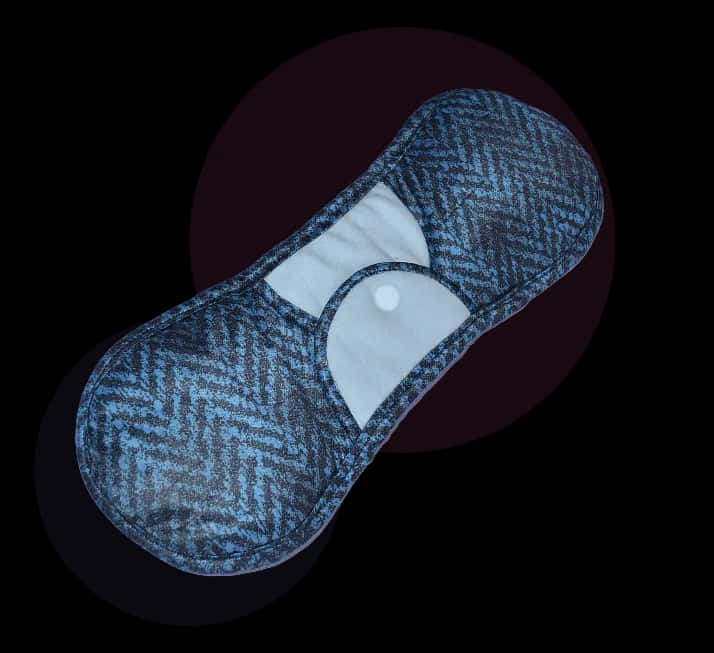
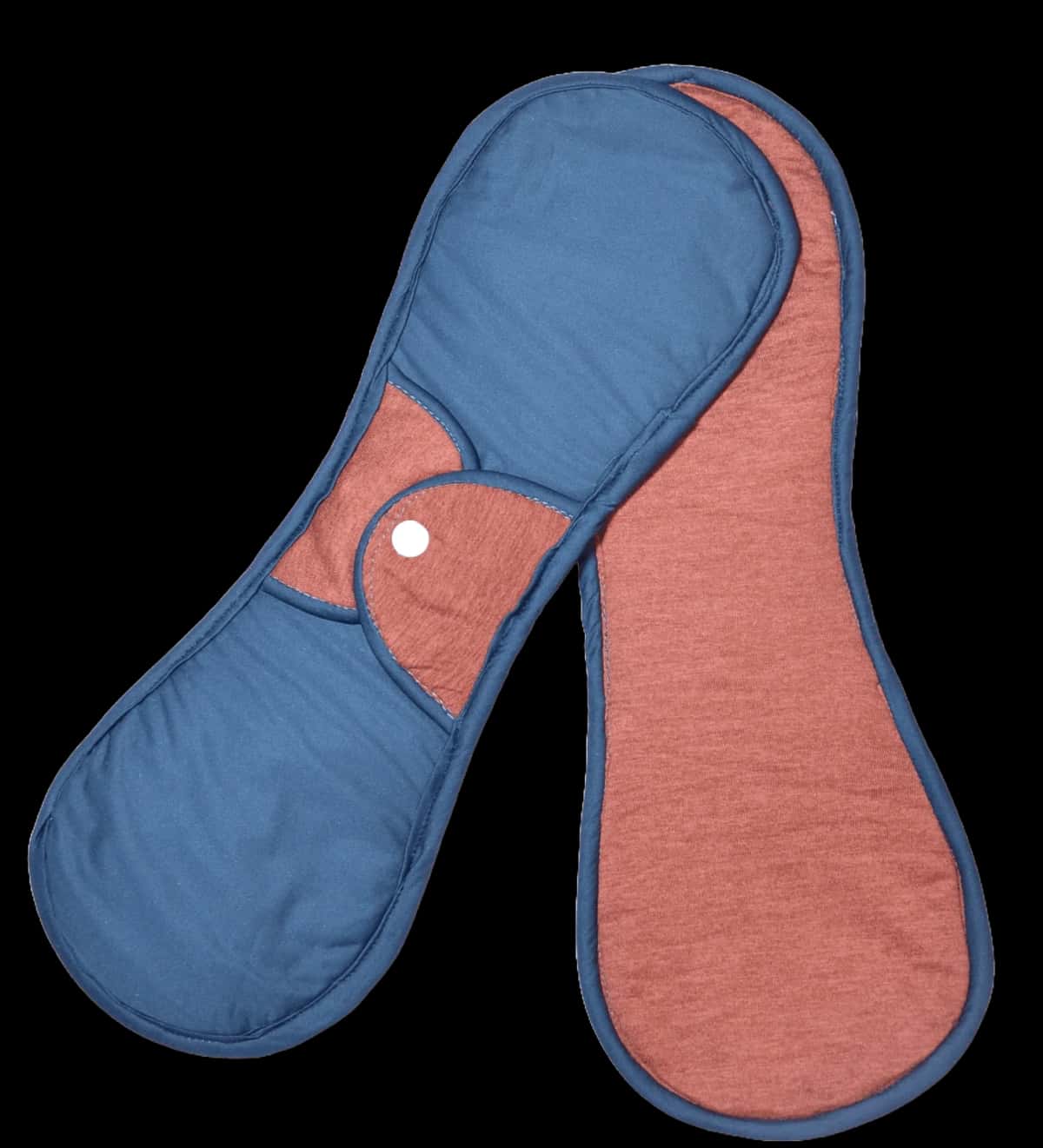
Our pads wey you fit wash

Di Impact of Community MHM Solutions
When communities take ownership of period health, di benefits pass just access to pads. Dis programmes dey change education results, how women dey take part for economy, health, and how people for society dey relate, for ways wey programmes from top no dey usually achieve.
Education and Money Benefits for Women and Girls
School attendance numbers dey tell strong story. For communities wey get active MHM programmes, girls dey miss 40-50% less school days every year. Dat one mean 15-20 extra school days every year – almost one full month of education wey before dey lost to period poverty. Teachers for Ogun State report say girls wey get pads wey dem fit trust dey take part more for class even during period, dem no dey sit for back with fear of leak again.
Di money impact dey grow over time. Girls wey no dey miss school dey perform better for school, dey finish more years of education, and dey get better economic opportunities when dem grow. But di money benefits dey start immediately for adult women too. Market women for Aba wey before dey stay house 2-3 days every month during heavy flow days now dey work full month, and dia income don increase by 8-10%. Women wey dey do daily labour for farming communities no dey lose wages again because of period.
Community MHM programmes also dey create local business. When communities buy reusable pads for bulk from Nigerian manufacturers, dem dey support local jobs. Some communities get members wey don become product distributors, wey dey earn commission while dem dey help neighbours get products wey cheap. One woman for Plateau State start as participant for her community MHM programme and now she dey coordinate distribution for five communities wey dey around, she dey earn income and she dey push period equality forward.
Better Health and Social Well-being
To get clean and correct period products dey reduce reproductive health risks well well. Health workers for communities wey get active MHM programmes report say reproductive tract infections wey come from to use dirty materials like newspaper, rags or leaves don reduce. Women wey dey use reusable pads wey dem wash and dry well dey get less irritation and infection pass those wey dey use shared cloth or wey dey use disposable pad pass di safe time because of money.
Di mental health benefits deserve di same attention. Period poverty dey cause stress every time – to worry whether your pad go reach di whole day, to fear shame from leak, to feel shame to ask for help. When communities make period health talk normal and make sure say products dey, dis heavy load for mind dey comot. Women for community MHM programmes dey describe how dem feel as “free” and “confident” – words wey dey show again and again for programme evaluations for different states.
How people dey relate for society dey change when communities talk about period openly. Fathers wey attend community education sessions dey become supporters instead of to block am. Dem understand why daughters need quality period products and dem dey support dia wives to buy dem. Husbands wey learn about period health dey stop to treat dia wives period like shameful secret. One community health worker for Katsina State talk say quarrels for house about period expenses don reduce well well for communities wey get active MHM education, as families dey plan together for dis need wey dey come regularly.
Change for Environment and for di Whole Community
Reusable period products dey reduce waste well well. One woman wey dey use disposable pads dey produce about 120-150 pads of waste every year – dat na 5,400-6,750 pads for di whole years wey she dey see period. When community of 200 women change to reusables, dem dey stop more than one million pads from entering waste systems wey don already carry too much. For communities wey no get formal waste management, dis one matter well well. Used disposable pads before dey block drainage, dey bring pests and dey cause health wahala.
Community MHM programmes dey bring effects wey pass di people wey join directly. When community members wey people respect dey talk about period openly, dem dey give others permission to talk too. Mothers wey before no fit talk about period with dia daughters dey find words and confidence. Young women dey feel comfortable to look for help for period problems instead of to suffer quietly. Communities wey handle one taboo well dey often face others too – one women group for Rivers State wey start with MHM don expand to fight domestic violence and to handle maternal health.
Maybe di most important thing be say community MHM solutions dey build confidence say communities fit solve dia own problems. When one area or village solve period poverty without to wait for government or NGO, dem go see di power wey dem get as group. Dis confidence dey carry go other challenges – water access, school infrastructure, healthcare gaps. Community MHM dey become something wey dey push bigger community development and power to decide for themselves.
Answer to Common Worries About Community Ways
Plenty communities dey fear to start MHM programmes because of real worries. To understand how other Nigerian communities don handle dis challenges go help new programmes start with confidence.
"Our Community Too Conservative to Talk About Period"
Dis worry dey show for communities across Nigeria, especially for areas where culture or religion dey put weight on privacy about body matters. Di solution no be to fight di conservative way but to work inside di culture. Communities wey handle dis challenge well dey start conversations through culture gatekeepers wey people trust – female religious leaders, grandmothers wey people respect, or traditional birth attendants.
Arrange di discussions with words and situations wey fit di culture. For Muslim communities, to link period health to Islamic teachings about cleanliness and prayer dey make di topic correct for religion instead of something wey go against culture. For traditional communities, to connect am to culture practices about ceremonies when girls dey become women dey give acceptable way to enter di matter. One community for Zamfara State wey first look like say e too conservative to talk about period now dey run MHM programme wey dey do well, wey di Imam wife dey lead, and she dey present period health as part of women religious duty to keep clean.
Start with small, private gatherings of women wey already trust each other. No start with community meetings wey get men and women together. Make women first dey comfortable to discuss period among themselves. As dem dey get confidence and knowledge, dem go naturally carry di conversation go meet dia daughters, and small small dia husbands and sons. Culture dey change by itself when you approach am with respect, no be with fight.
"We No Get Enough Resources or Money"
Money wahala na real thing, but Nigerian communities don show say MHM programmes wey work need commitment pass big budget. Start with wetin you get. One community for Taraba State start with only ₦5,000 wey ten women raise, each person contribute ₦500. Dem buy reusable pads for di two girls for dia area wey dey most at risk to drop out of school. As those girls dey attend school better, other families get motivation to contribute, and di programme grow by itself.
Use community structures wey already dey instead of to create new ones. Use di normal market day gatherings for education sessions instead of to rent hall. Partner with local health centres wey already get meeting space and health workers wey people trust. One community for Bauchi State dey hold MHM discussions during normal immunisation days when mothers already gather for di health post, so e no need extra cost to gather people.
Plenty communities dey discover say to stop one girl from dropping out of school dey save families money wey dem for spend on her early marriage or to take care of daughter wey no go school for long time. To present MHM investment as protection for money instead of charity dey help families put am first even when resources dey feel small. Also, bulk buying dey quickly show savings – when ten women put money together to buy, each person dey pay 30-40% less pass to buy alone for shops for di area.
"How We Go Take Continue Dis for Long Time Without Help from Outside"
Worry about to continue for long time make sense. Plenty communities don watch programmes wey get good intention collapse when di money from outside finish. Di key to long-term survival na to build MHM support inside community structures wey go remain, instead of to create programmes wey stand alone wey need separate management.
Put MHM inside community organisations wey already dey. If your area get community development association, make period health one of di things wey e go always focus on, with small budget for am. If women church or mosque groups already dey collect dues for different purposes, add MHM to di list of causes wey dem dey support. One community for Delta State include MHM for dia community improvement levy together with street cleaning and security, so e don become normal community infrastructure.
Train many local leaders so programmes no go depend on one person. Train plenty community members to lead education sessions, to coordinate buying and to manage distribution. When di leader wey start am move comot or become busy, others go continue without wahala. Communities wey get MHM programmes wey don last long report say dem get 5-8 trained leaders wey dey rotate responsibilities, so nobody go tire and di work go continue.
Create ways to collect feedback so programmes go change as needs dey change. Hold review meetings every quarter where participants go share wetin dey work and wetin need adjustment. One community for Nasarawa State discover through feedback sessions say di first way wey dem dey share pads dey shame younger girls, so dem change am to more private system. Programmes wey dey listen and dey change dey survive. Programmes wey stiff wey no dey adjust to community feedback go collapse at last even if money dey enough.
Why Sana Pads Dey Partner With Community Programmes
Sana Pads dey because we believe say Nigerian communities, no be saviours from outside, go end period poverty. Since we start, we don support pass 10,000 women direct and share more than 30,000 pads through partnership with community groups, schools and local organisations across Nigeria. We dey make am here because we understand Nigerian reality – di weather wey need cloth wey dey dry quick, di infrastructure wahala wey mean say products must fit wash without running water, and di money wahala wey need solutions wey really cheap.
Our partnership way dey respect community leadership. We no dey force programmes on people. Instead, we dey support plans wey communities design by themselves: we dey supply cooperative buying, we dey give free samples for education sessions, and we dey share lessons from programmes wey don succeed for other communities. When one women group for Gombe contact us say dem wan start MHM programme but dem no sure how to start, we connect dem with similar group for Bayelsa wey don pass through di same kind wahala. When one community share knowledge with another community, e dey bring stronger solutions pass expert advice from people wey no dey live di reality.
We dey keep products cheap because if people fit afford am, na im go bring impact. Our price follow our mission – to end period poverty, no be to make plenty profit. Schools, NGOs and other organisations fit order any quantity for di same fixed price for each pack. We no be just manufacturer but partner for di movement for period dignity across Nigeria, and we dey support communities wey dey lead dia own change.
To Take Action for Your Community
Whether you be woman on your own, community leader, teacher or NGO worker, you fit contribute to community MHM solutions for your area. Change dey start with one person wey decide say di way things be now no good.
For People and Small Groups
Start by talking. Share information about period health and reusable products with three friends. Those three go tell three more. Knowledge dey spread through networks wey already dey faster pass any formal programme. When you make period talk normal for your own circle, you dey give other people permission to talk openly too.
If you don already dey use reusable pads, make people see say you dey support am. Share your experience honestly – di first adjustment, di benefits for long time, di money wey you don save. Personal stories dey convince people pass statistics. Offer to show neighbours or colleagues your pads, explain how dem dey work, and answer dia worries from wetin you don experience. One teacher for Ondo State dey keep demonstration pad inside her handbag specially for dis kind sudden education moment.
Think of to start small with di people wey dey near you. If you be mother, make sure say your daughters get quality period products and education. If you be teacher, push for school MHM programme wey go start with your class or your year group. If you dey go religious gathering, suggest say women group make dem discuss period health. Small actions dey build momentum. For your own use, our Starter Kit (3 Premium Pads plus pouch to keep dem) get everything wey you need to start to use reusables with confidence. Premium Pads wey get three layers wey dey absorb dey carry regular flow well, while our No Wahala Pads dey work well for light days and our Maxi Pads dey support heavy flow.
For Organisations and Leaders for Community
If you dey lead community organisation, school, faith group or NGO, you get special power to push community MHM solutions. Start by calling people for conversation. Gather 10-15 women wey represent di different kinds of people for your community and ask dem wetin be di period health wahala wey dem dey face. Listen pass as you talk. Your work na to help di community find dia own solutions, no be to force programmes wey you don already plan.
Schools fit start MHM programmes quick quick. Form committee wey get teachers, members of parent association and senior female students. Find out wetin dem need through survey wey nobody go know who answer, then plan three-part response: make toilets better for privacy and water, give emergency pads through school clinic, and add period health education to di classes wey fit am. Plenty schools dey find say small yearly budget of ₦50,000-₦100,000 dey cover pads for students wey no get money, and dem dey raise di money through small addition to school fees or fundraising.
For organisations wey wan support many communities or run bigger programmes, bulk buying dey bring big impact. One NGO for Benue State dey run programme wey dem dey give starter packs to adolescent girls for communities wey no get enough, while dem dey train local women to continue di education and support. Dis way dey give access immediately and dey build community capacity for long time. Contact our team to discuss partnership options wey fit your organisation mission and capacity.
To Build Movement for Period Dignity
Community MHM solutions mean more pass access to period products. Na about dignity, power to decide, and communities wey dey take power to solve dia own challenges. When women for Kano organise buying cooperatives, dem no dey just buy pads. Dem dey declare say period poverty no good and dem no go wait for permission to handle am. When teachers for Calabar dey coordinate school MHM programmes, dem dey confirm say girls education important reach to remove every barrier. When faith leaders for Sokoto add period health to religious education, dem dey talk say women body deserve respect and attention, no be silence wey get shame.
Di most powerful thing about community ways na how dem dey multiply. One programme wey succeed dey inspire five communities wey near am. One confident supporter dey train ten more. Communities wey dey solve period poverty dey get skills and confidence to face other challenges. Di women group wey start by buying pads together dey discover di power wey dem get as group and dey use am to handle water access, improve market facilities, or push for better healthcare. Period equality dey become door to bigger change for di community.
Period poverty for Nigeria na big challenge, but Nigerian communities get big power to solve problems with sense and to support each other. You no need to wait for perfect condition, big budget or partners from outside. You need commitment, respect for culture and to dey ready to start small. Whether you dey gather fifteen neighbours under neem tree or you dey coordinate school programme wey dey reach 500 girls, you dey part of movement wey dey grow, wey dey change period health across Nigeria, one community at a time. Learn more about how to support period hygiene management for your community, and see how solutions wey cheap and wey dem make here dey make period dignity reach every Nigerian woman.
Continue to read for Menstrual Hygiene Management
Questions wey pipo dey ask well well
Why I go choose Sana Pads instead of normal disposable pads?
Sana Pads na high-quality materials wey you fit wash use again, so dem be option wey good for environment instead of disposable sanitary products. Dem gentle for your skin, dem dey absorb well well, and dem go save you money for long run. When you choose Sana Pads, you dey help reduce plastic waste and you go still enjoy comfort and pad wey you fit trust for your whole cycle.
How long I fit use one Sana Pad before I go wash am?
One Sana Pad go give you comfort and protection for 4 to 8 hours, depending on your flow. To stay fresh, change am every 4 to 6 hours - more often for heavy days. After each use, rinse am for cold water and wash am with soap. If you take care of am well, each pad go last 2 to 3 years.
Sana Pads safe for sensitive skin?
Yes, Sana Pads na soft materials wey dey breathe and wey no dey cause allergy (hypoallergenic), so dem gentle for your skin. Dem no get di harmful chemicals and toxins wey dey common for disposable pads, so dem be correct choice for people wey get sensitive skin or allergies.
How I go wash and take care of my Sana Pads?
Rinse your pad for cold water immediately - hot water dey make blood stain stay. Then wash am with mild soap, with hand or for machine, and rinse am until di water clear. Dry am well well for direct sunlight, wey also dey kill germs. Abeg no use tumble dryer, bleach or fabric softener: dem dey spoil di layers wey dey absorb. If you take care of am like dis, Sana Pad go last 2 to 3 years.
Price dey change for bigger orders?
No. Each product get fixed price for each pack, no matter how many packs you order. You fit calculate your total with our price calculator. For big orders, send us direct message and we go confirm di delivery cost with you before you pay.
Testimonials
See wetin our customers dey talk about our products.
Women for all over di world dey buy Sana

“For first, e dey irritate me to use washable sanitary pad. I decide to try am, and to my greatest surprise, e comfortable well-well and e easy to wash. You fit even do your daily things without fear say blood go stain you for public. I wan give Big shout out to SANA PADS!!”

“I dey really love Sana reusable pads! Dem dey make me relax and feel free for my period time. Plus, dem don reduce the cost and stress of buying disposable pads every month well-well. Kudos to Sana for making dis kind correct product – I go be fan forever!”
“Sana Pad good well-well, e dey make you comfortable and free. I love the pads, na the best ever!”
“I don try different brands of reusable pad, but Sana stand out for the quality, the comfort and how e dey last. Dem design am with sense, and the material dey gentle for my skin. As I change to Sana, e don reduce how I dey spoil environment and e don also save me money for long run. I dey grateful for dis solution wey go last!”

“To dey buy disposable pads every month dey add up well-well, so I talk say make I try Sana Pads. E surprise me how soft dem be, and dem dey work well for long days for university. To wash dem simple, and e don reach months wey I never buy new pad, so e don save me money. I also like say dem dey better for environment. E sweet me say I get option wey cheap and wey better for environment.”
“I don try different pad brands for years, but Sana pads really stand out. From the first time I use am, I see the difference — e soft for skin, e dey soak well-well, and e comfortable die. Even for my heaviest flow days, Sana pads dey hold well. Wetin I also love na how the material dey allow air pass and e good for skin. If you dey find pad wey get comfort, wey you fit trust, and wey get quality, I really recommend make you try Sana pads.”
Time to join hand
Contact Us
Margaret Ochegbudu
Business Manager