Cultural Practices Wey Dey Affect Period Hygiene for Nigeria
Where pipo don see us







 Margaret Ochegbudu don check am · Update 32 min to read
Nigeria get more than 250 ethnic groups, and period practices dey different well-well among dem. Some traditions no allow cooking, worship or movement during period; others dey pass useful knowledge down. To understand which local beliefs dey cause real barrier, and which ones no dey harm anybody, na di starting point for any programme wey wan change behaviour.
Wetin You Need to Sabi About Culture and Period Hygiene
Wetin people believe for culture dey shape how Nigerian women dey experience dia period for deep ways. From di materials wey dem dey use reach di places wey dem fit enter during period, tradition dey touch every part of period hygiene.
Main Points:
- Cultural practices wey dey affect period hygiene for Nigeria dey different well-well across di country 250+ ethnic groups and religious communities.
- Period restrictions wey common include food wey dem no allow, limits for places of worship, and to keep woman separate, and dis fit block access to hygiene.
- About 60% of women for village side for Nigeria dey use old materials like old cloth and rags, because of culture and money matter.
- For many communities, taboos about how to throw period materials away and rules about water sources dey force women to manage period for ways wey no clean.
- For 78% of Nigerian homes, culture still no allow open talk about period, and dis dey limit young girls from correct hygiene information.
- Pads wey you fit wash use again wey cost around ₦600-800 for each piece na option wey culture fit accept, and e cost 70-85% less than disposables over time.
- Schools for Kano, Sokoto and other northern states talk say culture sensitivity about male teachers and discussions wey boys and girls dey together dey affect period health education.
Make we look how dis cultural matter dey affect period hygiene and wetin we fit do to support both tradition and health.
Fatima sidon outside her family compound for Kaduna, dey wonder why her grandmother insist say she no fit enter kitchen during her period. She be 16, and she get questions wey nobody wan answer. Her mama dey talk am with whisper, her aunties dey change topic, and her teacher for school rush through di period health lesson like say di topic self get danger. Meanwhile, Fatima dey use old clothes wey her mama give her, dey change for di outside latrine when nobody dey look, and dey count days until she go feel “normal” again.
Across Nigeria, millions of girls and women dey handle dia period inside big web of cultural beliefs, traditional practices, and rules wey nobody talk out. Some of dis customs dey protect dignity and health. Others, wey pass from generation to generation without question, dey block correct period hygiene. To understand dis matter no mean say we reject tradition or follow Western ways blindly. Na to know which practices dey support women health and which ones we fit change small-small with sense.
How Culture Dey Shape Period for Nigeria
Because Nigeria get many different people, period practices dey change well-well from community to community. Wetin dem see as respectful period behaviour for Yoruba house for Lagos fit different completely from wetin Igbo family for Enugu or Hausa community for Kano dey expect. But some things dey show for all di regions: silence around period, limits on wetin women fit do during period, and to depend on traditional materials and traditional ways to throw dem away.
Di Silence Wey Dey Shape Hygiene Practices
For most Nigerian cultures, period dey inside silence wey people choose on purpose. Mamas dey give dia daughters cloth without explanation. Girls dey learn to hide dia period from papa and brothers. Women dey create code words – “I dey sick,” “dat time,” “my visitor” – so dem no go call di real name.
Dis silence no be just shyness. Na cultural system wey see period as something between shame and sacred, and e no dey for open talk at all. Study from University of Ibadan for 2024 find say 73% of Nigerian mamas never get full talk about period hygiene with dia daughters before di girls first period. Girls dey learn from whisper talk with friends, from looking dia senior sisters, or from dia own trial and error.
Di effect for hygiene dey direct. When girls no fit ask questions, dem no fit learn correct practices. Dem no sabi how often to change materials, how to wash cloth wey dem dey reuse well, or which symptoms need doctor. For Kaduna State, health workers talk say dem dey see girls with infection because dem wear di same cloth for whole day, and dem no know say e get danger. Di girls no get anybody to ask.
Dis silence still dey stop communities from treating period hygiene as public health priority. Wetin nobody dey talk about, nobody fit improve am. Schools dey avoid di topic to respect culture. Health centres dey give small information. NGOs dey struggle to run period health programmes when just to talk “period” or “menstruation” dey make community leaders uncomfortable.
Traditional Materials and Wetin Dem Mean for Hygiene
Across Nigeria, traditional period materials still common. Old wrapper wey dem cut into strips, cotton wool wey dem wrap inside nylon bag, tissue paper wey dem fold many times, foam wey dem cut from old mattress, even sand or ash for some far-far communities. Dis no be choices wey dem make only because dem like am. Na cultural practices wey mamas pass give dia daughters, join with money problem and lack of other options.
For village side for Benue State, community health worker explain say grandmothers dey teach young girls to use old cloth because “na wetin we don always use, and we survive.” Di method carry cultural authority. To use modern products fit look like say you dey reject family wisdom or you dey form “too fancy” for traditional ways.
Di hygiene wahala big. Many times dem no fit wash old cloth well because culture no allow dem dry period materials for sun where other people fit see am. Women dey dry cloth inside dark room where e no go dry finish, and dis dey make perfect place for bacteria to grow. Without correct place to wash, dem dey rinse cloth for cold water without soap. Some women dey reuse di same cloth for years.
Dis practices join with Nigeria infrastructure wahala. For communities where water scarce, women must choose between water to drink and water to wash period cloth. Where no private place to wash dey, hygiene almost no dey possible. Survey for Katsina State find say 64% of women wey dey use traditional cloth don get vaginal infection, compared to 23% of women wey dey use correct sanitary products.
Period Restrictions and Access to Places for Hygiene
Many Nigerian cultures dey put limits on wetin women wey dey see period fit do and where dem fit go. Dis limits dey different by ethnic group and how people interpret religion, but di common ones include say dem no fit enter kitchen, cook food, go worship service, touch holy books, or even sleep for di same room with dia husband.
Some restrictions get hygiene effect. For communities where woman wey dey see period no fit use family bathroom, she go wash for outside where privacy and cleanliness small. Where dem no allow her touch water source, she no fit clean her body or her materials well. For some northern communities, women tell researchers say dem no fit fetch water during period, and dis mean say dem go stay for days with small washing.
Religious practices sometimes dey add to dis wahala. Even though Islamic teaching put strong mind on cleanliness during period, some cultural interpretation dey limit women access to washing place for ways wey go against di religion focus on hygiene. Christian communities fit stop women wey dey see period from choir practice or altar service, and dis dey create shame wey stop women from managing dia period openly and for clean way.
Di isolation practices for some cultures – where women wey dey see period must stay for separate room or avoid common areas – fit actually make hygiene worse. Women wey dem isolate no get good access to correct facilities, clean water, and ways to throw things away. Dem dey manage dia period for di dirtiest condition wey dey possible, all for di name of tradition.
How Cultural Beliefs Dey Shape Period Hygiene Behaviour
Cultural practices no be just ideas for head. Dem dey turn into real daily behaviour wey either support or spoil period hygiene. To understand dis road go help us see where help fit work inside culture instead of to fight against am.
How Families Dey Talk About Period
Di way Nigerian families dey talk about period – or no dey talk – na di foundation for all hygiene practices. For most houses, period knowledge dey pass through relatives of di same gender, usually mama to daughter, but often with small detail.
Normal situation for Abuja or Port Harcourt be like dis: girl see her first period. Her mama give her cloth or pads, show her how to put am, and give short instruction like “dey change am regularly” and “keep yourself clean.” Questions about wetin normal, how body dey work, or which products best, dem dey answer with shame or dem go push am aside. Papa and brothers no dey inside dis talk at all.
Dis pattern dey affect di product wey girls choose and dia hygiene practices directly. Girls dey use whatever dia mama give dem, without knowing say other options dey. If mama dey use old cloth because money no dey, she go present am as di only option. If she dey use disposable pads even though money tight, di daughter fit no know say pads wey you fit wash use again fit save money. Knowledge no dey flow, so practices no dey change.
For polygamous homes wey common for northern Nigeria, di matter dey more complex. Co-wives fit share information, but competition and privacy matter sometimes dey stop open talk. Young girls dey get different advice from different mamas, and dem must find dia way through dis messages without clear guide.
How extended family dey involve dey different by culture. Yoruba families fit involve aunties and grandmothers for period education. Igbo homes fit choose particular female relatives to guide girls through dia first period. Hausa families often keep strict privacy, and dis dey reduce where information fit come from. Each pattern dey affect wetin girls learn and how well dem fit keep hygiene.
Ways to Throw Period Materials Away Wey Come From Tradition
How women dey throw away period materials dey show deep cultural beliefs about blood, fertility, and spiritual weakness. Dis beliefs dey shape hygiene practices for ways wey dey surprise outsiders but make full sense inside di culture.
Many Nigerian cultures see period blood as something wey get spiritual power and fit bring danger. Dis no be simple superstition. E connect to beliefs about fertility, life force, and spiritual protection. So, dem must throw am away for particular ways, so dat nobody go use di blood for bad spiritual things and so dat e no go bring bad luck.
For southern Nigeria, some communities say make dem burn period materials to protect di woman fertility. Others insist say make dem bury am for particular places. Some no allow make dem throw di materials inside common dustbin where other people fit see dem. Even though dis practices wan protect women, dem dey create hygiene wahala.
Burning fit work for theory, but for real life, women often no fit burn di materials finish or burn dem safely. Dem dey hide cloth wey half burn, and dis dey create dirty condition. Burial fit mean say woman go keep dirty materials for days until she fit bury dem secretly, and she go keep dem for condition wey dey make bacteria grow.
For cities like Lagos and Abuja, dis traditional way of throwing things away dey clash with modern waste management. Women no fit burn materials inside apartment buildings. Dem no get private place to bury. But di cultural beliefs still dey, so women dey hide dirty materials inside bag under bed or for corner, dey wait for correct time to throw dem away. Di result na dirty storage wey dey increase infection risk.
Religious interpretations dey add to di matter. Some Islamic scholars dey stress say make women throw period materials away privately and with respect. Christian teaching fit no talk about how to throw dem away directly, so women go follow culture instead of religion. Di way dem mix dey cause confusion about wetin religion require and wetin be just cultural habit.
Education Wahala for Communities and Schools
Cultural practices wey dey affect period hygiene for Nigeria dey show pass for schools. Schools suppose give period health education, but culture sensitivity often dey stop correct teaching.
For many Nigerian schools, especially for northern states, period health education dey face big barriers. Male teachers no dey comfortable to teach di topic to female students. Female teachers dey rush am because shame dey catch dem. Classes wey get boys and girls together make open talk almost impossible. Students dey laugh, look away, or skip class finish when di topic come.
Biology teacher for Sokoto explain di wahala: “Di curriculum say make I teach menstruation for JSS2. But when I try, di boys dey laugh, di girls dey hide dia face, and parents dey complain say I dey teach dia daughters things wey no correct. So I go give dem reading and move quick.”
Dis pattern mean say most Nigerian students dey get small period health education, even though e dey inside di national curriculum. Dem no dey learn about di menstrual cycle, wetin hygiene need, or di product options. Dem surely no dey learn practical skills like how to manage period for school or wetin to do if problem come.
Cultural practices still dey affect school facilities for period hygiene. Many schools no get private place to change, because to talk about period openly enough to fight for dis facilities dey go against culture. Toilets no get water or dustbin for di same reason. Girls dey manage dia period for poor facilities because culture dey stop adults from accepting say dem need better ones.
Some schools for Lagos and Abuja wey dey move forward don start period health sessions for only girls, dem dey separate students by gender to reduce shame. Others dey invite female health workers to talk with girls while boys dey do other activities. Dis approaches dey work inside culture and still improve education, but dem still no common.
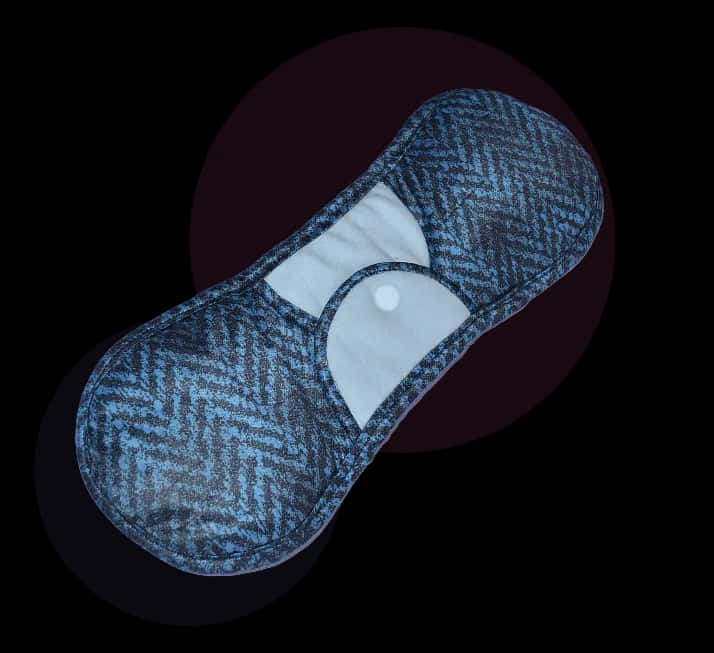
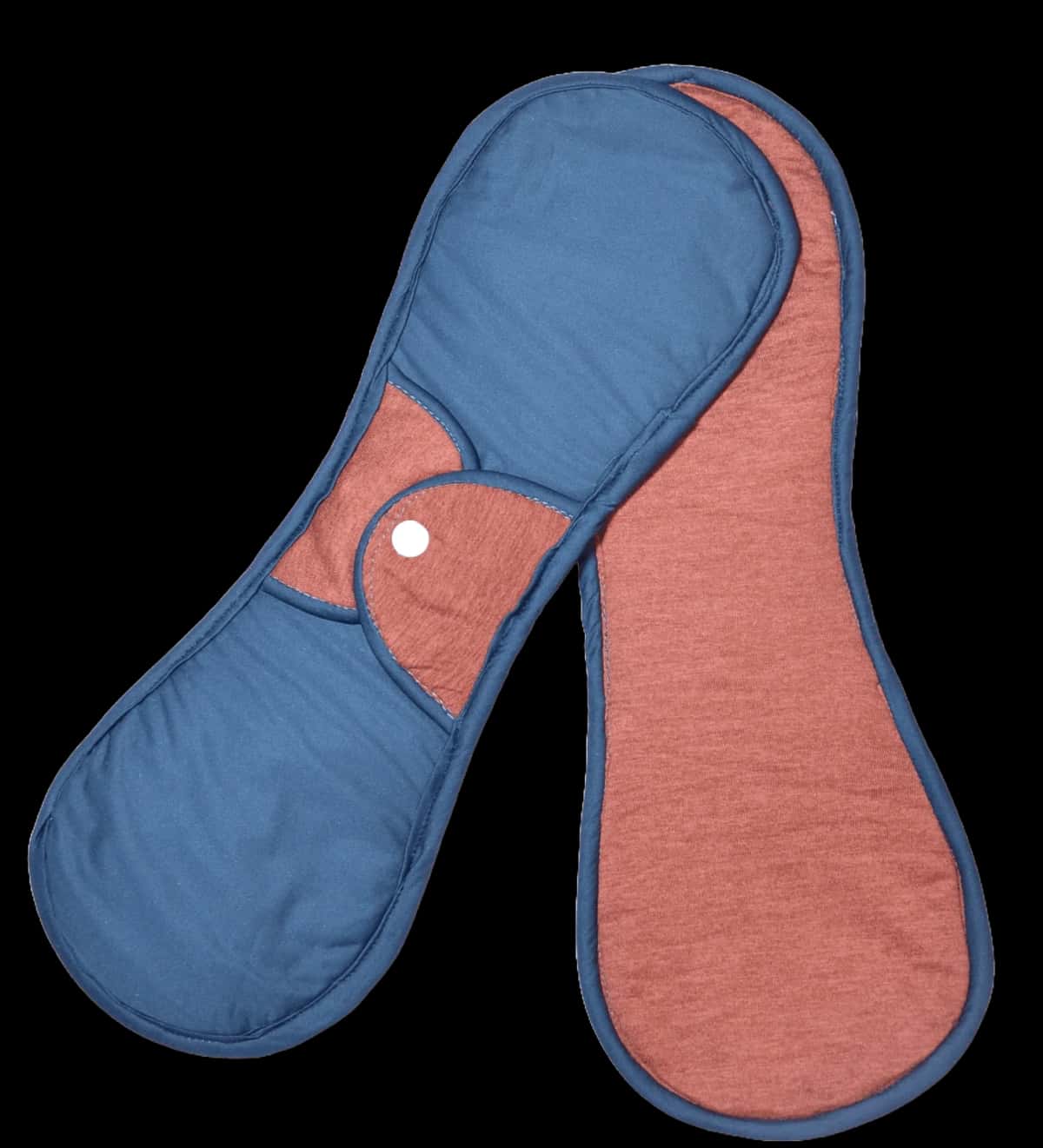
Our pads wey you fit wash

How to Break Bad Patterns and Still Respect Culture
Di goal no be to remove all cultural practices around period. Many traditions get important purpose – to protect privacy, to mark change for life, to build bond among women. Di challenge na to separate practices wey dey support wellbeing from those wey dey harm health, then find ways wey respect culture to change di harmful ones small-small.
How to Start di Talk for Way Wey Fit Culture
Change dey start with talk, but for ways wey respect culture. To face traditional practices directly to fight dem no dey usually work. To tell grandmother say her period wisdom wrong go make her defend herself, e no go open her mind. Instead, approaches wey work dey respect tradition while dem dey bring new information.
Community health workers for Kano don succeed by building period hygiene talk around values wey everybody share. Instead of “your traditional methods no clean,” dem dey talk “all of us want our daughters healthy and able to go school.” Instead of “dis beliefs na superstition,” dem dey talk “make we look wetin Islam really teach about cleanliness during period.”
Religious leaders get important role. When imams for northern Nigeria explain say correct period hygiene agree with Islam focus on cleanliness, communities dey listen. When pastors for southern churches talk about period as natural part of God design, no be something of shame, people mind dey change. Dis voices carry authority wey health workers from outside no get.
Women groups dey give place wey fit culture for period health talk. For Ondo State, women cooperative start to add period hygiene for dia normal meetings. Di trust wey dey already and di women-only setting make am safe to talk about topics wey people dey usually see as taboo. Women share experience, ask questions wey dem never ask before, and learn from each other.
Talk between old and young generations need special care. Young girls no fit challenge dia grandmothers teaching directly without breaking respect. But health workers fit talk with older women separately, respect dia wisdom and still bring new information about infection risk and better hygiene. When grandmothers begin support am, change dey move fast.
Make Traditional Practices Better Instead of to Replace Dem
Sometimes di best approach no be to bring completely new products or methods, but to make di traditional practices wey dey already better. Dis dey respect wetin culture like and still handle hygiene matter.
For women wey prefer cloth because of culture or money, di solution no be say you must convince dem to use disposables. Na to teach dem how to handle cloth well: wash am with soap for hot water, dry am finish for sun or for place wey air dey pass well, keep am for clean dry place, and change di cloth regularly.
Some organisations for Plateau State don work with tailors to make better traditional cloth pads – na cotton fabric wey dem sew into better shape with correct layers, e be like di old methods but e work better. Women dey accept dis pads faster than commercial products because e feel familiar for culture and still absorb better and clean pass.
Ways to throw away materials fit change too. For communities where burning na tradition, to bring simple incinerators or to teach how to burn am finish dey keep di cultural practice and still improve hygiene and safety. Where people prefer burial, to talk about correct timing and methods dey stop dirty storage and still respect di beliefs.
Access to water dey affect period hygiene directly, especially for women wey dey use materials wey dem fit reuse. Community development projects wey improve water supply dey support traditional practices by making dem clean pass. When women fit get clean water easily, to wash cloth materials go possible. When dem add privacy screen for washing place, both di cultural need for modesty and di hygiene need go dey met.
How to Fit Modern Solutions Inside Culture
Modern period products like pads wey you fit wash use again fit enter inside traditional culture if dem introduce am well. Di key na to present dem as tools wey support cultural values, no be as something wey go replace tradition.
Pads wey you fit wash use again dey handle money worry and still respect di culture wey prefer materials wey you no go throw away. Woman for Bauchi explain why she accept am: “My grandmother use cloth. I dey use cloth. Dis pads na cloth too, just better design. E no be say we dey abandon our ways. Na to make dem better.”
Di privacy wey pads wey you fit wash use again get dey fit cultural values. Nobody go easily notice dem, dem no dey leave waste wey people fit see, and you fit wash and dry dem like traditional cloth. Women wey no comfortable to dey buy disposable pads every month like say na one-time purchase, wey dem go then manage privately for house.
Colour choice matter for culture. Dark colours wey no dey show stain agree with di culture focus on hiding period evidence. Patterns wey look like normal fabric, no be clearly “period products”, dey reduce shame. Dis details look small but dem dey affect how culture accept am well-well.
Education about modern products need cultural framing. Instead of “disposables na waste” (wey mean say women wey dey use am dey do wrong), messages dey stress “pads wey you fit wash use again dey save money wey your family fit use for other needs.” Instead of “traditional cloth no clean” (wey reject cultural practices), better way to talk am na “dis pads dey work like traditional cloth but with better design wey keep you dry and comfortable pass.”
How Cultural Period Practices Dey Affect Health
To understand how cultural practices dey affect body health go help communities make better decision about which traditions to keep and which to change. Di evidence clear: some practices dey support health, others dey bring big risk.
Infection Risk From Dirty Materials and Practices
Di link between cultural period practices and infection for reproductive system dey well documented for Nigerian medical research. Study wey Ahmadu Bello University Teaching Hospital publish for 2025 find say women wey dey use dirty period materials get 3.2 times more infection for reproductive tract compared to those wey dey use correct sanitary products.
How di infection dey happen simple. Period blood dey give food to bacteria make dem grow. When dem no dey change materials often, no wash dem well, or no dry dem finish, bacteria dey multiply fast. Traditional practices wey involve to reuse cloth wey no clean well dey bring bacteria back to di vagina area again and again.
Particular cultural practices dey increase risk for different ways. To use ash or sand, wey people still dey do for some far-far areas, dey bring foreign things wey dey irritate di skin and scatter di natural defence of di vagina. To keep dirty materials for days before dem throw dem away (common where dem must burn or bury but no fit do am immediately) dey bring contamination risk for di whole house.
Di rule wey no allow sun drying for many cultures na serious problem. Sunlight dey kill bacteria naturally through UV and e dey make sure say di thing dry finish. When women must dry materials for dark place wey air no dey pass well because of cultural modesty, di materials go remain damp and bacteria go still plenty.
Health workers for Port Harcourt talk say many women no dey connect dia infection to how dem dey handle period. Dem dey go for treatment for symptoms – itching, discharge, pain – without mentioning how dem dey manage dia period. Doctors often no dey ask because of di same cultural shame about di topic. Dis silence dey make infection come back again because nobody dey handle di root cause.
Wetin E Dey Cause for Education and Money
Cultural period practices no dey affect health only. Dem dey create ripple wey touch education, work for money, and di whole life chances, especially for young girls.
Girls wey dey miss school because of period dey plenty pass for communities wey get strict cultural practices. When girls dey use poor materials wey dey leak, no get place to change, or fear di shame of period accident, dem go just stay for house. Federal Ministry of Education report from 2024 find say girls for northern Nigeria dey miss average of 4-5 school days every month because of period wahala, and many of dis wahala come from cultural practices.
Dis absence dey add up. To miss school for whole week every month mean say you miss about 20% of di school year. Girls dey fall behind for book, lose confidence, and later drop out pass others. UNESCO office for Abuja record say period hygiene wahala dey contribute to 15-20% of di rate of girls wey drop out of school for village areas.
Di money effect pass school. Women wey no fit do market business, farming, or other work during period dey lose income. For communities where period restrictions strict pass, women dey lose one week of money-making every month. For whole life, na big loss for di woman and for di community.
Cultural silence about period still dey stop women from asking for better facilities for work. Offices, shops and factories for Nigeria no dey usually get correct period hygiene facilities because women no dey ask for dem. Cultural shame dey make women endure bad condition instead of to talk about wetin dem need.
Effect for Mind and Social Life
Di shame, isolation and secrecy wey surround period for many Nigerian cultures dey affect mental health and social growth, especially for teenage girls wey dey see dia first period.
When girl first period come with whisper and shame instead of celebration and education, she go learn say her body na something of shame. Dis message, wey come when she dey for delicate stage of growth, dey shape how she see herself for years. Psychologists wey dey work with teenage girls for Lagos talk say bad period experience dey contribute to bigger body image wahala and low self-confidence.
Di isolation practices for some cultures dey add to dis effect for mind. To separate girl from family activities, stop her from going school or worship, and treat her like say she dirty for small time dey send strong message about women value and belonging. Even when dem present di restrictions as protection or respect, dem dey talk say women wey dey see period somehow less than dia normal self.
Social growth dey suffer too. Girls wey no fit join sports, school activities or social events during dia period dey miss chance to build skills, make friends, and form who dem be. Dem dey learn to arrange dia life around dia period instead of to manage dia period around dia life.
When girls no fit talk about period openly, e dey stop dem from learning healthy way to talk about dia body and wetin dem need. Dis pattern often continue reach adulthood, and e dey affect relationships, how dem dey talk with health workers, and how dem dey raise pikin. Women wey never learn to talk about period comfortably dey struggle to teach dia own daughters, and di cycle of silence and shame go continue.
Common Worries About Changing Period Practices
When people resist change for cultural practices around period, e often come from real worries, no be just stubbornness. To answer dis worries directly and with respect dey important for real progress.
"We Dey Reject Our Culture and Dey Copy Western Ways Too Much"
Dis worry dey come up plenty when people bring modern period products or practices. Community members, especially elders, dey fear say to leave traditional period practices mean say di whole culture dey wash away, and say Western influence wey no fit dey enter.
Di worry deserve respect. Nigeria don experience cultural disruption from colonialism, globalization, and development plans from outside wey sometimes look down on local wisdom. To dey careful about new practices wey people call “modern” or “better” make sense for dis situation.
Di answer no be to dismiss cultural practices as backward. Na to separate cultural identity from particular hygiene methods. To use pads wey you fit wash use again instead of old cloth no make person less Nigerian, less Yoruba, less Igbo, or less Hausa. Na practical health decision, like to use treated mosquito net instead of only traditional malaria medicine. Both traditional wisdom and modern tools get value.
Many cultural values around period – modesty, privacy, support among women – fit remain while hygiene practices dey improve. Woman fit hold her culture focus on discretion and still use better period materials. She fit respect traditional privacy rules and still get better facilities.
Some of di strongest period health advocates for Nigeria na people from inside di culture – grandmothers, religious leaders, traditional birth attendants – wey understand say to protect girls health dey honour cultural values pass to keep every practice di way e be. When grandmother for Katsina talk say “we want wetin best for our girls, and now we sabi better ways to stay clean,” she no dey reject culture. She dey grow am as cultures don always do.
How you frame di message matter well-well. Messages wey talk “your traditional ways wrong, do am di modern way” dey bring real resistance. Messages wey talk “see tools wey fit help you reach di health and dignity wey your culture already value” dey get acceptance. Di difference no be just talk. E show approaches wey really different – one dey look down on culture, one dey respect am.
"Good Period Products Too Cost for Our Community"
Money worry na real worry. Plenty Nigerian families dey struggle to afford basic things. To add money for period products fit look like something wey no possible, especially when old free methods dey.
People no dey always answer dis worry well. Just to tell women say pads wey you fit wash use again go save money for long run no dey help when dem no get money to buy di first set. To explain say disposable pads cost more over time no mean anything when wetin dem need today full dia mind.
Real solution need make you understand di money situation. For communities where most families dey earn ₦50,000-80,000 every month, to spend ₦5,000-8,000 for starter set of pads wey you fit wash use again be like something wey no possible, even if e go save money later. Payment plans, subsidy programmes, and community buying groups fit close dis gap.
Some communities don build sharing system for period products. Women groups dey buy plenty pads wey you fit wash use again at once, share dem, and collect small payment every week instead of to ask for full money upfront. Schools dey partner with NGOs to give products wey students fit carry go house and keep at last after small contributions.
Di money argument dey strong when you calculate am honestly. Woman wey dey use disposable pads wey cost ₦100 each (cheaper brands), wey dey change 4 times every day for 5 days every month, dey spend ₦2,000 every month or ₦24,000 every year. For five years, na ₦120,000. Set of good pads wey you fit wash use again wey cost ₦8,000 and fit last 2 to 3 years na big savings – about 70-85% less than disposables over time, even after you count di cost of washing.
For families, dis savings fit pay school fees, hospital bills, or money for business. When you present am like dis – no be as luxury but as sense for money matter – people no go resist am too much. Di challenge na how to connect di long-term savings wey people understand with di first money wey dem need.
Organisations wey dey work well for dis area no dey just give products. Dem dey give economic power. Some dey train women to sew pads wey you fit wash use again, so e dey bring both access and income. Others dey connect period health to development programmes wey dey already, for water, sanitation, education or women economic progress.
"How We Go Take Know Say Dis New Methods Really Better?"
To doubt new health advice make sense, especially for communities wey don see harmful things wey dem disguise as help. People want evidence, no be just talk say modern methods better.
Dis worry dey open door for education. Evidence dey plenty. Medical studies, wetin users talk, and community pilot programmes all show say correct period hygiene with correct products dey reduce infection rates, make person comfortable pass, and support education and work.
Numbers matter. To share say infection rates drop 60% for schools wey give correct period products (data from Osun State pilot programmes) na real evidence. To explain say girls school attendance improve by 3-4 days every month when dem get enough period support (data from Federal Ministry of Education) dey show real impact.
Personal stories often convince pass statistics. When community member wey people respect share say her daughters health improve, dia school performance go up, or life better after dem change period practices, others listen. Influence from peers inside di culture carry authority wey experts from outside no fit match.
Demonstration projects dey help people wey doubt to see di results with dia own eye. When schools or community centres test better period hygiene programmes, community members fit see di results by demself. Dem dey see girls dey go school every time. Dem dey hear women talk say health problems don reduce. Dem dey see better confidence and participation.
Di approach no suppose ever be “trust us, we sabi pass your traditional wisdom.” E suppose be “make we look di evidence together and see wetin work best for your community situation.” Dis dey respect both science evidence and di community freedom to decide.
Some communities wan try new approaches small first. Women group fit test pads wey you fit wash use again with few members before more people start. School fit start with one class before e expand. Dis speed of change wey fit di culture, wey di community decide by itself instead of pressure from outside, dey build practices wey go last.
How to Support Period Hygiene Inside Nigerian Culture
Nigeria need period health solutions wey dem design for Nigerian reality – our weather, our infrastructure wahala, our different cultures, and our money condition. General approaches wey dem develop for other places often fail because dem no consider local situation.
Sana Pads dey exist exactly to handle dis Nigerian reality. As local manufacturer, we understand say period products need to work for hot and humid weather across Lagos, Abuja and Port Harcourt. We sabi say many women no get steady light to dry materials, so we design our pads to dry quick even without fan. We know say water scarcity dey affect washing, so our products need small rinsing and still dey clean.
Cultural understanding dey shape everything wey we dey do. We sabi say discretion matter well-well for Nigeria, so our pads get dark colours and design wey no dey draw attention. We understand say family budget tight, so we make pads wey you fit wash use again wey dey save families money instead of to add to monthly expenses. We know say period health education no dey always happen for house, so we dey give clear instructions with every product.
Since we start, Sana Pads don support pass 10,000 women directly and share more than 30,000 pads across Nigeria. We don work with schools for Kano, Kaduna and Sokoto where cultural sensitivity about period strong pass, and we help build programmes wey respect local values and still improve hygiene. We don partner with NGOs wey dey serve communities where traditional practices cause health wahala, and we give products and education wey work inside culture instead of to fight am.
Our mission pass to sell products. We dey work to end period poverty and di education barriers wey e dey cause. When girls for Benue State stay for school because dem get period products wey dem fit trust, na success be dat. When women for Ogun State talk say dia health better and infection don reduce, na impact be dat. When grandmothers for Jigawa State begin support better period hygiene and still keep di cultural values wey dem love, na change wey go last be dat.
We dey manufacture for Nigeria because we believe say Nigerian women deserve products wey dem design for dia own needs, no be general imports wey dem make for different weather and situation. We dey employ Nigerian women because period health wahala suppose create work opportunities inside di same communities wey e dey affect. We dey keep cost low because dignity during period no suppose be luxury wey only rich families fit afford.
How to Take Action for Your Community
To improve period hygiene inside culture need action for many levels – personal decision, family talk, community projects, and changes for institutions. Progress dey happen when people for all levels choose to be part of di solution.
For Each Person and Family
If you dey manage your own period health or you dey support your daughters through dia first period, practical steps fit improve hygiene and still respect di cultural values wey you hold important.
Start by checking your current period products and practices honestly. Your materials clean, comfortable, and enough for your flow? Dem dey allow you go school, work, and social activities with confidence? If no, to look other options no be betrayal of culture. Na self-care.
For mamas wey dey guide daughters, di most powerful change na to open di talk even though culture make am uncomfortable. You no need to abandon modesty values before you give practical information. To teach correct hygiene, explain di menstrual cycle, and talk about product options dey protect health and still keep correct boundaries. Your daughter go either learn from you with correct information, or from friends and internet with information wey fit be wrong.
Di product wey you choose suppose match both your needs and your flow. For days wey flow light, simple pads like our No Wahala Pads with 1 leak-proof layer and 1 absorbent layer dey work well and cost less. Normal flow usually need Premium Pads with 1 leak-proof layer and 3 absorbent layers for protection wey you fit trust. Heavy flow days need maximum absorption like our Maxi Pads with 1 leak-proof layer and 5 absorbent layers.
Many women see say our Starter Kit dey perfect to try pads wey you fit wash use again without big money. E get 3 Premium Pads plus storage pouch, enough to experience di benefits before you commit to full set for whole period cycle. Di kit cost about 70-80% less than wetin you go spend on disposables for di same period, and dis dey show savings immediately.
To use pads wey you fit wash use again inside culture dey easy. You go wash dem like traditional cloth but di design better, so di same modesty practices for drying still apply. You fit keep dem quietly, dem no dey leave waste wey people fit see, and dem dey last for years if you care for dem well. Cultural practices around privacy and discretion remain di same while hygiene improve well-well.
For Organisations, Schools and Leaders for Community
Institutions get big power to make period hygiene better and still respect culture. Schools fit make sure say girls no miss school because of period. NGOs fit add period health inside di programmes wey dem don dey run. Religious organisations fit give voice wey culture respect, to support better hygiene.
Schools suppose start with facilities – private place to change, toilets wey get water and bin to throw things, and emergency supplies for girls wey period start for dem suddenly. Dis kind practical support dey make big difference. After dat, make dem handle education, best na separate sessions for girls and boys, or female health workers, when culture no gree make boys and girls discuss am together.
NGOs wey dey work for girls' education, women health or community development suppose add period hygiene, even if e no be dia main focus. When you tackle period poverty, e dey often remove wahala for di other areas of di programme. Girl wey collect period products through education programme fit really dey go school every time. Woman wey no dey fight infection from dirty practices fit join economic empowerment activities well-well.
To buy plenty at once dey make pads wey you fit wash use again easy for organisations to share. Sana Pads dey supply schools, NGOs and community programmes of any size for di same fixed price per pack. Dis make am possible for schools to give pads to students wey dia family no fit afford to buy, or for NGOs to add period products when dem dey share community health things.
To do am well, you need to respect culture. Carry community leaders join for di planning, especially women elders and religious leaders. Build di programme around values wey everybody share, like education, health and women dignity. Move for di speed wey di community comfortable with, no force your own timeline from outside. No just count how many products una share; measure how people mind don change, infection rates, and school attendance data.
If you get questions about partnership, bulk orders, or how to run period health programmes for places wey culture dey complex, contact Sana Pads direct. We don work with different communities across Nigeria, and we fit share wetin we learn, connect you with other organisations wey dey do similar work, and help you plan approach wey respect di culture of your community and still make period hygiene better.
Make We Move Forward Together
Cultural practices wey dey affect period hygiene for Nigeria dey complex, get deep root, and dey different across our country wey get many different people. Some traditions dey support dignity and health. Others, even though dem mean well, dey block correct period hygiene. Di way forward no be to choose between tradition and health. Na to check carefully which practices dey serve women well and which ones fit change while we still keep our cultural identity and values.
Change dey last pass when communities demself dey drive am, when religious and traditional leaders begin support am, when grandmothers share new wisdom join di old wisdom, and when respect for culture walk together with commitment to health. To improve period hygiene no need cultural revolution. E need honest talk, correct information, correct products, and di will of everybody to make sure say every Nigerian girl and woman fit manage her period safely, comfortably and with dignity.
Di practical tools dey. Pads wey you fit wash use again wey dem design for Nigerian situation na option wey work, wey people fit afford, and wey fit culture, instead of both disposables and traditional materials. Education resources fit present period health information for ways wey agree with cultural values instead of to go against dem. Money models fit make products reach people even for communities wey no get much.
Wetin we need now na action – mamas wey go start talk wey make dem uncomfortable because dia daughters need information, teachers wey go teach period health even though culture make am awkward because students dey miss too much school, community leaders wey go accept say silence about period dey harm health even as e dey keep modesty, and each woman wey go decide say cultural identity and better period hygiene fit dey together.
Better period hygiene dey support di values wey Nigerian cultures already hold: women health, education, family wellbeing, and women dignity. When we approach am with cultural respect and partnership with community, to improve period practices no dey threaten tradition. E dey honour am, because e dey make sure say di next generation of Nigerian women go thrive. Learn more about ways to manage period hygiene wey dey work inside different cultures and still protect health and support dignity.
Continue to read for Menstrual Hygiene Management
Questions wey pipo dey ask well well
Why I go choose Sana Pads instead of normal disposable pads?
Sana Pads na high-quality materials wey you fit use again, so dem be option wey good for environment instead of disposable sanitary products. Dem dey gentle for your skin, dem dey absorb well, and dem dey save you money for long run. When you choose Sana Pads, you dey help reduce plastic waste and you go still enjoy comfort and protection wey you fit trust for your whole cycle.
How long I fit use Sana Pad before I need wash am?
Sana Pad dey give you comfort and protection for 4 to 8 hours, depending on your flow. To stay fresh, change am every 4 to 6 hours - more often for heavy days. After each use, rinse am for cold water and wash am with soap. If you care for am well, each pad go last 2 to 3 years.
Sana Pads safe for skin wey dey sensitive?
Yes, Sana Pads na soft materials wey air dey pass, and dem be hypoallergenic (dem no dey easily cause allergy), so dem dey gentle for your skin. Dem no get di harmful chemicals and toxins wey common for disposable pads, so dem be correct choice for people wey get sensitive skin or allergy.
How I go take wash and care for my Sana Pads?
Rinse your pad for cold water immediately - hot water dey make blood stain stick. Then wash am with mild soap, with hand or for machine, and rinse until di water clear. Dry am finish for direct sun, because sun dey also kill germs. Abeg no use tumble dryer, bleach or fabric softener: dem dey spoil di layers wey dey absorb. If you care for am like dis, Sana Pad go last 2 to 3 years.
Price go change if I order plenty?
No. Each product get fixed price per pack, no matter how many packs you order. You fit calculate your total with our price calculator. For big orders, send us direct message and we go confirm di delivery cost with you before you pay.
Testimonials
See wetin our customers dey talk about our products.
Women for all over di world dey buy Sana
“Sana Pad good well-well, e dey make you comfortable and free. I love the pads, na the best ever!”

“I don try different brands of reusable pad, but Sana stand out for the quality, the comfort and how e dey last. Dem design am with sense, and the material dey gentle for my skin. As I change to Sana, e don reduce how I dey spoil environment and e don also save me money for long run. I dey grateful for dis solution wey go last!”

“For first, e dey irritate me to use washable sanitary pad. I decide to try am, and to my greatest surprise, e comfortable well-well and e easy to wash. You fit even do your daily things without fear say blood go stain you for public. I wan give Big shout out to SANA PADS!!”

“I dey really love Sana reusable pads! Dem dey make me relax and feel free for my period time. Plus, dem don reduce the cost and stress of buying disposable pads every month well-well. Kudos to Sana for making dis kind correct product – I go be fan forever!”

“To dey buy disposable pads every month dey add up well-well, so I talk say make I try Sana Pads. E surprise me how soft dem be, and dem dey work well for long days for university. To wash dem simple, and e don reach months wey I never buy new pad, so e don save me money. I also like say dem dey better for environment. E sweet me say I get option wey cheap and wey better for environment.”

“I don try different pad brands for years, but Sana pads really stand out. From the first time I use am, I see the difference — e soft for skin, e dey soak well-well, and e comfortable die. Even for my heaviest flow days, Sana pads dey hold well. Wetin I also love na how the material dey allow air pass and e good for skin. If you dey find pad wey get comfort, wey you fit trust, and wey get quality, I really recommend make you try Sana pads.”
Time to join hand
Contact Us
Margaret Ochegbudu
Business Manager