How to Teach Girls About Menstrual Hygiene for Nigeria
Where pipo don see us







 Margaret Ochegbudu don check am · Update 26 min to read
Start before her first period, best between age 8 and 10, so e no go shock her. Use plain words for body parts, explain say di bleeding normal and e no be sickness, and show her how to use pad and how to change am. Make boys join for di general lessons: na silence dey make period look like shame.
Wetin You Go Learn: Full Guide to Period Education
To teach girls about period hygiene na one of di most important talk wey you fit get, but people dey often shift am or rush am because of shame or culture taboo. Dis guide go show you exactly how to handle dis important matter with confidence and care.
Main tins to remember:
- Start period education before girl first period, best between age 8-10, so fear and confusion no go catch her.
- Use simple, correct words wey explain wetin period be, why e dey happen, and wetin to expect for body.
- Show di correct way to change pad, how to wash hand, and how to throw away used pad, with practical examples wey girls fit follow.
- Talk about common lies about period, including wrong beliefs about things wey girl no suppose do during period, wey dey limit girls life.
- Create place where questions welcome and period talk normal, no be shame.
- For Nigeria, correct period hygiene education dey help keep girls for school, as studies show say bad period management dey cause 20% of school absence.
- Pads wey you fit wash use again like Sana Pads cost much less over time than disposables, so quality period care fit reach Nigerian families pocket.
Make we look exactly how to do dis important talk and give di next generation di knowledge wey dem deserve.
Fatima sidon for one corner of her compound for Kaduna, dey watch her 12-year-old daughter Hauwa come back from school early again. Na di third time dis month. When she ask am gently wetin happen, Hauwa whisper something about belle pain, but Fatima notice how her daughter hold her wrapper tight. Di problem no be belle pain. Hauwa start her period three months ago, but dem never really talk about wetin to do or how to manage am well. Fatima herself learn everything by trying and making mistakes, often with shame and confusion. She want better for her daughter, but where she go even start? Like plenty mamas, aunties and teachers across Nigeria, Fatima know say dis talk important, but she no sure how to do am in way wey go comfortable, get respect, and really help.
Why Period Hygiene Education Matter
Before you fit teach well, you need understand wetin you really dey teach and why e matter so much. Period hygiene education no be only to show girl how to use pad. Na to give her di knowledge, skills and confidence to manage her period safe, comfortable, and without shame. For Nigeria, where 60% of girls talk say dem dey miss school during their period because dem no get enough knowledge or things wey dem need, dis education dey directly affect their future chances, their health and their dignity.
Wetin Bad Period Education Dey Really Cause
When girls no get correct period hygiene information, di wahala pass just few uncomfortable days. Plenty girls dey see their first period as total surprise, sometimes dem dey think say dem don wound or dem dey die because nobody prepare dem. Dis kind shock fit leave fear around period wey go stay for long. Girls wey no sabi correct hygiene habits dey get more risk of reproductive tract infections, wey fit lead to serious health complications later for life. Research from Nigerian health centres show say vaginal infections wey concern bad period hygiene na about 30% of gynaecology visits for young women.
Apart from health, e dey affect education. For cities like Lagos, Kano and Port Harcourt, teachers talk say girls dey often miss 3-5 days of school every month because of period matter. For one school year, dis one fit reach almost two months of learning wey dem lose. Plenty girls dey fall behind for subjects like mathematics and science, where to attend every day important well well. Some go finally drop out completely, especially for village areas where school WASH facilities wey no good plus poor period knowledge make di situation impossible.
Di effect for mind and social life matter just as much. Girls wey no ready or wey dey shame about their period dey often comot from sports, social activities and leadership chances. Dem fit avoid to raise hand for class, fear to stand up write for board, and miss di confident teenage years wey dem deserve. Dis withdrawal fit shape how dem see themselves and wetin dem believe say dem fit do for many years.
Wetin Full Period Hygiene Education Get Inside
Good period education cover three important areas: to understand di body, practical hygiene skills, and to make period normal for mind. Di body part explain wetin period be with words wey fit her age. Girls need understand say period na normal part of growing up, hormones dey control am, and e be sign say their body healthy and dey work well. Dem suppose know wetin menstrual cycle be, why e dey happen about every month, and wetin body changes to expect before and during their period.
Di practical skills part na where plenty teachers dey stop too early. Girls need hands-on knowledge about different period products, how to use dem correct, how often to change dem, and how to throw dem away or wash dem well. Dem need understand how important e be to wash hand before and after dem change pad, how to recognise signs of infection, and when to find help from adult wey dem trust. For Nigeria, dis one include real talk about how to manage period when water scarce, when school toilet no get privacy, or when NEPA take light for di time wey you plan to wash your pads wey you fit use again.
Di mind and social part important just as well. Girls need assurance say period normal, e no dirty and e no be shame. Dem need permission to talk about discomfort, ask questions, and find support. Dem suppose know say period pain common, but say dem suppose discuss strong pain with health worker. Dem need correct information to fight harmful lies, like di wrong belief say to bath during period dey make woman no fit born pikin, or say woman wey dey see period no suppose cook or pray.
Di Culture Matter for Nigeria
To teach about period hygiene for Nigeria need respect for culture and awareness. Plenty communities get traditional beliefs wey see period as something wey no clean or wey nobody suppose ever talk about. For some northern areas, mamas fit no feel comfortable to talk period with their daughters because of culture rules about modesty. Big families where many generations dey live together mean say grandmas, aunties and big sisters all dey affect wetin girl hear, and sometimes dem dey talk different things or pass lies.
Religion also dey shape di talk. Both Islam and Christian teachings get specific guidance about period and ritual purity wey girls need understand inside their faith. Teachers must respect dis beliefs and still make sure say girls get correct health information. Di key na to find balance – to respect culture values while you dey gently correct wrong information wey fit harm girl health or her education.
Words matter too. Plenty Nigerian languages get indirect ways to talk about period but no get direct, neutral words to discuss am open. To find correct words wey get respect but clear na important first step. Some families like medical words, others dey use local words, and di best way often na to use both and let di girl know say to see period natural reach to deserve proper words.
How to Start di Talk: Ways Wey Fit Her Age
Di best time to start period education na long before girl first period, but di talk suppose grow as she dey grow. To divide am into stages wey fit her age dey make am less heavy for both di person wey dey teach and di one wey dey learn.
Age 6-8: Lay di Foundation
You no need explain full period biology to six-year-old, but you fit start to make body talk normal. When small girls see pads for house or ask wetin dem be, answer simple and true. You fit talk say, “Dis na pads wey women dey use when dem get their monthly period. When you grow, your body go get period too, and I go teach you everything about am.” Dis one dey plant di seed say period normal and e no be something to hide.
For dis age, focus on good feeling about body and hygiene in general. Teach girls to wash themselves well, to understand say private parts get proper names, and to know say their body go change as dem dey grow. Read books wey fit their age together, books wey dey celebrate growing up. Create place where body questions dey get calm, true answers. Dis foundation go make di detailed talks later feel natural, no be awkward or frightening.
If di girl get big sisters or cousins wey dey see period, use dis real-life examples. “You know how Sister Blessing sometimes dey get belle cramp? Na part of having period. All women dey get am, and one day you go get am too. Na just normal part of becoming woman.” Keep di tone relaxed and positive.
Age 8-10: Direct Teaching Before First Period
Dis na di most important time for full education. Di average age wey girls dey start period for Nigeria na around 12-13 years, but some girls dey start as early as 9. You want finish basic education before di first period come. Choose quiet, private time wey nobody go disturb una. You fit talk say, “I wan talk with you about something important wey go happen to you for di next few years. You dey grow, and soon your body go start to see period.”
Explain di basic body facts with simple words. You fit talk say, “Inside your body, you get womb (uterus), wey be like small bag where baby go grow if you get belle when you don be adult. Every month, your womb dey prepare soft lining, like soft bed, just in case. When no baby come, your body go shed dat lining, and e go comot through your vagina as blood. Dem dey call am period or menstruation. E dey happen about once every month and e dey last for 3-7 days.”
Talk clear about wetin to expect. Describe how period blood dey look (usually dark red or brown, no be bright red like cut), how much e dey usually be (2-4 tablespoons total, even though e dey look like more), and how cramps fit feel (dull pain for lower belle or back). Show her di different period products wey dey and explain how each one dey work. If you dey use pads wey you fit wash use again, show her how to put dem for pant, how to change dem, and how to wash dem well.
Answer her questions with truth. Girls for dis age dey often worry whether period dey pain, whether everybody go notice, and whether dem go know when e start. Assure her say some discomfort fit dey, but she fit manage am. Explain say she fit notice some signs before her first period – like discharge from vagina, breast wey dey grow, or hair wey dey grow for private part – and say all of dem normal. Give her small kit to keep for her school bag with pad, extra pant, and wipes, so she go feel ready.
Age 11-13: Practical Skills and Support Wey No Dey Stop
For girls for dis age wey never start period, continue to repeat di information and build practical skills. Make she practise how to put pad for her pant so she go comfortable with am. Talk about different situations: “If your period start for school, dis na wetin you go do. Go toilet, use di pad from your bag, wrap di used one for tissue or newspaper, and tell your teacher or me so we go make sure say you get wetin you need.”
Once girl start to see period, di teaching go shift to fine-tuning and support. After her first period, do follow-up talk. Ask how she feel, which questions come up, and wetin go make di next cycle easier. Teach her to track her cycle with simple calendar or notebook so she fit know when her period dey come. Help her understand how her own flow be so she go know whether she need light, regular, or heavy protection.
Dis na also di time to talk about hygiene details well well. Show her correct way to wash hand before and after she change pad. Explain say she suppose change pad every 4-6 hours for daytime, even if e no look full, to prevent smell and infection. Show her how to clean herself during period – to wipe from front go back, to bath regularly, and to keep her private part clean and dry. If she dey use pads wey she fit wash use again, teach her di full washing routine: rinse for cold water first, wash with soap, dry for sun, and keep am for clean, dry place.
How to Handle Real Wahala for Nigeria
To teach about period hygiene for Nigeria mean to talk about di real wahala wey girls dey face, no be only di perfect situation. Your teaching must prepare girls for di real conditions where dem go manage their period.
How to Manage Period When Water Scarce
For plenty Nigerian homes and schools, water scarcity na everyday matter. Girls need ways wey go work when water no dey always available. Teach dem to keep small container of water, if e possible, for toilet area just for period hygiene. If water small well well, make dem put hand washing and cleaning of private part first before other uses.
For girls wey dey use pads wey dem fit wash use again, explain how to wash with small water. Dem fit rinse di pad with small water, use soap well, and use di first rinse water again for other cleaning like to wash bathroom floor. Some families dey gather rain water for rainy season specially to wash period products wey dem fit use again. Teach girls to plan their pad washing for di time when water fit dey pass, no be to wait till late night when tank fit don empty.
If water no dey for school toilet, teach her other ways: she fit change her pad without water by using tissue clean her hands before and after, but to wash hand always better. She suppose change di pad more often if she no fit clean herself well. When she reach house, to wash well well na di first thing. Dis real ways dey stop girls from feeling helpless when things no perfect.
How to Manage for School Wey No Get Correct Toilet
Plenty Nigerian schools, especially for village areas and poor parts of cities, no get private, clean toilets with door wey dey lock, water to wash, and safe place to throw used pads. Dis reality dey give girls wey dey see period serious stress. Your teaching need to accept dis and give dem ways to cope.
Help girls find di safest, most private toilet for their school. Sometimes dis mean to use staff toilet if teacher wey get kind heart allow am, or to choose di toilet wey far pass from di main school area. Teach dem to carry everything wey dem need for small pouch wey nobody go notice – pad, tissue, small soap, nylon bag for used pads – so dem no need go and come many times. Practise quick way to change wey go reduce di time wey dem go spend for toilet wey no comfortable.
Talk about how to throw away pad when dustbin no dey. Correct disposal na di best, but girls suppose know say to wrap used pad well well for newspaper or for di wrapper of new pad and put am for their bag to throw away for house dey okay when no other option dey. Dis one better pass to miss school completely. Teach dem to keep separate small nylon bag for their school bag just for dis purpose.
Encourage girls to build support network with female teachers or classmates wey dem trust. To know say Sister Mary for office dey keep extra pads, or say your friend Chioma go follow you go toilet so you no go feel alone, dey make di experience much less lonely. To manage period dey easier when you no feel like say you dey face am alone.
How to Make Period Products Affordable
Cost na big wahala for plenty Nigerian families. Girl wey need 5-7 pads every period, wey dey see period 12 times every year, need 60-84 disposable pads every year. For today market price, dis one fit cost ₦5,000-₦8,000 every year for each girl. For families wey get many daughters or small income, dis money dey compete with food, school fees and other important things.
Na here education about pads wey you fit wash use again dey important well well. Teach girls and their families say dis pads need money for start, but dem dey last 2-3 years if you take care of dem well. Compare di costs clear: one pack of disposables fit cost ₦300-₦500 and last one month, but pads wey you fit wash use again cost around ₦5,000-₦7,000 for one set and dem dey last for years, so dem cheap pass disposables by 60-80% for their whole life. For plenty families, dis calculation dey change everything.
Show girls how to take care of pads wey dem fit wash use again so dem go last long. Correct washing, to dry dem finish for direct sunlight, and correct storage dey stop dem from spoiling and from smelling. Girls wey understand say to take 10 extra minutes to care for their pads well mean say di pads go serve dem well for years, dem go put their mind for di process.
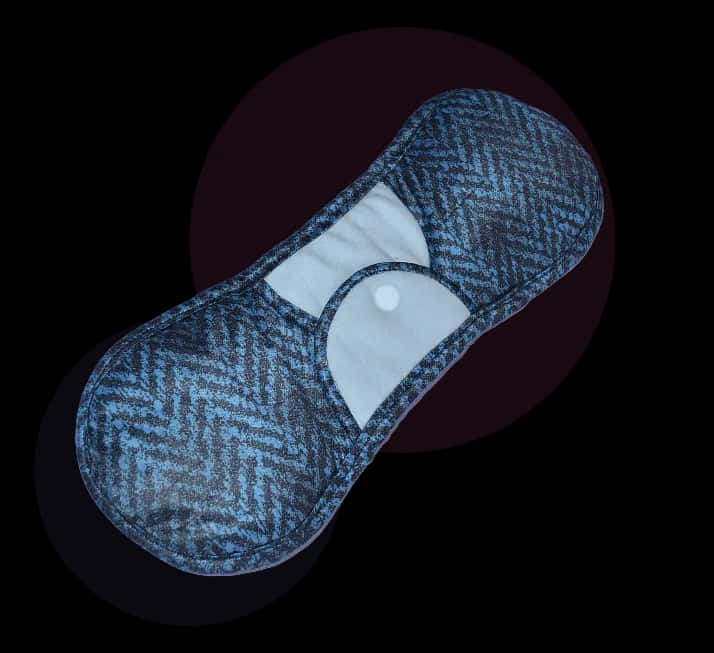
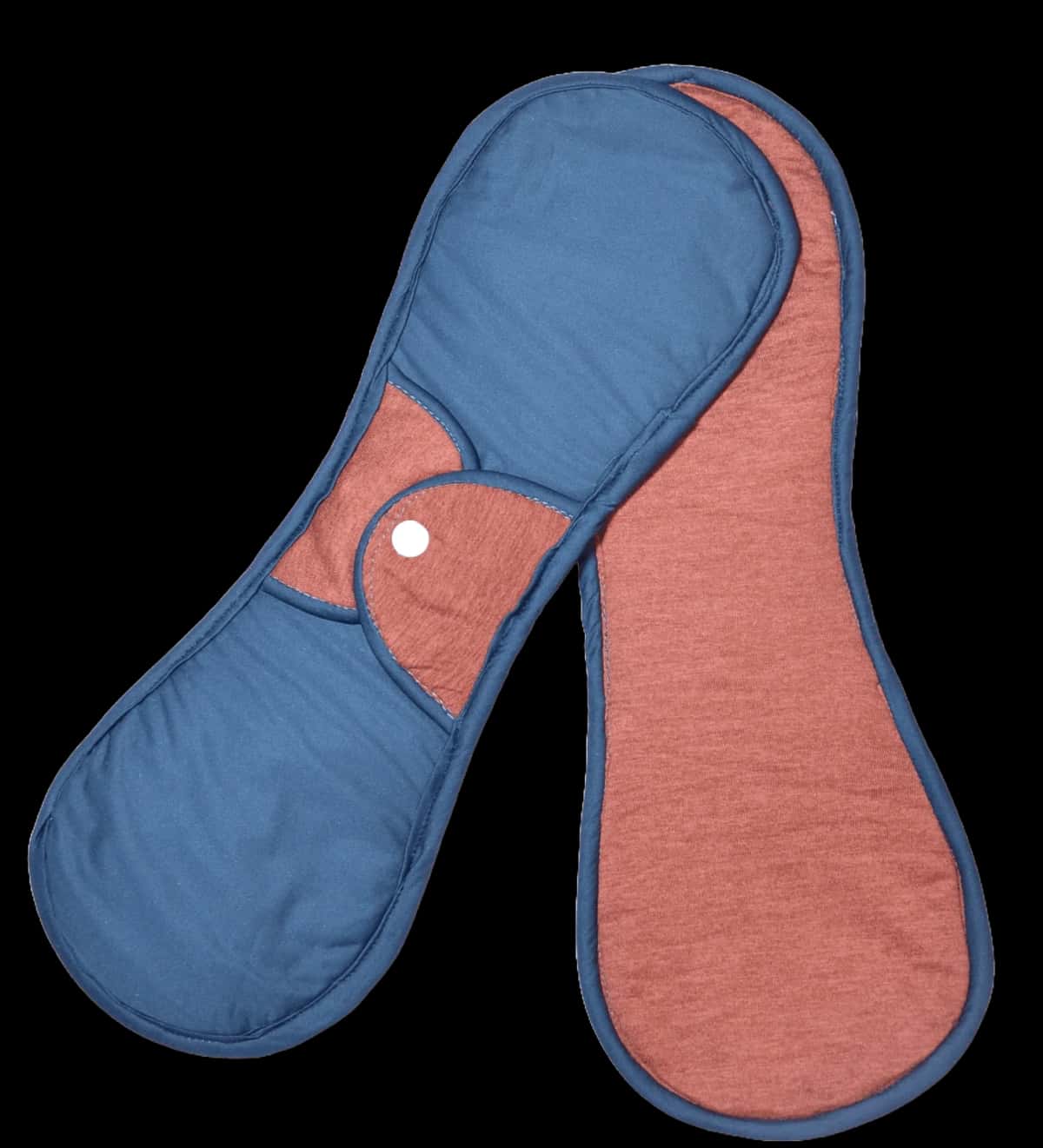
Our pads wey you fit wash

Di Benefits of Correct Period Hygiene Education
When girls get full, practical period hygiene education, di good effect dey reach every part of their life. To understand dis benefits go motivate both di teachers and di learners to put dis important knowledge first.
Benefits for Education and Money
Di first benefit na school attendance. Girls wey sabi how to manage their period with confidence dey miss much fewer school days. Research for Nigerian secondary schools show say girls wey get enough period knowledge and supplies dey attend 95% of di time, but girls wey dey struggle with period management dey attend 75-80%. For one school year, dis one mean almost one full month of extra learning time.
Dis better attendance get long-term effect on money. Girls wey stay for school during their period fit finish their education more, write WAEC exams, and go higher school or get skilled work. Every extra year for school dey increase how much girl fit earn for future by about 10-20%. When you teach girl to manage her period, you dey really invest for her money future.
Apart from di girl herself, di family also gain for money. When families change to period products wey dem fit wash use again after correct education about how to use and care for dem, money go free for house for other needs. Di money wey dem save from disposable pads fit go for school things, better food, or small business. Some mamas for Abuja talk say di about ₦4,000-₦6,000 wey dem dey save every year for each daughter because dem dey use pads wey dem fit wash use again don help dem pay for extra lessons or save for school fees.
Benefits for Health and Wellbeing
Correct period hygiene dey directly prevent reproductive tract infections, wey fit cause discomfort, wahala to born pikin, and serious health complications. When girls learn to change pad often, wash their hands well, clean themselves during period, and choose correct period products, infection rate go drop well well. Nigerian health centres report say young women wey get full period education for school dey get 40-50% fewer vaginal infections pass those wey no get am.
Apart from to prevent sickness, good period hygiene education dey improve comfort and quality of life. Girls wey understand how to manage cramps, when to rest, and how to prevent leak dey pass their period with much less body discomfort. Dem go learn which period products work best for their flow, how to dress with confidence during period, and how to continue their normal activities instead to hide from life for one week every month.
Di benefit for mind dey important just as much. Girls wey meet their first period with knowledge instead of fear dey get less worry and trauma. Dem dey feel say dem get more control over their body and their life. Studies show say full period education dey go together with higher self-esteem and body confidence for teenage years. When girl know say her period normal, she fit manage am, and e no be something to shame for, she go carry dat confidence enter every other part of her life.
Benefits for Society and Environment
For community level, period hygiene education dey help break harmful taboos and stigma. When one generation of girls get correct education and grow up dey see period as normal, dem go pass dat attitude to di next generation. Small small, di culture of silence and shame go start to change. Schools where period education dey for curriculum report say di place dey more open and supportive, where girls dey help each other instead to laugh at or push away classmates wey dey see period.
Environment matter too, especially for Nigerian cities wey dey struggle with waste management. Lagos alone dey produce thousands of tonnes of disposable pad waste every year, and plenty of am dey end up for gutters, and e dey add to flood problem. When education include information about pads wey you fit wash use again and how to care for dem, more families go make choices wey good for environment. Dis change dey reduce waste, prevent pollution, and teach girls to think about di bigger effect of their daily choices.
Common Worries and Lies to Talk About
Even teachers wey mean well sometimes dey fear to teach about period hygiene because of worries and culture lies wey no gree go. To face dem directly important for education wey go work.
"Girls Too Small to Learn About Period"
Plenty parents and teachers dey fear say to talk period with young girls go somehow put sex for their mind or bring matter wey dem never ready for. Dis worry make sense, but e miss one important truth: period na about reproductive health, no be about sex. To teach girl about her period cycle no different from to teach her how her digestive system or her breathing system dey work. Na biology education, simple.
Research clear say early education dey reduce fear and bring better results. Girls wey learn about period before dem start dey talk say dem ready pass, dem no fear reach, and dem get more confidence when their first period come. Those wey no learn before dey often see their first period as shocking event, sometimes dem dey believe say dem don wound seriously. To create fear wey no need dey by hiding information no dey protect girls; e dey harm dem.
Also, education wey fit her age no mean graphic or too detailed information. Talk with eight-year-old dey very different from talk with 12-year-old. You fit give correct information with words and details wey fit di child stage. To start early simply mean to build knowledge small small, and dis one easier for both teacher and learner than to try pour everything for one heavy talk just before or after di first period.
"To Talk About Period Dey Against Our Culture"
Some families feel say open talk about period dey clash with culture values about modesty and privacy. Dis worry deserve respect, but e good to ask whether silence really dey serve dis values or e just dey keep di discomfort. Plenty “culture rules” against period talk na actually new things, no be old tradition. For different Nigerian communities, older women for olden days dey teach younger women about period with direct, practical guidance. Di silence sometimes come more from colonial times than from tradition.
Di key na to find ways wey fit di culture to do di talk. If e no comfortable for papa to talk period with daughter, mama, aunty or grandma fit lead. If group talk too open, one-on-one talk dey work well well. If some words no decent, other words fit carry di same information. To respect culture no mean say you go sacrifice girls health and education; e mean say you go adjust di approach to fit community values.
Plenty religious and traditional leaders across Nigeria now dey support period education when dem understand di benefit for health and education. Islamic scholars dey point out say di Quran and Hadith talk about period directly for di matter of ritual purity, and dis one show say di topic no forbidden. Christian leaders dey stress say to take care of di body wey God give us, including to understand our reproductive health, na good stewardship. Culture values and period education fit live together for peace when teachers approach di topic with respect and care.
"Pads Wey You Fit Wash Use Again No Clean"
Dis lie dey stop plenty families from considering pads wey dem fit wash use again wey no cost much. Di worry usually come because dem no sure whether cloth pads fit really clean reach to be safe. Di truth be say pads wey you fit wash use again wey you wash and dry well dey very clean, often pass disposables wey people no dey change often because of money.
Di key words na “wash and dry well.” Pads wey you fit wash use again, you must first rinse dem well for cold water to remove blood, then wash dem with soap and clean water, and finally dry dem finish for direct sunlight. Sunlight important well well – di UV rays from sun dey naturally kill germs for di pads, kill bacteria and stop smell. Pads wey dem wash but dry for dark, damp place fit get problem, na why correct education about di full care routine important.
Quality matter too. Pads wey you fit wash use again wey dem make well, from manufacturers wey get good name, dey use materials wey dem design to dry quick, resist bacteria, and keep their shape after many washes. Cheap cloth pads or ones wey dem no make well fit no work well, and dis one dey unfairly give all reusable options bad name. When girls and families understand both di correct care routine and why good quality matter, pads wey you fit wash use again go become choice wey dem fit trust, wey clean, and wey no cost much.
Why Sana Pads Dey Support Period Hygiene Education for Nigeria
For Sana Pads, we understand say to make quality period products na only half of di solution to period poverty. Di other half na education. Na why we don make period hygiene education core part of our mission, together with making pads wey you fit wash use again wey no cost much and wey dey last.
Since we start, we don support over 10,000 women and girls directly through education programmes, school workshops and community outreach. We don share more than 30,000 pads to schools, NGOs and families across Nigeria, always with correct education about period health and hygiene. We don learn from direct experience say girl wey get pad without education fit no use am correct or every time. Girl wey get education without products wey she fit afford no fit use wetin she learn. Both together dey bring change wey go last.
As Nigerian manufacturer, we understand di specific wahala our girls dey face. We design our pads for di hot, humid Nigerian weather, where materials wey dey dry quick dey prevent di wetness wey dey lead to discomfort and infection. We understand say plenty families dey face water scarcity and light wey dey go, so we make products wey you fit wash well with small water and dry quick even when NEPA take light. We know say school toilets often no get privacy and place to throw pad, so our pads wey you fit wash use again remove di disposal problem completely.
Our work pass products, e reach to fight di stigma and silence wey surround period. Through partnership with schools, health centres and women organisations, we dey train teachers, mamas and community health workers to teach girls well. We dey give education materials wey fit di culture of Nigerian families from different religions and ethnic backgrounds. We believe say every girl deserve to understand her body, manage her period with dignity, and stay for school through all her period years.
Di result dey talk for itself. Schools where we don run combined education and reusable pad programmes report say attendance improve by 15-25% for girls wey dey see period. Girls wey join our workshops show much higher knowledge about period hygiene and reproductive health. Families dey tell us say di money wey dem save from disposable pads don make real difference for their house budget. Na so ending period poverty dey look for real life: education plus access plus price wey people fit afford.
Make We Start: Take Action Today
Whether you be mama, teacher, aunty, big sister or community leader, you fit start to make difference for girls period health education right now. Di journey start with one talk.
For parents and pipo for family
Start by checking how comfortable you be and how much you sabi. If you no sure how to explain period, take time to learn first. Read sources wey you fit trust, talk to health workers, or attend workshops if dem dey your area. As your confidence dey grow, na so you go fit teach better.
Choose calm, private time to start di talk with your daughter. You fit join am with natural moment – maybe after she ask question, when she notice you dey use period products, or when una dey talk about how her body dey change. Make di first talk short small and check her interest and how comfortable she be. Let her know say dis talk go continue, e no be one-time talk, and say she fit always come meet you with questions.
If you dey think of pads wey you fit wash use again for your daughter, di Starter Kit na very good beginning. E get three Premium Pads with 1 layer wey no dey leak and 3 layers wey dey absorb, good for regular flow, plus storage pouch to keep clean pads fresh and to hold used pads until you wash dem. Dis set go let you teach di full care routine without to spend big money for start. As your daughter dey comfortable with di system, you fit add No Wahala Pads for light days or Maxi Pads if she get heavy flow.
Make period supplies easy to reach for your house. Keep pads, soap and clean water for toilet area. Make sure your daughter know exactly where supplies dey and say she fit take dem without asking permission, dis one dey reduce shame. Create calm, normal atmosphere around period – no whispering or treating am like shameful secret, but also no making big, uncomfortable fuss.
For teachers and leaders for community
Schools na correct place for period hygiene education because dem fit reach plenty girls at once and make period talk normal among mates. If you be teacher, try push make full period health education join your school health curriculum. Even if to change di official curriculum go take time, you fit start now through health clubs, girls groups, or special workshops.
When you dey run school programmes, add both education and access to products. Education without products go leave girls without way to use wetin dem learn; products without education fit make dem use am wrong or no use am every time. Partner with organisations or manufacturers wey fit support both. Organisations fit order as many packs as dem need for our fixed price per pack, with delivery to any state for Nigeria.
Build support for your school. Make sure girls get private toilets with door wey dey lock, water to wash hand, and soap. Choose one female staff wey girls trust, wey go keep emergency supplies and help girls wey period start for school without warning. Make sure students know dis person and fit approach am easy.
For community leaders wey dey work with women groups, health centres, or NGO programmes, try organise mother-and-daughter workshops where both generations go learn together. Dis way dey teach girls and also give mamas di knowledge and words to continue di teaching for house. E dey break di silence between generations and make family support around period.
Last Word
To teach girls about period hygiene na one of di most powerful investment wey you fit make for their future. When girl understand her body, sabi how to manage her period safe and comfortable, and no feel shame for dis normal body process, she go stay for school, protect her health, and build confidence wey go serve her for her whole life. Dis education no hard or uncomfortable when you approach am with truth, respect for culture, and practical focus. Start di talk early, give correct information, show practical skills, talk about di real wahala Nigerian girls dey face, and create place where questions always welcome. Di results – better attendance, better health, more confidence, and less poverty – make di effort worth am many times over.
Whether you dey prepare one daughter for house or you dey run programmes wey reach hundreds of girls, you dey part of ending period poverty for Nigeria. Every girl wey get correct period hygiene education go become part of generation wey see period as normal, something wey dem fit manage, and nothing to hide. For support with quality pads wey you fit wash use again, wey no cost much, wey dem design specially for Nigerian conditions, or for education materials and partnership chances, Sana Pads dey here to help schools, organisations and families make sure say every girl get both di knowledge and di products wey she need. Together, we fit build Nigeria where no girl go miss school, sacrifice her health, or feel shame because of her period – future where period hygiene education and full support for correct period hygiene management na simply part of every girl education.
Continue to read for Menstrual Hygiene Management
Questions wey pipo dey ask well well
Why I go choose Sana Pads instead of normal disposable pads?
Sana Pads na high-quality materials wey you fit wash use again, so dem be choice wey last and wey good for environment instead of disposable pads. Dem gentle for your skin, dem dey absorb well well, and dem go save you money for long run. When you choose Sana Pads, you dey help reduce plastic waste, and you go enjoy comfort and pad wey you fit trust for your whole cycle.
How long I fit use one Sana Pad before I need wash am?
One Sana Pad dey give you comfort and protection for 4 to 8 hours, depending on your flow. To stay fresh, change am every 4 to 6 hours - more often for heavy days. After each use, rinse am for cold water and wash am with soap. If you take care of am well, each pad go last 2 to 3 years.
Sana Pads safe for skin wey dey sensitive?
Yes, Sana Pads dey made from soft materials wey dey breathe and wey no dey cause allergy, so dem gentle for your skin. Dem no get di harmful chemicals and toxins wey dey common for disposable pads, so dem be correct choice for people wey get sensitive skin or allergies.
How I go clean and take care of my Sana Pads?
Rinse your pad for cold water immediately - hot water dey make blood stain stay. Then wash am with mild soap, with hand or for machine, and rinse am until di water clear. Dry am finish for direct sunlight, because sun dey also kill germs. Abeg no use tumble dryer, bleach or fabric softener: dem dey spoil di layers wey dey absorb. If you take care of am like dis, Sana Pad go last 2 to 3 years.
Price dey change if I order plenty?
No. Each product get fixed price per pack, no matter how many packs you order. You fit calculate your total with our price calculator. For big orders, send us direct message and we go confirm di delivery cost with you before you pay.
Testimonials
See wetin our customers dey talk about our products.
Women for all over di world dey buy Sana

“For first, e dey irritate me to use washable sanitary pad. I decide to try am, and to my greatest surprise, e comfortable well-well and e easy to wash. You fit even do your daily things without fear say blood go stain you for public. I wan give Big shout out to SANA PADS!!”

“I dey really love Sana reusable pads! Dem dey make me relax and feel free for my period time. Plus, dem don reduce the cost and stress of buying disposable pads every month well-well. Kudos to Sana for making dis kind correct product – I go be fan forever!”
“Sana Pad good well-well, e dey make you comfortable and free. I love the pads, na the best ever!”
“I don try different brands of reusable pad, but Sana stand out for the quality, the comfort and how e dey last. Dem design am with sense, and the material dey gentle for my skin. As I change to Sana, e don reduce how I dey spoil environment and e don also save me money for long run. I dey grateful for dis solution wey go last!”

“I don try different pad brands for years, but Sana pads really stand out. From the first time I use am, I see the difference — e soft for skin, e dey soak well-well, and e comfortable die. Even for my heaviest flow days, Sana pads dey hold well. Wetin I also love na how the material dey allow air pass and e good for skin. If you dey find pad wey get comfort, wey you fit trust, and wey get quality, I really recommend make you try Sana pads.”

“To dey buy disposable pads every month dey add up well-well, so I talk say make I try Sana Pads. E surprise me how soft dem be, and dem dey work well for long days for university. To wash dem simple, and e don reach months wey I never buy new pad, so e don save me money. I also like say dem dey better for environment. E sweet me say I get option wey cheap and wey better for environment.”
Time to join hand
Contact Us
Margaret Ochegbudu
Business Manager