Period Hygiene Education Curriculum for Nigerian Schools
Where pipo don see us







 Margaret Ochegbudu don check am · Update 27 min to read
Period hygiene curriculum dey teach girls and boys about period, hygiene and reproductive health inside different subjects and school years, no be for one lesson wey dey shame everybody. E dey work best when e start before puberty, use language wey fit di children age, and teachers wey get training dey teach am, instead of to leave am to chance.
Wetin Make Period Hygiene Curriculum Work Well
Period hygiene education curriculum na programme wey get structure wey dey teach young pipo – both girls and boys – about period, hygiene practice and reproductive health, for way wey fit their age and respect their culture. Instead of one lesson wey dey shame everybody, e dey put period health education inside many subjects and school years.
Main Points:
- Full period hygiene curriculum dey increase school attendance by 25-30% for girls wey dey 12-16 years for Nigerian schools.
- Programmes wey dey work dey teach both girls and boys from primary 4-5, and dis one dey reduce stigma and build understanding between boys and girls.
- Complete curriculum dey cover biology, hygiene practice, product options and how you dey feel inside, for at least 6-8 lessons wey get structure.
- Nigerian schools wey dey use curriculum wey get structure report say 40% less girls dey miss school during period, compare to schools wey no get formal education on am.
- Good programmes dey cost schools ₦15,000-₦45,000 every year to run, but dem dey save families average of ₦25,000 every year through better health.
- Di curricula wey succeed pass dey include teacher training, parts wey involve parents, and connection to local period product suppliers like Sana Pads.
- Students wey get correct period education dey 60% more likely to use clean period products and throw dem away di safe way.
Make we look well-well wetin suppose dey inside curriculum wey work, and how Nigerian schools fit run these programmes wey dey change life.
Blessing sit for back row of her JSS2 class for Kaduna, dey look clock. Na 11:47 AM, and she sabi wetin dey come. Any minute now, she go ask to go toilet – again – even though she go twenty minutes ago. Her best friend Hauwa sabi why. Di other girls fit sabi too. But nobody dey talk about am. When Miss Adaku, their biology teacher, open di chapter on human reproduction, she run pass di diagrams quick and whisper di word “menstruation” so quietly say half of di class no even hear am. Blessing dey learn more from her senior sister warning (“no let any boy near you when you dey see your period”) than from school. Dis silence – dis gap where education suppose dey – dey affect millions of Nigerian girls. But schools all over Nigeria dey find say period hygiene curriculum wey dem design well no dey only teach biology. E dey change life, e dey keep girls for school, and e dey break shame wey don last for generations.
Make You Understand Period Hygiene Education - E Pass Biology Class
Many Nigerian schools dey treat period education like small note for reproductive health lessons, wey dem dey usually rush finish for one class wey no comfortable for JSS2 biology. Dis approach dey fail students completely. True period hygiene curriculum know say to understand period pass to know which organ dey produce which hormone.
Wetin Full Period Education Really Cover
Think of period hygiene education like stool wey get three legs. Remove any leg, everything go fall. Di first leg na biology knowledge – yes, students need understand wetin period be, why e dey happen, and wetin normal and wetin need doctor attention. But dis one na just di foundation. Di second leg na practical hygiene – how to use different period products, how often to change dem, correct way to wash, safe way to throw dem away, and how to manage period for schools wey no get enough WASH facilities (water, toilet and hygiene). Di third leg, wey many pipo dey ignore completely, na di mind and society part – to address di shame, fear and wrong information wey surround period for Nigerian society.
Full curriculum dey join these three parts together for many different times. For primary 4 and 5, before most girls start to see period, di curriculum dey introduce basic ideas with language wey fit their age. Students dey learn say period na normal body work, say around half of all pipo dey experience am, and say e connect to di body power to create life one day. Dis early introduction, before puberty bring shyness, dey help make di topic normal. Research from schools for Lagos and Enugu show say girls wey learn about period before their first period dey get 50% less fear and shame compare to girls wey meet am without preparation.
Approach Wey Include Boys and Girls, Wey Really Work
See where many Nigerian curricula dey fall – dem dey carry girls go separate room for “di talk” while boys dey play football or continue normal lesson. Dis separation dey make pipo think say period na shame, secret, and problem for only women. Better curricula dey do am different. Dem dey teach boys and girls together for di foundation lessons, then dem go give separate sessions for boys and girls for detailed practical guide.
When boys for Kano join period hygiene education with their female classmates, something wey surprise pipo happen. Teasing reduce by 70%. Boys stop to dey make joke when girls ask to go toilet. Some even begin push for better school toilets. Dem understand say their sisters, mothers and future daughters go all see period – dis no be strange thing, na basic human biology wey affect their whole community. Di curriculum give dem understanding and feeling for others without shame.
Education wey include boys also dey answer boys own questions. Many young Nigerian men no know why di women for their life fit get mood change, pain or tiredness for some times of di month. Without education, dem dey believe culture myths – say woman wey dey see period dirty, say period na punishment for sin, say girls dey use period as excuse to avoid work. Good curriculum dey gently scatter these bad beliefs with facts, discussion and guided activities wey connect to boys own experience of body change during puberty.
Put Am Inside Different Subjects and School Years
Di curricula wey work pass no dey keep period health inside biology class alone. Dem dey put am inside different subjects for way wey natural, no be by force. For home economics, students dey learn how to wash and take care of period products wey you fit use again – practical skill wey 65% of Nigerian girls go need because reusables cheap pass disposables for most families. For civic education, students dey discuss period equity, period poverty and policy solutions like programmes wey dey share free pads. For mathematics, students dey calculate how much period products go cost for whole life (woman wey dey see period from age 13 reach 50 go need around 12,000-15,000 pads, wey go cost ₦600,000-₦1,200,000 for her whole life if she dey use disposables).
Dis way dey do two things. First, e dey give many ways to learn, e dey fit different learning styles, and e dey make di ideas strong as students dey hear dem again for different places. Second, e dey show students say period health no be small side topic – e dey inside economics, environmental science, health, rights and everyday life.
Main Parts of Period Hygiene Curriculum for Nigeria
To build curriculum from nothing fit look like too much, but Nigerian programmes wey succeed get common parts wey any school fit adjust. Dem don test di framework below for schools from Port Harcourt reach Sokoto, and dem don adjust am for different religion, different level of resources and different community attitude.
Foundation Module - Primary 4 reach Primary 6
Di foundation module dey introduce period before students begin experience am themselves. Lessons for dis level dey focus on how to make body change during puberty normal for both boys and girls. Students dey learn basic biology – say girls go later begin bleed every month, say dis one healthy and normal, and say e connect to how body dey prepare for pregnancy one day when dem don grow.
Teachers dey use simple, correct words instead of to hide am with other words. Di word “menstruation” dey appear with everyday word like “period” so students go learn correct words. Comparison dey help small children understand – di womb lining dey build up like soft bed every month, and if pregnancy no happen, di body go clear am comot to build fresh one next month. Activities include drawing and labelling, videos wey fit their age, and group discussion where students fit ask questions for safe place.
Dis module also begin to address myths. Students for mixed group go decide whether statement na fact or myth: “Girl fit get belle during her first period” (fact – important for future health). “Woman wey dey see period no suppose cook or touch plants” (myth – e no get biology reason). “Period mean say girl body dey develop normal” (fact). Teachers dey guide these discussions carefully, dem dey respect culture beliefs while dem dey give scientific information. Di goal no be to shame families wey get traditional beliefs, but to give students correct information wey dem fit carry go front.
Core Education Module - JSS1 reach JSS2
By junior secondary, most girls don start to see period or dem go soon start. Di core module dey go deeper into biology, hygiene practice and product options. Students dey learn di period cycle in detail – di average 28-day cycle (even though normal dey from 21-35 days), di work of hormones like estrogen and progesterone, wetin dey happen for every stage, and signs wey show say you fit need doctor attention.
Practical hygiene teaching na di heart of dis module. Students dey learn about different period products wey dey for Nigeria – disposable pads, cloth pads wey you fit wash use again, and menstrual cups (even though cups still rare for most Nigerian communities). Teachers dey show correct way to put pad with body models, no be with talk wey dey hide am. Students dey learn di “4-6 hour rule” – you suppose change period products at least every 6 hours, more often for heavy flow days, to stop bacteria to grow and to stop bad smell.
Dem dey pay plenty attention to how to throw pads away, because na here many Nigerian girls dey struggle. For schools wey no get incinerator or correct waste system, girls need practical ways. Di curriculum dey teach to wrap used pads with paper or with di wrapper of new pad, put dem inside bins wey dem mark for am where e dey, or if e need, carry dem go house inside bag wey no go show for correct disposal. Students also dey learn about di effect on environment – one woman wey dey use disposable pads dey produce around 125-150 kilograms of period waste for her whole life, na why reusable options dey matter more and more for environment and money reasons.
Life Skills and Management Module - JSS3 reach SS2
Di advanced module dey address real life situations wey Nigerian girls dey face. How you go manage your period during WAEC exams? Wetin if your period start suddenly for school and you no get supplies? How you go ask for help? Wetin if you get strong pain wey dey scatter your life – e normal, or you suppose go see doctor?
Role-play exercises dey prepare students for situations wey dey shame person. Students dey practice how to ask female teacher for help, ask to go toilet without shame, and even explain period needs to male teachers or family members wey fit no understand. These communication skills dey very important. For focus groups, Nigerian girls dey always talk say their biggest wahala no be di period itself – na how to manage social situations and talk for their own needs.
Dis module also cover period health problems wey need doctor attention. Students dey learn warning signs: period wey dey soak pad in one hour or less, cycle wey short pass 21 days or long pass 35 days, strong pain wey normal pain medicine no fit stop, or period wey never start by age 16. For communities where access to health care small, dis information dey help girls and their families know when to put medical care first, and when to manage am normal for house.
How to Start di Curriculum - Practical Steps for Nigerian Schools
To understand wetin to teach na one thing. To really start period hygiene curriculum for Nigerian school – with all di real wahala of small budget, teacher training needs, parents worry and infrastructure problem – need correct planning.
How to train and prepare teachers
You no fit just give teachers curriculum document and expect say e go work. Most Nigerian teachers no get any period health education training for their own school days or teacher training programmes. Many no dey comfortable with di topic, dem dey fear say parents go vex, or dem no sabi how to answer students questions.
Correct implementation dey start with 2-3 day teacher training workshop. Di training suppose include both male and female teachers because di curriculum dey work best when pipo no treat am like topic for women only. During training, teachers go experience di curriculum like students – dem go join activities, ask their own questions, and face their own discomfort for place wey support dem. Many Nigerian teachers talk say dis training na di first time wey dem themselves learn correct period health information.
Training suppose cover di biology content, how to teach sensitive topics, how to handle hard questions or culture pushback, and connection to local resources. Teachers need sabi where students fit get period products wey cheap for their community, which health facilities dey give services wey friendly to young pipo, and how to recognise signs of abuse (sudden change for period pattern fit sometimes show sexual abuse, and teachers wey dem train to notice fit be di first adults wey young person go confide in).
Schools for Abuja wey put money for full teacher training see 85% of teachers wey successfully run di curriculum, compare to only 30% for schools wey just share curriculum materials without training. Di investment na di difference between curriculum wey dey sleep inside file cabinet and one wey really reach students.
How to Involve Parents and Community
For many Nigerian communities, parents dey protect their children education on sensitive topics well-well. Some dey worry say period education too mature for their child age. Others dey fear say e go push children to start sex early (research show di opposite – full education dey delay di first time young pipo go have sex). Some get religion or culture beliefs about period wey no agree with scientific information.
Schools wey succeed no dey run period hygiene curriculum for secret. Dem dey involve parents early and many times. Before dem start di programme, schools dey hold information sessions for parents where dem go explain di curriculum, show di real materials, answer worries and ask for feedback. These sessions dey work best when community members wey pipo trust lead am – female teacher wey pipo respect, local nurse, or even parents from other schools where di curriculum don succeed.
Schools suppose give materials wey parents fit choose to collect if dem want support di learning for house. Simple fact sheets for English and local languages, ways to start di conversation, and information about where to buy period products wey cheap dey help parents support their daughters. Many parents want help but dem no ready, like di teachers before. To give dem tools go make dem friends, no be enemies.
Religious leaders fit be strong partners. When schools for Kano involve local imams to check di curriculum before dem start, di leaders give useful feedback on how to present am for way wey fit di culture, and dem even talk good about di programme during Friday prayers. For southern states, church youth leaders don put period health inside their programmes after dem check school curricula. These partnerships dey show say community agree and e dey reduce resistance.
How to Create School Environment Wey Support Girls
Even di best curriculum go fail if di school environment dey work against am. Girls no fit practice good period hygiene for schools wey no get clean, private toilets, running water, soap and waste disposal system. Di curriculum suppose go together with improvement for WASH infrastructure.
Schools need special place where girls fit get emergency period supplies – small box wey no dey show for female staff toilet, supplies wey one female teacher wey dem trust dey keep, or simple system where girls fit ask for pad without long explanation. Some schools for Lagos make “dignity kits” with 2-3 emergency pads, soap and small packet of pain medicine wey dem keep for sick bay.
Class timetable and toilet rules need to bend small. Strict rules wey allow toilet break only for fixed time or wey need long permission process dey make period management hard for no reason. Teachers wey get training for di curriculum understand why girl fit need go toilet more for some days, and dem go allow am without question or shame.
To create environment wey support girls also mean to fight bullying and stigma. School rules suppose clearly ban teasing students about period, with clear punishment. Assemblies, posters and campaigns for di whole school fit make period normal and celebrate di school commitment to period equity. When di culture of di whole school change, each lesson go work far better.
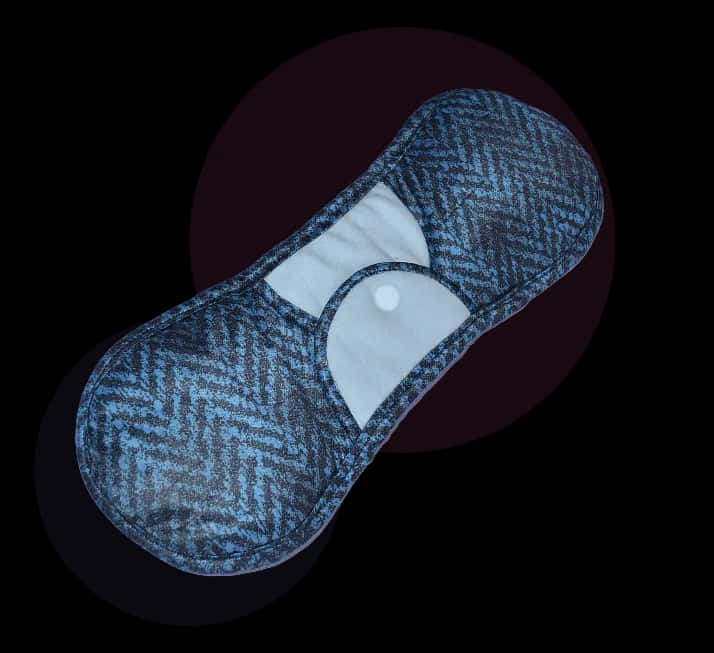
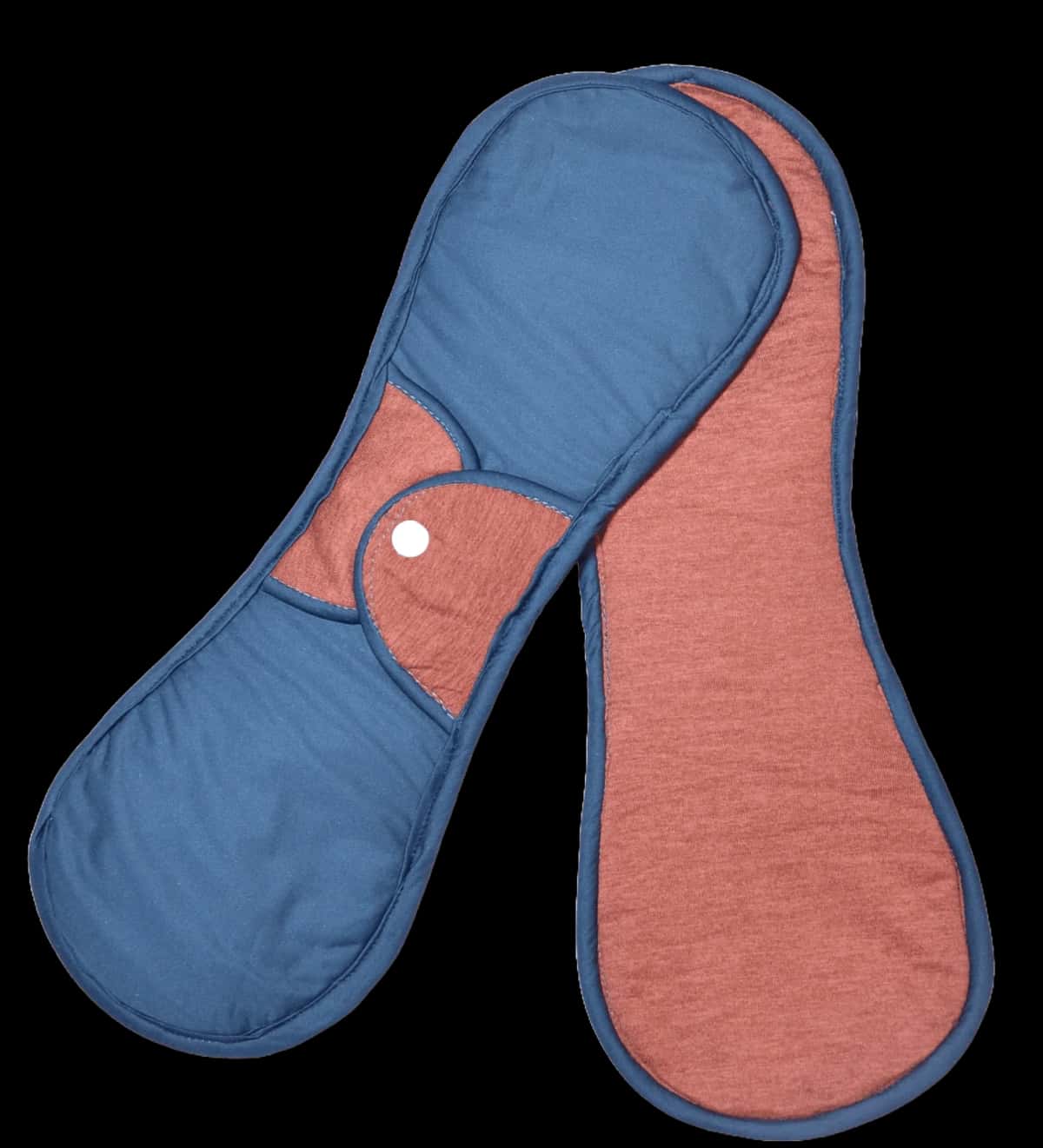
Our pads wey you fit wash

Benefits of Full Period Hygiene Education
Di money and time wey schools put to build and run period hygiene curriculum dey bring benefit for many sides – for each student, for families, and for Nigerian society in general.
Education Results and School Attendance
Research for Nigerian schools show say girls wey no get period health education dey miss average of 4-5 school days every month because of period – dat one na 40-50 days every school year, almost like one whole term. Na poor period hygiene knowledge dey cause most of dis absence, no be di period itself. Girls no sabi how to manage di flow for long school days. Dem dey fear say blood go pass enter their uniform. Dem no get products or place to change. Without education or supplies, to stay for house dey feel safer pass to risk shame for public.
Schools wey run full period hygiene curriculum dey see big improvement for attendance. Girls wey get knowledge, skills and access to correct products dey miss 60-75% less school days during period. Dem sabi how to use products well, change dem without pipo know, and manage their period without fear. Dis attendance increase dey turn directly to better results for school – you no fit learn wetin dem teach for class wey you miss.
Di benefits pass di girls wey dey see period. When schools make period normal through di curriculum, classrooms dey support everybody better. Teachers wey understand period health dey make adjustment when e need – dem go allow girl wey get strong cramp to sit instead of to stand during group work, or add one day to deadline without to ask for long medical paper. Dis flexibility dey support learning and still keep di school standard.
Health Benefits and Less Infections
Bad period hygiene practice dey lead to reproductive and urinary tract infections (infection for private part and for di way urine dey pass) wey dey affect millions of Nigerian women. To use products for too long, to wash reusable materials badly, or to use dirty materials wey you manage dey create condition where bacteria go grow. Many Nigerian girls and women dey suffer infection again and again without to connect am to period hygiene, because nobody ever teach dem di connection.
Full education dey face dis public health problem directly. Students wey learn correct hygiene practice – to change products every 4-6 hours, to wash hands before and after, to clean reusable products well, to wear underwear wey dey allow air pass – dey get far less infections. Study wey follow girls for Rivers State find say di ones wey get period hygiene education get 55% less reproductive health complaints for two years, compare to girls wey no get formal education.
Di curriculum also dey help students find health problems early. Many Nigerian girls dey think say strong period pain normal because their mothers and aunties also suffer am. Dem no know say pain wey make you lie for bed for many days, bleeding wey dey soak products every hour, or cycles wey last 10+ days fit mean conditions like endometriosis, fibroids or hormone wey no balance – all of dem dey treatable if dem find am. Education dey give girls power to stand for their health instead of to suffer quietly because dem think say all women dey experience di same thing.
Impact on Money and Environment
Di money benefit of period hygiene education dey spread through families and communities. Girls wey stay for school because dem fit manage period better dey finish more years of school. For Nigeria, every extra year of school dey connect to around 10-15% more money wey women go earn for their whole life. Better period health education today go mean say Nigerian women go take bigger part for economy for di years wey dey come.
Families also dey benefit when dem sabi choose products well. Girl wey learn about period pads wey you fit wash use again for school fit convince her family to buy starter set instead of to dey buy disposables every month. Dis one change dey save family around ₦18,000-₦30,000 every year – money wey fit pay school fees, books or other things wey dem need. For di whole Nigeria population, these savings go add up to billions of naira wey go stay for family pocket instead of to spend am for disposable products.
Environment benefit dey matter more and more for Nigeria. Disposable pads dey take 500-800 years to rot, and Nigeria dey produce millions of tonnes of period waste every year, and plenty of am dey end up inside water because correct waste management system no dey for many communities. When curricula teach about reusable options and di effect on environment, students dey make choices wey go last. Schools for Oyo State wey add environment content to their period education see 45% increase for students wey choose reusable products for three years.
How to Answer Common Worries About Period Education
Even with clear benefits, many Nigerian schools dey fear to start full period hygiene curriculum. To understand these worries and answer dem directly go help schools move forward with confidence.
"Parents Go Complain Say Dis One Too Mature"
Dis worry dey show for almost every conversation about how to start period education. Some teachers dey worry say to teach primary school children about period go show dem adult things too early. Others dey fear say conservative parents wey believe say these topics belong only for house go vex.
Di evidence dey talk different thing. Girls for Nigeria dey get menarche (first period) for average age of 12-13 years, and some dey start as early as 9-10 years. Without preparation, dis first period dey make many girls fear well-well – surveys show say pass 60% of Nigerian girls wey get menarche without education before think say dem don wound badly or say dem dey die when dem first see period blood. Education wey come after dis bad experience don late to stop di fear and shame wey go dey connect to period.
Education wey fit di age no mean say you go give primary school children too many details. E mean simple information wey get facts, wey dem give for level wey di children fit understand. Primary students dey learn say body dey change during puberty, say period na one of those changes, and say e normal and healthy. Dis basic preparation dey stop panic and make di idea normal before shyness start.
Schools wey involve parents before dem start di curriculum no dey face strong opposition for long. When parents understand say education dey protect their daughters from fear, dey reduce health risks and dey keep dem for school, most of dem dey support am with full heart. Information sessions for parents suppose show say di curriculum dey add to education for house, e no dey replace am – schools dey teach biology and hygiene, while families dey continue to give guidance based on their values and beliefs.
"We No Get Resources or Teachers Wey Get Training"
Many Nigerian schools dey run with small budget and small resources. Di idea to add another curriculum dey look impossible when teachers don already tire and schools dey struggle to buy basic supplies.
Period hygiene education no need expensive materials or to change di whole curriculum. Many free or cheap resources dey wey dem make specially for Nigeria. Organisations like di Nigerian government WASH programme, international NGOs, and companies like Sana Pads dey give curriculum frameworks, teaching materials and training support free for schools. Di main investment na time for teacher training – 2-3 days once, with short refresher every year.
Teaching materials fit simple. You fit draw body diagram for chalkboard. Product demonstration fit use samples wey local suppliers donate or wey you buy small. Discussion activities no need any material, only di teacher to guide am. Schools no need multimedia presentation or expensive visual aids – dem need teachers wey ready, wey get correct information and permission to teach am.
Di worry “we no get teachers wey get training” na true, but e get solution. Teacher training fit happen step by step – di school go send 2-3 teachers go training outside, then those teachers go train their colleagues for school during staff development day. Dis way dey share training cost among many teachers and build knowledge inside di school. For states where education ministry dey support period health education, training dey often come to schools free through government or NGO partnerships.
Some schools dey start small instead of to run di full curriculum at once. Dem go start with one-day workshop for senior primary or junior secondary students, collect feedback, adjust their approach, and expand small small. Pilot programmes dey build confidence and allow schools learn wetin work for their own situation before dem run di full one.
"Boys Go Misbehave or Make Am Awkward"
Dis worry come from real experience – many teachers don see boys wey dey make joke, dey act like say e dey disgust dem, or dey scatter lesson when pipo mention period. Di worry say to include boys for period education go cause wahala for class or shame girls dey make sense.
See di important thing: boys dey behave bad around period exactly because nobody don teach dem. Di jokes, di disgust wey dem dey overdo, di teasing – these reactions dey come from discomfort with topic wey dem no sabi, no be because boys no fit mature. When boys no get education, dem dey fill di gap with myths from school compound, bad jokes, and di message say period na shame and also something to laugh about.
Schools wey include boys for foundation period education dey report big change for their attitude. Boys wey understand di biology, wey learn say period normal and healthy, wey discuss am for classroom with structure and teacher guidance, dey mostly become more respectful. Di mystery go disappear, and plenty of di bad behaviour go comot with am.
Correct implementation include ground rules wey dem set before sensitive lessons. Teachers dey set clear expectation – we go discuss dis topic with maturity and respect, questions dey welcome if you ask am well, jokes or teasing go get consequences. When teachers show say di topic no dey worry dem, students go follow. Di teacher attitude dey set di tone.
Some parts of di curriculum dey work better when boys and girls dey separate. Detailed talk about how to manage heavy flow, how to change pad for school, or how to handle cramp fit make girls no comfortable for mixed class. Di solution na to mix di two – foundation biology and understanding for mixed classes, with separate sessions for boys and girls for detailed practical management. Dis way dey build understanding between boys and girls and still respect how comfortable students dey for detailed discussions.
How Period Hygiene Education Connect to Sana Pads Mission
For Sana Pads, we believe say education and access must work together. Girl wey understand period hygiene but no fit afford products go still miss school. Girl wey get products but no sabi how to use dem well still dey risk infection. Our work dey face both sides of dis matter.
For di past some years, Sana Pads don support pass 10,000 women and girls directly through product distribution and education programmes. We don share pass 30,000 pads to schools, NGOs and community organisations for all Nigeria. These no be just product donation – dem dey come with education, training for teachers and mothers, and follow-up to make sure girls sabi how to use and take care of their reusable pads well.
As Nigerian manufacturer, we understand di special wahala wey our schools dey face. We design our products for Nigeria weather and infrastructure reality – pads wey dey dry quick even when air wet, wey you fit wash with soap wey dey available for area wey no get running water, wey dey strong after many washes even when di water no too good. Dis local knowledge dey shape both our products and our education support.
We dey partner with schools wey dey run period hygiene curriculum: we dey give product samples for teaching demonstration, support teacher training sessions, and connect schools to bulk buying options wey make good reusable pads reachable even for schools wey no get plenty money. Our team don work with schools from Lagos reach Maiduguri, and we dey adjust our support for different cultures, religious communities and resource levels.
Our mission pass to sell pads. We dey work to end period poverty for Nigeria – di situation where girls and women no fit afford or get di period products wey dem need. Education na di foundation of dis mission. When schools teach full period hygiene and connect students to reusable options wey cheap, dem dey break di poverty cycle wey don hold generations of Nigerian women.
How to Start Period Hygiene Education
Whether you be teacher, school administrator, NGO programme manager or parent, you fit take real steps to bring better period health education to your community.
For teachers and pipo wey dey run school
Start by checking your current situation honestly. Which period health education dey happen for your school now? E full, or na only short biology lesson? Both boys and girls dey get education? Your school get basic WASH facilities wey go allow girls manage period clean? To find di gaps go help you know where to put your energy first.
Connect with resources wey don already dey. Di Nigerian government WASH programme dey give free curriculum frameworks. International organisations like UNICEF Nigeria and local NGOs dey give training and materials. Reach out to schools wey don already run programmes – Nigerian teachers dey very generous to share wetin work and wetin no work.
Build your team before you start. Find teachers wey support am wey go push di programme. Involve your Parent-Teacher Association early. Connect with local health facilities wey fit support di curriculum or send guest speakers. Build team instead of to try do am alone.
When you dey introduce di curriculum, think about to partner with product supplier like Sana Pads for your practical demonstration. Our Starter Kit – wey get 3 Premium Pads plus storage pouch – dey work well to teach correct use and care of reusable products. Schools fit use samples for demonstration, and students go see real products instead of to just talk about dem. For schools wey get students from poor families, our products na solution wey go last 2-3 years, wey remove di cost of disposables wey dey come back again and again, and still support correct hygiene.
For NGOs, Health Organisations and Community Leaders
Organisations wey dey work for education, health or women empowerment suppose see period hygiene education as main part of their programme, no be extra thing wey dem fit add if dem like. E no cost plenty, but e dey affect attendance, health, dignity and long-term results well-well.
Bulk programmes dey work different from programme for one school. When you dey work with many schools or plenty pipo, put money for training of trainers – build di skill of local teachers and health workers wey go continue to teach di curriculum after your organisation direct work don end. Programmes wey go last dey pass knowledge and skill, no be to make pipo depend on you.
Partner with local product makers for long-term supply. Organisations fit order as many packs as dem need for our fixed price for each pack, with delivery to any state for Nigeria. Work with us to build distribution systems wey include education – every girl wey collect pads suppose also get training on how to use and take care of dem well. Products without education na waste of resources, and dem dey often end up inside drawer because girls no sabi how to use dem or dem dey shy to try.
Think about approach wey include different generations. Programmes wey dey teach mothers with their daughters dey succeed well-well pass, because wetin dem learn for school go dey strong for house too. Community workshops, education sessions for parents, and women group discussions dey carry di curriculum impact pass school wall.
Track results to show impact. Measure attendance before and after you start, ask students about change for their confidence and knowledge, write down health improvement. Dis data go help you improve your programme and e go give strong reason for funding and to expand.
How to Build Culture of Period Dignity for Nigeria
Full period hygiene education dey change more than wetin one person sabi. E dey change culture. When one generation of Nigerian students – both girls and boys – grow up dey learn say period normal, healthy, and nothing to hide, dem go carry dat understanding enter adulthood. Dem go become parents wey prepare their daughters without shame. Dem go become teachers wey dey teach with confidence. Dem go become policymakers wey put period equity first.
Dis culture change dey start for classroom. E dey start with teachers wey get correct training and dey teach with confidence. E dey start with schools wey put money for WASH facilities and create environment wey support girls. E dey start with curricula wey put period health inside different subjects and school years, instead of to push am enter one lesson wey dey shame everybody. E dey start with community members wey sabi say girls wey get education and good health go become women wey get education and good health wey go push Nigeria go front.
Every girl deserve to manage her period with dignity, without fear, shame or health risk. Every boy deserve to understand di biology wey dey affect half of all pipo. Every school fit contribute to dis change, no matter their resources or wetin dem fit do now. Di question no be whether period hygiene education matter – di evidence too plenty. Di question na when your school, organisation or community go start.
If you ready to start period hygiene education or expand programme wey you already get, Sana Pads ready to support you with products, training resources and partnership. Contact us to discuss curriculum support, orders for school programmes, or teacher training collaboration. Together, we dey build Nigeria where every girl fit learn, grow and do well – during her period and every day. Learn more about period hygiene management and how full approach wey join education with access dey change results for Nigerian girls.
Continue to read for Menstrual Hygiene Management
Questions wey pipo dey ask well well
Why I go choose Sana Pads instead of normal disposable pads?
Dem make Sana Pads from good-quality materials wey you fit use again, so dem be better option wey no dey spoil environment like disposable sanitary products. Dem soft for your skin, dem dey absorb well, and dem go save you money for long run. When you choose Sana Pads, you dey help reduce plastic waste, and you go still enjoy comfort and pad wey you fit trust for your whole cycle.
How long I fit use Sana Pad before I go wash am?
Sana Pad dey give you comfort and protection for 4 to 8 hours, depending on your flow. To stay fresh, change am every 4 to 6 hours – more often for heavy days. After every use, rinse am for cold water and wash am with soap. If you take care of am well, every pad go last 2 to 3 years.
Sana Pads safe for skin wey dey sensitive?
Yes, dem make Sana Pads from soft materials wey dey allow air pass and wey no dey cause allergy, so dem gentle for your skin. Dem no get di harmful chemicals and toxins wey dey common for disposable pads, so dem be correct choice for pipo wey get sensitive skin or allergies.
How I go wash and take care of my Sana Pads?
Rinse your pad for cold water immediately – hot water dey make blood stain stay. Then wash am with mild soap, with hand or for machine, and rinse am until di water clear. Dry am finish for direct sunlight, wey also dey kill germs. Abeg no use tumble dryer, bleach or fabric softener: dem dey spoil di layers wey dey absorb. If you take care of am like dis, Sana Pad go last 2 to 3 years.
Price dey change if I order plenty?
No. Every product get fixed price for each pack, no matter how many packs you order. You fit calculate your total with our price calculator. For big orders, send us direct message and we go confirm di delivery cost with you before you pay.
Testimonials
See wetin our customers dey talk about our products.
Women for all over di world dey buy Sana
“I don try different brands of reusable pad, but Sana stand out for the quality, the comfort and how e dey last. Dem design am with sense, and the material dey gentle for my skin. As I change to Sana, e don reduce how I dey spoil environment and e don also save me money for long run. I dey grateful for dis solution wey go last!”

“For first, e dey irritate me to use washable sanitary pad. I decide to try am, and to my greatest surprise, e comfortable well-well and e easy to wash. You fit even do your daily things without fear say blood go stain you for public. I wan give Big shout out to SANA PADS!!”

“I dey really love Sana reusable pads! Dem dey make me relax and feel free for my period time. Plus, dem don reduce the cost and stress of buying disposable pads every month well-well. Kudos to Sana for making dis kind correct product – I go be fan forever!”
“Sana Pad good well-well, e dey make you comfortable and free. I love the pads, na the best ever!”

“To dey buy disposable pads every month dey add up well-well, so I talk say make I try Sana Pads. E surprise me how soft dem be, and dem dey work well for long days for university. To wash dem simple, and e don reach months wey I never buy new pad, so e don save me money. I also like say dem dey better for environment. E sweet me say I get option wey cheap and wey better for environment.”

“I don try different pad brands for years, but Sana pads really stand out. From the first time I use am, I see the difference — e soft for skin, e dey soak well-well, and e comfortable die. Even for my heaviest flow days, Sana pads dey hold well. Wetin I also love na how the material dey allow air pass and e good for skin. If you dey find pad wey get comfort, wey you fit trust, and wey get quality, I really recommend make you try Sana pads.”
Time to join hand
Contact Us
Margaret Ochegbudu
Business Manager