Make We Break Di Barriers: How to Start Menstrual Hygiene Management for Nigerian Schools
Where pipo don see us







 Margaret Ochegbudu don check am · Update 12 min to read
When period hygiene no dey well, Nigerian girls dey miss four to five school days every month, reach 20 percent of di school year. Schools wey fix am dey do four things: toilets wey get lock and water, extra pads wey dem keep for school, teacher wey girls fit approach, and period education for boys and girls together.
Wetin MHM for Schools Be and Why E Matter for Nigerian Students
Menstrual hygiene management for schools mean to create environment where girls fit manage their period with dignity, privacy and safety, and still continue their education without break.
Main Points:
- Poor MHM dey make Nigerian girls miss 4-5 school days every month, and dem dey lose up to 20% of di school year.
- Good MHM for school need four pillars: WASH facilities, period products, education and policies wey dey support.
- Schools wey get correct MHM programmes dey see attendance increase by 30-50% among students wey dey see period.
- Over three years, pad wey you fit wash dey cost schools 60-75% less than to share disposable products every month.
- Nigeria National Policy on WASH in Schools talk say girls must get their own separate toilets wey dey work, with water.
- Teachers wey dem train for MHM dey create safer environment where 85% more girls dey comfortable to talk about period worries.
- Simple things like disposal bins, soap and locks for privacy fit change school life for thousands of girls.
To understand how to do dis things for real for Nigerian schools important for equal education. Make we look exactly how schools across Nigeria dey make am happen.
Every morning, Amina, 14-year-old student for Government Secondary School for Kaduna, dey check di calendar for her phone with fear. When she see say her period go come during school week, she sabi wetin go follow. No private place to change. No running water for di toilets. No disposal bin. Her classmates go dey whisper when she ask to go out. Last term, she miss three days of school every month because to stay for house feel safer than to face di shame and discomfort for school. Amina story no be only her own. Across Nigeria, millions of girls dey face di same choice: to skip school during their period or to suffer conditions wey make learning almost impossible. But e no must be like dis.
Understanding Di MHM Challenge for Nigerian Schools
Di barriers wey Nigerian girls dey face during their period for school dey connect to each other and dem no simple. According to 2024 UNICEF Nigeria report, 67% of girls for public secondary schools no get enough menstrual hygiene facilities. Dis one no be only about comfort – na about basic right to education, health and dignity.
Di Infrastructure Gap: WASH Facilities for Nigerian Schools
Dem build most Nigerian schools many years ago, when nobody think about period hygiene for di planning. Survey wey di Nigerian Federal Ministry of Education do for 2025 find say only 34% of public schools get toilets wey dey work, separate for boys and girls, with running water. For villages, di number drop to 18%.
Plenty schools get toilets, but no water, no correct doors, no locks or no light. Some get water but no soap. Others get everything except disposal bins for used products. Di northern states get special challenges. For Kano, Kaduna and Sokoto, schools dey often depend on boreholes wey dey work on and off, because NEPA light cut dey affect di pumps. When water no dey, girls no fit clean their body well or wash pad wey dem fit wash use again.
Di Knowledge Gap: Period Education for Nigerian Classrooms
Study wey dem do for 2024 for Lagos State secondary schools show say 58% of girls no get any period education before their first period. Most of dem learn from friends, senior sisters, or from experience wey confuse dem and fear dem. Di silence about period dey create empty space wey myths dey fill.
Teachers dey often skip di period health part for biology curriculum because dem no dey comfortable or dem no get correct training. When schools give education, e dey often be just one lesson for JSS2 or JSS3. Sometimes dem dey send boys outside during dis lessons, and dis one dey make pipo think say period na shameful thing instead of normal biology.
Di Resource Gap: Access to Period Products
Even when girls understand their body and schools get enough facilities, plenty of dem no fit afford period products. Disposable pad dey cost ₦100-300 per pad for most Nigerian markets. Girl wey dey use 5-6 pads for each cycle dey spend ₦600-1,800 every month. For families wey dey earn under ₦30,000 every month, dis one na burden wey dem no fit carry.
Some girls dey manage with torn cloth, newspaper or tissue paper. Dis kain things dey leak, dey cause infection, and dey make dem always fear say blood go stain their uniform. One school for Abuja calculate say to give disposable pads to 200 students wey dey see period produce pass 15,000 used pads every year, and all of dem go waste systems wey don already overload.
How to Start MHM Programmes Wey Go Work for Your School
To make schools wey good for girls during period need correct planning, but you no need big budget to start. Schools across Nigeria don start MHM programmes well by taking practical steps, stage by stage.
Step 1: Check Wetin Your School Need for MHM
Before you spend money or change anything, understand your own situation. Gather small team: di school head, senior female teacher, parent representative, and if possible, senior female student. Waka round your school with one question: wetin girl wey dey see period dey experience here?
Check every girls toilet. Di doors dey lock? Water and soap dey? Enough light and privacy dey? Disposal bins wey get cover dey? WHO recommend one toilet for every 25 girls for secondary schools. Most Nigerian schools no reach am at all.
Talk to female students for secret. Make anonymous survey wey go ask: You dey come school when you dey your period? If no, why? Wetin go make you comfortable to stay for school? Write everything down with photos and notes. Dis first check go become your road map.
Step 2: Improve WASH Facilities Step by Step
Start with di gaps wey serious pass. If toilets no get lock and privacy, to put simple barrel bolt dey cost ₦500-1,000 for each door but e go change how pipo fit use di toilet. If water supply no steady, work with di Parents-Teachers Association to put water storage tanks. Tank of 500 litres cost about ₦25,000-40,000 but e go make sure say water dey for di whole day.
Put disposal bin wey get cover for every girls toilet. Simple plastic bin wey get cover cost ₦1,500-3,000. Put plastic bag inside am wey you fit throw away clean. Train cleaners on how to throw am away safely, and make sure say dem dey empty di bins every day.
Provide soap. If you buy bar soap for bulk, e dey cost ₦80-150 for each bar. Some schools dey ask each female student to bring one bar every term, so supply go always dey.
Step 3: Set Up Ways for Girls to Get Period Products
For schools wey get water wey dey steady and space to dry, pad wey you fit wash na di answer wey dey save money pass for long time. Calculate wetin you need: if you get 300 female students and about 60% don start to see period, you need products for about 180 girls. Each girl need at least 4-6 pads to manage her cycle.
Starter pack of three pad wey you fit wash cost about ₦3,000-4,500 for each student. For 180 students, di first money na ₦540,000-810,000. Compare am with giving disposable pads: if each girl need disposable wey cost ₦1,500 every month, na ₦270,000 every month be dat, or ₦2,430,000 for di school year. Pad wey you fit wash dey last 2-3 years, so you go save 60-75%.
Plenty schools dey start small-small, dem dey start with senior students wey fit become ambassadors for di younger girls. Set up emergency supply – keep 20-30 pad wey you fit wash for di school clinic. Girls fit borrow dem, use dem for di day, wash dem and return dem.
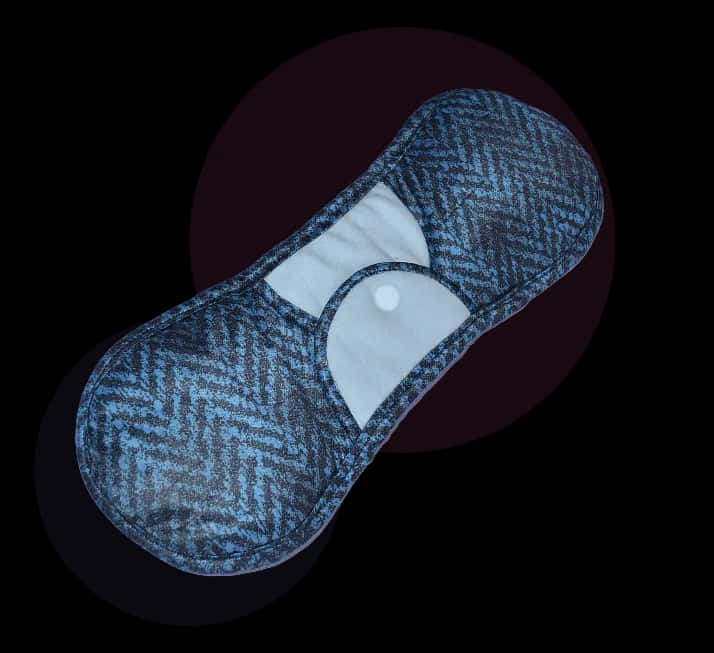
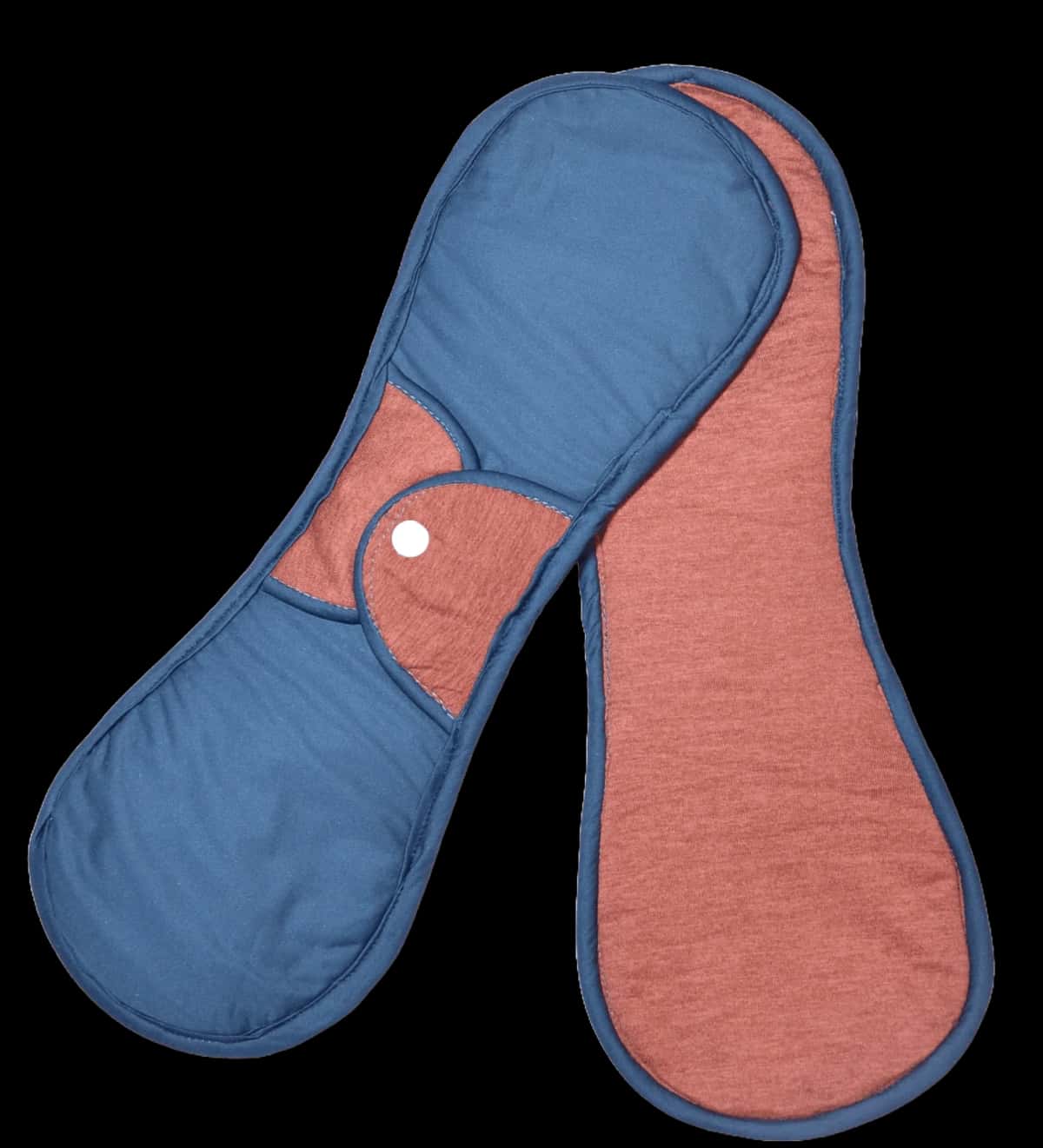
Our pads wey you fit wash

Di Big Benefits of School MHM Programmes
When schools invest for menstrual hygiene management, di gain pass di toilet. Dis programmes dey bring good effects wey touch how students dey perform for school, their health, and equality for society.
Equal Education and Better Results for School
Girls wey fit manage their period well for school dey simply learn more. If girl miss 4-5 days every month for nine months, she go lose 36-45 school days every year – almost quarter of di school year.
Research from di African Population and Health Research Center wey follow Nigerian students for three years find say girls for schools wey get full MHM programmes score 12-15% higher for national exams. Apart from attendance, e get to do with being present for mind. Girl wey dey fear say she go leak no fit concentrate for algebra or literature. For Port Harcourt, one school principal talk say after dem start their MHM programme, di number of girls wey reach SS3 increase by 23%.
Better Health for Body and Mind
Girls wey dey use materials wey no safe, or wey no dey change pad often, dey face bigger risk of urinary tract infection and reproductive tract infection. Study wey dem publish for 2025 for di Nigerian Journal of Clinical Practice find say schoolgirls wey get correct MHM facilities get 45% fewer cases of reproductive health complaints.
Di benefit for mind big well-well too. Schools wey get MHM education wey include boys talk say teasing don reduce and support don increase. When boys understand say period na normal biology, di culture dey change. Girls dey feel safer, dem dey feel say pipo accept dem, and dem no dey worry too much about their period for school.
Wetin E Mean for Environment and Di Whole Community
One girl wey dey use disposable pad dey produce about 120-150 used pads every year. School wey get 180 students wey dey see period dey produce 21,600-27,000 used pads every year. Most Nigerian communities no get correct waste management, so dis pads dey end for pit toilet, dem dey burn dem, or dem dey throw dem where dem dey spoil soil and water.
To change to pad wey you fit wash dey stop dis waste completely. When schools buy pad wey you fit wash from Nigerian makers, di money dey stay for di community. Schools wey get strong MHM programmes dey become help for di whole community, and dem dey start change across local government areas.
Answers to Common Worries About School MHM Programmes
Even though di benefits clear, schools dey often fear to start MHM programmes because of worries wey make sense. When you understand dis barriers, e go help you handle dem well.
Worry 1: "We No Get Budget for MHM Programmes"
MHM programmes no need big money to start. Start with di things wey no cost anything: policy changes. Set clear rule say girls fit leave class go toilet during their period without explanation or punishment. Train teachers to respond with support. Create buddy system where senior girls go guide junior girls. Dis ones cost zero naira but dem dey improve di environment well-well.
You fit improve di facilities small-small. Maybe dis term you put locks. Next term you handle water storage. For period products, look for partnerships. Plenty NGOs wey dey work for education or health dey give MHM support. Government programmes under di National Policy on WASH in Schools fit give money or supplies.
Worry 2: "Pad Wey You Fit Wash No Clean or E No Go Dry for Our Weather"
Good pad wey you fit wash dey very clean when you use am well. Di key na education: teach girls to rinse am for cold water immediately, wash with soap, rinse am well, and dry am finish for sun. Sun na natural disinfectant wey dey kill bacteria.
Nigeria weather even good for drying. Even for rainy season, di country dey get enough sun. Schools fit set private places to dry behind buildings or on top roof. Some schools dey make simple drying racks from wire or wood wey cost under ₦5,000.
Pad wey you fit wash wey dem take care of well clean pass di cloth pieces, or di disposable pads wey dem wear too long, wey plenty girls dey use now.
Worry 3: "To Talk About Period No Good for Our Culture"
Present MHM education as health education, wey all cultures value. You dey teach girls how to take care of their body and prevent infection. You dey teach boys basic biology so dem go become fathers and brothers wey dey support. Dis one follow cultural values of family care and community support.
Start di conversation with religious and community leaders before you start di programmes. Most leaders, when dem understand say di silence dey make daughters drop out of school or suffer health problems, dem dey support am. To feel uncomfortable for di start na normal and e no dey last. Teachers talk say after di first lesson, students relax and dem dey happy say adults finally talk about something wey dey affect their everyday life.
Why Sana Pads Dey Partner with Nigerian Schools to Make MHM Work
Dem start Sana Pads specially to fight period poverty and unequal education for Nigeria. As Nigerian company wey dey make pad, we understand di special challenges wey schools dey face: water supply wey no steady, hot humid weather, small budget, and di need for answers wey fit di culture.
We design our pad wey you fit wash for Nigerian conditions. Dem dey use materials wey dry quick even for rainy season. Dem get layers wey no dey leak wey dey give girls confidence for long school days. Dem strong reach to last 2-3 years if you take care of dem well.
We don support pass 10,000 women and girls directly, and we don share more than 30,000 pads through schools, NGOs and community programmes across Nigeria. We dey train teachers on how to run full MHM programmes. We dey give guidance on how to set up washing and drying. Schools, NGOs and other organisations fit order any quantity for di same fixed price per pack.
Our goal no be just to sell pads – na to end period poverty and make sure say no Nigerian girl go miss school because of her period.
Take Action: Start Your School MHM Journey
You no need permission to start to make your school better for girls during their period. Whether you be school administrator, teacher, PTA member, or person wey care for di community, you fit start to bring change today.
For Pipo Wey Dey Run Schools and Teachers
Start by putting your MHM team together with different voices: male and female teachers, school health workers, PTA representative, and senior female students. Plan your needs check for next week.
For period products, think about 3-pack of our Premium Pads for ₦4,000 for each student. Premium Pads get one layer wey no dey leak and three layers wey dey absorb, good for regular flow. For girls wey get heavy flow, our Maxi Pads wey get five absorbing layers dey give extra protection.
Write everything down – photos of di facilities wey you improve, attendance data, feedback wey no get name. Dis evidence go help you get more money to continue and e go show di impact.
For NGOs, Donors and Community Organisations
Schools wan start MHM programmes but dem often no get di know-how and di first money. Your organisation fit be di spark wey go change education for hundreds or thousands of girls.
We dey give support to run di programme, training materials, and ways to monitor am, wey go help you show di impact to stakeholders.
Whether you dey equip one classroom or you dey change MHM for whole local government area, di road forward start with one decision: say girls wey dey see period deserve dignity. Contact Sana Pads to discuss how we fit support your school journey to period equality. Research show say full menstrual hygiene management for schools fit increase how girls dey come school by up to 50% for period days – and e go create places where Blessing and millions of girls like her no go ever need to choose between their education and their dignity again.
Continue to read for Menstrual Hygiene Management
Questions wey pipo dey ask well well
Why I go choose Sana Pads instead of normal disposable pad?
Dem make Sana Pads from high-quality materials wey you fit use again, so dem be alternative to disposable sanitary products wey fit last and wey good for di environment. Dem gentle for your skin, dem dey absorb well, and dem dey save you money for long run. When you choose Sana Pads, you dey help reduce plastic waste, and you go enjoy comfort and reliability for your whole cycle.
How long I fit use Sana Pad before I need to wash am?
Sana Pad dey give you comfort and protection for 4 to 8 hours, depending on your flow. To stay fresh, change am every 4 to 6 hours - more often for heavy days. After each use, rinse am for cold water and wash am with soap. If you take care of am well, each pad go last 2 to 3 years.
Sana Pads safe for sensitive skin?
Yes, dem make Sana Pads from soft, hypoallergenic materials wey air fit pass, so dem dey gentle for your skin. Dem no get di harmful chemicals and toxins wey dey common for disposable pad, so dem be correct choice for pipo wey get sensitive skin or allergy.
How I go clean and take care of my Sana Pads?
Rinse your pad for cold water immediately - hot water dey make blood stain stick. Then wash am with mild soap, with hand or for machine, and rinse am until di water clear. Dry am finish for direct sun, because sun dey kill germs too. Abeg no use tumble dryer, bleach or fabric softener: dem dey spoil di layers wey dey absorb. If you take care of am like dis, Sana Pad go last 2 to 3 years.
Di price dey change for big order?
No. Each product get fixed price for each pack, no matter how many packs you order. You fit calculate your total with our price calculator. For big order, send us direct message and we go confirm di delivery cost with you before you pay.
Testimonials
See wetin our customers dey talk about our products.
Women for all over di world dey buy Sana

“For first, e dey irritate me to use washable sanitary pad. I decide to try am, and to my greatest surprise, e comfortable well-well and e easy to wash. You fit even do your daily things without fear say blood go stain you for public. I wan give Big shout out to SANA PADS!!”

“I dey really love Sana reusable pads! Dem dey make me relax and feel free for my period time. Plus, dem don reduce the cost and stress of buying disposable pads every month well-well. Kudos to Sana for making dis kind correct product – I go be fan forever!”
“Sana Pad good well-well, e dey make you comfortable and free. I love the pads, na the best ever!”
“I don try different brands of reusable pad, but Sana stand out for the quality, the comfort and how e dey last. Dem design am with sense, and the material dey gentle for my skin. As I change to Sana, e don reduce how I dey spoil environment and e don also save me money for long run. I dey grateful for dis solution wey go last!”

“I don try different pad brands for years, but Sana pads really stand out. From the first time I use am, I see the difference — e soft for skin, e dey soak well-well, and e comfortable die. Even for my heaviest flow days, Sana pads dey hold well. Wetin I also love na how the material dey allow air pass and e good for skin. If you dey find pad wey get comfort, wey you fit trust, and wey get quality, I really recommend make you try Sana pads.”

“To dey buy disposable pads every month dey add up well-well, so I talk say make I try Sana Pads. E surprise me how soft dem be, and dem dey work well for long days for university. To wash dem simple, and e don reach months wey I never buy new pad, so e don save me money. I also like say dem dey better for environment. E sweet me say I get option wey cheap and wey better for environment.”
Time to join hand
Contact Us
Margaret Ochegbudu
Business Manager