Wetin Be Menstrual Hygiene Management (MHM)? Full Guide for Nigerian Women
Where pipo don see us







 Margaret Ochegbudu don check am · Update 13 min to read
Menstrual hygiene management na di whole system wey woman need to manage her period safe and with dignity: clean materials wey she fit change as often as she need, private place wey get water, safe way to throw away or wash di products, and correct information. Pad alone no be menstrual hygiene management.
Make You Understand Menstrual Hygiene Management: Wetin You Need Sabi
Menstrual hygiene management (MHM) na di complete system wey dey allow women and girls manage their period safe, clean, and with dignity. E pass just to get pad or cloth.
Di Main Points:
- MHM include access to clean period materials, private place wey get water, safe way to throw things away, and correct health information.
- Good MHM fit save Nigerian families 40-70% compared to disposable pads, if dem dey use quality pads wey dem fit wash use again.
- Bad menstrual hygiene dey increase risk of infection for reproductive tract reach 70%, according to research for African communities.
- Nigerian girls dey miss average of 4-5 school days every month because dem no get correct MHM facilities and resources.
- MHM wey dey work need four things: materials, facilities, information, and environment wey dey support you, wey no get stigma.
- UNESCO estimate say 1 out of 10 African girls dey miss school during period, and dis one dey affect their education well well.
- Complete MHM system dey handle body needs, cultural beliefs, environment matter, and personal dignity all at di same time.
Make we look exactly wetin menstrual hygiene management mean and how you fit put am for your life, school, or community.
Zarah, wey dey Secondary School 2 for Kaduna, miss five days of school last month. No be say she sick, but her period start suddenly during assembly. She no get correct supplies or clean place to change, so she feel say she no get choice but to stay house. Her teacher, Mrs. Yusuf, notice di pattern. Many of her brightest students dey disappear for one week every month, and dem dey fall behind for mathematics and sciences, di subjects wey you must dey attend regularly pass.
Dis story dey repeat itself all over Nigeria. From Lagos to Kano, from busy cities to villages, millions of women and girls dey face di same wahala every month. Di matter no be only to get pad. Na to get di knowledge, resources, facilities, and support from pipo to manage period with dignity and safety. Na dis one menstrual hygiene management dey solve.
Di Full Picture: Wetin MHM Really Mean
When health experts and organisations dey talk about menstrual hygiene management, dem dey describe one complete way to handle period. Na di World Health Organisation and UNICEF define di term officially, so dat everybody for di world go get di same understanding.
Di Four Pillars of MHM
Think of MHM like table wey get four legs. Comot one leg, and di whole thing no go stand well again. Di first pillar na menstrual materials – clean materials wey women fit use to collect or soak period blood. E fit be disposable pads, cloth pads wey you fit wash use again, menstrual cups, or clean cloth wey you fold. Di main word here na “clean.” If you use dirty materials, newspaper, or mattress foam, e dey bring serious health danger.
Di second pillar na facilities. You need private place wey get water and soap to change, wash your hand, and clean di products wey you dey use again. For Nigeria, dis one still be big wahala. Many schools no get separate toilet for girls, or di toilets no get door, no water, and no bin to throw things. WASH (Water, Sanitation, and Hygiene) infrastructure na di foundation of correct MHM.
Di third pillar na information and education. Girls need to understand period before e start, no be to learn am with fear and confusion di first time wey dem see blood. Dem need practical knowledge: how often to change, how to sabi when symptoms no normal, how to manage pain safe, and how to track their cycle. Boys and men too need education so dem fit support di women for their life and reduce stigma.
Why Di Environment Wey Pipo Create Matter
Di fourth pillar na di one pipo dey forget, but e dey very important: social and cultural environment wey dey support you. Dis one mean families, schools, workplaces, and communities wey see period as normal thing wey body dey do, no be secret wey suppose shame you. For many Nigerian communities, cultural taboos still dey limit wetin woman wey dey see period fit do. We respect cultural beliefs, but modern MHM sabi say period na sign of good health, no be say di woman dirty.
Bad menstrual hygiene management no dey only cause discomfort. E dey bring real health danger. If you use materials wey no clean or you wear di same pad for too long, bacteria go dey breed there. Studies for African communities show say women wey get bad MHM practice dey get infection for reproductive tract pass others well well. Apart from infection, bad MHM dey affect mental health: worry say e fit leak, and di shame wey period stigma dey bring.
How to Do Correct MHM for Your Everyday Life
To understand wetin MHM mean na one thing. To really practice am for Nigerian condition need practical ways wey go work with our infrastructure, weather, and resources.
How to Choose and Use Period Materials Well
Start by choosing materials wey fit your flow, your lifestyle, and your pocket. Disposable pads easy to use but dem dey cost plenty money over time. Woman wey dey use disposable dey spend between ₦15,000 to ₦30,000 every year, and many families no fit afford am at all.
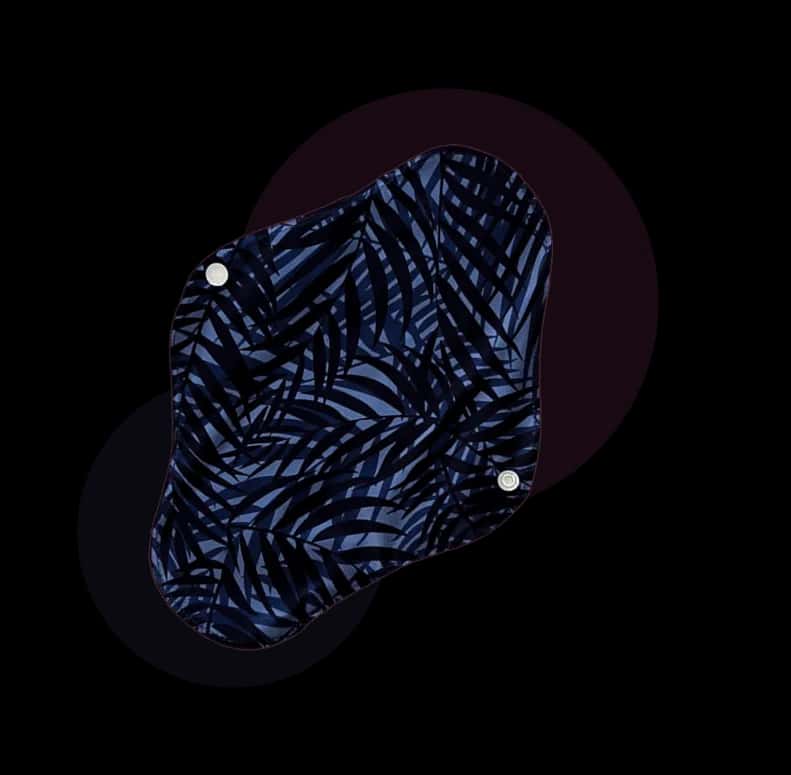
Cloth pads wey you fit wash use again na better option wey go last. Quality pads wey you fit wash use again dey designed for Nigerian condition, with layer wey no dey leak, wey fit handle our hot, wet weather and di different water access. Change your pad every 4-6 hours, even if e never soak finish. Dis one dey stop bacteria from growing and stop bad smell. For hot, humid cities like Lagos or Port Harcourt, bacteria dey multiply faster, so to dey change regularly important pass.
Always wash your hand before and after you change your pad. If you dey public toilet wey no get water, carry small bottle of water and hand sanitiser. No ever flush pad for toilet, because e dey block di pipe, especially for Nigerian plumbing.
How to Make Your House Good for MHM
Even if you no get plenty resources, you fit make MHM better for house. To wash pads wey you fit use again, you no need tap water. One bucket of water, normal soap, and sun to dry am dey work well well. First rinse di pads for cold water to comot di blood (hot water dey make stain stay). Then wash with soap and water, and dry am finish for direct sun. Di UV rays from sun dey kill germs for di cloth naturally.
Keep clean period materials for dry, clean place. Simple cloth pouch go keep di pads from dust and nobody go see am. Track your cycle with calendar or your phone so you go ready when your period start. If you ready, you no go need to use emergency things like tissue paper or old cloth pieces.
How to Make MHM Work for School or Work
For students and women wey dey work, to plan ahead dey make big difference. Keep emergency kit for your bag: two clean pads, small nylon bag for di used ones, wet wipes or small water bottle, and pain medicine if you dey get cramps.
If your school or workplace no get correct facilities, talk make dem improve am. Talk to teachers, school administrators, or your supervisor make dem put bin inside toilet, make sure water dey, and provide soap. Many schools for Nigeria don improve their WASH facilities after students and parents complain.
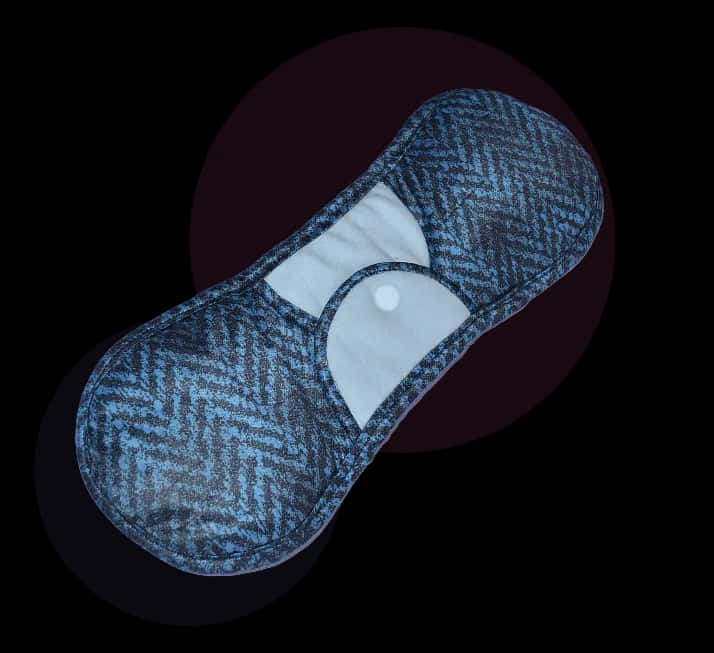
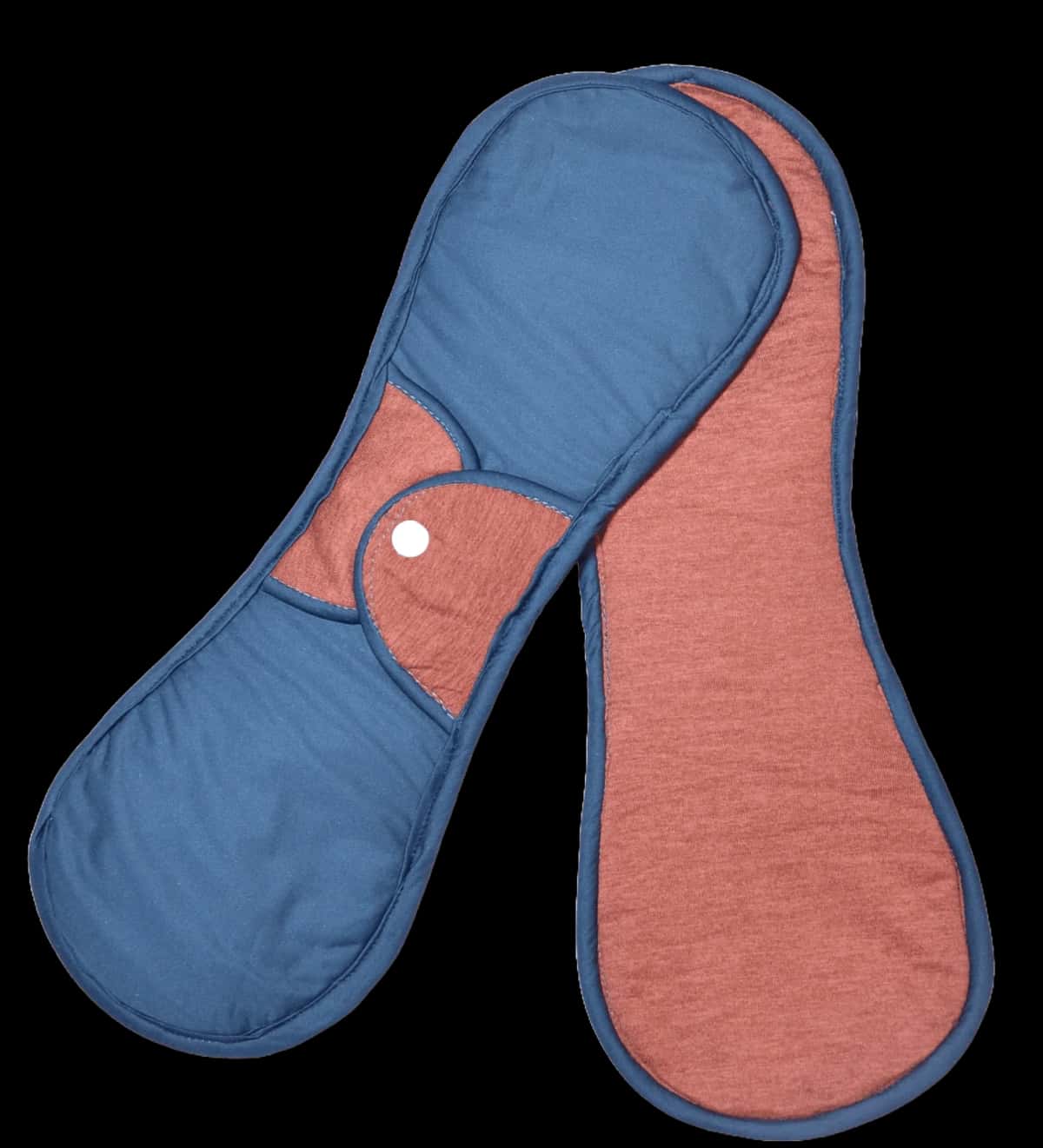
Our pads wey you fit wash
Di Big Benefits of Correct MHM Wey Fit Change Your Life
When women and girls get access to complete menstrual hygiene management, di good results dey spread reach their whole life and their communities.
Money Freedom and Economic Impact
Correct MHM, especially if you dey use products wey you fit use again, dey reduce di money wey period dey cost you well well. Woman dey see period for about 40 years, average of 5 days every month. If you dey use disposable pads wey cost ₦50-100 per pad and you dey change 4-5 times every day, you go spend ₦600,000 to ₦1,200,000 for your whole life.
Quality pads wey you fit wash use again dey last 2-3 years if you take care of dem well. If you spend ₦3,000-5,000 first time for starter set, e go replace hundreds of disposable pads. Over time, di ones wey you fit use again fit cheap pass by 40-70%. For families for Kano, Kaduna, or villages where every Naira matter, dis difference big.
Apart from di money wey you save, better MHM dey help women work and make money more. When women fit manage their period with confidence for work, dem no go lose money because dem miss work. Market women for Aba, teachers for Abuja, and nurses for Port Harcourt all talk say pads wey dem fit trust dey make dem come work more and work better.
Di Good E Dey Do for Your Health and Body
Di health benefits of correct MHM big and science don prove am. If you use clean materials and you dey change dem regularly, e dey prevent infection for reproductive tract wey fit lead to serious problems, like pelvic inflammatory disease and even infertility. One study for BMJ Global Health journal find say access to period products and WASH facilities reduce RTI symptoms by almost 60% among teenage girls.
Mental and emotional health dey improve well well with good MHM. Girls wey get confidence during their period dey join everything for school, sports, religious activities, and social events. Dem no go get di shame and worry wey dey come when pad leak or when you no ready.
Impact for Education and Environment
Di link between MHM and education big pass wetin we fit talk. When schools provide correct facilities, period materials, and education, girls dey go school every day. Dem no dey fall behind for subjects wey you must learn step by step like mathematics and sciences.
For environment side, correct MHM wey use products wey you fit use again dey reduce waste well well. Nigeria dey produce thousands of tonnes of period waste every year. One woman wey dey use disposable go produce about 125-150 kilograms of period waste for her whole life. Period products wey you fit use again dey reduce dis waste by more than 90%.
Answer to Di Worries Pipo Get About MHM
Many women and girls get correct questions about how to do proper menstrual hygiene management. Make we answer di ones wey common pass, with honesty.
"MHM No Too Cost for Normal Families?"
Dis worry make sense if you dey look di money wey you go pay first, but for long run, correct MHM cheap pass bad practice. Yes, to buy set of quality pads wey you fit wash use again need money first, but dat money go pay itself back inside 3-4 months compared to disposable.
Also, correct MHM dey prevent health costs. To treat infection for reproductive tract dey cost ₦5,000-20,000 or more for medicine and clinic, and we never count di work or school days wey you go miss. To prevent just one infection don already worth di money for correct period materials.
"How We Fit Do MHM If Water and Light No Dey Regular?"
Dis na di reality for millions of Nigerian women, and di worry correct. But MHM still possible even with infrastructure wahala. To wash pads wey you fit use again without tap water, di bucket method dey work well. Cold water even better pass hot water to rinse blood, so you no need to boil water.
To dry for sun dey kill germs for pads well without electricity. In fact, sun drying for our Nigerian weather better pass machine drying, because our strong sun dey give strong UV wey dey kill germs. For rainy season, choose di room wey get di best air and hang di pads near open window.
"To Talk About Period Openly No Go Spoil Our Culture?"
To respect culture important, and different communities for Nigeria no get di same comfort to talk about period. But to keep quiet about period never protect our daughters. E don leave dem confused, fear dey catch dem, and dem no ready. MHM education no need rough or disrespectful talk. E need information wey fit their age, wey true, and wey get respect.
For many northern communities, mothers fit teach their daughters about period for private, and dem fit show say to dey clean na part of religion. Islamic teaching dey put weight on cleanliness and hygiene, and dis one gree well well with MHM. Correct MHM education dey actually support cultural values about modesty, cleanliness, and dignity.
Why Sana Pads Dey Support MHM All Over Nigeria
For Sana Pads, we sabi say menstrual hygiene management need more than just products. E need education, access, price wey pipo fit pay, and support from community. Na why our way join quality pads wey you fit wash use again, wey we design specially for Nigerian condition, with education and partnerships wey cover di whole MHM picture.
We dey make our pads here for Nigeria, and di pipo wey dey make dem understand di wahala wey our women and girls dey face. We design products wey dey work even when water small, wey dey dry quick for humid weather, and wey Nigerian families fit afford. We get three options: No Wahala Pads (one layer wey no dey leak and one layer wey dey absorb, for light flow), Premium Pads (one layer wey no dey leak and three layers wey dey absorb, for normal flow), and Maxi Pads (one layer wey no dey leak and five layers wey dey absorb, for heavy flow).
Since we start, we don support more than 10,000 women directly and share more than 30,000 pads across Nigeria. We dey work with schools, NGOs, health organisations, and community groups to run complete MHM programmes. Our partnerships no be only to share pads. Dem include MHM education, checking of facilities, and support wey continue, to bring change wey go last.
How to Start: Do Something About MHM Today
Now you don understand wetin menstrual hygiene management mean and why e matter. Di next step na to put MHM for your own life or your organisation.
For You and Your Family
Start by checking your own period hygiene honestly. You dey always get clean period materials? You fit change for private place wey get water to wash hand? Di younger girls for your family don get information before their first period?
If you ready to try pads wey you fit wash use again, di Starter Kit na beta way to start. E get three Premium Pads plus one pouch to keep dem, so you get everything wey you need to start. Three pads dey enough for one cycle if you dey wash and dry dem every 1-2 days.
Talk to your daughters, nieces, and younger sisters about period before their own start. Use simple, correct words. Explain wetin go happen, show dem period products, and show dem how to use dem. Dis open talk na important part of MHM wey no cost anything but e dey make big difference.
Wetin Schools, NGOs and Community Organisations Fit Do
If you be teacher, school administrator or community leader, you get power to start MHM programmes wey go change lives. Start by checking di facilities. Your school toilets get door, lock, water, soap and bin to throw things?
Think about partnering with local manufacturers like Sana Pads to give pads wey dem fit wash use again to students wey no fit afford dem. Schools, NGOs and other organisations fit order any quantity for di same fixed price per pack. Sharing dey work best when you join am with education: teach di girls how to use, wash and take care of di pads well well.
Make We Move Forward with Dignity and Confidence
Menstrual hygiene management na to sabi say period na normal thing wey body dey do, wey half of all pipo dey experience. Na to make sure say period no go stop wetin women and girls fit achieve. Na about dignity, health, and equality.
When Nigerian girls fit manage their period clean and with confidence, dem go stay for school. When Nigerian women fit work without worry about leak or infection, families go get better money. When communities support correct MHM with facilities, education, and access to resources, everybody go benefit.
Correct menstrual hygiene management possible, even with Nigeria infrastructure wahala. E need knowledge, correct materials, basic facilities, and support from pipo. You fit start better MHM practice today, for your own life or for your community. Every girl wey get period education before her first period, every woman wey change to cheap pads wey she fit use again, and every school wey improve its WASH facilities, na step to end period poverty.
If you ready to improve menstrual hygiene management for yourself, your family, or your organisation, Sana Pads get products and support wey we design specially for wetin Nigerians need. Contact us to sabi about products for one person or bulk partnership. Together, we fit make sure say no Nigerian girl go miss school or opportunity just because of her period. For more guide wey full, check our menstrual hygiene management page for extra information, tips, and support.
Continue to read for Menstrual Hygiene Management
Questions wey pipo dey ask well well
Why I go choose Sana Pads instead of normal disposable pads?
Sana Pads dey made from high-quality materials wey you fit use again, so dem be option wey go last and wey good for environment, instead of disposable pads. Dem soft for your skin, dem dey absorb well well, and dem dey save you money for long run. When you choose Sana Pads, you dey help reduce plastic waste, and you go enjoy comfort and pads wey you fit trust throughout your cycle.
How long I fit use Sana Pad before I need wash am?
Sana Pad dey give you comfort and protection for 4 to 8 hours, depending on your flow. To stay fresh, change am every 4 to 6 hours - more often for heavy days. After every use, rinse am for cold water and wash am with soap. If you take care of am well, each pad dey last 2 to 3 years.
Sana Pads safe for sensitive skin?
Yes, Sana Pads dey made from soft materials wey air fit pass, wey no dey cause allergy, so dem gentle for your skin. Dem no get di dangerous chemicals and toxins wey disposable pads dey usually get, so dem be good choice for pipo wey get sensitive skin or allergy.
How I go clean and take care of my Sana Pads?
Rinse your pad for cold water immediately - hot water dey make blood stain stay. Then wash am with mild soap, with hand or for machine, and rinse until di water clear. Dry am finish for direct sun, wey also dey kill germs. Abeg no use tumble dryer, bleach or fabric softener: dem dey spoil di layers wey dey absorb. If you take care of am like dis, Sana Pad dey last 2 to 3 years.
Di price dey change for bigger orders?
No. Every product get one fixed price per pack, no matter how many packs you order. You fit calculate your total with our price calculator. For big orders, send us direct message and we go confirm di delivery cost with you before you pay.
Testimonials
See wetin our customers dey talk about our products.
Women for all over di world dey buy Sana

“I dey really love Sana reusable pads! Dem dey make me relax and feel free for my period time. Plus, dem don reduce the cost and stress of buying disposable pads every month well-well. Kudos to Sana for making dis kind correct product – I go be fan forever!”
“Sana Pad good well-well, e dey make you comfortable and free. I love the pads, na the best ever!”
“I don try different brands of reusable pad, but Sana stand out for the quality, the comfort and how e dey last. Dem design am with sense, and the material dey gentle for my skin. As I change to Sana, e don reduce how I dey spoil environment and e don also save me money for long run. I dey grateful for dis solution wey go last!”

“For first, e dey irritate me to use washable sanitary pad. I decide to try am, and to my greatest surprise, e comfortable well-well and e easy to wash. You fit even do your daily things without fear say blood go stain you for public. I wan give Big shout out to SANA PADS!!”

“I don try different pad brands for years, but Sana pads really stand out. From the first time I use am, I see the difference — e soft for skin, e dey soak well-well, and e comfortable die. Even for my heaviest flow days, Sana pads dey hold well. Wetin I also love na how the material dey allow air pass and e good for skin. If you dey find pad wey get comfort, wey you fit trust, and wey get quality, I really recommend make you try Sana pads.”

“To dey buy disposable pads every month dey add up well-well, so I talk say make I try Sana Pads. E surprise me how soft dem be, and dem dey work well for long days for university. To wash dem simple, and e don reach months wey I never buy new pad, so e don save me money. I also like say dem dey better for environment. E sweet me say I get option wey cheap and wey better for environment.”
Time to join hand
Contact Us
Margaret Ochegbudu
Business Manager