Workplace Period Hygiene Policies for Nigeria: Di Full Guide
Where pipo don see us







 Margaret Ochegbudu don check am · Update 23 min to read
Workplace period policy dey show di facilities, products and flexibility wey workers need when dem dey see period. For real life, dat one mean toilet wey get water and door wey you fit lock, emergency pads wey dem dey give free, and manager wey fit allow break without asking for explanation. About 65 percent of Nigerian workplaces never reach dis standard now.
Wetin Be Workplace Period Hygiene Policies and Why Nigeria Need Dem
Workplace period hygiene policies na formal rules wey make sure say workers get di facilities, products and support wey dem need to manage dia period with dignity for work. Dis policies dey cover everything from correct toilet facilities to emergency supplies and period leave options.
Wetin You Need to Sabi:
- About 65% of Nigerian women wey get formal work talk say period facilities for dia workplace no reach, and dis one dey affect productivity and attendance.
- Workplace period policies dey reduce absence by up to 30% and dey increase how workers dey happy, loyal and perform for organisations.
- Basic period hygiene provisions dey cost Nigerian employers ₦15,000-₦30,000 every year for each female worker, but dem dey save ₦45,000-₦80,000 wey for lost through low productivity.
- For now Nigeria no get national law for workplace period hygiene, so 23 million working women no get standard protection or support.
- Di important parts of di policy include sanitary disposal bins for all toilets, emergency supplies, private place to change, and flexible break times.
- Companies wey start period hygiene policies talk say sick days wey concern period reduce by 40-50% and morale improve among all workers.
- Top Nigerian organisations for Lagos, Abuja and Port Harcourt dey lead with workplace period policies wey fit be model for national standards.
Make we see exactly how full workplace period hygiene policies dey look and how Nigerian organisations fit start dem well.
Cynthia siddon inside di small toilet for her office for Victoria Island, Lagos, dey try manage period wey start unexpected during di morning staff meeting. She no carry any supplies, and di office no provide anything – no sanitary bins, no emergency pads, not even correct privacy. She stuff toilet paper inside her pant and spend di rest of di day with fear, discomfort, and she no fit focus on her work. When her manager ask why her mind no dey during one important presentation, she no fit bring herself to explain. Like millions of Nigerian women, Cynthia dey work for place where period no dey seen, nobody dey support am, and pipo dey treat am as personal problem instead of basic workplace health matter wey dey affect productivity, dignity and workers wellbeing.
To Understand Workplace Period Hygiene for Nigerian Situation
Period hygiene management for Nigerian workplaces still be one of di parts of work health and workers welfare wey pipo dey overlook pass. Even though labour laws dey cover different workplace conditions, period – body reality wey dey affect about half of di workers for about 40 years of dia life – no dey get much formal recognition. Dis gap dey bring hardship wey no need to dey for millions of women and dey cost Nigerian businesses billions for lost productivity every year.
How Period Facilities Be for Nigerian Workplaces Now
Most Nigerian workplaces, dem build dem without thinking about period hygiene. Enter normal office building for Ikeja, factory for Kano, or shop for Enugu, and you go see toilets wey no get basic period provisions. Sanitary disposal bins no dey, or one bin dey for many toilets, so women dey wrap used products for newspaper or carry dem comot for dia bag. Plenty workplaces no even provide enough toilet paper, talk less of emergency sanitary supplies.
Di infrastructure wahala pass products. Privacy still be big issue, especially for open-plan offices and factories where toilets dey shared, dem no dey maintain dem well, or dem dey far from where pipo dey work. Water scarcity make di matter worse – when NEPA take light and water pump stop to work, women no fit clean demself well during period. For markets, construction sites and informal workplaces, di condition hard pass, and some women no fit get clean toilet at all during work hours.
Dis bad infrastructure no just dey cause discomfort. Research from Nigerian universities show say bad period hygiene facilities connect direct with urinary tract infections, reproductive health problems, stress, anxiety and less participation for work. Women dey make careful decisions every day – to avoid some meetings, to say no to travel opportunities, or to call in sick finish instead of to manage dia period for place wey no support dem.
Why Period No Dey Show for Nigerian Workplace Policy
Di silence about period for workplace come from deep culture taboos wey dey call period shameful, dirty, or something wey pipo no suppose talk for public. For plenty Nigerian communities, pipo dey whisper about period, dem no dey mention am when men and women dey together, and dem no go ever discuss am with employers or male colleagues. Dis culture mean say women dey suffer in silence instead of to push for better facilities.
Plenty employers, especially men wey own business and male managers, never think about period hygiene as workplace matter. Dem dey see am as private matter wey women suppose handle by demself, like any other personal hygiene tin. Dis view dey ignore di main difference – period no dey predictable, e need quick access to facilities and supplies, and e dey affect work performance direct if support no dey.
Money matter join too. Some employers dey fear say to provide period supplies or start policies wey support women go cost plenty or make workers expect more benefits. Others dey fear say if dem accept say period dey, workers go start to ask for period leave, wey dem think say go reduce productivity. Dis worries, even though we fit understand dem, come from wrong ideas. Evidence from companies wey don start period hygiene policies show di opposite – small money for basic facilities and supplies dey bring big return through less absence, better morale and more productivity.
Wetin Full Period Hygiene Policies Dey Include
Workplace period hygiene policy wey really support women dey cover four main areas: infrastructure, supplies, culture for di workplace, and flexibility. Think am like to build house – you need strong foundation (infrastructure), important furniture (supplies), place wey welcome you (culture), and rooms wey fit change for different needs (flexibility).
Infrastructure mean clean, private toilets with lock wey dey work, enough light, running water, and sanitary disposal bin inside every toilet, no be one bin for many toilets. E include place to wash hand with soap, mirror to check clothes, and if possible small private area where women fit change if dem need am. For organisations wey get uniform, dis one fit mean to provide extra set so women fit change if leak happen without going house.
Supplies mean to keep emergency period products wey dey free – no be as di main source, but as backup for period wey come unexpected, flow wey heavy pass normal, or when person forget her own. Some organisations dey keep disposable pads, while companies wey dey think ahead dey provide options wey you fit wash use again, wey save more money for long term and better for environment. Medicine for pain wey women fit collect without explaining why dem need am na another important provision.
Di culture part dey fight shame through education and to make period normal. Dis one include to train managers to respond well to needs wey concern period, to make sure male colleagues understand why some facilities dey important, and to create place where women fit mention dia period when e matter without shame or wahala for dia work. Some Nigerian companies dey hold workplace health sessions wey include period education for all workers, and dis information dey break taboos.
Flexibility dey accept say period dey affect women in different ways. Some no need anything pass basic facilities, while others dey get serious pain, heavy bleeding, or other symptoms wey dey reduce for some time how dem fit work with full strength. Policies wey support women fit include flexible break times, option to work from house for di first one or two days of period, access to comfortable seat, or understanding to reduce physical work during period wey hard well well.
How to Develop Workplace Period Hygiene Policies for Nigeria
To create period hygiene policies wey dey work need pass good intention. E need understanding of your own workplace situation, to carry workers along for di process, and to make changes step by step while you respect culture sensitivity.
Step 1: Check Di Facilities Wey Dey and Hear from Workers
Start with honest check of di period hygiene provisions wey you get now. Waka round your facilities like say you be worker wey period start for unexpectedly. Disposal bins dey inside every toilet? Running water and soap dey? Toilets clean, private and well maintained? Women fit reach dem quick when dem need am, or dem dey for building wey far or for place wey dem lock wey need key?
No stop for physical check. Do survey for your female workers without names about dia experience and needs. Ask clear questions: You don ever go house or call in sick only because period facilities for work no reach? Wetin go make am easier to manage your period for work? You don ever face period shame or embarrassment for dis workplace? Which facilities or policies go help you pass?
For one manufacturing company for Kaduna, dis check show say women dey avoid to drink water during dia shift to reduce how many times dem go toilet, because di toilets far well well from di production floor. For one Lagos bank, women talk say dem dey fear how to throw away sanitary products because bins dey only for some toilets, so dem dey carry used pads go other toilets. Dis kind information, wey no go ever comot if you no ask, dey important to create policies wey handle real needs instead of wetin pipo just assume.
Step 2: Write Full Policies with Clear Guidelines
Use wetin you find for di check to write clear and specific policies wey handle di infrastructure gaps and workers needs wey you don see. Avoid statements wey no clear like “di company dey support workers wellbeing.” Instead, write promises wey clear: “All toilet facilities go get sanitary disposal bins inside each toilet, and trained staff go empty and clean dem every day.” “Emergency period supplies go dey for di first aid room and HR office, and pipo fit collect dem without explanation or form to fill.”
Your policy suppose cover some parts clearly. Talk wetin facilities you go provide, wetin supplies go dey, how workers fit get dem, and wetin flexibility options dey. Include who workers suppose contact if dem get period emergency, need to go house, or get complaint about facilities. Talk about privacy clear – make am clear say absence or support wey concern period na private health matter, no be for gossip or punishment for work.
Think about to put period health education inside your policy. Promise to hold workplace health sessions every year wey include period, reproductive health and hygiene topics for all workers, no be only women. Dis one dey make period normal health topic and dey teach male colleagues and managers why some provisions dey important. One tech company for Abuja dey include period health for di onboarding of all new workers, so from di first day dem sabi say dis workplace dey treat period as normal body process.
Step 3: Make Di Changes and Talk Am Openly
To make di changes need budget, choice of suppliers, changes for facilities and clear communication. Start with di physical changes – put disposal bins, improve toilets, set up place to store supplies, and make sure cleaners get correct training and supplies to handle period waste in hygienic way.
When you dey find period supplies for emergency, think about options wey you fit wash use again like Sana Pads together with disposables or instead of dem. With di money to give disposable pads to 50 female workers for one year (about ₦300,000-₦500,000), you fit give each woman pads wey she fit wash use again wey go last 2-3 years, and reduce long-term cost by 60-75% while you dey support local manufacturing and environment. Some organisations dey give starter pack of pads wey you fit wash use again to each female worker as part of welcome package or yearly health benefit.
Communication matter well well. Announce di new policies through many channels – email, staff meetings, notice boards, and one-on-one talk where e fit. Explain no be only wetin di policies be, but why di company dey start dem. Present am as part of di company bigger promise for workers health and wellbeing, wey show say di organisation value all workers and know say to support basic health needs dey benefit everybody through better productivity, morale and workplace culture.
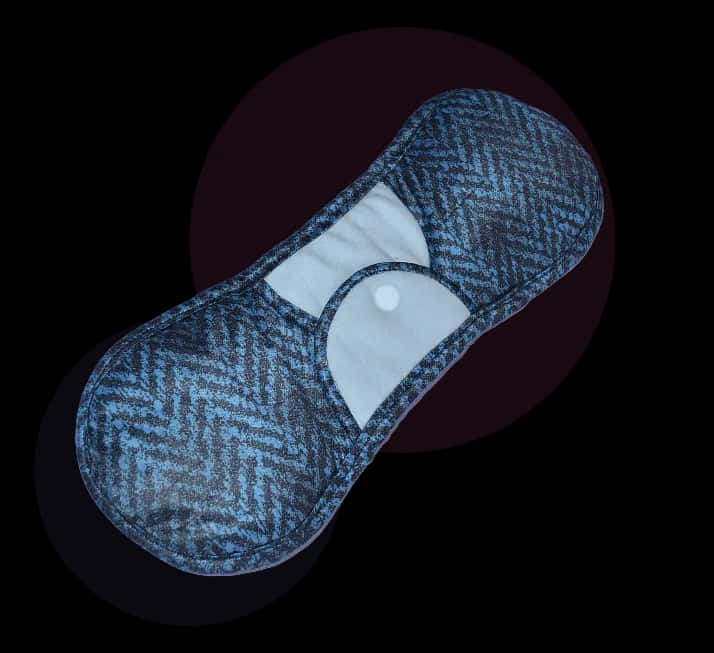
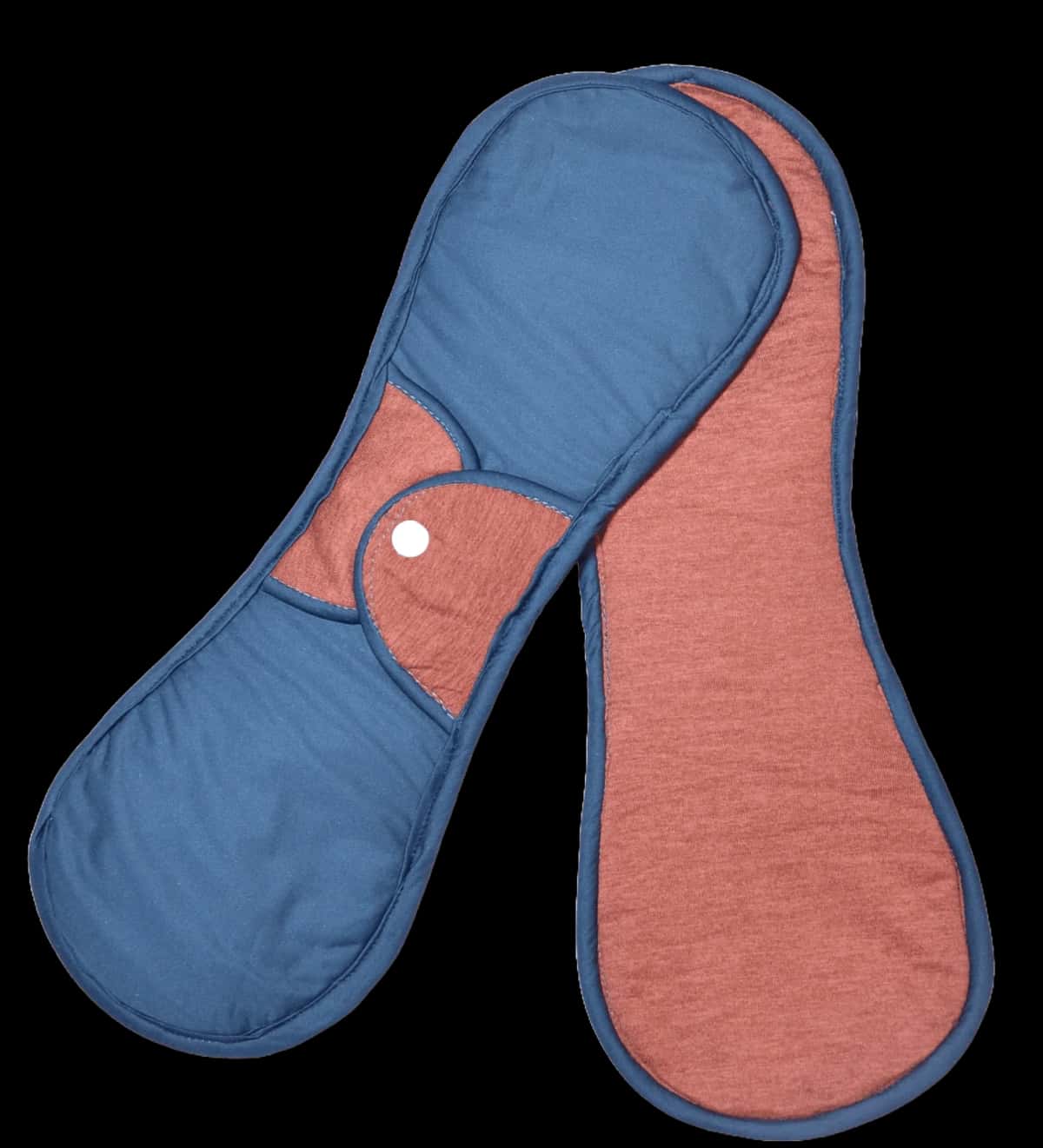
Our pads wey you fit wash

Di Benefits of Workplace Period Hygiene Policies
To start period hygiene policies dey bring return wey pass di workers wey dem support direct. Dis benefits dey spread through organisations and dey affect productivity, culture, retention and even reputation, so di small investment worth am well well.
Money and Productivity Benefits for Employers
Di business reason for workplace period hygiene policies strong. Research for many Nigerian companies show say period facilities wey no reach dey cause average of 2-3 sick days for each female worker every year, on top normal health absence. With about 23 million Nigerian women for formal work, dis one mean hundreds of millions of work hours wey dey lost every year – time wey for productive if basic facilities dey.
When one packaging company for Port Harcourt start full period hygiene policies – including better facilities, emergency supplies and flexible break times – dem track di results for 18 months. Sick days wey concern period reduce by 45%, overall productivity of female workers increase in way wey dem fit measure, and accidents for work among women reduce. Di total investment na ₦850,000 for facility improvements and ₦180,000 every year for supplies for 75 female workers. Di return wey dem calculate from less absence and more productivity pass ₦2.4 million for di first year alone.
Apart from less absence, dis policies dey make di time wey workers dey for work better. Women wey dey fear, wey no dey comfortable, or wey mind no dey because of period matter no fit perform dia best. Dia mind dey another place, body no dey comfortable, and dem fit dey deal with pain or discomfort wey dey reduce concentration, creativity and engagement. Policies wey support dem dey remove dis barriers, so women fit focus fully on dia work instead of to manage body process wey nobody dey support.
Health and Social Benefits for Workers
Di health benefit of correct workplace period hygiene pass comfort. Access to clean facilities, place to throw away products, and chance to change products regularly dey reduce infection risk, especially urinary tract infections and bacterial vaginosis (infection for vagina), wey dey increase when women no fit keep correct hygiene during period. For workplaces where women before dey hold dia period for long hours because facilities no reach, better policies dey improve reproductive health direct.
Di mental health benefit big di same way. Di stress to manage period for place wey no support dey bring fear wey no dey end for plenty Nigerian women. Dem dey wake up dey fear to go work during period, dem dey plan dia clothes too much to hide any leak, dem dey avoid some activities or opportunities, and dem dey feel small shame all di time about normal body function. Dis stress wey no dey stop dey affect overall wellbeing, relationship for work, and how dem dey grow for dia career.
When organisations start policies wey support women, women dey talk say dem feel valued, respected, and say dem fit bring dia full self come work. Dem no feel again say dem must hide or beg because of dia body. Dis change for mind dey improve confidence, participation for work, readiness to take new challenges, and how dem dey happy with dia job. For workers surveys for companies wey get strong period hygiene policies, women dey always rate dia workplace better for many measures, from body safety to culture wey include everybody.
Bigger Impact for Organisations and Society
Companies wey dey lead for period hygiene policies dey often see benefits wey dem no expect for recruitment, retention and reputation. For Nigeria job markets wey get strong competition, especially for Lagos, Abuja and other big cities, organisations wey pipo sabi for good workers policies dey attract better talent. Women dey find employers wey show say dem understand and support female workers needs, and more and more men dey want work for organisations wey show social responsibility and good values.
Retention dey improve because women feel say pipo really support dem. For one consulting firm for Abuja, di number of female workers wey stay increase by 28% for di two years after dem start period hygiene policy – change wey dem connect direct to di policies based on exit interview data from di years before and stay interviews with di workers wey dey now. Di cost to replace workers pass well well di cost to support dem with basic hygiene provisions.
Dis workplace policies dey also help period equality for Nigeria. When big employers make period normal workplace health matter wey need proper support, dem dey change wetin culture dey talk. Workers dey carry dis expectations go other organisations, and dis one dey push for improvement for di whole industry. Some Nigerian companies dey now work together to develop industry standards for period hygiene, because dem see say when everybody join hand, di impact go big pass wetin one company fit do alone.
Common Worries About To Start Period Hygiene Policies
Even though di benefits clear, plenty Nigerian employers dey shake to start period hygiene policies because of some worries. Dis worries, even though we fit understand dem, mostly come from wrong ideas or information wey no complete. Make we answer dem direct.
Worry: Dis Policies Go Cost Too Much
Di idea say period hygiene policies need big money dey stop plenty organisations from even looking am. For real, di cost small compared to overall operating budget and e dey bring clear return wey justify di investment.
Basic infrastructure improvement – to put disposal bins, improve toilets, make sure water dey always – na often one-time cost. One sanitary disposal bin dey cost ₦3,000-₦8,000 depending on quality, and servicing every year dey cost ₦5,000-₦15,000 for each bin. For office wey get 10 toilets, di total cost for di first year fit be ₦80,000-₦200,000, then ₦50,000-₦150,000 every year for servicing. Dis money small well well for most organisation budgets.
Di cost of products dey depend on di approach. If you dey give disposable pads as emergency backup for 50 female workers, and each woman need emergency supplies 2-3 times every year, di yearly cost na about ₦120,000-₦200,000. Or, to give each woman pads wey she fit wash use again wey dey last 2-3 years dey cost about ₦200,000-₦300,000 for di start (around 50 US dollar cent for each pad compared to normal disposable cost), then nothing for di years wey follow apart from small replacement sometimes. For five years, options wey you fit wash use again dey cost 60-75% less than disposables, and dem dey support local manufacturing and environment.
Compare dis cost with di money wey you dey lose when workers no come because of period. If just 20% of your female workers take one extra sick day every year because period facilities no reach, and di average productivity value for one day na ₦15,000 for each worker, you dey lose ₦150,000 for every 50 female workers. Di facilities and supplies wey dey prevent dis loss cost less than di productivity wey dem dey protect.
Worry: Male Workers or Old-School Managers Go Resist
Worries about workplace culture make sense, especially for Nigerian businesses wey dey traditional or industries wey men full. Di fear say male colleagues go laugh period hygiene programmes, say conservative managers go block am, or say to talk about period go make workplace uncomfortable dey stop some organisations from moving forward.
Experience from Nigerian companies wey don start dis policies show say dis fears mostly no get ground when you approach am with sense. Di key na to present period hygiene policies as part of bigger workplace health and safety programmes, no be special treatment for women. When workers understand say healthy workers wey get support dey produce more, and say basic hygiene provisions dey help di organisation perform, resistance dey usually disappear.
Education dey remove plenty of di discomfort. One manufacturing company for Onitsha dey worry about resistance from dia management team wey be mostly men and di supervisors for di workshop floor. Dem start with workplace health training session wey cover different work health topics, and period hygiene na one part. As dem present facts about how period dey affect work capacity and how basic facilities dey improve productivity, dem change di talk from “women matter” to “business performance.” Six months after dem start, male managers wey first doubt am don become pipo wey dey push di policy, because dem don see improvement wey dem fit measure for attendance and morale.
Some organisations don see say male workers dey become strong supporters of di policy when dem understand di impact on dia female colleagues, daughters or partners. One Lagos company put information about period poverty and workplace period challenges for dia corporate social responsibility communications. Male workers start to push for di policies, because dem see say to create place wey support women agree with dia values and wetin dem hope for dia own daughters future workplaces.
Worry: Pipo Fit Misuse Di Policies or Begin Expect Too Much
Some employers dey fear say if dem give period leave options or flexibility, workers go abuse am, dey claim period problem to get extra time off. Others dey fear say once dem provide basic period supplies, workers go expect di company to pay for all personal hygiene products forever, and dis one go bring expectations wey no fit last.
Dis worries show bigger fear about trust and boundaries with workers, no be specific period hygiene matter. Organisations wey dey work with di idea say workers go abuse any benefit usually get deeper culture problem wey period policy no fit create or solve. For real life, Nigerian companies wey get period hygiene policies talk say abuse small well well. Women no dey fake period to get time off – dem dey usually reduce how dem talk about period for work because of culture taboos, dem no dey exaggerate am.
Clear policy language dey stop di policy from growing pass wetin e suppose cover. Talk say emergency period supplies na backup for situations wey come unexpected, no be di main source of supply, and say any flexibility for period symptoms na for health needs wey dem don confirm, just like other workplace health support. Most organisations dey see say women dey use dis provisions small and with gratitude, no be to exploit am.
Policies wey base on trust dey actually make workplace culture strong. When workers feel say pipo trust and support dem, dem dey pay back with loyalty and discretion. One retail company for Ibadan start period hygiene policies wey include option to go house if person get serious period symptoms, and dem expect say some workers fit abuse di flexibility. For two years, average female worker use dis option less than once every year, and managers talk say women wey use am pay back with extra effort for other times, dey cover colleagues shifts or dey take extra work.
Why Sana Pads Dey Partner with Nigerian Workplaces
For Sana Pads, we understand say to end period poverty for Nigeria need change for many places – schools, homes, health facilities and workplaces. Since we start, we don partner with Nigerian organisations to bring period hygiene solutions wey sustainable and wey fit local situation, wey dey benefit workers, employers and communities.
Our workplace partnerships pass just to supply products. We dey work with Nigerian companies to check di period hygiene provisions wey dem get now, find di gaps, and develop full policies wey cover infrastructure, supplies, culture and flexibility. We don support pass 10,000 women direct and distribute pass 30,000 pads through workplace, school and community programmes across Nigeria.
As Nigerian manufacturer, we understand di special challenges wey our weather and infrastructure dey bring for period hygiene management. We design our pads wey you fit wash use again specially for Nigerian condition – hot and humid places where products must dry quick, workplaces where women fit no get enough water, and situations where to hide am well and to last long matter well well. Our products dey work for Lagos traffic, Kano heat, Port Harcourt humidity and Abuja different conditions because we make dem here, test dem here, and improve dem based on wetin Nigerian women really experience.
When organisations partner with Sana Pads for workplace period hygiene programmes, dem no just dey buy products. Dem dey invest for local manufacturing, support Nigerian jobs, and contribute to period equality across di country. We dey supply organisations of any size and we dey give support to start, including education sessions for workers, training for managers, and continuous advice to make sure say di policies work.
Our mission pass products: na culture change. We believe say every Nigerian woman deserve to manage her period with dignity, whether for school, house or work. As we dey partner with employers wey dey think ahead and share dis vision, we dey create workplaces where pipo dey treat period as normal body process wey need proper support, no be personal problem wey women must manage alone and for hiding.
How to Start Workplace Period Hygiene Policies
If you be employer, HR person, or person wey dey push for workplace health and you ready to start period hygiene policies for your Nigerian organisation, di road clear pass wetin you fit think. Start with check, build small small, and continue to dey improve am.
For Organisations and Employers
Start with di check process wey we explain before – check your facilities and do survey for your workers about dia needs and experience. Use dis information to decide which change go first. You no need to do everything at once. Start with di basic tins wey go bring impact quick: sanitary disposal bins for all toilets, cleaner facilities, and access to emergency supplies.
Choose period products with sense based on your organisation values and budget. If sustainability and to save money for long term matter to your organisation, think about options wey you fit wash use again like Sana Pads. Our Starter Kit – three Premium Pads plus one storage pouch – dey give each worker strong foundation to manage normal flow days for work. Premium Pads get one layer wey no dey leak and three layers wey dey absorb, and dem dey give protection wey you fit trust for normal work days.
For organisations where workers get different flow levels, think about to give options. No Wahala Pads (one layer wey no dey leak and one absorbent layer) dey work well for light flow days and as backup supplies. Maxi Pads (one layer wey no dey leak and five absorbent layers) dey support workers wey get heavy flow or wey need maximum protection during long meetings or times when toilet access no dey easy. To get different options dey show say you think about di needs of different workers.
Write your policies together with female workers from different levels and departments. Include di voice of your youngest workers wey fit dey experience period for workplace for di first time, and your most senior women wey fit talk from many years of experience. Dis approach wey include everybody dey make sure say your policies handle real needs and dey make everybody for di organisation support am.
For Individual Workers and Pipo Wey Dey Push for Change
If you be worker and no be employer, you still fit push for workplace period hygiene policies. Start by connecting with other women for your organisation to understand whether plenty pipo dey face period hygiene challenges or na only some departments or roles. Plenty voices together get more power pass one person request.
Prepare short, professional proposal for your HR department or management team. Focus on business benefits – productivity, attendance, how workers dey happy, retention – instead to present am as favour or special treatment. Include examples from other Nigerian companies wey don start dis policies well, if you fit find dem through professional networks or research for internet.
Offer to join policy development if your organisation decide to move forward. When you ready to give your time and ideas, e dey show say di matter important to you reach to put effort, no be say you just dey demand change. For some Nigerian companies, workers wey push for di policy become workplace health champions, wey lead di implementation and help dia colleagues.
No underestimate di power of starting small. If full policies look too big for di start, push for small small changes – disposal bins for all toilets, better toilet cleaning schedule, or emergency supplies for di first aid room. Small success dey build momentum and dey show say to support period hygiene possible and e get benefit, and dis one dey open road for fuller policies later.
Workplace period hygiene policies na one of di opportunities wey pipo dey overlook pass to improve workers wellbeing, productivity and workplace culture for Nigeria. Di small money wey e need dey bring clear return, and e dey show say organisations really value all workers and understand say to support basic health needs dey benefit everybody. Nigerian employers wey dey move forward dey see say when women fit manage dia period with dignity and support for work, everybody dey benefit through better attendance, productivity, morale and retention. Culture change dey start with practical action – to put disposal bins, keep emergency supplies, train managers to respond well, and make period normal health topic wey deserve proper support instead of silence and shame.
Whether you be employer wey ready to start full policies, worker wey dey push for basic facilities, or organisation wey want support period equality for Nigerian workplaces, practical solutions dey. Check how period products wey you fit wash use again, like di ones from Sana Pads, fit support your workplace period hygiene programme for cheap price and in sustainable way, contact us about orders and support to start, and join di growing movement of Nigerian organisations wey dey create workplaces where every woman fit work with dignity, comfort and full productivity throughout her period. Together, we dey build workplaces and Nigeria where to manage your period no go ever stop you from doing your best work.
Continue to read for Menstrual Hygiene Management
Questions wey pipo dey ask well well
Why I go choose Sana Pads instead of normal disposable pads?
Dem make Sana Pads with high-quality materials wey you fit use again, so dem be sustainable option wey good for environment instead of disposable sanitary products. Dem gentle for your skin, dem dey absorb well well, and dem go save you money for long run. When you choose Sana Pads, you dey help reduce plastic waste and you go enjoy comfort and protection wey you fit trust throughout your period.
How long I fit use one Sana Pad before I go wash am?
One Sana Pad dey give you comfort and protection for 4 to 8 hours, depending on your flow. To stay fresh, change am every 4 to 6 hours - more often for heavy days. After each use, rinse am for cold water and wash am with soap. If you care for am well, each pad go last 2 to 3 years.
Sana Pads safe for skin wey dey sensitive?
Yes, dem make Sana Pads with soft materials wey dey allow air pass and wey no dey cause allergy (hypoallergenic), so dem gentle for your skin. Dem no get di harmful chemicals and toxins wey pipo dey often find for disposable pads, so dem be correct choice for pipo wey get sensitive skin or allergy.
How I go clean and take care of my Sana Pads?
Rinse your pad for cold water immediately - hot water dey make blood stain stay. Then wash am with mild soap, with hand or for machine, and rinse am until di water clear. Dry am finish for direct sunlight, wey also dey kill germs. Abeg no use tumble dryer, bleach or fabric softener: dem dey spoil di absorbent layers. If you care for am like dis, one Sana Pad go last 2 to 3 years.
Di price dey change for bigger orders?
No. Each product get fixed price for each pack, no matter how many packs you order. You fit calculate your total with our price calculator. For big orders, send us direct message and we go confirm di delivery cost with you before you pay.
Testimonials
See wetin our customers dey talk about our products.
Women for all over di world dey buy Sana

“For first, e dey irritate me to use washable sanitary pad. I decide to try am, and to my greatest surprise, e comfortable well-well and e easy to wash. You fit even do your daily things without fear say blood go stain you for public. I wan give Big shout out to SANA PADS!!”

“I dey really love Sana reusable pads! Dem dey make me relax and feel free for my period time. Plus, dem don reduce the cost and stress of buying disposable pads every month well-well. Kudos to Sana for making dis kind correct product – I go be fan forever!”

“Sana Pad good well-well, e dey make you comfortable and free. I love the pads, na the best ever!”

“I don try different brands of reusable pad, but Sana stand out for the quality, the comfort and how e dey last. Dem design am with sense, and the material dey gentle for my skin. As I change to Sana, e don reduce how I dey spoil environment and e don also save me money for long run. I dey grateful for dis solution wey go last!”

“To dey buy disposable pads every month dey add up well-well, so I talk say make I try Sana Pads. E surprise me how soft dem be, and dem dey work well for long days for university. To wash dem simple, and e don reach months wey I never buy new pad, so e don save me money. I also like say dem dey better for environment. E sweet me say I get option wey cheap and wey better for environment.”

“I don try different pad brands for years, but Sana pads really stand out. From the first time I use am, I see the difference — e soft for skin, e dey soak well-well, and e comfortable die. Even for my heaviest flow days, Sana pads dey hold well. Wetin I also love na how the material dey allow air pass and e good for skin. If you dey find pad wey get comfort, wey you fit trust, and wey get quality, I really recommend make you try Sana pads.”
Time to join hand
Contact Us
Margaret Ochegbudu
Business Manager