Wetin Be Period Poverty for Nigeria: Di Hidden Wahala Wey Dey Affect Millions
Where pipo don see us







 Margaret Ochegbudu don check am · Update 29 min to read
Period poverty na when person no get pad and other things for period, no get knowledge, toilet and water, and place to throw away used pad, sake of money wahala. For Nigeria e dey affect about 37 percent of girls and women. Dem no fit buy correct pad every month, so dem dey use cloth, tissue or newspaper, and e get real wahala for dia health and school.
Understand Period Poverty: Wetin You Need to Sabi
Period poverty na when person no fit get period products, knowledge, toilet and water, and way to throw away used pad, because money no dey. For Nigeria, na big public health wahala wey dey hide for open eye.
Di Main Points:
- Period poverty dey affect about 37% of Nigerian girls and women wey no fit buy correct period products every month.
- Girls dey miss 4-5 school days every month on average because dem no get pad, so dem dey lose 20% of dia school every year.
- Woman wey dey use pad wey you go throw away dey spend ₦6,000-₦12,000 every year on period products for Nigeria economy today.
- Bad period hygiene dey bring infection like bacterial vaginosis and urinary tract infection wey dey affect reproductive health.
- Period poverty dey force women to use things wey no safe like old cloth, newspaper, leaf and mattress foam as pad.
- Pad wey you fit wash use again dey cost 60-75% less for one year compared to buying pad wey you go throw away every month for Nigeria.
- Na only 1 out of 10 Nigerian schools get correct WASH facilities (water, toilet and hygiene) wey girls fit use manage dia period with respect and privacy.
Make we look well wetin period poverty be for Nigeria, why e never comot, and which solution dey really work for ground.
Blessing dey 14 years old and she dey live for Kaduna. Three days ago, she stop to go school. Her mama think say she dey sick, but di truth different. Blessing don see her period, and her family no fit buy pad dis month. Di ₦500 for one pack of pad wey you go throw away, na food dem need am for. So Blessing siddon for house, dey use old rag and newspaper, and she dey fear say e go leak for front of her classmates. She go miss one week of lesson. Again.
Blessing no dey alone. All over Nigeria, millions of women and girls dey face dis same hard choice every month. Dem dey miss school, dem dey miss work, and dem dey lose dia dignity because dem no fit get something wey simple like period products. Dis na period poverty, and e dey happen for Lagos high-rise buildings, for Kano villages, and for Port Harcourt areas. E dey cross every class for society, but most pipo no dey see am. Until now.
Di Real Situation of Period Poverty for Nigeria
Period poverty no be only say money no dey to buy pad. Na big web of money wahala, culture wey no wan talk, bad infrastructure, and system wey no care, wey join together dey deny millions of Nigerian women dia basic dignity.
When we talk about period poverty, we dey talk about situation wey woman or girl no fit get wetin she need to manage her period safe, clean, and with dignity. E include say money no dey to buy products, no private toilet, shame from culture wey stop her from asking for help, or say she dey live for community wey period products no just dey.
Di Money Wahala
Money na di wahala wey everybody fit see pass. One pack of pad wey you go throw away dey cost between ₦400-₦800 for Nigerian markets today. Woman wey get normal flow need at least one pack every cycle, sometimes two. Dat one na ₦6,000-₦12,000 every year. For families wey dey earn minimum wage of ₦30,000 every month, dis na big money. When dem dey choose between period products and school fees, transport, or food, period dey lose every time.
Think of one mama for Onitsha market wey get three daughters wey don start to see period. Now she dey face ₦18,000-₦36,000 every year just for pad for her girls. Dat one pass one month house rent for many Nigerian communities. Di calculation no just work for millions of families. So girls dey manage anything wey dem see.
Di money pressure dey increase when Naira dey go up and down, wey dey happen well well for Nigeria. When Naira weak, period products wey dem import dey cost even more. Local pad wey you go throw away dey, but di quality no dey di same at all, and even dem cost pass wetin many families fit pay every time. Period poverty no be about one month shortage. Na about expense wey no dey stop, wey you fit predict, wey dey come every 28 days without fail.
Di Gap for Toilet, Water and Infrastructure
Even when women get money, dem dey face another wahala wey outside pipo no dey think about. Nigeria WASH infrastructure (water, toilet and hygiene) no reach at all, especially for schools and public places. One recent study find say na only 10% of Nigerian schools get private toilet wey dey work, with water and dustbin, where girls fit change dia pad safe.
Imagine say you dey try manage your period for school wey get one toilet for 200 students, no running water, no lock for door, and no place to throw away used products. Many girls just dey stay for house instead of to face dis hard situation. Especially for northern states, di culture wey say woman need privacy during period dey clash direct with di reality of toilet wey everybody dey share, wey no cover.
Apart from schools, most Nigerian workplaces no get correct facilities for period hygiene. Market women for Aba, teachers for Sokoto, and nurses for Lagos hospitals all dey struggle with di same wahala: no private place to change, no place to wash hand well, and no place to throw away used products quietly. Dis infrastructure wahala dey turn period from normal monthly thing wey you fit manage to big crisis of logistics and dignity.
Di Silence and Di Shame
Maybe di deepest part of period poverty na di silence wey culture put around period for Nigeria. For all ethnic groups and religions, period still be topic wey pipo no dey talk. Mamas dey whisper instruction give dia daughters. Men dey comot for room when pipo mention period. Girls dey learn early say dia period na shameful secret wey dem must hide.
Dis silence dey cause serious damage. When girls no understand wetin dey happen to dia body, dem no fit ask for wetin dem need. When pipo dey treat period like say e dirty or e be curse, women dey accept bad solution instead to demand better one. When families no fit talk about period open, papas no dey plan money for dia daughters needs, and brothers dey laugh dia sisters for “dat time of di month.”
Di shame no stop for house, e reach schools and communities. Teachers, many of dem wey no get any training for menstrual health education, dey skip di chapters on reproductive health or dem dey teach am with so much shame say students no learn anything wey go help dem. Churches and mosques no dey too talk about practical period hygiene, even though pipo trust dem for health information. Di silence dey continue by itself, from one generation to di next.
Dis culture wahala mean say even programmes wey get plenty money go fail if dem no first face di stigma. You no fit solve period poverty with products alone. You must break di silence wey dey make women suffer alone.
How Period Poverty Dey Show for Everyday Life
To understand period poverty, you need look pass numbers to see how e dey really scatter women life every single day all over Nigeria. Di effect dey run enter education, health, work, and peace of mind.
Dem Dey Miss School and Opportunity
Education na often di first thing wey period poverty dey kill. Research show say Nigerian girls dey miss 4-5 school days on average for every period cycle. For one year, dat one na 20% of di school calendar wey dem lose. No student fit keep good grades if she dey miss one-fifth of her education.
Di pattern dey start for primary school but e dey increase well well for secondary school. Girl wey be 12 years old fit manage with her mama help and small school pressure. But by 15, she dey face WAEC preparation, subjects wey dey harder, and di fear say e fit leak for front of her classmates. Many just dey stop to go school during dia period. Some no dey ever go back.
Teachers for Abuja talk say girls exam scores dey drop well during dia period, even when dem come school. Di fear of leaking, di discomfort of di things wey dem take do pad, and di pain of cramps without medicine, all dey disturb how dem take concentrate and perform. Dis no be small inconvenience – na educational disadvantage wey dey affect millions of Nigerian girls as a system.
Di long-term result dey shock person. Girls wey dey miss school regularly dey fall behind, dem dey lose confidence, and at last dem dey drop out pass boys well well. Period poverty dey directly add to di gap between boys and girls wey finish school for Nigeria. When girl drop out because of shame or absence wey concern period, she go lose future opportunities, her own money freedom, and di power to break di poverty cycle for her own pikin dem.
Health Wahala and Infection
When women no fit get correct period products, dem dey use dangerous things take manage. Health workers all over Nigeria talk say dem dey see women and girls wey dey use old cloth, newspaper, dry leaf, mattress foam, and even nylon bag as pad. Dese things no dey soak blood well and dem no safe.
To use cloth again without washing and drying am well dey create perfect condition for bacteria to grow. Newspaper and leaf dey cause irritation and small tear for di soft skin of di vagina. Foam dey hold wetness for skin for hours. Di result na plenty infection wey person fit prevent: bacterial vaginosis, urinary tract infection, yeast infection, and for serious cases, infection for reproductive tract wey fit cause infertility.
Dr. Yetunde Adeyemi, one gynaecologist for Lagos, dey see di result regularly. Women dey come with infection wey correct period hygiene for prevent. Many of dem dey shame to find help until di infection don serious, and dem go need antibiotics wey cost pass wetin pad for cost. Den di health system go carry di burden to treat sickness wey person fit prevent, while di root cause – period poverty – still dey there.
Apart from infection, period poverty dey affect mental health. Di fear wey no dey stop say e go leak, di shame say pipo go “catch” you for period, and di way period dey scatter normal life every month, all dey add to depression, anxiety, and low self-worth for Nigerian women. Mental health experts just dey start to write down dis part of period poverty, but women don sabi di pain for mind for generations.
Work, Money and Productivity
Period poverty no dey stop when girls finish school. Big women all over Nigeria dey face di same wahala for workplace, market, and everyday business. Market woman for Kano wey no fit buy period products dey lose trading days every month. Tailor for Enugu wey dey work from house dey turn customers back instead to risk shame. Di money effect dey add up over many years.
Research from African development organisations show say period poverty dey reduce women economic productivity by 10-15% for di whole of dia working life. Dis no be only money wey one one woman lose – na GDP wey di whole Nigeria economy dey lose. When millions of women dey work less, earn less, and join less because dem no get correct period products, di cost for di country reach billions of Naira every year.
Di wahala for workplace be like di wahala for school. Most Nigerian workplaces no get correct toilet, place to change, and privacy to manage period. Women wey get formal work fit get small better access, but those wey dey informal sector – wey employ most Nigerian women – dey work for market, farm, and workshop wey no get any facility at all. Period poverty dey force dem to choose between to make money and to manage dia period with dignity.
Wetin Dey Cause Period Poverty for Nigeria
Period poverty no get only one cause. E dey come from plenty things wey join together, wey dey support each other, and dem create system wey hard to comot from unless pipo deliberately step in.
Di Money Matter
Nigeria money wahala dey hit women period health hard well well. With inflation wey dey affect house budget and no work wey dey limit income, period products dey become something wey families just cut. Many houses dey run survival budget where every Naira don already go to important things like food, rent, and school fees before di month start. Period products no dey enter di list.
Di matter dey worse for village areas where cash money hard to find. Farming families for Benue or fishing communities for Rivers State fit see real money only for harvest time or market day. Women for dese communities get even less access to period products wey dem dey sell for shop. Di far distance to market, no transport money, and small product availability dey add to di wahala of price.
When Naira value fall, e dey hit period products hard because dem import plenty of di materials. Even pad wey you go throw away wey dem make for Nigeria still depend on materials wey dem import. When Naira weak, di companies go either raise price or reduce quality. Any way wey e be, na women dey suffer. Dis money weakness mean say period poverty dey worse when economy bad, and e dey affect more women exactly when dem no fit carry extra wahala.
Gap for Supply and Distribution
Waka enter pharmacy for Victoria Island, Lagos, and you go see plenty plenty period products. Travel three hours go village community, you no go see any. Nigeria distribution network no dey reach di women wey need period products pass. Companies dey focus on city markets where profit high and logistics easy.
Even when products reach small towns, dem dey cost pass for city. Pad pack wey cost ₦500 for Lagos fit be ₦700 for small village town for Kaduna because of transport cost and small sales. E dey funny say di women wey get di smallest money dey pay di highest price. Dis distribution gap mean say period poverty dey continue even for communities where some women for fit buy products if dem dey available.
Local production fit solve dis problem, but Nigeria manufacturing sector for period products never grow well. Most pad wey you go throw away na import, or na big international companies wey dey focus on city markets dey make dem. Small local makers dey struggle to get materials, machine, and market. Di supply chain gap dey leave millions of Nigerian women without enough service.
Gap for Education and Awareness
Many Nigerian girls dey start dia period without understanding wetin dey happen to dia body. Comprehensive sexuality education still be controversial and schools no dey do am di same way. Because of religion and culture, even when menstrual education dey inside curriculum, teachers dey often skip am or teach am so bad say students no learn anything wey dem fit use.
Dis education gap get serious result. Girls wey no understand period no fit manage am well. Dem no sabi which products dey safe, how often to change dem, or which signs mean infection. Dem no fit talk for dia own needs or make better choice about how to manage period. Dis ignorance dey keep period poverty alive because women no know say better options dey.
Parents dey often repeat di same lack of education wey dem get. Mamas dey pass down whatever knowledge dem receive, wey fit no complete, fit no correct, or don old. Papas no know anything at all and dem no dey involve, dem dey see period as “women business” wey dem no need to understand. Dis knowledge gap from one generation to another mean say period poverty dey continue even for families wey for fit afford solution if dem understand di options.
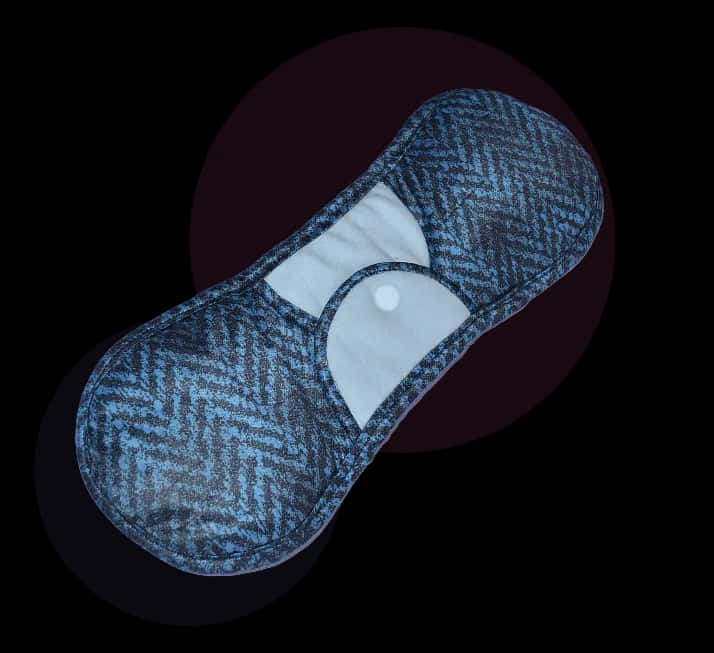
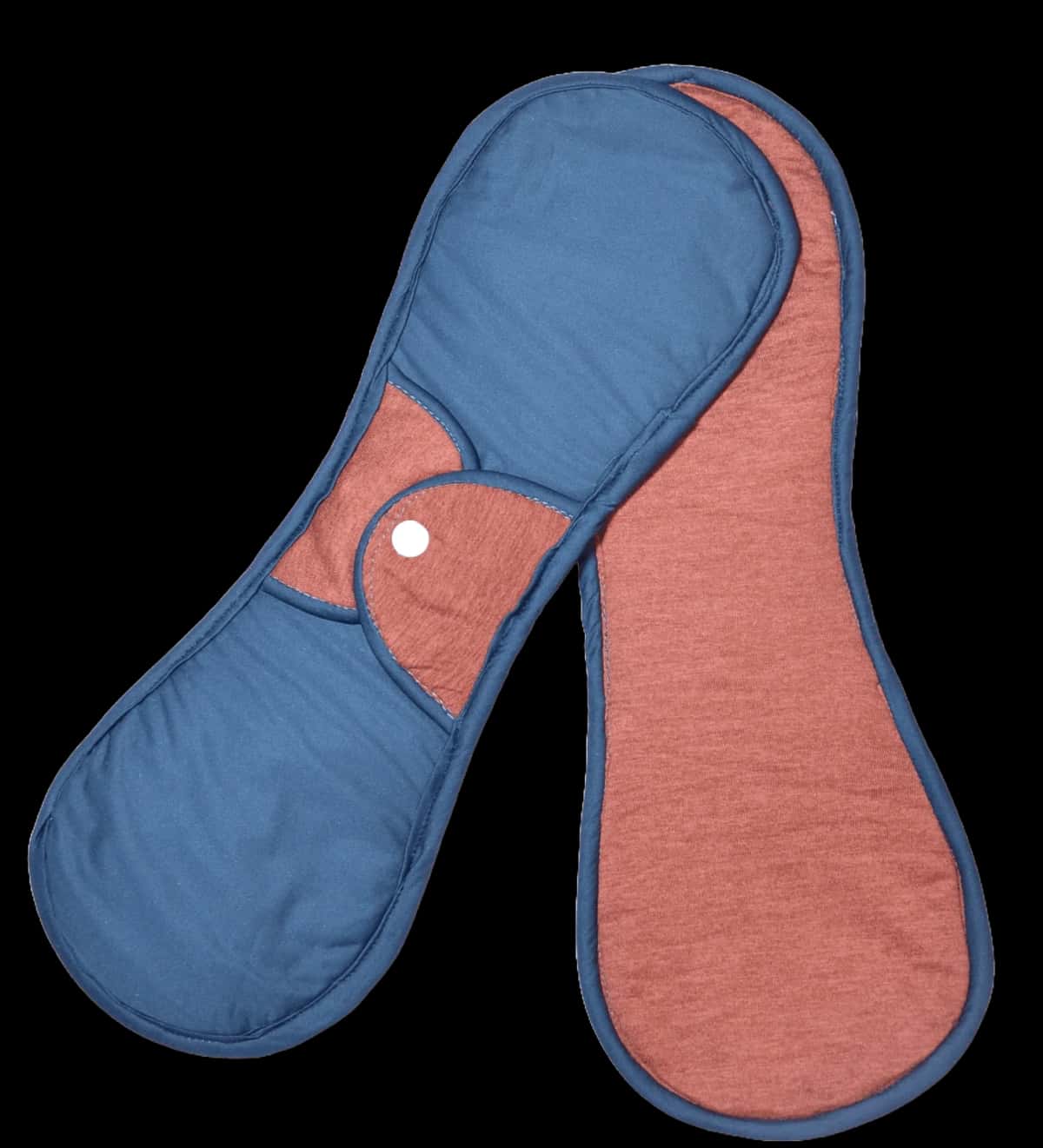
Our pads wey you fit wash

Break Di Cycle: Solutions Wey Dey Work
To face period poverty, we need different approach wey go handle money, infrastructure, and culture wahala at di same time. No one solution fit solve di problem alone, but some strategies dey show good result all over Nigeria.
Make Period Products Cheap
Di most direct solution to period poverty na to make period products cheap for every Nigerian woman. Dis mean to reduce cost and increase income, but new product ideas na di fastest way to get result. Pad wey you fit wash use again dey change di money matter of period completely.
Look di calculation. Pad wey you go throw away dey cost ₦6,000-₦12,000 every year. One set of pad wey you fit wash use again dey cost ₦3,000-₦5,000 but e dey last 2-3 years if you take care of am well. For three years, woman go spend ₦18,000-₦36,000 on pad wey you go throw away, but ₦3,000-₦5,000 on pad wey you fit wash use again. Dat na savings of 60-75%, money wey go stay for family budget for food, school fees, and other things wey dem need.
Di savings matter pass for di poorest families, exactly di ones wey period poverty dey hit pass. When NGO share pad wey you fit wash use again give girls for Borno State, those families dey save money for three years. When mama for Port Harcourt buy reusable pad for her daughters, she go get money free for other needs. Di total effect of cheap period products dey spread reach di whole community.
Apart from reusable pad, some pipo dey push make government remove tax on period products or share dem free for schools and health centres. Even though dis approach dey help, e need government commitment and money wey no go stop. New products dey give solution wey women fit get today without waiting for policy to change.
Build Infrastructure and Access
Products alone no fit solve period poverty if girls no get place to use dem safe. Nigeria need investment for WASH infrastructure quick quick, especially for schools. Dis mean toilet with door wey dey lock, running water to wash hand, and dustbin to throw away. Di infrastructure no need to be big thing, just make e work and get privacy.
Some Nigerian states don start school WASH programmes, and di result no be di same. Di approach wey work pass na di one wey involve communities for planning and maintenance, instead of to just build facilities wey go spoil inside few months. When schools for Ekiti State include female teachers and older girls to design period hygiene facilities, di use and satisfaction increase well well. Women sabi wetin women need.
Apart from schools, workplaces need di same attention. Government offices, markets, and business areas all need toilet wey clean, private, and easy to reach, where women fit manage dia period. Some shopping centres for Lagos now get special rooms for period hygiene with changing table, dustbin, and place to wash. Pipo fit copy dese models all over Nigeria, so women wey dey see period fit move around public places easy.
To improve infrastructure no always need big money. Simple things like to put lock for school toilet, to provide water tank where pipe water no dey reliable, and to put dustbin dey improve period hygiene well well. Di key na political will and money for maintenance wey no go stop.
Break Di Silence Through Education
Di silence wey culture put around period no go break by itself. Nigeria need full menstrual health education wey go reach girls before dem start dia period, boys wey go later become husbands and papas, and big pipo wey dey make policy and budget decisions. Dis education must respect culture but e must still correct for science.
Programmes wey succeed for Ogun and Kwara States show say when dem present menstrual education as health information and no be sexuality education, di resistance from religion and culture dey reduce. To teach girls about dia reproductive system, hygiene practice, and di products wey dey, no dey threaten culture values – e dey protect health and dignity. How you take present am matter well well.
Education must pass girls reach boys and men. When boys learn say period na normal thing for body, dem no go too laugh or stigmatise girls wey dey see period. When papas understand wetin dia daughters need, dem go plan money for am. Male teachers wey understand menstrual health fit support female students better. To break di silence need everybody, no be only those wey dey see period.
Approaches wey start from community dey work well for Nigeria culture. When community leaders wey pipo respect, religious leaders, and traditional rulers support menstrual health education, acceptance dey increase well well. Some NGOs dey train community health workers and traditional birth attendants to teach about period, and dem dey use di trust wey don already dey to spread correct information.
Wetin Go Happen When We Solve Period Poverty
When pipo face period poverty well, di benefit dey pass period management far. Whole communities dey see better change for health, education, and money.
Power Through Education and Money
Schools wey dey provide period products and correct facilities dey see quick improvement for girls attendance. Studies from Nigerian school programmes report say attendance increase by 15-20% for girls wey dey miss school before during dia period. Dis one mean better school result, more girls wey finish school, and better future opportunities.
Di money benefit pass individual girls reach national development. When girls finish secondary school, dem dey earn more for dia whole life, dem dey marry later, dem dey get fewer pikin, and dem dey invest more for dia own pikin education. Dese results dey add to economic growth and reduce poverty for big level. To solve period poverty na development policy, no be only health matter.
Big women wey get cheap period products report say dem dey work better and make more money. Market women for Aba wey change to reusable pad talk say dem dey work 4-5 more days every month, and dia earnings increase direct. When you multiply am for millions of Nigerian women, di money effect big well well. Period poverty no be only women matter – na money matter wey dey affect Nigeria development direction.
Better Health and Wellbeing
Correct period hygiene dey reduce infection well well. Health facilities for communities where NGOs don share reusable pad report say bacterial vaginosis, urinary tract infection, and reproductive health complaints don reduce. Prevention always cheap pass treatment, for families and for di health system.
Apart from body health, to face period poverty dey improve mental health and self-esteem. Girls wey fit manage dia period with confidence dey join school, sports, and social activities well. Women wey no dey fear leak dey feel free for work and community life. Di freedom for mind wey come from managing period with dignity big pass wetin mouth fit talk.
Health workers for Kaduna report say when women get menstrual health education together with products, dem dey take reproductive health more serious generally. Dem dey go antenatal clinic early, dem dey find family planning services quick, and dem dey report gynaecological problems sooner. To face period poverty dey open door to better health for many other areas.
Benefit for Society and Environment
To solve period poverty dey make communities strong because women fit join social life fully. When women fit go church, mosque, weddings, and community meetings no matter dia period, di community dey hold together better. Pipo dey hear women voice more for decision-making because dem no dey miss meetings because of period wahala.
Reusable period products also get big benefit for environment for Nigeria. Nigerian cities dey struggle with waste management, and pad wey you go throw away dey add plenty to dump site waste and pollution. Woman wey dey use pad wey you go throw away dey produce about 125-150 used pads every year. Multiply am by millions of Nigerian women, and you go see how big di waste problem be.
Reusable pads dey remove dis waste completely. You fit wash dem use again for years, and later dem go rot by demself naturally if dem make am from cotton and plant materials. For country wey dey struggle with waste management, to reduce period waste dey bring real relief for environment. Di solution to period poverty fit also solve environment wahala at di same time.
Answer to Common Worries About Period Poverty Solutions
Even when pipo understand period poverty, dem dey often get questions and worries about di solutions. To answer dem honestly dey build trust and dey help make programmes better.
"Women No Fit Just Use Cloth Like Dia Grandmamas?"
Dis question dey come up well well, especially from older Nigerians wey remember di time wey period products wey dem dey sell no dey. Di short answer be say women dey use cloth – and dem dey suffer serious health wahala because of am. Di long answer be say no be all cloth solution be di same.
Di cloth wey women for before dey use na normally clean cotton wey dem dey boil between use and dry for direct sun. Sunlight dey kill germs naturally, and boiling dey kill bacteria. But many Nigerian houses today no get reliable water to boil and no get private place to dry period cloth. For compound wey many generations dey live together, women no get place to dry period cloth quietly, so dem dey dry am for dark corner where bacteria dey grow well.
Again, di cloth wey dey today na often synthetic and no be cotton. Old clothes wey dem cut make pad get polyester, nylon, and mixed fabric wey no dey soak well, wey dey hold wetness for skin, and wey dey keep bacteria. Di cloth itself no safe by itself – quality, how you wash am, and how you dry am, all matter well well.
Modern reusable sanitary pads take di cloth idea and make am better well well. Dem dey use cotton wey dem design to soak well and to dey good for skin. Dem get layer wey no dey leak, wey old cloth no get. Dem get shape and stitch wey make dem stay for place. You fit wash dem easy without boiling and dem dey dry quick even without direct sun. Reusable pads dey respect di old way of managing while dem add di modern knowledge of hygiene and health.
"Period Poverty No Be Just Marketing Plan?"
Some pipo wey no believe dey talk say na companies wey wan sell products make up period poverty. Dis kind doubt make sense for Nigeria, where many “awareness campaigns” na advert wey dem hide small. But to dismiss period poverty as marketing dey ignore plenty evidence of real suffering.
Di research on period poverty dey come from universities, international development organisations, and public health researchers, no be pad makers. Studies dey write down school absence, health wahala, and money loss with strict method. Di girls wey dey miss school for Kaduna na real. Di infection wey dem dey treat for Lagos hospitals na real. Di women wey no fit buy products month after month na real.
Again, di best solutions to period poverty – reusable pad wey dem make locally – dey threaten big international companies wey dey make pad wey you go throw away, dem no dey help dem. If period poverty awareness na just marketing, those companies go fight reusable solutions. Instead, we dey see NGOs, local makers, and community organisations wey dey push for cheap reusable options exactly because dem dey solve real crisis.
Even so, to dey watch out for marketing wey dey cheat pipo dey good. Di solution na to support organisations wey dey open, wey get mission, wey put impact before profit, wey dey publish dia results open, and wey dey involve communities for programme design. Period poverty na real, and to face am true need honesty from everybody wey dey involve.
"Why Dis Go Be Priority When Nigeria Get Bigger Problems?"
Dis worry show di reality say Nigeria dey face plenty urgent wahala: poverty, insecurity, health crisis, no work, infrastructure wey don collapse. With small resources, why we go focus on period poverty? Di answer be say period poverty dey touch and dey make almost every other wahala wey Nigeria dey face worse.
Period poverty dey keep education inequality, wey dey drive unemployment and poverty. E dey increase health cost through infection wey person fit prevent. E dey reduce women economic productivity, wey dey limit GDP growth. E dey strengthen inequality between men and women wey dey hold national development back. To face period poverty no dey separate from solving Nigeria bigger problems – e important to solve dem.
Also, period poverty solutions no cost much at all for di result wey dem bring. To give reusable pad to one schoolgirl dey cost ₦3,000-₦5,000 and e dey affect her education for 2-3 years. Dat na very good return on investment compared to many development programmes. Small investment for menstrual health dey bring big benefit for education, health, and money.
Finally, di argument say menstrual health no important like other issues dey often show di gender bias wey cause period poverty from di beginning. Issues wey mainly affect women dey always go back as “soft” matter, while issues wey affect men dey get treatment as urgent crisis. Nigeria no fit develop if e leave half of im population behind. Period poverty matter because women health and dignity matter.
Why Sana Pads Get Real Solutions for Nigerian Women
When you understand period poverty, you go see clear why reusable pads wey dem make for Nigeria, wey cheap and get high quality, important to end dis crisis for Nigeria. Dem start Sana Pads specially to face period poverty with solutions wey go last and wey fit our culture, wey pipo wey understand Nigerian reality make for Nigerian women.
Since e start, Sana Pads don support over 10,000 women directly and don share more than 30,000 pads all over Nigeria. Dese no be just products – dem mean school days wey girls collect back, infection wey we prevent, dignity wey come back, and money wey dem save. Every pad dey face period poverty from di root: di money burden of period and di lack of access to quality products.
Dem design Sana Pads specially for Nigeria weather and condition. Di materials fit handle heavy humidity and plenty washing with different kinds of water. Di layers wey no dey leak dey protect against heavy flow during Nigeria hot months when drinking more water dey increase period flow. Di simple design make am possible to wash without strong detergent wey many families no fit buy. Dese pads dey work for Nigeria reality, no be for perfect condition wey dey only for book.
Di products dey for different needs at prices wey pipo fit reach. No Wahala Pads with 1 layer wey no dey leak and 1 layer wey dey soak dey good for light flow days and for young girls wey just start dia period. Premium Pads with 1 layer wey no dey leak and 3 layers wey dey soak dey handle normal flow for most women. Maxi Pads with 1 layer wey no dey leak and 5 layers wey dey soak dey give security for heavy flow days and for night. Every Nigerian woman fit find wetin work for her body and her pocket, with prices wey normally dey 60-75% lower over time than to buy pad wey you go throw away every month.
Apart from products, Sana Pads commit to menstrual health education, community awareness, and change for di whole system. Di mission na to end period poverty, no be only to sell pads. Dis mean to work with schools, NGOs, and community organisations so women go get no be only products but also knowledge, support for infrastructure, and dignity. Real solution need commitment wey pass buying and selling.
Take Action Against Period Poverty
To understand period poverty important, but understanding alone no dey change anything. To end dis crisis need action from individuals, families, organisations, and communities all over Nigeria.
For Each Person and Families
If you be woman wey period poverty dey affect, make you sabi say cheap solutions dey. Reusable pads na one-time investment wey go serve you for years. Di Starter Kit with 3 Premium Pads and one pouch to keep dem dey give you enough pads to manage your whole cycle if you dey rotate dem well. Three pads mean say one dey for body, one dey dry, and one dey ready – cycle wey fit continue and wey go break di hold wey period poverty get on your budget.
For mamas, to invest for reusable pads for your daughters na to invest for dia education and future. Di money wey you save for dia school years fit go to school fees, books, or transport. Wetin pass dat one, you dey give your daughters di power to go school every single day, to compete equal with boys wey no dey ever lose school time because of body.
Men fit face period poverty by breaking di silence for dia families. Papas wey dey plan money for dia daughters period needs dey show respect and dignity. Brothers wey understand period dey support dia sisters instead to laugh dem. Husbands wey make sure say dia wives get period products dey show say dem be partner for family health. Period poverty go end when whole families see period as normal health matter wey deserve place for budget.
For Organisations and Community Leaders
Schools fit face period poverty if dem provide emergency period supplies, improve WASH facilities, and teach menstrual health education. Di investment small compared to di education benefit of keeping girls for school every time. Teachers wey get training for menstrual health fit see girls wey dey struggle and connect dem with help before dem fall behind or drop out.
NGOs and community organisations fit partner with Sana Pads for bulk distribution wey go face period poverty for big level. Schools, NGOs and other organisations fit order any quantity at di same fixed price for each pack. Distribution programmes dey work best when dem join am with education sessions wey dey teach girls and women how to use am well, how to wash am, and menstrual health information. Products plus knowledge na impact wey go last.
Religious organisations get big power to break di silence about period and still respect culture values. Churches and mosques wey dey talk about menstrual health as basic hygiene, no be sexuality education, fit reach communities wey other organisations no fit reach. When imams and pastors talk say to manage period well na part of caring for God creation, stigma dey reduce and solutions dey spread.
Health workers fit check for period poverty during normal visits and connect women with help. Few minutes to talk about period management during antenatal visits, family planning consultations, or general checkups fit show women wey dey suffer quietly. Partnership between health facilities and organisations wey dey face period poverty dey create referral road wey dey turn discovery to action.
Make We Move Forward Together
Period poverty for Nigeria no be something wey must happen. E no be natural result of small resources or culture tradition. Na crisis wey we fit solve, wey dey continue mainly because of silence, stigma, and system wey no care. Every woman wey get access to cheap period products na progress. Every girl wey stay for school during her period na victory. Every community wey dey talk about period open dey break di chain of shame wey don tie generations.
Di solutions dey today. Reusable sanitary pads dey make period cheap even for di poorest families for Nigeria. Menstrual health education dey give women and girls knowledge to manage dia body with confidence. Better infrastructure dey create places where women fit manage period with dignity. Policy change fit make dese solutions move fast, but dem no need wait for government. Communities fit start to face period poverty now now with di tools and resources wey dey.
To end period poverty for Nigeria go need effort wey no go stop from everybody – individuals, families, communities, organisations, governments, and businesses wey dey work together for di same goal. E go need make we put women health and dignity for centre of national development, no be for side. E go need resources, political will, and change for culture. But di most important, e need make we break di silence wey dey make millions of Nigerian women suffer without anybody to see dem or support dem.
Period poverty still be one of di Nigeria crises wey easy pass to solve. Di road clear: make period products cheap and easy to find, build infrastructure wey support period hygiene, break di culture silence through education, and treat women dignity as something wey nobody fit negotiate. When Nigeria commit to end period poverty, millions of women and girls go dey free to go school, make money, and join society fully. Dat one no be only good for women – e important for Nigeria future. For more full information and ways to join hand, visit our main resource page onperiod poverty for Nigeria to see how together we fit bring change wey go last.
Continue to read for Period Poverty for Nigeria
Questions wey pipo dey ask well well
Why I go choose Sana Pads instead of normal pad wey you go throw away?
Dem make Sana Pads from high-quality materials wey you fit use again, so dem be alternative wey dey last and wey good for environment instead of sanitary products wey you go throw away. Dem soft for your skin, dem dey soak well well, and dem dey save money for long run. When you choose Sana Pads, you dey help reduce plastic waste while you dey enjoy comfort and reliability for your whole cycle.
How long I fit use one Sana Pad before I need to wash am?
One Sana Pad dey give you comfort and protection for 4 to 8 hours, depending on your flow. To stay fresh, change am every 4 to 6 hours - more often for heavy days. After every use, rinse am for cold water and wash am with soap. If you take care of am well, each pad go last 2 to 3 years.
Sana Pads safe for skin wey dey sensitive?
Yes, dem make Sana Pads from materials wey soft, wey air dey pass, and wey no dey cause allergy (hypoallergenic), so dem gentle for your skin. Dem no get harmful chemicals and toxins wey dey common for pad wey you go throw away, so dem be correct choice for pipo wey get sensitive skin or allergy.
How I go take wash and care for my Sana Pads?
Rinse your pad for cold water immediately - hot water dey make blood stain stay. Den wash am with mild soap, with hand or for machine, and rinse am until di water come out clear. Dry am finish for direct sun, wey also dey kill germs. Abeg no use tumble dryer, bleach and fabric softener: dem dey spoil di layers wey dey soak. If you care for am like dis, one Sana Pad go last 2 to 3 years.
Price dey change for bigger orders?
No. Each product get fixed price for each pack, no matter how many packs you order. You fit calculate your total with our price calculator. For big orders, send us direct message and we go confirm di delivery cost with you before you pay.
Testimonials
See wetin our customers dey talk about our products.
Women for all over di world dey buy Sana

“For first, e dey irritate me to use washable sanitary pad. I decide to try am, and to my greatest surprise, e comfortable well-well and e easy to wash. You fit even do your daily things without fear say blood go stain you for public. I wan give Big shout out to SANA PADS!!”

“I dey really love Sana reusable pads! Dem dey make me relax and feel free for my period time. Plus, dem don reduce the cost and stress of buying disposable pads every month well-well. Kudos to Sana for making dis kind correct product – I go be fan forever!”
“Sana Pad good well-well, e dey make you comfortable and free. I love the pads, na the best ever!”

“I don try different brands of reusable pad, but Sana stand out for the quality, the comfort and how e dey last. Dem design am with sense, and the material dey gentle for my skin. As I change to Sana, e don reduce how I dey spoil environment and e don also save me money for long run. I dey grateful for dis solution wey go last!”

“To dey buy disposable pads every month dey add up well-well, so I talk say make I try Sana Pads. E surprise me how soft dem be, and dem dey work well for long days for university. To wash dem simple, and e don reach months wey I never buy new pad, so e don save me money. I also like say dem dey better for environment. E sweet me say I get option wey cheap and wey better for environment.”

“I don try different pad brands for years, but Sana pads really stand out. From the first time I use am, I see the difference — e soft for skin, e dey soak well-well, and e comfortable die. Even for my heaviest flow days, Sana pads dey hold well. Wetin I also love na how the material dey allow air pass and e good for skin. If you dey find pad wey get comfort, wey you fit trust, and wey get quality, I really recommend make you try Sana pads.”
Time to join hand
Contact Us
Margaret Ochegbudu
Business Manager