Wetin Dey Cause Period Poverty for Nigeria: How to Break Di Barriers to Period Health
Where pipo don see us







 Margaret Ochegbudu don check am · Update 19 min to read
Period poverty for Nigeria dey affect about 37 million women and girls. Di main things wey dey cause am na di money for disposable pad every month when house income small, schools and houses wey no get water or toilet wey dey lock, silence and shame wey dey stop girls from asking for help, and no correct arrangement to throw away used product.
Understand Period Poverty for Nigeria: Wetin Dey Really Happen
Period poverty mean say person no get access to period product, education, toilet and water, or waste management wey she need to manage period safely and with dignity. For Nigeria, dis crisis dey affect about 37 million women and girls wey dey see period wey no fit afford or find basic period supplies.
Wetin You Need Sabi:
- Disposable pad wey company make dey cost ₦150-₦400 each, wey total ₦900-₦2,400 every month, when minimum wage na just ₦30,000.
- Almost 60% of Nigerian girls dey miss up to five school days every month because dem no get period product and correct facilities.
- Only 32% of public schools for Nigeria get toilet wey dey work, wey separate boys and girls, with water for period hygiene.
- Period poverty dey push girls to use dirty things like newspaper, leaves and old rag, wey fit cause serious infection.
- Di silence for culture about period dey stop mamas, teachers and community leaders from talking openly about period health needs.
- Economy wahala and inflation don make imported disposable product dey too cost for average Nigerian families.
- Option wey go last like pad wey you fit wash dey cost 70-85% less for one year compared to buying disposable every month.
Make we look exactly wetin dey cause dis crisis and why e still dey from Lagos for town to Kano for village and everywhere between.
Hauwa, 15-year-old secondary school student for Kaduna, dey stop to go class five days every month. Her mama dey sell vegetable for local market, and wetin she dey make just reach to feed their family of six. When Hauwa see her first period two years ago, her senior sister show her how to fold old cloth and hold am with safety pin. But di cloth dey shift for class, and last year, blood stain her uniform during mathematics. Di boys laugh. Di girls dey whisper. Since dat time, Hauwa dey stay house during her period, and she dey miss almost 60 school days every year. Her story no be only her own. All over Nigeria, millions of women and girls dey face choice wey no make sense: to buy food or to manage their period with dignity. Dis na period poverty, and to understand why e dey na di first step to end am.
Di Root Causes: Why Period Poverty Dey for Nigeria
Period poverty no get only one cause. E be complex problem wey get root for money, infrastructure, culture and gaps for government policy. When we understand how all dis things join together, we fit handle dem with plan, instead of temporary patch wey no go last.
Money Wahala: When Period Become Luxury
Di average Nigerian woman need 8-12 disposable pads every cycle, wey dey cost ₦1,200-₦4,800 every month. For families wey dey live on less than ₦50,000 every month, dis one na 2-10% of wetin di house dey earn. Dat na big part when e dey compete with rent, school fees, transport and food.
Think of one mama wey get three daughters for Port Harcourt. If all three dey see period, she need ₦3,600-₦14,400 every month only for period product. Dat one pass wetin plenty families dey spend for protein food for di whole month. When pipo face dis reality, period product go turn luxury wey dem no go put first. Women and girls go manage with any material wey dem see, and many times na their health and dignity dey suffer am.
Di situation worse when naira value fall and inflation come. Product wey cost ₦100 five years ago now dey cost ₦300 or more. Salary no follow. Price of disposable pad wey depend on import dey go up and down with dollar rate, so e dey almost impossible for families wey money don already tight to plan budget. When money pressure increase, period product dey among di first things wey dem go cut.
Infrastructure Gap: Di WASH Crisis
Even when women fit afford product, to use am safely need basic infrastructure wey millions of Nigerians no get. Water, toilet and hygiene (WASH) facilities no good across di country, especially for village and poor areas for town.
Research show say only 47% of Nigerians get basic place to wash hand with soap and water. For schools, e worse. One 2023 UNICEF assessment find say 68% of public schools for northern Nigeria no get toilet wey dey work, and among di ones wey get toilet, only half get water. Girls no fit change period material without privacy, running water and soap. Dem no fit wash cloth wey dem dey use again or throw product away safely. During their period, plenty girls just stop to go school because di facilities to manage period with dignity no dey.
For towns like Lagos and Abuja, infrastructure better but e still no reach. Plenty public places, markets and motor parks no get women toilet at all. Water wey no dey run all di time, wey common even for cities, mean say women no fit dey sure say dem go fit clean themselves or wash material wey dem dey use again. Di infrastructure foundation wey basic period hygiene need just no dey for millions of Nigerian women and girls.
Silence and Shame for Culture: When We No Dey Talk About Period
Maybe di cause wey spread pass for period poverty na di silence for culture about period. For plenty Nigerian communities, pipo dey see period as shame, dirty thing, or matter wey too private to talk openly. Mamas dey whisper instruction give their daughters. Schools dey skip reproductive health lesson. Religious and community leaders no dey touch di matter at all.
Dis silence dey cause serious damage. Girls dey reach their first period (menarche) without preparation, and sometimes dem dey think say dem dey die or dem get serious sickness when dem see blood for di first time. Without correct education, dem no understand say period na normal thing for body wey need specific hygiene practice. Dem dey learn to hide their period instead of to manage am well.
For conservative communities across northern Nigeria, to talk about period with man for family or male teacher no dey proper. Dis one mean say fathers, uncles and male school administrators no know di wahala wey girls dey face. Without their understanding and support, nobody dey put money for period health. Nobody dey make policy. Nobody dey build facilities. Di silence dey continue di crisis, from generation to generation, and e dey hide period poverty from pipo wey get power to change di system.
How Dis Causes Dey Bring Wahala Every Day
When we understand di root causes, e go help us see how dem dey join together to put Nigerian women and girls for situation wey no get way out. Di problems wey be like idea go turn real barrier wey dey affect real lives every single day.
School Wahala: Missing Class, Missing Future
When Blessing for Enugu see her period, she dey face choice. She fit go school and risk shame if blood pass through di old cloth wey she dey use, or she fit stay house and fall behind for her studies. Most months, she dey stay house. To miss five days every month mean to miss 60 days every year – dat na three full months of education wey she dey lose every year.
Teachers dey continue lesson without her. She dey come back confused, behind her mates, and she no fit catch up before di next period come. Her grades dey fall. She dey lose confidence. At di end, plenty girls for her situation dey drop out completely. Research from African Population and Health Research Center show say period poverty dey contribute to up to 20% of secondary school dropout among Nigerian girls. Di girls wey get potential to become doctors, engineers, teachers and leaders no dey ever get dat chance because dem no fit manage their period for school.
Di school impact pass only di girl. When girls drop out, communities dey lose wetin dem for contribute. Economic development dey slow. Poverty dey pass from generation to generation. Di whole nation dey pay di price because we fail to handle something wey basic like access to period product.
Health Risk: When Alternative Turn Danger
Because dem no fit afford company product, women and girls dey manage with any material wey dey. For village for Borno, girls dey use dry leaves or corn husk. For Lagos slums, dem dey fold newspaper or cardboard. For Kano markets, traders dey use rag wey dem tear from old cloth. Dem no design dis materials to soak period blood, and dem get serious health risk.
Material wey no clean dey carry bacteria enter vagina, and e dey cause infection wey fit start from discomfort reach di one wey fit kill person. Infection for reproductive tract fit lead to pelvic inflammatory disease, wey dey cause pain wey no dey go and fit make woman no fit get belle (infertility). Toxic shock syndrome, even though e rare, fit happen when material stay for one place too long without change. Women dey suffer for silence, and many times dem no fit reach or pay for medical treatment when infection start.
Di health wahala dey create cycle wey no dey end. Infection dey cause pain and discomfort, and e dey make am hard to work or go school. Medical treatment cost money wey families no get. Infection wey no dey go fit lead to long-term reproductive health problem wey go affect whether woman fit get healthy pregnancy later for life. Wetin start as money problem don turn serious public health crisis wey dey affect millions of Nigerian women through all di years wey dem dey see period.
Impact for Mind and Social Life: Shame, Loneliness and Lost Chances
Period poverty no dey affect only body health and education. E dey affect mind health, self-esteem and how person dey join social life well well. Women and girls wey dey live with period poverty dey talk about worry wey no dey stop during period. Dem dey worry about leak, about smell, about pipo wey fit find out say dem dey see period. Dis worry dey affect concentration, work and how dem dey feel inside.
To dey alone common. Girls dey avoid sports, social gathering, church or mosque service and family celebration during their period. Working women dey miss days for market, farm or office, and dem dey lose income wey dem need well well. Some women talk say dem dey feel “like say dem no be human” during period, like say their body betray dem by creating need wey dem no fit meet.
Di shame dey worse for teenage girls wey dey find their place among their mates and dey grow their identity. When you no fit afford period product, e dey feel like say na your own failure, even though na problem for di system wey pass your control cause am. Plenty girls dey carry di shame for inside, dem dey believe say something dey wrong with dem, instead of to see di injustice of system wey dey treat period like luxury instead of basic health need.
Our pads wey you fit wash

Di Bigger Impact: Why Dis Crisis Dey Affect Everybody
Period poverty fit look like problem for only one person, but di effect dey spread reach families, communities and di whole Nigerian economy. When we understand dis bigger impact, e go show why to handle period poverty suppose be national priority.
Money Consequence: Lost Work and Lost Potential
When women and girls no fit join education and work fully because of period poverty, di whole economy dey suffer. Di World Bank estimate say bad period health management dey cost economies for sub-Saharan Africa up to 1.2% of GDP every year through lost work and lost education chances.
For Nigeria, dis one mean billions of naira of economic potential wey we dey lose. Girls wey drop out of school because of period poverty dey earn less for their whole life, dem dey pay less tax, and dem dey contribute less to economic development. Women wey dey miss work days because of bad period management dey lose income and chance to grow. Market women for Onitsha, farmers for Sokoto, teachers for Calabar – for every sector, period poverty dey reduce work and income.
Di money impact reach health cost too. Infection wey come from dirty period material need medical treatment. Complication fit lead to hospital admission. Women wey dey find treatment for reproductive health problem dey add load to health system wey don already carry too much. To prevent am by making sure say women get safe period product wey dem fit afford go cost far less than to treat di result of period poverty.
Gender Inequality: How Period Poverty Dey Make Disadvantage Worse
Period poverty na both cause and result of gender inequality. E dey because pipo no dey put women health needs first for policy, budget and public talk. E still dey because women voice no plenty for di places where dem dey decide how to share resources.
For di same time, period poverty dey make gender inequality worse because e dey limit women chances. Girls wey dey miss school dey fall behind boys for book. Women wey no fit work during period dey earn less than their male colleagues. Period na normal body thing, but e dey turn social and money disadvantage only because society no dey give enough support.
To break dis cycle, we must see period poverty as gender equality matter, no be only health matter. When girls get equal access to education without period barrier, dem dey get skill and knowledge wey dey challenge old gender roles. When women fit work steady no matter their period, dem dey get money independence and power to decide for house and community. To handle period poverty dey push gender equality forward for every side of Nigerian society.
Environment and Public Health Worry
Di materials wey women dey use when dem no fit afford company product dey cause environment and sanitation problem. Used cloth, leaves and other things wey dem manage dey always end up for wrong place because facilities no dey and because of di shame wey dey around period. Dis one dey cause sanitation danger, especially for communities wey no get correct waste management system.
Even company disposable product, when pipo use dem, dey add to environment problem. One woman dey use about 11,000 disposable pads for her lifetime, and dis one dey create plenty plastic waste wey dey end up for dumpsite, water and streets across Nigerian cities. For country wey don already dey struggle with waste management, di environment load of disposable period product dey add to pollution and health danger.
Solution wey go last wey dey handle period poverty dey also handle dis environment worry. Period product wey you fit use again dey reduce waste and still dey cheap. But dis solution need infrastructure – especially water – wey plenty Nigerian communities no get. Di period poverty crisis and environment wahala join together, so dem need solution wey go handle both for di same time.
Wrong Things Wey Pipo Dey Believe About Period Poverty for Nigeria
To understand wetin dey cause period poverty also mean to correct wrong beliefs wey dey stop solution wey go work. Dis wrong beliefs dey spread well well, even among good pipo wey dey try help.
"Women Just Suppose Plan Their Money Better"
Dis wrong belief dey put di responsibility for each woman head instead of to accept say na system problem. Di truth be say plenty Nigerian families don already dey sacrifice well well and dey plan their money carefully. When you dey choose between food and school fees, between medicine and transport, to add period product to calculation wey no fit balance no go work.
To talk say make dem plan money better dey ignore di calculation. Woman wey dey earn ₦25,000 every month wey dey spend ₦2,000 for period product dey put 8% of her income to manage something wey her body dey do naturally. Dat na load wey no fit continue, no matter how careful she plan. Di problem no be how one person dey manage money – na say period product price pass wetin millions of Nigerian women fit afford.
Plus, dis wrong belief dey ignore how things no dey steady for plenty Nigerian families. Income wey no dey steady, expense wey nobody expect and economy wahala mean say even careful budget dey scatter. When wahala land, pipo dey see period product as expense wey fit wait. Women no fit “budget” their way comot from poverty salary and economic system wey no dey count women health needs.
"To Share Free Disposable Pad Go Solve Di Problem"
Plenty programmes wey get good intention dey share free disposable pad give Nigerian girls and women. Even though dis programmes dey give small relief for short time, dem no dey handle di root causes of period poverty. When di free sharing stop, women go return to di same situation wey no get way out.
Free disposable pad programmes dey also make pipo depend on dem instead of solution wey go last. Dem need money wey no dey stop, supply wey dey steady and network to dey share all di time. For country where infrastructure and transport dey hard, dis programmes dey always reach only small number of women, mostly for town, and dem no dey run steady.
Plus, to share disposable pad no dey handle di silence for culture about period or di infrastructure gap wey dey make am hard to manage period. Girl wey collect free pad but dey go school wey no get water or toilet still no fit manage her period with dignity. Complete solution must handle access to product together with education, infrastructure, policy and change for culture.
"Period Poverty Dey Affect Only Village Women or Women Wey No Go School"
Period poverty dey cut across town and village, education level and social class. Even though poverty na big factor, even middle-class Nigerian families dey struggle with di money wey dem must spend every time for period product, especially when many pipo for di house dey see period.
For Lagos and Abuja, working women dey face period poverty when dem lose work, when medical emergency happen, or when economy shock scatter house money. University students dey juggle school fees, accommodation and living expenses, and many times dem dey cut period product budget so dem fit survive. Teachers, nurses and office workers – women wey go school, wey get work – sometimes dey choose between transport to work and to buy pad.
Di wrong belief say period poverty dey affect only some groups dey stop complete solution. When we think say only women for village, poor women or women wey no go school dey face dis wahala, we dey design programme wey no go reach everybody wey need am. We no go see period poverty as system problem wey need system solution wey go benefit all Nigerian women no matter their situation.
Why Sana Pads: Nigerian Solution for Period Poverty
Dem start Sana Pads specially to handle di root causes of period poverty for Nigeria. As Nigerian company wey dey make pad, we understand di money pressure, di culture and di infrastructure wahala wey dey cause dis crisis. Our approach pass just to give product – we dey work to change di systems wey dey make period poverty possible.
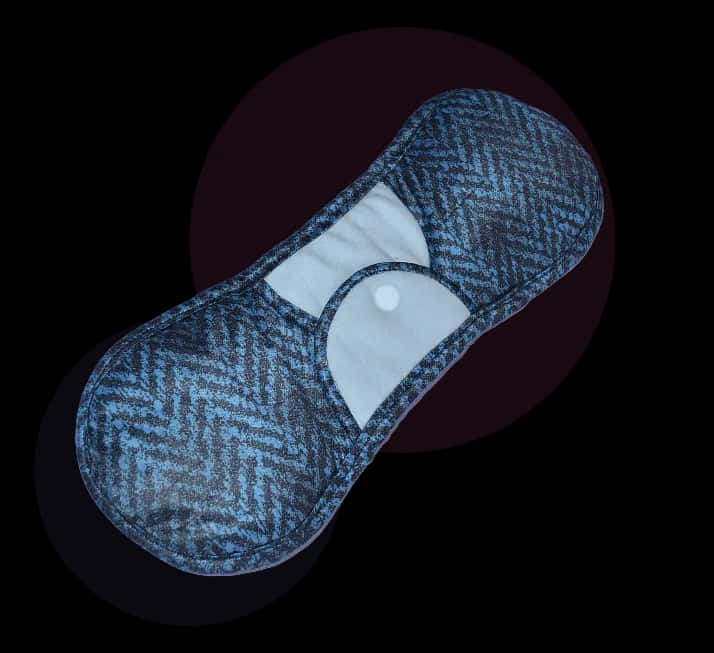
We design our pad wey you fit wash for Nigerian condition. Di hot, humid weather need material wey dey dry quick even without direct sun or steady light for fan. Because water no plenty, our pad must dey easy to clean with small water. Di way pipo like product wey no dey show for culture affect how we design am. Dis no be imported solution wey dem adjust for Nigeria – na Nigerian solution wey we create from di beginning with Nigerian women needs for mind.
Di money impact of pad wey you fit wash dey directly handle di cost barrier wey dey drive period poverty. Woman fit dey spend ₦1,500-₦3,000 every month for disposable product, but our pad wey you fit wash dey last 2-3 years. Dat na saving of 70-85% for di whole life of di product, and e dey make period management something wey families wey get tight budget fit afford. Women wey change to pad wey you fit wash dey use di money wey dem save for school fees, food, medicine and other important needs.
Apart from product, we commit to education and community work. We dey work with schools, NGOs and community organisations to give period health education together with product. We dey train teachers and health workers to talk openly about period, so di silence for culture wey dey keep period poverty go break. We dey partner with organisations wey dey work to improve WASH infrastructure for schools and communities. Till today, we don support pass 10,000 women directly and we don share pass 30,000 pads through partnership across Nigeria.
Take Action: Solution for Individuals and Organisations
When we understand di causes of period poverty, e dey show many places where solution fit start. Whether you be woman wey dey find option wey go last or organisation wey dey work to handle dis crisis for big level, practical way dey.
For Women and Families
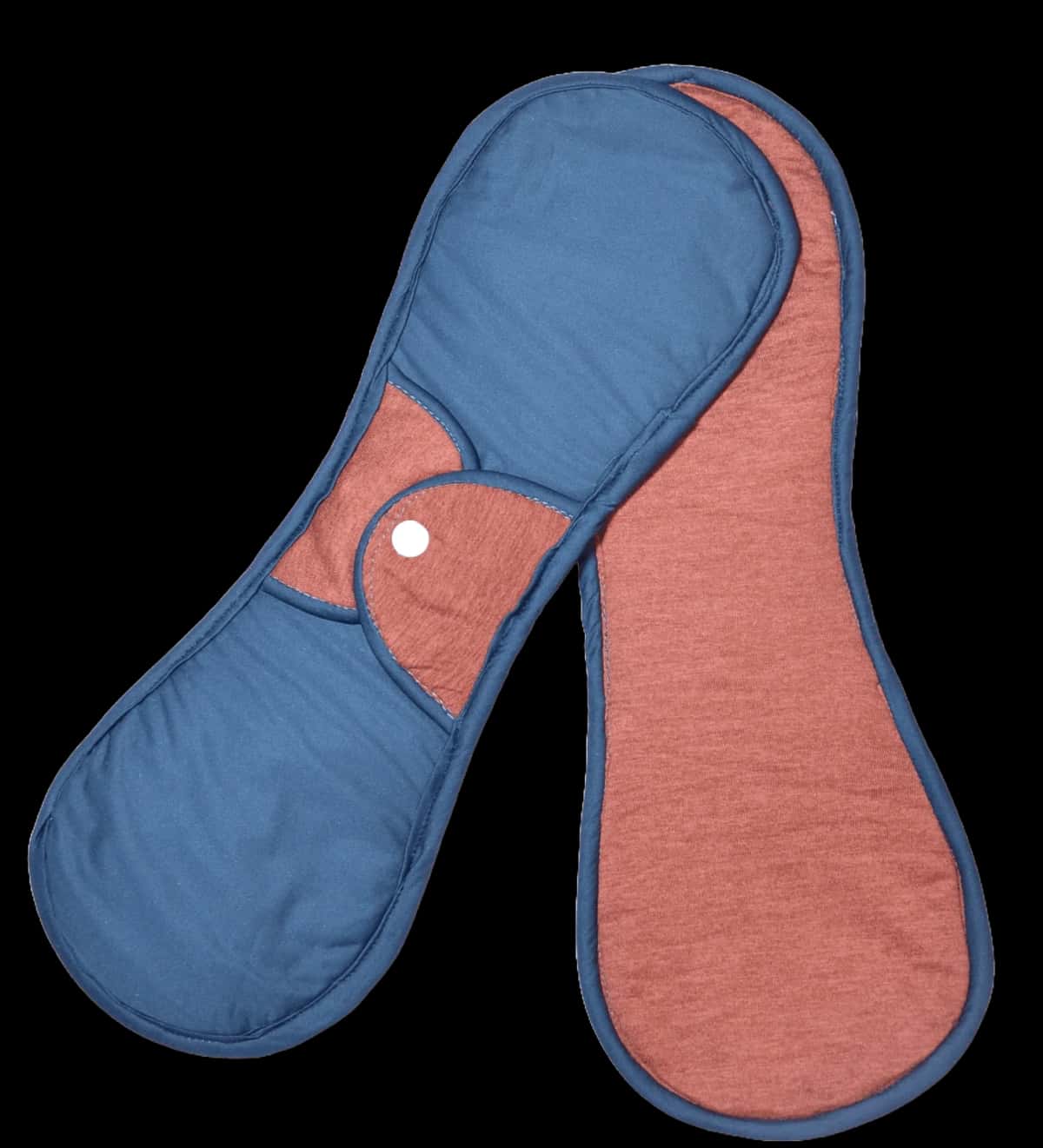
If you don tire to dey choose between period product and other important things, pad wey you fit wash na solution wey go last wey go break di cycle of money wey you dey spend every month. Our Starter Kit get three Premium Pads (with one layer wey no dey leak and three layers wey dey soak for normal flow) plus pouch to keep dem, so e get everything wey you need to start.
For days wey your flow light, our No Wahala Pads (one layer wey no dey leak and one layer wey dey soak) dey work well for di beginning and end of your cycle. For heavy flow, our Maxi Pads (one layer wey no dey leak and five layers wey dey soak) dey give confidence and protection. Most women see say if dem dey rotate 6-8 pads through their cycle, e go cover dem well, with extra ones to use while others dey dry after wash.
To change to pad wey you fit wash need small time to adjust, especially if you don use disposable all your life. Give yourself two or three cycles to get used to how to wash and care for di pads. Plenty women talk say after di first adjustment, dem prefer pad wey you fit wash because e comfortable pass, e no dey make plastic noise, and e dey remove di stress of when pad go finish or to dey buy more every month.
For Organisations, NGOs and Community Leaders
If you dey work with girls and women for Nigeria, to handle period poverty go make your other programmes get more impact. Schools no fit improve girls attendance and school result without handling period health. Health programmes no fit improve women wellbeing without making sure say dem fit see period safely. Programmes to empower women with money no fit succeed when women dey lose income during their period.
When you partner with Sana Pads, di pipo wey your programme dey help go get solution wey go last instead of small relief for short time. We fit adjust how we dey run am to fit your own situation, whether you dey work for schools, health centres, camps for pipo wey don run comot from their house but still dey inside di country (IDP camps), or community programmes.
Period poverty programme wey dey succeed dey join product with education and better infrastructure. Train teachers, health workers and community volunteers to give period health education. Talk to local government and school administrators make dem improve WASH facilities. Create support system where women and girls fit ask question and get help without shame. When you handle many causes for di same time, you go create change wey go last instead of temporary patch.
Make We Move Forward Together
Period poverty for Nigeria na di result of money, infrastructure, culture and policy failure wey join together and leave millions of women and girls without way to manage period safely and with dignity. Di causes na system causes, no be individual. Di solution must be for system too. When we understand say period poverty dey because of cost barrier wey disposable product wey depend on import cause, infrastructure gap wey leave schools without water and toilet, silence for culture wey stop open talk, and policy wey no put period health first, we fit design programme wey go handle di root causes instead of di signs.
Every Nigerian girl deserve to go school every day of di month. Every woman deserve to work, worship and join community life without stoppage or shame during period. Dis no be luxury or dream – na basic human rights wey period poverty dey deny 37 million Nigerian women and girls.
Solution wey go last and wey cheap dey right here for Nigeria. Whether you need product for yourself, your daughters or women for your community, Sana Pads dey give option wey we design specially for Nigerian needs and condition. Visit our website to see our range of pad wey you fit wash, learn more about period poverty for Nigeria, and join di movement to bring back dignity and chance to millions of Nigerian women and girls. Visit our main page on period poverty for Nigeria to see how together we fit create change wey go last.
Continue to read for Period Poverty for Nigeria
Questions wey pipo dey ask well well
Why I go choose Sana Pads instead of normal disposable pad?
Dem make Sana Pads with high-quality material wey you fit wash use again, so dem be option wey go last and wey good for environment instead of disposable sanitary product. Dem soft for your skin, dem dey soak well, and dem go save you money for long run. When you choose Sana Pads, you dey help reduce plastic waste and you go still enjoy comfort and pad wey you fit trust through your whole cycle.
How long I fit use Sana Pad before I go wash am?
Sana Pad dey give you comfort and protection for 4 to 8 hours, depending on your flow. To stay fresh, change am every 4 to 6 hours - more often for heavy days. After every use, rinse am for cold water and wash am with soap. If you care for am well, each pad go last 2 to 3 years.
Sana Pads safe for skin wey dey easily react?
Yes, dem make Sana Pads with soft material wey air fit pass and wey no dey cause allergy (hypoallergenic), so dem gentle for your skin. Dem no get di bad chemical and poison wey dey common for disposable pad, so dem be good choice for pipo wey get sensitive skin or allergy.
How I go clean and take care of my Sana Pads?
Rinse your pad for cold water immediately - hot water dey make blood stain stick. Then wash am with mild soap, with hand or for machine, and rinse until di water clear. Dry am finish for direct sun, because sun dey also kill germs. Abeg no use tumble dryer, bleach or fabric softener: dem dey spoil di layers wey dey soak. If you care for am like dis, Sana Pad go last 2 to 3 years.
Price dey change for bigger order?
No. Each product get fixed price per pack, no matter how many pack you order. You fit calculate your total with our price calculator. For big order, send us direct message and we go confirm di delivery cost with you before you pay.
Testimonials
See wetin our customers dey talk about our products.
Women for all over di world dey buy Sana

“I dey really love Sana reusable pads! Dem dey make me relax and feel free for my period time. Plus, dem don reduce the cost and stress of buying disposable pads every month well-well. Kudos to Sana for making dis kind correct product – I go be fan forever!”
“Sana Pad good well-well, e dey make you comfortable and free. I love the pads, na the best ever!”

“I don try different brands of reusable pad, but Sana stand out for the quality, the comfort and how e dey last. Dem design am with sense, and the material dey gentle for my skin. As I change to Sana, e don reduce how I dey spoil environment and e don also save me money for long run. I dey grateful for dis solution wey go last!”

“For first, e dey irritate me to use washable sanitary pad. I decide to try am, and to my greatest surprise, e comfortable well-well and e easy to wash. You fit even do your daily things without fear say blood go stain you for public. I wan give Big shout out to SANA PADS!!”

“To dey buy disposable pads every month dey add up well-well, so I talk say make I try Sana Pads. E surprise me how soft dem be, and dem dey work well for long days for university. To wash dem simple, and e don reach months wey I never buy new pad, so e don save me money. I also like say dem dey better for environment. E sweet me say I get option wey cheap and wey better for environment.”

“I don try different pad brands for years, but Sana pads really stand out. From the first time I use am, I see the difference — e soft for skin, e dey soak well-well, and e comfortable die. Even for my heaviest flow days, Sana pads dey hold well. Wetin I also love na how the material dey allow air pass and e good for skin. If you dey find pad wey get comfort, wey you fit trust, and wey get quality, I really recommend make you try Sana pads.”
Time to join hand
Contact Us
Margaret Ochegbudu
Business Manager