Period Poverty for Nigeria
Where pipo don see us







Overview
Period poverty for Nigeria pass matter of pad: e include access to correct information, WASH (water, sanitation and hygiene) facilities wey safe and private, and society way wey dey support pipo. Dis hub explain wetin period poverty mean, wetin dey cause am for different regions, and which solutions make sense for schools, workplaces, houses, NGOs and pipo wey dey make policy—and e dey connect di talk to practical options like pads wey you fit wash use again from Sana Pads.
Overview
- Wetin “period poverty” mean for Nigeria (products, facilities, information and stigma).
- Di kind statistics wey pipo dey use well well—and how to read dem with care, based on source, location and year.
- How period poverty fit affect how girls dey go school, dia confidence and how dem dey learn.
- How e dey affect workplaces and informal jobs (time off, productivity, privacy and how to throw pad away).
- Main causes: money to buy, how to find products, WASH gaps, education gaps and culture.
- Difference between regions and between town and village (including northern Nigeria and big cities like Lagos).
- Wetin policy fit do (tax, government buying, school standards, WASH investment, curriculum).
- How NGOs dey design programs wey go last (distribution + education + monitoring).
- Why “cost” no be only price tag (planning for your cycle, when you need replace, transport, storage).
- Practical solutions, including pads wey you fit wash use again wey Sana Pads dey make for Nigeria.
Guides for dis topic
Wetin be period poverty for Nigeria
Period poverty for Nigeria pass say person no get pad—e often include small access to private toilet, water and soap, safe way to throw pad away, and correct information about menstrual health. E fit affect students, workers and pipo for village communities in different ways, depending on infrastructure and society rules. Sana Pads explain how all dis things connect and wetin “menstrual health and hygiene management” mean for real life.
Read the guide: Wetin be period poverty for NigeriaPeriod poverty statistics for Nigeria
Statistics about period poverty fit include access to products, how girls dey miss school, if WASH dey available, how much pipo sabi, and restrictions wey come from stigma. Numbers fit different from study to study because di methods, age groups and locations no be di same (town vs. village, from state to state, pikin wey dey school vs. pikin wey no dey school). Dis guide explain which indicators matter pass, how to read dem with sense, and wetin to look for for sources wey you fit trust. Sana Pads also show how data fit help plan interventions wey target di right pipo.
Read the guide: Period poverty statistics for NigeriaHow period poverty dey affect girls education
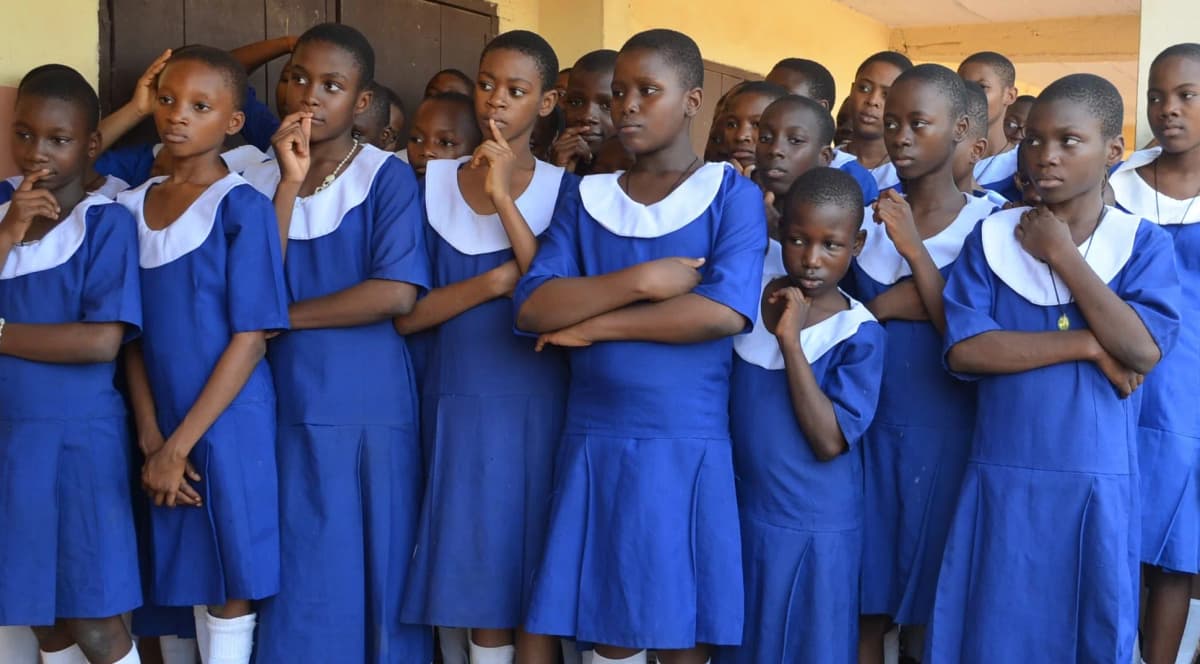
When girls no get menstrual products wey dem fit rely on, privacy, or place to throw pad away, dem fit miss class, comot school early, or find am hard to concentrate. Fear say e go leak, say pipo go laugh dem, or say dem no go fit change well fit hold dem back like money matter. Dis page break down how menstrual health connect to school attendance, participation and confidence—and wetin schools fit do with practical changes wey no cost much. Sana Pads share education approaches wey fit join hand with access to products.
Read the guide: How period poverty dey affect girls educationHow period poverty dey affect women work
Period poverty fit affect work life through discomfort, few places to change, and stigma—especially for market, factory, transport work, or informal work wey no get private toilet. Some pipo fit reduce dia hours, avoid some work, or stay for house for days wey flow heavy if dem no fit manage am safe and quietly. Dis guide show common problems for workplace and real steps wey employers and communities fit take. Sana Pads connect menstrual dignity to how pipo dey ready for work.
Read the guide: How period poverty dey affect women workWetin dey cause period poverty for Nigeria
Period poverty usually come from many things together: money pressure for house, quality products wey no dey available all di time, small menstrual education, and WASH infrastructure wey no reach. Cultural stigma fit reduce support for house, for school and for community—so e go hard to ask for help or plan ahead. Dis page map di root causes and show how solutions dey different depending on whether di main problem na cost, access, facilities or society rules. Sana Pads add context about local production and distribution.
Read the guide: Wetin dey cause period poverty for NigeriaPeriod poverty for northern Nigeria
For some parts of northern Nigeria, period poverty fit worse because WASH coverage low, shops far, and taboo strong about talking period open. Schools fit also get wahala with privacy and place to throw pad away. Dis page focus on barriers wey dey for dat area and solution models wey fit work well for there—like education wey community lead, partnership with schools, and places where pipo fit collect products quietly. Sana Pads share how dem fit introduce pads wey you fit wash use again with training and consent.
Read the guide: Period poverty for northern NigeriaPeriod poverty for Lagos/big towns
Big towns like Lagos fit get more shops wey dey sell pads, but period poverty still dey because of income gap, houses wey too crowd, water wey no dey constant, and small privacy for schools or workplaces. Dis guide explain why “town” no automatically mean “easy access,” and e show practical interventions wey fit crowded places (for example, pad banks, workplace kits and better school toilets). Sana Pads talk about how pads wey you fit wash use again wey dem make for here fit be part of plan to make towns strong.
Read the guide: Period poverty for Lagos/big townsGovernment policies on menstrual health for Nigeria
Government policy fit affect menstrual health through tax, school curriculum, WASH investment, and buying products for schools or vulnerable groups. Dis page explain which policy steps fit really change access, how gaps dey show when dem dey implement am, and wetin citizens, schools and partners fit monitor over time. Sana Pads summarize how local manufacturing and standards fit work with policy goals—without thinking say any policy alone go solve di problem.
Read the guide: Government policies on menstrual health for NigeriaNGO programs wey dey fight period poverty
Many NGO programs dey tackle period poverty through product distribution, menstrual education, WASH improvement, and community conversations to reduce stigma. Dis guide go help you check programs by looking whether dem go last (follow-up, plan to repair or replace, training), whether dem fit di culture, and whether schools and caregivers dey involved. Sana Pads show partnership approaches where local production and education wey dey continue fit reduce how pipo dey depend on donation wey come only once.
Read the guide: NGO programs wey dey fight period povertyHow much sanitary pads cost for Nigeria
Prices fit change often because of supply chains, how much we depend on import, if raw materials dey, exchange rates, transport, and how much shops add. Instead of fixed numbers, dis guide explain di logic of cost: why prices different from place to place, wetin “value” mean pass pack size, and how families and schools fit plan so dem no go lack (including storage, emergency options and buying). Sana Pads also explain how pads wey you fit wash use again fit enter budget talk for some houses and programs.
Read the guide: How much sanitary pads cost for NigeriaCultural stigma about period for Nigeria
Stigma fit show as silence, shame, restrictions on wetin person fit do, teasing for school, or wrong information wey dey stop pipo from looking for support. E fit also make girls no prepare well for dia first period, and make pipo no sabi safe hygiene practice. Dis page break down di common stigma patterns and give practical ways to start di talk for parents, teachers, religious leaders and friends. Sana Pads share respectful messages wey make period normal without ignoring cultural sensitivity.
Read the guide: Cultural stigma about period for NigeriaWASH facilities and how dem join period poverty
WASH (water, sanitation and hygiene) na main part of menstrual dignity. Without private toilet, water to wash, soap, and bin to throw pad, even if you get pad e fit no reach to manage your period well. Dis guide show how “period-friendly” facilities suppose be for schools and workplaces, including privacy, safety, maintenance and waste handling. Sana Pads connect facility needs with di real life of how to use and take care of products, especially pads wey you fit wash use again.
Read the guide: WASH facilities and how dem join period povertyGirls wey dey miss school because of period
Missing school because of period usually come from fear say e go leak, no place to change, no way to manage pain, and stigma—no be only because products no dey. Dis page explain di common ways wey dey lead to missed days and how schools fit respond with real steps: quiet access to supplies, training for teachers, clear rules against bullying, and better toilets. Sana Pads also share how schools fit join pads wey you fit wash use again to dia programs when dem don handle washing and privacy needs.
Read the guide: Girls wey dey miss school because of periodHow period poverty dey risk reproductive health
Period poverty fit increase health risk when pipo dey forced to use material wey no good, no fit change often reach, or no get water and privacy to wash safe. Di result fit be discomfort, skin irritation and infections; if symptoms no gree go, make you discuss am with qualified health professional. Dis guide stay for facts, explain how di risk dey happen (without making pipo fear), and show practical prevention steps wey depend on di situation. Sana Pads add hygiene-first guidance for pads wey you fit wash use again.
Read the guide: How period poverty dey risk reproductive healthWetin fit solve period poverty
No single fix dey: solutions wey work usually join education, reducing stigma, products wey you fit always get, and better WASH—with support from policy and community wey own am. Dis guide compare solution models by setting (schools, workplaces, village communities, IDP camps for pipo wey run comot from dia house) and explain di trade-offs like whether e go last, di follow-up wey e need, and long-term funding. Sana Pads explain how pads wey you fit wash use again wey dem make for Nigeria fit be one part—especially when dem join am with training and care options wey make sense.
Read the guide: Wetin fit solve period poverty
Our Pads Wey You Fit Wash Use Again
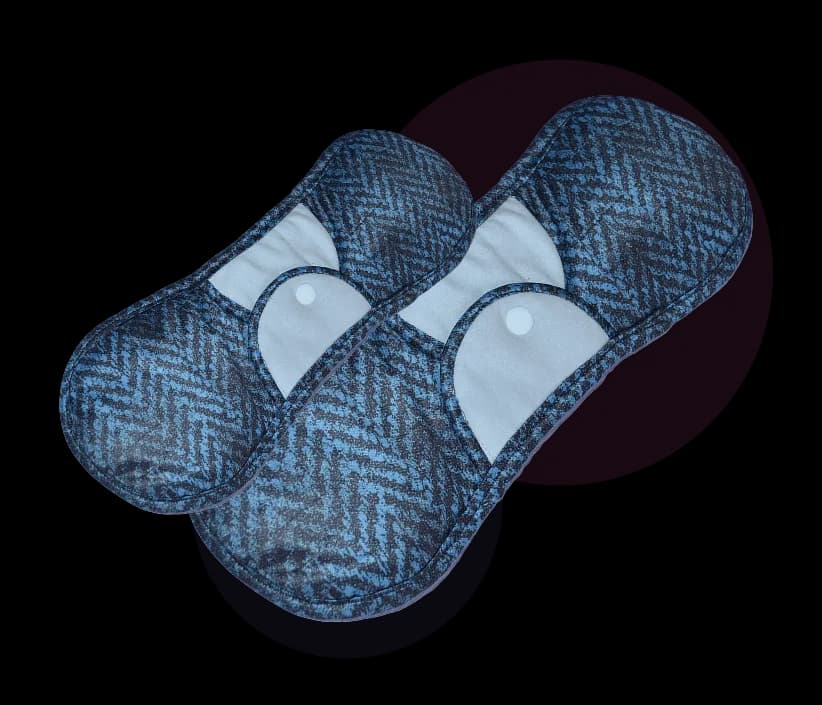
Light Flow
Pad wey thin and light, we make am for di last days of your period. E get layer for back wey no dey leak.

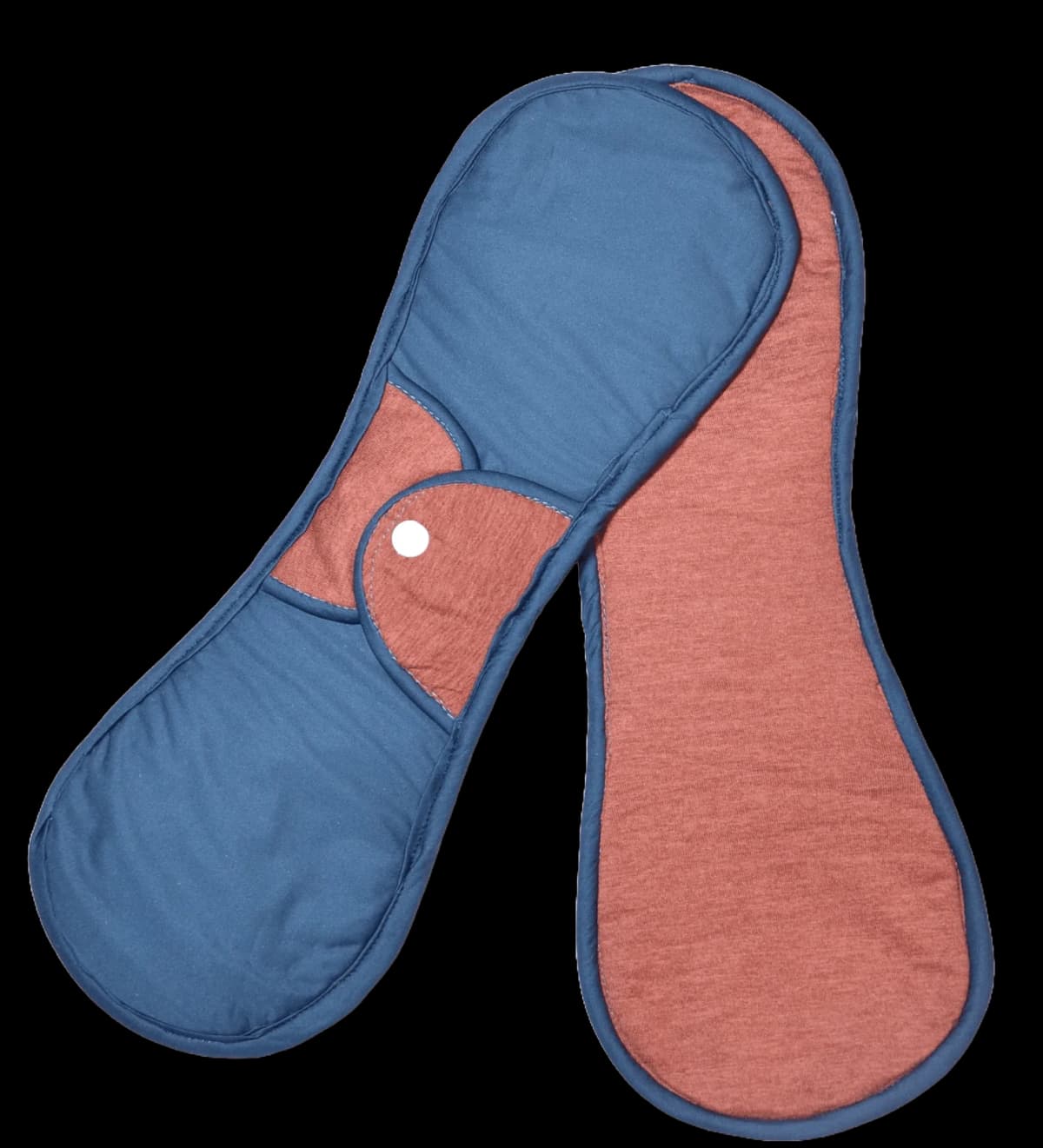
Heavy Flow
Bigger pad wey we make for days wey your flow heavy, e get extra layer of protection.
Wetin Pipo Talk
See wetin our customers dey talk about our products.
Women for everywhere for di world dey use Sana

“I dey really love Sana reusable pads! Dem dey make me relax and feel free for my period time. Plus, dem don reduce the cost and stress of buying disposable pads every month well-well. Kudos to Sana for making dis kind correct product – I go be fan forever!”
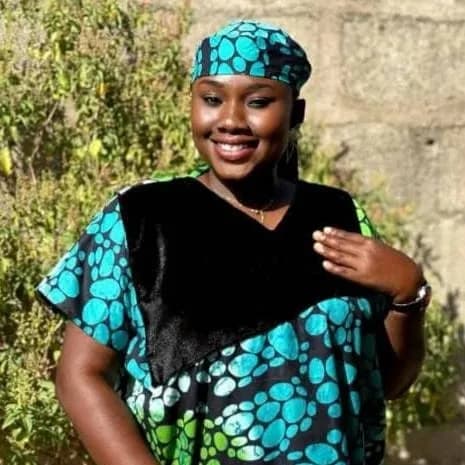
“Sana Pad good well-well, e dey make you comfortable and free. I love the pads, na the best ever!”

“I don try different brands of reusable pad, but Sana stand out for the quality, the comfort and how e dey last. Dem design am with sense, and the material dey gentle for my skin. As I change to Sana, e don reduce how I dey spoil environment and e don also save me money for long run. I dey grateful for dis solution wey go last!”

“For first, e dey irritate me to use washable sanitary pad. I decide to try am, and to my greatest surprise, e comfortable well-well and e easy to wash. You fit even do your daily things without fear say blood go stain you for public. I wan give Big shout out to SANA PADS!!”

“I don try different pad brands for years, but Sana pads really stand out. From the first time I use am, I see the difference — e soft for skin, e dey soak well-well, and e comfortable die. Even for my heaviest flow days, Sana pads dey hold well. Wetin I also love na how the material dey allow air pass and e good for skin. If you dey find pad wey get comfort, wey you fit trust, and wey get quality, I really recommend make you try Sana pads.”

“To dey buy disposable pads every month dey add up well-well, so I talk say make I try Sana Pads. E surprise me how soft dem be, and dem dey work well for long days for university. To wash dem simple, and e don reach months wey I never buy new pad, so e don save me money. I also like say dem dey better for environment. E sweet me say I get option wey cheap and wey better for environment.”
Three layer wey dey protect you
We build every Sana pad like small cloth system: e soft where e touch your body, e dey absorb for middle, and e close well for under.
- Soft top wey be cotton-bambooE gentle for skin, air dey pass, and e dey pull wetness comot quick.
- 2 to 4 layers wey dey soak well wellFrom the thin No Wahala Pad reach the Maxi Pad for nights wey flow heavy.
- PUL back wey no dey leak, air dey passE dey lock liquid inside, e dey let air pass. E dey close with snap button.
Check our different packs
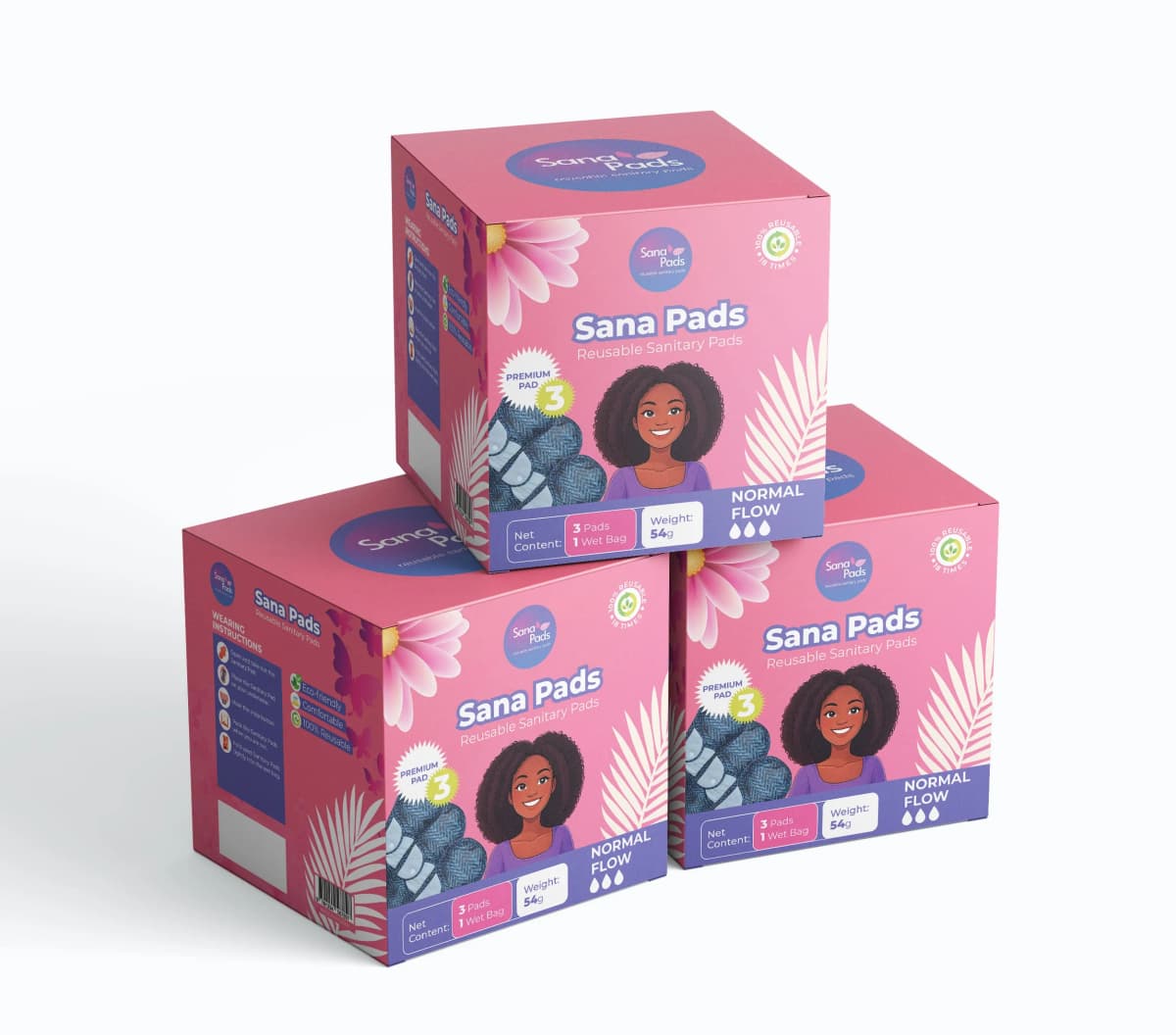
Premium Pad wey get 3 for one pack
3 Premium Pad for Normal Flow wey we make with organic cotton and bamboo. E dey absorb well well and e no dey leak. Every pack get free pouch wey water no fit pass.
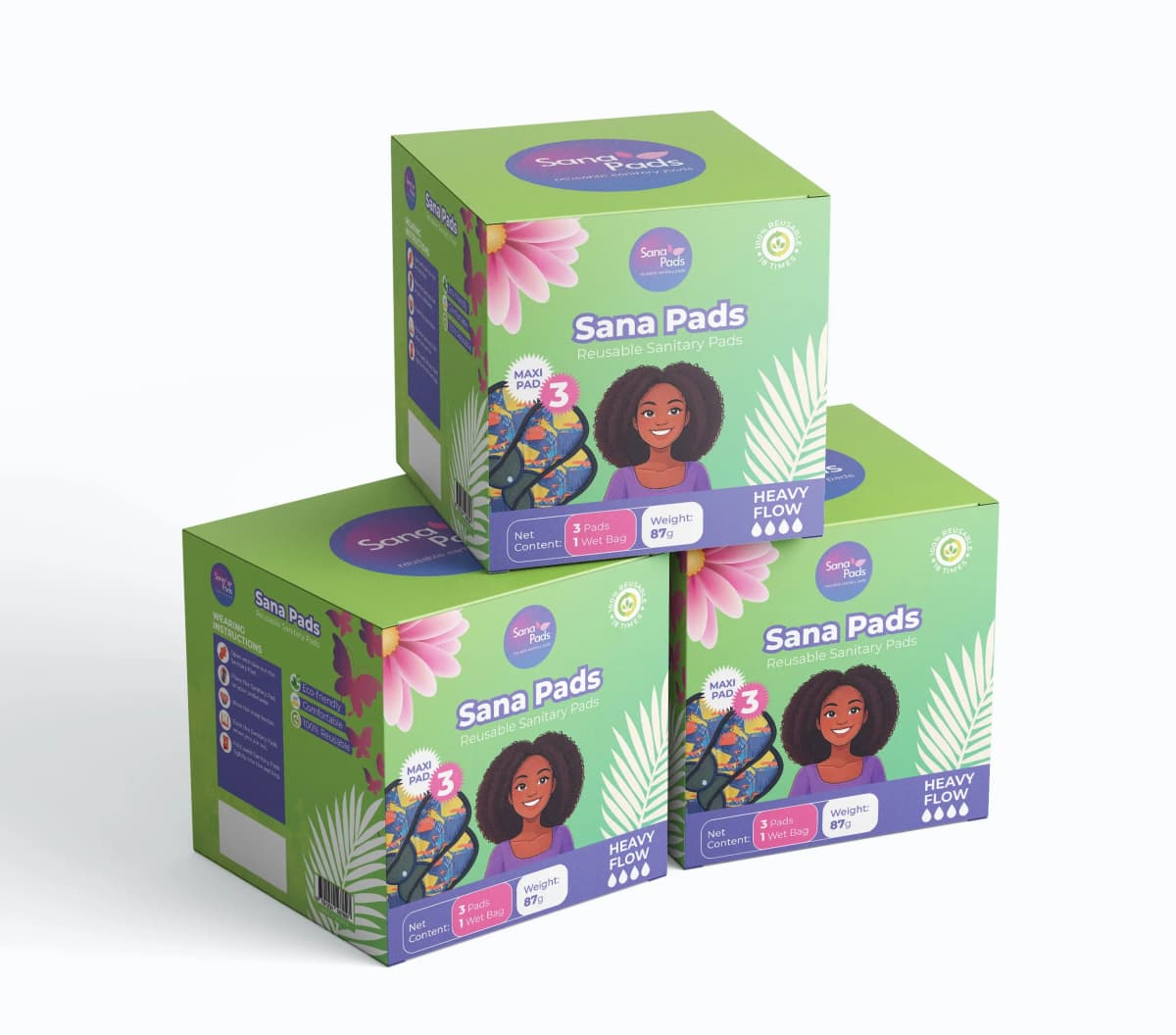
Maxi Pad wey get 3 for one pack
3 Maxi Pad for Heavy Flow. Maxi Pad get two extra layer wey dey absorb, so na our biggest product and e dey absorb pass all. E come with free pouch wey water no fit pass.
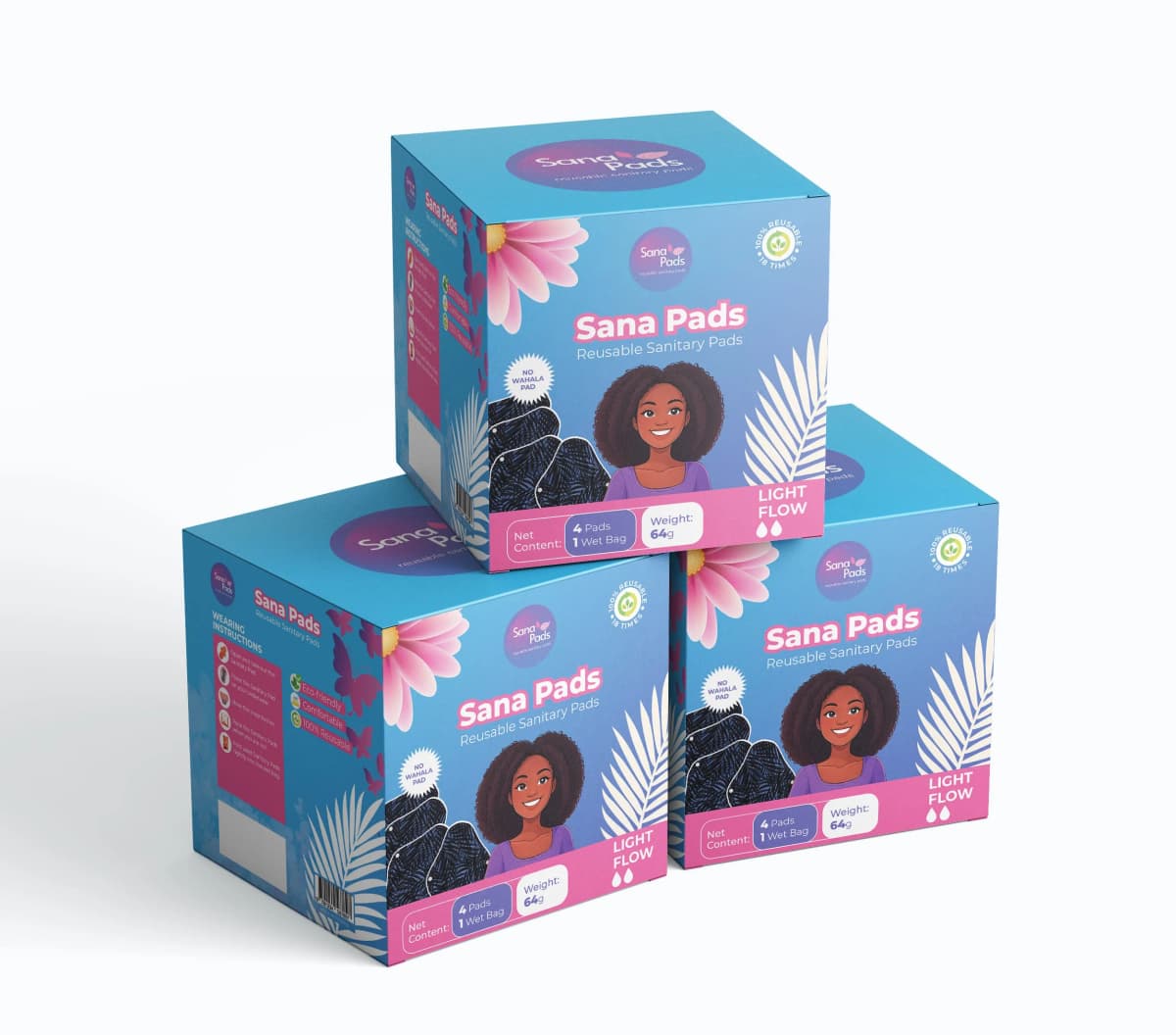
No Wahala Pad wey get 4 for one pack
4 No Wahala Pad for Light Flow. E get layers wey dey absorb and no dey leak, so e good well well for day 3-7. E get free pouch wey water no fit pass.
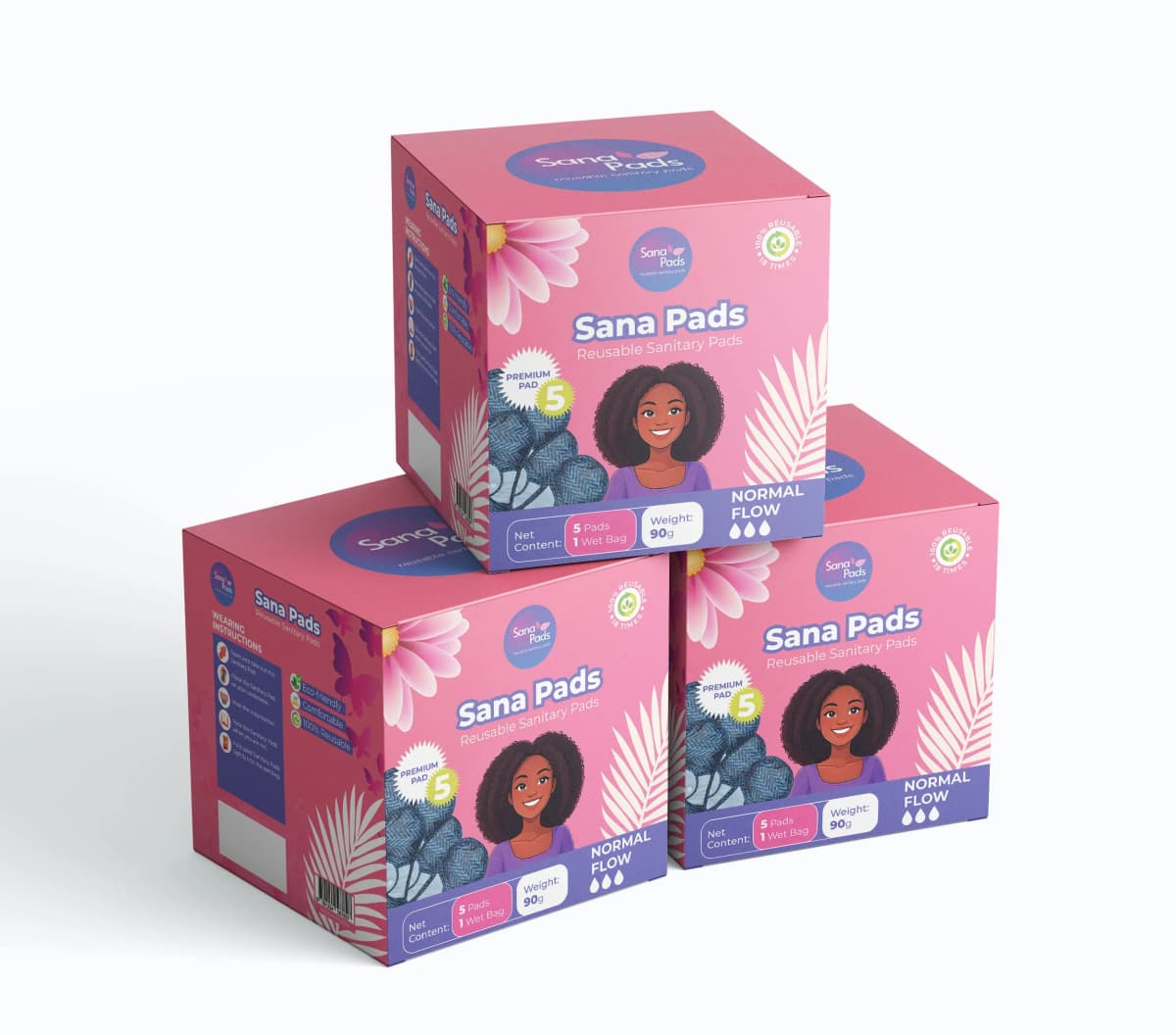
Premium Pad wey get 5 for one pack
5 Premium Pad for Normal Flow wey we make with organic cotton and bamboo. E dey absorb well well and e no dey leak. Every pack get free pouch wey water no fit pass.
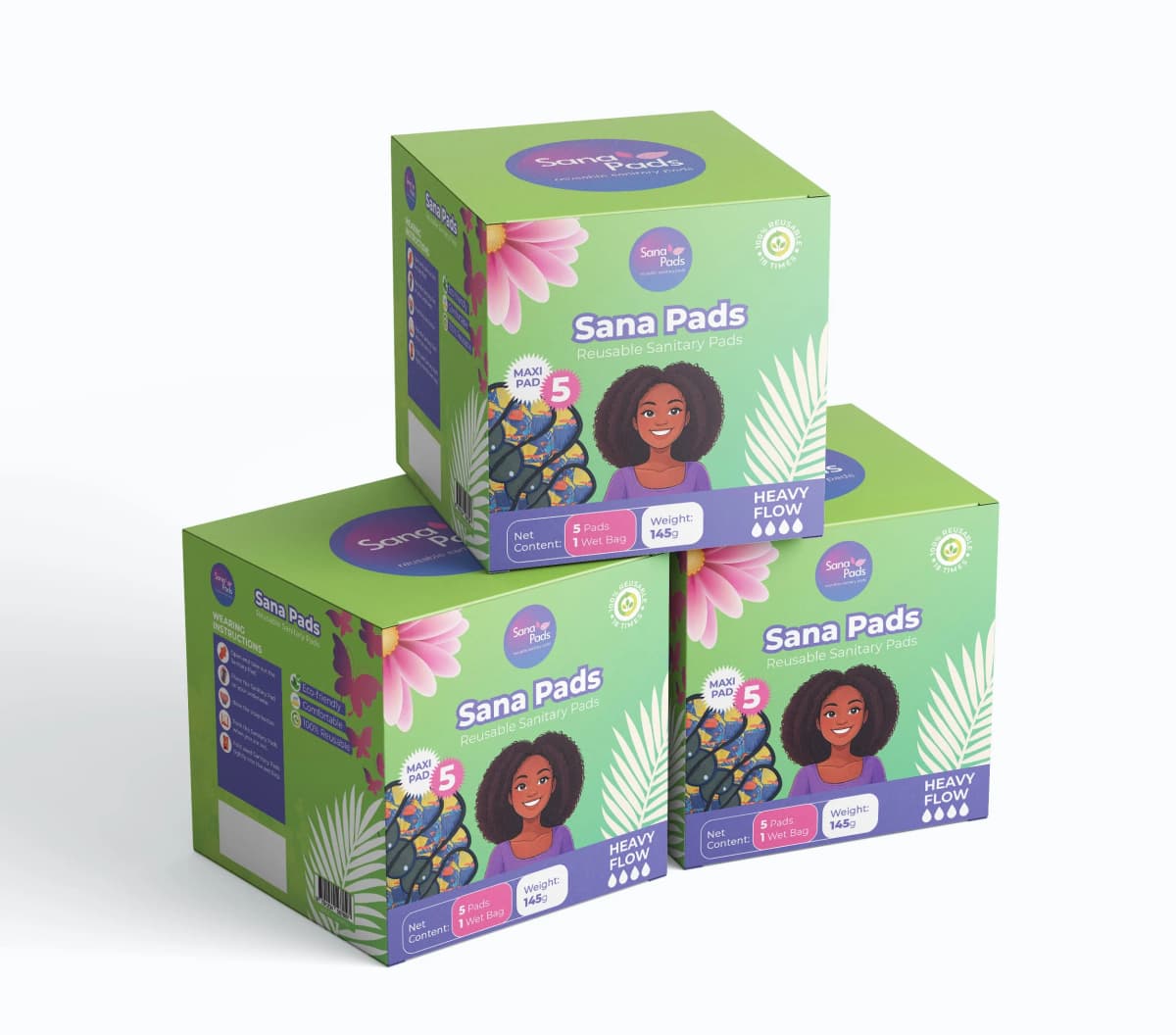
Maxi Pad wey get 5 for one pack
5 Maxi Pad for Heavy Flow. Maxi Pad get two extra layer wey dey absorb, so na our biggest product and e dey absorb pass all. E come with free pouch wey water no fit pass.
Questions wey pipo dey ask
Answers to questions wey pipo dey ask about pads wey you fit wash use again and how to take care of your period.
Why I go choose Sana Pads instead of normal pad wey you dey throw away?
Sana Pads dey made with strong, quality material wey you fit wash use again. E be better option for environment pass pad wey you dey use once throw away. E gentle for your skin, e dey absorb well well, and for long run e go save you money. When you choose Sana Pads, you dey help reduce plastic waste, and you go dey comfortable and confident throughout your cycle.
How long I fit use Sana Pad before I wash am?
Sana Pad go give you comfort and protection for 4 to 8 hours, depending on how your flow be. To stay fresh, change am every 4 to 6 hours - and change am more often for heavy days. After every use, rinse am for cold water and wash am with soap. If you take care of am well, each pad go last 2 to 3 years.
Sana Pads safe for skin wey dey sensitive?
Yes. Sana Pads dey made with soft material wey dey allow air pass and wey no dey cause allergy (hypoallergenic), so e gentle for your skin. E no get dangerous chemicals and toxins wey dey common for pad wey you dey throw away. So e good well well for pipo wey get sensitive skin or allergy.
How I go wash and take care of my Sana Pads?
Rinse your pad for cold water immediately - hot water dey make blood stain hold di cloth. Then wash am with mild soap, with hand or for machine, and rinse am until di water clear. Dry am finish for direct sunlight, because sun dey kill germs too. Abeg no use tumble dryer, bleach or fabric softener: dem dey spoil di layers wey dey absorb. If you take care of am like dis, Sana Pad go last 2 to 3 years.
Price go change if I order plenty?
No. Each product get fixed price for each pack, no matter how many packs you order. You fit calculate your total with our price calculator. If na big order, send us direct message and we go confirm di delivery cost with you before you pay.
Time don reach make you join
Contact Us
Margaret Ochegbudu
Business Manager