NGO Programs Wey Dey Fight Period Poverty: Full Guide for Nigeria
Where pipo don see us







 Margaret Ochegbudu don check am · Update 23 min to read
NGO programmes wey dey fight period poverty dey work best when dem join three things together: product wey go last long, no be donation wey finish one time; teaching for girls and boys; and local supply chain so di programme no go depend on import. Pad wey you fit wash use again fit well because one sharing fit last years, no be just one month.
Understand Period Poverty Programs: Wetin You Go Learn
Dis guide go show you di strategies wey dey work pass wey NGOs dey use to handle period poverty across Nigeria, from Lagos to village communities for North.
Main Points:
- Period poverty dey affect 37 million Nigerian women and girls wey no fit get menstrual products wey dem fit afford and no get teaching.
- NGO programs wey dey work dey join product sharing, menstrual health teaching, and better WASH facilities for schools.
- Reusable sanitary pads dey reduce program cost by 60-75% compared to disposable pad sharing for two years.
- Programs wey succeed for Kaduna and Lagos show 78% reduction for school absence wey period dey cause, inside six months.
- Sana Pads dey supply schools, NGOs and community programmes of any size for di same fixed price per pack.
- Community sharing models dey work better pass clinic-only approach to reach village people and people wey no dey get service.
- Programs wey carry men and parents along for teaching dey see 3 times more behaviour change wey dey last.
Make we see how NGOs dey design and run dis programs wey dey change life across Nigeria.
Grace siddon for di small office of Hope Foundation for Kaduna. She dey check di attendance record from three secondary schools wey dem dey support. Di pattern clear: every month, plenty girls dey miss 3-5 days of school. When she go di schools to find out wetin dey happen, di girls dey talk for low voice. Shame dey catch dem to talk say dem dey stay for house during period because dem no get money to buy sanitary pad.
Dis same thing dey happen all over Nigeria. For Lagos, Kano, Port Harcourt and for village communities across di country, period poverty dey keep girls out of school, women out of work, and families inside shame and silence wey no dey end. But di organisation wey Grace dey work for na part of one movement wey dey grow. NGOs all over Nigeria dey design programs wey pass just to share pad. Dem dey change how communities dey talk about menstruation, how schools dey support girls, and how families dey understand say menstrual health na basic right, no be luxury.
If you be NGO program manager, community leader or donor wey wan understand how to fight period poverty well for Nigeria, dis guide go show you wetin dey work.
Di Wahala: Understand Period Poverty for Nigeria
Period poverty no be only say person no get pad. E be big wahala wey join with education, health, dignity and chance to make money. For Nigeria, dis wahala dey touch millions of women and girls every day.
Wetin Period Poverty Really Mean
When we talk about period poverty, we dey talk say person no fit get menstrual products, no fit get teaching about menstrual health, and no get correct toilet and water to clean body. For Nigeria, e dey show for some clear ways. Girls for Kano dey use old rag, newspaper or cotton wool wey dem dey wash use again, but dem no get correct place to dry am. Women for Lagos dey spend reach ₦1,500 every month for disposable pad, and dat one na 10-15% of minimum wage. Students for village schools no get private place to change or wash, so dem just dey stay for house.
Di shame dey make di wahala heavy pass. Plenty communities for Nigeria still dey see menstruation as taboo, something wey woman suppose hide and never talk about. Nobody dey teach girls wetin to expect before dia first period. When e come, dem no ready, fear dey catch dem, and nobody dey support dem. Dis silence dey give room for wrong stories, bad hygiene practice and suffering wey no need to happen.
How E Dey Affect Education
Research from Nigerian education authorities show say girls dey miss average of 4.5 school days every month because of period poverty. For one school year, dis one na about 50 days of education wey dem lose. Di calculation hard: girl wey start to see period for age 13 and finish secondary school for 17 go miss about 200 days of school just because she dey see period.
Schools for plenty areas no get basic facilities. One 2024 survey of 300 secondary schools for six Nigerian states find say 62% no get toilet wey dey work for girls. Among di ones wey get toilet, only 18% get door wey fit lock, running water and dustbin for waste. Teachers, wey many times no dey comfortable to talk about menstruation, no dey notice when girl no come school because of her period. Di girl go dey fall back, her confidence go drop, and at last she fit comot from school finish.
Wetin E Dey Do to Health and Money
Apart from education, period poverty dey bring health risk. If person use material wey no clean or keep pad on for too long, e dey cause infection. Some women wey no fit afford products fit exchange sex for money to buy pad, and dis one dey increase dia risk of sexually transmitted infections and pregnancy wey dem no plan.
For money side, period poverty dey hold women inside poverty wey no dey end. Market women for Abuja talk say dem dey lose income for days wey di flow heavy, because dem fear say e go leak for public. Factory workers dey use plenty layers of cloth wey no dey comfortable for Nigeria hot weather. Young working women dey spend big part of dia income for disposable products, money wey for go savings, education or business.
Na dis wahala Nigerian NGOs dey work to solve, no be with small dash but with full programs wey dey handle every side of period poverty.
How NGO Programs Wey Dey Work Dey Run
Di period poverty programs wey succeed pass for Nigeria get things wey dem share. Dem no be one-time action, dem be joined approach wey dey handle products, education, facilities and how community dey see di matter.
Di Three-Pillar Model
Top Nigerian NGOs don build wetin people for di field dey call di three-pillar model: Provide, Educate and Enable.
Di “Provide” pillar dey make sure say girls and women fit get menstrual products wey dem fit afford and wey get quality. E fit mean to share pad wey you fit wash use again give schoolgirls, to set up support program so low-income women go buy am cheap, or to open pad bank for schools wey girls fit collect products free. Di main thing na make e fit continue. Sharing wey happen one time dey give small relief, but e no dey solve di root problem. Programs wey dey give products wey you fit use again or wey dey build supply chain wey fit continue dey get impact wey last long.
Di “Educate” pillar dey handle di knowledge gap and di shame. Programs dey run menstrual health classes for schools, dem dey train teachers to talk about period open and correct. Dem dey run workshops for parents wey mama and papa go learn how to support dia daughters. Dem dey make materials wey fit di culture, for local languages, wey dey explain how menstruation dey work for body, hygiene practice, and dey clear wrong stories.
Di “Enable” pillar dey face di barriers wey dey environment and system. NGOs dey work with schools to build or repair toilets, so girls go get private place wey get water and where to throw waste. Dem dey train school leaders on rules wey dey friendly for period, like to allow girl comot from class without explanation. Dem dey work with community and religious leaders to change how culture dey see di matter.
Sharing Models Wey Dey Work
Nigerian NGOs dey use different ways to share products, and each one get im own advantage for different situations.
Sharing through schools dey reach plenty girls quick. Programs dey train female teachers or school nurses as “pad champions” wey dey share products and give basic teaching. Girls dey come back every month to collect more, and dis one dey give chance for more teaching and support. Dis model dey work well for cities and areas near cities wey get schools wey don settle. Organisations like Hope for Girls Initiative for Lagos don share products give pass 15,000 schoolgirls through dis model.
Sharing through community dey work better for village areas or for girls and women wey no dey school. NGOs dey partner with groups wey already dey community like women groups, religious organisations or market associations. Community health workers wey don train dey visit houses or dey hold meeting every month wey women go collect products, share dia experience and learn. Dis model dey reach women wey no go ever enter clinic or attend school program.
Mixed models dey join di two together. For example, NGO fit share for schools but also train girls wey don finish school make dem become community distributors for dia area. Dis one dey create work, e dey make sure say girls still fit get products after dem comot school, and e dey make community see di program as dia own.
Di Work Wey Pad Wey You Fit Wash Use Again Dey Do
Plenty Nigerian NGOs don change from sharing disposable pad go to giving pad wey you fit wash use again. Di reasons na money and environment.
Normal girl need 7-10 disposable pads for every cycle. If one pad cost average of ₦50, dat one na ₦400-500 every month or ₦5,000 every year. For program wey dey serve 1,000 girls, di cost every year go be ₦5 million just for products. Dis one dey create dependency – when di money finish, di pad go finish too.
Pad wey you fit wash use again dey change di calculation. One set of 3-5 good reusable pads, wey dey cost di NGO between ₦3,500-₦5,000 for each girl, dey last 2-3 years if dem care for am well. Di same program wey dey serve 1,000 girls go spend ₦4-5 million one time, instead of ₦5 million every year. For three years, di savings go reach 60-75%, and dis one go allow programs serve more people or put money for education and facilities.
Organisations talk say girls no dey believe reusable pad for di beginning, but dem dey like am well when dem get correct teaching on how to use and care for am. One program for Kaduna find say 84% of girls wey collect reusable pad still dey use am after one year, and 92% talk say dem like am pass di disposable pad wey dem dey use before.
Types of Period Poverty Programs for Nigeria
Nigerian NGOs dey run different types of programs, and many times dem dey join plenty approach together so di impact go big pass.
Programs Wey Dey Run Inside Schools
Dis programs dey focus on how to keep girls for school by removing di things wey period dey bring wey dey stop dem from attending. Normal school program get: sharing of products (usually starter pack of reusable pads for di start of di school year), menstrual health teaching wey join health or biology class, training for teachers on how to support students wey dey see period, and WASH improvement like to build or repair toilets.
Di Pad a Girl Project for Abuja na good example of dis approach. Dem dey partner with public secondary schools for di Federal Capital Territory, and dem dey give every girl from JSS1-SS3 three reusable pads and one storage pouch. Teachers dey get two-day training on menstrual health teaching and how to make classroom wey dey support girls. Di program get follow-up sessions every three months wey girls go learn again and fit ask for new pads if dem need am.
Results from dia pilot program for 12 schools show big impact. School attendance among di girls for di program increase by 78% during period days. Girls talk say dem dey feel more confident for class and dem dey join sports more. Teachers notice say dia school work improve, especially for subjects wey need person to dey come every day.
Programs Wey Dey Reach Whole Community
Dis programs dey work for community level to change how people dey see di matter and make am easy for all women and girls to get products, no be only di ones wey dey school.
Break the Silence Initiative for Kano dey run community programs for areas wey na mostly Hausa people dey, where period taboo strong well well. Dem dey train women wey community respect to become menstrual health teachers. Dis women dey hold small group talk for houses, markets and religious places. Dem dey clear wrong stories, teach correct hygiene, and connect women to where dem fit buy products cheap.
Di important thing be say dem dey carry men and religious leaders along. For plenty Nigerian communities, wetin woman fit talk or do dey depend on whether man gree. Programs wey no look dis matter dey struggle to continue. Break the Silence dey hold separate sessions with fathers, brothers and husbands, dey explain say menstruation na natural thing wey body dey do, and wetin men fit do to support di women for dia life. Imams and pastors dey get training on how to talk about menstrual health from religious side, so dem fit answer dia members questions with correct information.
Dis whole-community approach dey bring bigger culture change. When di whole community change how dem understand di matter, each girl and woman dey face less shame and dey get more support.
Programs for People Wey Dey Most at Risk
Some NGOs dey focus on people wey dey at highest risk: girls for IDP camps, street children, young women for detention, or people wey get disability.
Dignity for All for Port Harcourt dey work with girls and women for camps of internally displaced persons, where period poverty join with serious poverty and trauma. Di way camp be dey make menstrual hygiene hard well well – small water, toilets wey people too full, and no privacy. Di program dey give reusable pads wey dem design to work where water small, dey run teaching sessions wey fit camp life, and dey push for better WASH facilities for camps.
Dis special programs need approach wey dem don adjust. Normal school models no dey work for people wey no dey school. Sharing must consider say people no get stable place to live – girl for camp fit move go another section or another camp entirely. Teaching must handle trauma and di other risks wey dis people dey face.
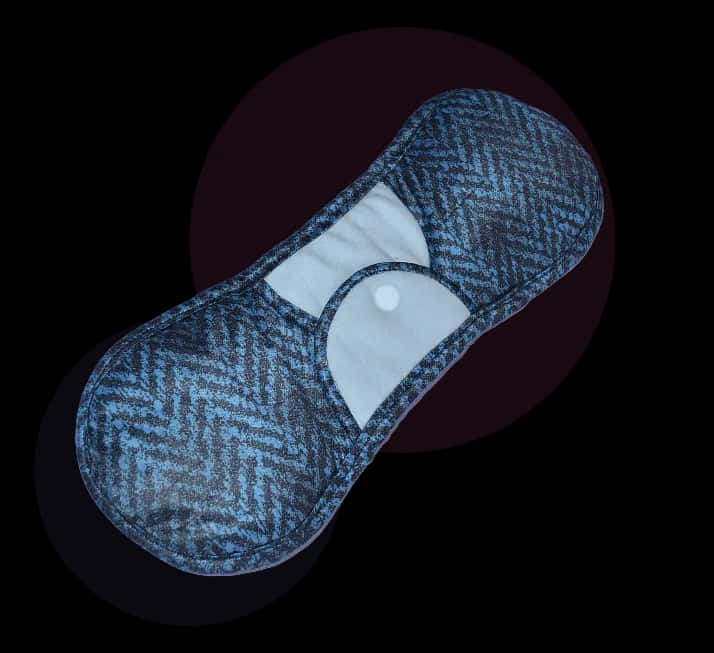
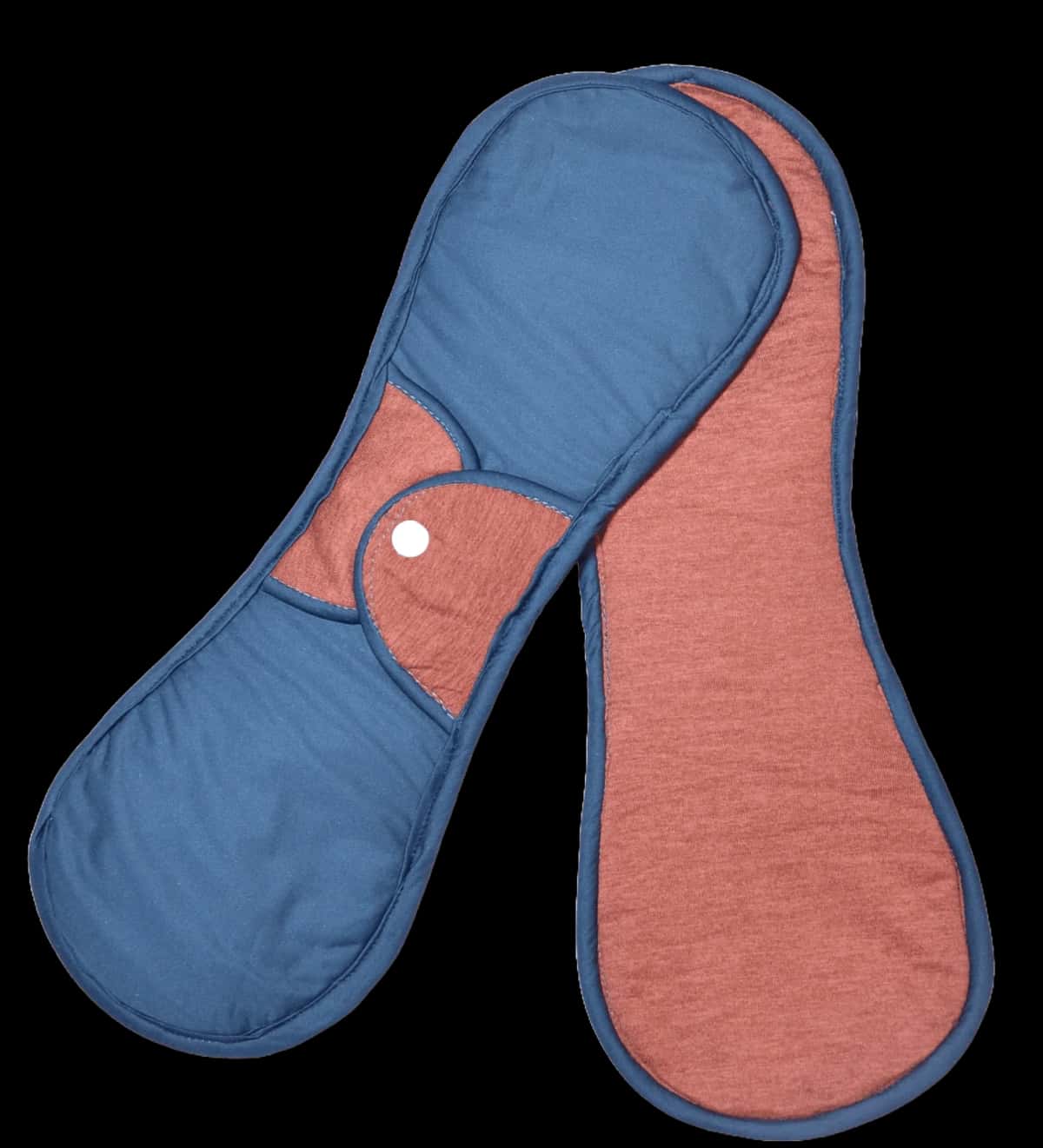
Our pads wey you fit wash

Why e good to support NGO period poverty programs
When you put money for period poverty programs, wetin e dey bring pass just to give pad. Dis programs dey create changes wey dey spread, wey dey transform each person life and whole communities.
Power for Education and Money
Di first benefit na education. When girls dey go school every time, dem dey learn. When dem learn, dem dey pass exams, finish secondary school, and fit go further school or get work.
Nigerian data show say girls wey finish secondary school dey earn, on average, 25% more for dia whole life pass di ones wey comot from school. Dem dey marry later, get fewer children, and dey put more money for dia own children education. Period poverty programs, as dem dey keep girls for school, dey really change di direction of dia life.
Di money benefit dey reach families and communities. When women fit work every time without missing days because of period, house income dey increase. When girls stay for school and later get skilled work, dem dey carry whole families comot from poverty. One study wey follow 500 girls wey get support from period poverty program for Lagos find say 68% finish secondary school, compared to 41% of girls like dem wey no get support. Five years after, di girls wey get support get 30% higher employment rate and 40% higher average income.
Benefits for Health and Dignity
When person fit get clean and correct menstrual products, health risk dey reduce. Programs wey dey teach correct hygiene – to change pad regularly, wash hand, clean reusable pad well – dey reduce reproductive tract infections, urinary tract infections and other problems.
Di benefit for mind dey important di same way. Period poverty dey bring deep shame. Girls wey blood pass dia cloth for school dey face bullying and people dey avoid dem. Women wey no fit afford products dey feel say dem dey fail for basic self-care. Programs wey dey give products and teaching dey remove dis load.
Di people wey dey benefit dey always talk say dem dey feel more confident, get more dignity and more hope for dia future. One woman for Kaduna talk about how she collect reusable pads from NGO program: “I feel like say finally somebody see me, like say I matter. E no be only about di pads. E be about somebody wey talk say my period no be something to shame for, and say I deserve to manage am with dignity.”
Impact for Environment and Community
Waste from disposable pad na environment problem wey dey grow for Nigerian cities. Most disposable pads get plastic wey dey take 500-800 years to rot. For communities wey no get waste management, used pads dey end up for gutters, streams and open dumps, and dem dey cause danger for public health.
Programs wey dey push reusable pads dey reduce dis waste well well. If 10,000 women change from disposable go reusable pads, dem go stop about 720,000 disposable pads from going landfill every year. For di three-year life of good reusable pads, dat one na 2.16 million pads wey no go dirty Nigerian communities.
Community impact pass environment. When NGOs run period poverty programs, dem dey start talk wey people no fit do before. Parents dey start to talk with dia daughters about menstruation. Teachers dey talk about am for class. Religious leaders dey talk about am for pulpit. Dis culture change dey create communities where menstruation na normal thing, where women and girls dey feel less shame, and where di next generation dey grow with better mind about am.
Common Worries About NGO Period Programs
Organisations and donors wey dey think about period poverty programs dey usually get correct questions and worries. To answer dem honestly na important thing to build programs wey go work.
"Dis One Really Important Pass Other Health Matter?"
Dis question show real struggle on where to put money. Nigeria get plenty health problems – malaria, women wey dey die for childbirth, malnutrition and more. Why focus on period poverty?
Di answer be say period poverty join with dis other problems. Girls wey dey miss school because of period dey more likely to get pregnant early, and dis one dey increase di risk of dying for childbirth. Period poverty dey push transactional sex, and dis one dey increase HIV and STI spread. Bad menstrual hygiene dey cause infections wey dey give wahala for pregnancy and reproductive health.
Period poverty programs no dey separate from other health priorities – dem dey support dem. Organisations wey already dey work for education, maternal health or adolescent health fit add period poverty part easy, and dis one go multiply impact without need to start new programs entirely.
Di value for money strong. Period poverty programs dey among di education actions wey give best value for money. For about ₦4,000-5,000 for each girl (di cost of reusable pad set and basic teaching), programs fit keep her for school for 2-3 more years. Compare dis one with di cost to build new schools or give scholarships, and you go see say period poverty programs dey give big value.
"Communities Go Accept Pad Wey You Fit Wash Use Again?"
Whether culture go accept am na correct worry. Some people dey fear say Nigerian communities, especially for conservative areas, go reject reusable pads say dem no clean or dem no fit.
Experience show say when programs get correct teaching and dey carry community along, people dey accept am well. Di resistance for di beginning dey usually come from say people no get information, no be say e no fit di culture at all. Women and girls wey understand how to use and care for reusable pads, and wey see di money and practical benefits, dey take am with full heart.
Programs for Kano, Kaduna and Sokoto – some of Nigeria most conservative states – report say 80-90% dey accept am when dem put effort for teaching and answer people worries with respect. Di key no be to force solution on people, but to listen to communities, answer dia own worries, and adjust approach as e need.
Some communities get religious questions about washing and using pads again. Programs wey carry religious leaders along early, wey dey give Islamic or Christian view on menstrual hygiene, dey handle dis worries well. Plenty religious leaders dey become champions of di program once dem understand di health and dignity matter wey dey ground.
"How We Go Make Sure Say E Continue After Program Money Finish?"
create dependency: dem dey give products and services as long as money dey, but dem dey leave di people without support when donors move go another place.
Programs wey dey work dey build am to continue from di start. Dem no just dey share products – dem dey build systems. E fit mean to train local women to make reusable pads, wey go create work and local supply chain. E fit mean to open pad banks for schools wey community go maintain with small contribution or fundraising. E fit mean to connect di people to shops wey dey sell cheap, so dem fit buy products by demself after di program end.
Di programs wey dey last pass dey hand over ownership to communities. When schools, women groups or community organisations run di programs, instead of NGOs from outside wey dey do everything, di programs dey last pass di first money. One women cooperative for Enugu wey get training and start-up supplies from NGO for 2021 now dey run by itself, dey make and share reusable pads across three local government areas without money from outside.
To make money side continue dey usually need mixed models. Programs fit give products free to people wey dey most at risk (orphans, girls wey dey for serious poverty), and sell am to people wey fit pay reduced price. Di money from sales dey support more sharing to people wey no fit pay. Dis approach dey make sure say di program reach people wey need am pass, while e dey build money independence.
Why Sana Pads Dey Partner with Nigerian NGOs
For Sana Pads, we understand say to end period poverty need partnership. We no be just manufacturer – we be part of movement of organisations wey dey work make every Nigerian woman and girl fit manage her period with dignity.
Our commitment to support NGO programs wey dey fight period poverty pass just to give products. We get special partnership programs wey we design for organisations wey dey run menstrual health actions. Reusable pads fit reduce programme cost for NGOs and community organisations by 30-40% compared to normal disposable pad sharing for two years.
We don directly support pass 10,000 women and girls through partnership with schools, NGOs and community organisations. Pass 30,000 Sana Pads don reach people across Nigeria, from schools for Lagos to IDP camps for Northeast and village communities for North. But our measure of success no be only pads wey we share – na di girls wey stay for school, di women wey work with confidence, and di communities wey start to talk open about menstruation.
As Nigerian manufacturer, we understand di exact problems wey our communities dey face. We dey design pads wey dey work for Nigeria hot and humid weather, wey you fit wash and dry where water small, and wey dey last for years for places wey e no easy to replace. We understand say programs need supply chain wey dem fit trust, no be products wey go disappear when international money change or border close.
We dey give support to run di program, no be only products. Partner organisations dey get training materials, user guides for English and big Nigerian languages, and technical support to design program. We want make your program succeed, because when you succeed, Nigerian girls and women win.
Period poverty too big for one organisation to solve alone. E need manufacturers like us, NGOs wey dey run programs like you, donors wey dey invest, and communities wey dey accept change. Together, we dey build Nigeria where no girl go miss school because she dey see period, where no woman go need to choose between to feed her family and to manage her period with dignity.
How to Start: To Run or Support Programs
Whether you be NGO wey wan start period poverty program, donor wey dey find correct action to support, or community leader wey wan bring solution come your area, see practical first steps here.
For NGOs and Organisations Wey Dey Run Programs
Start by checking wetin people need for your own area. Wetin be di main things wey dey block menstrual health for di communities wey you dey serve? E be lack of products, small knowledge, bad facilities, cultural taboo, or all of dem? Hold focus groups with girls, women, teachers and community leaders to understand di exact problems and di solutions wey fit work.
Design your program with di three-pillar model: Provide, Educate and Enable. Decide which product fit your area and your budget. For most school programs, we recommend make you start with our Starter Kit (3 Premium Pads plus storage pouch) for each girl. Di Premium Pads get 1 layer wey no dey leak plus 3 layers wey dey soak, good for normal flow, and dem give enough pads to change while di others dey wash. For programs wey dey serve women wey dia flow heavy, or programs for areas wey no get enough place to wash, look our Maxi Pads (1 layer wey no dey leak plus 5 layers wey dey soak).
Build your teaching part. Partner with health teachers, train teachers, make materials wey fit di culture. No think say you already sabi wetin communities need – carry di people wey go benefit along to design di teaching content and how una go deliver am. Carry men for di community and religious leaders along from di start, no be as afterthought.
Plan how you go check progress and adjust. How you go measure success? Common signs na school attendance during period, knowledge score before and after teaching, how many still dey use di product after 6 and 12 months, and whether di people dey happy. Build regular feedback so you fit change approach based on wetin you learn.
Contact us for Sana Pads to talk about partnership. We dey work with organisations of every size, from small community groups to big national NGOs. We fit give product information, sample pads to test, prices for different order sizes, and connect you to other organisations wey fit share wetin dem don learn.
For pipo wey dey give and support
If you wan support period poverty programs but you no dey run am directly, find organisations wey dey use approach wey get evidence and wey complete. Strong programs dey join product sharing with teaching and change for system. Dem dey carry communities along, dem no just dey deliver give dem. Dem dey plan from di start make di program continue.
Ask di organisations wey you wan fund clear questions: How you go measure impact pass just to count pads wey you share? Wetin go happen to di people after your money finish? How you dey make community see di program as dia own? How much e dey cost for each person, and wetin dat cost cover? Organisations wey get clear answers to dis questions dey more likely to get impact wey go last.
Think about funding full package, no be only products. Program wey dey give pads but no teaching go get small impact. Program wey dey give teaching but no products go leave girls with more knowledge but dem still no fit go school. Fund programs wey dey handle plenty barriers at di same time.
Connect programs to each other. Plenty small NGOs dey do better work but dem dey alone. Donors wey dey connect organisations, help dem learn from each other, and support groups wey dey share practice dey multiply dia impact pass dia direct grants.
Make We Act on Period Poverty
Period poverty no be something wey must happen. All over Nigeria, NGO programs dey show say full actions wey fit di culture fit keep girls for school, support women health and dignity, and change how communities dey see di matter. Di evidence clear: dis programs dey work.
Girls wey get reusable pads and menstrual health teaching dey go school more regular. Women wey fit get menstrual products wey dem fit afford dey work with more confidence and dey lose less income. Communities wey break di silence about menstruation dey create better and more supportive place for di next generation.
Di challenges real – small money, culture barriers, bad facilities. But di solutions dey near. Nigerian organisations dey build models wey work for our own situation, wey respect our cultures while dem dey gently challenge taboos wey dey harm, and wey dey bring change wey go last, no be small relief.
Whether you dey run NGO, manage school, lead community organisation, or you wan support dis work, you get part to play to end period poverty. Di girls for your community wey dey stay for house during dia period need wetin dis programs dey give. Dem need products wey dem fit afford, teaching wey go give dem power, and adults wey believe say dia dignity matter.
For Sana Pads, we don commit to partner with organisations wey dey fight period poverty all over Nigeria. Together, we fit build future where every girl go school with confidence, every woman dey manage her period with dignity, and menstruation no go block anybody chance again. To learn more about how big period poverty be for Nigeria, visit our full resource page.
Continue to read for Period Poverty for Nigeria
Questions wey pipo dey ask well well
Why I go choose Sana Pads instead of normal disposable pad?
Sana Pads dem make with high-quality materials wey you fit use again. Dem be better choice wey fit last and wey good for environment, instead of disposable sanitary products. Dem soft for your skin, dem dey soak well, and dem go save you money for long run. When you choose Sana Pads, you dey help reduce plastic waste, and you go dey comfortable and fit trust your pad for your whole cycle.
How long I fit use Sana Pad before I wash am?
Sana Pad dey give you comfort and protection for 4 to 8 hours, depending on how your flow be. To dey fresh, change am every 4 to 6 hours - more times for days wey e heavy. After every use, rinse am for cold water and wash am with soap. If you care for am well, each pad dey last 2 to 3 years.
Sana Pads safe for skin wey dey sensitive?
Yes, Sana Pads dem make with soft materials wey dey breathe and wey no dey cause allergy, so dem gentle for your skin. Dem no get dangerous chemicals and toxins wey dey usually dey inside disposable pads, so dem be correct choice for people wey get sensitive skin or allergy.
How I go clean and take care of my Sana Pads?
Rinse your pad for cold water sharp sharp - hot water dey make blood stain hold. Then wash am with mild soap, with hand or for machine, and rinse am until di water clear. Dry am finish for direct sunlight, wey dey also kill germs. Abeg no use tumble dryer, bleach or fabric softener: dem dey spoil di layers wey dey soak. If you care for am like dis, Sana Pad dey last 2 to 3 years.
Di price dey change if I order plenty?
No. Each product get fixed price per pack, no matter how many packs you order. You fit calculate your total with our price calculator. For big orders, send us direct message and we go confirm di delivery cost with you before you pay.
Testimonials
See wetin our customers dey talk about our products.
Women for all over di world dey buy Sana
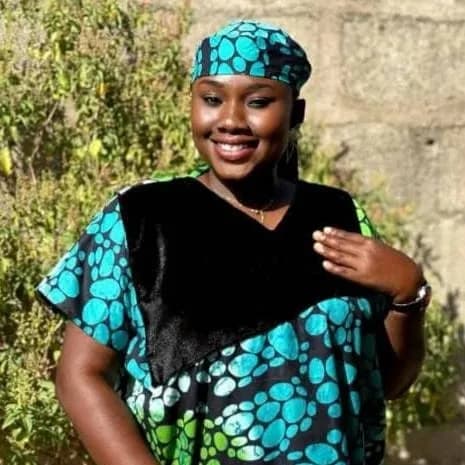
“Sana Pad good well-well, e dey make you comfortable and free. I love the pads, na the best ever!”
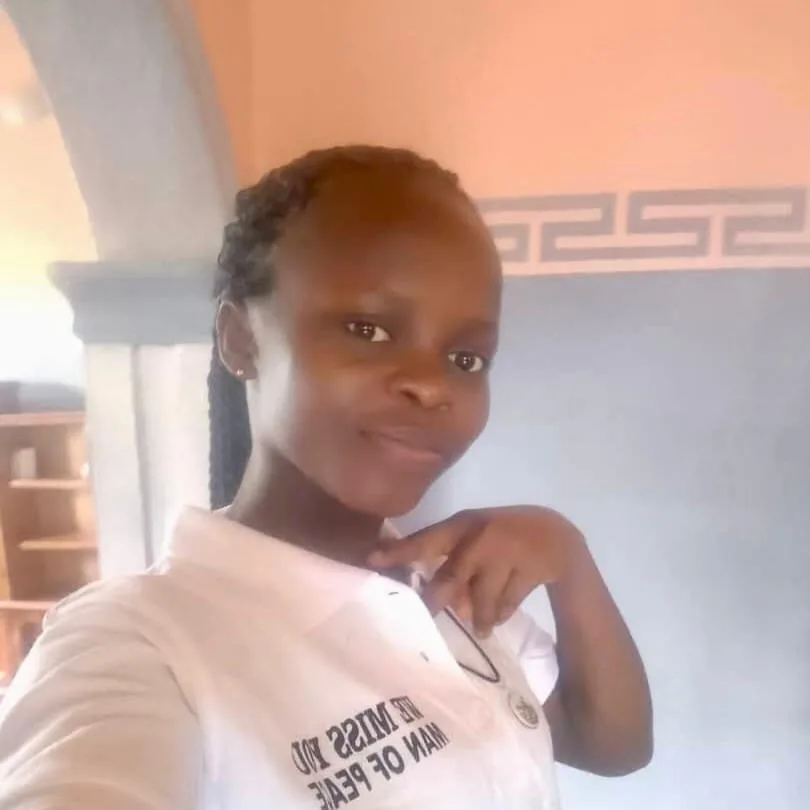
“I don try different brands of reusable pad, but Sana stand out for the quality, the comfort and how e dey last. Dem design am with sense, and the material dey gentle for my skin. As I change to Sana, e don reduce how I dey spoil environment and e don also save me money for long run. I dey grateful for dis solution wey go last!”

“For first, e dey irritate me to use washable sanitary pad. I decide to try am, and to my greatest surprise, e comfortable well-well and e easy to wash. You fit even do your daily things without fear say blood go stain you for public. I wan give Big shout out to SANA PADS!!”

“I dey really love Sana reusable pads! Dem dey make me relax and feel free for my period time. Plus, dem don reduce the cost and stress of buying disposable pads every month well-well. Kudos to Sana for making dis kind correct product – I go be fan forever!”

“To dey buy disposable pads every month dey add up well-well, so I talk say make I try Sana Pads. E surprise me how soft dem be, and dem dey work well for long days for university. To wash dem simple, and e don reach months wey I never buy new pad, so e don save me money. I also like say dem dey better for environment. E sweet me say I get option wey cheap and wey better for environment.”
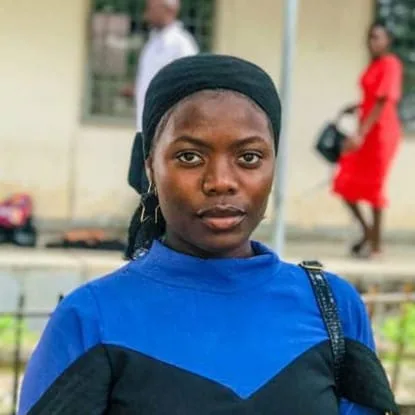
“I don try different pad brands for years, but Sana pads really stand out. From the first time I use am, I see the difference — e soft for skin, e dey soak well-well, and e comfortable die. Even for my heaviest flow days, Sana pads dey hold well. Wetin I also love na how the material dey allow air pass and e good for skin. If you dey find pad wey get comfort, wey you fit trust, and wey get quality, I really recommend make you try Sana pads.”
Time to join hand
Contact Us
Margaret Ochegbudu
Business Manager