Di Best Period Products Wey Dey Last Long for Teenage Girls for Nigeria
Where pipo don see us







 Margaret Ochegbudu don check am · Update 29 min to read
For teenagers for Nigeria, pad wey you fit wash use again na usually di best place to start: e dey work exactly like di disposable pad wey she don sabi, you no need put anything inside body, and e cost 60 to 75 percent less for one year. Menstrual cup good for older teenagers wey get private toilet and clean water wey dem fit always use.
Wetin You Need to Sabi About Period Products Wey Dey Last for Teenagers
As a teenage girl for Nigeria, you deserve period products wey go protect your health, support your education, and no go finish your family money. Di options wey dey last long na practical solution wey go grow with you.
Main Points:
- Pad wey you fit wash use again cost 60-75% less than disposable pad for one year, and e dey save Nigerian families ₦15,000-₦20,000 every year.
- Good quality products wey dey last fit last 2-3 years if you take care of dem well, so dem be di cheapest choice for teenagers.
- Modern pad wey you fit wash use again no dey leak, e dey comfortable, and dem design am specially for Nigeria hot, humid weather.
- Teenagers wey dey use dis kind products dey miss fewer school days, because dem no dey leak like before and no stress of buying pad every month.
- If you change to pad wey you fit wash use again, you go remove di wahala wey 2,400+ disposable pads go cause for environment, di ones wey one teenager go use before she reach age 20.
- Products wey dem make for Nigeria understand local needs, like how to manage period when NEPA take light and when water no plenty.
- When you start dis kind products as teenager, e go build healthy habits and money sense wey go last you whole life.
Make we look exactly which period products wey dey last work best for Nigerian teenagers, and how you go choose di correct one for wetin you need.
Chiamaka still remember her first period like say na yesterday. She be 13, she sit down for her JSS2 class for Government Secondary School for Enugu when she feel say something wet. Di panic. Di shame when she stand up and see di stain for her uniform. Her teacher, Mrs. Okonkwo, quietly give her wrapper to tie for her waist and send her go house. Dat day, Chiamaka mama buy her one pack of disposable pads from chemist – ₦800 for 10 pads wey no fit even last one cycle. Chiamaka calculate for her head: if she need two packs every month, na ₦1,600 every month be dat. For family wey already dey struggle with school fees, transport and food, dis new expense heavy well well. Worse still, she watch her mama burn di used pads for their backyard, and di smoke join di one wey don already full their compound from cooking fire and generator. “Better way must dey,” Chiamaka think. She correct.
How Period Products Wey Dey Last Work for Young Women
Sustainable period products na menstrual care things wey dem design make you fit use am again month after month, instead of to throw am away after you use am once. For teenagers for Nigeria, dis group include cloth pad wey you fit wash use again, menstrual cup, and period underwear. No be like di disposable pads wey you dey see for every chemist and provision store, sustainable products dey built to last years, no be hours.
Why Products Wey Dey Last Make Sense for Teenagers
Think of sustainable period products like your school uniform. You buy good material once, wash am regularly, and e go serve you for years. Disposable pads be like to buy new uniform every single day – e cost well well, e waste, and you no need am. For Nigerian teenagers, dis comparison matter well well. Di average girl dey see her first period around age 12-13 and she go dey see period for about 35-40 years. If she use disposable pads from di start, she go buy about 10,000-12,000 pads for her whole life. With di price wey dey Nigeria now, dat one pass ₦500,000 wey she spend on something wey she dey throw away.
Sustainable products turn dis calculation upside down. One good pad wey you fit wash use again cost about di same as two packs of disposables, but e dey last 2-3 years. Teenager wey change at age 13 fit save her family enough money to pay WAEC fees, buy textbooks, or support di education of her brothers and sisters. Apart from money, dignity dey. Plenty Nigerian girls dey miss 3-5 school days every month because dem no get period protection wey dem fit trust. Pad wey you fit wash use again remove di panic of say pad finish for middle of period, or say you must choose between lunch money and pad money.
Di environment side matter too, even though people dey put am after di practical needs wey dey now. Nigeria dey produce about 500,000 tonnes of menstrual waste every year. For cities like Lagos, Abuja and Port Harcourt where waste management don already tire, every disposable pad dey add to mountains of dirt wey no dey rot, wey go take 500-800 years to decompose. For teenager wey go inherit dis world, sustainable choice today mean cleaner tomorrow.
Wetin Make Period Product Really Sustainable
No be every product wey dem advertise as “eco-friendly” or “natural” really dey sustainable. True sustainability for Nigerian teenagers mean three things: e must last long, e must wash well, and e must fit local condition. Di product must fit handle plenty washing with different kinds of water – from borehole water for village to treated water for city. E must dry quick both for humid weather near di sea and for dry northern areas. E must still work when light no dey and you no fit boil water to sanitise am.
Cloth pad wey you fit wash use again dey lead for sustainable products for Nigerian teenagers because e meet all dis requirements. Good quality pad wey you fit wash use again get many layers – usually waterproof backing wey no dey leak, some absorbent layers for inside, and soft top layer wey dey carry moisture comot from your skin. Dis kind design fit handle di heavy flow wey plenty teenagers dey get as their cycle dey settle, and e still dey comfortable for hot classroom wey no get air conditioner.
Di materials matter well well. Cotton and bamboo fabric dey breathe pass synthetic materials, so di risk of rashes and infection dey reduce for humid weather. Di layer wey no dey leak suppose be polyurethane laminate (PUL), wey no dey allow water pass but e dey breathe, no be like plastic wey dey hold heat and moisture. Wings wey get snaps dey hold di pad well for your underwear, even when you dey move fast for sports or dey run catch danfo bus.
How Sustainable Products Dey Support Teenage Health and Growth
Teenage years na important time to start healthy period habits. Di products wey you use as teenager dey set patterns wey fit last many years. Sustainable products dey support teenage health for ways wey disposables no fit. First, dem no get chemicals. Plenty disposable pads wey dem dey sell for Nigerian markets get bleaching agents, fragrance and synthetic materials wey fit irritate young, sensitive skin. Dis irritation dey cause itching, rashes, and sometimes infection wey dey make girls think say period na discomfort for no reason.
Second, pad wey you fit wash use again dey help you sabi your body and learn about hygiene. When you wash your own pads, you dey see how your flow be – wetin normal for you, and wetin fit be sign of problem wey you suppose discuss with health worker. Dis knowledge dey help teenagers notice health problems early, from bleeding wey heavy pass normal wey fit mean anaemia, to cycle wey no regular wey need doctor attention.
Third, sustainable products dey reduce stress for time wey already hard. Teenage years dey bring school pressure, friends matter, and body changes. To dey worry whether you fit afford pad dis month or whether you go leak during exam na extra wahala wey you no need. Protection wey you fit trust and use again dey remove dis worry. Girls dey talk say dem dey feel more confident, dem dey go school more regularly, and dem dey join everything fully when dem trust their period protection.
How to Choose Di Correct Sustainable Product for Your Teenage Years
To choose your first sustainable period product fit confuse you because options plenty. Di correct choice depend on how your flow be, wetin you dey do every day, whether you get place to wash, and wetin dey comfortable for you. Make we break down how you go match products to wetin you need as teenager.
Options for Light to Moderate Flow
If you dey your first 1-2 years of period or your period naturally light, you need protection wey fit handle 10-30ml of fluid for 6-8 hours. Dis group na for girls wey their period dey last 3-5 days, with di heaviest flow for day 2-3. For Nigerian teenagers for dis group, pads wey get 1-2 absorbent layers dey work well well. Dis thinner pads feel like di disposables wey you don use before, but air dey pass dem better.
Look for pads wey long 25-28cm and wide 18-20cm for di middle. Dis size dey cover di middle part of most teenage underwear and e no go feel bulky. Di absorbent core suppose be cotton flannel or bamboo terry cloth – both materials dey carry moisture comot quick and dey dry well between washes. For cities like Ibadan, Kaduna or Calabar where humidity high, quick drying dey prevent di damp feeling wey some girls dey fear.
For school days, you go need at least 3-4 pads: one to wear, one as backup for your bag, and 1-2 for house to rotate. Dis one go allow you wash every day and you go always get clean pad ready. Plenty Nigerian students dey keep their backup pad inside small waterproof pouch for inside their school bag. Choose dark colour pouch wey no go draw attention – nobody need to know wetin dey inside. For days wey flow light (day 1, 4 and 5), dis pads fit easily last di whole school day, from morning assembly till closing time.
Options for Regular to Heavy Flow
If your flow dey moderate to heavy – e common for teenage years as hormones dey settle – you need pads wey get 3-5 absorbent layers. Heavy flow mean say you dey change disposable pad every 2-3 hours or blood dey pass through normal protection. For sustainable products, dis one mean pads wey long 28-32cm with extra absorbency from many layers for inside.
Premium design for heavy flow get top layer wey dey carry moisture comot, 3-4 absorbent core layers (often cotton flannel mix with hemp or bamboo), and waterproof backing wey reach di edge of di pad fully. Di extra layers fit sound like say e go thick, but good manufacturing dey keep di pad soft and comfortable. Think am like how dem dey layer sandwich – each layer get work, and correct pressing during manufacturing dey keep everything flat.
Nigerian teenagers wey get heavy flow need 5-6 pads to rotate comfortably. Use your strongest pads for day 2-3 when flow high pass, then change to moderate ones as flow dey reduce. Plenty girls get their own system: heavy pad for night (you go sleep 8 hours without worry), fresh heavy pad for school morning, change to fresh pad for midday break, then moderate pad for evening. Dis rotation mean say you go wash 2-3 pads every day when flow high pass – you fit manage am even if you no get plenty time after school.
For night protection, consider pads wey long 32-35cm with 5+ layers. Dis maxi length dey protect you as you sleep, especially if you dey sleep for your side or your belle. Di extra length dey catch any flow wey for leak go back enter bedsheet – dis one important well well when you dey share room with your brothers and sisters or you dey sleep for fabric mattress wey hard to wash well.
Pad Wey Fit Hold Plenty Blood for Special Situations
Some teenage girls dey get very heavy flow because of conditions like fibroids (e no common but e fit happen for late teenage years) or blood clotting disorders. Others just get heavy period wey dey run for their family. If blood dey soak through normal pad for less than 2 hours, you need options wey fit hold di most.
Super absorbent pads wey you fit wash use again get 5-7 absorbent layers, and many of dem get hemp fabric wey fit hold up to four times its weight in liquid. Dis pads long 32-38cm and wide 20-22cm for di middle. Dem thick pass normal ones and you go notice am, but dem go give you security wey go allow you sit down through three-hour WAEC exam or attend Friday Juma’at prayers without fear.
If you fit, use dem together with period underwear – underwear wey get absorbent part inside wey dey serve as backup protection. For Nigeria, dis ones no common and dem cost pass pad wey you fit wash use again, but some families dey buy 1-2 pairs for their daughters so dem go get peace of mind for heavy days. Super absorbent pad plus protective underwear together fit give protection wey almost no dey leak for 6-8 hours, even when flow heavy well well.
Very heavy bleeding sometimes fit be sign of health problem wey you suppose check. If you dey fill super absorbent pad every 1-2 hours, if blood clot wey big pass ₦50 coin dey comot, or if you dey feel dizzy and tire well well during your period, talk to health worker. Dis fit mean anaemia or hormone imbalance wey need treatment. Sustainable products dey help you watch dis patterns because you dey see exactly how much blood you dey lose when you rinse your pads.
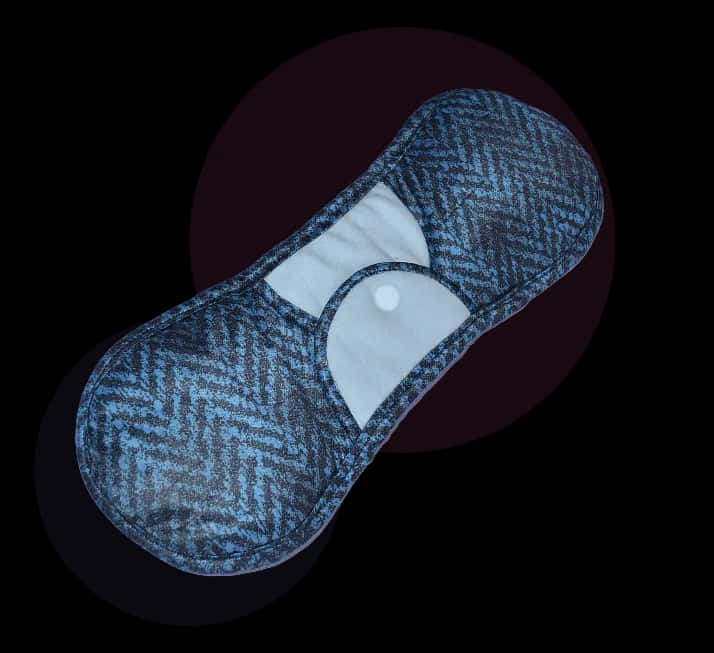
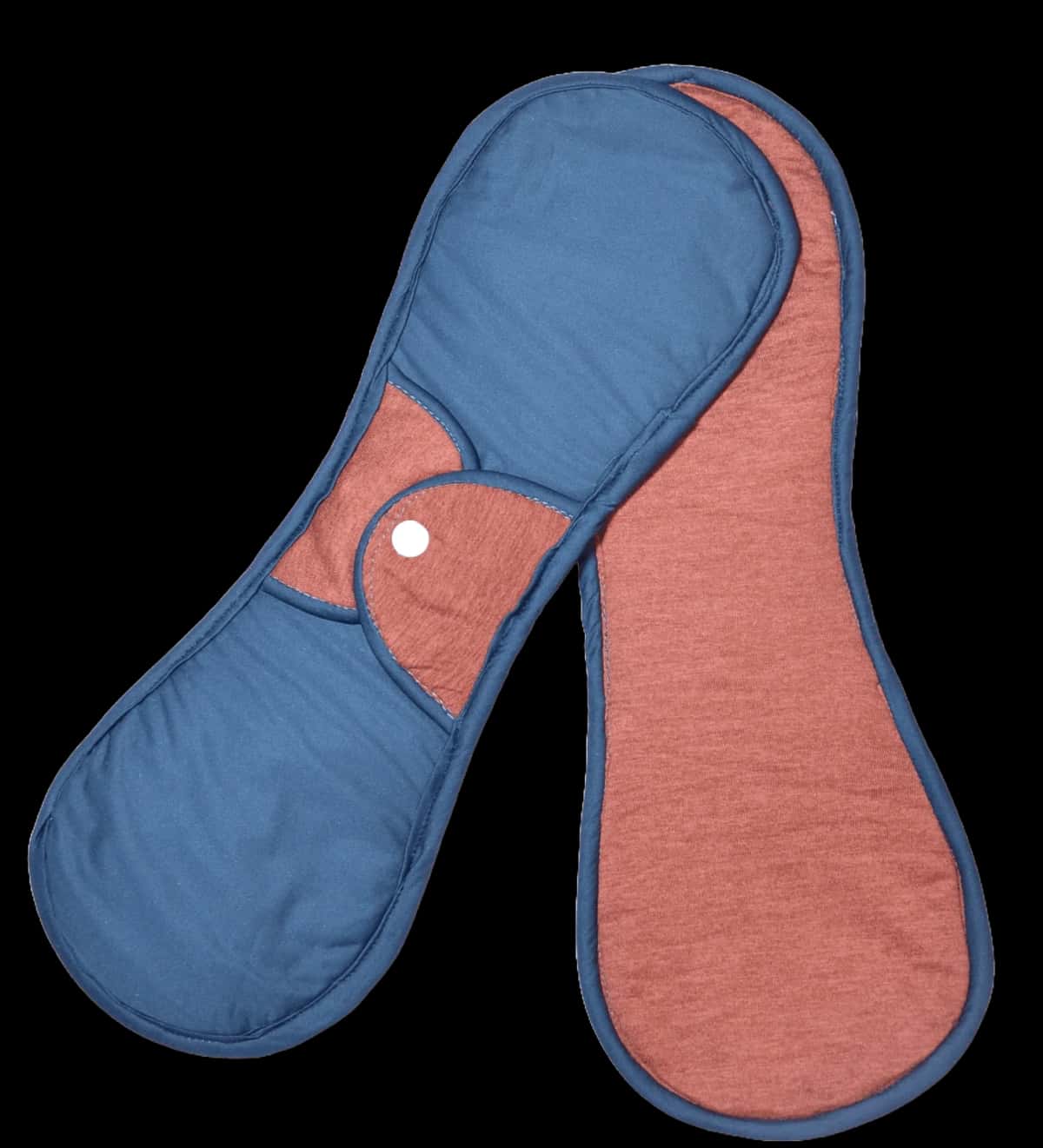
Our pads wey you fit wash

Di Good Side of Sustainable Period Products for Nigerian Teenagers
When you change to sustainable period products, e dey bring good things for your health, your money, your education and your future. Dis benefits dey add up as time dey go, so di choice dey even more valuable as months and years dey pass.
Money Freedom and Support for Family
Money matter well well for Nigerian families. School fees, NEPA bills, transport, food prices – everything dey fight for di small naira wey dey. When teenage daughter start to see period, e dey add ₦1,600-₦3,000 every month to family expenses, depending on how heavy di flow be and which pad brand dem choose. For families wey get many daughters, dis one dey multiply and e dey pain.
Pad wey you fit wash use again dey stop dis monthly spending. Starter set of 3-4 good quality pads wey you fit wash use again cost about ₦4,000-₦6,000 – di same as wetin you go spend on disposable pads for 3-4 months. Di same pads fit last 2-3 years if you take care of dem well. For three years, girl wey dey use disposables go spend about ₦57,600-₦108,000 (₦1,600-₦3,000 every month for 36 months). Di same girl wey dey use pads wey she fit wash use again go spend ₦8,000-₦12,000 total (two sets for three years, because one set dey last 2-3 years but you fit want different types). Dat one na 60-75% savings – real money wey fit pay for textbooks, exam fees, or to start small business.
For teenage girls themselves, dis change for money matter dey give dem independence and e dey reduce guilt. Plenty Nigerian girls talk say dem dey feel like burden to their family when dem need pad money every month. Some dey go beg neighbours, aunties, or even dey do favour for people to get pad money – situations wey dey put young girls for danger. When you get pad wey you fit wash use again, you no go need beg for pad money again. You go wash, dry, and use am again. Your period go be your own to manage, no be family money discussion every month.
Di savings dey help dreams happen. One girl for Kano save di ₦1,800 wey her mama dey spend every month for her pads before. After one year, she get ₦21,600 – enough to buy sewing machine and start to learn tailoring during holidays. Another student for Lagos use her pad savings buy di textbooks wey her school ask for, and e reduce di load for her parents. Small savings every month dey turn big money for di year for teenagers wey get big dreams.
Health, Hygiene and How to Dey Go School Every Day
Teenage girls wey dey use sustainable products dey miss school days much less than di ones wey dey depend on disposables. Di reasons connect each other. First, no “pad don finish” crisis. You no go suddenly find yourself without protection because chemist close or your mama no fit reach market. Your pads dey house, dem don wash dem, and dem ready. Because you fit trust am, you go attend school every single day of your cycle.
Second, good quality pad wey you fit wash use again often dey protect against leak better than di cheap disposables wey plenty Nigerian families fit afford. Cheap disposable pads – di ₦500-₦600 packets – thin, dem no make dem well, and dem dey leak often. Girls wey dey wear dis ones dey spend class time dey check for leak with fear, dey ask permission to go toilet, or dey sit down carefully so dem no go stain their uniform. Good quality pads wey you fit wash use again, with correct absorbent layers and waterproof backing, dey allow you sit, stand, run and move freely. You go focus on mathematics or English literature, no be on how to manage leak.
Third, pad wey you fit wash use again dey healthier for body wey still dey grow. Dem no get fragrance or chemicals wey dey disturb di natural pH balance of your body. Di fabric wey dey breathe dey reduce di hot, sweaty feeling wey common with disposables wey get plastic back for Nigerian heat. Less heat and moisture mean lower risk of yeast infection and bacterial vaginosis – infections wey dey cause itching, discharge and discomfort wey dey keep girls for house instead of school.
Finally, to use pads wey you fit wash use again dey build confidence and knowledge about your body. You go learn your cycle patterns, understand wetin your body dey tell you, and build healthy hygiene habits. Dis knowledge go serve you for life. Girls wey dey manage their period with confidence as teenagers dey grow to be women wey dey stand up for their health, wey dey teach their own daughters well, and wey dey break di cycle of shame and silence about period.
Impact on Environment and Responsibility for Di Future
Even though di practical benefits wey dey now na wetin dey make most people choose sustainable products, di effect on environment matter well well for di future wey Nigerian teenagers go inherit. Look di numbers: one girl wey dey use disposable pads from age 13 to 50 (37 years of period) go throw away about 9,000-11,000 pads. For country wey get pass 100 million women and girls, di waste dey pile up in a terrible way.
Nigerian cities already dey struggle with waste management. For Lagos, mountains of dirt for places like Olusosun full di area. Disposable pads get plastic wey go take 500-800 years to decompose. Dem dey release microplastics enter soil and water. People dey often burn dem for informal waste disposal, and e dey release poison smoke enter di air wey children dey breathe. Every pad wey you fit wash use again wey one teenager start to use mean 480-600 less disposable pads for dump in just two years.
Water pollution matter too. Disposable pads wey people flush for toilet – e common when girls no get better way to throw dem away – dey block drainage and dem dey end up for rivers and ocean. During rainy season flood for cities like Port Harcourt, Warri or Lokoja, dis pads dey add to blocked gutters wey dey make flood worse. Pad wey you fit wash use again no dey ever enter waste. You go wash am, dry am, and use am again and again.
For teenagers wey care about environment, sustainable period products dey make wetin dem believe and wetin dem do match. You no just dey manage your period – you dey make choice wey dey protect Nigerian nature, reduce pollution, and show your younger brothers, sisters and friends how to live sustainable. Dis one dey mean something special for girls wey dey study environmental science, geography or agricultural science, wey understand how nature dey connect. Your choice of period product go be part of how you dey fight for environment.
Common Worries About Sustainable Products for Teenagers
To change to sustainable period products fit dey scary, especially when everybody around you dey use disposables. Make we answer di worries wey Nigerian teenagers dey raise pass, with honest and practical answers.
"To Wash Pad No Go Dey Disgusting and Hard?"
Dis na di worry wey common pass, and e make sense well well. Nigerian culture often dey teach girls say period blood dirty, e be shame, and you must hide am. To think about washing pad fit no dey comfortable for first. But see di truth: to wash pad wey you fit wash use again dey take 5-10 minutes and e go become normal like how you dey wash your pant.
Di process simple. After you wear pad, rinse am for running water (tap, borehole or well water, all of dem work) until di water dey come out almost clear. Dis one dey take 2-3 minutes and e dey remove most of di blood. Then wash am with hand with normal bar soap, or add am to your normal laundry. Di pad go clean like any other cloth. Hang am make e dry for sun if you fit – sun dey naturally kill germs. For private compound, you fit dry pads openly. For shared space, dry dem folded or inside pillowcase where people no go notice but air still dey reach dem.
Plenty Nigerian girls get washing routine wey dey work well. Some dey rinse pads during their evening bucket bath, so dem kill two birds with one stone. Others dey keep small container with water and salt for bathroom – if you drop used pad inside salt water, e no go stain and e go easy to wash later. Others dey wash pads every evening when dem dey wash their school uniform, so e go be part of their daily routine.
Di “disgusting” feeling usually dey go after 2-3 cycles. You go realise say period blood na just blood – normal body fluid, e no be shame pass sweat or tears. Girls dey talk say to handle their own period blood dey actually reduce shame and fear about period. You go take charge of something wey natural, instead of to treat am like poison waste wey you must throw away sharp sharp and never talk about.
"Wetin If People See My Pads Wey I Hang to Dry or Find Out Say I Dey Use Dem?"
To worry about privacy make sense, especially for teenagers wey dey manage friends matter for school and for house wey get grandparents, parents and children together. Di stigma about period for Nigeria make plenty girls want manage period make nobody see. Sustainable products fit dey hidden with simple tricks.
For drying, fold di pad into half with di fabric wey get design face outside – e go look like normal piece of cloth, no be like period pad. Hang dem for your own drying line inside your room if you fit, or clip dem inside bigger things like wrapper or towel for di family line. For boarding school, use your private locker space or dry pads inside your personal bag wey you hang for dorm. Some girls dey pin pads inside dark colour pillowcase wey get zip – di cloth dey dry while e dey completely hidden.
For school, to keep pads hidden easy. Use small pouch wey people no fit see inside – maybe wey get label like pencil case or makeup bag. Keep am for inside pocket of your school bag. When you dey change pad, carry your whole bag go toilet if you need to, or make di pouch small reach to hide am under your uniform as you dey waka. Plenty people wey dey use pad wey you fit wash use again dey get quick change routine wey dey take less than 2 minutes for toilet.
About people knowing say you dey use pads wey you fit wash use again, na you dey control dat information. You fit keep am completely private and tell nobody. You fit tell only close friends wey fit dey curious or wey fit want change too. Or you fit talk about am openly, to help reduce stigma for other girls. No right answer dey – na your choice. Plenty teenagers dey start very private and slowly dey open up as their confidence dey grow.
For washing for bathroom wey many people dey share, try rinse pads when you get privacy – early morning before others wake up, or evening after your younger brothers and sisters don sleep. If your family members see your pads, remember say period na natural thing. Mamas, aunties and big sisters all dey see period or dem don see am before. Most of dem go respect your choice, especially when dem understand how much money e dey save.
"Pad Wey You Fit Wash Use Again Go Leak Pass Disposable?"
Dis worry dey come from experience with poor quality cloth pads – maybe di ones wey people sew for house or cheap products wey no get correct waterproof backing. Good quality pads wey you fit wash use again actually dey leak less than di cheap disposable pads wey plenty Nigerian families fit afford.
Di key na correct design. Pad wey dem make well get many absorbent layers wey dey draw liquid go inside and down, plus waterproof backing layer wey dey stop any leak from reach your cloth. Good quality pads wey you fit wash use again fit hold di same amount or pass disposables. Where dem dey shine na di waterproof backing – e dey cover di whole pad, no be like some disposables where di plastic layer narrow or dem no seal am well.
To prevent leak also depend on whether you choose correct absorbency for your flow and how often you dey change. Teenager wey get heavy flow wey wear light pad for 8 hours go leak – whether na disposable or pad wey you fit wash use again. Match your pad absorbency with how your flow be. Use strong pads for your heaviest days, and moderate pads as flow dey reduce. Change every 4-6 hours when flow heavy, and every 6-8 hours when flow moderate.
Correct fit matter too. Pads wey get wings wey snap tight dey keep di pad for correct position for your underwear, so e no go shift and cause leak. When dem first change, plenty girls dey wear di pads for house for one full cycle to build confidence before dem wear am go school. Dis test time dey help you learn how much your pads fit hold and trust di protection wey dem dey give.
If you leak, find out wetin cause am. Di pad don full (you need change am more often)? E shift from position (tighten di snaps)? Di waterproof layer don spoil (time to replace dat pad)? Most leak problems get simple solution. Good quality pads wey you fit wash use again from manufacturers wey people trust, dem design and test dem specially to prevent leak for normal use.
Why Sana Pads Dey Work Perfectly for Nigerian Teenagers
Sana Pads understand di special needs of Nigerian teenage girls because we be Nigerian-made, we dey focus on Nigeria, and our mission na to end period poverty for our country. We design our products specially for di real life of teenagers for Nigeria – from secondary schools for Lagos to boarding schools for Kano to village classrooms for Enugu State.
We dey manufacture for here, so we understand di weather wahala for Nigeria. Our pads dey dry quick even for Port Harcourt humidity and Calabar wet coastal air. Dem dey breathe for Maiduguri heat and dem still soft for Jos cold weather. We dey design for real Nigerian condition – light wey no dey so you no fit boil water to sanitise, water wey no plenty so to rinse with small water matter, and schools wey no get private place to change, where to hide your pad well dey important.
Our three types of pad dey serve different needs of teenagers perfectly. No Wahala Pads wey get 1 layer wey no dey leak plus 1 absorbent layer dey work well for girls for their first 1-2 years of period or girls wey their flow naturally light. Premium Pads wey get 1 layer wey no dey leak plus 3 absorbent layers dey handle normal flow for most teenagers. Maxi Pads wey get 1 layer wey no dey leak plus 5 absorbent layers dey give maximum protection for heavy flow days and confidence for night. Dis range mean say you fit build pad collection wey match your own cycle.
Our Starter Kit na cheap way to start – 3 Premium Pads plus storage pouch, wey give teenagers everything wey dem need to start to manage period di sustainable way. Di pouch small, e no dey show, and e no dey allow water pass, perfect for school bag. As you understand your needs better, you fit add No Wahala Pads for light days or Maxi Pads for heavy nights.
Apart from products, Sana Pads dey work hard to end period poverty for Nigeria. We don support pass 10,000 women directly and we don share more than 30,000 pads to schools, NGOs and community organisations. We dey partner with schools to give both products and menstrual health education, to break di silence and shame wey dey keep girls for house instead of school. When you choose Sana Pads, you dey support mission wey big pass just products – you dey part of movement for period dignity, access to education, and women empowerment across Nigeria.
For teenage girls specially, we dey give guidance and support even after you don buy. We dey give washing instructions for clear English and Pidgin, we dey answer questions about how to care for and use di pads, and we dey build community where girls fit learn from each other experience. Sustainable period no need to be lonely journey – we dey waka with you.
How to Start with Sustainable Period Products
To take di first step go sustainable period dey feel big because e big true true. You dey make choice wey go benefit your health, your family money, your education and di future of your environment. See exactly how to start, whether you be teenager on your own or organisation wey dey support young women.
For Teenagers and Their Families
Start with honest talk between di daughter and her mama, guardian, or woman for family wey she trust. Explain di money benefits – real naira wey you go save for months and years. Show di calculation: ₦1,800 every month on disposables na ₦21,600 every year, but ₦6,000 wey you spend once on pad wey you fit wash use again go last 2-3 years. Most families dey respond well when dem understand di mathematics.
Start with starter set instead of spending plenty money before you try pad wey you fit wash use again. Sana Pads Starter Kit wey get 3 Premium Pads perfect for dis purpose. Use dis pads for one complete cycle to learn how to wash, test whether dem fit hold your flow, and build confidence say dem no go leak. Most teenagers dey feel completely comfortable by their second cycle with pads wey dem fit wash use again.
Watch wetin dey work for wetin you need. If you see say Premium Pads perfect for day 2-4 but you want something lighter for day 1 and 5, add No Wahala Pads to your collection. If you need stronger protection for night or heavy flow days, add Maxi Pads. Build your pad collection small small for 2-3 months until you get enough to rotate comfortably for your whole cycle. Most teenagers dey find say 5-7 pads of different absorbency dey serve dem completely.
Set your washing routine early. Find private time and place to rinse pads. Know where you go dry dem without people noticing. Make storage system – maybe small basket for your room where clean pads dey wait, and waterproof bag for used pads wey dey wait to wash. Dis simple systems dey make sustainable period easy.
Connect with other girls wey dey use pads wey dem fit wash use again if you fit. Some schools get “period clubs” or health clubs where girls dey talk about period health openly. Some churches or mosques get women groups where mamas and daughters dey learn together. Community dey reduce stigma and e dey give practical tips. You fit find out say your classmate don already dey use dem and she get wisdom to share.
For Schools, NGOs and Community Organisations
If you be teacher, school administrator, NGO program manager, or community leader wey want support teenage girls, sustainable period products na effective way to improve school attendance and education results. No be like programmes wey dey share disposable pads wey need money every month forever, pad wey you fit wash use again na one-time investment wey dey serve girls for years.
Start with pilot programme if you no sure. Choose one class level – maybe JSS2 or SS1 when most girls don dey see period – and give pad kits wey dem fit wash use again to all di girls for dat class. Join di products with menstrual health education wey cover body parts, hygiene and pad care. Monitor school attendance data for dis girls for 3-6 months. Most organisations dey see improvement wey dem fit measure for attendance, especially for di week of period.
Organisations fit order as many packs as dem need at our fixed price per pack, with delivery to any state for Nigeria. Dis one make big programmes possible for money side, even for organisations wey get small budget. Partner with parent-teacher associations, community development associations, or women groups to fund programmes. Plenty organisations dey see say when dem explain di cost per girl for three years (one set of pads wey dem fit wash use again) compared to di same disposable pad support every month, community go dey happy to support di sustainable way.
Include papas and brothers for education programmes when e fit di culture. Men wey understand di practical wahala wey their daughters and sisters dey face often dey become strong supporters of sustainable solutions. Make di talk be about education and opportunity – dis pads dey keep girls for school, and e dey benefit whole families and communities.
Create peer education system where older girls wey dem train for menstrual health and pad care go teach younger girls. Dis one dey reduce pressure on teachers and e dey build leadership skills for older students. Peer educators often dey communicate better with younger teenagers because di distance of authority no plenty. Dem still remember their own worries and questions from when dem first start to see period.
Consider partnership with local government health departments, reproductive health NGOs, or international development organisations wey dey work for Nigeria. Plenty funders dey support programmes wey dey remove barriers to girls education, and period poverty na barrier wey people don recognise. Programmes wey dem design well with clear monitoring metrics dey attract money from organisations like UNFPA, Plan International, or Save the Children wey dey work actively for Nigerian education and health sectors.
Make You Move Forward with Confidence
When you choose sustainable period products as teenager, e dey set you up for healthier and more confident period for many years wey dey come. Di benefits dey add up month after month – money wey you save wey dey help other goals, health benefits from materials wey no get chemicals, access to education because protection dey wey you fit trust, care for environment because waste dey reduce, and personal power from managing di natural process of your body with dignity.
To start sustainable period no need make everything perfect. Di first time wey you go wash pads fit feel somehow. You fit get questions about drying or storage. Dat one normal well well. Every girl wey now dey use pads wey she fit wash use again with confidence, once be beginner wey pass through di same learning wey you dey start now. Take am easy with yourself, ask questions when you need help, and trust say di process go soon become natural.
For Nigerian teenagers specially, sustainable period products dey give freedom from monthly money stress, protection wey dey support your education goals, and connection to growing movement of women and girls wey dey take charge of their period health. You no just dey manage your period – you dey make choices wey dey shape your future and show wetin possible to younger sisters and friends wey dey watch you.
Sana Pads dey ready to support your journey with good quality products wey dem design for Nigerian life, education materials wey dey answer your questions, and mission wey commit to make sure say every Nigerian girl fit see her period with dignity. Visit our Menstrual Products page to check di options, learn more about our Starter Kits, and take your first step go sustainable, confident period.
Continue to read for Period Products Wey Good for Environment
Questions wey pipo dey ask well well
Why I go choose Sana Pads instead of normal disposable pads?
Dem make Sana Pads from high-quality materials wey you fit use again, so dem be sustainable and eco-friendly alternative to disposable sanitary products. Dem gentle for your skin, dem dey absorb well well, and dem go save you money for long run. When you choose Sana Pads, you dey help reduce plastic waste, and you go enjoy comfort and protection wey you fit trust for your whole cycle.
How long I fit use Sana Pad before I need wash am?
Sana Pad dey give you comfort and protection for 4 to 8 hours, depending on your flow. To stay fresh, change am every 4 to 6 hours - more often for heavy days. After every use, rinse am for cold water and wash am with soap. If you take care of am well, each pad go last 2 to 3 years.
Sana Pads safe for sensitive skin?
Yes, dem make Sana Pads from soft, breathable and hypoallergenic materials, so dem gentle for your skin. Dem no get di harmful chemicals and toxins wey dey common for disposable pads, so dem be correct choice for people wey get sensitive skin or allergies.
How I go clean and take care of my Sana Pads?
Rinse your pad for cold water sharp sharp - hot water dey make blood stain stay. Then wash am with mild soap, with hand or for machine, and rinse until di water clear. Dry am well well for direct sunlight, wey also dey kill germs. Abeg no use tumble dryer, bleach or fabric softener: dem dey spoil di absorbent layers. If you take care of am like dis, Sana Pad go last 2 to 3 years.
Price go change if I order plenty?
No. Every product get fixed price per pack, no matter how many packs you order. You fit calculate your total with our price calculator. For big orders, send us direct message and we go confirm di delivery cost with you before you pay.
Testimonials
See wetin our customers dey talk about our products.
Women for all over di world dey buy Sana

“I dey really love Sana reusable pads! Dem dey make me relax and feel free for my period time. Plus, dem don reduce the cost and stress of buying disposable pads every month well-well. Kudos to Sana for making dis kind correct product – I go be fan forever!”
“Sana Pad good well-well, e dey make you comfortable and free. I love the pads, na the best ever!”

“I don try different brands of reusable pad, but Sana stand out for the quality, the comfort and how e dey last. Dem design am with sense, and the material dey gentle for my skin. As I change to Sana, e don reduce how I dey spoil environment and e don also save me money for long run. I dey grateful for dis solution wey go last!”

“For first, e dey irritate me to use washable sanitary pad. I decide to try am, and to my greatest surprise, e comfortable well-well and e easy to wash. You fit even do your daily things without fear say blood go stain you for public. I wan give Big shout out to SANA PADS!!”

“To dey buy disposable pads every month dey add up well-well, so I talk say make I try Sana Pads. E surprise me how soft dem be, and dem dey work well for long days for university. To wash dem simple, and e don reach months wey I never buy new pad, so e don save me money. I also like say dem dey better for environment. E sweet me say I get option wey cheap and wey better for environment.”

“I don try different pad brands for years, but Sana pads really stand out. From the first time I use am, I see the difference — e soft for skin, e dey soak well-well, and e comfortable die. Even for my heaviest flow days, Sana pads dey hold well. Wetin I also love na how the material dey allow air pass and e good for skin. If you dey find pad wey get comfort, wey you fit trust, and wey get quality, I really recommend make you try Sana pads.”
Time to join hand
Contact Us
Margaret Ochegbudu
Business Manager