Biodegradable Menstrual Products: Full Guide for Nigerian Women
Where pipo don see us







 Margaret Ochegbudu don check am · Update 15 min to read
Biodegradable pads na pads wey dem make from plant materials wey dey rot inside some months, no be hundreds of years. Dem dey remove the plastic wahala, but you go still dey pay every month, because na still one-time use. For Nigeria, dem still need compost or collection system before dem fit really rot, and most communities no get am.
Understanding Biodegradable Menstrual Products: Wetin You Need to Sabi
Biodegradable menstrual products na period care things wey dem make from natural materials wey dey rot safe for environment. E no be like normal pads wey get plastic wey dey stay for hundreds of years. These products dey give Nigerian women way to manage their period with dignity and still protect the earth.
Main Points:
- Biodegradable menstrual products dey rot naturally inside 6 months to 5 years, but plastic pads dey take 500-800 years.
- Nigerian women fit save 60-75% every month if dem change to reusable biodegradable options wey cost ₦3,000-₦5,000 for products wey dey last 2-3 years.
- Natural materials like cotton, bamboo and plant fibres dey reduce skin irritation and infection risk wey common with synthetic materials.
- Every Nigerian woman wey dey use disposable pads dey make around 125 kilograms of waste wey no dey rot for her whole life.
- Biodegradable options include reusable cloth pads, menstrual cups, and disposable pads wey fit compost, wey dey for Lagos, Abuja and other big cities.
- Reusable biodegradable pads dey work well for Nigeria hot, humid weather when you wash and dry dem well.
- Local makers like Sana Pads dey produce biodegradable products wey dem design special for wetin Nigerian women need and for our environment.
Make we see exactly wetin make menstrual product biodegradable and why e matter for your health and for Nigeria future.
Ayo siddon for her apartment for Lagos, dey look the plastic wrapper of her disposable pad. She just read say one pad fit take 500 years to rot. Five hundred years. She think about the twelve pads wey she dey use every month, multiply by the twenty years wey she don dey see her period. The number make her belle turn. “Better way must dey,” she whisper. Like Ayo, thousands of Nigerian women dey discover say the products wey dem trust for period care fit dey cause problem for generations wey never born. The good news? Biodegradable options dey right here for Nigeria, and dem dey work well.
Wetin Make Menstrual Product Biodegradable
Normal disposable pads get up to 90% plastic. The top sheet wey dey touch your skin na often polypropylene. The middle part wey dey soak get superabsorbent polymers (SAP), wey be plastic crystals. The back na polyethylene plastic film. When you throw away one pad, na like say you dey throw away small plastic package wey go last pass you, your children and your grandchildren.
Natural Materials Wey Dey Rot Safe
Biodegradable menstrual products dey use materials wey nature fit handle. Think about the difference between to throw mango peel and plastic bottle inside your garden. The mango peel go disappear inside some weeks and feed the soil. The plastic bottle go stay the same for your whole life and after.
Real biodegradable pads dey use organic cotton for the top layer. The middle wey dey soak get natural fibres like bamboo, hemp or cotton flannel. These materials dey soak wetness as well as plastic polymers, but dem dey rot finish when their work don end. The back dey use natural rubber or waterproof materials wey dem make from plant.
Reusable cloth pads na the option wey dey protect environment pass. Dem no get synthetic materials at all, na just layers of natural cotton or bamboo cloth wey dem sew together with cotton thread. When these pads finally wear after years of use, dem go rot into harmless organic matter inside some months.
How Long E Dey Take to Rot: Wetin Really Dey Happen
Normal plastic pad wey dem throw for dumpsite for Lagos today go still dey for the year 2526. E fit break into small pieces (microplastics), but those pieces go still dey, and dem fit enter water, soil and wetin we dey chop.
Biodegradable disposable pad wey dem make from plant materials dey rot inside 6 months to 2 years when e dey correct compost condition. Even for normal dumpsite, e go rot inside 5 years. Reusable cloth pads no dey make waste during their 2-3 years life. When dem finally wear, the cotton cloth dey rot inside about 5 months.
Think wetin dis one mean for Nigeria. With around 50 million women wey dey see period for the country, wey dey use 12 pads every month, dat na 7.2 billion pads every year. If those ones na plastic pads, we dey add plastic waste wey no go ever go, wey heavy like 60,000 cars every year. Biodegradable options fit remove dis load finish.
Certifications and Standards Wey You Suppose Look For
No be all products wey dem label “eco-friendly” or “natural” dey really biodegradable. Some companies dey use clever marketing, but their products still get plenty plastic inside.
Look for products wey dem make from 100% natural materials. Cotton, bamboo, hemp, organic wool and natural rubber dey really rot. Polyester, polypropylene and polyethylene no dey rot. For reusable products, check whether the maker fit explain how dem dey produce. Products wey dem make for Nigeria dey often get advantage of openness – you fit visit where dem dey make am, meet the makers, and confirm wetin dem talk.
Types of Biodegradable Menstrual Products Wey Dey for Nigeria
Nigerian women get more options pass before, as local makers and small businesses dey answer the demand for options wey dey protect environment.
Reusable Cloth Pads
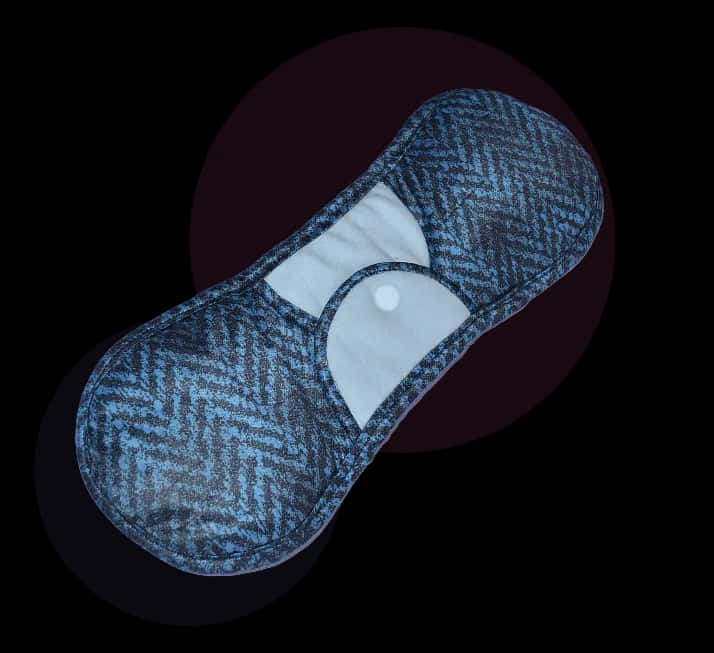
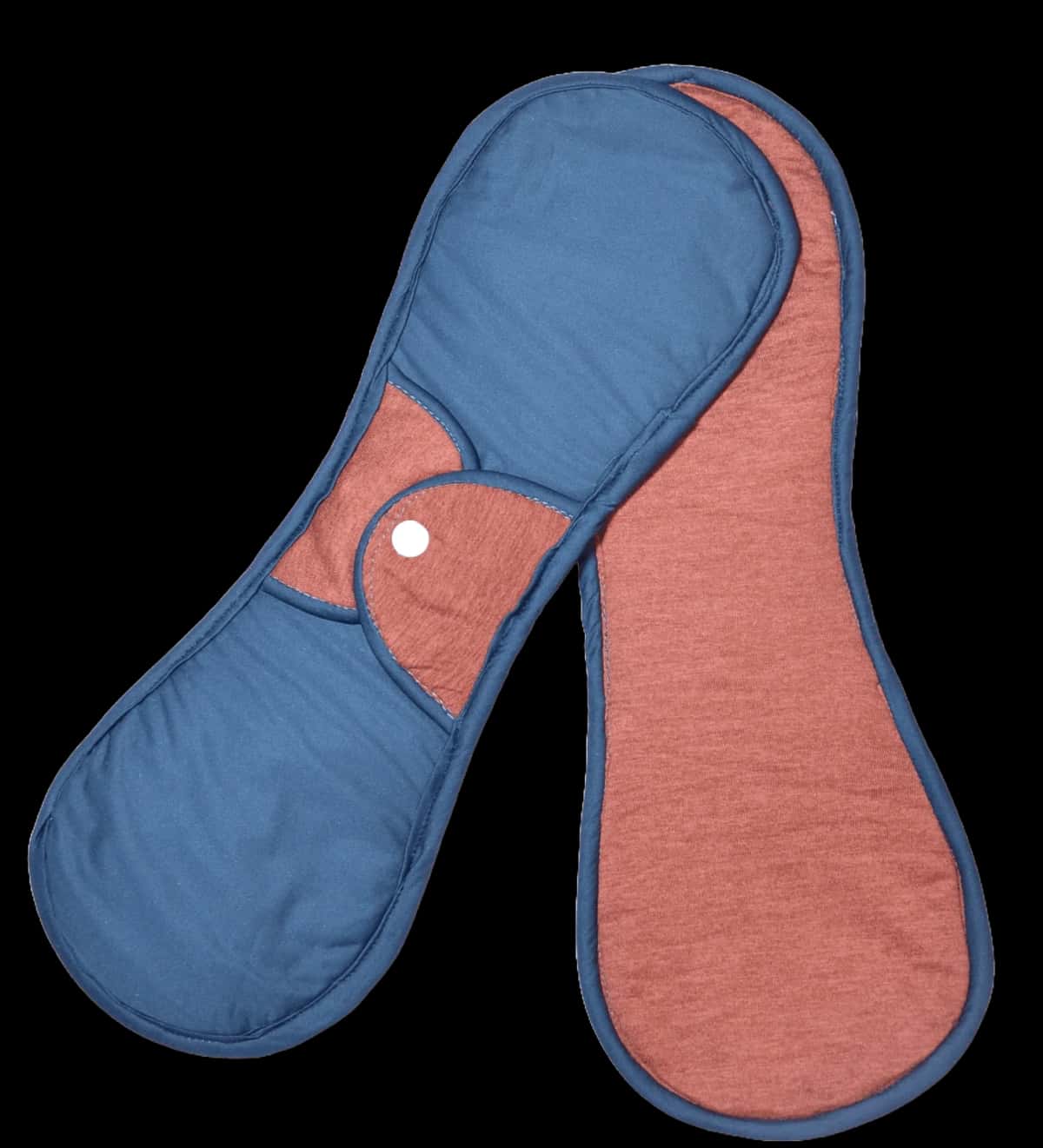
Reusable cloth pads na the biodegradable option wey Nigerian women fit get pass. These pads look like disposable pads, but dem get layers of natural cloth wey dey soak instead of plastic. Dem dey hold your pant with snap buttons, just like normal pads.
Normal reusable pad get three parts. The top layer wey dey touch your skin, usually soft cotton or bamboo cloth. The middle layers wey dey soak – one to five layers depending on your flow. The bottom layer wey dey stop leak, with cotton wey dem weave tight or natural waterproof material.
You dey use dem exactly like disposable pads. When time reach to change am, fold am, close am with the snap, and keep am for small wet bag until you fit wash am. After you wash and dry am, e don ready to use again. Good quality cloth pad dey last 2-3 years if you care for am well.
For Nigeria weather, cloth pads dey work well-well. Cotton dey allow air pass far pass plastic, and e dey reduce heat and wetness wey dey cause discomfort and infection. Women for Kano, where heat dey reach 40°C, talk say dem dey feel cool pass with cloth pads compared to plastic disposable pads.
Menstrual Cups
Menstrual cups na small cups wey dey bend, wey dem make from medical-grade silicone or rubber, wey you go put inside your vagina to collect period blood. One cup fit last up to 10 years, and e go replace thousands of disposable products. E dey carry more blood pass pad, so you fit wear am for up to 12 hours.
E fit take time to learn am well. To put am inside need practice and say you dey comfortable with your body. E dey work best for women wey get clean water and private place to put am, remove am and clean am.
Biodegradable Disposable Pads
Some companies dey make disposable pads wey really dey rot, wey dem make only from plant materials like bamboo fibre, corn starch and wood pulp. For Nigeria, dem no plenty, and these products dey usually cost ₦800-₦1,200 per pack, compared to ₦300-₦500 for normal plastic pads.
Dem dey work well for women wey dey move to period care wey protect environment but wey never ready for reusable options. But for long time protection of environment and to save money, reusable cloth pads give better value.
How to Choose the Correct Biodegradable Product for Wetin You Need
The biodegradable menstrual product wey go fit you depend on your flow, how you dey live, the kind house wey you dey stay, and wetin you like.
Check Your Flow and How You Dey Live
Start by checking your period flow. Light period wey need 2-3 pads every day need simple reusable pads wey get 1-3 layers wey dey soak. These ones dey dry quick for Nigerian sun. Heavy flow need pads wey get 4-5 layers wey dey soak, or to use two thin pads together for your heaviest days.
Think about whether you get water and private place to wash. If you dey live for apartment wey get your own bathroom, to wash pads easy. If you dey share facilities, you need plan. Some Lagos women dey keep bucket wey get cover for their room to soak pads. Others dey plan their washing based on when water dey.
Understand Your Daily Routine
Wetin you dey do every day dey decide which products go work best. University student for Abuja wey dey spend long days for campus need products wey she fit change and keep quietly. Mama wey dey work from house for Kaduna get more freedom and privacy.
If you dey work for office where bathroom privacy no plenty, you fit prefer pads wey dey last long and dey soak more, so you no go need to change am often. Athletes and women wey dey do work wey need body movement need pads wey go stay for one place without say dem go shift.
Calculate the Cost for Long Time
If you dey spend ₦400 every month for disposable pads, you go spend ₦4,800 every year and ₦24,000 for five years. If you put ₦4,000 for reusable pads wey last three years, you go save ₦10,400.
For heavy flow, women wey dey spend ₦800-¥1,000 every month for disposable pads go spend ₦48,000-₦60,000 for five years. If you put ₦6,000-₦8,000 for reusable pads, you go save ₦40,000-₦52,000.
Our pads wey you fit wash

The Benefits When You Choose Biodegradable Menstrual Products
To change to biodegradable menstrual products dey bring good change for your body, your pocket and Nigeria environment.
Money Freedom and Economic Power
Period poverty dey real for Nigeria. Studies show say 1 in 10 African girls dey miss school during their period because dem no get products. For plenty families, to spend ₦400-₦1,000 every month for each person wey dey see period dey press tight budget.
Reusable biodegradable pads dey remove dis expense wey dey come every month. After the first money wey you pay, period care go almost free for years. Woman wey dey earn ₦30,000 every month and dey spend ₦800 for pads dey give almost 3% of her income to period care. If she change to reusable, dat money go come back to her every month.
For young women and girls, to remove period expenses fit be the difference between to stay for school or to drop out. Teachers across northern Nigeria talk say girls wey dey use reusable pads dey come school more steady.
Health Benefits and Less Chemicals
Normal disposable pads dey often get chemicals from how dem make am – bleach, perfume, dye and gum chemicals. You dey wear these products on top your skin wey dey absorb pass for 5-7 days every month, year after year.
Biodegradable pads wey dem make from organic, natural materials dey remove dis chemical contact. Pure cotton or bamboo cloth no get synthetic chemicals. Nigerian women dey often talk say irritation, itching and rash don reduce after dem change to natural cloth pads. For our hot weather, how cotton dey allow air pass compared to plastic dey make big difference. Plastic dey trap heat and wetness, and dis one dey make am easy for bacteria to grow. Natural cloth dey allow air move.
Protect Environment and Fight Climate Change
When you choose biodegradable menstrual products, you personally dey stop around 250-300 disposable pads from entering Nigeria waste every year. For the 35-40 years wey woman fit dey see period, dat na 10,000-12,000 plastic pads wey no go spoil our land and water.
If 1,000 women for your area for Lagos change to reusable, dat na 300,000 plastic pads wey no go block gutters, float for lagoon or sit for dumpsite every year. To make disposable pads need plenty energy, water and chemicals. Natural reusable products wey dem make here for Nigeria dey reduce dis damage to environment well-well.
Wetin Pipo Dey Worry About Biodegradable Menstrual Products
Change dey feel like risk, especially for something wey personal like period care. Make we answer the common worries honestly.
"Dem Go Really Stop Leak?"
Dis na the number one worry. Quality reusable cloth pads dey stop leak as well as disposable pads when you choose the correct soaking power for your flow. The key na to match the thickness of the pad with wetin you need.
The back wey no dey leak na im dey make the big difference. Cloth pads wey dem design well get waterproof layer wey no dey let wetness pass. Nigerian makers wey dey design for our weather dey test dis back special to make sure say e go work for strong heat and humidity.
Plenty women even dey see less leak with reusable pads, because dem dey fit well and dey stay for one place well. Cloth pads dey snap tight to your pant and dey move with your body. Start by using reusable pads for house for light flow day. Dis one go let you test dem without pressure.
"To Wash Dem No Dey Disgusting and Hard?"
The real thing simple pass wetin you dey imagine. When you change your pad, rinse am under cold water. Fresh blood dey comot from natural cloth easy – the water go really come clear inside 30-60 seconds. Hot water dey make blood stain hold, so always use cold water.
After you rinse am, wash the pad with hand with normal soap or add am to your normal laundry. Plenty Nigerian women just dey put pads wey dem don rinse inside the bucket with other cloth wey dey wait for wash day. Hang dem to dry for sun if you fit. Sunlight dey naturally kill germs for cloth.
For areas where water no plenty, some women dey soak pads for small bucket wey get cover, and dem dey change the water once every day. Dis one need small water. E dey usually take 10-15 minutes every few days.
"Wetin My Family Go Think?"
If you dey live for house where many generations dey together, privacy to wash and dry pads fit hard. Some women dey wash pads for private time, early morning or late evening. Others dey dry pads inside their room instead of shared clothesline.
To talk with your mama or sisters fit help. You fit find say older women use cloth when dem first start to see their period, before disposable pads become common. For married women wey dey worry about wetin their husband go talk, explain the money wey you go save and the health benefits. Most men, when dem understand the savings, dey support their wife decision.
Why Sana Pads Dey Support Biodegradable Period Care for Nigeria
Sana Pads dey make reusable cloth pads right here for Nigeria, special to fight period poverty and environment wahala. Since dem start, the company don support pass 10,000 women directly and share pass 30,000 pads through partnership with schools, NGOs and health organisations.
To make am here for Nigeria dey give Sana Pads special advantage. Dem design the products special for Nigeria weather and needs. Dem choose cotton cloth wey dey dry quick even for humid areas near sea. Dem test the layers wey dey soak for heavy flow during hot weather, when to change pad often no dey easy.
To make am here also mean say dem dey support Nigerian workers and businesses. The tailors wey dey make Sana Pads na Nigerian women wey dey get fair pay. Dem dey buy the cotton and other materials from Nigerian suppliers when dem fit.
Apart from selling products, Sana Pads dey work to end period poverty through teaching and access. The company dey partner with schools to give pads to girls wey for miss class if not for dat. Schools, NGOs and other organisations fit order any quantity for the same fixed price per pack.
How to Start Biodegradable Period Care
To change easy pass wetin you think. Start small, learn as you dey go, and adjust based on wetin you see.
For Women: Your Own Change
Start with starter set of 3-4 reusable pads wey get different soaking power. The Sana Pads Starter Kit get 3 Premium Pads plus storage pouch, and e be very good way to start. Premium Pads get 1 layer wey no dey leak plus 3 layers wey dey soak, and dem dey handle normal flow well.
For heavy flow, think about adding Maxi Pads (1 layer wey no dey leak + 5 layers wey dey soak) to your collection. These ones dey handle your heaviest days with confidence. Plenty women dey build their collection small-small – dem go start with the Starter Kit, then add the pads wey dem need as dem dey understand their body better.
Watch your experience. Notice how the pads dey feel, how long dem dey last, and how your body dey react. Give yourself 2-3 cycles to get used to am well. Most Nigerian women wey try quality cloth pads dey continue to use dem for long time, because dem dey see the benefits quick.
For Organisations and Community Leaders: How to Run Programmes
Schools, NGOs, health clinics and community organisations fit bring big change when dem provide biodegradable menstrual products. Programmes wey dey work well dey join products with teaching and support wey dey continue.
School wey give starter kits to 100 secondary school girls dey make one-time investment wey go serve those students for years.
Teaching dey important as products. Partner with health educators to teach girls about menstrual health, correct pad use and care, and how to sabi their body. Think about choosing menstrual health champions – women wey pipo respect, wey dey use reusable pads well and fit guide others.
Organisations wey want partnership fit contact Sana Pads directly to talk about programmes wey fit dem, prices, training support and how to run am.
Make We Waka Go Front: Your Part for Period Care Wey Protect Environment
To choose biodegradable menstrual products na strong step. You dey take back control of your body, your budget and your impact on environment. Your own choice matter, but e dey also spread. When your daughter, sister or friend see you dey use reusable pads with confidence, she go learn say dis option dey and e dey work.
Period poverty and plastic pollution na big wahala for Nigeria, but we fit overcome dem. With practical solutions like reusable biodegradable pads, we fit face both problems at the same time. We fit make sure say every Nigerian girl dey stay for school during her period. We fit reduce the millions of plastic pads wey dey enter our environment every month.
Whether you start with one reusable pad to test am or you decide to change completely, you dey part of dis good change. Sana Pads dey ready to support you with quality products wey dem design special for Nigerian women. Visit the Menstrual Products page to see the options and find the biodegradable solution wey fit wetin you need, your body and your life.
Continue to read for Period Products Wey Good for Environment
Questions wey pipo dey ask well well
Why I go choose Sana Pads instead of normal disposable pad?
Dem make Sana Pads from quality materials wey you fit use again and again. Dem be better option wey no dey spoil environment, instead of sanitary products wey you go throw away. Dem soft for your skin, dem dey soak well-well, and for long run dem go save you money. When you choose Sana Pads, you dey help reduce plastic waste, and you go dey comfortable and confident for your whole cycle.
How long I fit use one Sana Pad before I need to wash am?
One Sana Pad go give you comfort and protection for 4 to 8 hours, depending on your flow. To stay fresh, change am every 4 to 6 hours - more often for heavy days. After every use, rinse am for cold water and wash am with soap. If you care for am well, each pad go last 2 to 3 years.
Sana Pads safe for sensitive skin?
Yes. Dem make Sana Pads from soft materials wey dey allow air pass and wey no dey cause allergy (hypoallergenic), so dem gentle for your skin. Dem no get the bad chemicals and toxins wey plenty disposable pads get, so dem be good choice for pipo wey get sensitive skin or allergy.
How I go take clean and care for my Sana Pads?
Rinse your pad for cold water immediately - hot water dey make blood stain hold the cloth. Then wash am with mild soap, with hand or for machine, and rinse until the water come clear. Dry am finish for direct sunlight, because sun dey also kill germs. Abeg no use tumble dryer, bleach or fabric softener: dem dey spoil the layers wey dey soak. If you care for am like dis, one Sana Pad go last 2 to 3 years.
Price dey change if I order plenty?
No. Every product get one fixed price per pack, no matter how many packs you order. You fit calculate your total with our price calculator. For big order, send us direct message and we go confirm the delivery cost with you before you pay.
Testimonials
See wetin our customers dey talk about our products.
Women for all over di world dey buy Sana

“Sana Pad good well-well, e dey make you comfortable and free. I love the pads, na the best ever!”

“I don try different brands of reusable pad, but Sana stand out for the quality, the comfort and how e dey last. Dem design am with sense, and the material dey gentle for my skin. As I change to Sana, e don reduce how I dey spoil environment and e don also save me money for long run. I dey grateful for dis solution wey go last!”

“For first, e dey irritate me to use washable sanitary pad. I decide to try am, and to my greatest surprise, e comfortable well-well and e easy to wash. You fit even do your daily things without fear say blood go stain you for public. I wan give Big shout out to SANA PADS!!”

“I dey really love Sana reusable pads! Dem dey make me relax and feel free for my period time. Plus, dem don reduce the cost and stress of buying disposable pads every month well-well. Kudos to Sana for making dis kind correct product – I go be fan forever!”

“To dey buy disposable pads every month dey add up well-well, so I talk say make I try Sana Pads. E surprise me how soft dem be, and dem dey work well for long days for university. To wash dem simple, and e don reach months wey I never buy new pad, so e don save me money. I also like say dem dey better for environment. E sweet me say I get option wey cheap and wey better for environment.”

“I don try different pad brands for years, but Sana pads really stand out. From the first time I use am, I see the difference — e soft for skin, e dey soak well-well, and e comfortable die. Even for my heaviest flow days, Sana pads dey hold well. Wetin I also love na how the material dey allow air pass and e good for skin. If you dey find pad wey get comfort, wey you fit trust, and wey get quality, I really recommend make you try Sana pads.”
Time to join hand
Contact Us
Margaret Ochegbudu
Business Manager