How Much E Cost: Pad Wey You Fit Wash vs Disposable Pad for Nigeria
Where pipo don see us







 Margaret Ochegbudu don check am · Update 24 min to read
Woman wey dey use 8 to 12 disposable pad for each cycle dey spend about 2,500 to 3,500 naira every month, or 30,000 to 45,000 naira every year. Good set of pad wey you fit wash use again cost few thousand naira, you go buy am once, and e fit last two to three years. So after di first year, di money wey you save big well-well, and e go dey grow.
Wetin Dis Cost Comparison Show
Di average Nigerian woman dey spend between ₦30,000 to ₦45,000 every year for disposable pad, but if she change to pad wey she fit wash use again, e fit change di matter well-well. Dis na wetin you need sabi:
Main Points:
- Normal woman dey use 8-12 disposable pad for each cycle, and e dey cost am ₦2,500-₦3,500 every month for Nigeria.
- Good pad wey you fit wash use again cost ₦15,000-₦25,000 for di start, but e fit last 2-3 years if you take care of am well.
- If you change to pad wey you fit wash, you go save 60-80% of wetin you dey spend on period products every year, after di first year.
- For five years, pad wey you fit wash go save di average Nigerian woman ₦120,000-₦180,000 compared to disposable.
- Full starter set of pad wey you fit wash go pay for imsef inside 6-8 months wey you dey use am.
- Women for Lagos, Abuja and Port Harcourt talk say dem dey spend pass for disposable pad because of expensive brands.
- Pad wey you fit wash no go let you panic say pad don finish for middle of your period, or make you spend transport money to rush buy pad.
Make we break down di real numbers so you fit make correct decision for your pocket and your health.
Folake sit down for her bed for her apartment for Surulere, dey look di receipts wey she gather for di past six months. She be secondary school teacher for Lagos, she dey earn ₦65,000 every month, and she dey proud say she sabi plan her money well. But one expense dey always catch her eye: sanitary pad. Every month, no fail, ₦2,500 to ₦3,500 dey go for pad. She calculate am for her head and her eyes open wide. Pass ₦36,000 every year. Just for her period. And she get two daughters wey go soon start to see their period, so dat number fit become triple. Her colleague don talk something about pad wey you fit wash wey dey last for years, but Folake dey wonder if e really cheap pass, or na another thing wey go look cheap but cost more for di end. Dat evening, she decide to find out di real numbers.
If you don ever feel like Folake, as you dey watch di money wey you suffer to get dey disappear for disposable pad every month, you no dey alone. When you understand di true cost of period products, e fit change how you dey manage your money and your period.
Di Real Cost of Period Products
When we talk about di cost of sanitary pad, most women dey only think of di price for chemist or market. But di true cost pass wetin you pay for counter. E include how often you dey buy, how long di product dey last, hidden costs like how to throw am away, and wetin dat money for fit do for you over time.
To sabi which option really dey save money, we need look di total cost from start to finish. Na di same way you go reason am when you dey choose between generator wey dey drink fuel and solar panel. Di money wey you pay for di start na only part of di story.
Di True Cost of Disposable Pad
Most Nigerian women dey use between 8 to 12 disposable pad for each period, depending on how heavy di flow be and how often dem dey change. For markets for Lagos, Kano and Abuja, pack of 10 regular disposable pad dey cost between ₦800 to ₦1,500, depending on di brand.
Make we calculate wetin e cost every year. If you dey use 10 pads for each cycle and you dey see your period 12 times for year (some women dey see am 13 times), na 120 pads be dat every year. If each pad na ₦250 on average (middle-price brands), you dey spend ₦30,000 every year. Expensive brands fit push am reach ₦45,000 or pass. For all di years wey woman fit born pikin, wey be 35 years (from age 15 to 50), na between ₦1,050,000 to ₦1,575,000 you go spend for disposable pad alone.
But hidden costs dey too. How many times you don need to rush buy one pack from roadside seller for high price? Or you pay transport just to go buy pad? Dis kain emergency buying dey add 10-15% to wetin you dey spend every year. Di matter of how to throw am away dey too. For area wey nobody dey carry dirt regularly, some women dey burn pad (wey dey release poison chemicals) or throw am anyhow, and e dey cause dirty environment.
Di stress for mind matter too. To dey always remember to buy pad, plan money for am every month, and dey fear say e go finish, all dis one dey heavy for your head. For house wey NEPA dey take light every time, you no fit store frozen food, but you fit store disposable pad, and e go take space wey you need for small apartment.
How Pad Wey You Fit Wash Be Like Investment
Pad wey you fit wash dey work for different money system. Instead of expense wey dey come every month, you go pay once and e go serve you for years. E be like to buy good wrapper instead of cheap cloth wey go tear after few washes.
Full set of pad wey you fit wash usually get 6-8 pads wey get different levels of absorbing. Dis one dey allow you rotate dem for your whole cycle, wash dem, and always get clean pad wey ready. Di first cost dey from ₦15,000 to ₦25,000, depending on quality and how many pads. Premium sets wey get plenty absorbing layers cost more for di start but dem handle heavy flow better and dem dey last longer.
Good pad wey you fit wash dey last 2-3 years if you take care of am well. Dis mean say di ₦20,000 wey you pay for di start go serve you for 24 to 36 months. Divide dat money for all those months, and you dey pay about ₦555 to ₦833 every month, compared to ₦2,500-₦3,500 for disposable.
Di only cost wey go continue na water and soap to wash. Even for area wey you must buy water, di water wey you need to wash pad small. Bucket of water (₦50-₦100 depending on di place and how scarce water be) fit wash some pads. Add small soap (₦50 for each wash cycle), and wetin you go spend every month to take care of dem no reach ₦300. Compare dis to di ₦2,500+ wey disposable dey cost every month, and you go see di savings clear.
Make We Break Down Di Five-Year Comparison
Make we put real numbers for dis comparison, using wetin di average Nigerian woman wey get moderate flow dey experience. We go compare two ways for five years: to continue with disposable pad, or to change to pad wey you fit wash today.
Disposable Pad – Cost for Five Years:
- Cost every month: ₦3,000 (average for moderate flow)
- Cost every year: ₦36,000
- Total for five years: ₦180,000
- Hidden costs (emergency buying, transport, storage): ₦27,000
- Total cost for five years: ₦207,000
Pad Wey You Fit Wash – Cost for Five Years:
- First money wey you go pay (set of 8 pads): ₦20,000
- Washing cost every month (water + soap): ₦300
- Washing cost every year: ₦3,600
- Total washing cost for five years: ₦18,000
- To buy new set (one set after 3 years): ₦20,000
- Total cost for five years: ₦58,000
Di difference na ₦149,000 wey you save for five years. Dat money reach to pay school fees, start small business, or handle family emergency. For woman like Chioma wey get two daughters, di family fit save pass ₦400,000 for five years once all three of dem dey see period.
How to Calculate Di Money Wey You Go Save
Every woman period dey different. How heavy your flow be, how long your cycle be, and how often you dey change pad, all dey affect how much you dey spend. Dis na how you fit calculate di money wey you fit save.
Step 1: Write Down Wetin You Dey Spend Now
For di next three months, keep every receipt anytime you buy disposable pad. Write di date, brand, pack size and cost. Note any emergency buying wey you do for high price. When di three months finish, calculate how much you dey spend every month on average.
If you no wan wait three months, estimate from last month. Count how many pads you use. Multiply am by di average price per pad for your area. Talk true about di expensive brands wey you dey use. Plenty women for Abuja and Lagos dey mix brands: dem dey use expensive pad for night and cheaper one for afternoon.
Add 15% to di total wey you calculate, to cover emergency buying, price wey go up when pad scarce, and di ones wey you buy but forget. Dis go give you correct base for each month. Multiply am by 12 to know wetin disposable pad dey cost you every year.
Step 2: Calculate Wetin Pad Wey You Fit Wash Go Cost You
Find out how many pad wey you fit wash you need based on your flow. Women wey get light flow fit manage with 4-5 pads. Moderate flow need 6-7 pads. Heavy flow need 8-10 pads, so dat you go always get clean, dry pad while di others dey dry.
Think about how you go wash and dry am. If you dey live for place wey get humid weather, or for rainy season for Port Harcourt or Lagos, pad go take longer to dry. You fit need one or two extra pads to cover di drying time. If sun dey shine well for dry places like Kano or Kaduna, pad go dry quick and you go need fewer for rotation.
Check price for set of pad wey you fit wash wey match wetin you need. Quality matter here. Pad wey you fit wash wey cheap too much (under ₦1,500 per pad) dey often leak, quick lose how e dey absorb, or tear inside few months. Middle-price ones (₦2,000-₦3,000 per pad) dey last better. Premium pads wey get plenty layers wey dey absorb and back wey no dey leak cost more, but dem fit handle heavy flow and dem dey last longer.
Add your washing cost. Estimate how much water cost for your area and how much soap you go use. Most women see say dem dey spend under ₦300 every month for washing things, even for places wey water scarce.
Step 3: Compare Am and Calculate When Your Money Go Come Back
Your break-even point na di time wey di money you save don pay back wetin you spend for pad wey you fit wash. Use dis simple formula:
Break-even months = Total cost of pad wey you fit wash ÷ (Wetin disposable dey cost every month – Washing cost every month)
For example, if you dey spend ₦3,000 every month for disposable, you pay ₦18,000 for pad wey you fit wash, and you dey spend ₦250 every month to wash dem:
₦18,000 ÷ (₦3,000 – ₦250) = 6.5 months
After six and half months, your money don come back. Everything after dat na pure saving. For di normal 3-year life of good pad wey you fit wash, you go save about ₦81,000 compared to if you continue with disposable.
Women wey get heavy flow wey dey spend ₦4,000-₦5,000 every month for disposable go break even faster, usually inside 4-5 months. Di heavier your flow and di more you dey spend now, di faster pad wey you fit wash go pay for imsef.
Our pads wey you fit wash

Di Benefits Wey Pass Money
Even though na di money wey dem go save dey push plenty women to think about pad wey you fit wash, di money benefit pass just to reduce wetin you dey spend every month. E dey touch your life for ways wey you no expect.
Freedom for Your Pocket and Steady Budget
When you change to pad wey you fit wash, your period no go be expense wey dey come every month again, e go be investment wey you make once. Dis one go make your budget steady. You no need to keep ₦3,000-₦4,000 aside every month for pad again. Dat money go dey for other needs or for savings.
Plenty Nigerian women talk say when dem stop to buy pad every month, dem get small breathing space for tight budget. One market woman for Aba talk say di ₦3,500 wey she dey spend for pad before, now e dey go her daily contribution savings (ajo). For one year, na ₦42,000 savings wey she no get before. One student for Ibadan dey use di money wey she save from pad to buy textbooks and materials wey her parents no fit afford.
Make nobody look down on di peace of mind wey steady budget dey bring. To sabi say you no go face ₦3,000 expense wey you no expect for middle of di month dey reduce stress. Women for house wey money tight especially like am, because dem no need to choose between pad and food, or pad and transport money.
E also end di panic of period poverty. When pad finish for middle of your period and money no dey, e dey cause real wahala. Women go start to use rag, tissue paper, or even stay for house instead of going work or school. With pad wey you fit wash, wetin you need go always dey. No emergency waka go chemist, no borrow from neighbour, no missing important days.
Health and Comfort Benefits
Apart from money, pad wey you fit wash get health benefits wey fit reduce hospital cost for long time. Good pad wey you fit wash wey dem make from soft cotton or bamboo cloth dey gentle for sensitive skin pass di disposable wey get plastic for back, wey full Nigerian markets. Plenty women talk say dem dey get less rashes, less irritation and less itching after dem change.
How di pad dey allow air pass matter well-well for Nigeria hot and humid weather. Disposable pad dey hold heat and wetness, and dis one dey make bacteria and fungi grow. E dey lead to infection wey need treatment for hospital. Antibiotics for vaginal infection fit cost ₦2,000-₦5,000. Treatment for fungal infection go add more cost. As pad wey you fit wash dey reduce di risk of infection, e fit save you hospital money for di whole year.
Women wey get sensitive skin or allergy to di chemicals for disposable pad dey feel better quick after dem change. Di bleach, perfume and synthetic materials for disposable dey cause reaction for some pipo wey dey use am. Pad wey you fit wash wey dem make from natural cloth dey remove dis exposure. One woman from Kaduna calculate say she save ₦8,000 every year for antihistamines and skin treatment after she change to pad wey you fit wash.
Comfort dey help you work well. When you no dey deal with irritation, rubbing, or fear say e go leak, you go work better. Students go concentrate better for class. Market women no need to stop to adjust pad wey dey disturb dem. Teachers like Chioma fit focus on their students instead of period discomfort. Dis one get value for money too, even if e hard to measure am for naira.
Wetin E Mean for Environment and Community
Di way pad wey you fit wash dey protect environment dey bring money benefit for community, even though di person wey dey use am no go see di money for hand. Every pad wey you fit wash wey replace disposable dey reduce di cost to manage dirt, dey protect water from contamination, and dey reduce di work of environmental cleanup.
One woman wey dey use disposable pad dey produce about 5-7 kilograms of period waste every year. Multiply dis by millions of women wey dey see period for Nigeria, and you go see how big di waste problem be. Communities dey spend money for waste collection, disposal and environmental cleanup, money wey for fit go other development needs.
For areas wey no get proper waste management, pad wey dem throw away dey block gutters, and e dey add to flood for rainy season. Di cost to clear blocked gutters and handle flood damage reach millions of naira every year for cities like Lagos and Port Harcourt. Even though to change to pad wey you fit wash no go put money direct for your pocket, e dey reduce di cost wey your whole community dey carry.
Another economic benefit dey when you buy pad wey you fit wash wey dem make for Nigeria. Your money go stay for Nigeria, e go support local factory jobs instead of to make foreign disposable pad companies rich. As more women dey change, local makers dey grow, dem dey create jobs and make di economy of your community strong.
Wetin Dey Worry Pipo About Changing
Even though di money benefit clear, plenty women still dey fear to change to pad wey you fit wash. Make we answer di practical worries wey fit dey hold you back.
"Di First Money Too Much for My Budget"
Na dis complain pass, and e dey make sense well-well. When your budget tight, to find ₦15,000-₦20,000 at once go look like say e no possible, even when you sabi say e go save money for long run. Di ₦3,000 for disposable every month dey look easier because e dey spread out.
But think about dis: you don already dey spend dat money. Di question no be whether you fit afford period products. Di question na whether you go pay small-small every month, or you go buy once and end di whole cycle. Think about how you dey handle other expenses. You fit save money to buy good shoe instead of buying cheap one wey go spoil quick. Na di same thing for period products.
Practical ways dey to manage di first money. Start with small set of 3-4 pads instead of full collection. Dis one go reduce di first money to ₦6,000-₦8,000. Use dis pad wey you fit wash for di days wey your flow heavy pass, and use disposable for di light days. As you dey save money because you dey buy less disposable, small-small buy more pad wey you fit wash until you don change finish.
Another way na to ask for pad wey you fit wash as gift. Instead of clothes or accessories for your birthday or Christmas, ask your family members for pad. Some women dey organise ajo (contribution savings) just for period products: dem dey gather money with friends to buy set for each person, each person get her turn.
For students and young women, talk to your parents or guardians about di money wey una go save for long time. Show dem di calculation. Plenty parents ready to pay di bigger money for di start when dem see say e go end di monthly pad expense. One secondary school student for Enugu convince her mama when she calculate say di family go save ₦72,000 for two years once both daughters dey use pad wey you fit wash.
"To Wash Pad Look Hard and E Dey Shame Me"
How to wash pad wey you fit wash use again dey worry plenty women, especially for house wey privacy no dey or water scarce. Cultural taboo about period blood dey add more discomfort. Dis worries make sense and dem deserve honest answer.
To wash pad wey you fit wash simple pass wetin most women dey expect. Rinse di used pad for cold water as you remove am, until di water clear. E go take about 30 seconds and e go remove most of di blood. Then soak di pad for bucket of cold water with small soap for some hours or for di whole night. Last last, wash am well with soap and water, rinse am finish, and hang am make e dry for sun.
Di whole process no reach di time wey e go take you to go market buy disposable pad. You fit wash pad when you dey baff, so your privacy go dey. For compound wey many pipo share, wash your pad for your own bucket inside your room, then hang am make e dry among your other clothes. Pad wey don dry dey look like normal cloth, and most pipo no go know say na period product.
Water scarcity na real worry for plenty Nigerian communities. But to wash pad no dey use plenty water compared to other laundry. Di first rinse need less than one liter. You fit use di soaking water again for di next pad. Di last wash dey use about di same water as when you wash underwear, wey you already dey do all di time.
For compound wey everybody share water and you must wash for open, find routine wey dey comfortable for you. Some women dey wash pad wrap inside small towel to keep privacy while dem dey wash. Others dey wash pad for night when pipo no too dey around. If you fit enter private bathroom, even for few minutes, na all di privacy wey you need be dat.
Di shame dey go quick when you start. After few cycles, to wash pad go be normal like to wash pant. Plenty women talk say dem even prefer to control how clean their period product be, instead of to trust disposable wey dey sit for warehouse and shop wey nobody sabi how clean e be.
"E Go Really Last, or E Go Tear Quick?"
To worry about how long e go last na wise thing. Some women don buy cheap pad wey you fit wash wey start to leak after few washes or tear inside some months, and dis one make dem believe say disposable dey more reliable even though e cost more. Quality matter well-well for pad wey you fit wash.
Pad wey you fit wash wey dem make well fit last 2-3 years of regular use. Di main things na good cloth, strong stitching, waterproof layer wey dey last, and fasteners wey hold well. Cheap pad dey cut corner for dis things. Dem dey use thin cloth wey quick tear, weak stitching wey dey loose, waterproof layer wey dey crack and peel, and snaps or buttons wey dey break or fall comot.
To make sure say your investment go last, choose pad from makers wey dey give guarantee say e go last, or wey get good name. Read reviews from other Nigerian women if dem dey. Ask questions about di materials and how dem take make am before you buy. Maker wey get good name go explain clear wetin dem take make their pads and how to take care of dem.
Correct care dey make pad last longer well-well. No use strong bleach wey dey spoil cloth. No squeeze pad with force or twist am hard when you dey wash. Dry am finish for sun before you keep am, so mildew no go grow for humid weather. Keep dry pad for bag wey air fit pass, no be plastic container wey close tight wey fit hold wetness.
Most times pad dey spoil because of bad care, no be because di quality bad. One woman for Jos talk say her pads no last reach one year, but she dey wash dem for machine with strong detergent for hot setting and dey dry dem for tumble dryer. Dis kain hard washing dey spoil even good pad. Wash with hand with mild soap and dry am for open air, and e go last di longest.
If you dey worry about how long e go last, start with one or two good pads and test dem for some cycles before you invest for full set. Dis one go let you confirm say dem good for you before you spend bigger money. Good makers dey stand behind their products because dem sabi say pad wey dem make well dey last.
Why Sana Pads Give You Di Best Value for Nigeria
To understand cost comparison go make sense when you fit get good pad wey you fit wash, wey no cost too much, wey dem make specially for Nigerian women. Sana Pads dey solve di special challenges wey women dey face for Nigeria, and e dey make pad wey you fit wash easy to afford.
As Nigerian company wey dey make pad, Sana Pads understand how period dey be for our weather and culture. Dem design di pads to dry quick even for di humid rainy season for areas near sea. Dem choose di cloth so e go still dey comfortable for strong heat. Di sizes fit Nigerian women body and di way dem dey dress.
Pass products, Sana Pads dey focus on to end period poverty. Di company don support pass 10,000 women directly and don share more than 30,000 pads give girls and women wey no fit afford period products. Dis mission pass profit, na real social impact, so dat every Nigerian woman fit manage her period with dignity, no matter how much money she get.
Di price show dis commitment. While pad wey you fit wash wey dem import fit cost ₦4,000-₦5,000 each, to make am for Nigeria dey remove import duty and shipping cost. Dis saving dey reach customers. Quality still high because dem make Sana Pads to last, so di cost every time you use am dey reduce well-well compared to both disposable and pad wey you fit wash wey no get good quality.
Sana Pads dey supply schools, NGOs and community programmes of any size for di same fixed price per pack. School wey invest for pad wey you fit wash for students no go need to dey spend money every time to share disposable pad, and girls go get period products wey dem fit trust, year after year.
Di impact pass di person wey dey use am. When you choose pad wey dem make for Nigeria, you dey support Nigerian jobs and factories. Your money dey build economy for your community, instead of to flow go abroad to foreign companies. Dis one matter for Nigeria economy for long time and to create jobs.
How to Start with Pad Wey You Fit Wash
You ready to start to save money and get freedom for your period? Dis na how to make di change smooth and successful.
For Women Wey Dey Buy for Demself
Start by checking your flow and decide which kind pad you need. Days wey flow light no need plenty absorbing. Days wey flow heavy need di strongest protection. Most women dey benefit when dem get different levels of absorbing to match their cycle.
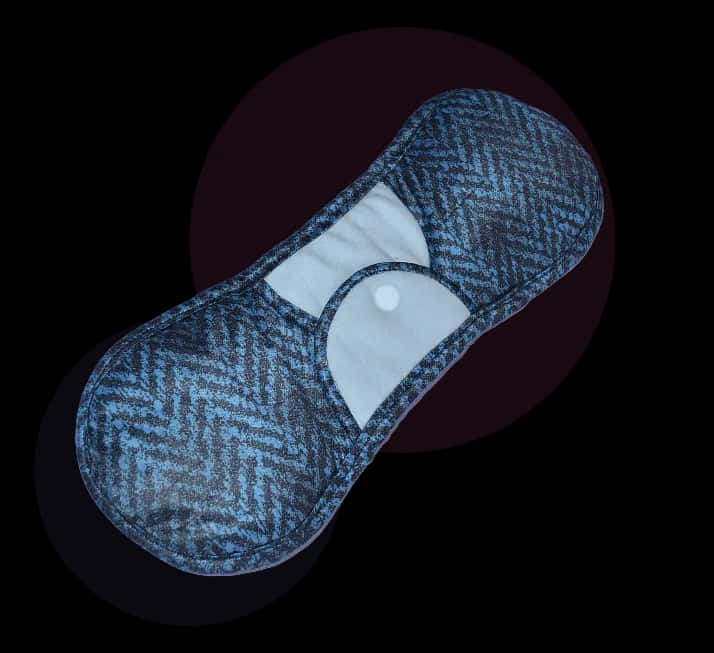
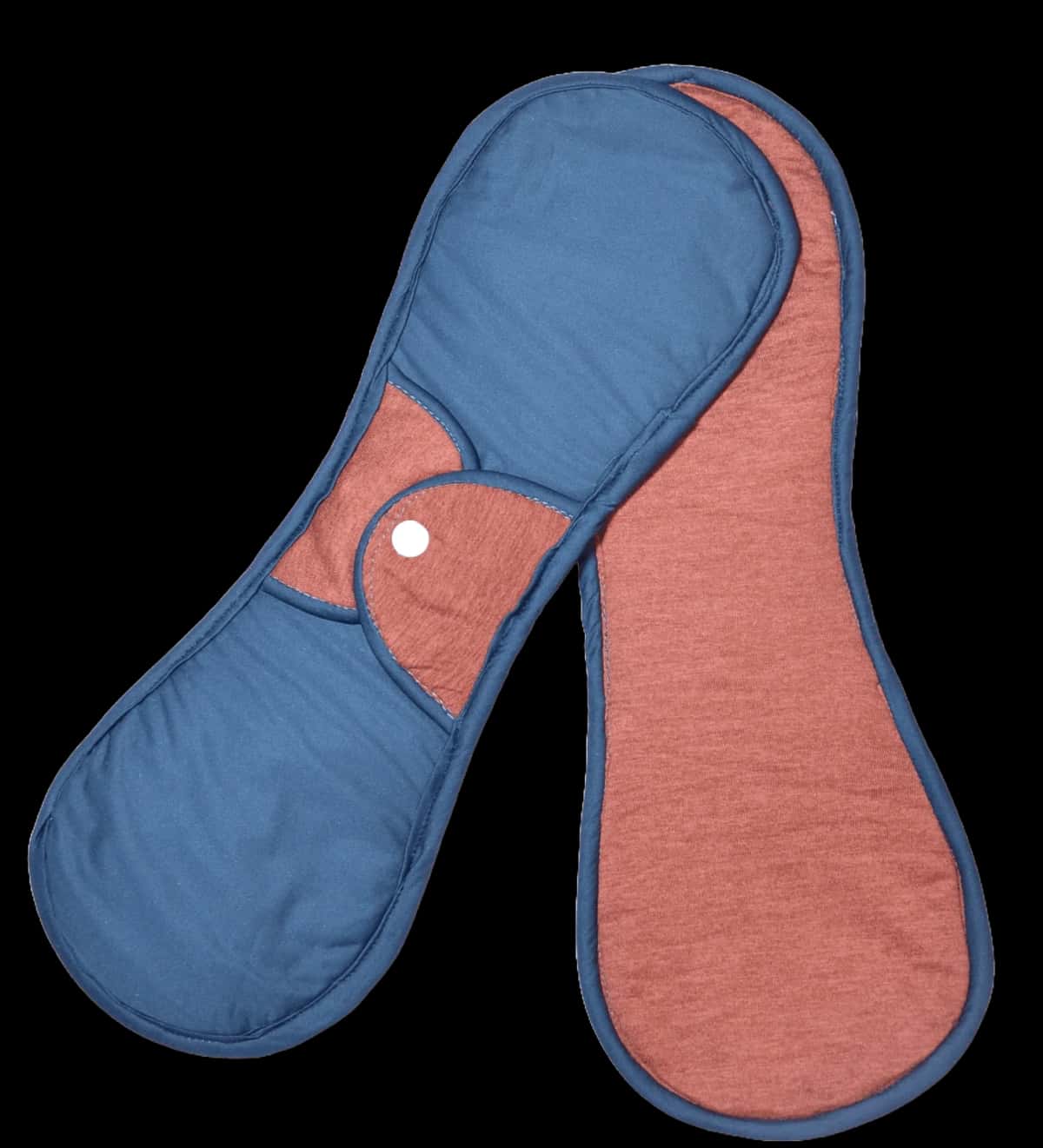
Di No Wahala Pads wey get 1 layer wey no dey leak and 1 layer wey dey absorb dey work well for light days or as backup protection. Dem slim and comfortable for days wey your period dey finish. Premium Pads get 1 layer wey no dey leak and 3 layers wey dey absorb, and dem dey handle normal flow with confidence. Dem go be your everyday pad for most of your cycle.
For heavy days, for night, or if your period dey heavy well-well, Maxi Pads wey get 1 layer wey no dey leak and 5 layers wey dey absorb dey give di strongest protection. Dem dey stop leak during long meetings, for night, or for your heaviest days when e no easy to dey change pad often.
Di Starter Kit na cheap way to start: e get 3 Premium Pads plus pouch to keep dem. Dis set go let you test pad wey you fit wash for full cycle before you invest for full collection. You go learn how often you dey change, how you like to wash, and how many pads you need for rotation. After one cycle wey go well, you fit add more to your collection based on wetin you don experience.
Most women see say dem need 6-8 pads in total to cover di whole cycle. Dis one go make sure say you always get clean, dry pad while di others dey for wash or dey dry. For humid weather or for rainy season, think about adding 1-2 extra pads to your collection because e go take longer to dry.
For Organisations and Pipo Wey Dey Lead Community
Schools, NGOs, health centres and women organisations fit make impact wey go last when dem give pad wey you fit wash to di girls and women wey dem dey serve. E no be like disposable pad distribution wey need money every time: pad wey you fit wash dey solve period needs for years from one investment.
For schools, calculate how many female students need period products and how many pads each person need. Set of 5-6 pads for each girl go allow am to wash and rotate. Think about setting up simple place to wash, or teach girls how to wash for house. Work with parents to make sure say dem dey take care of di pads well.
NGOs wey dey work on period poverty or girls education dey see say pad wey you fit wash dey support their mission direct. Girls dey stay for school during their period when dem get products wey dem fit trust. Di confidence and dignity wey dey come from to manage period well dey improve how dem dey do for school, and you fit measure am.
Health organisations and clinics fit keep pad wey you fit wash for patients wey no fit afford period products. Add pad education to maternal health programmes and family planning services. To teach women about pad wey you fit wash dey give dem power for money matter and e dey improve their period health.
Community leaders and religious organisations fit fight period poverty for their community: dem fit organise pad drive, create place wey pipo fit borrow pad wey you fit wash, or raise money just for period products. Di fine thing about pad wey you fit wash be say one fundraising go give impact for years, instead of to cover only one month need.
Contact Sana Pads direct to discuss bulk needs, delivery and educational materials wey go help di programme work. Di team understand wetin organisations need and dem dey work together with you to make sure say di programmes succeed.
Take Control of Di Money Wey You Dey Spend for Period
Di numbers clear. Disposable pad dey cost Nigerian women between ₦30,000 to ₦45,000 every year, and e no get end. Pad wey you fit wash need first money of ₦15,000-₦25,000 wey go serve you for 2-3 years. Di calculation no hard. For five years, you go save ₦120,000 to ₦180,000 if you change to pad wey you fit wash. Dat money fit change your money situation, support your education, grow your business, or secure your family future.
Apart from money, you go free from di monthly worry about pad, you go reduce di health risk from chemicals and infection, and you go get di dignity of always having wetin you need. You dey support local factories and reduce waste for your community. Di most important thing, you go control your period instead of to let am control your budget.
To start fit feel like big jump, but thousands of Nigerian women don make dis change well. Di first cycle wey you go use pad wey you fit wash fit feel strange, but by your second month, to wash and use dem go become normal routine. Inside six months, your money don come back and you don start to save money every single month.
Your period no need to be money burden. With good sanitary pad wey you fit wash use again, you go turn am to investment wey you make once wey go serve you for years. Visit our period products page to see all di options and find di correct one for wetin you need and your budget. Di freedom and di savings go start from your next cycle.
Continue to read for Period Products Wey Good for Environment
Questions wey pipo dey ask well well
Why I go choose Sana Pads instead of normal disposable pad?
Dem make Sana Pads from high-quality materials wey you fit use again, so dem be alternative to disposable sanitary products wey fit last and wey good for di environment. Dem gentle for your skin, dem dey absorb well, and dem dey save you money for long run. When you choose Sana Pads, you dey help reduce plastic waste, and you go enjoy comfort and reliability for your whole cycle.
How long I fit use Sana Pad before I need to wash am?
Sana Pad dey give you comfort and protection for 4 to 8 hours, depending on your flow. To stay fresh, change am every 4 to 6 hours - more often for heavy days. After each use, rinse am for cold water and wash am with soap. If you take care of am well, each pad go last 2 to 3 years.
Sana Pads safe for sensitive skin?
Yes, dem make Sana Pads from soft, hypoallergenic materials wey air fit pass, so dem dey gentle for your skin. Dem no get di harmful chemicals and toxins wey dey common for disposable pad, so dem be correct choice for pipo wey get sensitive skin or allergy.
How I go clean and take care of my Sana Pads?
Rinse your pad for cold water immediately - hot water dey make blood stain stick. Then wash am with mild soap, with hand or for machine, and rinse am until di water clear. Dry am finish for direct sun, because sun dey kill germs too. Abeg no use tumble dryer, bleach or fabric softener: dem dey spoil di layers wey dey absorb. If you take care of am like dis, Sana Pad go last 2 to 3 years.
Di price dey change for big order?
No. Each product get fixed price for each pack, no matter how many packs you order. You fit calculate your total with our price calculator. For big order, send us direct message and we go confirm di delivery cost with you before you pay.
Testimonials
See wetin our customers dey talk about our products.
Women for all over di world dey buy Sana

“I dey really love Sana reusable pads! Dem dey make me relax and feel free for my period time. Plus, dem don reduce the cost and stress of buying disposable pads every month well-well. Kudos to Sana for making dis kind correct product – I go be fan forever!”
“Sana Pad good well-well, e dey make you comfortable and free. I love the pads, na the best ever!”

“I don try different brands of reusable pad, but Sana stand out for the quality, the comfort and how e dey last. Dem design am with sense, and the material dey gentle for my skin. As I change to Sana, e don reduce how I dey spoil environment and e don also save me money for long run. I dey grateful for dis solution wey go last!”

“For first, e dey irritate me to use washable sanitary pad. I decide to try am, and to my greatest surprise, e comfortable well-well and e easy to wash. You fit even do your daily things without fear say blood go stain you for public. I wan give Big shout out to SANA PADS!!”

“To dey buy disposable pads every month dey add up well-well, so I talk say make I try Sana Pads. E surprise me how soft dem be, and dem dey work well for long days for university. To wash dem simple, and e don reach months wey I never buy new pad, so e don save me money. I also like say dem dey better for environment. E sweet me say I get option wey cheap and wey better for environment.”

“I don try different pad brands for years, but Sana pads really stand out. From the first time I use am, I see the difference — e soft for skin, e dey soak well-well, and e comfortable die. Even for my heaviest flow days, Sana pads dey hold well. Wetin I also love na how the material dey allow air pass and e good for skin. If you dey find pad wey get comfort, wey you fit trust, and wey get quality, I really recommend make you try Sana pads.”
Time to join hand
Contact Us
Margaret Ochegbudu
Business Manager