Pad Wey You Fit Wash Use Again vs Disposable Pad: Wetin Every Naija Woman Suppose Sabi About How Dem Dey Affect Environment
Where pipo don see us







 Margaret Ochegbudu don check am · Update 23 min to read
For her whole life, one woman dey use between 11,000 and 16,000 disposable pads. Di same years fit run with only few sets of pads wey you fit wash use again. Di difference for environment no small at all: na di difference between few kilograms of cloth and tens of kilograms of plastic wey go still dey after everybody wey involve don die.
How Pads Dey Affect Environment: Wetin You Need to Sabi
When you dey choose between pads wey you fit wash use again and disposable sanitary pads, you dey make decision wey go affect Naija communities for many generations. Di average woman dey use between 11,000 and 16,000 disposable pads for her whole life, and dis one dey create mountain of waste wey our cities no fit manage well.
Main Tins to Remember:
- One woman wey dey use disposable pads dey create around 125-150 kilograms of menstrual waste for her whole life, wey no dey ever rot.
- If Naija woman change go pads wey you fit wash use again, she fit save ₦150,000-₦200,000 for ten years, and remove 99% of period waste.
- Disposable pads dey take 500-800 years to rot for landfill, and dem dey release dangerous chemicals enter Naija soil and underground water.
- Na only Lagos dey produce around 12,000 tonnes of menstrual waste every year, as dem estimate, and most of am dey end for gutters and waterways.
- Pads wey you fit wash use again dey last 2-3 years if you take care of dem well, and dem dey replace around 120-180 disposable pads for their whole life.
- Nigeria waste management system dey handle less than 40% of city waste, so most disposable pads dey end for open dump.
- Communities near waste sites for Abuja and Kano dey report say health danger don increase because pipo no dey throw sanitary products away correct.
Make we look well wetin dey happen to your period products after you throw dem away, and why dis one matter for every Naija community.
Blessing, secondary school teacher for Port Harcourt, dey buy one pack of disposable pads every month before, without thinking twice. For ten years, she spend pass ₦180,000 on products wey she use once and throw away. But di real cost hit her when heavy rain flood her area last rainy season. Gutters full and pour waste, plus hundreds of used sanitary pads wey block di drainage. Children dey play near di dirty water. Mothers cover their nose because of di smell.
Dat day, Blessing begin see her period products another way. No be only easy life she dey buy. She dey add to environment wahala wey dey grow, wey dey affect her community, her water and di future wey her students go meet. Like millions of Naija women, she get choice wey she no know say e dey: to continue with disposables or to change go pads wey you fit wash use again. Di difference between dis two options pass wetin person just like. E dey affect every Naija community, from Lagos reach Kano, for ways wey we just dey start to understand.
Di Real Cost Wey Disposable Pads Dey Bring to Environment for Nigeria
Nigeria get her own environment wahala wey make disposable pad waste worse. Unlike countries wey get strong waste management system, most Naija cities no get correct sanitation structure. When you understand wetin dey happen to disposable pads after use, you go see why dem dey bring serious danger to environment and health.
Wetin Dem Take Make Disposable Pads
One disposable sanitary pad fit get up to 90% plastic. Di top layer na polypropylene or polyethylene (plastic), di inside wey dey absorb get super absorbent polymers (more plastic), and di back na polyethylene film. Di gum strips dey add more chemicals wey dem make for factory. As e be so, you dey wear thin mattress of plastic and chemicals near di most sensitive part of your body.
Dis materials dey come from petroleum, wey no fit renew. To make disposable pads wey one woman go use for one year need around 150 litres of crude oil. Multiply am by di 50 million women wey dey see period for Nigeria, as dem estimate, and di effect for environment go shock you.
Because of di plastic, disposable pads no dey rot like food waste. When dem bury am for landfill or throw am for open space around Naija cities, e go remain like dat for hundreds of years. Di hot and wet weather no dey make am rot faster. Instead, e fit make tins worse, because e dey make di plastic release dangerous chemicals faster as e dey break into small small pieces wey dem dey call microplastics.
Where Disposable Pads Dey End for Naija Communities
For cities like Lagos, Kano and Abuja, waste collection dey reach only about 60% of pipo wey dey live there. Plenty communities, especially for informal settlements, no get waste pickup wey dey come regularly. Women dey throw used pads away anyhow dem fit: dem wrap am for paper throw am for gutter, bury am for compound, burn am for open fire, or put am with other house waste.
For rainy season, di wahala dey double. Menstrual waste dey block gutters, and dis one dey cause flood wey dey carry dirty water enter di area. For Kano old city, health workers talk say drains wey block with sanitary products dey add to flood wey dey come every season, wey dey spoil houses and spread sickness wey dey come from water. Children wey dey play for street after rain fit touch human waste and di chemicals from pads wey dey rot.
Even when waste reach official dumpsite, e no better. Di biggest landfills for Nigeria, like Olusosun for Lagos (dem don close am now) and Mpape for Abuja, dey collect mixed waste, nobody dey separate am. Disposable pads dey lie down with food waste, plastic and dangerous materials. Scavengers wey dey find recyclable tins for di waste dey carry used menstrual products with hand, and dis one dey expose dem to germs wey dey for blood. Di pads no dey ever rot. Dem just dey pile up, year after year, dey release methane gas and dey push chemicals enter soil and underground water.
How Di Chemicals Dey Affect Naija Soil and Water
Disposable pads get chemicals wey most Naija women no know about: dioxins from bleaching, phthalates wey dey make am bend, and perfume wey dem make for factory. When dis pads dey for landfill or open dump, rain dey wash dis chemicals enter ground. For plenty areas for Nigeria, underground water no too far from di top of di ground, so di dirt dey travel quick.
Communities near big dumpsites for Port Harcourt and Kaduna don report say their well water don change. Even though plenty kinds of waste dey cause am, menstrual products dey add to di chemicals. Di plastic pieces dey break into microplastics wey dey enter soil, and dis one dey affect farming communities wey dey use land near cities to grow food.
To burn waste, wey common for areas wey no get waste collection, dey bring another wahala. When women burn pads to throw dem away for private, di plastic dey release dangerous smoke, including dioxins, wey be some of di most dangerous chemicals wey human being sabi. Dis smoke dey affect di woman wey dey burn di waste, her family and her neighbours. For areas wey pipo plenty well well like Lagos Island or Sabon Gari for Kano, one house burning go turn air pollution for everybody.
How Pads Wey You Fit Wash Use Again Dey Reduce Damage to Environment
Reusable sanitary pads dey give another road. Instead to use and throw away hundreds of plastic products, women dey buy small number of cloth pads wey go serve dem for years. Di calculation for environment go change completely when products dey last for plenty cycles.
Wetin Dem Take Make Pads Wey You Fit Wash Use Again
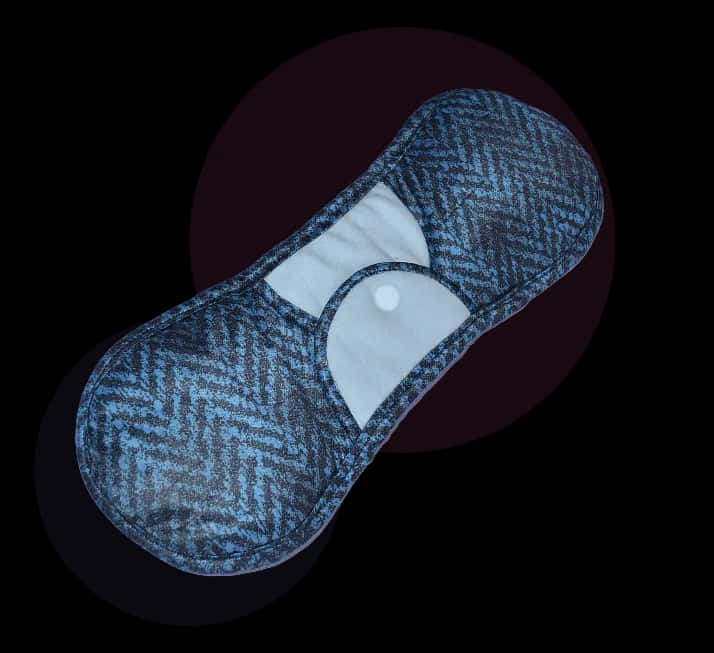
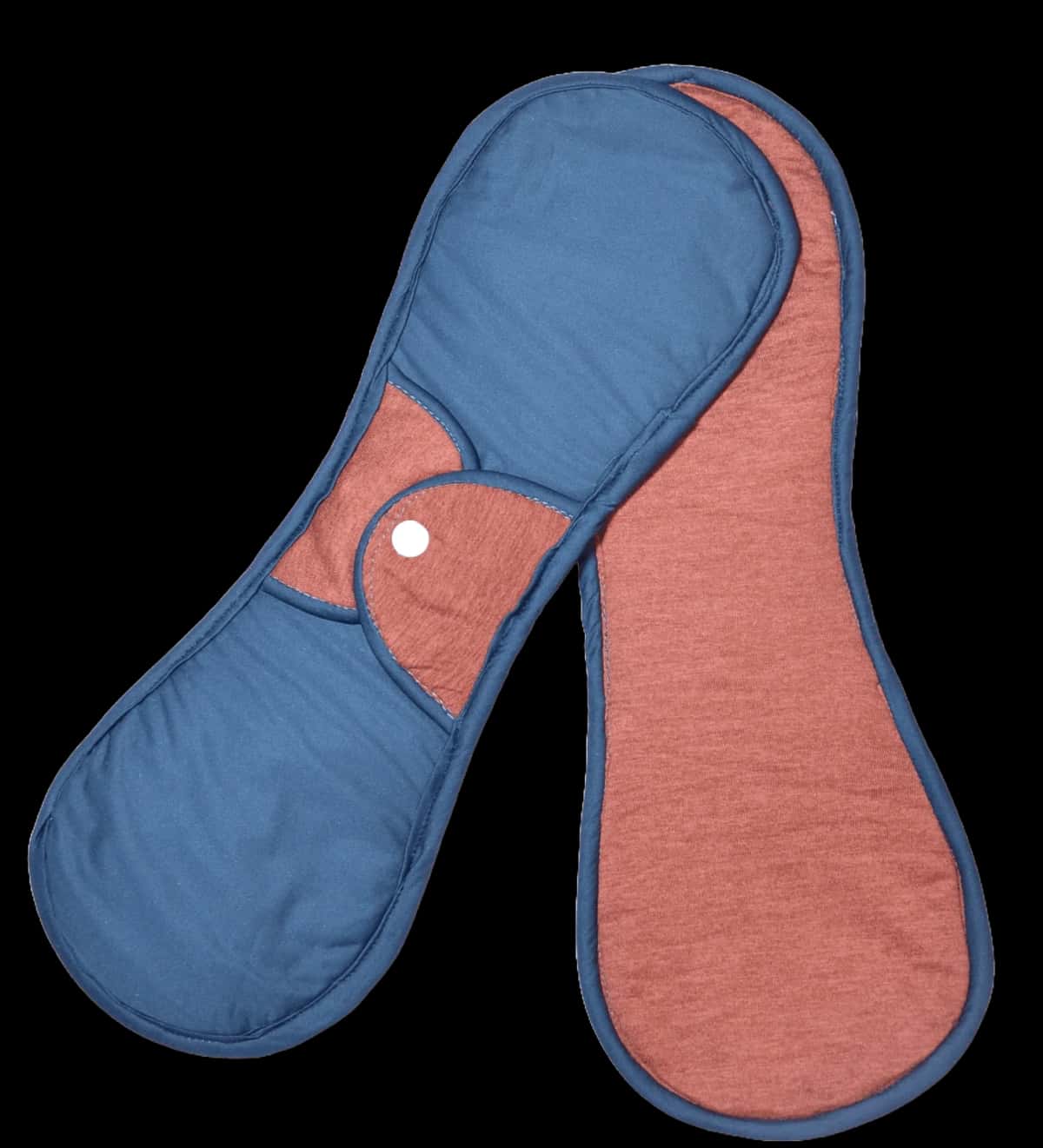
Quality pads wey you fit wash use again, like di ones wey Sana Pads dey make, dey use natural and half-natural materials wey dey work with your body and di environment. Di normal way dem dey build am get cotton or bamboo cloth for di top layer (soft for skin), layers wey dey absorb wey dem make with microfibre or cotton fleece, and back wey water no fit pass, wey dem make with PUL (polyurethane laminate, material wey dey more stable for environment pass di plastic wey dey for disposables).
Even though di layer wey water no fit pass get factory materials, one pad wey you fit wash use again dey replace hundreds of disposable pads. Di damage to environment dey drop by around 95-99% for di pad whole life. Di cotton and bamboo parts fit rot naturally. When pad wey you fit use again finally old after years of use, di natural fibres fit rot, and na only di small layer wey water no fit pass go remain as waste for long time.
To make pads wey you fit wash use again dey also need less resources from ground. Set of six of dis pads wey last three years dey use less raw materials and less energy to make, pass di 900-1,080 disposable pads wey one woman go use for di same time. For Nigeria, where energy cost still high and light wey no steady dey affect factories, dis kind efficiency matter for money and for environment.
How Di Two Compare from Start to Finish for Naija Situation
Think about Amina for Kano wey change go pads wey you fit wash use again when she be 20 years. She buy 4-pack of No Wahala Pads for light days, 3-pack of Premium Pads for normal flow and 3-pack of Maxi Pads for heavy days for ₦13,000. Dis pads last her three years because she take care of dem well. For 35 years until menopause, she change her whole collection about twelve times, and she spend about ₦156,000 total.
Her sister Hauwa continue to use disposables. She dey spend ₦1,200 every month on pads (and dat one na low estimate). For di same 35 years, Hauwa spend ₦504,000, pass three times wetin Amina spend. Wetin important pass be say Hauwa throw away around 12,600 disposable pads wey weigh about 126 kilograms, and all of dem dey for landfill or dey dirty her community. Amina waste no reach one kilogram when her old pads finally need to go dustbin.
Di water comparison dey surprise plenty women. Yes, pads wey you fit use again need washing, but Naija women don already dey wash most clothes with hand, so di extra water small. To wash six pads every few days dey use around 10-15 litres of water. To make disposable pads wey you go use for one month need pass 500 litres of water for factory. Di pad wey you fit wash use again win clear, even when you count all di washing for di pad whole life.
How to Reduce Waste for Communities Wey No Get Good Structure
For communities wey no get waste collection wey you fit trust, pads wey you fit wash use again dey solve environment and health problems wey dey there now now. Women for informal settlements around Abuja, Port Harcourt and other cities wey dey grow dey struggle with how to throw waste away. Every disposable pad na wahala: where to throw am, how to hide am, wetin go happen when rain wash waste enter where pipo dey live.
If you change go pads wey you fit wash use again, dis waste wahala wey dey come every month go stop. Instead to add to blocked gutters and dirty places, women dey wash dem and use dem again. Di water wey dem take wash, even though e get menstrual blood, no cause problem like disposable products wey full with plastic. Di wash water fit go inside di greywater system wey most Naija houses don already dey manage for bathing and washing clothes.
Community health dey better when menstrual waste reduce. Less blocked gutters mean say water go pass well during rain. Less waste for open space mean less place for insects wey dey carry sickness to breed. Less burning of sanitary products mean cleaner air for children and families. Dis changes dey happen one house after another, but together dem dey change whole areas.
Our pads wey you fit wash

Di Money and Resources Wey You Go Save
Di benefits for environment join hand with di money situation of Naija women. When you understand how much money you go save if you change go pads wey you fit wash use again, e go make di environment choice easier for families wey dey manage tight budget.
How Di Cost Compare Over Time
Most Naija women dey spend between ₦800-₦1,500 every month on disposable sanitary pads, depending on their flow and di brand wey dem like. Dis money wey look small dey add up to ₦9,600-₦18,000 every year. For ten years, na ₦96,000-₦180,000 be dat, wey dem spend on products wey dem use once and throw away. For plenty families, dis one reach school fees for some months or big hospital bill.
Full set of pads wey you fit wash use again dey cost ₦12,000-₦20,000 for di beginning, depending on how many pads and which type you choose. Dis money dey cover all your period needs for 2-3 years. Even if you buy premium sets and change dem every three years, di cost for ten years go remain around ₦60,000-₦80,000. Dat one mean say you go save around 40-60% compared to disposables.
Di savings dey increase for women wey get heavy flow, wey need more pads every month. Pipo wey dey spend ₦2,000-₦3,000 on disposables every cycle go save even more. Di money wey you save fit pay for children school, start small business, or build family emergency money. Dis one no be only to take care of environment. Na money sense wey Naija women dey see quick when dem calculate di numbers.
Di Hidden Environment Cost of Disposable Pads
Apart from di price wey you pay, disposable pads get hidden costs wey dey affect Naija communities and later dey touch everybody pocket. Di cost for government to manage waste dey rise because menstrual waste dey add to di dirt wahala wey dey grow. Cities dey spend millions of naira every year to collect, carry and throw away waste. Dis costs dey show for tax, service fees, and less government money for other needs like education and health.
To clean environment after flood often include to remove menstrual waste from gutters and waterways. During di 2023 floods wey affect plenty Naija states, relief workers for Kogi and Anambra report say drainage wey block make di flood worse. To clear dis blockage need labour and resources wey for fit solve other needs for di community.
Health costs from dirty water and bad sanitation dey affect government budget and family money. When children fall sick from sickness wey come from water because of bad waste management, families dey pay for treatment. Di school days wey dem miss dey affect education. Di work days wey pipo miss dey affect family income. Dis indirect costs of disposable pad waste dey spread for communities for ways wey no dey show for di price wey you first pay.
To Save Resources for Di Pikin Wey Dey Come Back
Because Nigeria get plenty young pipo, di decision wey women dey make today about period products go affect di country environment future well well. With around 50 million women and girls wey dey see period, if even 20% change go pads wey you fit wash use again, Nigeria go remove about 12,000 tonnes of menstrual waste every year. Dat one reach di weight of around 2,400 elephants for plastic waste wey no go ever enter our environment.
Di petroleum wey we go save if dem make less disposable pads fit serve other needs. Di way Nigeria and oil dey relate no simple, so dis one matter well well. Even though we dey sell crude oil go outside, we dey buy plenty finished petroleum products from outside come. Di plastic for sanitary pads na refined oil products wey need energy and resources to make. To use less disposable pads mean say we go need less of dis imports, and resources go remain inside Nigeria for other development needs.
To save water dey matter more and more as climate change dey affect how rain dey fall, and plenty Naija cities dey face water shortage. Di factory water wey you save when you choose pads wey you fit wash use again fit look far from your everyday life, but water wey industry dey use dey affect how much water dey available for everybody. As cities like Abuja, Kaduna and Jos dey face water wahala wey dey grow, every effort to save water dey help di community stand strong.
Answers to Di Common Questions and Worries About Environment
Plenty Naija women wan make choices wey good for environment, but dem get practical questions about whether pads wey you fit wash use again really better. Make we answer di common worries straight.
“To Wash Pads Wey You Fit Use Again No Dey Waste Water and Cause Pollution?”
Dis worry make sense because water shortage dey affect plenty Naija communities. But di water calculation dey favour pads wey you fit wash use again well well. To wash set of six of dis pads need around 10-15 litres of water every few days. For one month, na about 30-50 litres to wash period products.
To make di disposable pads wey you go use for di same month need pass 500 litres of water for factory, plus di water wey dem use to grow and process di wood pulp wey dem take make di inside wey dey absorb. Transport and packaging dey add more water. Pads wey you fit wash use again dey use around 90% less water for their whole life, even when you count all di washing.
Di pollution question need attention too. Yes, di water wey you take wash dis pads get menstrual blood and e dey flow go greywater system or soak-away pit. But dis one na natural waste wey dey break down by itself, like other body fluids wey human being don dey manage for thousands of years. E no get di plastic, dioxins and factory chemicals wey dey leak from disposable pads for landfill.
You fit reduce di effect on environment more if you use soap wey dey break down naturally to wash, and use di first rinse water (wey get most of di blood) take water plants. Menstrual blood get nitrogen and minerals wey good for garden. Plenty Naija women wey get small garden don already dey use greywater like dis. Dis practice good for environment and e dey for our tradition too.
“Wetin About Di Carbon Footprint of Making and Washing Dem?”
To make any product dey create carbon footprint, from energy use, transport and processing of materials. Pads wey you fit wash use again need energy to make too. But because one of dem dey replace hundreds of disposable pads, di carbon footprint for each use dey drop well well.
Studies from places wey get weather like our own show say pads wey you fit wash use again dey create around 90-95% less carbon emissions for their whole life compared to disposables, even when you count all di energy to wash and dry dem. For Naija women wey dey wash clothes with hand and dry dem for sun (free solar energy), di carbon footprint of washing near zero. Even if you use washing machine when NEPA bring light, di energy wey you use still small pass to make hundreds of disposable pads.
To make pads here for Nigeria matter well well for carbon footprint too. Sana Pads dey make pads for Nigeria, so di transport emissions of imported products no dey. When you buy pads wey you fit wash use again wey dem make here, you dey choose product wey no travel thousands of kilometres from factories for Asia or Europe. Your money dey support Naija jobs, and your choice dey support environment wey healthy.
Because pads wey you fit wash use again dey last long, dem no dey waste carbon. Pad wey last three years dey give 36 months of protection from one time wey dem make am. Disposable pads need new energy for factory every single month. Di carbon calculation clear say pads wey you fit wash use again better, especially for Naija situation where to dry with sun na normal tin.
“Na Only My Own Choice, E Go Really Make Difference?”
Dis question show deep truth: one person wey change go pads wey you fit wash use again no go solve Nigeria environment wahala. But environment change dey happen through millions of personal choices wey add up and change whole systems. When you choose pads wey you fit wash use again, you dey start something wey go spread pass di waste wey you yourself reduce.
Your sisters, daughters, friends and neighbours dey see your choice. When dem ask you about how e be for you, and dem learn about di savings and benefits, some go change too. If you fit make just five other women try pads wey you fit wash use again, and each of dem make five more try am, di impact go multiply quick. Change wey start from ground for Naija communities often dey follow dis kind pattern: person dey recommend, and others see say e work.
Organisations dey notice when women dey ask for better options. Schools, NGOs and health centres wey dey share menstrual products dey offer pads wey you fit wash use again more and more, because women dey ask for dem. Your choice dey send signal to di market wey dey encourage more local production, more new ideas and better products wey dem design for Naija needs and weather.
Maybe di most important tin be say your choice dey teach di next generation to expect different tin. When your daughters grow up dey see pads wey you fit wash use again as normal, dem no go just think say disposables na di only option. Dem go calculate cost, think about environment, and make choice wey dem understand. Culture change about menstrual products dey happen from one generation to di next, and di decision wey you make today dey shape wetin go look normal tomorrow.
Why Sana Pads Dey Support Naija Women and Di Environment
Sana Pads start with clear mission: to end period poverty with menstrual products wey cheap and wey go last, wey dem make for Nigeria for Naija women. Di environment benefits of pads wey you fit wash use again match dis mission well well, because poverty and environment damage dey often hit di same communities pass.
We don support pass 10,000 women directly and we don share pass 30,000 pads for all over Nigeria. Dis numbers na real women for Lagos, Abuja, Kano, Port Harcourt and smaller communities wey no dey add to menstrual waste pollution again. Wetin important pass be say dem be women wey dey save money, wey dey go school and work with more confidence, and wey dey teach their daughters say period no need to bring poverty or pollution.
To make pads here for Nigeria dey give us advantage wey imported products no fit match. We understand di weather wahala for Nigeria: di wet air wey dey affect how long e go take dry, di heat wey need materials wey air dey pass, di rainy season when back wey no dey leak dey very important. We dey design pads wey dey work for Naija bathrooms wey no get running water, wey dey wash clean for bucket, and wey dey dry for normal compound. Dis practical tins dey make am possible for real Naija women to take care of environment, no be only pipo wey get oyinbo-style facilities.
Our commitment pass to sell to one one person. We wan change di whole system. We dey work with schools to run programmes of pads wey you fit wash use again, wey dey keep girls for class and dey reduce di waste management load. We dey partner with NGOs wey dey fight period poverty for ways wey also help environment health. We dey supply organisations of any size, because we sabi say for change to happen for community level, institutions need options wey dem fit reach.
Di environment impact dey push our work as much as di money and social benefits. Every pad wey we make mean one less source of plastic waste wey no dey stop for Naija communities. Every woman wey change dey help make drainage cleaner, areas healthier, and future wey go last. Dis one no be only to sell products. Na to join di change wey Naija communities need and deserve.
How to Change: Practical Steps Wey You Fit Take
When you understand how pads wey you fit wash use again and disposable pads compare for environment, e go push you to act. Whether you be one woman or organisation wey dey serve plenty pipo, practical steps dey make di change easy and successful.
For Women: Start Your Journey with Pads Wey You Fit Wash Use Again
Start with starter kit, no try change all your period products at once. Di Sana Pads Starter Kit get three Premium Pads and one storage pouch. E reach to try pads wey you fit wash use again for one cycle, while you still keep disposables as backup. Dis way, you go learn how to wash dem and build confidence without pressure.
Choose pads wey fit your flow. No Wahala Pads, wey get one layer wey no dey leak and one layer wey dey absorb, dey work fine for light flow days for di beginning and end of your period. Premium Pads wey get three layers wey dey absorb dey handle normal flow for di middle days. Maxi Pads wey get five layers wey dey absorb dey give you security for heavy flow or for night. Most Naija women dey find say six pads together (two No Wahala, three Premium, one Maxi) dey cover all their needs well.
No dey hard on yourself while you dey learn. To wash pads wey you fit use again need practice, so you fit find routine wey work with your house schedule and facilities. Most women dey find say to rinse pads immediately after use, then wash dem with normal laundry every few days, dey work perfect. Di benefits for environment no need make you do am perfect from day one. Every pad wey you fit wash use again wey you use instead of disposable one na progress for environment.
For Organisations: How to Run Programmes Wey Go Last
Schools, NGOs, health centres and religious organisations dey play big role to make pads wey you fit wash use again reach Naija women wey dey face period poverty. When you dey run menstrual health programme, if you choose pads wey you fit wash use again, your impact go multiply because you dey solve di need wey dey now and di environment health for long time.
Start with education wey include environment. When you dey teach girls about menstruation, add information about waste and pollution. Young women dey catch di environment calculation quick and dem often turn strong voice for pads wey you fit wash use again. Dis knowledge dey give dem power to make choice wey dem understand and explain di benefits to family members wey dey decide wetin dem go buy.
Schools, NGOs and other organisations fit order any quantity for di same fixed price for each pack. Instead to dey pay every month to supply disposable pads, organisations dey pay once at di beginning, and e go serve di pipo wey dem dey help for years. Dis one dey change di budget calculation well well. Programmes fit reach more women with di same money, and at di same time reduce damage to environment.
Support to start di programme matter as much as to share products. Give clear washing instructions, answer di culture worries about to use pads again, and create chance for women to ask questions for private. Partner with organisations like Sana Pads wey dey give training for programme coordinators and follow-up support. Programmes wey succeed dey join quality products, full education and community involvement wey no dey stop.
Conclusion
When you compare pads wey you fit wash use again and disposable pads for environment, e clear who win for Naija communities. Disposable pads dey create around 125-150 kilograms of plastic waste for each woman for her whole life, and dis one dey cause blocked gutters, dirty water and pollution wey dey affect every community. Pads wey you fit wash use again dey remove 95-99% of dis waste, and dem dey save women ₦150,000-₦200,000 for ten years.
Di choice between dis options pass wetin easy for one person. E dey shape di environment future of Naija communities wey dey struggle with waste management, water pollution, and di health wahala of living near dirty places. Every woman wey change go pads wey you fit wash use again dey help make areas cleaner, drainage healthier, and dey reduce di need for di petroleum products wey disposable pads need.
Local solutions matter well well for Naija situation. Pads wey you fit wash use again wey dem make here, wey dem design for our weather and our real structures, dey work with how Naija women really dey live, no be against am. Dem dey give dignity, dem dey last, and dem dey free you from di cycle of spending and waste every month wey disposables dey demand.
Your period no need to dirty your community. Di choice wey good for environment na also di choice wey get money sense, di choice wey protect health, and investment for Nigeria future. Whether you dey buy your first Starter Kit or you dey run programme wey dey serve hundreds of girls, to choose pads wey you fit wash use again instead of disposable dey start good change wey go spread far pass your own impact. Learn more about sustainable menstrual health solutions and check our full range of products wey we design for Naija women for our menstrual products page.
Continue to read for Period Products Wey Good for Environment
Questions wey pipo dey ask well well
Why I suppose choose Sana Pads instead of normal disposable pads?
Na quality materials wey you fit use again we take make Sana Pads. Dem be sustainable option wey good for environment, instead of disposable sanitary products. Dem soft for your skin, dem dey absorb well well, and dem dey save you money for long run. When you choose Sana Pads, you dey help reduce plastic waste, and you go enjoy comfort and pad wey you fit trust for your whole cycle.
How long I fit use Sana Pad before I go need wash am?
Sana Pad dey give you comfort and protection for 4 to 8 hours, depending on your flow. To stay fresh, change am every 4 to 6 hours, and change am more often for heavy days. After every use, rinse am for cold water and wash am with soap. If you take care of am well, each pad go last 2 to 3 years.
Sana Pads safe for skin wey dey react quick?
Yes, na soft materials wey air dey pass, wey no dey cause allergy, we take make Sana Pads, so dem gentle for your skin. Dem no get di dangerous chemicals and toxins wey dem dey usually find for disposable pads, so dem be correct choice for pipo wey get sensitive skin or allergy.
How I go clean and take care of my Sana Pads?
Rinse your pad for cold water immediately. Hot water dey make blood stain stay for di cloth. Then wash am with mild soap, with hand or for machine, and rinse am until di water clear. Dry am finish for direct sunlight, because sun dey also kill germs. Abeg no use tumble dryer, bleach or fabric softener: dem dey spoil di layers wey dey absorb. If you take care of am like dis, Sana Pad go last 2 to 3 years.
Di price dey change if I order plenty?
No. Each product get one fixed price for each pack, no matter how many packs you order. You fit calculate your total with our price calculator. For big orders, send us direct message and we go confirm di delivery cost with you before you pay.
Testimonials
See wetin our customers dey talk about our products.
Women for all over di world dey buy Sana
“Sana Pad good well-well, e dey make you comfortable and free. I love the pads, na the best ever!”

“I don try different brands of reusable pad, but Sana stand out for the quality, the comfort and how e dey last. Dem design am with sense, and the material dey gentle for my skin. As I change to Sana, e don reduce how I dey spoil environment and e don also save me money for long run. I dey grateful for dis solution wey go last!”

“For first, e dey irritate me to use washable sanitary pad. I decide to try am, and to my greatest surprise, e comfortable well-well and e easy to wash. You fit even do your daily things without fear say blood go stain you for public. I wan give Big shout out to SANA PADS!!”

“I dey really love Sana reusable pads! Dem dey make me relax and feel free for my period time. Plus, dem don reduce the cost and stress of buying disposable pads every month well-well. Kudos to Sana for making dis kind correct product – I go be fan forever!”

“To dey buy disposable pads every month dey add up well-well, so I talk say make I try Sana Pads. E surprise me how soft dem be, and dem dey work well for long days for university. To wash dem simple, and e don reach months wey I never buy new pad, so e don save me money. I also like say dem dey better for environment. E sweet me say I get option wey cheap and wey better for environment.”

“I don try different pad brands for years, but Sana pads really stand out. From the first time I use am, I see the difference — e soft for skin, e dey soak well-well, and e comfortable die. Even for my heaviest flow days, Sana pads dey hold well. Wetin I also love na how the material dey allow air pass and e good for skin. If you dey find pad wey get comfort, wey you fit trust, and wey get quality, I really recommend make you try Sana pads.”
Time to join hand
Contact Us
Margaret Ochegbudu
Business Manager