MATERNAL HEALTH AND MATERNAL DEATH FOR NIGERIA: WETIN EVERY WOMAN SUPPOSE SABI
Where pipo don see us







 Margaret Ochegbudu don check am · Update 27 min to read
Nigeria get one of the highest maternal death rates for the whole world. The main causes na bleeding after birth, high blood pressure for pregnancy, infection, and abortion wey no safe. Most of dem fit be prevented with antenatal care and skilled birth attendant (trained person wey dey help woman born). To attend antenatal appointments na the single biggest step to protect yourself.
Understand Maternal Health for Nigeria: Wetin Every Woman Suppose Sabi
Maternal health mean the health of women for pregnancy, for childbirth, and for the time after birth. For Nigeria, we dey face special wahala wey dey make pregnancy dangerous pass how e suppose be. Dis guide go help you understand these risks and wetin you fit do to protect yourself or the women for your life.
Wetin you suppose sabi:
- Nigeria get one of the highest maternal death rates for the world, with about 512 deaths for every 100,000 live births as of 2026.
- The top three causes of maternal death for Nigeria na too much bleeding, high blood pressure problems, and unsafe practices when woman dey born.
- To attend at least four antenatal care visits for pregnancy dey reduce your risk of complications by up to 60 percent.
- Only 43 percent of Nigerian women dey born for health facility, and e dey much lower for northern states like Katsina and Zamfara.
- Simple things like correct food, malaria prevention, and skilled birth attendant for delivery fit prevent 8 out of 10 maternal deaths.
- The total cost of basic antenatal care for primary health centres na from ₦15,000 to ₦35,000 for the whole pregnancy for most states.
- Women for village areas dey face risk wey high three times pass women for cities like Lagos or Abuja, because health facilities dey far from dem.
Make we look well-well wetin dey put Nigerian women for risk and how we fit change these numbers together.
Blessing sidon for the waiting room of one public health clinic for Ikeja, Lagos, dey watch other pregnant women dey come for their antenatal appointments. She don carry belle for seven months with her second child, but she only manage attend two check-ups. Transport money, long queue, and to leave her market stall make am almost impossible to dey go regularly. But she no dey worry – her first pregnancy go well, with her mama help for house. Three weeks after, Blessing begin get serious headache and her feet begin swell. By the time her family rush her go hospital, her blood pressure don reach dangerous level. She survive, but her baby no survive.
Blessing story no be only her own. Every day for Nigeria, women dey face complications for pregnancy and childbirth wey fit be prevented. To understand maternal health risks and to sabi when to find help fit be the difference between life and death. Every Nigerian woman, her family and her community need dis information.
The True Situation of Maternal Health for Nigeria
Every two hours, one Nigerian woman dey die from pregnancy or childbirth complications. Na 12 women every single day – mothers, daughters, sisters and friends wey their death for fit be prevented. These no be just numbers. Na families wey scatter, children wey no get mama again, and communities wey lose important people.
Nigeria get almost 20 percent of all maternal deaths for the world, even though na only 2.6 percent of world population dey Nigeria. Dis crisis dey affect women for all 36 states, but e heavy pass for women for village communities, women wey dey poor, and young girls wey get belle before their body grow finish.
The gap between city and village for maternal health show clear story. Woman for village for Sokoto dey face risk wey different well-well from woman for Lagos city, no be because of body, but because of access to care, education and resources.
Why Maternal Death Still High for Nigeria
Many things wey join each other dey cause dis maternal health crisis. To understand dem dey help us see where change dey needed most and where e fit happen.
Health facilities for Nigeria still no reach wetin the population need. Plenty primary health centres no get basic equipment like blood pressure machine, delivery bed or emergency supplies. For village areas, the nearest health facility fit dey 20 or 30 kilometres away on bad road. For rainy season, some communities dey cut off completely. Even where facility dey, plenty times skilled birth attendants no dey, important medicines no dey, or steady light to power equipment no dey. Woman wey get complication for labour need help sharp-sharp, but if the health centre no get doctor, no get blood, and no get ambulance, her chance to survive dey drop well-well.
Money wahala dey stop plenty women from getting care even when the care dey. The direct cost of antenatal visits, delivery and care after birth fit overwhelm families wey dey struggle to feed. But the indirect costs matter the same way. To take one day off work mean say money no go enter. Transport go health centre and back fit cost ₦2,000 or more. If complication happen and dem refer am go general hospital, families dey face bills from ₦50,000 to ₦200,000 or more. Plenty families no fit pay dis, so dem dey wait before dem find care until e too late, or dem no go hospital at all.
Culture beliefs and practices dey also play big role. For plenty communities, people dey see pregnancy as natural thing wey no need hospital unless something clearly go wrong. Traditional birth attendants get respect for their communities and dem don dey born babies for generations. Some families believe say pain for childbirth na natural and e must happen, or say complications na spiritual attack wey need traditional solution, no be medical one. Young women no dey usually get much say for decisions about their own health, because mother-in-law or husband dey decide for dem.
The Main Causes of Maternal Death
Three conditions dey cause most maternal deaths for Nigeria, and all three fit be treated if dem catch am early and manage am well.
Postpartum haemorrhage, wey be serious bleeding after woman born, dey kill Nigerian mothers pass any other complication. Woman fit lose dangerous amount of blood inside few minutes. Her womb suppose squeeze after the baby comot, to close the blood vessels, but sometimes e no dey happen well. Other times, the placenta no comot finish, or tear happen wey no gree stop to bleed. For facility wey get correct equipment and skilled staff, dem fit manage dis emergency with medicine, with hand, or with blood transfusion. But where these things no dey, women dey bleed die while their families dey watch and dem no fit do anything.
High blood pressure problems for pregnancy, including pre-eclampsia and eclampsia, na the second biggest cause. These conditions dey cause blood pressure wey high dangerously, wey fit lead to seizures (convulsion), stroke or organ failure. The warning signs include serious headache, changes for eye, pain for upper belly, and swelling for face and hands. Regular antenatal check-ups go catch blood pressure wey dey rise early, so dem fit monitor am and act before e become something wey fit kill. But plenty women like Blessing no sabi say these signs dangerous, or dem no fit easily check their blood pressure.
Infections after childbirth or from unsafe practices dey kill thousands more. When woman born for dirty place, bacteria fit enter the womb, the blood or surgery wound. Sepsis (serious infection wey don enter blood) dey grow fast and e need antibiotic treatment sharp-sharp. Unsafe practices for delivery, labour wey block and last too long without help, and complications from unsafe abortion all dey add to Nigeria high maternal death rate.
Who Dey Face the Highest Risk
Even though pregnancy get some risk for all women, some groups dey face danger wey high well-well. To sabi these risk factors dey help families and communities give extra support where e dey needed most.
Teenage girls between 15 and 19 dey face special danger. Their body never grow finish, so complications like labour wey block fit happen more. Young mothers dey usually face more wahala to get care, because dem no get their own money, dem fit dey hide the pregnancy, or dem don marry dem go far community away from family support. For states like Katsina, Bauchi and Zamfara, where child marriage still common, maternal death for teenage girls dey reach very sad level.
Women wey no get much education dey face higher risk for every measure. Education dey help women see danger signs, speak up for their own health needs, and get information about correct food and care for pregnancy. Educated women dey attend antenatal visits more, dey born for health facilities more, and dey find help early when complications happen. The link between how many women sabi read and maternal health results for Nigeria clear and e dey always show.
Women wey dey poor, women for village areas, women wey no get clean water and good food, and women wey don get many pregnancies close to each other all dey face higher risk. Where you dey live matter too. States for northwest and northeast dey always show higher maternal death rate pass states for south, and dis one show the difference for health facilities, women education, and culture practices around pregnancy and childbirth.
How to Protect Yourself and Your Baby for Pregnancy
Knowledge dey save life. When women and their families understand how normal pregnancy dey look and which warning signs need attention sharp-sharp, dem fit act quick to stop tragedy.
Every pregnant woman suppose sabi say her body go change for ways wey dem expect, but some signs always need medical check. To understand dis difference go help you decide well when to wait and when to rush go hospital.
Antenatal Care Wey You Must Get: Your Pregnancy Road Map
Antenatal care visits dey give health workers chance to check your health and how your baby dey grow, catch problems early, and prepare you for safe delivery. World Health Organisation recommend at least eight contacts with health services for pregnancy, but even four visits wey dey for correct time dey make big difference.
Your first visit suppose happen as soon as you know say you get belle, best before 12 weeks. The health worker go take your medical history, check your blood pressure, test your blood for anaemia (blood wey no reach) and your urine for protein and sugar, and calculate the date wey dem expect you to born. Dem go give you folic acid and iron supplements, give you medicine to prevent malaria, and test you for HIV, hepatitis B and syphilis. Dis early visit dey show how your health be from start, so health workers fit follow the changes as pregnancy dey go.
The other visits for around 20 weeks, 26 weeks, 30 weeks, 34 weeks, 36 weeks, 38 weeks and 40 weeks dey allow dem check your blood pressure, how baby dey grow and how e lie, and how you dey overall. Every visit na chance to ask questions, talk your worries, and adjust your care plan based on how pregnancy dey go. For Abuja, Lagos, Port Harcourt and other big cities, plenty public health centres now dey give antenatal care free or cheap. For village areas, mobile clinics sometimes dey bring services come communities, but their schedule fit no dey regular.
Cost no suppose stop you from going. Primary health centres dey usually charge between ₦1,500 and ₦3,000 for each visit, and some states dey give maternal health services completely free. Compare dis with wetin e fit cost to manage complications, wey fit easily reach hundreds of thousands of Naira, and you go see say antenatal care na valuable insurance for you and your baby.
Danger Signs Wey Need Help Sharp-Sharp
Some pregnancy signs need medical attention sharp-sharp, even if your appointment dey near. These danger signs fit show suddenly and get worse fast, so never use “make I wait and see” for dem.
Serious headache wey no dey go with rest or normal pain medicine, especially when e join with eye changes like to dey see spots or flashing lights, fit mean pre-eclampsia. Swelling for your face and hands wey come suddenly inside hours or days also fit show dis dangerous condition. If you get these signs together with pain for upper belly or vomiting wey no dey stop for late pregnancy, go hospital immediately. No wait till morning, no try traditional remedy first, and no let anybody convince you say na normal pregnancy discomfort.
Bleeding from vagina for pregnancy always need check-up. Small spotting for early pregnancy dey sometimes happen and e no always serious, but you still suppose tell your health worker. Heavy bleeding, bleeding with pain, or bleeding for late pregnancy fit mean placenta problem, early labour or other serious complications. If water dey leak from your vagina before your due date, e fit mean say your water don break early, and e dey put you and baby for risk of infection.
Serious belly pain, high fever with cold, serious weakness or dizziness, when baby movement reduce after 28 weeks, or convulsion – all these need emergency care. For Lagos, Abuja, Kano and other big cities, teaching hospitals and specialist centres fit manage these emergencies if you fit reach dem quick. For village areas, the main thing na to reach any health facility wey get skilled staff and basic emergency capacity.
Food, Malaria and Daily Health for Pregnancy
Wetin you dey chop, how you dey protect yourself from sickness, and your daily habits all dey affect how pregnancy go end. Good food no need to cost much, but e need knowledge and planning.
Your body need extra protein, iron, calcium and different vitamins to grow healthy baby and still keep your own health. For Nigeria, dis mean to chop different kinds of food when you fit. Beans, groundnut, egg, and small meat or fish dey give protein. Dark green vegetables like ugu, bitter leaf and water leaf dey give iron and folate. Palm oil dey give vitamin A. Local grains like millet, guinea corn and rice dey give energy. Fresh fruits like orange, mango and pawpaw dey add important vitamins.
The wahala dey come when hunger, morning sickness, or culture food rules dey limit wetin you fit chop. Some communities no dey allow pregnant women chop egg, meat or some vegetables because of traditional beliefs, even though these foods get important nutrients. If you dey face these rules, talk to health worker about other foods wey your community go accept and wey still go give you the nutrients you need.
Malaria for pregnancy dey increase risk for both mama and baby. E dey cause serious anaemia, baby wey weight small when e born, and even stillbirth (baby wey die before e born). To take malaria prevention medicine as dem prescribe am for antenatal visits dey give important protection. To sleep under insecticide-treated mosquito net every night, to wear long sleeves and trousers for evening when mosquitoes dey active pass, and to clear any water wey dey stand for your compound where mosquito dey breed – all these dey help reduce infection risk. If you get fever, cold, body pain or serious tiredness for pregnancy, find medical care quick instead to buy medicine for chemist by yourself, because some common treatments no safe for pregnancy.
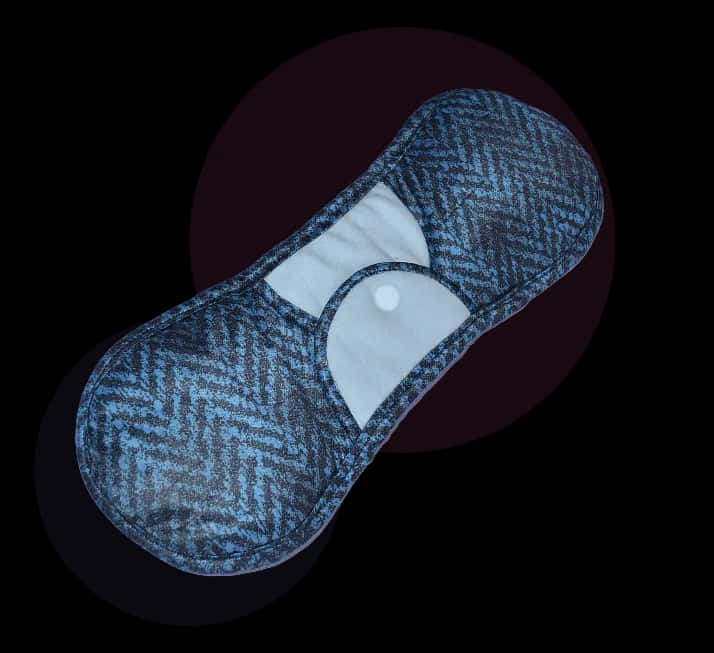
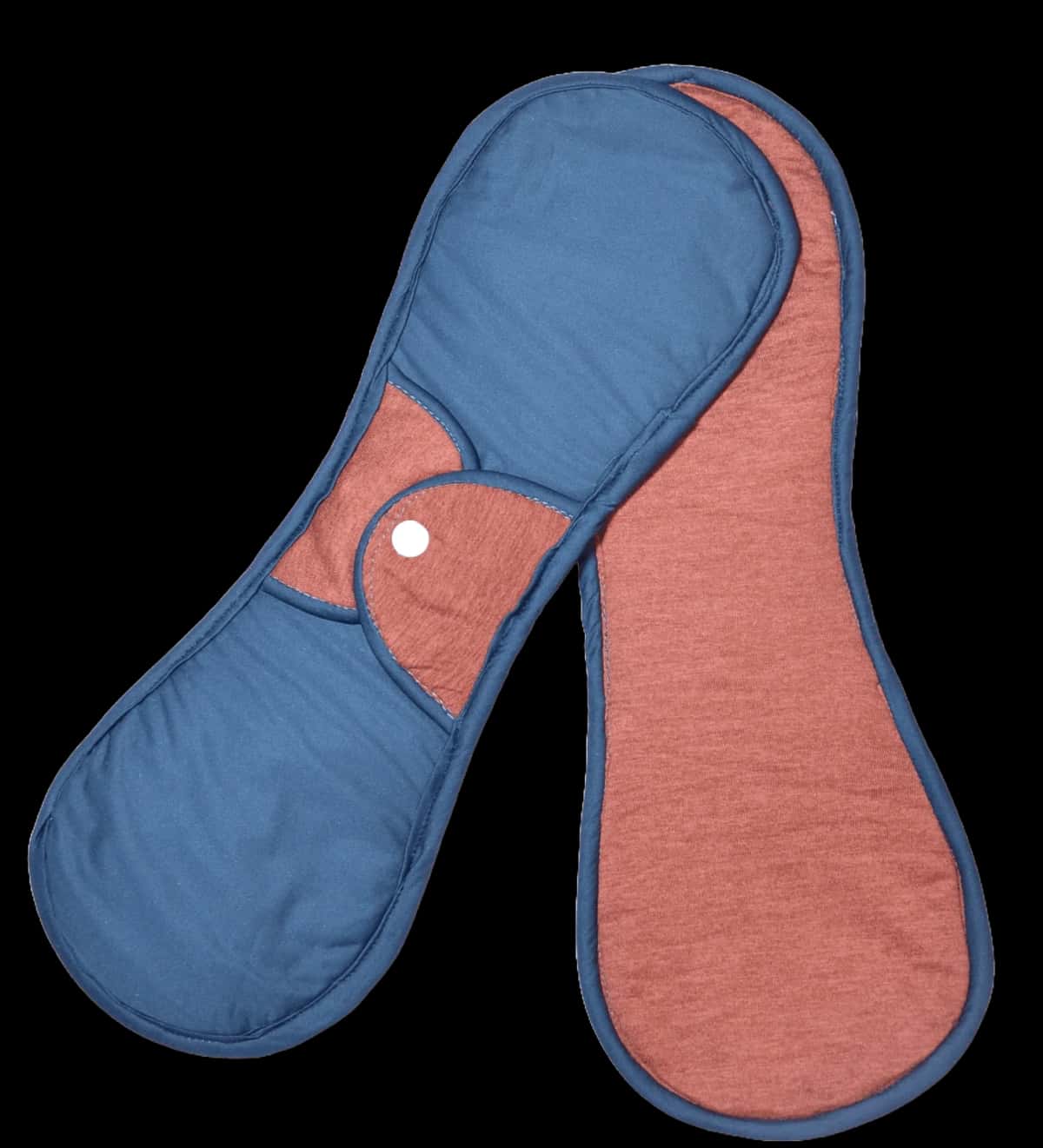
Our pads wey you fit wash

The Benefit of Correct Maternal Healthcare
When women get correct care for pregnancy and delivery, the benefit pass only to survive. Healthy mothers dey make families healthier, communities stronger, and better future for the next generation.
To invest for maternal health dey bring return wey dey grow with time. Mama wey survive childbirth go continue to care for all her children, bring money for her house, and join community life. As she survive, her newborn get much better chance to survive and grow well.
Health Benefit for Mothers and Babies
Women wey get correct antenatal care, born with skilled attendants, and get follow-up after birth dey get much better results. The risk to die for pregnancy or childbirth dey drop pass half with just four antenatal visits wey dey for correct time. Complications wey happen dey get caught early when e easy to treat, so dem no go turn to emergency wey fit kill.
Your baby dey benefit the same way. Antenatal screening dey find problems like breech position (when baby lie with buttocks or legs down) wey need planning for safe delivery. To check growth dey help find problems early. Tetanus vaccine dey protect your newborn from infection wey dey kill. Treatment for mama infections like syphilis and HIV dey stop am from passing to your baby. Iron supplements dey reduce your risk of serious anaemia, so enough oxygen go reach your baby for the whole pregnancy.
Babies wey their mama get good antenatal care dey more likely to born with healthy weight, less likely to come early, and less likely to die for the first month of life. When skilled birth attendant dey for delivery, e dey reduce newborn death risk by up to 40 percent compared to delivery without help. These skilled attendants sabi how to help babies wey no breathe immediately, how to stop dangerous bleeding, and when to refer for emergency care.
Care after birth for the days and weeks after delivery dey catch problems wey dey usually show for dis weak time. Infections, serious anaemia, and mind health wahala like postpartum depression (serious sadness after birth) all dey respond better when dem treat am early. Support for breastfeeding for these early days dey help feeding start well, e dey give your baby the best food and e dey protect both of una from different health problems.
Impact for Money and Society
The money burden of maternal death and disability pass hospital bills. When mama die, her children lose no be only her love and care, but also the money wey she dey bring for house. Studies across Africa show say children wey lose their mama dey face more hunger, more school dropout and more poverty. Older daughters dey usually leave school to care for their younger ones and handle house work.
Communities dey lose people wey dey work, traditional knowledge wey mothers dey pass to daughters, and stability. The trauma for mind dey affect the whole extended family. Men wey lose their wife dey face wahala to raise children alone while dem dey mourn, and plenty times people dey push dem to marry again quick.
To prevent maternal deaths dey keep families together and steady for money. Healthy mama fit continue her business or work, farm her land, or bring money for house for plenty other ways. She fit make sure say her children, especially daughters, stay for school. She fit plan how many children she go get according to her situation and wetin she want.
The benefit for society dey spread too. Women wey survive childbirth and wey get support for pregnancy dey more likely to encourage other women to find care. Good experience with health system dey build trust wey pass maternal health. Communities wey put maternal health first dey usually see better child health, women education and women empowerment.
To Build Healthier Generations for Future
When mothers survive and dey well, dem dey build better future for their children. Healthy mothers fit breastfeed well, dey give the best food for at least the first six months of life. Dem fit answer their babies needs, dey build strong bond wey dey support healthy feelings as the baby dey grow. Dem fit handle older children needs while dem dey care for newborn.
Mothers wey get health education for pregnancy dey usually use dis knowledge pass their own care. Dem dey learn about vaccines for children, correct food for children wey dey grow, and when to find medical care for family members wey sick. Dis health knowledge dey benefit the whole house for many years.
Girls wey grow up dey see their mama survive many pregnancies with correct healthcare dey learn say dis care normal and e dey necessary. Dem dey more likely to find care for their own pregnancies. Dem dey more likely to believe say dem deserve to dey healthy and to speak up for their own needs. To break the cycle of bad maternal health results need dis change for expectation and behaviour from one generation to the next.
Communities where maternal health dey improve dey usually see bigger development gains. As more women dey survive, families dey get more confidence to invest for daughters education. As more girls dey stay for school longer, the age wey dem dey get first belle dey go up, and dis one reduce the risk wey dey come with very young motherhood. As women education dey rise, women power to decide for house dey rise too, and e dey create good cycle of improvement.
Wetin Women Dey Worry About to Find Maternal Healthcare
Plenty Nigerian women want attend antenatal care and born for health facilities, but dem dey face real wahala and worries wey dey stop dem. To answer these worries honestly dey help find solutions.
To understand why women dey avoid hospital care for pregnancy na the first step to make dat care easier to get and to accept. These worries no be small matter or sign of ignorance – dem show real experience and practical limits wey need practical solutions.
"I No Get Money for Hospital Bills"
Money wahala na the most common thing wey dey block maternal healthcare for Nigeria. Women dey worry about direct costs like consultation fee, medicine and delivery charges. Dem dey worry about indirect costs like transport, time away from work, and things wey health centre go tell dem make dem buy bring.
These worries make sense, but some options dey wey plenty women no sabi. Plenty states don start free maternal health programmes wey cover antenatal care, delivery and visits after birth for public facilities. Kaduna, Ondo, Jigawa and other states don run these programmes, but no be always steady. Even where e no free officially, primary health centres dey usually charge much less than private facilities. Full antenatal care for primary health centre for most areas cost between ₦15,000 and ₦35,000 total, less than wetin plenty families dey spend for other care.
Some communities don form savings groups for maternal health, where women dey contribute small money regularly to make fund wey members fit use for pregnancy. Churches, mosques and community organisations sometimes dey help women wey no fit pay for care. NGOs wey dey work for maternal health dey usually reduce the price of services or give vouchers wey dey cover costs.
The key na to ask about support wey dey, instead to assume say you no fit pay for care. Talk to the health facility about paying small-small if you no fit pay everything at once. Discuss your situation with community and religious leaders wey fit sabi about help programmes. The cost to manage complications after you avoid preventive care go high pass the cost of regular check-ups well-well.
"Health Centre Too Far and I No Get Time"
To dey far from health facility na real wahala, especially for village areas. To waka 10 kilometres with belle, especially for late pregnancy or for bad weather, dey feel like e no possible. The journey fit need make you cross river, pass bad road, or pass areas wey no feel safe. When you reach, long waiting and short consultation fit make am look like the journey no worth am.
These wahala need community solutions wey get sense. Some areas don arrange group transport, where many pregnant women from villages wey dey near dey share money to hire vehicle for antenatal clinic days. Dis one dey reduce cost for each person and dey make the journey safer and better. For some communities, okada riders dey reduce price for pregnant women wey dey go clinic appointments.
Mobile health clinics dey bring services go far areas, but their schedule fit no dey regular and services fit small pass permanent facilities. Some states don train community health extension workers wey dey live for village areas and fit do basic antenatal check between visits to bigger facilities. These workers dey check blood pressure, give supplements and medicine, and find which women need referral for more serious care.
If you really no fit do many antenatal visits, put the most important ones first. The first visit for the first check-up, and the visits around 32 and 36 weeks when complications dey more likely, matter pass. Ask health workers whether community health workers fit check you between facility visits. Make clear plan for where you go born and how you go reach there when labour start, plus backup option if your first choice no dey available.
"My Mama Born All Her Children for House and Nothing Happen"
Plenty women get mothers, grandmothers and aunties wey born many babies for house with traditional birth attendants and dem survive. Dis one dey confuse people about why hospital care now dey important like dis. If the old generation manage without hospital, why you no fit do the same?
The truth be say plenty women for the old generation survive house delivery, but plenty others no survive. Communities dey remember the women wey live, but sometimes dem dey forget the ones wey die, especially if people talk say na spiritual cause and no be medical complication. Your mama fit don get luck, but no be all women dey get am. The question no be whether house delivery fit end with survival, the question na whether you wan take risks wey fit reduce.
Traditional birth attendants dey give good emotional support and dey keep culture going, but dem no get training to manage emergency. Dem no fit give blood transfusion, do caesarean section (CS), give oxygen, or give medicine wey dey stop seizures or serious bleeding. When complication happen, the time wey dem go use to see the problem, decide to find help, and travel go facility fit be the difference between life and death.
Some communities don find middle ground: dem dey train traditional birth attendants to sabi danger signs and refer women quick, to follow women go health facilities for delivery while dem dey give traditional support, and to help health workers instead to work alone. Dis one dey respect traditional knowledge and still bring medical help wey dey save life.
You fit respect your family tradition and still protect yourself. Do antenatal check-ups to find any risk factors. Plan to born for health facility or with skilled birth attendant wey get emergency equipment and training. Invite your mama or another woman for your family to support you for delivery, so you go get comfort and medical safety together. After delivery, traditional care after birth wey no go against medical advice fit continue for house.
Why Sana Pads Dey Support Maternal Health for Nigeria
For Sana Pads, we sabi say women health pass only period. Maternal health and period health connect for important ways, and both dey face the same wahala of poverty, stigma, and no access to information and resources.
We don support pass 10,000 women directly and we don share pass 30,000 pads across Nigeria. Through dis work, we don learn say the same women wey no fit buy disposable period products dey usually no fit pay for maternal healthcare too. The same girls wey dey miss school for their period na dem dey for risk of early pregnancy and its complications. The same communities where to talk about period still be taboo dey also struggle to talk about maternal health open.
Our mission to end period poverty dey naturally reach to support bigger reproductive health. When we dey work with schools to give reusable pads and period education, we dey also talk about healthy spacing between pregnancies and why e important to finish school before you start family. When we partner with health facilities to give pads to women wey just born, we dey support their recovery and help prevent infections.
As Nigerian company, we sabi the special wahala wey women dey face here. We sabi about NEPA wahala wey dey affect how health facilities dey run, about rainy season wey dey make roads no passable, about culture matters wey dey affect women health decisions. We dey make products wey we design for Nigerian women needs and Nigerian conditions – the same principle dey for our bigger mission to support women health and dignity.
We believe say every Nigerian woman deserve to carry belle and born safely, with access to skilled care, correct information, and community support. We believe say deaths wey fit be prevented no dey acceptable when solutions dey. We believe say to invest for women health dey build stronger families, communities and nations.
Action to Make Maternal Health Results Better
To understand the problems dey important, but change need action for many levels. Whether you be woman wey fit get belle, family member, community leader, or organisation wey dey work for health or development, you get role to play.
Small changes for knowledge, attitude and behaviour fit save lives when dem multiply across families and communities. Big change need policy change and investment for facilities, but action from ground dey push things forward and dey show wetin fit happen.
For Women and Families: Practical Steps Wey You Fit Take
If you get belle or you dey plan to get belle, see your health as something wey get value and wey worth to protect. Register for antenatal care as soon as you know say you get belle or you suspect say you fit get. No wait until the belle show or until you don pass the first trimester. Early care matter.
Attend as many antenatal visits as you fit, and aim for at least four for the whole pregnancy. Keep notebook where you go dey write questions between visits, so you go remember to ask dem. No shy to ask make dem explain if you no understand something wey health worker tell you. Take the supplements wey dem prescribe, especially iron and folic acid, even if dem cause small side effects like black stool or to dey feel like vomit. These nutrients dey very important for your baby development and your health.
Plan where and how you go born before labour start. Find the nearest facility wey get skilled birth attendants and emergency capacity. Sabi how you go reach there, plus backup option if your first choice no dey available. Save money specially for delivery and any emergency cost wey fit come. Pack bag with things wey you go need for the health facility before your due date reach.
Learn the danger signs wey need medical attention sharp-sharp, and make sure say your partner and family members sabi dem too. Make plan for how you go reach emergency care quick if e happen, even for middle of night. Dis fit mean to arrange before-before with neighbour wey get vehicle, or to sabi which okada riders dey work for night.
After you born, attend check-ups after birth even if you feel fine. Plenty dangerous complications dey show for the days and weeks after birth. Watch for warning signs like heavy bleeding, discharge wey dey smell bad, fever, serious pain, or if you dey feel say no hope dey, or you dey think to harm yourself or your baby. Correct menstrual hygiene matter for the bleeding after birth too. Reusable sanitary pads like Sana Premium Pads (1 layer wey no dey leak plus 3 layers wey dey soak) dey give comfortable protection wey no cost much for the heavy bleeding after delivery, and dem dey reduce infection risk compared to things wey person just manage use.
For Organisations, NGOs and Community Leaders
If you dey work with women and communities, you fit change maternal health results well-well. Health facilities, schools, religious organisations, NGOs and community groups all get their own special platform to bring change.
Organisations wey dey work for education fit add maternal health information to programmes for teenage girls, to help dem understand the risks and wetin dey protect dem before pregnancy happen. Schools fit connect students families to health resources and make referral ways when girls wey get belle or wey just born need support to continue their education.
Religious leaders get big power over how community dey reason and behave. Sermons and teachings wey dey show say women life get value, wey dey encourage men to support their wives health needs, and wey dey present medical care as something wey agree with faith fit change community norms. Religious organisations fit arrange health talks, help with transport go clinics, or give money help for maternal healthcare costs.
Community development associations fit set up emergency transport systems, form savings groups for maternal health, or work with local government to improve health facility conditions. Traditional leaders fit use their authority to encourage antenatal attendance, push delivery for facility, and connect families to resources wey dey.
NGOs wey dey work for health, women empowerment or development fit add maternal health to programmes wey dem get already. Those wey dey share sanitary pads fit add maternal health information for their education sessions. Those wey dey work on water and sanitation fit put health facilities first for infrastructure improvement. Those wey dey focus on economic empowerment fit make sure say maternal healthcare costs no spoil women money stability.
Organisations fit order as many packs as dem need for our fixed price per pack, with delivery to any state for Nigeria. Contact us make we discuss how reusable pads fit support your maternal health or reproductive health programmes. Our team understand Nigeria situation and fit help you choose correct products for your people and your goals.
Make We Move Forward Together
Maternal health for Nigeria dey for important point. We sabi wetin dey cause most maternal deaths. We sabi how to prevent dem. The gap between knowledge and action still dey because of poverty, facility wahala and culture barriers, but none of these wahala pass wetin we fit overcome.
Every woman wey attend antenatal care dey show her community say pregnancy deserve medical attention. Every family wey put pregnant woman health first dey change how people see women value. Every health worker wey treat patients with respect and kindness dey build trust for the system. Every policy maker wey put resources for maternal health dey make safe pregnancy easier to get.
Change dey happen through plenty small decisions from each person wey dey add up to change communities. Your decision to find care for pregnancy, to support woman for your family, to share correct information, or to push for better services – all dey contribute to dis change. Nigeria fit reduce maternal death well-well inside one generation if all of us commit together to make am happen.
Women health for Africa need attention for all the reproductive experiences, from period to pregnancy and beyond. For Sana Pads, we still dey committed to support Nigerian women health, dignity and opportunity for every stage. When you choose reusable sanitary products, support maternal health programmes, or share dis information with person wey need am, you dey help build future where no woman go die as she dey give life. Learn more for here.
Continue to read for Women Health for Africa
Questions wey pipo dey ask well well
Why I go choose Sana Pads instead of normal disposable pads?
Dem make Sana Pads from quality material wey you fit wash use again. Dem be better choice wey no dey spoil environment, instead of disposable sanitary products. Dem dey gentle for your skin, dem dey soak well-well, and for long run dem go save you money. When you choose Sana Pads, you dey help reduce plastic waste, and you go enjoy comfort and pad wey you fit trust for your whole cycle.
How long I fit use Sana Pad before I go need wash am?
Sana Pad dey give you comfort and protection for 4 to 8 hours, depending on how your flow be. Make you dey fresh, change am every 4 to 6 hours - more often for heavy days. After every use, rinse am for cold water and wash am with soap. If you take care of am well, each pad go last 2 to 3 years.
Sana Pads safe for skin wey dey sensitive?
Yes, dem make Sana Pads from soft material wey dey allow air pass and wey no dey cause allergy (hypoallergenic), so dem dey gentle for your skin. Dem no get the bad chemicals and toxins wey dem dey usually find for disposable pads, so dem be correct choice for person wey get sensitive skin or allergy.
How I go clean and take care of my Sana Pads?
Rinse your pad for cold water sharp-sharp - hot water dey make blood stain hold the cloth. Then wash am with mild soap, with hand or for machine, and rinse am until the water clear. Dry am finish for direct sun, because sun dey also kill germs. Abeg no use tumble dryer, bleach or fabric softener: dem dey spoil the layers wey dey soak. If you take care of am like dis, Sana Pad go last 2 to 3 years.
Price dey change if I order plenty?
No. Every product get one fixed price per pack, no matter how many packs you order. You fit calculate your total with our price calculator. For big orders, send us direct message and we go confirm the delivery cost with you before you pay.
Testimonials
See wetin our customers dey talk about our products.
Women for all over di world dey buy Sana

“For first, e dey irritate me to use washable sanitary pad. I decide to try am, and to my greatest surprise, e comfortable well-well and e easy to wash. You fit even do your daily things without fear say blood go stain you for public. I wan give Big shout out to SANA PADS!!”

“I dey really love Sana reusable pads! Dem dey make me relax and feel free for my period time. Plus, dem don reduce the cost and stress of buying disposable pads every month well-well. Kudos to Sana for making dis kind correct product – I go be fan forever!”
“Sana Pad good well-well, e dey make you comfortable and free. I love the pads, na the best ever!”
“I don try different brands of reusable pad, but Sana stand out for the quality, the comfort and how e dey last. Dem design am with sense, and the material dey gentle for my skin. As I change to Sana, e don reduce how I dey spoil environment and e don also save me money for long run. I dey grateful for dis solution wey go last!”

“To dey buy disposable pads every month dey add up well-well, so I talk say make I try Sana Pads. E surprise me how soft dem be, and dem dey work well for long days for university. To wash dem simple, and e don reach months wey I never buy new pad, so e don save me money. I also like say dem dey better for environment. E sweet me say I get option wey cheap and wey better for environment.”
“I don try different pad brands for years, but Sana pads really stand out. From the first time I use am, I see the difference — e soft for skin, e dey soak well-well, and e comfortable die. Even for my heaviest flow days, Sana pads dey hold well. Wetin I also love na how the material dey allow air pass and e good for skin. If you dey find pad wey get comfort, wey you fit trust, and wey get quality, I really recommend make you try Sana pads.”
Time to join hand
Contact Us
Margaret Ochegbudu
Business Manager