Wetin Dey Cause Pelvic Pain: Full Guide for Nigerian Women
Where pipo don see us







 Margaret Ochegbudu don check am · Update 32 min to read
Pelvic pain fit come from period, infection, endometriosis, fibroids, ovarian cysts, or from problem wey no concern di reproductive system at all. How di pain dey come matter: if e dey pain only for period time, e point one way; if e dey pain all di time or e dey pain during sex, e point another way. Sudden strong pelvic pain need doctor attention quick quick.
Wetin You Need Sabi About Pelvic Pain
Pelvic pain dey affect women of every age for Nigeria, from young girls reach older women. If you sabi wetin dey cause am, e go give you power to find correct care and get relief.
Main tins to remember:
- Pelvic pain get plenty causes, from period wahala reach infection, endometriosis and body structure problem, and each one need different treatment.
- About 1 in 3 Nigerian women dey get chronic pelvic pain at one time, but plenty of dem no dey ever go hospital because of stigma.
- Pain wey last pass six months na chronic pain, and e need proper doctor check to find wetin dey cause am.
- Common causes na problem for di reproductive organs, urinary tract infection, belle and digestion problem, and muscle and bone problem for di pelvis.
- Treatment for Nigeria fit cost from ₦5,000 for basic medicine reach ₦200,000+ for surgery, depending on wetin cause am.
- If dem find di problem early, result go better well well, especially for conditions like endometriosis and pelvic inflammatory disease.
- Simple changes for how you dey live, like to keep your period clean well, fit prevent plenty of di infection wey dey cause pelvic pain.
Make we look di different causes of pelvic pain and wetin you fit do to get relief.
Hauwa sidon for di edge of her bed for Kaduna, dey press her palm for her lower belle. Di dull pain don dey there for weeks now, sometimes e dey sharp, sometimes e just dey there all di time and she no fit ignore am. She tell her aunty, and her aunty say na “just woman wahala” and make she drink warm tea. Her friend say maybe na stress from her National Diploma exams. But Hauwa know say something no correct. Like thousands of Nigerian women, she dey get pelvic pain but she no know where to start to find answer. Di silence wey dey around women health matter for plenty communities mean say women dey suffer quietly, dem no sure whether di pain normal or na sign of something wey need attention. To sabi wetin dey cause pelvic pain na di first step to find relief and take your good life back.
Pelvic Pain: Wetin Dey Happen Inside Your Body
Pelvic pain na discomfort for your lower belle, di area under your navel and between your two hip bones. Dis area carry your reproductive organs (womb, ovaries, fallopian tubes), your bladder, your intestines, and di muscles and bones of your pelvis. Because so many different systems dey inside dis small space, e fit hard to know exactly wetin dey cause di pain. Di pain fit be sharp and sudden, or dull and e no dey stop. E fit dey come and go with your period cycle, or e fit dey there no matter which time of di month.
Di Types of Pelvic Pain
Doctors dey divide pelvic pain into two main types. Acute pelvic pain dey come suddenly and strong, like when Blessing from Port Harcourt wake up for 3am with pain wey dey stab her so tey she no fit stand straight. Dis kind pain often mean say problem dey wey need attention now now, like ovarian cyst wey burst, appendicitis, or ectopic pregnancy. E need urgent medical attention. Chronic pelvic pain, for di other side, dey come small small and e dey last six months or more. Na dis one Hauwa get – pain wey no gree go, wey don become part of her everyday life. Chronic pain fit mean say conditions like endometriosis, adenomyosis, or chronic pelvic inflammatory disease dey.
How di pain dey feel dey give important clue. Cramping pain wey dey come like wave often concern your womb or your intestines wey dey squeeze. Sharp pain wey dey stab fit mean say nerve dey involved, or something sudden happen like cyst wey burst. Dull pain wey dey ache fit mean inflammation or muscle wey tight. Pain wey dey burn sometimes point to urinary tract or nerve problem. Plenty Nigerian women dey describe their pelvic pain as “heaviness” or “pressure”, like say something heavy dey press their pelvis down.
Where di pain dey also matter. Pain for di middle of di lower belle often concern di womb or di bladder. Pain for one side fit mean ovary problem, kidney stone, or even appendicitis if na di right side. Pain wey dey spread go your lower back, your thighs, or your buttocks fit mean nerve problem or muscle and bone cause. Some women dey feel pain when dem dey do some things like sex, urinating, or poo, and dis one dey help doctors find where di pain come from.
How Pelvic Pain Dey Start
Your pelvis get parts wey dey feel pain, like organs, muscles, ligaments, nerves and blood vessels. When something go wrong for dis area, your nerves go send pain signal go your brain. Inflammation na one of di most common cause. When tissue swell because of infection, injury, or conditions like endometriosis, e dey release chemicals wey dey worry di nerve endings. Na why infections dey cause serious discomfort.
Mechanical problem fit also cause pain. Think am like say your pelvic organs dey arranged carefully inside small space, with ligaments and muscles wey dey hold dem. When something shift comot from where e suppose dey – like womb wey tilt, organ wey drop (prolapse), or ovarian cyst wey dey take space – e fit press di things wey dey around am and cause pain. Adhesions, wey be bands of scar tissue wey dey form after infection or surgery, fit join organs together and pull di tissue wey dey feel pain.
Nerve problem dey bring their own kind pain. Di pudendal nerve, for example, pass through your pelvis and e fit get pressed or irritated, and e go cause burning or pain wey be like electric shock. Muscle problem, plenty people no dey remember am, but e common pass wetin you go think. Di pelvic floor muscles wey dey hold your organs fit become too tight, too weak, or get painful trigger points, just like di muscles for your neck or your back.
How E Concern Your Period
For plenty Nigerian women, pelvic pain and period dey connect well well. During your period cycle, your hormone level dey go up and come down, and dis one dey cause changes for your reproductive organs. Prostaglandins, wey be substances like hormone wey body dey release during period, dey make your womb squeeze to push out di lining. When prostaglandins plenty, di squeezing go strong and pain go plenty – dis na primary dysmenorrhoea, di medical name for painful period.
Secondary dysmenorrhoea mean painful period wey another condition dey cause. Endometriosis, wey be when tissue wey resemble di lining of your womb dey grow outside di womb, dey affect around 10-15% of women wey fit born pikin all over di world, but exact numbers for Nigeria no plenty. Adenomyosis na when dis tissue grow enter di wall of di womb itself, and e dey cause serious pain and heavy bleeding. Fibroids, wey be growth for di womb wey no be cancer, dey affect 20-25% of women for di years wey dem fit born pikin, and e dey happen more for African women.
To understand dis connection with period important well well, because dem dey tell plenty women for Nigeria say strong period pain normal and say na to just endure am. Some discomfort common, but pain wey dey disturb your school, work, or daily activities need doctor attention. If you dey miss class for University of Lagos or you no fit work for your shop for Kano market because of period pain, na sign be dat say you need find help.
Common Causes of Pelvic Pain for Nigerian Women
When you sabi di exact conditions wey dey cause pelvic pain, e go help you recognise di signs and find correct treatment. Make we look di causes wey Nigerian women dey meet pass.
Causes from di Reproductive System
Pelvic inflammatory disease (PID) na one of di main causes of pelvic pain for Nigerian women wey fit born pikin. Dis infection dey affect your womb, fallopian tubes and ovaries, and na mostly sexually transmitted infections like chlamydia and gonorrhoea wey climb up from di vagina dey cause am. Research for Nigerian teaching hospitals show say PID na 15-20% of gynaecology admissions. Di signs na pain for lower belle, discharge from vagina wey no normal, fever, and pain during sex. If you no treat am, PID fit cause chronic pain and infertility (you no go fit get belle), because di fallopian tubes go get scar.
Bad period hygiene habits fit increase di risk of infection, especially when women no get clean, safe period products or proper WASH facilities. To use dirty cloth, to no change pad often because money no dey, or to use dirty water wash pad wey you dey use again, all dey create place where bacteria fit grow. Dis one dey worry more during period, because di cervix dey open small.
Endometriosis dey cause pelvic pain wey dey worse small small, and e dey usually strong pass during period. Women wey get am dey often talk about pain during sex, pain when dem dey poo during period, and sometimes infertility. To confirm am, dem need laparoscopy, wey be surgery procedure wey no dey easy to find for plenty Nigerian hospitals. Treatment fit be pain medicine, hormone treatment, or surgery, and di cost fit start from ₦10,000 every month for medicine reach over ₦500,000 for surgery for private hospitals.
Ovarian cysts na small bags wey carry water wey dey grow on top or inside your ovaries. Most of dem no dey harm and dem dey go by themselves, but big cysts fit cause dull pain or sudden sharp pain if dem burst or twist (ovarian torsion). Polycystic ovary syndrome (PCOS), wey dey affect 5-10% of women wey fit born pikin, dey cause plenty small cysts plus period wey no dey come regular, weight gain, and hormone wey no balance. Plenty Nigerian women wey get PCOS no dey know, because people dey dismiss di signs say na lifestyle matter.
Fibroids for womb dey very common, especially for women wey get African blood. Dis growths wey no be cancer fit small like seed or big well well reach to change di shape of di womb. Plenty fibroids no dey show any sign, but some dey cause pressure for pelvis, heavy period bleeding, to dey urinate many times, and pain during sex. One study for Lagos University Teaching Hospital find say around 35% of Nigerian women wey pass 35 get fibroids, but plenty of dem no dey feel any sign.
Causes Wey Concern Infection
Urinary tract infections (UTIs) dey affect millions of Nigerian women every year, and dem dey cause pelvic pain plus burning when you dey urinate, to dey urinate many times, and sometimes blood for urine. Di hot weather, no clean water for some areas, and to hold urine for long because toilet no good, all dey add to UTI risk. Simple UTI dey respond to antibiotics wey cost ₦2,000-5,000, but if you no treat am, di infection fit spread reach di kidneys and cause more serious complications.
Appendicitis no be only woman matter, but e good make we talk am because sometimes people dey mistake am for ovary problem. Dis swelling of di appendix dey cause pain wey usually start around di navel and move go di lower right side of di belle. E need emergency surgery. For busy Nigerian cities like Lagos or Abuja, delay to reach hospital because of traffic fit make treatment hard.
Other sexually transmitted infections, apart from di ones wey dey cause PID, fit also cause pelvic discomfort. Genital herpes dey cause painful sores and pelvic pain when e show. Trichomoniasis dey cause irritation for vagina and discomfort for lower belle. Because of di stigma around STIs for Nigeria, plenty women dey suffer quietly instead to go health centre for treatment.
Causes from di Digestive and Urinary System
Your digestive system take big space for your pelvis, and problem there fit feel like pain from reproductive organs. Irritable bowel syndrome (IBS) dey cause belle cramp, belle wey swell, and change for how you dey poo. Plenty women dey notice say their IBS dey worse during period, because hormones dey affect di belle. Inflammatory bowel diseases like Crohn’s disease and ulcerative colitis no too common, but dem dey cause chronic pelvic pain plus running stomach, poo wey get blood, and weight loss.
Constipation, wey dey affect plenty Nigerians because dem food no get enough fibre and dem no dey drink enough water, fit make pelvis feel full and uncomfortable. Di swollen intestines dey press pelvic organs and cause pain. Same way, interstitial cystitis (painful bladder syndrome) dey cause pelvic pain and to dey rush go urinate, without any infection. Doctors no dey diagnose dis condition well for Nigeria because most health workers no too sabi am.
Causes from Muscle, Bone and Nerve
Pelvic floor dysfunction dey happen when di muscles wey dey hold your pelvic organs become too tight, too weak, or dem no dey work together well. Di signs na pelvic pain, wahala to urinate or to poo, and pain during sex. Things wey fit cause am na injury from childbirth (very common because Nigeria birth rate high), constipation wey no dey go, and to carry heavy load – think of women wey dey carry water container or market load for head.
Pudendal neuralgia, wey be when di pudendal nerve get pressed or irritated, dey cause burning pelvic pain wey dey worse when you sidon. Doctors often no dey diagnose am correct because most Nigerian health workers no get training to recognise am. Hip or lower back problem fit also send pain go di pelvis. Pelvis wey no straight because one leg short pass di other, or arthritis for hip joint, fit feel like pelvic pain.
Surgery wey you don do before for belle or pelvis fit lead to adhesions – scar tissue inside body wey dey join organs together. Dis adhesions dey pull when you move, and dem dey cause chronic pain. Women wey don do caesarean section, fibroid removal, or appendix removal fit get adhesions months or years after.
How to Know When Your Pelvic Pain Need Attention
No be every pelvic pain need emergency care, but to sabi di warning signs go help you decide well when to go find doctor. To know di difference between pain wey you fit watch for house and pain wey need attention now now fit protect your health and your ability to born pikin.
Danger Signs Wey Be Emergency
Some signs mean say na medical emergency and you need hospital care immediately. Sudden, strong pelvic pain wey make am hard to stand or waka fit be ovarian cyst wey burst, ovarian torsion, or ectopic pregnancy. Ectopic pregnancy na when egg wey don fertilise attach outside di womb, mostly for fallopian tube, and e fit kill person if di tube burst. Di signs na sharp pelvic pain for one side, bleeding from vagina, dizziness, and pain for shoulder.
Pelvic pain wey come with fever and cold wey dey shake body fit mean infection, maybe PID, appendicitis, or kidney infection. Fever wey pass 38°C (100.4°F) plus pelvic pain – no ignore am. Same way, pelvic pain with heavy bleeding from vagina wey soak one pad inside one hour, especially if you get belle or you just born, need emergency check. Pain with vomiting, especially if you no fit keep food or water for belle, fit mean appendicitis, intestine wey block, or serious infection.
If you dey Lagos, Abuja, Kano, or other big cities, go di emergency department of teaching hospital or private hospital wey get good name. For smaller communities, any health centre wey dey suppose do di first check and send you go another hospital if e need. No let worry about money delay emergency care – plenty teaching hospitals get reduced price, and your life and your ability to born pikin worth to protect.
Signs Wey No Be Emergency But You No Suppose Ignore
Some signs no be emergency, but you still need see doctor within some days or weeks. Pain wey last pass two weeks and e no dey better need attention. If di pain dey disturb your daily life – e dey stop you to go school, to do your work, or to take care of your family – e serious enough to handle. Plenty Nigerian women dey take suffering as normal because dem dey tell dem make dem strong, but chronic pain dey affect your mind, your relationships, and your whole wellbeing.
Pain during sex (dyspareunia) common but e no normal. Small discomfort once in a while fit come from body wey no wet enough or from position, but pain wey dey happen every time fit mean endometriosis, pelvic inflammatory disease, infection for vagina, or pelvic floor dysfunction. Dis sign dey affect marriage, and e deserve doctor wey go treat you with care, even though plenty women dey shame to talk about am.
Change for your period pattern together with pelvic pain – period wey dey heavy pass before, wey dey come more often, or wey dey pain pass as e dey normally – fit mean fibroids, adenomyosis, or hormone wey no balance. Same way, wahala to urinate, pain when you dey urinate, or blood for urine plus pelvic pain fit mean UTI, kidney stones, or other urinary tract problem wey need treatment.
Keep Record of Your Pain
Before you go see health worker, to write down how your pain be go help dem find di problem. Write when di pain start and whether e come suddenly or small small. Write exactly where you dey feel di pain and whether e dey move or spread go another place. Describe how di pain dey feel with words like sharp, dull, cramping, burning, or aching. Give di pain number from 1-10, where 10 na di worst pain wey you fit imagine.
Write when di pain dey happen. E concern your period cycle, e dey show just before or during your period? E dey happen during or after sex, urinating, or poo? E dey worse when you move or better when you rest? Write wetin dey make am better – heat, cold, some positions, or medicine. Write other signs wey come with am like fever, discharge wey no normal, change for urine, or belle problem.
Dis information valuable well well for your doctor. Plenty Nigerian hospitals no get much time for each patient because patients plenty. If you come with your information arranged well, e go help you talk clear during your appointment, so your doctor go understand everything. You fit write am for small notebook or use di notes app for your phone.
Our pads wey you fit wash
Where to Find Help and Treatment for Nigeria
To get correct care for pelvic pain for Nigeria get some wahala like cost, hospital wey no dey near, and sometimes how some health workers dey behave. But if you sabi your options and how to stand for yourself, your chance to get relief go better.
Where to Go for Care
Di first place you fit go na primary health centre (PHC) for your local government area. Dis places dey give basic care for women health matter, dem fit do first check, treat simple infections, and send complex cases go bigger hospital. PHCs dey collect small money, usually ₦500-2,000 for consultation. But plenty times dem no get laboratory or specialists, so complex pelvic pain usually need referral.
General hospitals for state level dey give fuller care like laboratory tests, ultrasound scan, and specialist consultation. Gynaecology clinics for dis hospitals fit find and treat most causes of pelvic pain. Consultation fee dey from ₦1,000-5,000, plus extra money for tests and medicine. Abdominal-pelvic ultrasound usually cost ₦5,000-15,000, and blood tests dey from ₦2,000-10,000 depending on which tests dem order.
Teaching hospitals for big cities like Ahmadu Bello University Teaching Hospital for Zaria, University College Hospital for Ibadan, or Lagos University Teaching Hospital dey give specialist care and advanced tests. Dis hospitals get gynaecologists, urologists, gastroenterologists, and other specialists wey fit handle complex pelvic pain. Sometimes crowd dey and you go wait long, but teaching hospitals dey give high quality care for reduced price for people wey get referral letter.
Private hospitals and clinics dey quick pass and dem comfortable, but dem cost well well more. Specialist consultation fit cost ₦10,000-30,000, and procedures and surgeries fit reach hundreds of thousands of naira. Some Nigerians dey use private hospital for di first diagnosis, then dem go government hospital for treatment to reduce cost.
Common Tests Wey Doctors Dey Do
To find wetin dey cause pelvic pain, doctors often need tests to see inside body and find infections. Pelvic ultrasound na di most common scan, e dey use sound waves to make pictures of your womb, ovaries and bladder. E fit find fibroids, cysts, ectopic pregnancy, and some other conditions. External ultrasound, dem dey do am through your belle, while transvaginal ultrasound dey give clearer picture with probe wey dem put inside di vagina.
Laboratory tests include high vaginal swab to check for infection, urine test and culture for UTIs, and blood tests to check signs of infection, pregnancy, or anaemia. Some hospitals fit test for specific STIs like chlamydia and gonorrhoea, but dis tests no dey everywhere. If you think say you get STI, ask for di test by yourself, because some health workers no dey check am every time.
For complex cases, your doctor fit advise laparoscopy, surgery procedure where dem go pass camera through small cut to see your pelvic organs directly. Na di best way to confirm endometriosis, and e fit find adhesions and other problems wey ultrasound no fit see. Laparoscopy need general anaesthesia and e cost ₦150,000-400,000 for most Nigerian hospitals. CT scan or MRI dey give detailed pictures but dem cost well well (₦30,000-80,000) and dem no dey easy to find outside big cities.
How Dem Dey Treat Am
Treatment depend on wetin dey cause your pain. Infections need antibiotics – PID treatment usually na mix of antibiotics for 10-14 days wey cost ₦5,000-15,000. UTIs dey respond to shorter antibiotics wey cost ₦2,000-5,000. E important well well make you finish di whole antibiotics even when you don feel better, because if you no finish am, di germs go resist di medicine and di infection go come back.
To manage pain, doctors often use non-steroidal anti-inflammatory drugs (NSAIDs) like ibuprofen or diclofenac, wey dey reduce both pain and inflammation. Dem cost ₦500-2,000 for one week supply. For stronger pain, doctors fit give stronger medicine. Hot water bottle wey you wrap with cloth fit ease cramping pain from period or muscle wey tight.
Hormone treatments dey help conditions like endometriosis, adenomyosis, and painful period. Family planning pills, wey dey arrange your cycle and reduce period pain, cost ₦1,000-3,000 every month. Progestin-only treatment or hormonal IUD fit stop period completely, and e go ease endometriosis signs. Dis options need doctor to watch you, to manage side effects and make sure say e fit you.
Surgery dey become necessary when other treatments no work, or for some specific conditions. Laparoscopic surgery fit remove endometriosis tissue, free adhesions, or remove ovarian cysts and still keep your ability to born pikin. Myomectomy dey remove fibroids and leave di womb as e dey. Hysterectomy, wey be to remove di womb, na last option for conditions like serious adenomyosis for women wey don finish to born pikin. Surgery cost dey different well well, from ₦100,000 for government teaching hospitals reach over ₦1,000,000 for private hospitals.
Di Money Wahala and How to Cope
Pelvic pain dey bring money wahala, direct and indirect, for Nigerian women and their families. To understand dis costs and find ways to manage dem go reduce di stress wey dey add to di body pain.
Direct Hospital Costs
Di money to find and treat pelvic pain dey different well well, depending on di cause and where you go. Woman wey get simple UTI fit spend ₦5,000 total for consultation, urine test, and antibiotics for PHC. Person wey get endometriosis wey need laparoscopic surgery, hospital admission, and hormone treatment wey go continue fit spend ₦300,000-500,000, money wey plenty Nigerian families no fit get at all.
Chronic conditions dey bring cost wey no dey stop. Woman wey dey manage PCOS fit spend ₦5,000-10,000 every month for medicine and supplements. Person wey PID dey come back to because her partner never collect treatment go need antibiotics again and again. Dis costs wey dey repeat dey press household money, especially for families wey already dey struggle to pay for food, school fees, and other important things.
Plenty Nigerians no get health insurance, so dem dey pay everything from their own pocket. National Health Insurance Scheme (NHIS) dey cover some government workers and give access to some treatments, but di cover get limit and plenty hospitals no dey accept am. Private health insurance cost well well and e no common. Dis mean say medical emergency fit scatter family money finish.
Indirect Money Wahala
Apart from hospital bills, pelvic pain dey affect how women fit work and make money. To miss work or school because of pain mean say you lose money or you fall behind for your studies. Market woman wey close her shop for three days because of strong period pain go lose di gain of those days. Student wey miss lectures go struggle to catch up and fit no do well for exams, and dis fit affect her future chances.
To work with pain also get cost. Your body fit dey for work but you no fit work with full strength, and dis go affect wetin you produce and maybe your income if dem dey pay you for each work you finish. Pain wey no dey stop dey spoil your concentration and how you dey take decisions.
For women for informal work – market trading, hairdressing, catering, farming – no sick leave, no disability benefit. Pain mean less money directly. Dis one dey push women to work even when dem dey suffer, and e fit make di condition worse. Women wey get formal work fit use finish their annual leave to manage chronic condition, and no time go remain for rest or family needs.
How to Cope
Start with prevention where you fit. To keep good period hygiene with clean period products wey you fit trust dey reduce di risk of infection wey dey lead to PID and chronic pelvic pain. Disposable pads wey you use once fit look cheap at first for ₦50-100 each, but dem cost ₦600-1,200 every month or ₦7,200-14,400 every year. Quality pads wey you fit wash use again need more money for start but dem dey last 2-3 years, so at di end dem dey save money and reduce infection risk because di materials better.
Use reduced-price care for government hospitals whenever you fit. Teaching hospitals dey give quality specialist care for lower price pass private hospitals. Some states get maternal health programmes wey dey give free or reduced-price reproductive health care for women. Hospitals wey religious groups dey run sometimes dey give free care or let you pay small small if money no dey.
No ignore signs because you dey hope say dem go go by themselves. Early treatment for conditions like PID dey prevent complications wey go need more expensive treatment later. Infection of ₦10,000 wey you no treat fit turn to surgery emergency of ₦500,000. Same way, to handle painful period early fit stop endometriosis wey nobody don find from growing and spoiling your ability to born pikin.
Build support network with family and friends wey fit help you when pain strong. For Nigerian culture, to support each other na tradition – lean on am. Sister wey fit look your market shop, friend wey fit pick your children from school, or mama wey dey bring food for bad days, all of dem dey reduce di load of managing pain while you still dey carry your responsibilities.
Common Lies and Wrong Beliefs About Pelvic Pain
Culture beliefs and wrong information dey often stop Nigerian women from going for correct care for pelvic pain. To face dis lies directly go help you make better decisions about your health.
"Strong Period Pain Na Normal and Every Woman Must Endure Am"
Plenty Nigerian mamas, aunties and grandmas dey tell young women say serious period pain na part of to be woman, something to accept and endure quietly. Dis belief dey cause plenty suffering and dey allow serious conditions to grow without treatment. Small period cramp common, e dey affect about 80% of women at one time, but strong pain wey dey disturb your daily activities no normal.
Pain wey make you no fit go school or work, wey over-the-counter pain medicine no fit stop, or wey dey make you vomit and faint, need doctor check. Pain like dis fit mean endometriosis, adenomyosis, fibroids, or serious hormone imbalance – and all of dem get treatment. Research show say women wey get endometriosis dey wait average of 7-10 years between when di signs start and when dem find wetin dey cause am, partly because people dey dismiss their pain as “normal period”.
Di belief say women must just endure come from generations when treatment no plenty and nobody put women health first. Now we get pain medicine, hormone treatment and surgery wey fit make life better well well. You no need to suffer. If your mama or grandma get terrible period and dem tell you say na your portion for life, understand say their experience no decide wetin dey available for you now.
"Pelvic Pain Na Always About Your Reproductive Organs"
Women health problems dey cause pelvic pain, true true, but to think say every pelvic pain na from your womb or ovaries fit delay correct diagnosis. Your pelvis carry many organ systems – reproductive, urinary, digestive, muscle and bone, and nerves. Woman wey sure say her pelvic pain na ovarian cyst fit actually get irritable bowel syndrome, kidney stone, or pelvic floor muscle problem.
Dis wrong belief sometimes dey make women go see only gynaecologists, when urologist, gastroenterologist, or physiotherapist fit be di better person. For Nigerian hospitals where referral to specialist no plenty, to start with general doctor wey fit check all di possibilities often work better pass to go meet specialist by yourself based on wetin you think.
Because di parts for pelvis dey connect, one problem fit affect many systems. Endometriosis mainly dey affect reproductive organs, but e also dey commonly involve di intestine and bladder. Pelvic floor dysfunction dey affect urination, poo, and sex at di same time. Correct diagnosis need make dem consider all di possibilities, no be to focus only on one organ system.
"Spiritual Cause Need Spiritual Solution"
For some Nigerian communities, people dey say pelvic pain wey no gree go na spiritual attack, curse, or witchcraft, and dis dey make women go meet traditional healers, churches, or mosques instead of hospital. Faith and spiritual practice dey give important peace of mind, but dem no suppose replace doctor check for body signs.
No fight dey between faith and medicine. Plenty Nigerian health workers na people wey serve God well well, wey see medical knowledge as gift from God. To go hospital no mean say you no get faith – na to use di resources wey dey available with sense. You fit pray for healing and still see doctor. You fit go church and still take di medicine wey doctor give you. Dis two ways dey support each other, dem no dey fight each other.
Some women dey waste precious time and money for “spiritual solutions” while conditions wey get treatment dey worse. Woman wey get PID wey spend weeks for deliverance service instead to take antibiotics dey risk chronic pain and infertility. Person wey get ectopic pregnancy wey dem treat with prayer instead of surgery dey risk death from bleeding inside body. Medical emergency need medical treatment.
But stress, worry and trauma for mind truly dey affect how body dey feel pain and fit make pelvic pain worse. Prayer, meditation and spiritual practices wey dey reduce stress fit help as addition to medical treatment. Di main thing na “addition to” medical care, no be “instead of” medical care.
Why Sana Pads Dey Support Women Pelvic Health
For Sana Pads, we sabi say period health connect well well with di whole pelvic health. Our mission to end period poverty for Nigeria pass just to give products – we commit to education, hygiene, and to give women power to know when something need doctor attention.
Bad period hygiene dey contribute well well to pelvic infections wey dey cause acute and chronic pain. When women no get clean period products wey dey absorb well, dem dey often use things wey dey increase infection risk. Old cloth wey dem no wash and dry well, newspaper, mattress foam, or disposable pads wey dem wear for too long because money no dey, all dey create place where bacteria dey grow. During period, di cervix dey open small make blood fit pass, and dis one dey create road for bacteria to climb enter di womb and fallopian tubes, and cause PID.
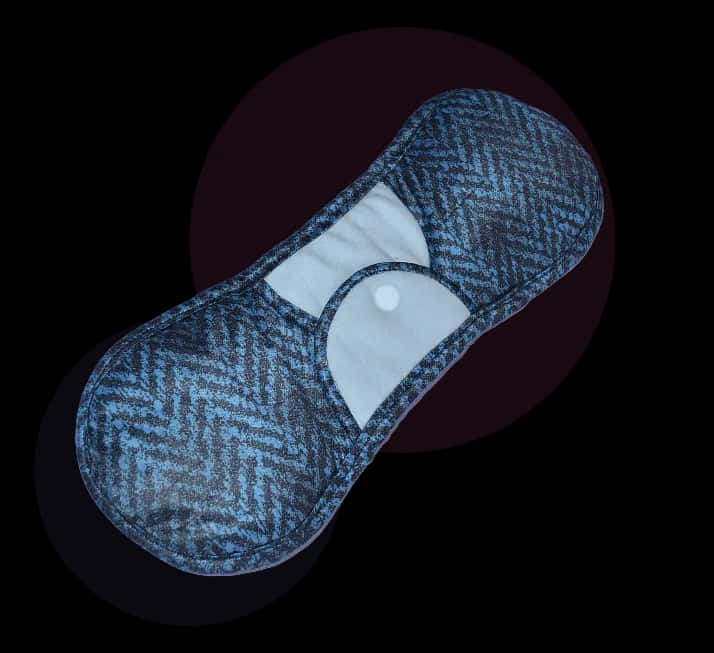
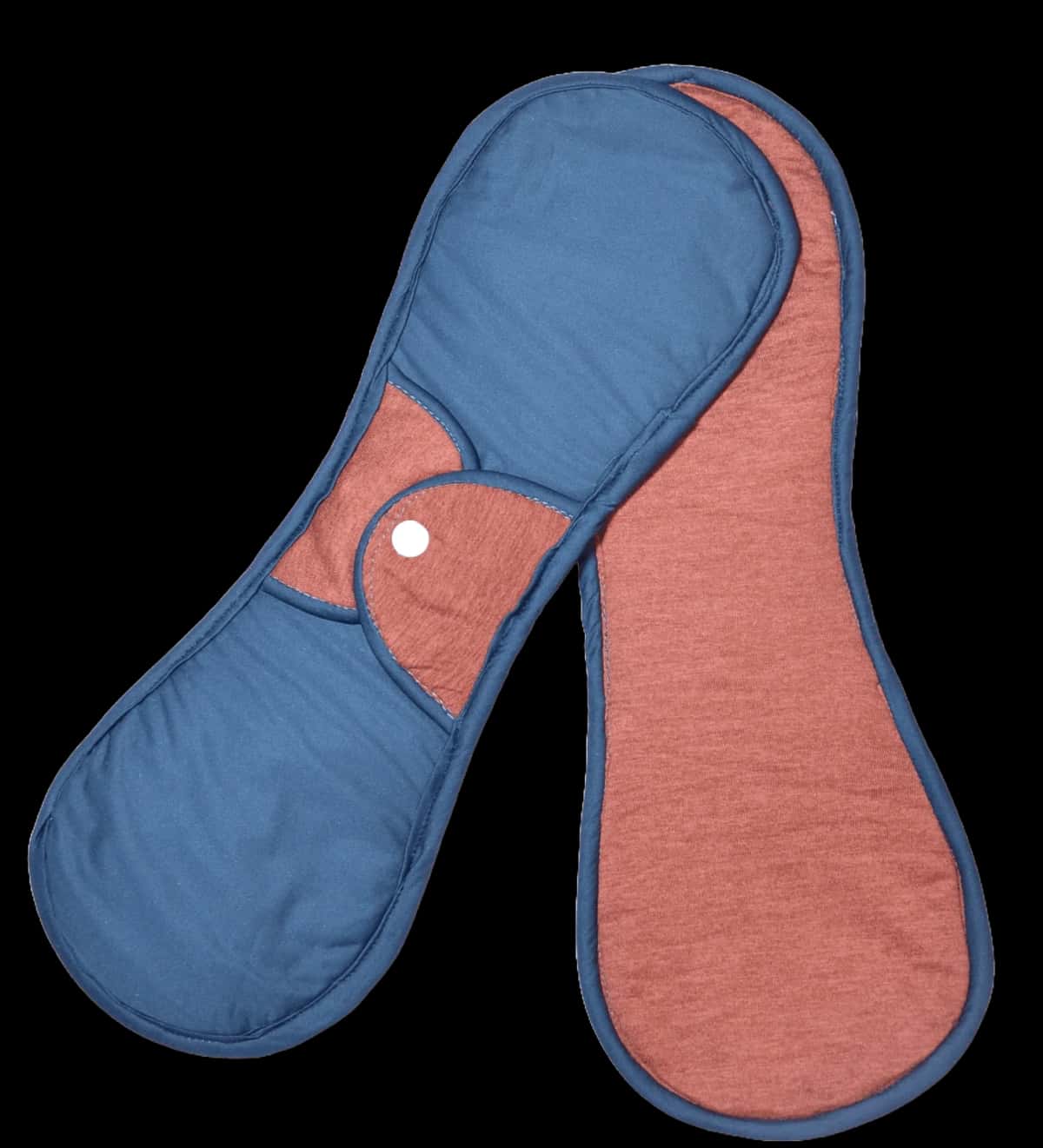
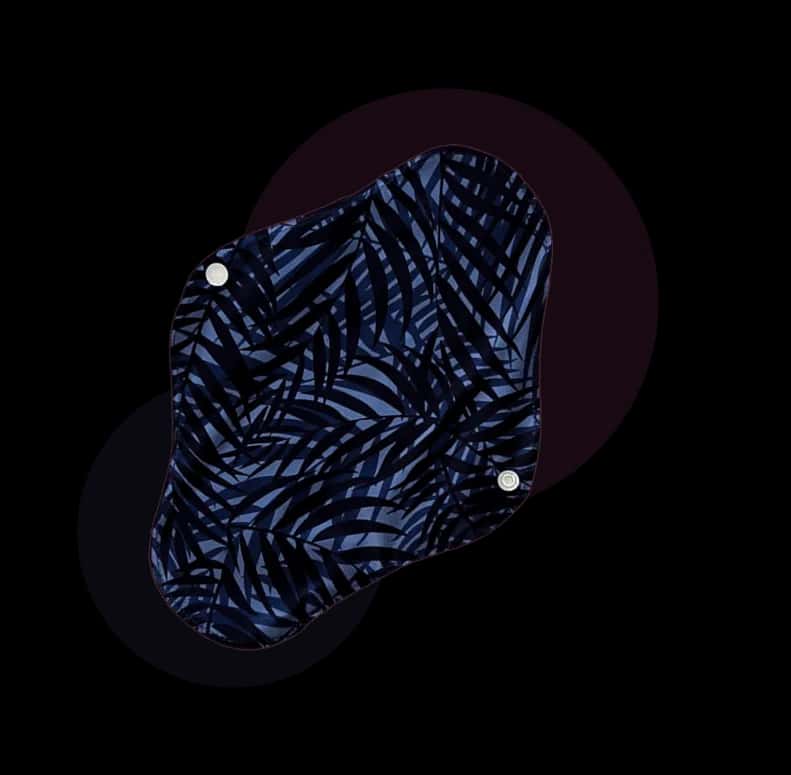
Our pads wey you fit wash use again, we design dem specially for Nigerian women needs and weather. Di cotton layers wey dey breathe dey reduce wetness wey dey make bacteria grow. Di backing wey no dey leak dey hold di blood, so you fit keep yourself clean. Di most important: because our pads dey last 2-3 years, women fit change dem as often as dem need, without to worry about di cost of each change. Dis small thing dey make big difference to prevent infections.
Since we start, Sana Pads don support over 10,000 women directly and share more than 30,000 pads across Nigeria. We don partner with schools, NGOs and health organisations to reach girls and women wey get di biggest wahala for period health. Apart from products, we dey teach about period hygiene, reproductive health, and when to go see doctor. Plenty women wey dey collect our pads never talk about period health before – we dey change dat with education wey get respect and wey fit our culture.
As Nigerian company wey dey make pads for here, we understand di specific wahala our women dey face. We sabi di hot, humid weather wey make am important say pad absorb well and breathe. We understand say plenty communities no get running water, na why our pads fit wash with small water. We sabi about school toilets wey tight where privacy to change pad no plenty. We design our products with dis reality for mind.
Our work focus on dignity and power for women. When woman get period protection wey she fit trust, she fit go school or work during her period without fear and worry. When she no dey always worry about leak or infection, she fit focus on her education and her business. When she get correct information about her body, she fit see problem early and stand for correct care. Na so we dey help to end no be only period poverty, but di bigger health inequality wey Nigerian women dey face.
Take Control of Your Pelvic Health
To understand pelvic pain na di first step, but knowledge dey help only when you join am with action. You deserve to live free from chronic pain, with correct care and support.
For Women Wey Dey Get Pelvic Pain
Start by taking your pain serious. If dem don tell you say e normal or say you dey do too much, find health worker wey go listen to you. Wetin you dey feel for your own body na true. Keep pain diary for at least one month, write di details we talk before – time, place, how strong, and other signs wey come with am. Dis record go give you power when you dey go for care.
No delay to find help for danger signs. Sudden strong pain, pain with fever, or pain with heavy bleeding need quick check. For chronic pain, book appointment even if you dey fear or you dey shame. Doctors dey see reproductive health matter every day – nothing for your body go shock dem. If health worker dismiss your worry, go find second opinion.
While you dey wait for appointment or between treatments, focus on prevention and taking care of yourself. Keep your period hygiene well well with products wey you fit trust. Our Premium Pads with one layer wey no dey leak and three layers wey dey absorb work well for regular flow, and dem let you change often during your period. For heavy flow days, Maxi Pads with five layers wey dey absorb dey give security and dem no bulky. If you just dey start with pads wey you fit wash use again, our Starter Kit get three Premium Pads and storage pouch, everything wey you need to start.
Drink enough water, especially for Nigeria hot weather, to support your urinary tract health. No hold urine when you feel am – to hold urine too long dey increase UTI risk. Do gentle core and pelvic floor exercises to keep your muscles strong and working together. Reduce constipation wey no dey go by eating enough fibre and drinking enough water, because to strain dey damage pelvic floor muscles.
For Organisations Wey Dey Support Women Health
NGOs, schools, religious organisations and community groups get important role to handle pelvic health for Nigeria. Start by creating place where women fit talk about health worry without shame. Education sessions wey make am normal to talk about period, pelvic pain and reproductive health dey reduce di stigma wey dey stop women from going for care.
Give or help people get quality period products. When you share pads wey you fit wash use again to students or community members, you no dey only fight period poverty – you dey reduce infection risk wey dey lead to pelvic pain and wahala to born pikin. Organisations fit order as many packs as dem need for our fixed price per pack, with delivery to any state for Nigeria. Our bulk options dey allow schools to give pads to all students wey dey see period, or NGOs to add dem to their health outreach programmes.
Partner with local health centres and hospitals to give screening and referral services. Simple arrangement where nurse dey visit your school every three months to talk about period health and check for problems dey make big difference. Train teachers, youth leaders and programme staff to recognise danger signs of serious pelvic conditions, so dem fit encourage young women to go for care.
Create support systems for women wey dey manage chronic pelvic pain. Support group for your church or community centre where women dey share their experience and how dem dey cope dey reduce loneliness. Connect women to programmes wey dey give money help for people wey need medical care but no get money. Speak up for better women health services for your community – local government health authorities need to hear say their people need better access to gynaecological care.
Move Forward with Hope and Knowledge
Pelvic pain dey affect millions of Nigerian women, but e no need define your life or limit wetin you fit become. With knowledge about causes, danger signs and treatments wey dey, you fit stand for your own health well. To understand say strong pain no be something wey you must just endure dey change everything.
Some pelvic pain dey go with simple steps – to treat infection, to improve period hygiene, or to change some things for how you dey live. Other causes need more complex medical care, but treatment options dey even for conditions like endometriosis wey no get cure. Pain management, hormone treatment and surgery fit make life better well well. Di main thing na to go for check, no be to suffer quietly.
Prevention matter well well. To keep good period hygiene with quality pads wey you fit wash use again, to take care of your sexual health including to prevent STIs, to drink enough water, and to listen to wetin your body dey talk, all dey reduce your risk of pelvic pain conditions. Dis habits simple, but dem dey make real difference to protect your reproductive health and your ability to born pikin for future.
Your health deserve to come first, even with all di other things wey dey pull your time, strength and money. Nigerian women dey carry heavy responsibilities – to take care of family, to make money, to run house, to help community. But you no fit pour from empty cup. To handle health problem like pelvic pain no be selfishness – e necessary for your wellbeing and for you to fit do all di roles wey you value. If you get pelvic pain wey dey worry you, take dat first step and go for check. You deserve to feel well, to live without discomfort wey no dey stop, to get answers about wetin dey happen inside your body. Whether your pain come from simple infection or complex chronic condition, help dey. Sana Pads stand with Nigerian women for dis journey, we no dey only give period products but we dey support di bigger mission of women health, dignity and power across our nation. For more information about women health matter wey dey affect Nigerian women, visit our Women’s Health in Africa resource page.
Continue to read for Women Health for Africa
Questions wey pipo dey ask well well
Why I go choose Sana Pads instead of normal disposable pads?
Sana Pads na high-quality materials wey you fit wash use again, so dem be choice wey last and wey good for environment instead of disposable pads. Dem gentle for your skin, dem dey absorb well well, and dem go save you money for long run. When you choose Sana Pads, you dey help reduce plastic waste, and you go enjoy comfort and pad wey you fit trust for your whole cycle.
How long I fit use one Sana Pad before I need wash am?
One Sana Pad dey give you comfort and protection for 4 to 8 hours, depending on your flow. To stay fresh, change am every 4 to 6 hours - more often for heavy days. After each use, rinse am for cold water and wash am with soap. If you take care of am well, each pad go last 2 to 3 years.
Sana Pads safe for skin wey dey sensitive?
Yes, Sana Pads dey made from soft materials wey dey breathe and wey no dey cause allergy, so dem gentle for your skin. Dem no get di harmful chemicals and toxins wey dey common for disposable pads, so dem be correct choice for people wey get sensitive skin or allergies.
How I go clean and take care of my Sana Pads?
Rinse your pad for cold water immediately - hot water dey make blood stain stay. Then wash am with mild soap, with hand or for machine, and rinse am until di water clear. Dry am finish for direct sunlight, because sun dey also kill germs. Abeg no use tumble dryer, bleach or fabric softener: dem dey spoil di layers wey dey absorb. If you take care of am like dis, Sana Pad go last 2 to 3 years.
Price dey change if I order plenty?
No. Each product get fixed price per pack, no matter how many packs you order. You fit calculate your total with our price calculator. For big orders, send us direct message and we go confirm di delivery cost with you before you pay.
Testimonials
See wetin our customers dey talk about our products.
Women for all over di world dey buy Sana

“For first, e dey irritate me to use washable sanitary pad. I decide to try am, and to my greatest surprise, e comfortable well-well and e easy to wash. You fit even do your daily things without fear say blood go stain you for public. I wan give Big shout out to SANA PADS!!”

“I dey really love Sana reusable pads! Dem dey make me relax and feel free for my period time. Plus, dem don reduce the cost and stress of buying disposable pads every month well-well. Kudos to Sana for making dis kind correct product – I go be fan forever!”
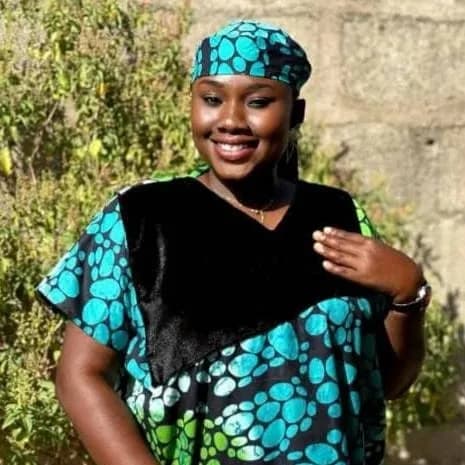
“Sana Pad good well-well, e dey make you comfortable and free. I love the pads, na the best ever!”

“I don try different brands of reusable pad, but Sana stand out for the quality, the comfort and how e dey last. Dem design am with sense, and the material dey gentle for my skin. As I change to Sana, e don reduce how I dey spoil environment and e don also save me money for long run. I dey grateful for dis solution wey go last!”

“To dey buy disposable pads every month dey add up well-well, so I talk say make I try Sana Pads. E surprise me how soft dem be, and dem dey work well for long days for university. To wash dem simple, and e don reach months wey I never buy new pad, so e don save me money. I also like say dem dey better for environment. E sweet me say I get option wey cheap and wey better for environment.”

“I don try different pad brands for years, but Sana pads really stand out. From the first time I use am, I see the difference — e soft for skin, e dey soak well-well, and e comfortable die. Even for my heaviest flow days, Sana pads dey hold well. Wetin I also love na how the material dey allow air pass and e good for skin. If you dey find pad wey get comfort, wey you fit trust, and wey get quality, I really recommend make you try Sana pads.”
Time to join hand
Contact Us
Margaret Ochegbudu
Business Manager