Reproductive Rights and Fair Health Care for Every Woman for Nigeria
Where pipo don see us







 Margaret Ochegbudu don check am · Update 26 min to read
Reproductive rights mean say every woman get di information, services and products wey she need to manage her reproductive health with dignity. For Nigeria, di gap no dey usually be di law: na how far clinic dey, how much e cost, and whether anybody don ever explain di basic things to her.
Understand Reproductive Rights and Fair Health: Wetin You Need to Sabi
Reproductive rights and fair health for women mean to make sure say every woman and girl fit get di information, services and products wey she need to manage her reproductive health with dignity. Dis one cover everything from period care to health for pregnancy and childbirth, from to choose when to born pikin to getting good health care without discrimination.
Main Points:
- Reproductive rights include to get period products, health information and health services without stigma or barrier.
- For Nigeria, only 38% of women fit get correct facilities to manage period hygiene for school or work.
- Fair health mean to remove money, culture and distance barriers so all women go get di same care, no matter where dem dey or how much dem dey earn.
- Period poverty dey affect about 37 million Nigerian women and girls wey no fit afford correct period products.
- Pads wey you fit wash use again fit reduce period care cost by 60-75% compared to to dey buy disposable products every month for ₦500-₦1,500.
- Lack of period education dey make 1 in 10 African girls miss school during their period, and dis dey limit their education chances.
- When we face fair reproductive health, e dey reduce how many mothers dey die for childbirth, e dey improve school attendance, and e dey increase how women dey take part for economy across Nigeria.
Make we look how reproductive rights connect to everyday health wahala and di practical solutions wey dey for Nigerian women and communities.
Blessing sit down for her secondary school class for Kaduna, dey listen as her biology teacher dey explain human reproduction. Di lesson cover body parts well, but when brave student ask about menstrual health and family planning, di teacher quickly move go another thing. “Go ask your mothers,” she talk, her eyes still for di textbook. Later dat week, Blessing period start sudden for class. Pads no dey for school and shame no let her ask for help, so she tie her school sweater round her waist and waka go house, and she miss di rest of di day lessons. Dis no be only about one class wey she miss. Na about system wey dey treat di natural things wey her body dey do like shameful secret, instead of normal health matter wey deserve care, information and support. Wetin happen to Blessing show bigger truth: reproductive rights and fair health for women no be big grammar, dem be everyday reality wey dey decide whether girls go stay for school, whether women go survive childbirth, and whether half of our population fit take full part for society.
Di Foundation: Wetin Reproductive Rights and Fair Health Really Mean
Reproductive rights pass di political argument wey you fit see for international news. For their root, dese rights accept say women body no be public property wey pipo go control, but personal territory wey deserve respect, care and di right to decide for herself. Health equity go further: e accept say rights wey dey only for paper no mean anything if woman for village for Kano dey face health reality wey totally different from her sister for Lagos city.
Wetin Reproductive Rights Cover for Real Life
Reproductive rights cover some areas wey connect together. First, na di right to information. Dis mean correct education wey fit di person age about period, reproduction and sexual health, no be di silence wey answer di question wey Blessing classmate ask. For many Nigerian communities, culture taboo dey stop mothers from talking about period with their daughters before their first period, so girls dey fear and dem no ready when period start. Di right to information also include to understand contraceptive options, to recognise pregnancy complications, and to sabi when to go see doctor.
Second, reproductive rights include di right over your own body. Dis mean to make informed decisions about your own health, from to choose period products wey work for your body to decide if and when you go get belle. For menstrual health, e mean to choose between disposable pads, reusable pads, menstrual cups or other options based on wetin fit your lifestyle, no be just wetin dey available or wetin other pipo expect make you use.
Third, na di right to get services and products. Right dey only for paper if barriers dey stop you from using am. If di nearest clinic dey three hours away with transport wey no dey reliable, if period products cost pass wetin person dey earn for di whole day, if schools no get private toilets with water to change pads, then di “right” to menstrual health still be theory, e never be practice.
Why Health Equity Matter Pass Equality
You fit hear “equality” and “equity” as if na di same thing, but dem mean different things. Equality mean to treat everybody di same way. Equity mean to accept say pipo start from different places and dem need different support to reach di same result. Girl for Lekki, Lagos, fit get private bathroom for school, mama wey talk about period openly, and pocket money to buy pads. Girl for village for Zamfara fit dey share pit latrine with 200 students, never get period education, and live for house where ₦1,000 for pads dey fight with money for food.
Health equity dey ask: wetin each person need to get good reproductive health? For di Lagos girl, maybe na just correct information. Di Zamfara girl need full education, products wey she fit afford, better school facilities, and community programmes wey dey fight period stigma. If you treat dem “equally” by giving dem di same solution, you dey ignore their different reality.
Dis equity approach apply across reproductive health. For Nigeria, di number of mothers wey dey die for childbirth average 512 deaths for every 100,000 live births for di whole country, but dis number dey hide big differences. Women for di Northwest dey face rate wey near double di one for di Southwest. Women for city fit get skilled birth attendants at 87%, while only 48% of women for village fit get am. Equity mean to send resources go where di need big pass, no be to share dem equal where some pipo don already get correct care.
Where Rights, Culture and Everyday Life Meet
To understand reproductive rights for Nigeria, you need accept say culture get complexity, but you no go use culture as excuse to do nothing. Yes, many communities see period as private matter or even as something wey no clean. Yes, to talk about sexual health openly fit clash with traditional values about modesty. Dese culture things dey real and dem deserve respect.
But culture no dey stand still. Nigerian culture also value education, family wellbeing and community support. Di aim no be to carry Western attitude come wholesale, but to find ways wey fit our culture to make sure women dey healthy. For example, for conservative communities where to talk about period openly no dey comfortable, health education fit happen through women-only sessions wey community health workers wey pipo trust or female teachers go lead. Dem fit share products quietly for plain packaging. Dem fit present information as way to support girls education and prepare dem for healthy marriage and motherhood, values wey agree with traditional priorities.
Di main thing na to move from silence and shame go practical support. Mama no need long emotional talk about period to make sure say her daughter get clean pads every month. School no need change di whole curriculum to provide private place to change period products. Small changes wey respect culture dey make big impact for health equity.
Barriers Wey Dey Block Fair Reproductive Health for Nigeria
To move from rights as idea go rights as reality, we need to find and remove di exact barriers. Dese obstacles dey work for different levels, from wetin each person believe reach di infrastructure of di whole country.
Money Barriers: When Health Become Luxury
Di barrier wey clear pass na cost. Pack of disposable sanitary pads dey cost ₦500-₦1,500 depending on brand and quality. For woman wey dey use 20-30 pads every cycle, dis mean ₦6,000-₦18,000 every year just for period. When Nigeria minimum wage na ₦30,000 every month and many workers dey earn far less, period products become big expense wey dey compete with food, school fees and transport.
Dis money reality dey force pipo make choices wey no possible. Young girls for poor homes dey report say dem dey use things like old cloth, newspaper, foam pieces, or even leaves when dem no fit afford pads. Dese things wey dem manage no dey absorb well, fit cause infections, and dey leak anyhow. Di fear of leaking dey keep girls for house instead of school, and studies show say period poverty dey make Nigerian girls miss average of 4-5 school days every month.
Di money barrier pass products reach health care. To visit private clinic for reproductive health issues fit cost ₦5,000-₦15,000 including consultation and basic tests. Government health facilities dey cheaper, but dem dey often get drug scarcity, long waiting time and staff wey no reach. Transport go health facility dey add another cost, especially for village areas where di nearest clinic fit dey 20-30 kilometers away.
Information Gap: Di Cost of Silence
Wetin you no sabi fit harm you. Across Nigeria, full reproductive health education no dey steady. Even though di National School Health Policy get provisions for health education, how dem dey do am different well well. Some schools get strong health programmes, others dey skip reproductive topics finish because di school leaders no comfortable or community dey press dem.
Dis information gap get real result. Girls wey never learn about period before their first period dey often fear and confuse. Some dey believe say dem don wound or dem dey sick. If women no understand di menstrual cycle, dem no fit plan well around their period or recognise symptoms wey no normal wey need doctor. Bleeding wey no regular, strong pain or flow wey too much fit show conditions like fibroids or endometriosis, but if women no sabi wetin normal, dem no go know when to find help.
Di silence also reach family planning, pregnancy care and sexual health. Only 56% of Nigerian women talk say dem get antenatal care from trained health workers during pregnancy. Many no sabi di warning signs of pregnancy complications like pre-eclampsia or obstructed labour until emergency happen. Dis lack of information dey add directly to di high number of mothers wey dey die for childbirth for Nigeria.
Infrastructure Wahala: Facilities Wey Dey Fail Women
Even if money and knowledge dey, di physical infrastructure dey often fail to support women reproductive health. Look school toilets. UNICEF assessment for 2019 find say only 26% of Nigerian schools get correct WASH (Water, Sanitation, and Hygiene) facilities. Many schools get toilets wey too few for di number of students, no get door for privacy, no get water to wash hand, or dem dirty reach where students dey avoid dem.
To manage period, you need privacy, water and correct place to throw used products. Toilet wey no get door mean say you fit shame while you dey change pad. Toilet wey no get water mean say you go comot with blood for your hand or you no fit wash reusable pads. If no place dey to throw am, you go carry used products for your school bag whole day or hide dem anyhow where dem go cause health danger.
Health facilities dey face di same wahala. Clinics for village fit no get steady light to keep medicine cold, clean water to sterilise equipment, or basic things like gloves and antiseptics. Maternity wards fit no get enough beds, so women wey dey labour go share bed or born for floor. Dese infrastructure failures no dey affect all women di same way – women wey get money fit go private facilities wey get steady light, water and supplies, while poor women and women for village dey manage bad conditions.
How to Build Health Equity: Practical Solutions for Every Level
To understand barriers dey useful only if we join am with solutions wey we fit act on. To reach fair reproductive health, individuals, communities, organisations and government need to work together, but change no need make we wait for perfect condition. Progress dey happen through practical steps for every level.
Wetin Each Person and Family Fit Do: Start Where You Dey
You no need wait for policy change before you improve reproductive health equity for di place around you. Parents fit break di silence about period by preparing their daughters with correct information before their first period. Dis talk no need be complicated. Simple explanation like “Your body dey get ready so dat for future you fit born pikin, and period na part of dat process” plus practical information about wetin to expect and how to manage period fit prevent di fear and shame wey many girls dey feel.
Families fit also make money choices wey go improve menstrual health. To change from disposable to reusable sanitary pads dey reduce cost by 60-75% over time. To first spend ₦5,000-₦8,000 for starter set of reusable pads dey replace di disposables wey you for dey buy every month for 2-3 years. For homes where dat first cost hard, even to start with one or two reusable pads to make di disposables last longer dey make difference.
Women fit stand up for themselves by finding information and refusing barriers wey base on shame. If health worker say your period pain na normal when e dey scatter your life, go find another doctor opinion. If your workplace no get correct facilities to manage period, talk am to human resources or management. Your own voice fit look small, but e dey open door for others to talk too.
Community and Organisation Efforts: Make Di Support Big
Faith communities, women groups, market associations and neighbourhood networks fit push change for community level. Churches, mosques and temples fit host women health education sessions for way wey fit di culture, and bring nurses or health educators to answer questions about menstrual health, family planning and pregnancy care.
Schools get special responsibility and chance. Even with small budget, schools fit set aside one clean, private toilet to manage period, keep basic pads for emergency, and train female teachers to give support without judgment. Secondary schools fit include peer education programmes where older students dey teach younger girls about menstrual health, and dis go create safe place for questions and to share information.
NGOs and civil society organisations wey dey work for education, health or women empowerment fit join menstrual health inside di programmes wey dem don already get. Organisation wey dey give girls school scholarship fit add period products as part of di support package. Maternal health programme fit add menstrual health education for teenage girls. Dese things dey often cost small but dem dey increase impact well well.
Fairness for workplace need attention too. Employers fit make sure say toilets dey wey get privacy, water and place to throw used products. Some companies wey dey reason forward dey put period products for workplace toilets as dem dey put toilet paper, because dem see period products as basic hygiene need, no be luxury. Policies wey allow flexible work when period symptoms strong dey accept say period dey affect work, without punishing women for how their body be.
Policy and System Change: Create Environment Wey Go Help
Wetin each person and community dey do matter, but to change di whole system need policy. Some policy approaches fit push reproductive health equity forward for Nigeria. First, to put full sexuality education inside di national curriculum go make sure say all students get di same health information. Dis no mean to teach primary school pupils about sex, but information about body, puberty and health wey fit their age and wey dey grow as students dey move up for school.
Second, to remove tax from period products go make dem cheaper. Some African countries don remove value-added tax from sanitary products, because dem see dem as health need, no be luxury goods. Kenya remove VAT from period products for 2004. Nigeria fit follow dis model, reduce pad cost and make am easier to get.
Third, when government buy period products for schools, prisons and public institutions, e dey create market for local manufacturers and e dey make sure say di products reach di pipo wey need dem. Nigerian government don test programmes wey dey share period products to secondary school girls for some states. To expand dese programmes go di whole country and make sure say money dey come steady go reduce period poverty well well.
Fourth, to make primary health care facilities strong, especially for village areas, dey improve access to reproductive health. Dis mean enough budget for supplies and medicine, regular supervision and training for health workers, and referral systems wey dey work to connect health posts to bigger facilities for hard cases. Di Basic Healthcare Provision Fund, wey dem set up to make primary health care strong, need steady money and open implementation to reach im equity goals.
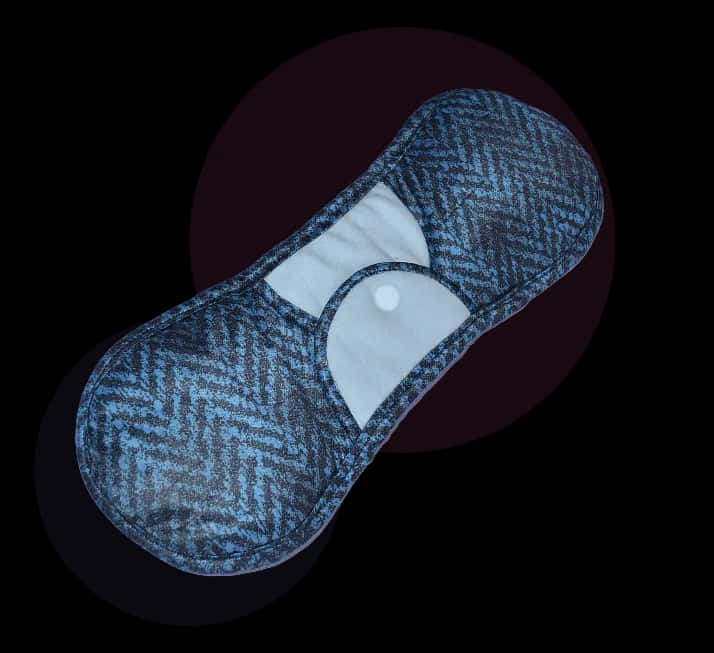
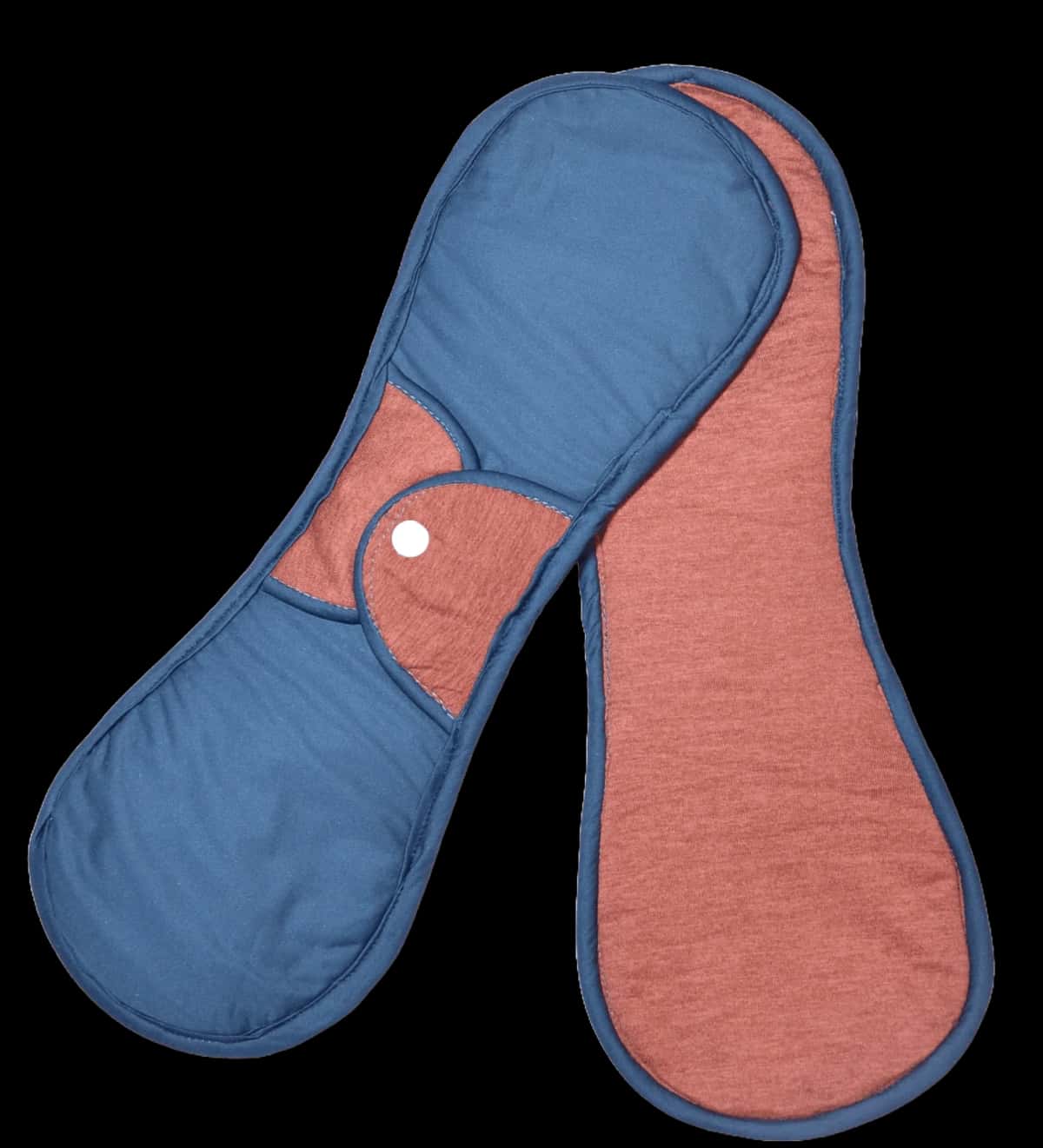
Our pads wey you fit wash

Di Benefits When Reproductive Health Dey Fair
To invest for reproductive rights and health equity no be only di correct thing morally, e dey bring practical benefit for many parts of Nigerian society. Di return on dis investment dey show for education, economy, health and how society dey hold together.
Power Through Education and Money
When girls fit get period products and school wey dey support dem, attendance dey improve well well. Research across sub-Saharan Africa show say to provide period products and education dey reduce how girls dey miss school by up to 50%. Dat 4-5 days every month wey period poverty dey steal from girls education dey add up to almost full week every month, more than 40 school days every year.
To miss school reach dis level dey create knowledge gap wey dey grow over time. Girls wey fall behind for school dey more likely to drop out finish. Nigeria don already get gender gap for education, with only 61% of girls wey finish primary school compared to 68% of boys for some northern states. Period poverty dey make dis gap wide pass. For di other side, to keep girls for school through better menstrual health support dey make education result strong, dey increase how many finish secondary school, and dey open road go higher education and better work.
Di money benefit pass wetin each person get for education. When women dey take part for economy, e dey push national development. When women fit work steady without period poverty forcing dem to stay for house, productivity go increase. When women fit control when dem go get belle through family planning information and services, dem fit go school and grow for their career, and dis dey increase household income and economic growth.
Analysis wey di African Development Bank do for 2021 estimate say to solve period poverty and menstrual health management fit add up to 0.5% to yearly GDP growth across sub-Saharan Africa, by reducing absence and increasing how women dey take part for economy. For Nigeria economy, dat one mean billions of naira for productivity gain every year.
Better Health and Wellbeing
Di benefit wey direct pass for reproductive health equity na better health. When women fit get antenatal care, skilled birth attendants and emergency obstetric services without money or distance barrier, di number of mothers wey dey die for childbirth dey reduce. Countries wey don reach reproductive health equity get maternal mortality rate wey dey below 50 for every 100,000 births, compared to Nigeria 512 for every 100,000.
Reproductive health equity also cover conditions wey pass pregnancy. Screening fit catch cervical cancer early when treatment dey work best. Nigerian women dey die from cervical cancer almost double di world average, mainly because screening programmes no dey. Regular reproductive health check-ups fit find conditions like fibroids, ovarian cysts and sexually transmitted infections before dem cause serious complications.
Mental health dey improve when women no dey carry constant worry about how to afford period products, how to manage period without correct facilities, or how to face pregnancy without antenatal care. Di stress of period poverty, di shame wey period stigma dey add, and di fear of pregnancy wey dem no plan when family planning information and services no dey reach dem, all dey wear di mind down. To create systems wey support reproductive health dey remove dese loads.
Progress for Society and Environment
Reproductive health equity dey help bigger social goals. When communities talk about menstrual health openly and with support, e dey challenge bigger patterns of discrimination against women. To accept women health needs as correct need instead of shame dey open space to face other gender equity issues for education, work and leadership.
Environment matter connect to menstrual health through di products wey we choose. Average woman dey use about 11,000 disposable pads for her lifetime. For Nigeria, with about 50 million women and girls wey dey see period, disposable pads dey create big waste problem. Most disposable pads get plastic parts wey dey take 500-800 years to rot. For areas wey no get correct waste management, pads wey pipo throw away dey spoil soil and water.
Menstrual products wey you fit use again dey reduce dis environmental load by over 95%, and at di same time dem dey fight period poverty. One reusable pad dey replace about 120 disposable pads for di time wey e go last. To support reusable options through distribution programmes and education dey bring both health equity and environmental benefit.
Finally, to face reproductive health equity dey make society hold together strong. When communities work together through schools, health facilities, faith organisations and local government to make sure say girls fit go school during their period and women fit get maternal health care, e dey build power wey everybody share. Dese joint efforts dey create example for how to face other community wahala.
How to Answer Worries and Overcome Resistance
Even though di benefits clear, efforts to push reproductive health equity forward dey often face worries and resistance. To answer dese worries honestly and with respect dey important to make progress.
"Dis One Dey Clash with Our Culture"
Di worry wey common pass na say to talk openly about reproductive health dey clash with culture or religion values about modesty and privacy. Dis worry deserve respect, no be make pipo dismiss am. Nobody want outside forces to force strange values on their community. But reproductive health equity no need make we abandon culture values, e need make we find ways wey fit di culture to give practical support.
Many Nigerian communities get strong values about protecting children and supporting families. Reproductive health education fit dey inside dese values. To teach girls about period before their first period no be to make children think about sex, na to prepare dem so dem no go fear and confuse. To give period products for schools no be to encourage girls to dey sleep around, na to make sure say girls fit attend class and finish their education, aim wey most families and communities share.
Religious teachings for Christianity, Islam and traditional African religions dey emphasise to care for di weak, to support community members, and to promote health. Dese values agree perfect with reproductive health equity goals. Di question no be whether to support women health, but how to do am for ways wey respect local values and feelings. Dis fit mean women-only education sessions, female health workers, quiet product distribution, or to present programmes as support for girls education instead of reproductive rights as big idea. To respect culture when you dey do di work no mean say you go abandon health equity goals.
"We No Get Money for Dese Programmes"
Another common worry na cost. Schools wey dey run on very small budget, health facilities wey no get basic supplies, and homes wey dey choose between food and school fees fit see reproductive health programmes as luxury wey dem no fit afford. Dis worry dey understandable but e dey often base on cost-benefit calculation wey no complete.
Look period products for schools. To give each girl 3-4 reusable pads dey cost about ₦6,000-₦8,000 upfront for each student. For secondary school wey get 200 female students, na ₦1,200,000-₦1,600,000 be dat. E fit look expensive until you calculate say each girl wey dey miss 4-5 days every month mean education investment wey don waste. Schools dey get money per student based on enrolment and attendance. When period poverty dey cause absence and dropout, schools dey lose both students and money. Di investment for period products dey pay for itself through better attendance and education results.
For health care, Nigeria dey spend about 3.9% of GDP on health, far below di 5% Abuja Declaration target and di 15% WHO recommendation. Small funding dey create bad cycle where poor services dey lead to bad results, but investment for reproductive health dey bring return. Every naira wey dem spend for family planning dey save about ₦4 for maternal and child health care costs. Investment for antenatal care dey reduce expensive emergency treatment for pregnancy complications. To prevent cost less pass to manage crisis.
Plus, pipo fit share di costs. Government, NGOs, private sector partners and communities fit work together to fund reproductive health programmes. When we make products like reusable pads here, e dey create jobs and reduce cost compared to imported ones. Creative financing like revolving funds, cooperative buying, or product-for-service exchange fit make programmes reachable even with small budget.
"Everything Dey Fine As E Be"
Maybe di resistance wey hard pass dey come from pipo wey really no see di problem. If you grow for house wey fit afford period products, go schools wey get correct facilities, and get health information from educated parents, reproductive health wahala fit look far or like exaggeration. Dis view no be wickedness, e just show say inequity dey hide from pipo wey no dey face am.
Na exactly why equity matter. Things dey fine for some women and girls, but definitely no be for all. Di university student for Abuja wey her mama buy her first pads, explain period gently, and dey make sure say she get supplies no dey face period poverty. But dis no mean say period poverty no dey for di millions of girls wey dey use newspaper and dey miss school. Di woman wey born her baby for private hospital wey get correct equipment and care get very different experience from di woman wey labour for two days before she reach rural clinic wey no get enough staff.
To make wetin hide show need make we hear different voices and experiences. E mean to look data wey show say 1 in 10 African girls dey miss school during period, say maternal mortality dey change well well based on place and money status, say millions of women no fit get basic reproductive health information and services. Things no fine for dese women and girls, and their experience dey valid as di ones of pipo wey get more privilege. To reach equity mean to make sure say everybody fit get di health support wey some pipo dey take as normal now.
Why Sana Pads Dey Fight for Fair Reproductive Health
For Sana Pads, we understand say menstrual health na foundation stone of bigger reproductive rights and health equity. As Nigerian manufacturer wey base for Lagos, we don see with our own eye how period poverty dey limit girls potential and dey make health inequality strong. Our mission pass to sell products, na to face di barriers wey dey block menstrual dignity and health equity across Nigeria.
Since we start, we don support over 10,000 women and girls directly through products, education and advocacy. We don share more than 30,000 pads through partnerships with schools, NGOs and community organisations. But numbers tell only part of di story. Each pad wey we share represent girl wey fit stay for school during her period, woman wey fit work without fear of leaking, person wey pipo recognise and support her dignity.
Because we dey produce here, we dey design products for Nigerian reality. We understand di hot, humid weather wey make am important say pad must breathe. We sabi di infrastructure wahala – water wey no dey steady, small privacy for public facilities, waste management wahala – wey dey affect product design. Our reusable pads get fabrics wey dey dry quick wey fit hand washing, strong snap buttons wey dey work with African clothing styles, and layers wey balance absorbency with drying time.
We get three main products for different needs: No Wahala Pads with 1 layer wey no dey leak and 1 absorbent layer for light flow days, Premium Pads with 1 layer wey no dey leak and 3 absorbent layers for regular flow, and Maxi Pads with 1 layer wey no dey leak and 5 absorbent layers for heavy flow. Dis range mean say women fit choose products wey match their needs instead of to manage one size wey dem say go fit everybody.
Apart from products, we dey give education because to get products without information no dey create equity. We dey work with schools and organisations to give menstrual health education wey respect culture, fit di age, and dey practical. We dey train teachers, health workers and community leaders to lead talk about period for ways wey go reduce stigma and increase support.
Because we wan make am affordable, our reusable pads dey cost 60-75% less than di disposable products wey equal dem over time. Sana Pads dey supply schools, NGOs and community programmes of any size for di same fixed price per pack. We dey work toward Nigeria where no girl go miss school because she no fit afford pads, where pipo go see reproductive health as right, no be privilege.
Take Action: Your Part to Push Health Equity Forward
To reach reproductive health equity need action for every level, from wetin each person choose reach policy advocacy. Wherever you dey for Nigerian society, you get part to play to build systems wey support di health and dignity of all women.
For Each Person: Start Where You Dey
If you be woman wey dey face period poverty or menstrual health wahala, know say you deserve support. Think about to change go reusable pads to reduce monthly cost. Our Starter Kit with 3 Premium Pads plus storage pouch cost less than six months of disposable pads but e dey last 2-3 years if you care for am well. If di upfront cost hard, start with one or two pads to make your disposables last longer, then add more when you fit.
Find health information even when culture make am uncomfortable. You get right to understand your body and to sabi when something need doctor. If you be parent, prepare your daughters before their first period with correct information wey go calm dem. Break di silence wey dey breed shame and fear. Show good attitude to period so di next generation go grow with dignity instead of shame.
Talk up for di place around you. If your workplace no get correct menstrual facilities, raise am with respect. If your pikin school no dey support menstrual health, join other parents to push for change. Each person voice dey build momentum for bigger change.
For Organisations: Put Health Equity Inside Your Mission
Schools fit make sure say at least one clean, private toilet dey to manage period, train female staff to give support without judgment, and keep emergency supply of period products. To put menstrual health education inside life skills programmes dey prepare students with practical knowledge.
NGOs wey dey work for education, health, women empowerment or community development fit include menstrual health when dem dey design programmes. If you don already dey support girls education, to add period products and education go make your impact strong. If you dey work on maternal health, to add menstrual health for teenage girls go make di care continue.
Faith communities, market associations and women groups fit host health education sessions, organise cooperative buying of period products, or set up support systems so no member go struggle alone with reproductive health wahala. Health facilities fit make sure say staff get training to give reproductive health services with dignity, respect and cultural sensitivity.
Make We Move Forward Together
Reproductive rights and health equity for Nigeria no be big-big ideas, dem be practical needs wey dey affect millions of women and girls every day. When Blessing tie her sweater round her waist and waka from school go house, no be small inconvenience she face. She dey face system barriers wey dey treat women body as problem to hide instead of reality to support.
Change dey happen through thousands of small actions wey dey add up to change di whole system. Na parents wey dey talk honestly with their daughters. Na schools wey dey put correct facilities and emergency supplies first. Na employers wey dey see menstrual health as workplace matter. Na health systems wey dey make reproductive services reachable no matter where you dey or how much you dey earn. Na communities wey dey choose dignity over shame, support over silence.
Every Nigerian woman and girl deserve to manage her reproductive health with access to products, information and services wey support her wellbeing. To reach dis vision need all of us – individuals, families, organisations, businesses and government – to work together for health equity. Di benefits pass each woman reach stronger education results, economic growth and society wey hold together.
For Sana Pads, we don commit to dis journey, as we dey provide products wey cheap and wey last, while we dey push for di system changes wey go bring true health equity. Whether you need products for yourself, you want support girls for your community through bulk orders, or you dey find partnership to run menstrual health programmes, we ready to work together. Visit our website or contact us to see how we fit support reproductive health equity for your area. Learn more about women health wahala and solutions across Africa through our full guide. Together, we fit build Nigeria where every woman health get value, support and protection.
Continue to read for Women Health for Africa
Questions wey pipo dey ask well well
Why I suppose choose Sana Pads instead of normal disposable pads?
Dem make Sana Pads from high-quality materials wey you fit use again, so dem be alternative to disposable sanitary products wey go last and wey no dey spoil environment. Dem dey gentle for your skin, dem dey absorb well well, and dem dey save you money for long run. When you choose Sana Pads, you dey help reduce plastic waste while you dey enjoy comfort and pad wey you fit trust through your whole cycle.
How long I fit use Sana Pad before I need wash am?
Sana Pad dey give you comfort and protection for 4 to 8 hours, depending on your flow. To stay fresh, change am every 4 to 6 hours - more often for heavy days. After each use, rinse am for cold water and wash am with soap. If you care for am well, each pad go last 2 to 3 years.
Sana Pads dey safe for sensitive skin?
Yes, dem make Sana Pads from soft, breathable and hypoallergenic materials (materials wey no dey easily cause allergy), so dem dey gentle for your skin. Dem no get di harmful chemicals and toxins wey dem dey often find for disposable pads, so dem be correct choice for pipo wey get sensitive skin or allergies.
How I go clean and take care of my Sana Pads?
Rinse your pad for cold water immediately - hot water dey make blood stain stay. Then wash am with mild soap, with hand or for machine, and rinse am until di water clear. Dry am finish for direct sunlight, wey also dey kill germs. Abeg no use tumble dryer, bleach or fabric softener: dem dey spoil di absorbent layers. If you care for am like dis, Sana Pad go last 2 to 3 years.
Price dey change if I order plenty?
No. Each product get fixed price per pack, no matter how many packs you order. You fit calculate your total with our price calculator. For big orders, send us direct message and we go confirm di delivery cost with you before you pay.
Testimonials
See wetin our customers dey talk about our products.
Women for all over di world dey buy Sana

“For first, e dey irritate me to use washable sanitary pad. I decide to try am, and to my greatest surprise, e comfortable well-well and e easy to wash. You fit even do your daily things without fear say blood go stain you for public. I wan give Big shout out to SANA PADS!!”

“I dey really love Sana reusable pads! Dem dey make me relax and feel free for my period time. Plus, dem don reduce the cost and stress of buying disposable pads every month well-well. Kudos to Sana for making dis kind correct product – I go be fan forever!”
“Sana Pad good well-well, e dey make you comfortable and free. I love the pads, na the best ever!”

“I don try different brands of reusable pad, but Sana stand out for the quality, the comfort and how e dey last. Dem design am with sense, and the material dey gentle for my skin. As I change to Sana, e don reduce how I dey spoil environment and e don also save me money for long run. I dey grateful for dis solution wey go last!”

“To dey buy disposable pads every month dey add up well-well, so I talk say make I try Sana Pads. E surprise me how soft dem be, and dem dey work well for long days for university. To wash dem simple, and e don reach months wey I never buy new pad, so e don save me money. I also like say dem dey better for environment. E sweet me say I get option wey cheap and wey better for environment.”

“I don try different pad brands for years, but Sana pads really stand out. From the first time I use am, I see the difference — e soft for skin, e dey soak well-well, and e comfortable die. Even for my heaviest flow days, Sana pads dey hold well. Wetin I also love na how the material dey allow air pass and e good for skin. If you dey find pad wey get comfort, wey you fit trust, and wey get quality, I really recommend make you try Sana pads.”
Time to join hand
Contact Us
Margaret Ochegbudu
Business Manager