Traditional and Modern Reproductive Healthcare for Nigeria: How to Find Di Correct Balance
Where pipo don see us







 Margaret Ochegbudu don check am · Update 29 min to read
Plenty Nigerian women dey use both traditional and modern care, and dem no always dey fight each oda. Traditional practice get value for support and to keep culture; na modern medicine dey find wetin dey wrong and treat am. Di danger na delay: to use herbs for heavy bleeding or for hard pregnancy instead of to go see doctor.
How to Understand Your Reproductive Healthcare Options for Nigeria
Today, Nigerian women fit use both traditional healing and modern medical care, but to sabi how to waka between dem safe fit hard. Di good news? You no always need to choose one leave di oda – di main tin na to sabi wetin dey work, wetin no dey work, and when to look for each type of care.
Wetin You Need to Sabi:
- Traditional reproductive healthcare include herbal medicine, spiritual practice, and knowledge from traditional birth attendants wey pipo don dey use for hundreds of years across Nigeria.
- Modern reproductive healthcare dey give treatment wey evidence back, like family planning, care during pregnancy (prenatal care), STI test, and surgery wey get proven safety record.
- About 65% of Nigerian women dey use traditional medicine at one time or anoda for reproductive health matter, according to WHO data.
- To combine traditional and modern care safe, doctor must dey watch am, because some herbal medicine fit react dangerously with medicine from hospital.
- Access to good modern healthcare dey different well-well from place to place: Lagos and Abuja get better facilities pass rural areas for Borno or Zamfara states.
- Basic reproductive health screening for Nigerian public facilities dey cost about ₦2,000-₦8,000 on average, while traditional healers dey often collect ₦1,000-₦5,000 for each consultation.
- When you understand both systems, e go give you power to make informed decisions wey respect your culture and still protect your health and your fertility.
Make we look how dis two approach dey work, where dem dey support each oda, and how you fit waka between both systems safe.
Fatima sidon for her grandmama compound for Kaduna, dey listen to advice about fertility herbs, while her smartphone dey buzz with reminder for her gynecology appointment. Like plenty Nigerian women, she dey waka between two worlds – di traditional knowledge wey generations pass down, and di modern medical care wey clinics dey give. Her grandmama talk about old remedies with confidence, while her doctor recommend treatment wey evidence back. Fatima no wan disrespect her elders, but she still want di best care for her body. Dis tension between traditional and modern reproductive healthcare dey affect millions of Nigerian women every day. E dey cause confusion, e dey make pipo miss chances, and sometimes e dey lead to dangerous health decisions.
How Reproductive Healthcare Be for Nigeria
Nigeria reproductive healthcare system na special mix of knowledge from our ancestors and modern medicine. When you understand how e be, e go help you make better decisions for your body, your family and your future.
Traditional Reproductive Healthcare: Deep Roots, Mixed Results
Traditional reproductive healthcare for Nigeria cover practices wey don dey for hundreds of years before colonial medicine come. For communities across Kano, Enugu and Rivers states, traditional birth attendants (TBAs) still dey help women born pikin, herbalists dey give remedy for infertility, and spiritual healers dey handle reproductive matter with prayer and rituals.
Dis practices get real value for many situations. Traditional birth attendants dey often give emotional support and keep culture for way wey busy hospital staff no fit match. Plenty Nigerian women dey feel more free to talk about private health matter with older women for dia community wey speak dia language and understand local customs. Di personal relationship and di care for house wey TBAs dey give fit reduce fear and worry during pregnancy and childbirth.
Some traditional remedies don show promise for research. Some herbs wey Nigerian traditional medicine don use for hundreds of years get compounds wey modern science don confirm. For example, scent leaf (nchanwu) don show say e fit fight germs, and pipo don study bitter leaf for how e fit help manage blood sugar wey fit affect reproductive health.
But traditional approach carry serious risk if na only am you dey use. Plenty traditional remedies no get standard dose, quality control or safety test. Wetin work safe for one woman fit dey dangerous for anoda woman because of health problem wey she already get, because she dey pregnant, or because e dey react with oda treatment. Since dem no get tools to test and find wetin dey wrong, traditional healers fit miss serious conditions like ectopic pregnancy, ovarian cysts or cervical cancer until dem turn emergency wey fit kill person.
Modern Reproductive Healthcare: Evidence Dey Back Am, But E No Always Dey Reach Everybody
Modern reproductive healthcare for Nigeria include family planning services, antenatal care, STI test and treatment, cancer screening, and surgery. Dis services dey rely on scientific research, diagnostic tests and standard treatment wey get documented safety record and success rate.
Modern healthcare get big advantage. Ultrasound fit catch pregnancy complications early. Laboratory test fit find infection before e cause infertility. Family planning methods wey dem sabi how well dem dey work dey help women control dia fertility. Surgery dey save life for cases of ectopic pregnancy, serious bleeding (severe hemorrhage) or labour wey block (obstructed labor).
Nigerian cities like Lagos, Abuja and Port Harcourt don improve access to quality reproductive healthcare through both public and private facilities. Government hospitals dey give services wey government don reduce di price, while private clinics dey attend to pipo faster if dem fit pay higher fees. Programmes like di Nigerian government free maternal health initiatives don remove some money barriers.
But modern healthcare still dey far from reach for plenty Nigerian women, and e dey pain. Rural areas often no get facility near, so women must travel many hours for basic care. Even where facility dey, e fit no get important supplies, trained staff or equipment wey dey work. When light go, e dey affect how dem keep medicine for fridge and how diagnostic equipment dey work. Di cost of private care dey put quality services far from families wey dey live on ₦30,000-₦50,000 every month.
Culture too dey limit how pipo dey use modern services. Some women dey fear say health workers go judge dem about dia sexual history, dia family planning choices or dia traditional practices. Language barrier dey when medical staff no speak local languages. Some women no fit accept male doctor because dia religion or culture say na female provider dem must use. Dis barriers dey push women go back to traditional care, even when modern treatment go safe pass.
Di Reality: Most Nigerian Women Dey Use Both Systems
Research show say Nigerian women no dey rely only on traditional or only on modern reproductive healthcare. Instead, most women dey move between both systems based on wetin dey available, wetin dem fit afford, wetin culture accept, and di exact health matter wey dem face.
One woman for Sokoto fit dey go antenatal clinic appointments, and at di same time dey take herbal supplements wey her mother-in-law recommend. One teenager for Ibadan fit go see traditional healer for period pain, before she finally go see doctor when di pain no stop. Dis mixing dey happen all di time across Nigeria. Sometimes e dey safe, sometimes e dey cause serious health risk.
Di challenge no be to choose between traditional and modern care – na to learn how to use both systems with sense. You need to sabi when traditional approach dey fairly safe, when modern medical treatment dey compulsory, and how to talk true to both types of health workers about di treatment wey you dey use.
When to Choose Traditional, Modern, or Both Together
When you understand which type of care fit which situation, e go help you make safer and better health decisions. No be every reproductive health matter need hospital visit, but some situations need modern medical attention immediately.
Where Traditional Approach Dey Fairly Safe (With Caution)
Traditional practices dey work best for general wellness, cultural rituals and extra support, no be to treat specific medical conditions. Some traditional approach get low risk when you use am di correct way.
Care traditions after childbirth like di “omugwo” period for Igbo culture, where female relatives dey support new mothers, dey give important emotional and practical help. Dis cultural practices dey support mental health and dey help new mothers learn how to take care of baby. As long as dem no replace di medical checkups wey you need, or stop treatment of complications like heavy bleeding after birth (postpartum hemorrhage) or infection, such traditions fit make you feel better.
Herbal teas and foods wey dem dey traditionally give pregnant women fit get nutrition benefit. Palm oil, bitter leaf soup and oda traditional foods get nutrients wey dey support pregnancy. But you suppose talk about any herbal supplement with your doctor or midwife, because some herbs fit start contractions, react with medicine, or carry unsafe level of some compounds.
Traditional support for menstrual health – like rest during period, heating pad for cramps, or food wey get nutrients – rarely dey cause harm. If your grandmama tell you make you rest and use warm compress for period pain, dis one no go stop you from going for medical care if di pain become serious or show sign of conditions like endometriosis.
Di rule wey you must follow: traditional approach must never delay diagnosis or treatment of conditions wey fit dey serious. If symptoms no stop, dey worse, or include warning signs like heavy bleeding, serious pain, fever or unusual discharge, you need modern medical check, no matter which traditional remedy you don try.
Situations Wey Must Get Modern Medical Care
Some reproductive health situations need modern medical treatment. If you try to treat dis conditions with only traditional methods, e carry serious risk of disability or death.
Pregnancy complications must get modern healthcare, no two ways about am. Conditions like ectopic pregnancy (pregnancy wey grow outside di womb), pre-eclampsia (dangerous high blood pressure), placenta previa (placenta wey block di birth canal), or signs of early labour (premature labor) need medical check and treatment immediately. Traditional birth attendants no fit diagnose dis conditions or give treatment wey dey save life like emergency cesarean section or blood transfusion.
Sexually transmitted infections need laboratory test and treatment wey dem don prove. Plenty STIs no dey show clear symptoms, but if dem no treat am, e fit lead to infertility, pain wey no dey stop, or cervical cancer. Gonorrhea, chlamydia, syphilis and HIV all need specific medical treatment. Herbal remedies no fit cure dis infections, and if correct treatment delay, e fit cause damage wey no go ever comot.
Family planning need correct information and safe methods. If you wan prevent pregnancy, modern contraceptive methods get known success rate and safety record. Traditional methods like to time when una dey do sex, or herbal mixtures, dey fail far more. Pregnancy wey you no plan carry im own health risk, so family planning wey you fit trust na health priority.
Any unusual symptom – pelvic pain wey no dey stop, abnormal bleeding, lump, serious period cramps, wahala to get belle after 12 months of trying, or unusual discharge from vagina – need medical check. Dis symptoms fit show conditions from fibroids reach cancer wey need correct diagnosis through examination, scan (imaging) or laboratory test.
How to Combine Both Safe
You fit often combine traditional and modern care safe if you follow some main rules. Di most important rule: talk di full truth to all your health workers about every treatment wey you dey use.
Tell your doctor about any herbal remedy, supplement or traditional treatment wey you dey take. Some herbs dey react dangerously with medicine. For example, some traditional remedies fit increase bleeding risk during surgery or react with blood pressure medicine. Your doctor fit only help you safe if e sabi everything wey you dey use.
Use modern medicine for diagnosis and for serious treatment, then add traditional support with doctor approval. Do di ultrasound, di lab tests, and take di proven medicine wey your doctor recommend. Once you get clear diagnosis and treatment plan, ask your doctor if e dey safe to continue some specific traditional practices together with di medical treatment.
Work with traditional healers wey respect modern medicine and dey work with am. Some progressive traditional practitioners for Nigeria now dey send patients go hospital for some conditions, while dem dey give cultural and emotional support. Look for healers wey dey ask about your medical care and dey encourage you to continue am, no be di ones wey dey insist say you must choose between traditional and modern.
Never replace proven medical treatment with traditional remedy wey nobody prove, for serious conditions. If you get diabetes, high blood pressure or HIV, continue di medicine wey doctor give you, even if you still dey use traditional wellness practices. If you stop medical treatment wey dey work, di result fit dey serious and e fit no fit reverse.
Benefits of Informed Health Decisions Wey Combine Both
When you understand both traditional and modern reproductive healthcare, you get power to make choices wey work for your health, your values and your situation.
Benefits for Health and Safety
Di clearest advantage of informed health decisions na better health. You go avoid di danger of using traditional remedy for conditions wey need medical treatment. You go also avoid medical treatment wey you no need for small matter wey traditional approach fit handle safe.
Correct diagnosis go stop you from wasting time and money on treatment wey no touch your real problem. Instead of to spend months dey try different herbal remedies for infertility wey blocked fallopian tubes cause – condition wey need surgery – you fit get diagnosis quick and go for treatment wey work. Dis one go save you heartache, money and precious time if you dey hope to get belle.
To understand both systems dey help you notice warning signs early. You go learn which symptoms na normal changes and which ones show serious problem. Dis knowledge dey help you find correct care quick when e matter pass, and e fit prevent complications or catch serious conditions when dem still fit treat.
When you combine di emotional and cultural support of traditional care with di exact diagnosis of modern medicine, di experience dey often better. You fit born your baby for hospital wey get emergency equipment, and still get your mama or traditional birth attendant there for cultural rituals and emotional comfort. Dis combination dey honour your culture and still give you di most safety.
Benefits for Money and Daily Life
If you sabi how to use health systems well, e fit actually save you money. You no go dey pay traditional healers for many consultations when di condition need medical diagnosis. You go also avoid expensive emergency treatment wey early medical screening for prevent.
When you sabi when you really need expensive private medical care, and when cheaper public facilities or traditional support go do, e go help you share your small resources with sense. Normal pregnancy wey no get complications fit dey managed safe for primary health centre for ₦5,000-₦15,000 total, instead of ₦150,000-₦300,000 for private hospital. Dis one go free family money for oda needs.
For women for rural areas wey far from medical facilities, to sabi which symptoms mean say you must make di hard journey go hospital, and which ones you fit manage for your area, go reduce travel cost wey no necessary and time away from work or family duties. Dis practical knowledge dey help you decide when to go look for medical care wey dey far.
Correct information about family planning dey help you control when you get pregnant and how you space your pregnancies, and dis one get big effect on money. When you fit plan pregnancy, you fit finish school, build career, and space children for way wey reduce poverty and make life better for di children wey you don already get. Dis money benefit dey reach many generations.
Benefits for Power and Dignity
Maybe di deepest benefit na di sense of control and dignity wey dey come when you understand your healthcare options. You no go dey stuck again between grandmama advice and doctor advice wey no agree, dey wonder who you go trust. Instead, you fit check advice from both sides based on evidence and di situation.
Dis knowledge dey protect you from bad practitioners for both systems wey wan cheat you. You go fit see when traditional healer dey make promise wey no fit happen, or when medical provider dey recommend expensive tests wey you no need. Patients wey sabi tins no dey easy to manipulate.
To understand reproductive healthcare dey help you stand for yourself for hospital. You fit ask correct questions, ask make dem explain for language wey you understand, and take active part for decisions about your body. Dis one go change you from person wey just dey receive care to active partner for your own healthcare.
For mothers, dis knowledge go help you guide your daughters better. You fit help di next generation waka through dis systems even better, and pass both cultural wisdom and science knowledge give dem. Dis one dey create good cycle where each generation get better reproductive health pass di one before.
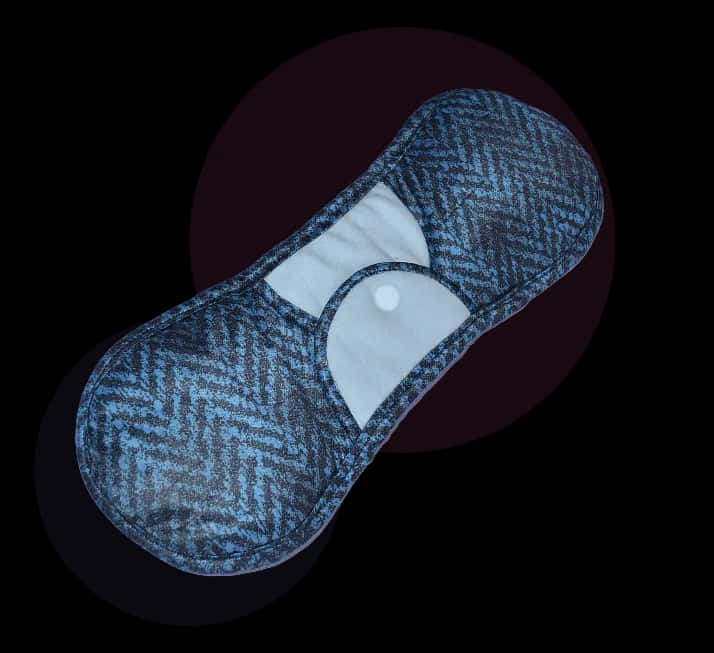
Our pads wey you fit wash


Common Worries About Mixing Traditional and Modern Care
Plenty Nigerian women dey worry about how to balance wetin tradition expect with modern medical advice. Dis worries make sense and dem deserve honest talk.
"My Family Go Think Say I Dey Reject Our Culture"
Dis one fit be di most common fear, especially for young women wey dia mama and grandmama rely mainly on traditional reproductive healthcare. You dey worry say if you choose modern medical care, dem go see am as disrespect, like say you dey talk say ancestral knowledge no worth anytin, or say you think you better pass your family.
Di truth be say to respect your culture and to protect your health no be opposite. You fit honour traditional wisdom and still use modern medicine. Present modern healthcare as something wey dey add to traditional knowledge, no be to replace am. Explain say you dey use all di tools wey dey to make sure say you dey healthy and you fit get healthy children – na goal wey your family share too.
Plenty traditional practices dey fit well with modern care. You fit go antenatal checkups for hospital and still follow traditional food advice from elders. You fit use modern family planning and still join cultural ceremonies and traditions around fertility and childbirth. Dis tins no dey fight each oda – na di best of both worlds you dey combine.
Start di talk with family members by asking dem about wetin dem experience, instead of to talk immediately say you go do tins different. “Mama, how your pregnancy be? Wetin help you stay healthy?” Dis one dey show respect and e dey help you gather information. Then you fit explain, “I wan follow your wisdom about rest and food, and I go also go health centre for checkups to make sure say di baby dey grow well.”
Some older relatives fit dey more open to modern medicine pass how you think. Plenty of dem don lose friends or relatives to maternal deaths wey for no happen, and dem secretly wish say dem get di medical care wey dey today. Oda ones fit don get scary experience with pregnancy complications wey make dem grateful for modern medical treatment, even if dem no dey talk about am openly.
"Modern Doctors No Dey Respect Traditional Medicine"
Dis worry get real basis for di experience of plenty Nigerian women. Some health workers dey reject all traditional practices without difference, dey show disrespect for cultural knowledge and dey make patients feel say dem dey judge dem, or make dem dey defend demself.
But dis attitude dey change, especially among younger Nigerian doctors wey dem train to give care wey respect culture. Plenty medical professionals now sabi say traditional practices fit support modern care, and say if dem reject dem completely, e dey drive patients away from services wey dem need.
You fit find health workers wey respect your whole experience if you ask questions for your first visit. “Sometimes I dey use traditional remedies wey my family recommend. You dey okay to discuss which ones dey safe to use together with medical treatment?” Provider wey answer dis question well go more likely work together with you.
Come ready to share exact information about di traditional treatments wey you dey use. Instead of to say “I dey take herbs from market,” explain “I dey drink scent leaf tea three times every day and I dey use shea butter for my skin.” Exact information dey help doctors check safety and reactions better pass if you just talk “traditional medicine.”
If you meet health worker wey no respect you, remember say you get right to respectful care. Especially for private facilities, you fit choose anoda provider. For public facilities where options no plenty, you fit still insist on basic respect, and ask “You fit explain why you recommend dis one instead of wetin my family suggest?” To ask for explanation instead of to just obey blindly fit sometimes change how di matter go.
Organisations wey dey train community health workers dey add more lessons on how to combine traditional and modern care with respect. Midwives, especially di ones wey programmes for community-based care train, often get better skill for dis area pass doctors for big hospitals. To get care from well-trained midwives fit give you di balanced approach wey you dey find.
"I No Fit Afford Modern Healthcare, So I No Get Choice"
Money barrier to modern reproductive healthcare dey real and e big for millions of Nigerian women. When you dey choose between to feed your children and to pay for hospital visit, di choice clear. But dis one no mean say you no get options for safer care.
Start by finding free or cheap government-supported services for your area. Government primary health centres dey give basic reproductive health services like family planning, antenatal care and STI test for very low cost, often ₦500-₦2,000. Di Midwives Service Scheme and oda federal programmes dey give free maternal health services for many states. Community health workers fit show you di programmes wey dey available.
For conditions wey dey continue and need expensive care, ask about payment plan or charity care programmes. Plenty hospitals get money wey dem keep for patients wey no fit pay, even if dem no dey announce am well. If you explain your money situation honestly, sometimes e dey open door to services wey dem reduce price, especially for mission hospitals or facilities wey NGOs dey run.
Put your small money on di most important treatment. If you fit only afford one or two medical visits during pregnancy, use dem with sense – one time for early pregnancy to confirm say di pregnancy dey inside di womb and check for big problems, and one time for late pregnancy to check how di baby lie and plan for delivery. Dis one dey give you di most safety for di smallest cost.
For prevention and small matter, learn which situations you fit manage safe with cheap approach, and which ones must get medical spending. Government health centre fit teach you free how to recognise danger signs for pregnancy, so you go sabi when you must find money for hospital care and when you fit safely continue traditional pregnancy practices for house.
Some conditions, if cheap screening catch dem early, dey cost far less to treat pass when dem don turn emergency. ₦3,000 STI test and ₦5,000 for antibiotics cheap well-well pass to treat pelvic inflammatory disease wey come from infection wey nobody treat. When you see prevention as money protection, no be only expense, di calculation dey change.
How to Find Quality Reproductive Healthcare Across Nigeria
Access to both traditional and modern reproductive healthcare dey different well-well across Nigeria regions, from Lagos facilities wey get plenty resources reach rural areas for northeastern states wey no get enough services.
How to Build Your Healthcare Team for City
If you dey live for Lagos, Abuja, Kano, Port Harcourt or oda big cities, you fit get many healthcare options. Di challenge na to find good providers and build relationship with practitioners wey you trust.
Start with primary health centres for your local government area for basic reproductive health services. Dis government facilities dey give family planning, STI screening, cervical cancer screening and basic antenatal care for reduced cost. Even though dem fit no get di comfort of private hospitals, plenty of dem get staff wey sabi work and important services.
For pregnancy and childbirth, think of teaching hospitals or general hospitals wey get emergency capacity, including blood transfusion services and surgery facilities. Even if you dey plan delivery wey no get complication, to get dis backup dey give important safety. Hospitals like Lagos University Teaching Hospital (LUTH), University of Abuja Teaching Hospital or Aminu Kano Teaching Hospital dey train specialists wey fit handle complications.
Private hospitals and clinics dey give faster service and more comfortable environment, but di cost high well-well. If you choose private care, check say di facility get qualified staff (ask about medical licence and certificates), emergency equipment, and backup arrangement with bigger hospitals if complication happen. No be all private clinics meet safety standard.
For traditional care for city, look for traditional birth attendants or herbalists wey don receive training from programmes wey dey connect traditional and modern approach. Some states dey run training programmes for TBAs wey teach dem to recognise danger signs and send patients go hospital. TBAs wey don join such training dey generally safer pass di ones wey no sabi anytin about modern medical ideas.
How to Manage Small Resources for Rural Areas
For women for rural areas of Borno, Yobe, Zamfara or oda states wey no get enough health infrastructure, to get good modern reproductive healthcare need different strategy. Distance, cost and di few facilities dey cause real wahala.
Find di nearest health facility wey dey work, even if e far reach many hours, and learn which services dem dey give. Sabi how to reach dis facility for emergency – which roads dey passable for rainy season, whether you need arrange transport before time, and about how much e go cost. Dis preparation fit save important time if complications happen.
Plenty rural areas now get community health extension workers (CHEWs) wey dey live for di community and dey give basic reproductive health services. Dis trained workers fit give family planning, antenatal checkups, health education, and send you go bigger facilities when e need am. If you build relationship with di CHEW for your area, e go give you some modern healthcare even without travelling go facilities wey far.
For pregnancy, go at least few antenatal visits for health facility if e possible at all, even if you plan to born for house. Dis visits fit find high-risk conditions like high blood pressure, baby wey no lie well, or twin pregnancy wey need hospital delivery. To sabi about dis conditions early go give you time to arrange to born for facility instead of to face emergency.
Join or start women health groups for your community where women dey gather money together for health emergencies. Some communities dey organise transport funds or savings groups specially for maternal health, to make sure say women fit reach facilities when e need, even if di family no get money for dat moment. Dis community solutions dey help overcome money and transport wahala wey one family alone get.
Traditional birth attendants dey play bigger role for rural areas where modern facilities far. If na TBA you go rely on for delivery, choose one wey don get at least basic training, wey dey keep everything clean for her work, and wey sabi when to send women go hospital. Ask di TBA about her experience with complications and wetin she dey do when problem start. Good TBA dey accept her limits and dey help move women go hospital when e need, instead of to try handle every situation by herself.
How to Talk Well with All Your Health Workers
Whether na doctor for Lagos you dey see or traditional healer for your village, good communication dey improve your care. Plenty health problems dey come from bad communication, no be because medical knowledge or traditional wisdom no dey.
Prepare for appointments: write down your symptoms, questions and worries before you go. When di appointment stress dey, e easy to forget important details. Notes go help you talk clear even if you dey nervous or dem dey rush you.
Talk your symptoms exactly. Instead of “my belle dey pain me,” explain “I get sharp pain for di lower right side of my belle wey start three days ago, and e dey worse after I chop.” Exact information dey lead to better diagnosis, whether na doctor or traditional healer you dey talk to.
Ask make dem explain for language wey you understand. If doctor use medical word wey you no sabi, talk “I no understand dat word. You fit explain am anoda way?” If traditional healer explanation no clear, ask “Wetin exactly dis treatment suppose do? How I go take sabi if e dey work?” You get right to understand your care.
Share your full health story with each provider. Tell your doctor about traditional remedies wey you dey use. Tell your traditional healer about di medicine wey your doctor give you. Dis one go allow each provider to watch for reactions and give you better advice based on your full situation.
No fear to find second opinion for important health decisions. If doctor recommend big surgery or traditional healer promise miracle cure for infertility, see anoda provider before you go ahead. Practitioners wey get integrity for both systems dey respect patients wey wan confirm important advice.
Why Sana Pads Dey Support Informed Health Decisions
For Sana Pads, we believe say to end period poverty need more than to just give reusable menstrual products. E need to give Nigerian women power with correct health information, so you fit make informed decisions about your reproductive wellbeing.
Our work with more than 10,000 women directly, and di over 30,000 pads wey we don share across Nigeria, don show us say menstrual health dey sit where traditional practices and modern understanding meet. Plenty girls dey miss school because of period taboos wey come from traditional beliefs. Plenty women dey use unsafe traditional ways to manage period because dem no get access to better options. Yet traditional wisdom about rest during period and some food practices dey actually support good menstrual health.
We design our reusable pads specially for Nigerian conditions – di hot, humid weather of Lagos and Port Harcourt, di dry heat of Kano and Maiduguri, di reality say water no dey reach well for plenty communities, and di need to wash and dry pad without pipo noticing. Dis practical understanding dey come from di fact say we be Nigerian manufacturers wey sabi your real daily challenges, no be foreign companies wey dey imagine wetin you need.
Our commitment pass products. We dey give education about menstrual health, reproductive body parts, and when period symptoms show say you need medical check. We dey help girls and women understand when heavy bleeding fit be sign of fibroids or oda conditions wey need medical check, no be just stronger pads. We dey support you to make informed healthcare choices by giving you correct information.
Whether you choose traditional support, modern medical care, or both together for your reproductive health matter, Sana Pads dey give you menstrual solution wey practical, affordable and get dignity. Our reusable pads dey give you 2 to 3 years of protection for one-time payment wey cost 60-75% less than to buy disposable pads for di same time, and dis one go free money for oda health needs.
How to Take Control of Your Reproductive Health Journey
You no need to figure out dis balance between traditional and modern reproductive healthcare all at once. Start with small steps wey go build your knowledge and confidence.
For Your Own Health
Begin by learning about your own reproductive body parts and your menstrual cycle. When you understand how your body dey work, e go help you know wetin normal for you and wetin fit show problem. Plenty Nigerian women never get basic education about reproductive body parts, and dis one dey make am hard to stand for yourself or to check health advice from any side.
Book basic reproductive health checkup if you never do one recently. Even if you feel healthy, basic screening for tins like cervical health, blood pressure and STI status dey give you important information about your health. Government health centre fit give dis services for small cost.
Start to track your menstrual cycle, your symptoms and any pattern wey you notice. Dis information dey help health workers find problems faster, and e dey also help you notice changes wey fit need attention. You fit use simple calendar, notebook, or one of di many free phone apps for cycle tracking.
If you dey use traditional remedies, find out more about dem. Ask your traditional healer or relatives exactly wetin dey inside di herbal mixtures and wetin dem suppose do. Then try confirm say dem safe through health workers or sources wey you fit trust. Some traditional remedies dey safe and dey help, some no dey do anytin, and some dey really dangerous – to sabi di difference dey protect you.
For menstrual health specifically, put money for good reusable menstrual products wey dey give you comfort, dignity and freedom from monthly spending. Sana Pads get options for every flow level: No Wahala Pads, wey get 1 layer wey no dey leak and 1 layer wey dey soak, dey work well for light days; Premium Pads, wey get 1 layer wey no dey leak and 3 layers wey dey soak, dey handle normal flow; and Maxi Pads, wey get 1 layer wey no dey leak and 5 layers wey dey soak, dey carry heavy flow days with confidence. Our Starter Kit get 3 Premium Pads plus storage pouch, so you get everything wey you need to try pad wey you fit wash use again.
For Health Educators and Community Leaders
If you dey work with women health for any way – as teacher, religious leader, community health worker, NGO programme manager, or women group organiser – you get special chance to improve reproductive health results.
Create safe space where women fit talk about reproductive health matter without shame or judgement. Plenty Nigerian women dey suffer for quiet with conditions wey dem fit treat, because dem no get where to ask questions or share experience. Regular women health discussions for schools, religious centres or community groups dey make dis kind talk normal.
Give balanced education wey respect traditional knowledge and still teach modern medical ideas. You no need to reject traditional practices before you teach women about reproductive body parts, family planning options or warning signs of serious conditions. Present modern information as extra tools, no be to replace cultural knowledge.
Build connection between traditional and modern health workers for your community. Arrange meetings where traditional birth attendants and midwives fit discuss how to work together. Support training programmes wey dey help traditional practitioners know when to send patients go modern facilities. Dis bridges between di systems dey save lives.
For schools and organisations wey dey buy menstrual products for girls and women, consider reusable options wey go last longer and still teach sustainable practice. Organisations fit order as many packs as dem need for our fixed price per pack, with delivery to any state for Nigeria. Contact us make we discuss how we fit support your women health projects.
Fight for better access to respectful and affordable reproductive healthcare for your community. Push local government to put staff and supplies for health centres. Support training of health workers on how to respect culture. Work to reduce stigma and barriers wey dey stop women from finding di care wey dem need. Your advocacy dey make modern healthcare easier to reach and easier to accept.
Move Forward with Confidence
Reproductive healthcare for Nigeria dey for place where old traditions meet modern medicine, where wetin family expect meet wetin one person health need, and where money matter dey decide who fit get care. Dis whole matter fit dey too much for head, but e still get opportunities. You fit draw from many sources of knowledge and support. You fit honour your culture and still protect your health. You fit make informed choices wey work for your own situation.
Remember say traditional and modern reproductive healthcare no be two opposite teams wey dey fight for your loyalty. Dem be different tools for your health toolbox, and each one get im strength and im limit. Use di power of modern medicine to find wetin dey wrong, and im proven treatments. Use di emotional support and di culture wey traditional practices dey keep. Combine dem with sense based on your own needs.
Your reproductive health dey affect every part of your life – your education, your chance to make money, your relationships, your children wellbeing and your own happiness. You deserve correct information, respectful care, and di power to make your own informed decisions. Whether you dey manage menstrual health, plan pregnancy, treat fertility matter or handle any oda reproductive health issue, face am with both traditional wisdom and modern knowledge.
Start from where you dey with wetin you get. Every step wey you take to understand your reproductive health better get value. Learn about women health for Africa through resources wey evidence back, ask all your health workers questions, and share correct information with each oda.
Continue to read for Women Health for Africa
Questions wey pipo dey ask well well
Why I go choose Sana Pads instead of normal disposable pads?
Sana Pads dey made from high-quality materials wey you fit use again, and dem be sustainable, eco-friendly option instead of disposable sanitary products. Dem dey gentle for your skin, dem dey soak well-well, and dem go save you money for long run. When you choose Sana Pads, you dey help reduce plastic waste while you dey enjoy comfort and pad wey you fit trust for your whole cycle.
How long I fit use Sana Pad before I need to wash am?
Sana Pad dey give you comfort and protection for 4 to 8 hours, depending on your flow. To stay fresh, change am every 4 to 6 hours – more often for heavy days. After each use, rinse am for cold water and wash am with soap. If you take care of am well, each pad go last 2 to 3 years.
Sana Pads dey safe for sensitive skin?
Yes, Sana Pads dey made from soft, breathable and hypoallergenic materials (materials wey no dey easily cause allergy), so dem dey gentle for your skin. Dem no get di harmful chemicals and toxins wey dey common for disposable pads, so dem be correct choice for pipo wey get sensitive skin or allergies.
How I go take clean and take care of my Sana Pads?
Rinse your pad for cold water immediately – hot water dey make blood stain stick. Then wash am with mild soap, with hand or for machine, and rinse until di water clear. Dry am finish for direct sunlight, wey dey also kill germs. Abeg no use tumble dryer, bleach or fabric softener: dem dey spoil di layers wey dey soak. If you take care of am like dis, Sana Pad go last 2 to 3 years.
Price dey change for bigger orders?
No. Each product get fixed price per pack, no matter how many packs you order. You fit calculate your total with our price calculator. For big orders, send us direct message and we go confirm di delivery cost with you before you pay.
Testimonials
See wetin our customers dey talk about our products.
Women for all over di world dey buy Sana

“I don try different brands of reusable pad, but Sana stand out for the quality, the comfort and how e dey last. Dem design am with sense, and the material dey gentle for my skin. As I change to Sana, e don reduce how I dey spoil environment and e don also save me money for long run. I dey grateful for dis solution wey go last!”

“For first, e dey irritate me to use washable sanitary pad. I decide to try am, and to my greatest surprise, e comfortable well-well and e easy to wash. You fit even do your daily things without fear say blood go stain you for public. I wan give Big shout out to SANA PADS!!”

“I dey really love Sana reusable pads! Dem dey make me relax and feel free for my period time. Plus, dem don reduce the cost and stress of buying disposable pads every month well-well. Kudos to Sana for making dis kind correct product – I go be fan forever!”
“Sana Pad good well-well, e dey make you comfortable and free. I love the pads, na the best ever!”

“To dey buy disposable pads every month dey add up well-well, so I talk say make I try Sana Pads. E surprise me how soft dem be, and dem dey work well for long days for university. To wash dem simple, and e don reach months wey I never buy new pad, so e don save me money. I also like say dem dey better for environment. E sweet me say I get option wey cheap and wey better for environment.”

“I don try different pad brands for years, but Sana pads really stand out. From the first time I use am, I see the difference — e soft for skin, e dey soak well-well, and e comfortable die. Even for my heaviest flow days, Sana pads dey hold well. Wetin I also love na how the material dey allow air pass and e good for skin. If you dey find pad wey get comfort, wey you fit trust, and wey get quality, I really recommend make you try Sana pads.”
Time to join hand
Contact Us
Margaret Ochegbudu
Business Manager