Women Health for Every Stage of Life: Complete Guide for Naija Women
Where pipo don see us







 Margaret Ochegbudu don check am · Update 25 min to read
Wetin your body need dey change as life dey go. For Naija girls, puberty dey start around 9 to 14, and e dey bring the first period and the early years wey period no dey regular. The years wey woman fit born pikin dey bring fertility, fibroids and PCOS. From around 45, perimenopause go change the cycle again. Each stage get im own normal.
Wetin You Go Learn: Health Knowledge Wey You Need for Every Stage
Wetin woman body need dey change well-well from teenage years reach menopause, but most Naija women no dey get guide about these changes. Dis guide go show you wetin to expect for each stage of life and how to take care of yourself well.
Main Points:
- Puberty for Naija girls dey usually start between age 9-14. Dem need good food and period education before period start.
- The years wey woman fit born pikin (age 15-45) need attention for period health, care during pregnancy and birth, and cervical cancer screening every 3-5 years.
- Menopause change dey start around age 48-52 for most Naija women. E dey bring changes wey you fit manage if you adjust how you dey live and you get support.
- Pass 65% of Naija women no get access to health information wey fit their age, and dis one dey make dem late to find out about sickness wey get treatment.
- If you understand wetin your body need for each stage, e fit reduce health wahala reach 40% and make your life better well-well.
- If Naija woman dey use pad wey she fit wash use again, e go cost her 70-85% less than disposable pads for all her period years, and she go save thousands of Naira.
- Health education wey start early for girls wey dey age 10-12 dey increase school attendance by 20% and e dey build good health habits for life.
Make we look exactly wetin your body need for each stage and how you fit give am.
Chidinma sit down for her mama small shop for Aba, dey watch three generations of women as dem dey run their day. Her niece Blessing wey be 14 years whisper say she see her first period last month, but shame no let her ask question. Her mama, wey be 52, dey fan herself every time and dey complain about night sweat, but she no gree talk about am. Chidinma herself, wey be 32, dey take care of her small pikin dem and she dey ignore the heavy period wey dey tire her finish. Three women, three stages of life, and all of dem dey quiet about wetin their body need. Dis kind thing dey happen for houses all over Nigeria every day. Women dey pass through puberty, the years wey dem fit born pikin, and menopause without correct information about wetin their body need. Wetin come happen? Health problem wey dem for prevent, suffering wey no need happen, and chance for better life wey dem miss. To understand women health for every stage of life no be only doctor knowledge. Na the foundation to take correct decision, to sabi warning signs, and to get the good life wey every Naija woman deserve.
How Women Health Dey Change Through Life
Woman body dey pass through more big changes than man body. E dey move from one stage to another, and each stage get im own health needs. For Nigeria, where how person fit reach hospital dey different well-well between big cities like Lagos and village communities, to understand these stages go help you stand up for yourself and your daughters.
Your body dey work with hormone cycles wey dey affect everything, from how strong your bone be reach your heart health. These hormones dey change for way wey you fit predict as life dey go, and when you sabi wetin to expect, fear go comot and you fit take care of yourself before wahala come.
The Foundation Years: Puberty and Teenage Years (Age 9-18)
Puberty na when pikin dey change from childhood to body wey fit get belle. For Naija girls, e dey usually start between age 9-14, but family genes, food, and environment dey affect when e go start. The first period (menarche) dey come as the last part of change wey dey take 2-3 years, wey include breast growth, fast growth for height, and body shape change.
For these years, girls need good food pass any other time, except pregnancy. Iron dey very important as period don start. Teenage girl wey dey lose 30-40ml of blood every month need 15mg of iron every day, but studies show say 40% of Naija teenage girls no get enough iron. Dis one dey cause tiredness, poor concentration, and e dey make dem no do well for school. Food like beans, dark green leaf vegetables (ugu, efo riro), and small liver dey give the iron wey body need.
Period education must happen before period start, but most Naija girls dey see their first period without anybody prepare dem. One study for 2023 for six Naija states find say 68% of girls learn about period from their friends or dem see am without knowing anything before. Dis lack of information dey bring shame, fear, and bad period hygiene. Girls need to sabi say cycle wey dey between 21-35 days na normal, say period pain no suppose dey so strong say e stop dem from doing anything, and say dem get options to manage their period with comfort and respect.
Dis na also the important time for HPV vaccine, wey dey prevent cervical cancer. The vaccine dey work best before person start to dey sex, and e dey available for some teaching hospitals and private clinics for Nigeria. Early vaccine fit reduce cervical cancer wahala for Nigeria reach 90%.
The Years Wey You Fit Born Pikin: Young Adult Reach Middle Age (Age 18-45)
These years na the longest stage for woman health journey, and na here things dey different pass from woman to woman. Some women dey born pikin, some no dey born. Some dey face health wahala, others dey pass am easy. Whichever road you follow, some health foundations matter for everybody.
Period health still dey important for dis whole stage. Regular cycle (even if your own na 35 days every time instead of 28) dey show say your hormones dey balance. If your normal pattern change, if you dey bleed too heavy (blood dey soak your protection every hour), or if pain strong well-well, make you see doctor. Plenty Naija women dey accept period pain wey dey stop dem from doing anything as normal, but many times e dey show sickness wey get treatment, like fibroids or endometriosis.
If you choose to get belle, maternal health (health of mama during pregnancy and birth) go become the most important thing. Nigeria maternal death rate dey improve, but e still dey around 512 deaths for every 100,000 pikin wey dem born alive. Most of these deaths, dem fit prevent dem with good antenatal care, trained person wey go help during birth, and check-up after birth. Even for places wey hospital no dey near, at least four antenatal visits dey make result better well-well. During pregnancy and breastfeeding, the iron and folate (folic acid) wey you need dey double, so you need to plan your food well or take supplement.
Dis stage also need cervical cancer screening. For Nigeria, where cervical cancer dey kill women pass any other type of cancer, screening with Pap smear or visual inspection suppose start for age 25-30 and continue every 3-5 years. Plenty government hospitals and family planning clinics dey do screening for small money (₦1,000-3,000), but less than 10% of Naija women wey suppose do am don ever do screening.
To dey watch your breast health matter for dis whole stage too. Even though most guidelines no recommend mammography (breast X-ray) until age 40, if you sabi how your breast normally be and you report any change quick, e fit catch problem early. To check your breast yourself every month after your period finish go help you notice strange lump, liquid wey dey comot, or skin change.
The Change Years: Perimenopause and Menopause (Age 45+)
Menopause, wey be when period stop forever, dey usually happen between age 48-52 for Naija women. But the change (perimenopause) dey often start 4-8 years before, with cycle wey no dey regular, flow wey dey change, and new symptoms. Na dis stage pipo no dey talk about pass for Naija culture, and e dey leave women confused and alone.
During perimenopause, hormone levels dey go up and down anyhow. You fit miss period for months, then see two for one month. Flow fit become light or heavy pass wetin you expect. These changes na normal, but any bleeding after 12 months straight without period need doctor to check am, to make sure say no be serious sickness. Hot flashes, night sweat, mood change, and sleep wahala dey affect about 75% of Naija women during dis change, but how strong e be dey different well-well.
After menopause, as estrogen dey reduce, e dey affect many parts of body. Bone dey lose strength, and risk of osteoporosis (bone wey dey weak and fit break easy) dey increase. Risk of heart disease dey increase as the protection wey estrogen dey give dey disappear. The skin inside vagina dey become thin, and sometimes e dey cause discomfort. Plenty women also dey notice say weight dey move go their belle, even when dem no change how dem dey chop. To understand these changes go help you respond well instead of to feel say your body dey fail you.
Dis stage need new attention for food and body exercise. Exercise wey your body dey carry weight (waka, dance, carry water) dey keep bone strong. Food wey get plenty calcium (small fish wey you chop whole, dark green leaf vegetables, yogurt wey dem make for here) dey support bone health. Food wey good for heart, managing stress, and keeping friends and family close, all of dem dey help you get strong health for your later years.
How to Fit Your Health Care to the Stage of Life Wey You Dey Now
To understand stages of life for book dey help, but to use am for Naija life, you need to fit the general knowledge to your own situation, where you dey, and wetin you get. See how you fit turn knowledge into action wherever you dey for your health journey.
If You Dey Support Teenage Girl
Your most important work na to open the door for talk before her period start. Dis one fit dey uncomfortable for plenty Naija families where mama and daughter no dey talk about body openly, but to break dis silence dey protect her health and her dignity. Start the talk around age 9-10, even if she still look small. Use the correct names for body parts (vagina, uterus, menstruation) instead of hiding names, because those ones dey bring shame.
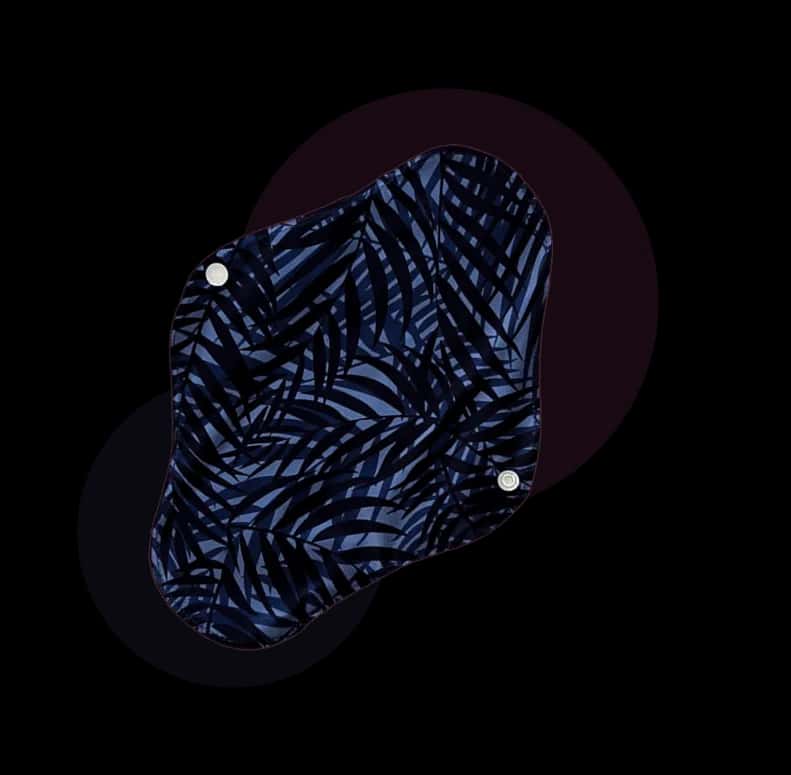
Prepare her well before her first period. Make sure say she get period products wey she fit trust and she sabi how to use dem. Plenty Naija schoolgirls dey miss 3-5 days every month because dem no get enough options to manage their period. Pad wey you fit wash use again na solution wey still dey work even when pocket money finish or you no fit reach market. Show her how to rinse, wash, and dry pad well, especially for compound where privacy no plenty.
Take her food serious for these years. Teenage girl need three balanced meals every day plus small chop, and e no dey always possible for every Naija house. Put protein first (beans, egg when e dey, small fish or meat) and food wey get plenty iron. If money no plenty, make the protein go far by mixing beans with rice or yam, because together dem dey give complete protein. During her period, extra iron from dark green leaf vegetables dey help replace wetin she lose.
Watch for warning signs wey need doctor: period wey last pass 7 days, bleeding wey heavy so tey say e dey soak her protection every hour, strong pain wey dey stop her from doing her normal things, or if period never come by age 16. Many times these signs dey show sickness wey get treatment, no be just “woman suffering.”
If You Dey the Years Wey You Fit Born Pikin
Wetin you go put first for your health dey change based on whether you dey plan to get belle, you get belle now, you just born, or you dey manage how many pikin you go get. Whichever one, to take care of your own health no be selfishness, e dey necessary. You no fit pour water for others from empty cup.
Track your period cycle, even if na roughly. Notice your normal pattern so you fit see when e change. If you dey Lagos, Abuja, or other cities, free period-tracking apps dey work well. For places where to charge phone no easy, simple calendar with marks dey work just as well. To understand your cycle dey help with family planning (whether you wan avoid belle or you wan get belle), e dey show the days wey you fit get belle, and e dey show health changes early.
Make cervical screening important for you, even when you feel well. Cancer no dey announce itself with early signs. Screening dey catch changes before dem turn cancer, when treatment still simple and e dey work. Plenty Naija women dey talk say dem “too busy” for screening until symptoms show, and by that time treatment don become hard and expensive. ₦2,000 screening every three years cheap pass treatment for cancer wey don advance.
During pregnancy and breastfeeding, the food wey your body need dey increase well-well. You need about 300 extra calories every day during pregnancy and 500 during breastfeeding. Wetin even important pass na say you need food wey get plenty nutrients, no be just more garri. Focus on protein, fruits, vegetables, and food wey get plenty iron. If morning sickness dey make am hard to chop, small food many times dey work better than three big meals. Plenty Naija women dey still do hard work throughout pregnancy, and dis one dey make the food wey dem need increase even more.
If your period dey heavy, no just talk say na normal. To lose pass 80ml for one period (blood dey soak your normal protection every hour, big clots dey comot, or you need to use two protection together) dey cause anemia (low blood) over time. Treatment dey, from medicine to small procedure, but first you must accept say problem dey and go find help.
If You Dey Pass Through Menopause
First, sabi say menopause na natural change for life, no be sickness or curse. Naija culture sometimes dey treat older women like say nobody dey see dem or dem no worth much again, but you dey enter stage of wisdom, and you fit free from monthly period and fear of belle. If you see menopause as change instead of end, e go change how you take experience am.
Manage hot flashes and night sweat with practical ways. Wear clothes in layers wey you fit remove easy. Use fan well-well (when NEPA gree). Keep water near you every time. Some Naija women dey find say to reduce pepper for food dey help, but science never prove am. Sleep wahala from night sweat dey reduce when the place wey you sleep cool, and when you wear cotton night clothes wey dey breathe instead of synthetic material.
Keep your body active for dis whole change. Waka, dance, farm work, and house work, all of dem count as exercise. Activity wey your body dey carry weight dey protect your bone from osteoporosis, wey become real risk after menopause. You no need gym or special equipment – 30 minutes of activity for most days dey give big benefit. To waka go market instead of to take okada, to climb stairs instead of lift, or to dance while you dey cook, all of dem dey help.
Handle vagina dryness or discomfort without shame. E dey affect reach 50% of women wey don pass menopause, but pipo no dey talk about am. Simple things dey help: drink enough water, wash gently with water only (no soap), and wear cotton pant. If the problem no stop, doctor get options wey no involve hormone therapy, wey plenty Naija women dey fear.
Stay close to other women. Loneliness dey increase during menopause, partly because plenty women dey shame about their symptoms. Even to find one friend wey you fit talk true with dey make the change easier. Women groups for church, market associations, or family fit give dis support if you approach dem openly.
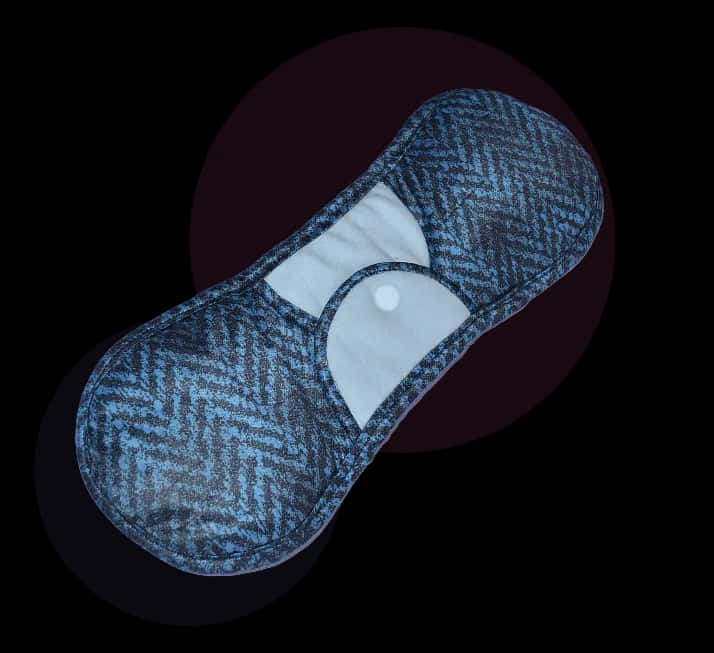
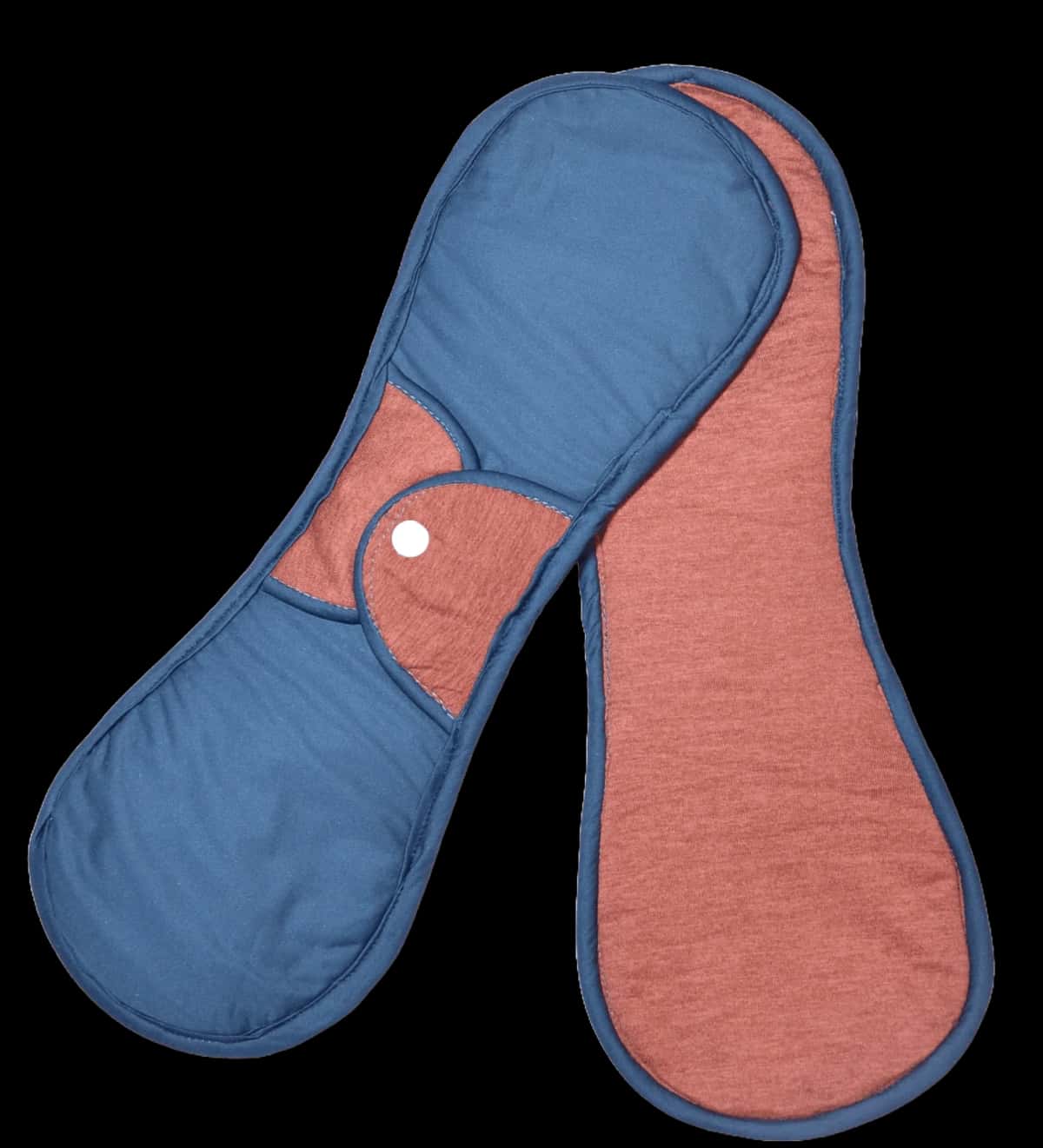
Our pads wey you fit wash
The Big Benefits of Care Wey Fit Your Stage of Life
When you invest for your health for each stage of life, the benefits dey add up and dem pass just to avoid sickness. You go see the result for your daily energy, your family wellbeing, and how strong your community be.
Money and Economic Benefits
Health problem dey finish family money pass almost any other expense. One 2024 study on health spending for Nigeria find say women health problems (wahala from bad period hygiene, reproductive health problems wey nobody treat, emergencies during pregnancy and birth) dey take 15-25% of house income for families wey e affect. To prevent cost far less than to treat.
Look period health alone. Naija woman wey dey see period from age 13 reach 50 go see about 444 periods. To use disposable pads for ₦1,500-2,500 every month go cost ₦666,000-1,110,000 for her whole life. Pad wey you fit wash use again, wey dey last 2-3 years if you take care of am well, dey reduce dis cost by 70-85%. Na ₦466,200-941,000 wey you go save, money wey fit go for pikin education, business, or family needs.
Early cervical cancer screening dey save even more money. Screening cost ₦2,000-5,000 every three years, wey total ₦20,000-50,000 for whole life. Treatment for cervical cancer wey don advance dey cost ₦2,000,000-5,000,000, and many times families dey sell land, borrow money with high interest, or just watch their mama, wife, or sister die. To prevent no be only wise for health, e dey necessary for money.
Good food during teenage years dey reduce stunting (when pikin no grow well), dey make school results better, and dey increase how much money she fit make for future. Girls wey chop well dey finish more years of school, and dis one dey bring better work and more money for life. The money wey you spend on beans, vegetables, and eggs during teenage years dey come back many times through better chances when she grow.
Better Health and Better Life
Health care wey fit each stage dey prevent or reduce sickness wey dey limit women life. Iron supplement during teenage years and the years wey woman fit born pikin dey prevent the tiredness wey no dey finish, wey dey make every work hard. Good care during pregnancy and birth dey reduce pregnancy wahala wey fit cause health problem forever or death. To take care of bone during and after menopause dey prevent the bone break wey dey take independence from older women.
Apart from to prevent problem, good health dey make you fit join life fully. Women wey dey manage their period health well no dey miss work, worship, or social events every month. Women wey understand their body dey feel more confident and capable. Women wey keep their health through menopause dey enjoy their later years, no be just to dey manage survive dem.
Mind health dey follow body health. To understand say your body changes na normal, no be shame or something to fear, dey reduce worry. To get practical ways to manage dey give you back control. To connect with other women about wetin una all dey pass through dey fight loneliness. These mind benefits matter as much as body benefits.
For families, women health dey spread go everywhere. Healthy mamas dey raise healthier pikin. Women wey get energy and wellbeing dey contribute more to their communities. Grandmas wey keep their health dey help take care of pikin, dey give wisdom, and dey hold family together. To invest for women health for every stage of life dey make the whole community strong.
Impact for Environment and Community
Plenty health actions, especially for period health, dey also help environment. Disposable pads wey you dey use once dey make about 90kg of waste for one woman for all her period years. For Nigeria, where waste management system no strong, dis waste dey block gutters, litter communities, and dirty rivers and water. Options wey you fit wash use again dey reduce dis wahala by pass 95%.
Community health dey improve when women dey share knowledge from one generation to another. Mama wey learn about stages of life go share the information with her daughters, nieces, and neighbours. Dis way of sharing health knowledge, wey don dey strong for Naija communities from before, dey work even better when women get correct information instead of lies and wrong beliefs.
When health dey give women economic power, community dey develop. Women wey health emergency no finish their money dey invest for business, education, and community development. Women wey keep their health for their whole life dey give their families and communities many years of work. These benefits dey add up from one generation to another.
Answer to Common Worries and Wrong Beliefs
To move from silence to open talk about women health, we need to answer the fears and wrong understanding wey dey stop plenty Naija women from looking for correct care. These worries na real and dem deserve correct answer.
"To Talk About These Things No Be Our Culture"
Plenty Naija women, especially older generations, believe say to talk about period, born pikin, or menopause openly dey go against culture. Dis belief get small reason – traditional modesty no dey encourage open talk. But silence dey cost plenty: suffering wey we fit prevent, deaths wey no suppose happen, and health knowledge wey our daughters no get, wey dey put dem for back.
Culture no dey stand one place. E dey change to serve pipo wellbeing. The same cultures wey value modesty also value mama love, community care, and sharing wisdom. You fit respect modesty and still give health information wey dem need. You no need rough talk or shameful details to explain say period na normal, say cervical screening dey prevent cancer, or say menopause na natural change.
Try see health talk as good mothering instead of going against culture. Mama wey prepare her daughter for period dey protect her from shame and confusion. Woman wey do screening dey protect her family from the pain of cancer wey don advance. These actions dey follow the main Naija values of family responsibility and to take care before wahala come.
Start small if to open up fully dey hard. Share information with one daughter or friend wey you trust. Use respectful and straight talk. Plenty women talk say once dem break the silence one time, the next talks dey easier. Your discomfort na for short time; the benefits of health knowledge go last your whole life.
"I No Get Money for Special Products or Regular Hospital Care"
Money wahala na real for most Naija families. Health care dey often compete with school fees, house rent, and food – all things wey dem need now-now. But plenty of women health care for every stage of life need knowledge and simple practices, no be expensive treatment.
Good food for teenagers no need expensive supplements. Local food dey give better nutrition: beans dey give protein and iron, palm oil dey give vitamin A, dark green leaf vegetables dey give iron and calcium, small fish wey you chop whole dey give calcium and omega-3 fats. These food cost less than imported processed food and dem dey give better nutrition.
For period management, pad wey you fit wash use again need money for beginning, but e dey quickly pay back im cost. Even families wey money dey hard for dey find say to buy one time wey go last many years cost less than to dey buy disposable pads every month. Organisations like Sana Pads dey work with schools and NGOs to give products for reduced price where person no fit buy am alone.
Cervical screening dey available for government health centres and teaching hospitals for ₦2,000-5,000, wey less than wetin plenty families dey spend for one restaurant food or one cloth. Screening every three years na less than ₦150 every month – most Naija houses fit afford am if dem put am first. Some NGOs and government programmes dey do free screening during special campaigns.
For problems wey need doctor, to treat am early cost less than to treat am late. To see doctor about heavy period before anemia start cost far less than to treat serious anemia with blood transfusion. To find help quick, even when money tight, dey often prevent bigger and more expensive problems later.
"My Symptoms Na Just Normal Woman Suffering"
Naija culture sometimes dey teach women to carry health problem quietly, as if suffering na part of being woman. Dis way of thinking dey make women ignore symptoms wey dey show sickness wey get treatment. Period pain wey dey stop you from working no be normal – e fit be fibroids, endometriosis, or other sickness wey dem fit manage. Bleeding after menopause no dey ever normal – e need check-up for cancer immediately.
The word “woman suffering” dey make am look like say to be woman mean pain and limitation. Dis one no true at all. Even though small discomfort for period dey common, pain wey dey stop you from doing anything no be normal. Even though menopause dey bring changes, e no need bring suffering. Women deserve to feel well for their whole life, no be just to survive reach old age.
To sabi the difference between normal symptoms and symptoms wey you suppose worry about need basic knowledge. Small cramp during period na normal; pain wey dey make you vomit or faint no be normal. Small bleeding wey no regular during perimenopause na normal; heavy bleeding wey no dey stop no be normal. Some hot flashes during menopause na normal; symptoms wey dey scatter your whole life need doctor attention.
Your body dey talk to you through symptoms. If you dey dismiss dem as “just woman problem,” you dey ignore important message about your health. You deserve hospital care, relief from symptoms, and good life just like anybody else for your family. Suffering no be virtue; many times e be just health problem wey nobody treat.
Why Sana Pads Dey Support Women Health for Every Stage of Life
For Sana Pads, we sabi say period products na just one part of women health for the whole life. But na important part wey dey affect comfort, dignity, and how women fit go school or work for almost four decades of most women life.
We design our products for wetin Naija women need. We understand am because we dey make am here for Nigeria, where we dey face the same weather, the same water wahala, and the same infrastructure problems as our customers. We sabi say products must dry quick for humid weather, must fit hand-wash without scatter, and must work well for long school or work days where place to change no dey.
Since we start, we don support pass 10,000 women directly and we don share pass 30,000 pads to individuals, schools, and organisations. These ones no be just buying and selling – na partnership to end period poverty. We dey work with schools to make sure say girls fit go class during their period, with NGOs wey dey serve pipo wey need help, and with health centres wey dey support maternal health.
Our products dey for different stages of life and different needs. For teenage girls wey just start period, our No Wahala Pads with one layer wey no dey leak and one layer wey dey absorb dey give protection wey you fit trust for light flow, without being too much for young users. Women for the years wey dem fit born pikin wey get regular or heavy flow go benefit from our Premium Pads (one layer wey no dey leak plus three layers wey dey absorb) or Maxi Pads (one layer wey no dey leak plus five layers wey dey absorb). These options dey work with the body changing needs through cycles, bleeding after birth, or period wey no dey regular for perimenopause.
We dey committed to more than products. We believe say to end period poverty need solutions wey cheap and wey fit last, together with education and advocacy. Every purchase dey support our mission to make dignified period management reach all Naija women, no matter how their money be.
Take Action: Next Steps for Your Stage of Life
Knowledge dey open door, but action dey bring change. Wherever you dey for your health journey, practical next steps dey move you go better wellbeing and dey help other women for your family and community.
For Individual Women and Families
Start by looking at yourself honestly. Which stage of life you dey? Wetin your body need for that stage? Wetin you dey do now to meet those needs, and where gap dey? You no need doctor for dis one – just sit quiet and think about your body, your symptoms, and wetin you dey do now.
Choose one area wey you wan improve first. If you get daughters wey dey near puberty, put am first to prepare dem with information and period products before their first period. If you dey the years wey you fit born pikin and you never do cervical screening before, book that appointment. If perimenopause symptoms dey scatter your life, go see doctor instead of to dey suffer quietly.
For period health, think about to change to pad wey you fit wash use again if you never do am. Our Starter Kit (three Premium Pads plus storage pouch) get everything wey you need to start. Three pads fit cover normal cycle if you dey wash every day, and if you take care of dem well, dem go last 2-3 years. For heavy flow or longer cycles, to add one or two Maxi Pads go make sure say you get enough protection without managing.
Share knowledge with other women for your life. Tell your sister about cervical screening. Show your daughter how to track her cycle. Talk about menopause honestly with friends wey dey pass through the same change. To break silence dey spread the benefit of wetin you learn to everybody around you.
For Organisations, Schools, and Community Leaders
Health workers, teachers, and community leaders fit multiply impact when una support women health for every stage of life for una institutions and communities. Schools fit run full period health education and give products to girls wey need am, so dem no go miss school because of period. Health centres fit give advice and screening wey fit each stage of life, to catch problems early when treatment dey work best.
NGOs and religious organisations wey dey work with women fit add health education to the programmes wey dem don get. Women groups for church, market women associations, and community development projects, all na natural place to share health information. Plenty women dey trust and reach these informal groups easier than hospital.
Organisations fit order as many packs as dem need for our fixed price per pack, and we dey deliver to any state for Nigeria. Dis one make am possible for schools to keep products for students, for maternal health programmes to support women wey just born, and for community development projects to fight period poverty. To buy plenty also dey allow organisations to share products instead of to give cash, so the money go straight to period health needs.
We welcome partnership with organisations wey care about women health and dignity. Whether you dey run school health programme, maternal health project, or you dey serve pipo wey need help, we fit discuss how to add correct period health support. Contact us make we see how we fit work together for way wey fit your mission and your budget.
Move Forward With Confidence
Women health for every stage of life no dey hard to understand when you sabi your body pattern and wetin e need. Puberty need preparation, good food, and open talk. The years wey you fit born pikin need attention for period health, care during pregnancy when e concern you, and cancer screening. Menopause dey bring changes wey you fit manage with practical steps and correct support. Each stage get chance for strong health when you get knowledge and wetin you need.
Naija women dey carry families and communities for their shoulder. You deserve health support wey equal the load wey you dey carry. You deserve correct information, products wey you fit afford, care wey you fit reach, and freedom from suffering wey no need happen. These ones no be luxury – na basic parts of life with dignity.
The road from silence to good health dey start with small steps: one talk with your daughter, one screening appointment, one pack of pad wey you fit wash use again wey go remove monthly worry about period products. These steps go add up to better health for your whole life and better wellbeing for the next generation of Naija women. Visit ourWomen Health for Africa page to learn more about how to support your health and your community wellbeing for every stage.
Your health matter. Your comfort matter. Your dignity matter. Take the first step today.
Continue to read for Women Health for Africa
Questions wey pipo dey ask well well
Why I go choose Sana Pads instead of normal disposable pads?
Sana Pads dey made from high-quality materials wey you fit use again, so dem be option wey fit last and wey no dey spoil environment, instead of disposable sanitary products. Dem dey gentle for your skin, dem dey absorb well-well, and dem dey save you money for long run. When you choose Sana Pads, you dey help reduce plastic waste, and you go enjoy comfort and pad wey you fit trust for your whole cycle.
How long I fit use Sana Pad before I go wash am?
Sana Pad dey give you comfort and protection for 4 to 8 hours, depending on your flow. To stay fresh, change am every 4 to 6 hours - more times on heavy days. After every use, rinse am for cold water and wash am with soap. If you take care of am well, each pad go last 2 to 3 years.
Sana Pads safe for skin wey dey sensitive?
Yes, Sana Pads dey made from soft materials wey dey breathe and wey no dey cause allergy (hypoallergenic), so dem dey gentle for your skin. Dem no get the bad chemicals and toxins wey dey common for disposable pads, so dem be correct choice for pipo wey get sensitive skin or allergy.
How I go take clean and take care of my Sana Pads?
Rinse your pad for cold water immediately - hot water dey make blood stain stay. Then wash am with mild soap, with hand or for machine, and rinse until the water clear. Dry am finish for direct sunlight, wey also dey kill germs. Abeg no use tumble dryer, bleach or fabric softener: dem dey spoil the layers wey dey absorb. If you take care of am like dis, Sana Pad go last 2 to 3 years.
Price dey change if I order plenty?
No. Each product get fixed price per pack, no matter how many packs you order. You fit calculate your total with our price calculator. For big orders, send us direct message and we go confirm the delivery cost with you before you pay.
Testimonials
See wetin our customers dey talk about our products.
Women for all over di world dey buy Sana

“I dey really love Sana reusable pads! Dem dey make me relax and feel free for my period time. Plus, dem don reduce the cost and stress of buying disposable pads every month well-well. Kudos to Sana for making dis kind correct product – I go be fan forever!”
“Sana Pad good well-well, e dey make you comfortable and free. I love the pads, na the best ever!”
“I don try different brands of reusable pad, but Sana stand out for the quality, the comfort and how e dey last. Dem design am with sense, and the material dey gentle for my skin. As I change to Sana, e don reduce how I dey spoil environment and e don also save me money for long run. I dey grateful for dis solution wey go last!”

“For first, e dey irritate me to use washable sanitary pad. I decide to try am, and to my greatest surprise, e comfortable well-well and e easy to wash. You fit even do your daily things without fear say blood go stain you for public. I wan give Big shout out to SANA PADS!!”
“I don try different pad brands for years, but Sana pads really stand out. From the first time I use am, I see the difference — e soft for skin, e dey soak well-well, and e comfortable die. Even for my heaviest flow days, Sana pads dey hold well. Wetin I also love na how the material dey allow air pass and e good for skin. If you dey find pad wey get comfort, wey you fit trust, and wey get quality, I really recommend make you try Sana pads.”

“To dey buy disposable pads every month dey add up well-well, so I talk say make I try Sana Pads. E surprise me how soft dem be, and dem dey work well for long days for university. To wash dem simple, and e don reach months wey I never buy new pad, so e don save me money. I also like say dem dey better for environment. E sweet me say I get option wey cheap and wey better for environment.”
Time to join hand
Contact Us
Margaret Ochegbudu
Business Manager