How Poverty Dey Affect Women Health for Nigeria: How to Break Di Cycle
Where pipo don see us







 Margaret Ochegbudu don check am · Update 25 min to read
Women wey dey poor dey get reproductive health wahala three to five times pass other women. Di way e dey happen straight: no money for pad mean say dem go use tins wey no safe, no money for transport mean say dem go skip antenatal visit, and one school year wey dem miss go reduce di work wey dem fit get later. Na so di cycle dey continue.
How Health and Poverty Take Connect: Wetin Every Nigerian Woman Suppose Sabi
When women no fit afford basic health needs, di wahala pass only body discomfort. Dis connection between poverty and health dey block education, work and better life, from one generation to di next.
Di Main Points:
- Women wey dey live for poverty dey get reproductive health wahala 3-5 times pass women wey get money.
- For Nigeria, about 65% of women no fit afford basic period products, and dis one dey bring serious health risk.
- Bad feeding for mothers dey cost Nigerian families about ₦180,000 every year for work wey dem lose and hospital bill.
- Women wey dey manage period hygiene well dey miss 70% less school or work days pass women wey dey use bad materials.
- If Nigerian women change go pad wey dem fit wash use again, dem fit save between ₦24,000-₦36,000 every year (60-75% cheaper pass disposable).
- Reproductive health wahala wey person fit prevent dey stop about 40% of Nigerian women wey no get much money from steady work.
- Recent studies show say when girls get period products wey dem fit afford, dia school attendance fit improve reach 95%.
Make we look exactly how poverty dey bring health wahala for women, and di practical solutions wey dey right here for Nigeria.
Blessing sit down for her small room for Mushin, Lagos, dey look di hospital prescription wey she no get money to buy. Di headache don worse, and she sabi say di iron supplements wey doctor recommend go help di tiredness wey no dey leave her. But between to feed her three pikin and pay dia school fees, di ₦15,000 for one month supply be like say e no possible. Wetin di doctor no know be say Blessing don dey use old cloth for her period for di past one year, dey wash am and use am again because disposable pad cost too much. She no connect her tiredness with di infections wey she don quietly suffer, wey she dey treat with drugs wey she buy for chemist when di pain don too much. Blessing story no be only her own. All over Nigeria, millions of women dey face hard choice between dia health and other basic needs, and dis one dey create cycle wey dey affect no be only dem, but dia families and communities.
Di Net of Poverty and Women Health: How Di Two Take Connect
Di relationship between poverty and women health dey work like trap. When woman no get resources, e go hard her to pay for basic health care, good food and hygiene products. Dis gap dey bring health wahala wey make am hard to work or study, and dat one dey keep her for poverty, and poverty go stop her from taking care of her health. Di cycle dey continue, many times from one generation to di next.
How Money Wahala Dey Bring Health Risk
Think of woman health needs like how you dey maintain car. To change oil regular, rotate tyre and do small repair dey keep di car dey run well. If you skip dis basic maintenance because of money, one day di engine go knock and e go cost plenty. Women health dey work di same way.
When Hauwa for Kano no fit afford di ₦500 for sanitary pad every month, she dey use folded newspaper or old cloth. Dis materials no dey absorb well, so wetness dey stay for her skin for long time. Inside few months, she begin dey get infection again and again. Each infection need treatment wey cost ₦3,000-₦5,000. She dey delay to go hospital because of di cost, so di infection dey worse. At di end, she need stronger antibiotics wey cost ₦12,000. Di “savings” wey she make by skipping pad come cost her twenty-four times more for medical care.
Dis pattern dey repeat for other health needs. To skip prenatal vitamins dey lead to anaemia wey need blood transfusion. To delay treatment for small infection dey lead to serious sickness wey need hospital admission. World Health Organization report say women for low-income areas dey spend reach 40% of dia household income on health care costs wey cheap basic care for don prevent.
Di Hidden Health Cost of Period Poverty
Period poverty dey bring special health wahala wey many pipo no dey notice. When girls and women no get proper period products, dem dey face wahala now now and for long time.
Di quick risks na urinary tract infection, reproductive tract infection and bacterial vaginosis. Dis conditions dey cause pain and discomfort, and if dem no treat am, e fit lead to serious complications like pelvic inflammatory disease. Research from University of Lagos find say women wey dey use improvised period materials get infection rate 5.7 times higher pass women wey dey use proper sanitary products.
Apart from infection, period poverty dey affect mental health. Di constant worry say e go leak, di shame of period smell from bad materials, and di fear of how to manage period without proper supplies dey bring stress wey no dey stop. Dis stress dey raise cortisol level, wey dey weaken di body defence and dey add to other health wahala.
Chinelo, one student for University of Abuja, share her story: “I go dey stay for my room during my period, I dey miss class and food. Di fear say e go leak with bad materials too much for me. My grades fall, and I get stomach ulcer from di stress and because I no dey chop on time.”
Food, Poverty and Reproductive Health
Wetin woman dey chop dey affect her reproductive health straight, but poverty make am almost impossible for many Nigerian women to chop well. Di connection deep pass wetin many pipo think.
During period, women dey lose blood wey get iron and other important nutrients. Good food dey normally replace dis nutrients, but many Nigerian women wey no get money dey survive on food wey be mostly carbohydrate, with small protein, iron or vitamins. Rice, garri and bread dey fill belle but dem no dey give di body wetin e need.
Dis one dey create cycle wey dey drain body every month. Each period dey carry nutrients go wey no dey come back, and e dey lead to anaemia wey dey grow small small. Women wey get anaemia dey get heavy period bleeding, wey dey reduce iron more. Di cycle dey run faster. One study by Nigerian Institute of Medical Research find say 67% of women wey dey live below poverty line show signs of iron-deficiency anaemia, compared to 23% of women wey get enough income.
Di result dey affect everything. Women wey get anaemia dey tire quick, e dey hard dem to concentrate, dem dey get headache well well, and dia body defence dey weak. Dem dey miss work more and dem dey produce less when dem work, so dia income dey reduce and poverty dey deepen.
How Poverty Dey Bring Specific Health Barriers for Women
Apart from di general connection, poverty dey bring specific, practical barriers wey dey stop women from taking care of dia health. When we understand dis barriers, e go help us find solutions.
Hospital and Clinic No Dey Easy to Reach
Many Nigerian women wey no get money dey live far from good hospital. For rural areas for Kaduna or Benue state, di nearest clinic fit be 15-20 kilometres away. Transport for go and come dey cost ₦1,000-₦2,000, and dat one never include consultation fee or money for drugs.
Even for cities like Lagos or Port Harcourt, women for informal settlements dey face wahala. Public health centres dey give cheap care, but pipo dey wait for hours. To take full day off work mean say you go lose di daily income wey family dey depend on. Private clinics dey fast, but dia fees too high for most women wey no get money.
Di result? Women dey delay to go hospital until di problem turn emergency. Wetin ₦2,000 drug for treat come turn ₦50,000 hospital admission. Dem sabi say dem suppose see doctor for pelvic pain wey no dey go or bleeding wey no regular, but di money for di visit dey compete with food for pikin today.
Di Cost of Basic Hygiene Products
Period products na cost wey dey come back every month, and many Nigerian women just no fit afford am. Woman dey see period about 450 times for her life. Each period wey dey last 5-7 days need proper protection.
To use disposable pad dey cost about ₦2,000-₦3,000 every cycle. Multiply am by 12 months, na ₦24,000-₦36,000 every year. For woman wey dey make ₦30,000 every month for market stall for Onitsha, dis one pass 10% of her yearly income. When she gats choose between sanitary pad and school uniform for her pikin, di choice look clear, but di result dey last.
Di alternatives wey women dey make show say dem get sense, but dem carry serious health risk. Old wrapper, foam from mattress, newspaper, rag from old cloth – dis materials no dey absorb well, dem dey keep bacteria, and dem dey scratch skin. Dem dey also leak anyhow, wey dey bring fear for public and dey stop women from moving around during period.
Education Gap and Health Knowledge
Poverty often mean small education, and dis one dey create gap for health knowledge. Many women no understand di connection between hygiene and health because nobody teach dem.
Grace from one village near Enugu dey use di same cloth for her whole period, she dey rinse am and use am again without to wash am well or dry am well. She no know say bacteria dey multiply fast for wet cloth, especially for Nigeria humid weather. When she get painful infection, she no connect am with how she dey manage her period. She think say infection just dey happen to women anyhow.
Dis knowledge gap reach food, reproductive health and preventive care. Women no dey start prenatal care early because dem no understand why e important. Dem no dey recognise warning signs of serious sickness. Dem dey accept pain and discomfort as normal part of being woman, dem no know say solution dey.
How to Break Di Cycle: Practical Solutions for Nigerian Women
To understand di problem go only help if solution dey. Good thing be say practical ways wey person fit afford fit break di poverty-health cycle, even for women wey no get much.
Change Go Period Products Wey You Fit Wash Use Again
Reusable sanitary pads dey tackle period poverty straight. Di money for start be like say e high pass one pack of disposable, but di savings for long run dey change women money situation.
One good reusable pad cost about ₦2,000-₦3,000 and e dey last 2-3 years if you take care of am well. Woman need about 6-8 pads to manage her cycle well. Di total investment of ₦12,000-₦24,000 dey replace ₦24,000-₦36,000 wey she for spend every single year on disposable. For five years, woman go save ₦96,000-₦156,000 (60-75% cheaper pass to continue with disposable).
Dis savings dey free money for other health needs. Di woman wey before no fit afford iron supplements plus disposable pads fit now afford both. Di savings dey gather month by month, and e dey give her small breathing space for money.
Apart from savings, good reusable pads wey dem make specially for Nigerian conditions dey handle health worries. Reusable pads wey dem design well, with layers wey no dey leak and materials wey dey absorb, dey keep women dry and comfortable. Dem dey reduce infection risk compared to improvised materials. Women talk say dem dey feel more confident and dem dey move freely during dia period.
Amaka, one teacher for Benin City, explain di change: “Before, I dey spend ₦2,500 every month on disposable pads, sometimes more for heavy flow days. Na ₦30,000 every year wey I no really fit afford. I buy six reusable pads for ₦15,000 two years ago. I don save over ₦45,000 so far, wey pay for my daughter textbooks and my own medical check-up.”
How to Chop Better When Money Small
Good food no need expensive supplements or food wey dem import. If you choose local food wey cheap well, you fit fix di nutrient shortage wey dey affect women health.
Food wey get plenty iron wey dey Nigerian market include beans, groundnut, dark green leaves like ugwu and waterleaf, and organ meat. Dis ones cheap pass imported supplements. One cup of cooked beans dey give plenty iron and e cost about ₦100. Groundnut paste wey you add to soup dey make am more nourishing for small money.
If you chop iron food with food wey get vitamin C, body go absorb di iron better. To add tomato to beans, chop orange after food, or drink zobo wey dem make from hibiscus leaves (wey get vitamin C) dey increase how much iron di body dey really collect from food.
To plan food based on wetin body need, no be just to fill belle, dey make difference. Instead of to chop only garri and groundnut, add ₦200 worth of ugwu leaves and tomato make proper soup wey go give vitamins and iron. Di extra cost small but di health benefit big.
Women groups for some communities don start bulk buying cooperatives. Dem dey join money together to buy beans, rice and vegetables in bulk, so di price for each one go reduce and good food go dey cheaper for everybody.
How to Reach Community Health Resources
Many Nigerian women no know about free or cheap health services wey dey dia community. Government health centres dey give services at very low price, even though quality and availability no dey di same everywhere.
Primary Health Care centres all over Nigeria dey give basic reproductive health services, like infection treatment, family planning and prenatal care, for small money. Even though dis places get dia own challenges, dem dey give important services wey private clinics go charge much more for.
NGOs and religious organisations often dey run health outreach programmes. Catholic Relief Services, di Red Cross and local organisations dey do free medical screening and health education from time to time. Women wey connect with dis programmes dey get care wey dem no for fit afford.
School health programmes dey give mothers chance too. Many schools wey dey collect donated period products from organisations dey share am to di mothers of students too. If you talk to school administrators about dis programmes, you fit get free supplies.
To build relationship with community health workers dey give support wey no dey stop. Dis workers fit answer questions, give basic care and connect women with resources. Dem understand local challenges and fit suggest practical solutions wey fit inside small budget.
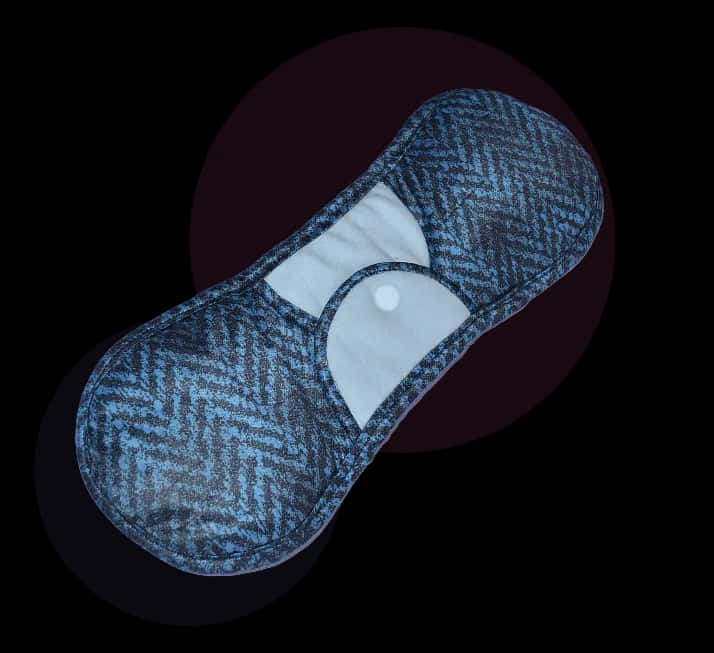
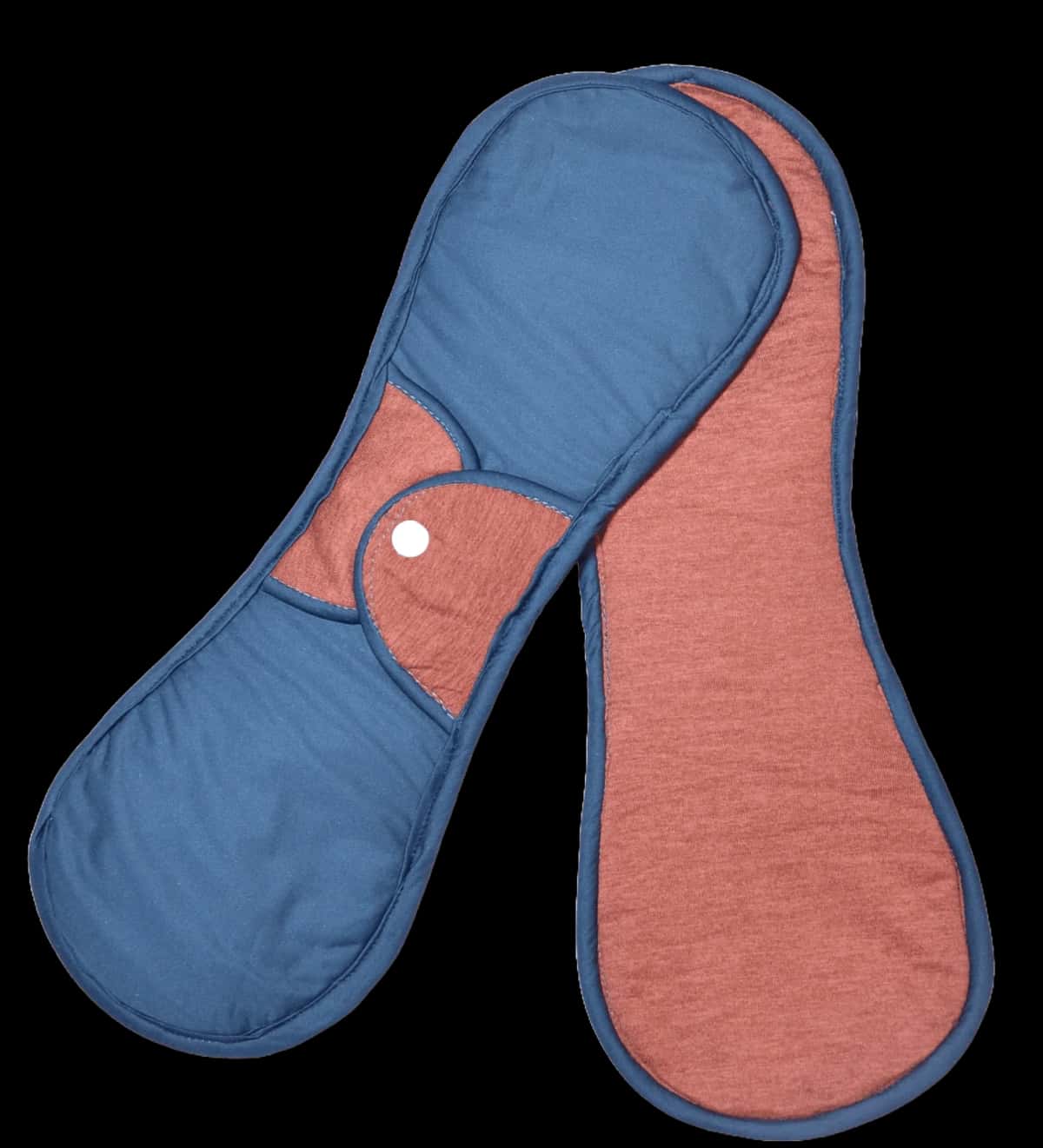
Our pads wey you fit wash

Di Many Benefits When We Tackle Women Health Poverty
When women overcome di barriers wey poverty put for dia health, di benefit pass only dem. Families, communities and di whole economy dey gain.
Money Power and Better Work
Healthy women dey work steady and dem dey produce more. Di market woman wey before dey miss 3-4 days every month because of painful period wey she no fit manage well, fit now open her stall every day. Na 36-48 extra working days every year, and dis one dey increase her income straight.
Research from African Development Bank show say women wey get good health dey earn 15-25% more for dia whole life pass women wey get long-term health wahala. Di difference come from steady attendance, better focus and energy, and di power to do harder work.
Better health dey also free di mind. When woman no dey worry every time about infection pain, period wey go leak pass her cloth, or where she go find money for medicine, she fit use dat mind for business planning, to learn skills or education. Dis freedom for di mind dey help her move forward for life.
Florence, wey dey sell vegetables for Kaduna market, share her story: “When I start to use proper sanitary pad and treat my infections, I fit think well. I notice which vegetables dey sell pass for which days. I start to plan my buying better. My profit increase by almost 40% inside six months, just because my mind clear.”
Di money wey women save when dem change go reusable products dey become capital. Women dey use di ₦24,000-₦36,000 wey dem save every year to buy more goods, pay for skill training, or start small side business. Health dey become di foundation for money growth.
Success for School and Better Chances
For girls and young women, how dem take manage dia health dey decide how dem go do for school. Girls wey no get proper period products dey miss about 4-5 school days every month, wey come reach 45-50 days every year. Dat one near three months of school wey dem lose.
Dis absence dey create gap for learning. Di girl dey miss explanation of important topics, she dey fall behind for class work, and e dey hard her to catch up. Her grades dey fall. As years dey go, dis gaps dey pile up, and dem dey limit how far she fit go for school and di chances wey she go get later.
Girls wey get proper period products dey go school steady. One study of secondary schools for Lagos State find say when dem give students pad wey dem fit wash use again, attendance during period increase by 95%. Di girls wey before dey stay for house come school.
Better attendance dey bring better grades, wey dey open door to higher education and better job. Di cycle dey turn. Instead of poverty to limit education wey dey keep poverty going, good health support dey make education possible, and education dey bring money opportunity.
Dis benefit dey pass from one generation to di next. Mothers wey go school dey put education and health first for dia own daughters, because dem don see di difference wey e dey make. Dem dey share knowledge about period hygiene, food and health care with dia pikin. Di cycle of poverty and bad health dey break.
Healthy Community and Progress for Everybody
When women health improve for one community, everybody dey benefit. Healthy mothers dey raise healthier pikin. Women wey get energy and good health dey contribute more to community development. Social progress dey move faster.
Mother health dey affect baby and pikin health straight. Mothers wey chop well dey get healthier pregnancy and birth. Dia pikin dey get better food through breastfeeding. Dis pikin dem dey grow stronger body defence and better brain. Di foundation for di next generation success dey build through women health.
Communities wey women fit fully join for social and economic life dey develop faster. Women dey lead savings groups, manage community projects, start business wey dey employ other pipo, and dey push for better infrastructure. Bad health dey push women commot from dis contributions.
Environment benefit dey too. Period products wey you fit wash use again dey reduce waste well well. Nigeria dey produce about 145,000 tons of period waste every year from disposable products. Dis waste dey block gutter, dey add to flood, and dey bring health danger for environment. To change go reusable dey solve dis problem for di whole community.
Di shame wey dey around period dey reduce when women fit manage dia period with dignity and comfort. Women wey no dey worry about smell or leak dey move with confidence for public. Dis one dey help make period normal, and e dey reduce di shame and secrecy wey dey keep period health bad.
Common Worries About Health Solutions
Many Nigerian women want improve dia health, but dem get real worries about di solutions wey dey. To answer dis worries honestly go help women make better decisions.
"I No Fit Afford Di Money Wey Better Solutions Need for Start"
Dis worry make sense well well when ₦12,000-₦24,000 for reusable pad pass wetin you dey earn for one week. Di money for start be like say e no possible, even though di savings for long run clear.
Some ways fit help. Many women dey start with only 2-3 reusable pads, no be full set. Dis one cost ₦4,000-₦9,000, wey easier to manage. Dem dey use dis pads for di days wey di flow heavy pass, when protection matter most, and dem dey use cheaper options for lighter days. As di money wey dem save every month from not buying disposable dey gather, dem dey buy more reusable pads until dem get full set.
Some organisations and schools dey share reusable pads through donation programmes. If you check with local NGOs, religious organisations and school administrators about di programmes wey dey, you fit get free or cheaper products.
Women savings groups, wey dey common all over Nigeria, na another option. Members dey contribute small money every week or every month. Di money wey dem gather dey rotate among members, and each woman dey collect her turn. Women fit plan make dia turn reach when dem wan buy reusable pads or other health needs.
Family members dey often help when women explain di matter well. Daughter wey explain to her mama say ₦15,000 wey dem put for reusable pads go save ₦30,000 for di next one year dey often get support. Di key na to present am as investment wey get clear money return, no be just something to buy.
"Reusable Pad Fit No Clean or E Fit No Safe"
Dis worry make sense because many women don only use reusable tins wey dem improvise like old cloth, wey really cause infection. Good quality reusable pad different completely from dis kind tins.
Reusable sanitary pads wey dem make well dey use special materials wey dem design for period hygiene. Di layer wey no dey leak dey stop wetness from passing. Di absorbent layers dey pull di liquid away from skin and lock am inside di pad. Di top layer dey stay dry for body. Dis design dey keep women comfortable and dey reduce infection risk.
Di secret of hygiene with reusable pad na to wash am and dry am well. After you use am, rinse di pad for cold water until di water clear. Dis one dey remove blood before e set. Then wash am with soap and water, rub di cloth together make e clean well. Rinse am well well to remove all di soap. Last, dry di pad well well for sunlight. Sunlight dey naturally disinfect cloth, e dey kill bacteria.
Many Nigerian women dey worry to dry pad where other pipo go see am. Di solution simple. Turn am inside out dry am, or put am inside pillowcase or between other clothes for di line. E no need to show for everybody before e fit dry well.
Research from many studies confirm say reusable pads wey you use and take care of well dey safe like disposable, and dem safe pass improvised materials. Women wey dey use good quality reusable pads get infection rate wey dey di same or lower pass women wey dey use disposable, because di cloth wey dey breathe no dey hold wetness like dat.
"Dis Solutions No Go Work for My Own Situation"
Every woman situation different, and solutions need to fit each person life. Dis no mean say solution no dey, e mean say you go need adjust am.
Women wey no dey get water easily dey worry about how to wash reusable pad. Di solution na planning. You fit rinse pad when you dey wash for morning or when you dey baff, wey most women dey do every day. To wash am no need running water – bucket or basin dey work well. Some women dey wash dia pad when dem dey baff, so dem dey use di same water for both.
Women wey dey share house with other pipo dey worry about privacy to wash and dry. Di way na to do am quietly. Wash pad for your own private bucket wey you keep for where you dey sleep. Fold am inside out dry am among your other personal clothes. Handle am like any other underwear wey need privacy, wey pipo understand and respect.
Women wey get very heavy flow dey worry say reusable no go protect dem well. Dis worry valid, but options dey. Pads wey get plenty absorbent layers dey handle heavy flow well. To change pad more often, every 3-4 hours for heavy days, dey give security. Some women dey mix methods, dem dey use reusable pad with disposable pad for di one or two days wey di flow heavy pass, and dis one still dey save money compared to using disposable for di whole period.
Women wey dey do hard physical work need protection wey no go shift or leak. Pads wey get wings wey dey snap tight around pant dey stay for place when you dey move. To wear pant wey fit your body well, no be loose one, dey help keep pad for di correct place.
Why Sana Pads Understand Di Health Wahala of Nigerian Women
Sana Pads dey exist specially to tackle di connection between poverty and women health for Nigeria. As Nigerian manufacturer, di company understand di wahala wey women dey face because dis na wetin dey happen for ground here, no be theory.
Di company don directly support over 10,000 women and don share more than 30,000 pads across Nigeria. Dis one no be only business, na mission to end period poverty, one woman at a time. Di experience of working with thousands of women from different regions, money situations and circumstances dey shape how Sana Pads dey design products and programmes.
To make am for here mean say di company understand Nigeria weather. Pads need to work for Lagos humidity and Kano heat. Dem need to dry quick after wash because many women no get long time to dry am. Di materials need to stay comfortable for skin for hot weather without to scratch skin. International manufacturers wey dey design for Europe or America weather no dey think about dis tins, but dem matter well well for Nigerian women everyday comfort.
Sana Pads also understand how infrastructure be for Nigeria. Products need to work without anything wey need electricity. Dem need to last even with hand wash, no be machine wash. Dem need to still work well when dem dry am for different conditions. Dis practical tins come from deep understanding of how Nigerian women really dey live.
Di company price structure show say dem commit to make am reach pipo. Schools, NGOs and other organisations fit order any quantity at di same fixed price for each pack. Dis approach dey put di women wey need help pass first.
Apart from products, Sana Pads dey work make pipo understand di connection between health and poverty. Education programmes dey help women see say health wahala no be something wey must happen or wey just dey happen anyhow, but e dey often come from poverty barriers wey get solution. Knowledge plus products wey pipo fit afford dey bring real change.
Take Action: Steps to Better Health Today
To understand di problem and di solutions go only help when women take action. Good thing be say to start no need big change or big money.
For Each Woman: Your Own Health Journey
Start by checking your situation now honestly. Which health wahala you dey face regularly? Period wey dey pain, infection wey dey come often, tiredness wey no dey go, heavy period bleeding? Find di specific issues wey dey affect your life.
Next, decide which issue you go handle first. Choose something wey go make difference wey you go see, and wey get solution wey you fit reach. For many women, period hygiene na di best place to start, because to change go pad wey you fit wash use again dey give quick relief and savings.
Di Sana Pads Starter Kit, wey get 3 Premium Pads plus pouch to keep dem, na very good way to start. Premium Pads get 1 layer wey no dey leak and 3 absorbent layers, wey dey handle normal flow well. Three pads mean say you fit use one, one dey wash, and one dey ready, so you go get protection throughout your cycle.
As you dey see di difference wey proper period protection dey make, use di money wey you save from not buying disposable to handle other health needs. Buy food wey get plenty iron regularly. Save small small for medical check-up. Buy di vitamins wey your body need.
For light flow days, No Wahala Pads wey get 1 layer wey no dey leak and 1 absorbent layer dey give comfortable protection at di lowest cost. For heavy flow, Maxi Pads wey get 1 layer wey no dey leak and 5 absorbent layers dey give maximum security and confidence.
Connect with other women wey dey face di same wahala. Share experience, solutions and support. Health journey dey easier with community.
For Organisations: How to Bring Big Change
NGOs, schools, religious organisations and community groups fit bring change for many women at di same time. E start when you recognise say women health dey affect di goals of your organisation. Girls no fit learn if dem dey miss school. Women no fit join programmes if dem dey handle health crisis.
Check di needs inside your community or organisation. Ask women and girls about di health wahala wey dem dey face. Ask specially about period hygiene, how dem dey reach health care, and food. When you understand di specific needs, e go help you target solutions well.
Think about to give reusable sanitary pads as part of your programmes. Di investment dey give benefit for years to di pipo wey collect am. School wey give pads to 100 female students don make investment wey go improve attendance and school performance for years.
Partner with local health centres to bring services straight to your community. To organise health screening days every three months, workshops on food education, or reproductive health consultations dey make health care easier to reach for women wey transport or money dey stop.
Create savings and support groups wey focus specially on women health. Dis groups dey give both practical money tools through rotating savings and emotional support through shared experience. Women dey learn from each other and dey push each other to put health first.
Train staff and volunteers to recognise signs of health poverty among di women wey you dey serve. Tiredness wey no dey go, absence wey dey happen often, wahala to concentrate – dis tins often show say health problem wey connect to poverty dey under. To connect women with di correct resources go become part of your normal service.
Contact Sana Pads to discuss partnership options wey fit your organisation needs and capacity. Flexible arrangements dey help make sure say even small budget fit make real impact.
Make We Move Forward with Hope and Action
Di connection between poverty and women health for Nigeria dey bring serious wahala, but when we understand dis wahala, we go see di road to solution. When women no fit afford basic period hygiene, good food or health care, dia health dey suffer for ways wey dey keep poverty going. When women get solutions wey dem fit afford like reusable sanitary pads, dia health dey improve, and dis one dey increase dia work and income. When communities put women health first, everybody dey benefit through better education, economic development and social progress.
Di cycle fit break. E dey break one woman at a time, one decision at a time. One woman decide to invest for reusable pads and she discover di freedom of protection wey she fit trust. One mama put food wey get iron first and she feel her energy come back. One girl stay for school during her period and she keep up with her education. Dis small victories dey add up and dey change di whole community.
Your health matter. Di wahala wey you dey face because of small resources na real, but dem no go decide your future. Solutions dey right here for Nigeria, wey pipo wey understand your life create, and dem design am for your needs. To take di first step to better health fit hard, but women all over Nigeria dey take dat step every day and dem dey see say change possible. Join dem. Learn more about women health for Africa and di practical solutions wey dey change lives across our continent.
Continue to read for Women Health for Africa
Questions wey pipo dey ask well well
Why I go choose Sana Pads instead of normal disposable pad?
Sana Pads na high-quality materials wey you fit use again dem take make am, and e be better option for environment pass disposable sanitary products. E dey gentle for your skin, e dey absorb well well, and e go save you money for long run. When you choose Sana Pads, you dey help reduce plastic waste, and you go enjoy comfort and pad wey you fit trust throughout your cycle.
How long I fit use one Sana Pad before I wash am?
One Sana Pad dey give you comfort and protection for 4 to 8 hours, depending on your flow. To stay fresh, change am every 4 to 6 hours - more often for heavy days. After each use, rinse am for cold water and wash am with soap. If you take care of am well, each pad go last 2 to 3 years.
Sana Pads safe for sensitive skin?
Yes, Sana Pads na soft materials wey dey breathe and wey no dey cause allergy dem take make am, so dem dey gentle for your skin. Dem no get di harmful chemicals and toxins wey pipo dey often find for disposable pads, so dem be correct choice for pipo wey get sensitive skin or allergy.
How I go wash and take care of my Sana Pads?
Rinse your pad for cold water immediately - hot water dey make blood stain set. Then wash am with mild soap, with hand or for machine, and rinse am until di water clear. Dry am well well for direct sunlight, wey dey also disinfect am. Abeg no use tumble dryer, bleach or fabric softener: dem dey spoil di absorbent layers. If you take care of am like dis, one Sana Pad go last 2 to 3 years.
Price go change if I order plenty?
No. Each product get fixed price for each pack, no matter how many packs you order. You fit calculate your total with our price calculator. For big orders, send us direct message and we go confirm di delivery cost with you before you pay.
Testimonials
See wetin our customers dey talk about our products.
Women for all over di world dey buy Sana

“I dey really love Sana reusable pads! Dem dey make me relax and feel free for my period time. Plus, dem don reduce the cost and stress of buying disposable pads every month well-well. Kudos to Sana for making dis kind correct product – I go be fan forever!”
“Sana Pad good well-well, e dey make you comfortable and free. I love the pads, na the best ever!”

“I don try different brands of reusable pad, but Sana stand out for the quality, the comfort and how e dey last. Dem design am with sense, and the material dey gentle for my skin. As I change to Sana, e don reduce how I dey spoil environment and e don also save me money for long run. I dey grateful for dis solution wey go last!”

“For first, e dey irritate me to use washable sanitary pad. I decide to try am, and to my greatest surprise, e comfortable well-well and e easy to wash. You fit even do your daily things without fear say blood go stain you for public. I wan give Big shout out to SANA PADS!!”

“I don try different pad brands for years, but Sana pads really stand out. From the first time I use am, I see the difference — e soft for skin, e dey soak well-well, and e comfortable die. Even for my heaviest flow days, Sana pads dey hold well. Wetin I also love na how the material dey allow air pass and e good for skin. If you dey find pad wey get comfort, wey you fit trust, and wey get quality, I really recommend make you try Sana pads.”

“To dey buy disposable pads every month dey add up well-well, so I talk say make I try Sana Pads. E surprise me how soft dem be, and dem dey work well for long days for university. To wash dem simple, and e don reach months wey I never buy new pad, so e don save me money. I also like say dem dey better for environment. E sweet me say I get option wey cheap and wey better for environment.”
Time to join hand
Contact Us
Margaret Ochegbudu
Business Manager