Period Poverty Statistics Nigeria: 2026 Data Every Nigerian Should Know
Known from







About 37 million Nigerian girls and women are affected by period poverty. Girls miss four to five school days a month, roughly 20 percent of the academic year. Disposable pads cost a household around 10,000 to 14,000 naira per person per year, and over 60 percent of schools lack adequate water and sanitation.
Understanding Period Poverty in Nigeria: What the Numbers Tell Us
Period poverty affects more Nigerian women than most people realise, creating barriers to education, employment, and basic dignity. The latest 2026 data reveals the scale of this challenge and points to practical solutions already working across the country.
Key Statistics You Need to Know:
- Approximately 37 million Nigerian girls and women of menstrual age lack reliable access to affordable sanitary products as of 2026.
- Research shows that 1 in 10 African girls misses school during menstruation, with Nigeria’s rates even higher in rural communities.
- The average Nigerian woman spends ₦18,000 to ₦36,000 annually on disposable sanitary pads, representing 5-10% of minimum wage income.
- Only 23% of public primary schools in Nigeria have adequate WASH facilities that support menstrual hygiene management according to UNICEF data.
- Period poverty contributes to approximately 20% of girls dropping out of school before completing secondary education in northern Nigeria.
- Studies indicate that 65% of Nigerian women and girls have used alternatives like newspaper, rags, or leaves due to inability to afford pads.
- Reusable sanitary pads can reduce menstrual product costs by 70-85% compared to disposable options over two years.
These numbers represent real lives, real missed opportunities, and real suffering that continues month after month. But understanding the data helps us target interventions where they’ll make the biggest difference.
Bisi sat at the back of her SS2 classroom in Surulere, Lagos, watching the minutes tick by until lunch break. She had missed three days of school already this month, and her mathematics teacher, Mr. Okonkwo, had started asking questions. Her mother knew the real reason – Bisi stayed home during her period because they couldn’t afford sanitary pads consistently. Instead, she used old cloth that leaked, forcing her to remain isolated at home rather than face the humiliation of staining her uniform.
Bisi’s story isn’t unique. Across Nigeria, millions of girls and women face this same reality every month. Period poverty – the inability to afford menstrual products, access clean facilities, or receive proper menstrual health education – remains one of the most overlooked barriers to gender equality in our country. The statistics paint a troubling picture, but they also show us exactly where solutions are needed most urgently.
The Reality of Period Poverty Across Nigeria
Period poverty manifests differently depending on where you live in Nigeria, but the core challenge remains the same: menstruation becomes a monthly crisis rather than a natural biological process.
Economic Barriers: The Cost Crisis
The mathematics of period poverty are straightforward and devastating. A pack of disposable sanitary pads costs between ₦500 and ₦1,200 in most Nigerian markets. Women typically need 3-5 packs per cycle, depending on flow heaviness. That’s ₦1,500 to ₦6,000 monthly, or ₦18,000 to ₦72,000 annually.
For context, Nigeria’s minimum wage stands at ₦70,000 monthly as of 2026. A woman earning minimum wage would spend 2-9% of her entire income just on managing her period. For the 40% of Nigerians living below the poverty line (surviving on less than ₦850 daily), purchasing pads means choosing between menstrual dignity and food, transport, or children’s school fees.
This economic pressure doesn’t affect all women equally. Urban women in Lagos or Abuja typically have more income and market access, though they still struggle. Rural women in Sokoto, Yobe, or Bayelsa states face compounded challenges: lower incomes, fewer product options, and higher prices due to distribution costs. Market women, domestic workers, and subsistence farmers – who make up significant portions of Nigeria’s female workforce – often earn well below minimum wage with no predictable income.
The ripple effects extend beyond individual women. When mothers cannot afford pads, they often prioritise their daughters’ needs over their own, using increasingly unhygienic alternatives. When families must choose, sons’ education expenses frequently take priority over daughters’ menstrual needs, reinforcing gender inequality across generations.
Infrastructure Gaps: WASH Facility Challenges
Even when women can afford menstrual products, inadequate water, sanitation, and hygiene infrastructure creates additional barriers. UNICEF’s 2026 assessment found that only 23% of Nigerian public primary schools have WASH facilities adequate for menstrual hygiene management. “Adequate” means private toilets with doors that lock, running water for washing hands, and disposal bins – basic requirements that remain luxuries in most schools.
The situation in secondary schools shows modest improvement at 34%, but this still means two-thirds of Nigerian schoolgirls manage their periods in facilities without privacy, water, or proper disposal options. Girls report changing pads in open latrines shared with boys, washing reusable cloths in stagnant water because taps don’t work, and carrying soiled materials home in their school bags because no disposal bins exist.
Beyond schools, workplace facilities often fail women equally. Small businesses, markets, and informal sector workplaces rarely provide toilets at all, let alone facilities where women can change and dispose of menstrual products with dignity. Even some hospitals and government offices lack adequate facilities, forcing women to use unhygienic public conveniences or wait hours until returning home.
Water scarcity compounds these infrastructure problems. In communities where women walk kilometres to fetch water for drinking and cooking, using precious water for menstrual hygiene becomes nearly impossible. The irregular power supply (NEPA challenges persist despite promises) means boreholes and pumps often don’t function, leaving schools and clinics without running water for days or weeks.
Knowledge Deficits: Education and Cultural Taboos
Period poverty isn’t only about money and infrastructure. Knowledge poverty – the lack of accurate menstrual health information – creates health risks and perpetuates stigma. A 2025 study across six Nigerian states found that 58% of girls experienced their first period without any prior education about menstruation. Imagine the fear and confusion of bleeding without understanding why or what’s happening to your body.
Cultural taboos silence conversations that could save girls from this traumatic experience. In many Nigerian communities, menstruation remains “that thing we don’t discuss.” Mothers feel embarrassed teaching daughters. Teachers skip reproductive health chapters in biology classes. Religious and community leaders avoid the topic entirely. This silence leaves girls learning from equally uninformed peers or, increasingly, from unverified social media sources.
The knowledge gaps create real health consequences. Many Nigerian women and girls don’t know how frequently to change pads, how to properly clean reusable options, or what symptoms indicate infections requiring medical attention. Some still believe harmful myths: that they shouldn’t bathe during periods, that certain foods cause heavier bleeding, or that using pads can affect fertility.
Regional variations in menstrual education reflect broader patterns. Southern states generally show higher awareness due to better school attendance rates and more open cultural attitudes toward discussing health topics. Northern states face compounded challenges where lower female literacy rates, earlier marriage ages, and stronger cultural taboos around discussing menstruation create information deserts.
How Period Poverty Manifests: Real Impacts on Nigerian Women
Understanding statistics requires seeing how numbers translate into daily realities. Period poverty creates a cascade of consequences that limit women’s full participation in society.
Educational Disruption and School Dropout
The link between period poverty and education disruption appears consistently across research. Girls miss an average of 2-5 school days monthly due to inadequate menstrual management options. Over a school year, this totals 20-50 missed days – equivalent to 2-3 months of lost education.
Absence alone doesn’t tell the full story. Even when girls attend school during menstruation, anxiety about leaking, changing pads in inadequate facilities, and discomfort from improvised materials prevents full concentration. Teachers in Kaduna and Kano report that girls frequently ask for bathroom permission during periods, missing significant instructional time. The fear of visible staining causes some girls to sit through entire school days without changing pads, increasing infection risks.
The cumulative effect pushes vulnerable girls out of school entirely. Research indicates period poverty contributes to approximately 20% of female school dropout in some northern Nigerian states. Girls who repeatedly miss school fall behind academically. Embarrassing leaking incidents create trauma that makes returning to school psychologically difficult. Families already ambivalent about girls’ education see frequent absences as confirming that investing in daughters’ schooling brings poor returns.
The timing matters critically. Most girls begin menstruation during early secondary school years, precisely when foundational learning for WAEC and NECO examinations occurs. Missing this education creates gaps that compound over time, limiting university admission prospects and future earning potential.
Economic Consequences and Employment Barriers
Period poverty doesn’t end with school completion. Working women face parallel challenges that limit economic participation and reinforce poverty cycles. Market women in Onitsha or Lagos Island cannot easily leave their stalls for hours to return home and change pads. Domestic workers fear employers’ reactions if they request time for menstrual needs. Factory workers in Port Harcourt report having to choose between bathroom breaks and meeting production quotas.
The monthly financial burden of disposable pads represents a significant expense for low-income women. At ₦2,000-₦5,000 monthly, pad costs compete directly with business capital for women running small enterprises. Many female entrepreneurs report taking smaller profits during menstruation weeks because they must divert business funds to purchase pads.
For women in the informal sector – which employs over 60% of Nigerian women – missed work directly equals lost income. Unlike salaried positions, market traders, hairdressers, and artisans earn only when actively working. Taking 2-3 days off monthly for menstruation can reduce monthly income by 7-10%, pushing families deeper into poverty.
The challenge particularly affects women in physically demanding work. Farmers, cleaners, and construction labourers need menstrual products that provide security during active movement. When these aren’t affordable or available, women either work in constant anxiety about leaking or stay home, losing crucial daily wages.
Health Risks and Medical Consequences
Using inadequate menstrual materials creates direct health consequences that healthcare providers across Nigeria increasingly recognise. Reproductive tract infections, including bacterial vaginosis and urinary tract infections, occur at higher rates among women using unhygienic alternatives to commercial pads. A 2025 study in Ibadan found that women using materials like newspaper, old cloth without proper washing, or leaves experienced infection rates three times higher than those using proper menstrual products.
The infections often go untreated. Many women cannot afford medical consultation fees or medication costs on top of already struggling to afford pads. Some don’t recognise symptoms as requiring medical attention due to knowledge gaps about reproductive health. Cultural stigma around discussing menstrual and reproductive health issues prevents others from seeking help even when aware something is wrong.
Prolonged use of single pads or cloths – often due to inability to afford sufficient quantity – creates ideal conditions for bacterial growth. Healthcare workers report seeing women who wore single pads for 12-24 hours because they couldn’t afford to use multiple pads daily. The recommended changing frequency of 4-6 hours becomes impossible when you own only two pads total.
Beyond infections, the psychological health impacts deserve recognition. The constant anxiety about leaking, the shame of using inadequate materials, and the monthly stress of affording pads takes measurable mental health tolls. Young women report depression, social withdrawal, and diminished self-esteem directly linked to menstrual management struggles.
Period Poverty Statistics by Region: Understanding Nigeria's Diversity
Nigeria’s size and diversity mean period poverty manifests differently across regions. Understanding these variations helps target solutions appropriately.
Northern Nigeria: Compounded Challenges
Northern states face particularly acute period poverty, though statistics often undercount the problem due to cultural barriers to discussing menstruation. Research estimates that over 60% of women and girls in rural areas of states like Sokoto, Yobe, Jigawa, and Zamfara lack consistent access to menstrual products.
Lower average incomes combine with higher poverty rates to make pad purchases unaffordable for many families. The preference for larger family sizes means household resources stretch across more children, with menstrual needs competing against numerous other expenses. Early marriage practices in some communities mean girls begin managing menstruation in marital homes where they may have little control over spending decisions.
Educational access limitations compound the problem. Northern Nigeria has the country’s lowest female school enrolment and completion rates. Girls who never attend school or who drop out early receive minimal menstrual health education. Cultural taboos around discussing menstruation remain stronger in many northern communities, creating information vacuums where myths flourish.
However, northern Nigeria also shows promising signs. NGOs and government programmes increasingly recognise period poverty as a barrier to girls’ education. Religious leaders in states like Kano and Kaduna have begun including menstrual health in health education programmes, framing proper menstrual hygiene as consistent with Islamic cleanliness teachings.
Southern Nigeria: Urban-Rural Divides
Southern states generally show better menstrual health indicators but still face significant challenges, particularly in rural areas. Lagos, Nigeria’s commercial hub, demonstrates the stark urban contrasts: women in Ikoyi or Victoria Island access imported menstrual products and modern facilities, while those in mainland informal settlements struggle with many of the same challenges as rural communities.
Rivers, Delta, and Bayelsa states face unique challenges related to their riverine geography. Many communities accessible only by boat have limited market access, meaning even when families can afford pads, consistent supply remains problematic. During rainy season flooding, some communities become completely cut off from markets for days or weeks.
Eastern states including Anambra, Imo, Enugu, and Ebonyi show relatively higher awareness about menstrual health, partly due to stronger educational infrastructure and cultural openness to health discussions. However, economic challenges still prevent many women from consistently affording products. The entrepreneurial culture in these regions has sparked local solutions, with small businesses beginning to manufacture affordable alternatives.
Western states like Ogun, Oyo, and Osun demonstrate mixed pictures. Urban centres like Ibadan have good access and awareness, while rural farming communities face more significant barriers. The region’s relatively developed education sector means most girls receive some menstrual health education, though quality varies significantly.
Key Statistical Indicators by Zone
Breaking down national statistics by geopolitical zones reveals important patterns. The North-East zone shows the highest rates of school absence due to menstruation at approximately 35% of girls missing 5 or more school days monthly. The South-West shows the lowest at approximately 12%, though this still represents hundreds of thousands of girls losing educational opportunities monthly.
Regarding menstrual product access, the South-South zone reports that approximately 42% of women use alternatives to commercial pads at least occasionally, primarily due to affordability issues. The North-West sees this figure rise to approximately 68%, with many women never having used commercial pads at all.
WASH facility access in schools varies dramatically. The South-West leads with approximately 45% of schools meeting basic standards, while the North-East lags at approximately 11%. The national average of 23% masks these significant regional disparities that require zone-specific intervention strategies.
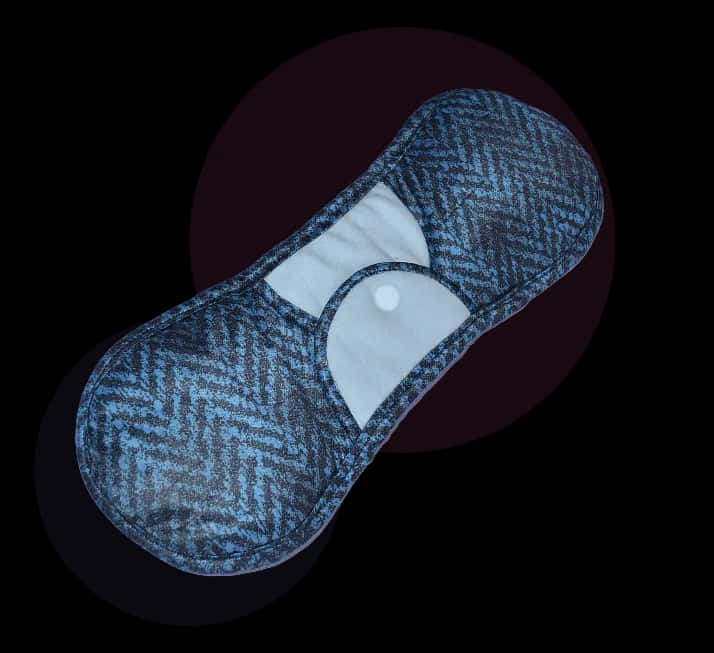
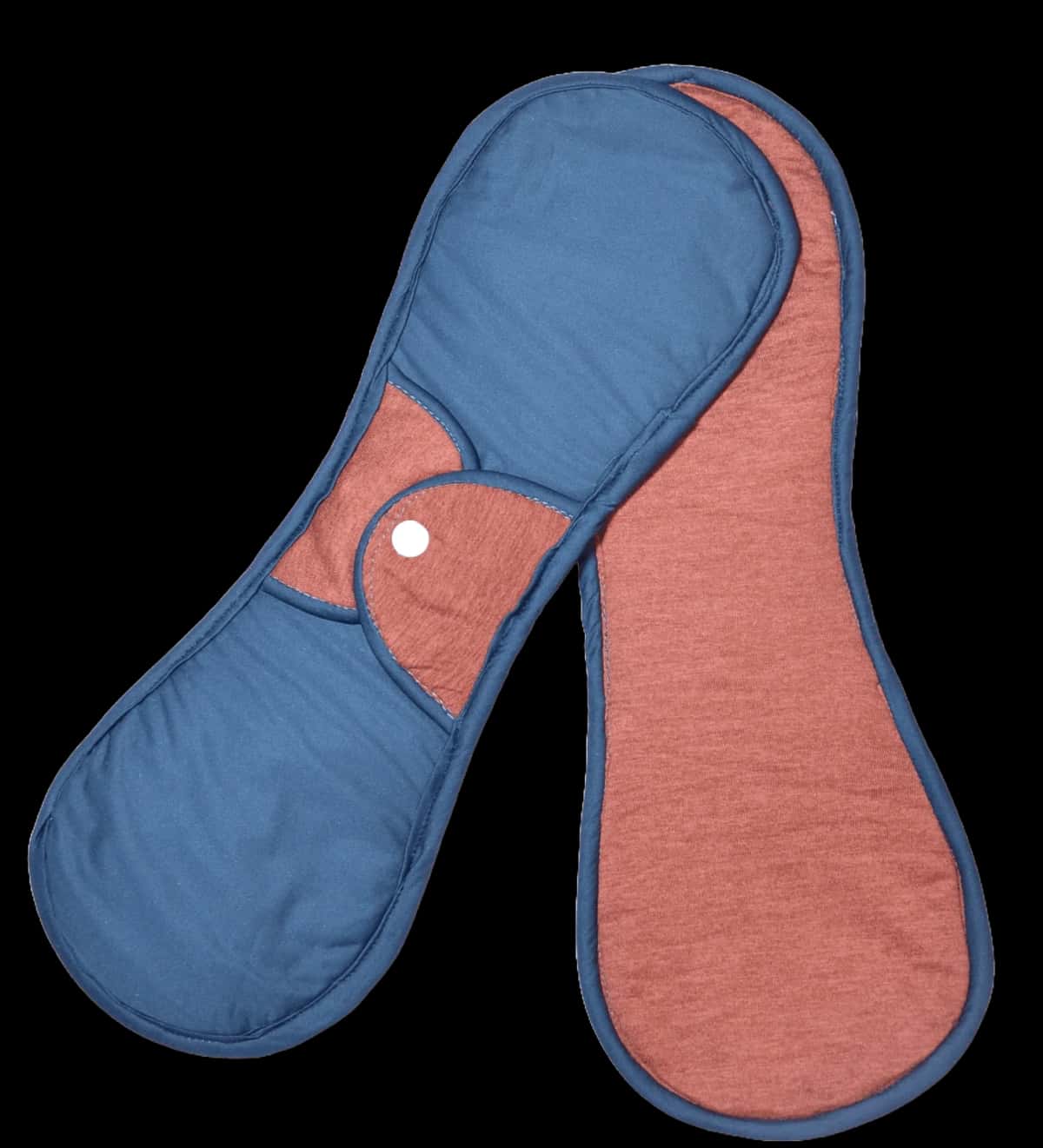
Our reusable pads

Breaking the Cycle: Solutions That Work in Nigeria
Statistics reveal the problem’s scale, but they also point toward effective solutions already demonstrating impact across Nigeria.
Reusable Menstrual Products: Economic Empowerment
Reusable menstrual pads represent one of the most cost-effective solutions to period poverty. The mathematics compelling: disposable pads cost approximately ₦18,000-₦36,000 annually, while quality reusable pads cost ₦3,000-₦8,000 as a one-time purchase lasting 2-3 years. Over two years, reusable options cost 70-85% less than disposables.
For families living below the poverty line, this difference is transformational. The upfront cost can be managed through saving programmes, NGO distributions, or instalments, after which menstrual management costs essentially disappear. Women report redirecting saved money toward children’s education, business capital, or nutrition – investments that build rather than simply manage poverty.
Reusable pads also solve supply chain challenges affecting rural communities. Women don’t need monthly market access to purchase disposables. During rainy seasons when roads become impassable, or in remote areas with irregular market days, reusable pads provide security and independence.
Environmental benefits align with practical advantages. Nigeria generates enormous quantities of menstrual waste, much ending up in waterways or burned in compounds, creating pollution. Reusable products eliminate this waste stream while saving money – a rare alignment of environmental and economic interests.
Education and Awareness Programmes
Knowledge provision costs relatively little but creates outsized impact. Schools implementing comprehensive menstrual health education report decreased female absenteeism and increased confidence among students. Effective programmes include biological education about menstruation, practical hygiene instruction, and importantly, addressing cultural myths and stigma.
Multi-generational approaches work best in Nigerian contexts. Programmes engaging mothers, aunties, and grandmothers alongside girls help shift household conversations. When older women receive accurate information, they become powerful advocates who can teach daughters and challenge harmful cultural practices within families and communities.
Male engagement programmes increasingly show promise. When fathers, brothers, teachers, and religious leaders understand menstruation as a health issue rather than a shameful secret, girls experience less stigma and more support. Schools in Abuja and Enugu that included boys in menstrual health education reported decreased teasing and more supportive school environments.
Social media and radio programmes help reach women beyond formal education systems. Local language content addressing menstrual health, broadcast during popular programme times or shared through WhatsApp groups, extends information to women who never attended school or left early.
Infrastructure Investment and Policy Change
Government and institutional commitment makes other solutions possible. The 2019 National Policy on Menstrual Hygiene Management provided a framework, but implementation remains inconsistent. States that have invested in school WASH facilities show measurably better educational outcomes for girls.
Infrastructure improvements need not be expensive. Basic interventions – adding locks to toilet doors, providing disposal bins, ensuring water availability – cost relatively little but dramatically improve girls’ school experiences. Some schools have created simple solutions like designated “girls’ corners” with washing facilities and privacy.
Policy changes around taxation and importation affect product affordability. Advocacy for removing VAT from menstrual products gained momentum in 2025, with several states implementing exemptions. Broader national adoption could reduce disposable pad costs by 7.5%, helping women at the margin of affordability.
Workplace policies requiring adequate facilities and menstrual leave provisions – already adopted by some progressive Nigerian companies – acknowledge menstruation as a workplace consideration. As more organisations implement such policies, cultural normalisation spreads.
Common Questions About Period Poverty Statistics
Understanding the data often raises questions about methodology, interpretation, and solutions. Addressing these helps clarify both the problem and paths forward.
Why Do Statistics Vary Between Different Studies?
You may notice that different organisations report different period poverty statistics for Nigeria. UNICEF might cite one figure while local NGOs report another, creating confusion about the true scale of the problem. This variation doesn’t mean the data is unreliable – it reflects different research methodologies and definitions.
Some studies measure “period poverty” as complete inability to afford any menstrual products, while others include women who can afford products only inconsistently. Survey populations differ – some focus on school-age girls while others examine women across all reproductive ages. Urban versus rural sampling dramatically affects results, as do regional focuses.
Cultural factors also affect reporting. In communities where menstruation remains highly taboo, women may underreport struggles due to shame or privacy concerns. Researchers increasingly recognise that self-reported data likely underestimates period poverty’s true prevalence. Direct observation studies and anonymous surveys typically reveal higher rates than face-to-face interviews.
The most reliable approach involves looking at multiple studies and identifying consistent patterns rather than fixating on single statistics. When UNICEF, local Nigerian researchers, and international development organisations all report that millions of Nigerian women lack adequate menstrual products – even if exact numbers differ – the overall picture becomes clear.
Don't Cultural Practices Mean Some Women Prefer Traditional Methods?
This question deserves thoughtful response because it touches on respecting cultural practices while advocating for women’s health and dignity. Some Nigerian women do prefer certain traditional menstrual management methods, and that preference deserves respect when it’s truly a choice.
However, “preference” and “lack of alternatives” are entirely different situations. Research indicates that the vast majority of women using materials like old cloth, newspaper, or leaves do so because they cannot afford commercial options, not because they prefer these methods. When offered affordable, hygienic alternatives, adoption rates exceed 85% in most Nigerian contexts.
Cultural respect doesn’t require accepting that women should manage menstruation with materials that increase health risks. Many traditional practices developed not from preference but from historical lack of alternatives. Just as we don’t argue that cultural tradition justifies untreated infections or preventable complications, we shouldn’t romanticise inadequate menstrual management as “traditional preference.”
The conversation shifts when we discuss different types of menstrual products. Some women prefer reusable pads over disposables, others favour menstrual cups, and some prefer disposables. These represent genuine preferences among adequate options. Supporting women’s agency means ensuring access to multiple hygienic choices, then respecting individual decisions.
How Can Period Poverty Be a Priority When Nigeria Faces Other Health Crises?
Nigeria certainly confronts numerous pressing health challenges – malaria, maternal mortality, child malnutrition, and others legitimately demand attention and resources. Some question whether period poverty deserves prioritisation when these life-threatening conditions exist.
This framing creates a false choice. Period poverty isn’t separate from other health and development priorities – it’s deeply interconnected. Girls who miss school due to inadequate menstrual management receive less education, leading to earlier marriage and childbearing, which increases maternal mortality risks. Women who develop reproductive tract infections from unhygienic menstrual materials face increased fertility problems and pregnancy complications.
Period poverty also represents one of the most cost-effective interventions available. Providing reusable pads costs a fraction of many medical interventions while creating benefits across education, economics, and health. The return on investment in menstrual health ranks among the highest of any development intervention.
Furthermore, addressing period poverty demonstrates governmental and societal commitment to women’s dignity beyond just survival. Development means more than keeping people alive – it means enabling them to thrive, participate fully in society, and live with dignity. Menstrual health fits squarely within this broader development vision.
Practical implementation often involves redirecting relatively small portions of existing education and health budgets rather than requiring entirely new funding streams. The question isn’t whether Nigeria can afford to address period poverty, but whether we can afford not to when solutions cost so little relative to benefits gained.
Why Sana Pads: Nigerian Solutions for Nigerian Women
Understanding period poverty statistics reveals why locally manufactured, affordable reusable pads matter so much. Sana Pads exists specifically to address the economic barriers that statistics show affecting millions of Nigerian women.
Our reusable pads cost approximately 70-85% less than disposable options over their 2-3 year lifespan, directly addressing the affordability crisis. A one-time investment of ₦3,000-₦8,000 replaces annual spending of ₦18,000-₦36,000 on disposables. For families choosing between pads and other essentials, this difference is life-changing.
Since our founding, Sana Pads has supported over 10,000 women directly and distributed more than 30,000 pads across Nigeria. These numbers represent real girls staying in school, real women maintaining employment during menstruation, and real families redirecting savings toward other needs. Our partnerships with schools, NGOs, and community organisations help reach women who face the most severe period poverty.
Manufacturing locally in Nigeria means we understand the context intimately. We design for Nigeria’s hot, humid climate where breathable materials matter. We account for infrastructure realities where women may need to wash pads using bucket water rather than running taps. We price for Nigerian incomes rather than importing products designed for Western markets and budgets.
Our mission extends beyond just selling products. We partner with organisations distributing pads to vulnerable girls and provide menstrual health education alongside product provision. We support income generation by training women to produce pads in their communities. Every purchase helps fund distributions to girls who cannot afford pads at all, creating a sustainability model where commercial sales subsidise social impact.
The statistics show that 37 million Nigerian women face period poverty. Sana Pads represents one piece of the solution landscape, working alongside government programmes, NGO initiatives, and policy advocacy to chip away at this enormous challenge one woman at a time.
Taking Action: Using Statistics to Drive Change
Numbers alone don’t end period poverty – action does. Whether you’re an individual, educator, healthcare provider, or organisation leader, these statistics should inform practical steps.
For Individuals: Making Informed Choices
If you’re a woman experiencing period poverty yourself, understanding that millions of others face the same challenge helps reduce the shame and isolation. This isn’t personal failure – it’s a systemic issue requiring systemic solutions, but you can take individual steps immediately.
Consider switching to reusable pads if you’re spending significant portions of income on disposables. A 3-pack of our Premium Pads costs ₦4,000 – less than many women spend on disposables in a single month. These pads last 2-3 years with proper care, representing enormous savings over time. Each Premium Pad includes 1 leak-proof layer and 3 absorbent layers, suitable for regular flow.
For lighter days, our No Wahala Pads (1 leak-proof layer plus 1 absorbent layer) provide comfortable protection at lower cost. Heavy flow days require our Maxi Pads with 1 leak-proof layer and 5 absorbent layers for maximum security. Starting with a mixed set lets you match pad type to flow needs, extending product life and maximising comfort.
If you’re a mother, aunt, or mentor, use these statistics to start conversations with girls in your life. Knowing that 65% of Nigerian women have used inadequate alternatives helps girls understand they’re not alone in struggling. Providing accurate information and access to proper products protects health and education.
Share information within your networks. When women understand the economics of reusable pads versus disposables, many choose to switch. Your experience and recommendations carry more weight than any advertisement.
For Organisations: Multiplying Impact
Schools, NGOs, healthcare facilities, religious organisations, and community groups can leverage period poverty statistics to justify and design intervention programmes. The data makes clear that menstrual health initiatives aren’t peripheral concerns – they’re central to education, health, and development outcomes.
Schools should prioritise WASH facility improvements using these statistics to advocate for budget allocations. Showing that inadequate facilities contribute to 20% of female dropout in some regions makes the case for investment compelling. Even modest improvements – adding locks, providing disposal bins, ensuring water availability – create measurable impact.
NGOs working in education, health, or women’s empowerment can integrate menstrual health into existing programmes. The cost-effectiveness of reusable pad distribution means relatively small budget portions create significant benefits. Organisations can order as many packs as they need at our fixed price per pack, with delivery to any state in Nigeria.
Healthcare providers should include menstrual health screening in routine consultations, asking about product access and hygiene practices. Many reproductive health problems stem from inadequate menstrual management, but women rarely volunteer this information unless directly asked. The statistics showing infection rates among women using unhygienic alternatives justify this clinical attention.
Community and religious leaders can use these statistics to challenge stigma and advocate for women’s dignity. When leaders frame menstrual health as a community issue affecting education and development, rather than a shameful private matter, cultural attitudes shift. Your voice carries authority that helps normalise these crucial conversations.
Organisations interested in partnerships, bulk orders, or implementing menstrual health programmes can contact Sana Pads directly. We provide implementation guidance and educational materials to support your work addressing period poverty in your communities.
Conclusion
The statistics are clear: approximately 37 million Nigerian women and girls face period poverty, creating barriers to education, employment, and health that ripple across generations. One in ten African girls misses school during menstruation. Nigerian women spend ₦18,000-₦36,000 annually on disposable pads – an impossible burden for families living on ₦850 daily. Only 23% of our schools have adequate facilities for menstrual hygiene management.
These numbers represent more than abstract data points. They represent Chioma missing mathematics class in Lagos. They represent market women in Onitsha losing income because they cannot afford adequate protection. They represent girls in Kano dropping out of school because menstruation became unmanageable without support. Behind every statistic stands a woman or girl whose potential is limited not by ability or ambition, but by an entirely solvable challenge.
Solutions exist and work. Reusable pads reduce costs by 70-85%. Education programmes decrease stigma and improve health outcomes. Infrastructure investments keep girls in school. Local manufacturing creates affordable access. The question isn’t whether we can address period poverty in Nigeria – it’s how quickly we’ll commit to doing so.
Your voice, choices, and actions matter in this effort. Whether switching to reusable products yourself, supporting girls in your life, or implementing programmes in your organisation, every step moves us closer to a Nigeria where menstruation never again limits women’s potential. Together, we can transform these statistics from documentation of crisis into records of progress. Learn more about supporting period poverty solutions and empowering Nigerian women and girls at our Period Poverty Nigeria resource page.
Keep reading in Period Poverty Nigeria
Frequently asked questions
Why should I choose Sana Pads over regular disposable pads?
Sana Pads are made from high-quality, reusable materials, offering a sustainable and eco-friendly alternative to disposable sanitary products. They are gentle on your skin, highly absorbent, and cost-effective in the long run. By choosing Sana Pads, you contribute to reducing plastic waste while enjoying comfort and reliability throughout your cycle.
How long can I use a Sana Pad before it needs to be washed?
A Sana Pad gives you comfort and protection for 4 to 8 hours, depending on your flow. For freshness, change it every 4 to 6 hours - more often on heavy days. After each use, rinse it in cold water and wash it with soap. With proper care, each pad lasts 2 to 3 years.
Are Sana Pads safe for sensitive skin?
Yes, Sana Pads are made from soft, breathable, and hypoallergenic materials, ensuring they are gentle on your skin. They are free from harmful chemicals and toxins commonly found in disposable pads, making them an ideal choice for individuals with sensitive skin or allergies.
How do I clean and maintain my Sana Pads?
Rinse your pad in cold water straight away - hot water sets bloodstains. Then wash it with mild soap, by hand or in the machine, and rinse until the water runs clear. Dry it fully in direct sunlight, which also disinfects. Please avoid the tumble dryer, bleach and fabric softener: they break down the absorbent layers. Cared for like this, a Sana Pad lasts 2 to 3 years.
Does the price change for larger orders?
No. Each product has a fixed price per pack, no matter how many packs you order. You can calculate your total with our price calculator. For large orders, send us a direct message and we will confirm the delivery cost with you before you pay.
Testimonials
Discover what our customers are saying about our products.
Women around the world patronize Sana

“I’m absolutely loving Sana reusable pads! They make me feel so relaxed and at ease during my periods. Plus, they’ve significantly reduced the cost and stress of buying disposable pads every month. Kudos to Sana for creating such an amazing product – I’m a forever fan!”
“Sana Pad is very good, makes u feel comfortable and free, i love the pads the best ever!.”

“I’ve tried several reusable pad brands, but Sana stands out for its exceptional quality, comfort, and durability. The design is thoughtful, and the materials are gentle on my skin. Switching to Sana has not only reduced my environmental footprint but also saved me money in the long run. I’m grateful for this sustainable solution!”

“At first I felt irritated using a washable sanitary pads,I decided to give it a try and to my greatest surprise,it was very comfortable and very easy to wash, you can even go about your daily activities without fear of getting blood stain in public, I wanna say a Big shout out to SANA PADS!!”

“I’ve tried several pad brands over the years, but Sana pads truly stands out. From the first use, I noticed the difference — soft on the skin, super absorbent, and incredibly comfortable. Even on my heaviest flow days, Sana pads holds up so well. What I also love is how breathable and skin-friendly the material is. If you’re looking for a pad that combines comfort, reliability, and quality, I highly recommend giving Sana pads a try.”

“Buying disposable pads every month really added up, so I thought I’d give Sana Pads a try. I was surprised by how soft they are, and they work well for long days at university. Washing them is simple, and I haven’t had to buy new pads in months, which has saved me money. I also like that they’re more eco-friendly. It feels good to have an option that’s both affordable and better for the environment.”
Time to get involved
Contact Us
Margaret Ochegbudu
Business Manager