Period Poverty for Nigeria: Di 2026 Numbers Wey Every Nigerian Suppose Sabi
Where pipo don see us







 Margaret Ochegbudu don check am · Update 26 min to read
About 37 million Nigerian girls and women dey face period poverty. Girls dey miss four to five school days every month, dat na like 20 percent of di school year. Disposable pads dey cost each house around 10,000 to 14,000 naira for each person every year, and pass 60 percent of schools no get enough water and toilet facilities.
Period Poverty for Nigeria: Wetin Di Numbers Dey Tell Us
Period poverty dey affect Nigerian women pass wetin most pipo think. E dey block school, work and basic dignity. Di latest 2026 data show how big dis wahala be, and e point to solutions wey don already dey work for di country.
Di Main Numbers Wey You Need To Sabi:
- About 37 million Nigerian girls and women wey dey see period no get steady access to sanitary products wey dem fit afford, as of 2026.
- Research show say 1 in 10 African girls dey miss school during period, and for Nigeria di number high pass for village communities.
- Di average Nigerian woman dey spend ₦18,000 to ₦36,000 every year for disposable sanitary pads, dat na 5-10% of minimum wage income.
- Na only 23% of public primary schools for Nigeria get correct WASH facilities wey support menstrual hygiene, according to UNICEF data.
- Period poverty dey cause about 20% of girls wey dey drop out of school before dem finish secondary school for northern Nigeria.
- Studies show say 65% of Nigerian women and girls don use things like newspaper, rags or leaves because dem no fit afford pads.
- Pads wey you fit wash use again fit reduce di cost of period products by 70-85% compared to disposable ones over two years.
Dis numbers na real lives, real chances wey dem miss, and real suffering wey dey continue month after month. But to understand di data dey help us carry help go where e go make di biggest difference.
Bisi sit for di back of her SS2 classroom for Surulere, Lagos, dey watch di time dey go till lunch break. She don already miss three days of school dis month, and her mathematics teacher, Mr. Okonkwo, don start to dey ask questions. Her mama sabi di real reason: Bisi dey stay for house during her period because dem no fit buy sanitary pads every time. Instead, she dey use old cloth wey dey leak, so she go stay alone for house instead of make she face di shame of blood for her uniform.
Bisi story no be only her own. All over Nigeria, millions of girls and women dey face di same thing every month. Period poverty, wey mean say you no fit afford period products, you no get clean place to use, or nobody teach you correct things about period health, still be among di barriers to gender equality wey pipo dey overlook pass for our country. Di numbers show bad picture, but dem also show us exactly where solutions dey needed pass.
Di Real Situation of Period Poverty for All Nigeria
Period poverty dey show different way depending on where you dey live for Nigeria, but di main wahala na di same: period come turn monthly crisis instead of natural thing wey body dey do.
Money Wahala: Di Cost Crisis
Di calculation of period poverty simple and e dey pain. Pack of disposable sanitary pads dey cost between ₦500 and ₦1,200 for most Nigerian markets. Women normally need 3-5 packs for each cycle, depending on how heavy di flow be. Dat na ₦1,500 to ₦6,000 every month, or ₦18,000 to ₦72,000 every year.
To put am for context, Nigeria minimum wage na ₦70,000 every month as of 2026. Woman wey dey earn minimum wage go spend 2-9% of her whole income just to manage her period. For di 40% of Nigerians wey dey live under poverty line (wey dey survive on less than ₦850 every day), to buy pads mean say dem go choose between period dignity and food, transport, or pikin school fees.
Dis money pressure no dey affect all women di same way. Women for city like Lagos or Abuja normally get more income and market near dem, even though dem still dey struggle. Women for village for Sokoto, Yobe or Bayelsa states dey face double wahala: less income, fewer products to choose from, and higher price because of distribution cost. Market women, house helps and small farmers, wey be big part of Nigeria female workers, often dey earn far below minimum wage and dem no get steady income.
Di effect pass individual women. When mama no fit afford pads, she go often put her daughter need first before her own, and she go dey use things wey no clean at all. When family must choose, boys school money dey often come first before girls period needs, and dis one dey push gender inequality from generation to generation.
Gaps for Infrastructure: WASH Facility Wahala
Even when women fit afford period products, poor water, toilet and hygiene facilities dey bring more barriers. UNICEF 2026 assessment find say na only 23% of Nigerian public primary schools get WASH facilities wey good enough for menstrual hygiene. “Good enough” mean private toilet wey get door wey dey lock, running water to wash hand, and dustbin, basic things wey still be luxury for most schools.
For secondary schools e better small at 34%, but dis still mean say two-thirds of Nigerian schoolgirls dey manage their period for place wey no get privacy, water, or correct place to throw things away. Girls talk say dem dey change pads for open toilet wey dem share with boys, dey wash cloth wey dem fit use again for water wey no dey flow because tap no dey work, and dey carry dirty materials go house for school bag because dustbin no dey.
Outside school, facilities for work place also dey fail women. Small businesses, markets and informal work places no dey even get toilet, talk less of place where women fit change and throw period products away with dignity. Even some hospitals and government offices no get correct facilities, so women go use dirty public toilet or wait for hours till dem reach house.
Water scarcity dey add to dis infrastructure wahala. For communities where women dey trek kilometres to fetch water for drinking and cooking, to use dat precious water for period hygiene almost no possible. Light wey no dey stable (NEPA wahala still dey despite all di promises) mean say boreholes and pumps often no dey work, and schools and clinics go stay without running water for days or weeks.
Knowledge Gap: Education and Cultural Taboos
Period poverty no be only about money and infrastructure. Knowledge poverty, wey mean say pipo no get correct information about period health, dey bring health risk and dey keep stigma alive. Study for 2025 for six Nigerian states find say 58% of girls see their first period without anybody teach dem anything about period before. Imagine di fear and confusion to see blood and you no understand why or wetin dey happen to your body.
Cultural taboos dey stop di talk wey for save girls from dis bad experience. For many Nigerian communities, period still be “dat thing wey we no dey talk about.” Mamas dey shame to teach their daughters. Teachers dey skip reproductive health chapters for biology class. Religious and community leaders dey avoid di topic completely. Dis silence dey leave girls to learn from their mates wey no sabi pass dem, or more and more from social media wey nobody check.
Dis knowledge gap dey bring real health wahala. Plenty Nigerian women and girls no sabi how often dem suppose change pad, how to clean pads wey dem fit use again well, or which signs mean infection wey need doctor. Some still believe bad myths: say dem no suppose bathe during period, say some food dey make blood come plenty, or say to use pads fit affect fertility.
Di difference for period education from region to region follow bigger pattern. Southern states normally get more awareness because more girls dey go school and di culture dey more open to talk about health. Northern states dey face double wahala, where fewer women sabi read and write, girls dey marry early, and stronger taboos about period dey create places wey information no dey at all.
How Period Poverty Dey Show: Real Effect for Nigerian Women
To understand numbers, you need to see how dem dey turn to daily life. Period poverty dey bring wahala upon wahala wey dey stop women from taking full part for society.
School Wahala and Girls Wey Dey Drop Out
Di link between period poverty and school wahala dey show for research again and again. Girls dey miss average of 2-5 school days every month because dem no get correct way to manage their period. For di whole school year, dis one reach 20-50 days wey dem miss, wey be like 2-3 months of school wey dem lose.
Absence alone no tell di full story. Even when girls go school during period, fear of leaking, changing pads for bad toilets, and discomfort from materials wey dem manage dey stop dem from concentrating well. Teachers for Kaduna and Kano talk say girls dey always ask to go toilet during period, and dem dey miss plenty class time. Fear say blood go show for their cloth dey make some girls sit for school whole day without changing pad, and dis one dey increase infection risk.
All dis together dey push girls wey dey vulnerable comot from school completely. Research show say period poverty dey cause about 20% of girls wey dey drop out of school for some northern Nigerian states. Girls wey dey miss school again and again dey fall behind for their studies. Leaking wey dey shame dem dey cause trauma wey make am hard for dem mind to go back school. Families wey no too believe for girl education dey see di absence as proof say to spend money for daughter school no dey pay.
Di timing matter well well. Most girls dey start their period for early secondary school, exactly di time wey di foundation for WAEC and NECO exams dey happen. To miss dis education dey create gaps wey dey grow with time, and e dey limit their chance to enter university and to earn money for future.
Money Effect and Barriers for Work
Period poverty no dey end when school finish. Working women dey face di same kain wahala wey dey limit how dem fit make money and dey keep poverty cycle going. Market women for Onitsha or Lagos Island no fit easily leave their stall for hours to go house go change pad. House helps dey fear wetin their oga go talk if dem ask for time for period needs. Factory workers for Port Harcourt talk say dem must choose between toilet break and to meet production target.
Di monthly cost of disposable pads na big expense for women wey no get much money. At ₦2,000-₦5,000 every month, pad cost dey fight directly with business capital for women wey dey run small business. Plenty women entrepreneurs talk say dem dey take smaller profit for period weeks because dem must use business money buy pads.
For women for informal sector, wey employ pass 60% of Nigerian women, to miss work mean direct loss of income. Unlike salary work, market traders, hairdressers and artisans dey earn only when dem dey work. To take 2-3 days off every month for period fit reduce monthly income by 7-10%, and e go push families deeper into poverty.
Dis wahala dey especially affect women wey dey do hard physical work. Farmers, cleaners and construction workers need period products wey go hold well when dem dey move up and down. When dem no fit afford am or e no dey available, women go either work with fear of leaking all di time or dem go stay house and lose their daily pay wey dem need well well.
Health Risks and Medical Wahala
To use bad period materials dey bring direct health wahala wey health workers for all Nigeria dey notice more and more. Reproductive tract infections, including bacterial vaginosis and urinary tract infections, dey happen more among women wey dey use dirty alternatives instead of pads from shop. Study for 2025 for Ibadan find say women wey dey use things like newspaper, old cloth wey dem no wash well, or leaves get infection three times more than di ones wey dey use correct period products.
Many times dem no dey treat di infections. Plenty women no fit afford money to see doctor or buy medicine, on top di struggle to buy pads. Some no know say di signs need medical attention because dem no sabi much about reproductive health. Stigma for culture about period and reproductive health talk dey stop others from finding help even when dem know say something no correct.
To use di same pad or cloth for too long, often because dem no fit afford enough, dey create perfect condition for bacteria to grow. Health workers talk say dem dey see women wey wear di same pad for 12-24 hours because dem no fit afford to use plenty pads every day. To change every 4-6 hours as dem recommend no go possible when you get only two pads in total.
Apart from infections, di effect for mind also need attention. Di fear of leaking all di time, di shame of using bad materials, and di monthly stress of finding money for pads dey really affect mental health. Young women talk say dem dey get depression, dey run from pipo, and dem no dey value themselves again, all because of di struggle to manage their period.
Period Poverty Numbers by Region: How Nigeria Different from Place to Place
Because Nigeria big and different from place to place, period poverty dey show different way for each region. To understand dis difference dey help us target solutions correct.
Northern Nigeria: Wahala on Top Wahala
Northern states dey face period poverty wey serious well well, even though di numbers often no count di full problem because culture no dey allow pipo talk about period. Research estimate say pass 60% of women and girls for village areas for states like Sokoto, Yobe, Jigawa and Zamfara no get steady access to period products.
Lower income and more poverty together make am hard for plenty families to afford pads. Because pipo like big family, di house money dey share among more children, and period needs dey compete with plenty other expenses. Early marriage for some communities mean say girls dey start to manage their period for their husband house where dem no get much control over how money dey spend.
Limited access to school dey add to di problem. Northern Nigeria get di lowest number of girls wey dey enter school and finish for di country. Girls wey no ever go school or wey drop out early no dey learn much about period health. Cultural taboos about period still strong pass for many northern communities, and dis one dey create empty space where myths dey grow.
But northern Nigeria also dey show good signs. NGOs and government programmes dey see period poverty more and more as barrier to girls education. Religious leaders for states like Kano and Kaduna don start to include period health for health education programmes, and dem dey present correct period hygiene as something wey agree with Islamic teaching on cleanliness.
Southern Nigeria: Difference Between City and Village
Southern states normally get better period health numbers but dem still dey face big wahala, especially for village areas. Lagos, Nigeria business centre, show di big difference for city: women for Ikoyi or Victoria Island dey get imported period products and modern facilities, while di ones for mainland informal settlements dey struggle with plenty of di same wahala as village communities.
Rivers, Delta and Bayelsa states dey face their own special wahala because of di river land. Many communities wey you fit reach only by boat no get easy access to market, so even when families fit afford pads, steady supply still be problem. When flood come for rainy season, some communities dey cut off completely from market for days or weeks.
Eastern states like Anambra, Imo, Enugu and Ebonyi get more awareness about period health, partly because of stronger school system and culture wey open to talk about health. But money wahala still dey stop plenty women from buying products every time. Di business spirit for dis regions don start local solutions, as small businesses don begin to make cheaper alternatives.
Western states like Ogun, Oyo and Osun show mixed picture. City centres like Ibadan get good access and awareness, while farming communities for village dey face bigger barriers. Because di education sector for di region don develop well, most girls dey get some period health education, but di quality dey different well well.
Di Main Numbers by Zone
When you break di national numbers by geopolitical zones, important patterns dey show. Di North-East zone get di highest rate of school absence because of period, at about 35% of girls wey dey miss 5 or more school days every month. Di South-West get di lowest at about 12%, but dis one still mean hundreds of thousands of girls wey dey lose school chance every month.
For access to period products, di South-South zone report say about 42% of women dey use alternatives instead of pads from shop at least sometimes, mainly because dem no fit afford am. For North-West dis number rise reach about 68%, and plenty women never use pads from shop at all.
Access to WASH facilities for schools dey different well well. Di South-West dey lead with about 45% of schools wey meet basic standard, while di North-East dey behind at about 11%. Di national average of 23% dey hide dis big difference between regions wey need strategies for each zone.
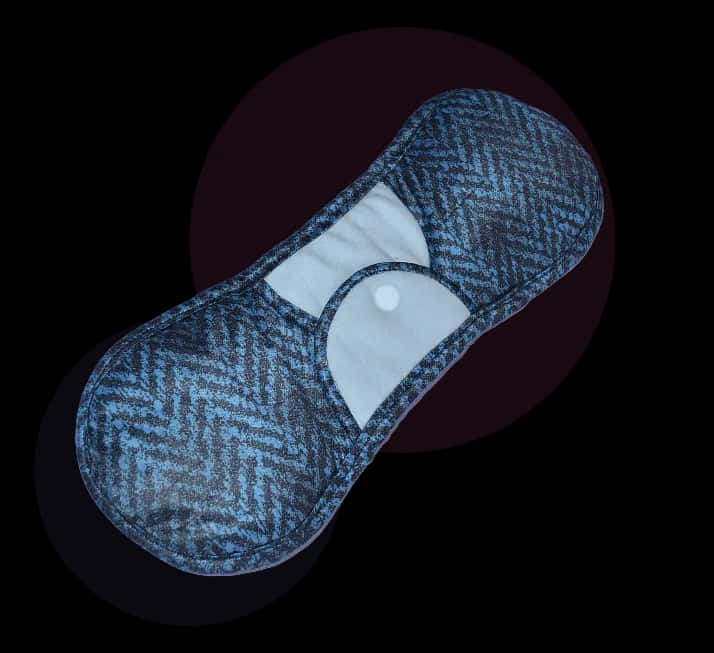
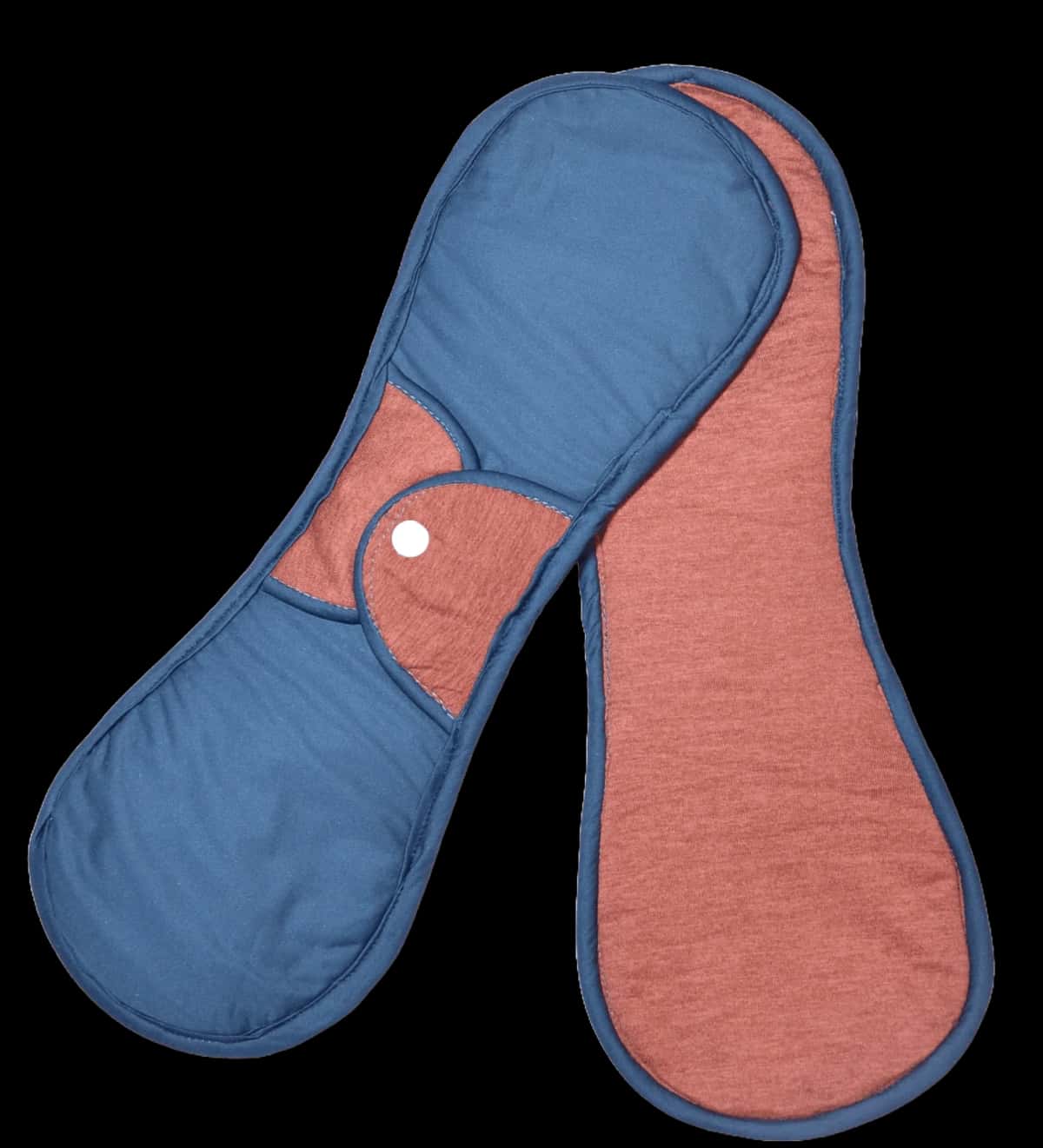
Our pads wey you fit wash

To Break Di Cycle: Solutions Wey Dey Work for Nigeria
Di numbers show how big di problem be, but dem also point to solutions wey don already dey make impact for Nigeria.
Pads Wey You Fit Wash Use Again: Money Power for Women
Pads wey you fit wash use again na among di solutions wey cost less pass for period poverty. Di calculation clear: disposable pads dey cost about ₦18,000-₦36,000 every year, while good reusable pads dey cost ₦3,000-₦8,000 as one-time purchase wey fit last 2-3 years. For two years, reusable ones dey cost 70-85% less than disposables.
For families wey dey live under poverty line, dis difference dey change life. Di first cost fit be manageable through savings programmes, NGO distribution, or to pay small small, and after dat period cost almost disappear. Women talk say dem dey use di money wey dem save for children education, business capital or food, investments wey dey build life instead of just to manage poverty.
Reusable pads also solve supply wahala for village communities. Women no need to go market every month to buy disposables. For rainy season when roads no dey passable, or for far places where market day no regular, reusable pads dey give security and independence.
Di benefit for environment follow di practical advantage. Nigeria dey produce plenty period waste, and much of am dey end up for water or dem dey burn am for compound, wey dey cause pollution. Reusable products dey remove dis waste while dem dey save money, rare case where environment and money interest agree.
Programmes Wey Dey Teach Pipo and Spread Awareness
To give pipo knowledge no cost much but e dey make big impact. Schools wey dey run full period health education talk say girls no dey miss school like before and students get more confidence. Programmes wey dey work include biology lesson about period, practical hygiene teaching and, important, to tackle cultural myths and stigma.
Programmes wey involve different generations dey work best for Nigeria. Programmes wey carry mamas, aunties and grandmas along with girls dey help change di talk for house. When older women get correct information, dem dey become strong voice wey fit teach daughters and challenge bad cultural practices for families and communities.
Programmes wey involve men dey show more promise. When papas, brothers, teachers and religious leaders understand period as health matter and not shameful secret, girls dey face less stigma and get more support. Schools for Abuja and Enugu wey include boys for period health education talk say teasing reduce and school environment become more supportive.
Social media and radio programmes dey help reach women wey no dey formal school. Content for local languages about period health, wey dem broadcast when popular programmes dey on or share for WhatsApp groups, dey carry information reach women wey never go school or wey leave early.
Investment for Infrastructure and Policy Change
Commitment from government and institutions dey make other solutions possible. Di 2019 National Policy on Menstrual Hygiene Management give framework, but di implementation never steady. States wey don invest for school WASH facilities dey show better school results for girls wey you fit measure.
Infrastructure improvement no need to cost plenty. Basic things, like to put lock for toilet door, to provide dustbin, to make sure water dey, no cost much but dem dey change girls school experience well well. Some schools don create simple solutions like special “girls corner” wey get place to wash and privacy.
Policy change about tax and import dey affect how much products cost. Di push to remove VAT from period products gather strength for 2025, and some states don put exemptions. If di whole country adopt am, e fit reduce disposable pad cost by 7.5%, and e go help women wey dey struggle to afford am.
Workplace policies wey require correct facilities and period leave, wey some progressive Nigerian companies don already adopt, dey accept say period na workplace matter. As more organisations dey adopt such policies, culture go dey see am as normal.
Questions Wey Pipo Dey Ask About Period Poverty Numbers
When pipo understand di data, dem often get questions about how dem take do di research, wetin di numbers mean and di solutions. To answer dem dey help clear both di problem and di way forward.
Why Numbers No Dey Di Same for Different Studies?
You fit notice say different organisations dey report different period poverty numbers for Nigeria. UNICEF fit talk dis number while local NGOs talk another number, and dis one dey cause confusion about how big di problem really be. Dis difference no mean say di data no reliable; e show say dem use different research methods and definitions.
Some studies dey measure “period poverty” as when person no fit afford any period product at all, while others dey include women wey fit afford products only sometimes. Di pipo wey dem survey dey different: some focus on school girls while others look women of all ages wey dey see period. Whether dem take sample for city or village dey change di result well well, and di region wey dem focus on too.
Culture also dey affect di report. For communities where period still be big taboo, women fit no talk all their struggle because of shame or privacy. Researchers dey see more and more say data wey pipo report by themselves fit dey under di real level of period poverty. Studies wey dey watch directly and surveys wey no carry name normally show higher rates than face-to-face interviews.
Di best way na to look many studies and find patterns wey dey repeat, instead of to hold only one number tight. When UNICEF, local Nigerian researchers and international development organisations all talk say millions of Nigerian women no get correct period products, even if di exact numbers different, di overall picture go clear.
No Be Say Some Women Prefer Traditional Methods Because of Culture?
Dis question need careful answer because e touch respect for culture and also di fight for women health and dignity. Some Nigerian women really prefer some traditional ways to manage period, and dat choice deserve respect when e really be choice.
But “preference” and “no other option” na different matter completely. Research show say most women wey dey use things like old cloth, newspaper or leaves dey do am because dem no fit afford pads from shop, no be because dem prefer dis methods. When dem offer dem options wey clean and cheap, pass 85% dey take am for most Nigerian places.
To respect culture no mean say we must accept say women should manage period with materials wey dey increase health risk. Plenty traditional practices no come from preference but from di fact say long time ago other options no dey. Just as we no dey argue say tradition justify infection wey nobody treat or problems wey we fit prevent, we no suppose dey praise bad period management as “traditional preference.”
Di talk dey change when we discuss different types of period products. Some women prefer reusable pads pass disposables, others like menstrual cups, and some prefer disposables. Dis na real preference among options wey good. To support women power to choose mean to make sure say dem get many clean options, then respect wetin each person choose.
How Period Poverty Go Be Priority When Nigeria Dey Face Other Health Crisis?
True true, Nigeria dey face plenty serious health wahala: malaria, women wey dey die for childbirth, children wey no get enough food, and others wey really need attention and resources. Some pipo dey ask whether period poverty deserve priority when dis conditions wey dey kill pipo dey.
Dis way of thinking dey create false choice. Period poverty no separate from other health and development priorities; dem connect deep. Girls wey dey miss school because dem no fit manage period well dey get less education, and dis dey lead to early marriage and early childbirth, wey dey increase risk of mama dying for childbirth. Women wey get reproductive tract infections from dirty period materials dey face more fertility problems and pregnancy complications.
Period poverty also be among di interventions wey cost less pass and still work. To provide reusable pads dey cost small part of wetin many medical interventions cost, and e dey bring benefit for education, money and health. Di return on investment for period health dey among di highest of any development intervention.
Apart from dat, to tackle period poverty dey show say government and society commit to women dignity, no be just survival. Development mean pass to keep pipo alive; e mean to make dem fit grow well, take full part for society and live with dignity. Period health fit well inside dis bigger development vision.
To do am practically often mean to move small part of di education and health budgets wey dey already, instead of to need new money completely. Di question no be whether Nigeria fit afford to tackle period poverty, but whether we fit afford not to do am when di solutions cost so small compared to di benefits.
Why Sana Pads: Solution Wey Nigeria Make for Nigerian Women
When you understand period poverty numbers, you go see why reusable pads wey dem make for Nigeria and wey cheap matter so much. Sana Pads dey exist specially to tackle di money barriers wey di numbers show say dey affect millions of Nigerian women.
Our reusable pads dey cost about 70-85% less than disposable ones for their 2-3 years life, and dis one directly tackle di cost crisis. One-time investment of ₦3,000-₦8,000 dey replace di ₦18,000-₦36,000 wey you go spend every year for disposables. For families wey dey choose between pads and other important things, dis difference dey change life.
Since we start, Sana Pads don support pass 10,000 women directly and share more than 30,000 pads across Nigeria. Dis numbers mean real girls wey dey stay for school, real women wey dey keep their work during period, and real families wey dey use their savings for other needs. Our partnerships with schools, NGOs and community organisations dey help us reach women wey dey face di worst period poverty.
Because we dey make di pads for Nigeria, we understand di situation well well. We dey design for Nigeria hot and humid weather where materials wey dey breathe matter. We dey think about infrastructure reality where women fit need to wash pads with bucket water instead of running tap. We dey set price for Nigerian income instead of to import products wey dem design for Western markets and budgets.
Our mission pass just to sell products. We dey partner with organisations wey dey share pads give vulnerable girls and we dey give period health education together with di products. We dey support income by training women to make pads for their communities. Every purchase dey help fund pad sharing for girls wey no fit afford pads at all, so business sales dey support social impact.
Di numbers show say 37 million Nigerian women dey face period poverty. Sana Pads na part of di solution, wey dey work together with government programmes, NGO work and policy advocacy to reduce dis big wahala small small, woman by woman.
Take Action: Use Numbers to Bring Change
Numbers alone no go end period poverty; action go end am. Whether you be individual, teacher, health worker or leader for organisation, dis numbers suppose guide practical steps.
For Individuals: Make Choices Wey You Sabi Well
If you be woman wey dey face period poverty yourself, to know say millions of other women dey face di same wahala go help reduce shame and di feeling say you dey alone. Dis no be your personal failure; na system problem wey need system solution, but you fit take your own steps now now.
Think about to change to reusable pads if you dey spend big part of your income for disposables. A 3-pack of our Premium Pads dey cost ₦4,000, less than wetin plenty women dey spend for disposables for just one month. Dis pads dey last 2-3 years if you care for dem well, and dat na big savings over time. Each Premium Pad get 1 layer wey no dey leak and 3 layers wey dey absorb, good for normal flow.
For days wey flow light, our No Wahala Pads (1 layer wey no dey leak plus 1 layer wey dey absorb) dey give comfortable protection for lower cost. For heavy flow days you need our Maxi Pads with 1 layer wey no dey leak and 5 layers wey dey absorb, for maximum security. If you start with mixed set, you fit match pad type to your flow, make di pads last longer and get maximum comfort.
If you be mama, aunty or mentor, use dis numbers to start talk with di girls for your life. To know say 65% of Nigerian women don use bad alternatives go help girls understand say dem no dey alone for dis struggle. To give correct information and access to correct products dey protect their health and education.
Share information for your network. When women understand di money side of reusable pads compared to disposables, plenty go choose to change. Your experience and advice carry more weight than any advert.
For Organisations: Make Di Impact Big Pass
Schools, NGOs, health facilities, religious organisations and community groups fit use period poverty numbers to justify and design programmes. Di data show clear say period health programmes no be side matter; dem dey central to education, health and development.
Schools suppose put WASH facility improvement first and use dis numbers to ask for budget. To show say bad facilities dey cause 20% of girls wey dey drop out for some regions make di case for investment strong. Even small improvements, like to add locks, provide dustbin, make sure water dey, dey bring impact wey you fit measure.
NGOs wey dey work for education, health or women empowerment fit add period health to di programmes wey dem get already. Because reusable pad distribution no cost much, small part of budget fit bring big benefit. Organisations fit order as many packs as dem need at our fixed price for each pack, and we go deliver to any state for Nigeria.
Health workers suppose include period health check for normal consultations, and ask about access to products and hygiene practice. Plenty reproductive health problems dey come from bad period management, but women no dey talk am unless person ask dem directly. Di numbers wey show infection rates among women wey dey use dirty alternatives justify dis attention for clinic.
Community and religious leaders fit use dis numbers to fight stigma and stand for women dignity. When leaders present period health as community matter wey dey affect education and development, no be shameful private matter, culture go change. Your voice get authority wey go help make dis important talk normal.
Organisations wey want partnership, bulk orders, or to run period health programmes fit contact Sana Pads directly. We dey give guidance on how to run am and education materials to support your work against period poverty for your communities.
To Conclude
Di numbers clear: about 37 million Nigerian women and girls dey face period poverty, wey dey block education, work and health, and di effect dey pass from generation to generation. One in ten African girls dey miss school during period. Nigerian women dey spend ₦18,000-₦36,000 every year for disposable pads, load wey families wey dey live on ₦850 every day no fit carry. Na only 23% of our schools get correct facilities for period hygiene.
Dis numbers pass ordinary data. Dem be Chioma wey dey miss mathematics class for Lagos. Dem be market women for Onitsha wey dey lose income because dem no fit afford correct protection. Dem be girls for Kano wey dey drop out of school because period become too hard to manage without support. Behind every number, woman or girl dey whose future dey limited, no be because of ability or ambition, but because of wahala wey we fit solve completely.
Solutions dey and dem dey work. Reusable pads dey reduce cost by 70-85%. Education programmes dey reduce stigma and improve health. Infrastructure investment dey keep girls for school. Local production dey make am cheap and easy to get. Di question no be whether we fit tackle period poverty for Nigeria, but how fast we go commit to do am.
Your voice, choices and actions matter for dis work. Whether you change to reusable products yourself, support girls for your life, or run programmes for your organisation, every step dey carry us near Nigeria where period no go ever limit women again. Together, we fit turn dis numbers from record of crisis to record of progress. Sabi more about how to support period poverty solutions and empower Nigerian women and girls for our Period Poverty Nigeria resource page.
Continue to read for Period Poverty for Nigeria
Questions wey pipo dey ask well well
Why I go choose Sana Pads instead of normal disposable pads?
Sana Pads dey made from good quality materials wey you fit use again, and dem be sustainable, eco-friendly alternative to disposable sanitary products. Dem dey gentle for your skin, dem dey absorb well well, and dem go save you money for long run. When you choose Sana Pads, you dey help reduce plastic waste while you enjoy comfort and pads wey you fit trust through your whole cycle.
How long I fit use Sana Pad before I need to wash am?
Sana Pad dey give you comfort and protection for 4 to 8 hours, depending on your flow. To stay fresh, change am every 4 to 6 hours, and more often for heavy days. After each use, rinse am for cold water and wash am with soap. If you take care of am well, each pad go last 2 to 3 years.
Sana Pads dey safe for sensitive skin?
Yes, Sana Pads dey made from soft materials wey dey breathe and wey no dey cause allergy (hypoallergenic), so dem dey gentle for your skin. Dem no get di harmful chemicals and toxins wey dem dey often find for disposable pads, so dem be correct choice for pipo wey get sensitive skin or allergies.
How I go clean and take care of my Sana Pads?
Rinse your pad for cold water immediately, because hot water dey make blood stain stick. Then wash am with mild soap, with hand or for machine, and rinse am till di water come out clear. Dry am well well for direct sunlight, wey also dey kill germs. Abeg no use tumble dryer, bleach or fabric softener: dem dey spoil di layers wey dey absorb. If you take care of am like dis, Sana Pad go last 2 to 3 years.
Price dey change if I order plenty?
No. Each product get fixed price for each pack, no matter how many packs you order. You fit calculate your total with our price calculator. For big orders, send us direct message and we go confirm di delivery cost with you before you pay.
Testimonials
See wetin our customers dey talk about our products.
Women for all over di world dey buy Sana

“I dey really love Sana reusable pads! Dem dey make me relax and feel free for my period time. Plus, dem don reduce the cost and stress of buying disposable pads every month well-well. Kudos to Sana for making dis kind correct product – I go be fan forever!”
“Sana Pad good well-well, e dey make you comfortable and free. I love the pads, na the best ever!”

“I don try different brands of reusable pad, but Sana stand out for the quality, the comfort and how e dey last. Dem design am with sense, and the material dey gentle for my skin. As I change to Sana, e don reduce how I dey spoil environment and e don also save me money for long run. I dey grateful for dis solution wey go last!”

“For first, e dey irritate me to use washable sanitary pad. I decide to try am, and to my greatest surprise, e comfortable well-well and e easy to wash. You fit even do your daily things without fear say blood go stain you for public. I wan give Big shout out to SANA PADS!!”

“I don try different pad brands for years, but Sana pads really stand out. From the first time I use am, I see the difference — e soft for skin, e dey soak well-well, and e comfortable die. Even for my heaviest flow days, Sana pads dey hold well. Wetin I also love na how the material dey allow air pass and e good for skin. If you dey find pad wey get comfort, wey you fit trust, and wey get quality, I really recommend make you try Sana pads.”

“To dey buy disposable pads every month dey add up well-well, so I talk say make I try Sana Pads. E surprise me how soft dem be, and dem dey work well for long days for university. To wash dem simple, and e don reach months wey I never buy new pad, so e don save me money. I also like say dem dey better for environment. E sweet me say I get option wey cheap and wey better for environment.”
Time to join hand
Contact Us
Margaret Ochegbudu
Business Manager