How to Manage Your Period When Correct Facilities No Dey for Nigeria
Where pipo don see us







 Margaret Ochegbudu don check am · Update 19 min to read
Pass 60 percent of Nigerian schools no get enough water and toilet for period hygiene. Where facilities no dey, pad wey you fit wash dey reduce how many times you go need change, spare pad and pouch wey water no fit pass go let you carry di used one go house safely, and to wash for evening for house fit replace to wash for school.
Wetin You Need Sabi About How to Manage Period Without Facilities
To manage your period without correct water, toilet or privacy hard, but e no impossible. With di correct product, preparation and knowledge, you fit keep your health and your dignity anywhere.
Main Things to Remember:
- Pass 60% of Nigerian schools no get enough WASH facilities for period hygiene, and dis one dey affect millions of girls.
- Sanitary pad wey you fit wash dey reduce how many times you go need change, and e fit last 8-12 hours even when water no dey.
- If you wet small cloth with clean water before you comot house, you go fit clean yourself when di toilet no get water.
- If you change to product wey dem design for Nigerian condition, e go cost 40-60% less than to dey buy disposable every month.
- Correct preparation, like hygiene kit and extra supplies, dey stop emergency for place wey facilities no good.
- States for Northern Nigeria get di highest number of girls wey dey miss school during period because facilities no good.
• Simple ways like timing, layering and carrying things quietly go help you manage period with confidence anywhere.
Di truth be say, while Nigeria dey work towards better infrastructure, you need solution wey go work now now, for di condition wey you dey face today. Make we look exactly how you fit manage your period with dignity, even when facilities no reach.
Sadiya na JSS3 student for one public secondary school for Kaduna. Every month, she dey face di same wahala: to manage her period for school wey get only two toilets wey dey work for 400 girls and no running water. Last term, she miss three days of school during her period because she no fit change her pad for private place or wash her hand well. Her mama na trader for market, and di situation for there no too better. Sadiya story no be only her own. All over Nigeria, millions of women and girls dey manage their period for place wey no get enough water, toilet and hygiene facilities. Whether you dey school, work, market, or even for house when NEPA take light, di question still remain: how you go keep your dignity and hygiene during period when basic facilities no dey?
Understand Di Facility Wahala for Nigeria
When we talk about “correct facilities” for period hygiene, we mean clean toilet wey get privacy, with running water, soap, bin to throw things, and safe place to change period product. Unfortunately, dis no be wetin most Nigerian women and girls get.
Wetin Make Facility No Good
Facility no good when e no get any of di important things wey period hygiene need. For Lagos, Abuja, Kano and cities across Nigeria, you go see schools where toilet no get door, markets wey no get place to wash hand, and workplaces where water dey run only few hours every day. Di problem no be only for village. Even for town, infrastructure wahala dey affect how women dey manage period.
Think of period hygiene like to cook food. You need some ingredients and tools to do am well. Without water, e be like to cook rice without pot. Without privacy, e be like to cook for middle of road. Without bin, you no get where to put di waste. Every thing wey no dey bring new wahala, and when many of dem no dey, di matter go hard well well.
Di Nigerian government 2023 WASH assessment find say only 28% of public schools get toilet wey separate boys and girls and wey get lock. Even fewer get water all di time. Dis one mean say girls like Blessing must find their own way to manage despite dis gaps, no be because facilities go better tomorrow.
Health Risk of Bad Facilities
To manage period without correct facilities no be only discomfort. E dey bring real health risk. When you no fit wash your hand before and after you change your pad, you fit carry bacteria wey fit cause infection. When dem force you to wear pad pass di time wey dem recommend because no private place dey to change, you dey increase di risk say bacteria go grow.
Urinary tract infection dey more common when girls no dey drink water so dem no go too go toilet. Infection for reproductive tract dey increase when person no fit wash. One 2024 study for Port Harcourt find say schoolgirls wey no get enough facilities dey three times more likely to report infection wey concern period than di ones wey get correct WASH access.
Apart from body health, e dey affect mind and feeling. Di stress to manage period for public place without privacy dey cause anxiety. Plenty women talk say dem dey feel “like say dem no be human” when dem must manage period without basic dignity. Dis weight for mind dey affect school performance, work and how dem dey generally.
Why Di Normal Advice No Dey Work Here
Most period hygiene advice dey assume say you get running water, privacy and bin. “Change your pad every 4-6 hours” sound well until you dey school where toilet no get door and no get water. “Wash your hand well” no go possible when tap never work for months.
Period health information from Western countries dey always miss di Nigerian situation completely. Dem no count NEPA wahala wey fit leave you without water for days. Dem no think about how e be to share one toilet with 15 family members for compound. Dem no talk about how to throw away used product when no waste collection dey your area.
Na why Nigerian women need Nigerian solution. Solution wey dem design for hot, humid weather where things no dey dry quick. Solution wey dey work when water dey inside bucket, no be from tap. Solution wey respect culture about privacy and modesty and still protect health.
Practical Ways for Place Wey Facilities No Good
Di good news be say with correct preparation and correct approach, you fit manage your period safely even for hard condition. Dis ways come from real Nigerian women wey don find practical solution.
Preparation: Build Your Emergency Kit
Before your period come, prepare small hygiene kit wey you fit carry quietly. Inside small bag or purse wey water no fit enter, pack: two clean cloths wey you wet with clean water inside nylon wey you seal, small bottle of hand sanitiser, two extra pads wey you wrap for dark wrapper, dark-colour nylon bag for used product, and tissue or toilet paper.
Dis kit dey turn situation wey impossible to one wey you fit manage. When toilet no get water, you go use your wet cloth. When soap no dey, you go use sanitiser. When bin no dey, you go use your nylon bag carry di used pad go house. Di whole kit cost less than ₦500 to put together and e fit enter your school bag or handbag.
Update your kit di day before di day wey you expect your period. Change di wet cloths, fill di sanitiser again, check say you get enough pads. Dis small routine dey stop emergency. Plenty women dey keep two kits: one for school or work, one for house, so dem no go ever dey unprepared.
How to Choose Correct Product When Facilities No Plenty
No be all period product dey work well when correct facilities no dey. Disposable pad need make you dey change am often and e dey bring wahala of where to throw am. Tampons and menstrual cups need very clean hand to put inside and to remove, so dem get risk for place wey water no dey.
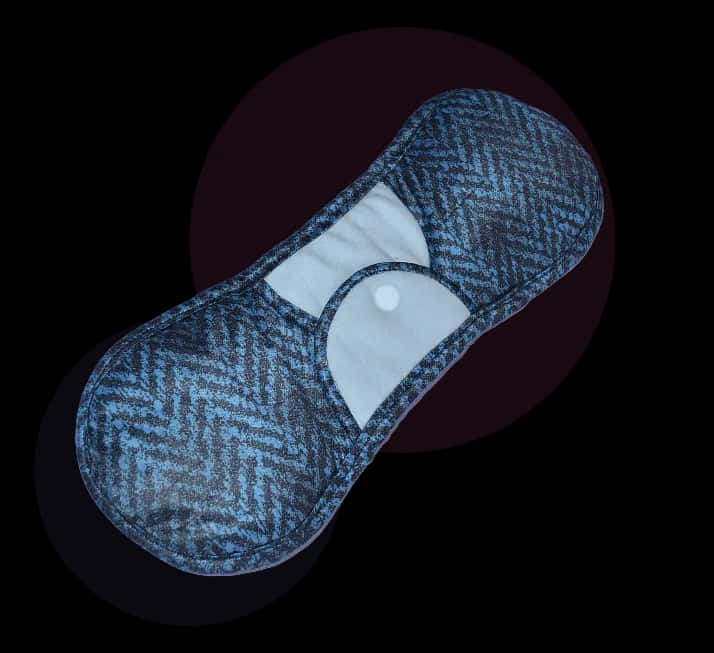
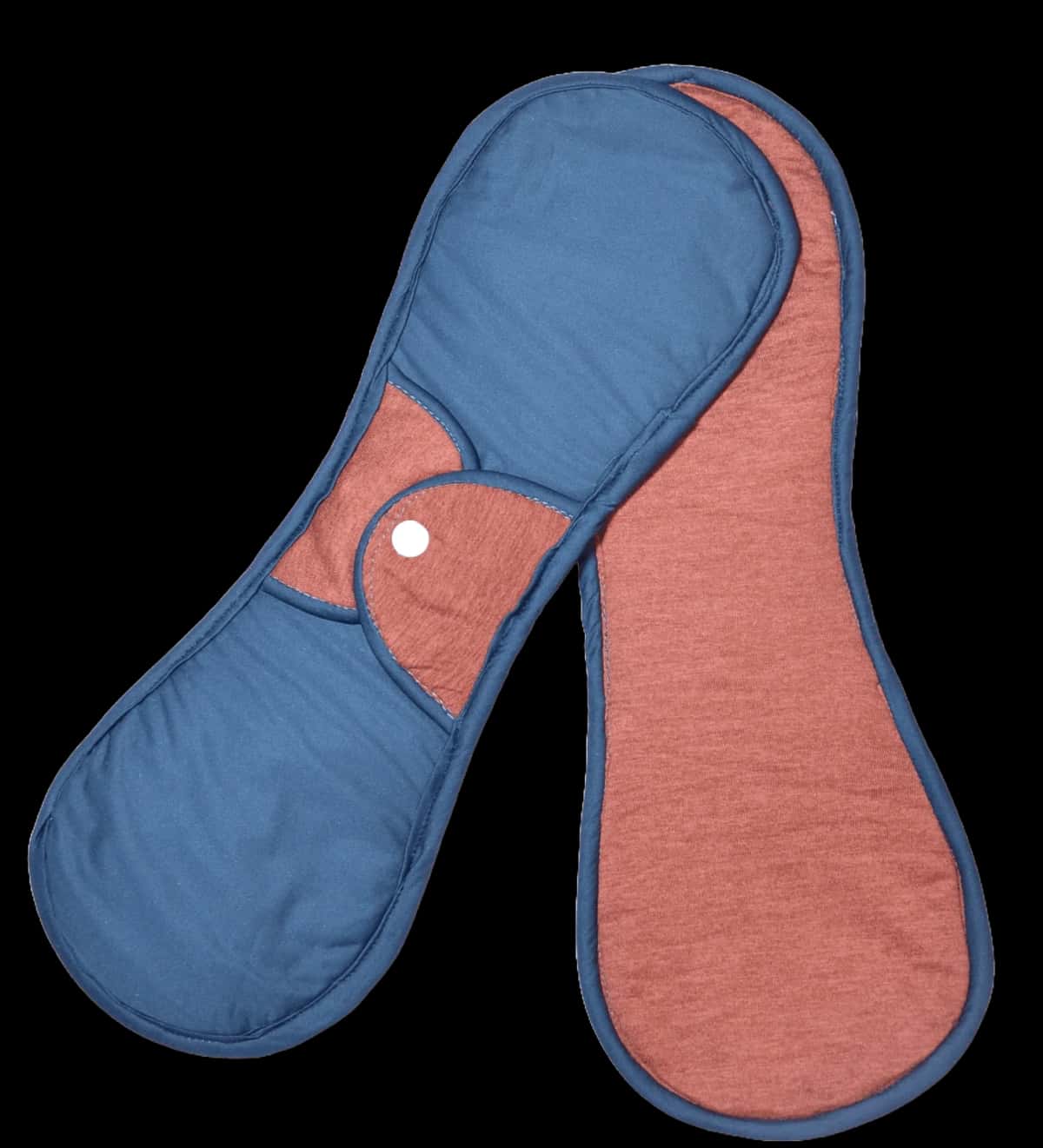
Sanitary pad wey you fit wash wey dem design for Nigerian condition na di best solution. Quality pad wey you fit wash fit last 8-12 hours, so you fit wear one for house with correct hygiene and remove am for house dat evening, and you no go need change for bad toilet at all. Di outside layer wey water no fit pass dey stop leak even when you wear am for long time, and e dey give you confidence for full school day or work shift.
For heavy flow days, choose thick pad wey get many layers wey dey soak. Sana Maxi Pads, wey get five layers wey dey soak, fit handle heavy flow for up to 10 hours, so one pad from morning until you reach house. For light days, pad wey get fewer layers dey work well and e dey dry quick when you wash am. Di main thing na to match di pad with your flow so you no go need change for hard condition.
How to Manage When Water No Dey
When facilities no get running water, you need another way to clean. Di wet cloth method dey work well: before you comot house, wet soft cloth with clean water, squeeze am, and seal am inside small nylon bag. When you need change your pad, use dis cloth clean yourself, then seal di used cloth inside another bag so you go wash am for house.
Hand sanitiser dey very important. Even though e no fit replace hand washing, sanitiser wey get 60%+ alcohol dey kill most bacteria when water no dey. Use am before you touch your period product and use am again after. Always keep small bottle inside your kit.
If you must spend many days without water, you fit reduce how much you dey drink small so you no go too go toilet, but never reach di point where water go finish for your body (dehydration), especially for Nigerian heat. Drink water for morning and evening when you dey house where facilities better, and dey drink small small during di day.
Some women for area wey water scarce dey keep small spray bottle of antiseptic wey dem mix with water for quick cleaning. Mix water with small Dettol or similar antiseptic, and spray am clean when you need am. Dis one no good for every day use, but e dey work for emergency.
Our pads wey you fit wash

Di Benefit of Period Management Wey No Depend on Facilities
When you learn how to manage your period no matter how di facilities be, e go give you freedom wey you fit never imagine. Dis no be just small convenience – dem be benefit wey dey change life.
Money Freedom and Less Stress
When you no need find facilities every few hours, you go save money for ways wey you no expect. Women wey dey use pad wey you fit wash wey dey last long dey reduce transport money because dem no dey rush go house or dey find better facilities during di day. Students no dey lose learning time or exam performance because dem dey worry where dem go change pad.
Di money calculation clear. Disposable pad wey need 4-6 changes every day for five-day period mean 20-30 pads every month at ₦50-100 each, wey total ₦1,000-3,000 every month or ₦12,000-36,000 every year. Quality pad wey you fit wash cost ₦2,000-4,500 for one set wey go last two years, and e go save 40-60% compared to disposable. For families wey dey manage period for many daughters, dis saving dey change di house budget.
Apart from money, stress dey reduce. Blessing from Kaduna no dey panic again say her period go come for school days. She know say for her morning routine, she go wear Maxi Pad wey go last until she reach house. Her concentration for class better. She dey come school more. Her mama notice di change, no be only for school result but for her daughter confidence.
Better Health and How to Prevent Infection
When you reduce how many times you need change for bad facilities, you dey reduce infection risk directly. Every time you touch period product without correct hand washing, you fit carry bacteria. If you change only morning and evening for house where you get water and privacy, you dey protect your reproductive health.
Pad wey you fit wash wey dem make from cotton wey air fit pass dey reduce di wetness and heat wey disposable pad wey get plastic for back dey hold for your skin. For Nigeria hot and humid weather, dis air matter well well. Skin doctors (dermatologists) for Lagos talk say dem dey see less pad rash and irritation for women wey dey use quality cotton pad wey you fit wash compared to disposable.
Di benefit for mind health important too. When you no dey worry again about where to find facilities, your stress hormones dey go down. Plenty women talk say their period no dey pain dem like before when dem no dey worry all di time about toilet. Even though part of dis na for mind, stress dey affect period symptoms, so to reduce di worry about facilities really dey make di body experience better.
Power for Education and Money
Girls wey fit manage their period anywhere no dey miss school. Di UNESCO 2024 report find say Nigerian girls dey miss average of 4-5 school days every month because period hygiene facilities no good. For one school year, na 48-60 days of education wey dem lose – e pass two months.
When Blessing stop to miss school during her period, her grades improve. She no miss di lessons wey go come out for exam. She dey join sports and other activities during her period. Now she dey prepare for WAEC with confidence, because she know say her period no go disturb her exam days.
For women wey dey work, di impact na for money. Market traders no fit afford to close their shop during period. Nurses, teachers, bank staff – dem no fit miss work days every month. Period management wey no depend on facilities mean steady income, job security and chance to grow for work. E dey turn period from monthly money wahala to normal part of life wey you fit manage.
Common Worry About How to Manage Without Facilities
If you dey worry about how to manage your period for place wey facilities no good, you no dey alone. Dis worry make sense and e deserve honest answer.
"Wetin If I Leak for Public?"
Dis na di number one fear, and e make sense well well. To leak for school, work or public dey shame person. Di key to stop leak without frequent change na to choose correct soak level for your flow and to wear pad wey dem design well.
Leak dey happen when pad don full pass wetin e fit hold or when you no put am well. Pad wey get five layers wey dey soak fit hold plenty pass thin disposable, so you fit wear am for longer time before e full. Di outside layer wey water no fit pass dey stop di blood wey e don soak from pass go your cloth.
How you put am matter well well. When you dey wear your pad for morning, make sure say e dey for centre and di wings snap tight round your pant. Wear pant wey fit you well wey go hold di pad close to your body – pant wey loose dey allow shifting wey dey create space where leak fit happen. Some women dey wear dark-colour tights or leggings under their skirt for heavy flow days for extra security and peace of mind.
If e dey worry you well well, try am for house when your period fall for weekend. Wear di pad for di same time wey you go wear am for school or work, and do your normal things. Check am every few hours to see how e dey hold. Dis one go build your confidence before you face real situation without facilities.
"E No Dirty to Wear One Pad Whole Day?"
Plenty women dey worry say to wear pad for 8-12 hours no clean, especially as disposable pad packet talk say make you change every 4-6 hours. Di truth no simple like dat, e depend on di pad type and your body.
Disposable pad dey create plastic wall wey dey hold wetness and heat, and dis one dey make place where bacteria dey multiply quick. Na why dem recommend make you dey change am often. Quality cotton pad wey you fit wash dey allow air pass, and di air wey dey move dey reduce bacteria growth. Cotton natural power to fight germs dey help too.
But hygiene need more than just correct pad. You must wear am with clean hand for clean place, na why to wear am for house for morning na di best. You must make sure say your body clean before you wear di pad. And you must remove am quick when you reach house, no leave am “for few more hours” because you dey tire.
For women wey get very heavy flow or wey dey easily get infection, e fit dey necessary to divide di day into two pad changes. If na so, find one facility wey better small – maybe friend house wey near, private office bathroom, or mosque/church toilet wey clean pass others – where you fit change for afternoon safely. Pack your hygiene kit and use hand sanitiser well well.
"Wetin I Go Do With Used Pad When Bin No Dey?"
Di wahala of where to throw things na real, especially for facilities wey no get bin or waste collection. Di solution simple pass wetin you fit think: carry di used product go house so you go throw am well.
After you remove used pad, fold am inside so di dirty side go dey covered, then put am inside dark-colour nylon bag. Seal di bag and put am for different side of your bag, away from clean things. When you reach house, throw disposable pad for your house dustbin, or rinse pad wey you fit wash and wash am well.
Some women dey shy to carry used period product, but remember: e dey inside bag wey you seal, inside your own bag. Nobody know wetin dey inside. You dey behave responsible and clean because you no leave period waste for facilities wey no get correct way to throw things.
For pad wey you fit wash specially, plenty Nigerian women don get routine: remove di used pad, fold am, put am inside small wet bag wey water no fit pass, and carry am go house. For house, rinse am for cold water immediately, then wash am well with soap and hot water if e dey, or just soap and scrub am well if hot water no dey. Dis system dey work well even for harmattan or rainy season when to dry am outside no too good.
Local Solution: How Sana Pads Dey Support Nigerian Women
For Sana Pads, to understand how e be to manage period without correct facilities no be theory. Na di foundation of everything wey we dey design and produce right here for Nigeria.
We build our sanitary pad wey you fit wash specially for Nigerian condition. We know say most women no fit change pad every 4 hours for clean facilities. We know say water no dey always. We know say privacy dey always small. Dis reality dey shape how we design our product.
Our Maxi Pads get five layers wey dey soak because Nigerian women tell us say dem need protection wey go last full school day or work shift. We test our outside layer wey water no fit pass for Lagos humidity and Kano heat to make sure say e no go fail you when you need am pass. We choose di soft cotton inside layer because air fit pass am for hot weather, and e dey reduce irritation when you wear am for long time.
Since 2019, we don support pass 10,000 women directly and we don share pass 30,000 pads across Nigeria. Plenty of dis women na students for schools wey no get enough WASH facilities, market women, and pipo for village where infrastructure wahala big pass. We don hear una stories, we don learn from wetin una pass through, and we dey always improve our product based on wetin really dey work for Nigerian condition.
Our mission pass to sell pad. We dey work to end period poverty and di school wahala wey e dey cause. When school for Kaduna order bulk pads for their students, we dey give hygiene education class about how to manage period for their own facility condition. When NGO for Port Harcourt share our pads, we dey add instruction on how to use dem for place wey water scarce.
We dey make am for here because Nigerian women understand Nigerian wahala pass any foreign company. Our team get women wey don manage period for di same hard condition wey you dey face. Dis no be product development for paper – na problem wey we don face ourselves wey we dey solve.
Take Action: Your Next Steps
You no need face another period with worry about facilities. Di ways and products wey dey work for thousands of Nigerian women fit work for you too.
For Your Own Use
Start by checking how your period dey usually run and di facilities wey you dey always meet. If you be student wey dey face school wey no get water, focus on pad wey dey last long and build complete hygiene kit. If you dey work for office wey toilet no plenty, your plan fit focus more on timing and preparation.
For light to moderate flow, our Premium Pads wey get three layers wey dey soak dey give 8-10 hours of protection, wey reach for school or work day. For heavy flow, Maxi Pads wey get five layers dey give 10-12 hours of security. If you just dey start with pad wey you fit wash, di Starter Kit get three Premium Pads plus pouch to keep dem, wey give you enough to dey change while you dey learn how to wash.
Calculate how much you dey spend now for disposable pad every month. Most Nigerian women dey spend ₦1,500-3,000 every month. One set of pad wey you fit wash cost about di same as 1-2 months of disposable but e go last two years, and e go save you 40-60% over time. Dat one na money for school fees, business capital or family needs.
Start with trial for house to build confidence. Use di pads when your period fall for weekend when you get facilities, so you go learn how long dem dey last for your own flow, how dem dey feel, and how to put dem well. Dis practice for house go prepare you to use dem for hard place.
For Schools, NGOs and Organisations
If you dey work with girls and women wey dey face facility wahala, to share correct period product in bulk dey change life. Schools for Kano, Abuja, Lagos and everywhere for Nigeria dey keep girls for class by giving dem pad wey you fit wash, wey dey work even when WASH facilities no good.
Schools, NGOs and other organisations fit order any quantity for di same fixed price per pack. We go work with you to know which pad type go fit wetin your pipo need – students fit need Maxi Pads for protection for full school day, while women wey get better facility during day fit prefer Premium Pads.
How you take implement am matter like di sharing itself. We dey give training material and we fit run hygiene education class wey go teach practical ways wey fit your own situation. Pad alone no go solve di problem – women need knowledge and confidence to use am well for where dem dey.
Partner organisations dey report impact wey dem fit measure: more girls dey come school, exam result dey improve, and girls talk say period no dey worry dem like before. Dis no be just numbers – na real lives wey change, future wey open, and dignity wey come back.
To manage your period without correct facilities na wahala wey millions of Nigerian women dey face every day. E no be small inconvenience – e be barrier to education, work and to join life fully. But na barrier wey you fit cross. With correct product wey dem design for Nigerian condition, practical preparation and ways wey don prove demself, you go keep your dignity and health anywhere. You no go miss school for exam days. You no go lose income during your period. You no go carry di stress and worry of how you go manage.
Di road forward start with one period, one pad, one day wey you try different way. Thousands of Nigerian women don discover say period management wey no depend on facilities no be only possible – e dey change life. Whether you dey prepare your daughter for secondary school, you dey run NGO programme, or you dey manage your own period for hard condition, solutions dey wey dey work right now, for Nigeria as e be, no be as we wish make e be.
You ready to try solution wey dem design specially for Nigerian condition? Check our page onperiod hygiene management to learn more about product and ways wey dey work when facilities no dey work.
Continue to read for Menstrual Hygiene Management
Questions wey pipo dey ask well well
Why I go choose Sana Pads instead of normal disposable pad?
Dem make Sana Pads with high-quality material wey you fit wash use again, so dem be option wey go last and wey good for environment instead of disposable sanitary product. Dem soft for your skin, dem dey soak well, and dem go save you money for long run. When you choose Sana Pads, you dey help reduce plastic waste and you go still enjoy comfort and pad wey you fit trust through your whole cycle.
How long I fit use Sana Pad before I go wash am?
Sana Pad dey give you comfort and protection for 4 to 8 hours, depending on your flow. To stay fresh, change am every 4 to 6 hours - more often for heavy days. After every use, rinse am for cold water and wash am with soap. If you care for am well, each pad go last 2 to 3 years.
Sana Pads safe for skin wey dey easily react?
Yes, dem make Sana Pads with soft material wey air fit pass and wey no dey cause allergy (hypoallergenic), so dem gentle for your skin. Dem no get di bad chemical and poison wey dey common for disposable pad, so dem be good choice for pipo wey get sensitive skin or allergy.
How I go clean and take care of my Sana Pads?
Rinse your pad for cold water immediately - hot water dey make blood stain stick. Then wash am with mild soap, with hand or for machine, and rinse until di water clear. Dry am finish for direct sun, because sun dey also kill germs. Abeg no use tumble dryer, bleach or fabric softener: dem dey spoil di layers wey dey soak. If you care for am like dis, Sana Pad go last 2 to 3 years.
Price dey change for bigger order?
No. Each product get fixed price per pack, no matter how many pack you order. You fit calculate your total with our price calculator. For big order, send us direct message and we go confirm di delivery cost with you before you pay.
Testimonials
See wetin our customers dey talk about our products.
Women for all over di world dey buy Sana

“Sana Pad good well-well, e dey make you comfortable and free. I love the pads, na the best ever!”

“I don try different brands of reusable pad, but Sana stand out for the quality, the comfort and how e dey last. Dem design am with sense, and the material dey gentle for my skin. As I change to Sana, e don reduce how I dey spoil environment and e don also save me money for long run. I dey grateful for dis solution wey go last!”

“For first, e dey irritate me to use washable sanitary pad. I decide to try am, and to my greatest surprise, e comfortable well-well and e easy to wash. You fit even do your daily things without fear say blood go stain you for public. I wan give Big shout out to SANA PADS!!”

“I dey really love Sana reusable pads! Dem dey make me relax and feel free for my period time. Plus, dem don reduce the cost and stress of buying disposable pads every month well-well. Kudos to Sana for making dis kind correct product – I go be fan forever!”

“To dey buy disposable pads every month dey add up well-well, so I talk say make I try Sana Pads. E surprise me how soft dem be, and dem dey work well for long days for university. To wash dem simple, and e don reach months wey I never buy new pad, so e don save me money. I also like say dem dey better for environment. E sweet me say I get option wey cheap and wey better for environment.”

“I don try different pad brands for years, but Sana pads really stand out. From the first time I use am, I see the difference — e soft for skin, e dey soak well-well, and e comfortable die. Even for my heaviest flow days, Sana pads dey hold well. Wetin I also love na how the material dey allow air pass and e good for skin. If you dey find pad wey get comfort, wey you fit trust, and wey get quality, I really recommend make you try Sana pads.”
Time to join hand
Contact Us
Margaret Ochegbudu
Business Manager