How to Manage Period Waste for Nigeria: Full Guide to Throw Am Away Safe Without Spoiling Environment
Where pipo don see us







 Margaret Ochegbudu don check am · Update 22 min to read
Menstrual waste management na how you take gather, handle and throw away period products wey you don use, safe. Disposable pads dey take 500 to 800 years before dem rot, and most communities for Nigeria no get separate collection for dem. If you burn am, e go bring poison smoke. To bury am dey safe only if e far from water. And pad wey you fit wash use again dey cut di waste from di root.
Wetin Be Menstrual Waste Management and Why E Matter?
Menstrual waste management mean how you take gather, handle, keep and throw away di things wey you use during period, like pads, tampons, cloth and menstrual cups. For Nigeria, where most women dey use disposable pads wey dey take 500-800 years before dem rot, and where WASH (Water, Sanitation, and Hygiene) facilities never reach well for many areas, correct period waste management dey protect your health, keep your dignity, and protect di environment.
Wetin You Need to Sabi:
- Nigerian women dey produce about 144,000 tonnes of period waste every year from disposable products alone.
- To flush pads for toilet dey cause 60-70% of toilet blockage for Nigerian schools and public places.
- To burn period waste dey release poison dioxins and furans wey dey cause breathing problem and pollute di environment.
- Reusable pads dey reduce period waste by 95% compared to disposables, so di wahala of throwing away go reduce well well.
- Safe ways to throw away no cost anything, na only correct knowledge and basic sanitation facilities you need.
- Lagos State alone dey spend millions of Naira every year to unblock sewage systems wey flushed period products block.
- If you change to pads wey you fit wash, you no go worry about throwing away again, and wetin you dey spend on period products go reduce by 70-85%.
When you understand correct period waste management, di thing wey dey give you stress every month go turn routine wey you fit handle, wey dey protect you, your community and Nigeria environment. Make we look exactly how to handle dis important part of menstrual hygiene.
Fatima siddon for her secondary school class for Kaduna, she no dey comfortable for her seat. No be her period worry her dis time. Na di used disposable pad wey she wrap inside black nylon for her school bag. Di only toilet block for di school get waste bin wey don full pass, and she no fit bear to add her own for di heap wey everybody dey see. So she carry am go house, day after day, she dey shame and she no sabi wetin to do. Her mama dey burn their period waste for back of di house, and di smoke make neighbours complain. Her friend Blessing dey bury her own for backyard, while another classmate, Zainab, dey flush pads for toilet even though dem warn am, and dis one join block di gutters wey dey flood for rainy season. Like millions of Nigerian women, Fatima face problem wey pipo no dey talk about but everybody dey experience: how you go take throw period waste away safe when di facilities fail you, and nobody ever teach you di correct way?
How Period Waste Be for Nigeria
Every month, about 40 million Nigerian women and girls dey see their period. If even half of dem dey use disposable pads, and each person dey use average of 20 pads every cycle, na 400 million pads wey need to be thrown away every single month. But Nigeria waste management system no dey designed for dis kind volume of sanitary waste, and because of cultural taboo, nobody dey see period waste, nobody dey plan for am, and pipo no dey handle am well for houses, schools, hospitals and public places.
Di Types of Period Waste Wey We Dey Produce
Period waste for Nigeria get three main types. Disposable products, like pads wey factory make, tampons and pantyliners, na di biggest part. These products get plastic, super-absorbent polymers, gum and synthetic fibres wey no dey rot by themselves. One single disposable pad get plastic wey reach like four shopping bags. When you consider say one woman fit use 10,000-15,000 disposable pads for her life, di damage to environment big well well.
Reusable products dey bring different kind waste. Cloth pads wey you fit wash, menstrual cups and di old cloth method dey produce dirty water when you dey wash dem, no be solid waste. Dis water get blood, vaginal discharge and cleaning things like soap. Even though dem better for environment pass disposables, you still need to handle di wash water well make e no spoil water sources, especially for areas wey no get correct drainage.
Secondary waste include packaging, applicators and di things wey women dey use wrap used products before dem throw am away. For Nigeria, dis one usually mean black nylon bag, old newspaper or waste paper. These wrapping things dey add to di waste, and dem dey scatter for gutters, markets and roadside when waste collection fail.
How Pipo Dey Throw Am Away Now Across Nigeria
Research show say Nigerian women dey use different ways to throw away, and most of dem dey cause problem. Flushing still dey common, even with all di warnings. For one 2024 study of secondary schools for Abuja, Kano and Port Harcourt, 45% of girls agree say dem don flush pads when bin no dey or bin don full. Dis one dey block pipes, spoil septic systems, and add to di sewage overflow wahala wey dey disturb Nigerian cities for rainy season.
Burning be like di traditional and easy way, especially for areas wey no get regular waste collection. Women for village and informal settlements for town dey burn period waste with other house rubbish. But to burn sanitary pads dey release bad chemicals. Di plastic inside disposable pads dey produce dioxins when you burn am. These na poison compounds wey dem link to cancer, reproductive problems, and damage to immune system. Di smoke dey affect di woman wey dey burn am, her family and neighbours, and e be health danger wey nobody dey see.
To throw am anyhow for pit latrine, gutter or bush still dey common where other option no dey. Pads wey dem wrap dey end up for general house waste, wey for many Nigerian communities mean say dem go throw am for bush wey near, drainage channel or informal dump site. When flood come, dis waste go wash enter street and water ways. Di plastic go later break into microplastics wey dey spoil soil and water, enter wetin we dey chop, and affect everybody.
Why Di Facilities Dey Fail Period Waste Management
Nigeria WASH facilities no dey designed with period waste for mind. Most public toilets, including di ones for schools, markets and motor parks, no get correct sanitary bins. Where bins dey, dem no dey empty dem regularly, so dem go full pass and dey smell, and women no go wan add to am. Many schools for northern Nigeria still no get enough toilets at all, so girls must manage their period without even small privacy.
Waste collection for Nigerian cities no dey separate sanitary waste from general rubbish. Unlike hospital waste wey get special rules for how to handle am, period waste dey enter di general waste. Without correct collection and disposal systems, even women wey wan throw away di right way no get many options. Di result na different patch-patch solutions wey dey fail di women wey dey use dem and di communities around dem.
Safe Ways to Throw Away Different Period Products
Correct period waste management start when you understand di right way to throw away di product wey you dey use, and you adjust am to how facilities really be for Nigeria. Di aim na to protect your health and dignity and reduce damage to environment, even when di facilities no dey perfect.
How to Throw Away Disposable Pads Safe
If you dey use disposable pads, no ever flush dem, no matter how easy e be. Instead, wrap di used pad inside di wrapper of your new pad, old newspaper or small paper. Dis one dey hold di smell and make am one quiet package. If you dey house, put di wrapped pad inside one special bin wey get plastic bag inside. Dis bin suppose get cover to control smell and make nobody touch am. Empty dis bin inside your house waste collection at least every two to three days, and more often for hot weather when bacteria dey multiply quick.
For public places or for school, look for sanitary bins wey dem keep for dis purpose. Dem dey usually get label and bag inside. If no sanitary bin dey, carry small bag wey pipo no fit see inside for your school bag or handbag, to keep am small time until you reach correct place to throw am for house. Many Nigerian women don start dis practice because dem no get choice. Even though to carry used pads no too good, e safe and clean pass flushing or throwing am anyhow.
For village or communities wey no get regular waste collection, dig one special pit far from water sources. Dis pit suppose dey at least 30 metres from any well, borehole or stream, so e no go spoil di water. When di pit full, cover am with sand and dig new one. Even though e no perfect, dis way better far pass throwing anyhow or burning. Di main thing na to make sure say di pit deep reach (at least 1.5 metres) so animals no go dig di waste comot, and e far reach from water sources so e no go spoil di water wey dey under ground.
How to Manage Reusable Pad Waste Well
Reusable pads like Sana Pads dey remove di wahala of solid waste completely, but you must handle di wash water correct. After you rinse your used pad for cold water to remove di blood, pour dis rinse water inside toilet or special soak-away pit, no ever pour am direct for garden soil where you dey plant food or inside open gutter. Blood fit carry germs, so e make sense to treat rinse water like you go treat other body fluids.
When you dey wash pads with soap, di soap water fit go normal drain or soak-away. Di soap dey help break down di body matter, and di water small, like when you wash pant. For areas wey no get tap water, gather di wash water inside container and pour am for pit latrine or special waste pit. Di damage to environment small well well compared to disposable products, and no solid waste dey wey you need throw away.
Before you wash, keep di dirty pads inside wet bag or special container wey get cover. Dis one dey stop smell and keep used pads hidden. Change di wash water regularly if you dey soak many pads, and dry di washed pads for direct sun when you fit. Sun dey kill germs naturally and dey bleach cloth, e dey kill bacteria and remove stain. Dis whole process no dey produce any dump waste, and na only water and ordinary soap e need, things wey most Nigerian houses don already dey use for normal laundry.
When Emergency Happen or You Dey Travel
When you dey travel or you dey situation where you no fit throw away di correct way, to prepare dey make di difference. Pack one small bag wey water no fit pass, only for used pads. Ziplock bags dey work well and dey hold smell. Many Nigerian women wey dey travel often dey keep special pouch for throwing away inside their bag. Dis one go make you fit keep clean, no matter di facilities wey dey for motor parks, filling stations or villages wey you fit visit.
For emergency, like flood or when waste collection stop, reduce waste by using di pad small longer if e safe (no ever pass wetin di manufacturer recommend for disposables, and no ever pass when di pad don soak full). For disposable pads, make temporary container wey close well, like plastic bucket wey get tight cover. Mix small disinfectant or ash inside dis container to control smell and bacteria until normal disposal start again. For reusable pads, you fit wash with hand and dry for sun even when water scarce, and use small water to rinse.
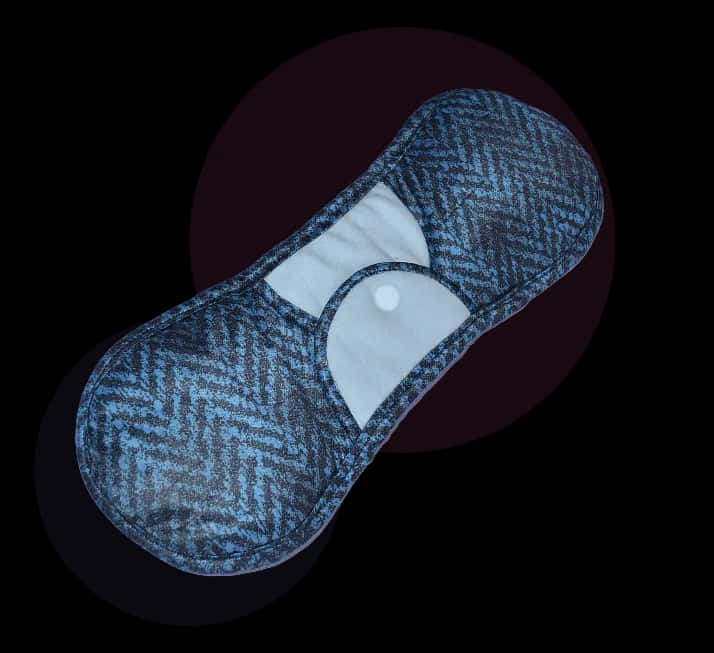
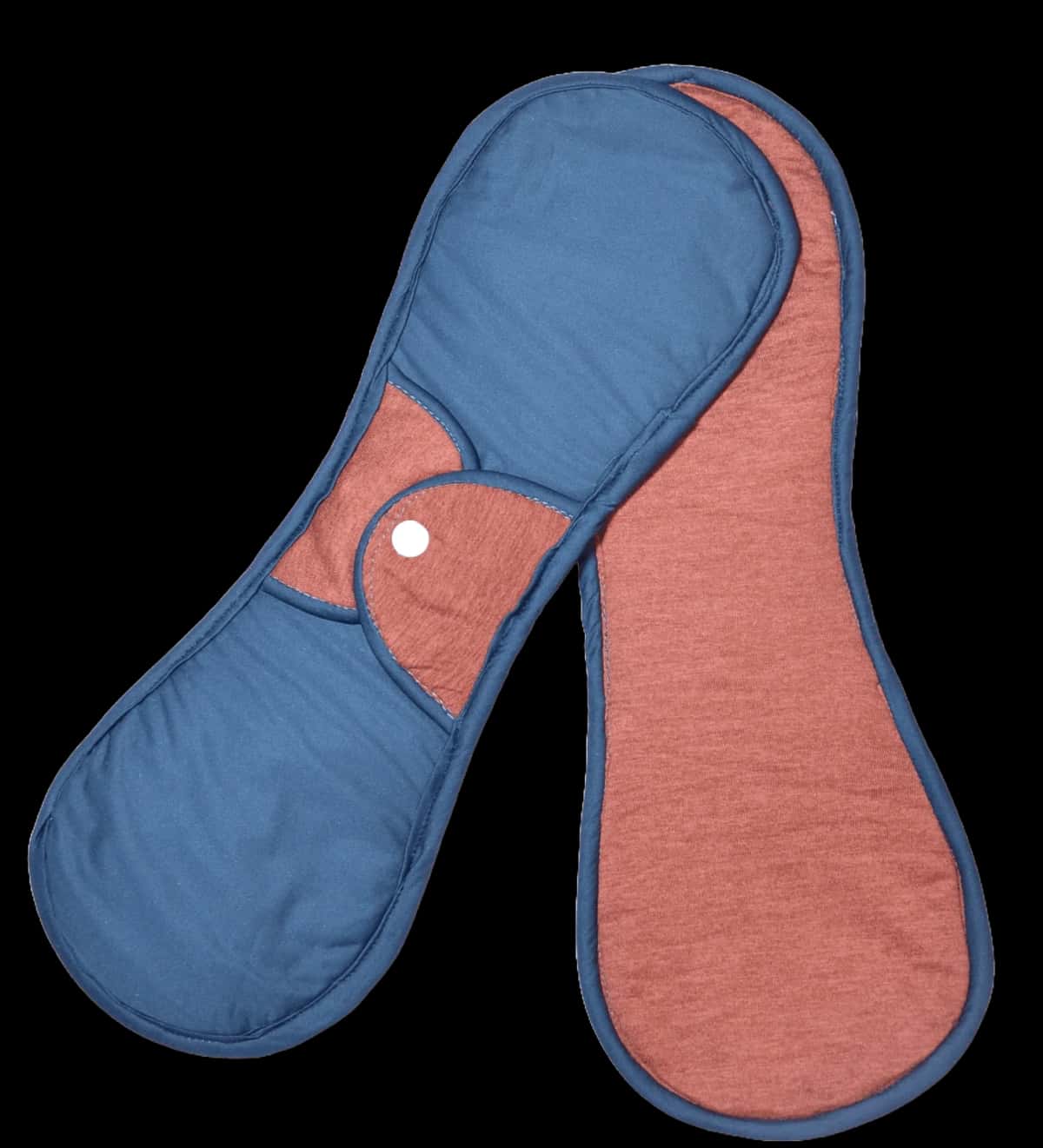
Our pads wey you fit wash

Di Benefits of Better Period Waste Management
When you start to manage period waste well, di benefit pass just to throw away used pads. These advantages dey affect your money, your health, how your community dey, and Nigeria environment, for ways wey you fit measure.
Money Wey You Go Save and Di Effect for Economy
If you change from disposable pads to pads wey you fit wash use again like Sana Pads, you no go dey spend money every month to buy disposables again, and di cost of throwing away go comot too. Woman wey dey use disposable pads dey spend about ₦500-₦1,500 every month, wey reach ₦6,000-₦18,000 every year. For di 35 years wey woman dey see period for her life, e go reach ₦210,000-₦630,000. Reusable pads wey cost about ₦15,000-₦25,000 for complete set wey fit last 2-3 years mean say you go save 70-85% over time.
Communities sef dey gain for money side. Schools wey change their students to reusable pads dey reduce di load on waste systems wey no strong reach, and dem no go spend money to unblock toilets and manage bins wey don full pass. Lagos State Water Corporation talk for 2025 say blocked sewage systems dey cost di state pass ₦45 million every year for emergency repairs, and sanitary products wey pipo flush dey cause plenty of these blockages. When each person manage period waste well, these community costs go reduce.
For families wey dey live for informal settlements for Nigeria, where waste collection no dey reliable or e dey cost money, to reduce period waste mean say di wahala of throwing away go reduce. Women wey change to reusable pads talk say dem feel relief because dem no need to find way to burn, bury, or hide carry used disposables comot from their house again. Dis relief for mind and for daily life, even though e hard to count am for money, na real value.
Benefit for Health and Cleanliness
Correct period waste management dey protect health for many ways. When you throw away period products correct, you reduce di risk of infection wey dey come from touching dirty waste. Used period products fit carry bacteria, viruses and fungi. If you leave dem open or you no keep dem well, disease fit spread, especially for houses where children fit mistakenly touch di waste.
If you stop to burn, you dey protect your breathing. Women wey dey burn sanitary waste regularly, especially for closed compounds wey plenty for Nigerian cities, dey breathe in poison smoke. Studies link smoke from burning plastic with more breathing infections, asthma and long-term lung damage. Children wey dey play near there dey face di same risk. When families change to ways wey no involve burning, dem dey protect everybody lungs.
When you handle reusable pad wash water well, e dey stop water sources from getting dirty. When you pour rinse water correct, far from wells and boreholes, you dey protect your house and community from diseases wey dey come through water. Dis one matter well well for areas where pipo depend on shallow wells or surface water. Just to pour wash water inside correct drain or pit instead of near water source fit prevent cholera, typhoid and other serious sickness.
Benefit for Environment and Community
Nigeria environment dey carry heavy load from period waste wey pipo no throw away well. Coastal cities like Lagos and Port Harcourt dey see period products wey water wash come beach, and dem dey block drainage. Cities wey no dey near sea get gutters wey plastic block, including sanitary pads. When women start to use reusable products and throw away di correct way, di total effect big. If just 10% of Nigerian women change to reusable pads, e go remove about 14,000 tonnes of period waste every year.
To reduce period waste for schools dey make di place clean and give girls more dignity. Schools wey dey manage period waste well, like to provide enough bins and teach how to throw away, talk say attendance during period don improve. Girls dey feel more comfortable to manage their period for school when dem know say quiet and clean way to throw away dey. Dis effect for education dey spread go communities as these girls grow become women wey go teach their own daughters di correct way.
How community look and public health dey improve when period waste comot from open places. Markets, motor parks and public places go clean pass before. Drainage go work better, so di risk of flood for rainy season go reduce. Di plastic wey for stay for environment for hundreds of years go comot from dat cycle completely when women choose reusable options. These benefits for environment dey add up over time, and dem dey make communities clean and healthy for everybody.
Common Worries About Period Waste Management
Many Nigerian women get correct questions and worries about changing how dem dey manage period waste. These worries deserve honest and practical answers wey accept say di challenges real, and still give solutions wey fit work.
"To Wash Reusable Pads No Clean and E Dey Disgust"
Dis worry dey come from how culture teach us to see period blood as something wey dirty or dangerous pass other things. True true, period blood na just blood wey mix with vaginal fluid and di lining of di womb. Na normal body fluid, e no dirty pass di sweat wey you dey wash from cloth after exercise or di urine wey you dey clean from baby nappy. Di difference na cultural taboo, no be real hygiene risk.
To wash reusable pads well dey completely clean. First you rinse am for cold water, wey dey remove most of di blood before e set. Then you wash with soap and water, exactly as you dey wash pant wey fit get discharge or small spotting. Soap dey kill bacteria, and to dry am for sun dey kill germs naturally through UV rays. Many Nigerian women wey first feel disgust about di idea find say di real thing no bad reach how dem think. Di process go become routine, like any other laundry work.
For women wey still no comfortable to touch blood direct, you fit wear disposable gloves when you dey rinse, use special stick or spoon to stir di pads inside soaking bucket, or just rinse am under running water without your hand touching am direct. Di main thing na to understand say when you wash well, reusable pads dey clean like any fresh disposable pad, many times pass am, because na you dey control exactly how dem dey wash am, instead of to trust factory standards wey you no dey see.
"I No Get Enough Water or Privacy to Wash Pads"
Water scarcity na real wahala across Nigeria, so any solution wey need extra water fit look like e no go work. But to wash reusable pads dey use small water pass wetin most women expect. One pad need about half litre to one litre of water to rinse and wash, like when you wash one or two pant. For full period, you fit use 5-8 litres total, like two bucket bath. You fit manage dis one even for area wey water scarce, especially compared to di water wey you dey use for normal house laundry.
Privacy worry matter, especially for big family houses or compounds where pipo dey share laundry place. Nigerian women don find sharp solutions. Some dey wash pads during their normal evening bath, and dem dey use di bath water for di first rinse. Others dey keep one small bucket wey get cover to soak pads, then dem go wash dem with normal pant, where other pipo for house no go fit differentiate dem from other private things. For shared compounds, to wash pads for private bathroom or for night when pipo no too dey around dey protect privacy.
For women wey water scarce for dem well well, like dry season for northern Nigeria, to join different ways together dey help. Use small water to rinse, maybe water wey you don use wash hand or vegetables. Gather dis rinse water and use am flush toilet or water plants wey you no dey chop, so every drop go work. Di total water wey you use still small far pass di water wey dem use make di disposable pads wey you for use, even though you no dey see dat hidden water cost.
"Wetin I Go Do When School or Work No Get Facilities?"
Dis practical worry dey affect millions of Nigerian women wey dey spend hours outside house for places wey no support menstrual hygiene. Lack of correct facilities na real failure, but women don find solutions wey dey work while dem dey push for big change.
For reusable pads, carry small wet bag or pouch wey water no fit pass. When you change your pad for school or work, fold di used pad and put am inside dis bag. Di material wey water no fit pass dey hold di wet and di smell. When you reach house, comot di pad and wash am normal. Many Nigerian secondary school girls wey dey use Sana Pads talk say dis system dey work well. Di wet bag dey fit inside school bag quietly, and classmates no go know wetin dey inside.
For disposable pads when you must use dem, di wrap-and-carry way dey work di same way. Wrap di used pad well inside di wrapper or paper, put am inside small bag wey pipo no fit see through, and throw am away correct when you reach house or find correct facility. Even though e no perfect, e better far pass to flush or leave pads inside bad bins where dem go cause hygiene wahala for everybody.
To speak up matter together with personal solutions. Girls for school fit ask for correct sanitary bins through student councils or Parent-Teacher Associations. Women for workplace fit approach management or human resources about basic menstrual hygiene facilities. Lagos State make am law say public buildings must get correct menstrual hygiene facilities for 2025, and part of why dis policy happen na because women speak up for wetin dem need. Your voice, together with practical solutions for now, dey bring relief now and change for long time.
Why Sana Pads Na Di Best Period Waste Solution for Nigeria
Sana Pads dey face di period waste wahala wey Nigerian women dey get direct, by removing di throwing-away problem from di root. Our reusable pads no dey produce any solid waste, and we design dem specially for Nigeria weather, water situation and culture. Unlike disposable pads wey dey bring waste wey you must manage every month for many years, Sana Pads dey turn period waste from problem wey no dey end to something wey no be issue at all.
We don support pass 10,000 women direct and share more than 30,000 pads across Nigeria, and dis one don reduce period waste well well for communities from Lagos reach Sokoto. Each woman wey dey use Sana Pads dey remove about 200-300 disposable pads every year from Nigeria waste. Dat one na 2-3 million pads wey no enter gutters, dump sites and water ways, thanks to di pipo wey dey use our pads. Di benefit for environment dey grow with every woman wey change.
As Nigerian manufacturer, we understand di real wahala wey you dey face. We know say water fit scarce, privacy fit small, and facilities no dey enough. Na why we design Sana Pads to wash quick with small water, to dry quietly even for shared places, and to strong well to take hand washing for different kind water. We don test our pads for harmattan dust, rainy season humidity and di everyday life for Nigeria, to make sure say dem dey work where you really dey live, no be only for perfect conditions.
Our mission pass just to sell pads. We dey work to end period poverty, and dat one include to end di poverty of bad waste management facilities. When you choose reusable pads, you dey join one bigger movement for menstrual equity and to protect environment. You dey reduce your waste, save money, and show your daughters say to manage period fit get dignity, e fit dey affordable, and e fit protect environment.
How to Start Better Period Waste Management
To improve how you dey manage period waste start with small, practical steps wey fit your situation now. You no need perfect condition or complete facilities to make good changes wey go help your health, your money and di environment.
For Women and Girls
Start by checking honestly how you dey throw away now. If you dey flush pads, dey burn dem for way wey no safe, or dey struggle with bad facilities, you already know say change go help. Di easiest and best change na to start to use reusable pads, wey dey remove di throwing-away wahala completely. Sana Pads Starter Kit, wey get three Premium Pads plus one storage pouch, get everything wey you need to start. Premium Pads, with one layer wey no dey leak and three layers wey dey absorb, dey good for normal flow days for most women.
For heavy flow days or for night, try Maxi Pads, wey get one layer wey no dey leak and five layers wey dey absorb. These ones dey give security for heavy flow and still no get waste. If your flow light or you want pads for spotting and discharge, No Wahala Pads with one layer wey no dey leak and one layer wey dey absorb dey work well well. When you get different absorbency together, you fit match pad to your flow, use am longer and reduce how often you dey wash.
Set up simple washing routine wey fit your time and di water wey you get. Keep one container to soak used pads, put am for private place, and wash pads every day or two. Use normal laundry soap, rinse well, and dry for sun when you fit. Di routine go become normal after one or two cycles, e no go need more thinking pass to wash your normal pant.
For Schools, NGOs and Community Organisations
Organisations wey dey work with girls and women fit change how period waste dey managed for big scale, if dem give pads wey you fit wash use again together with teaching. Schools wey give their students Sana Pads talk say toilet blockage, waste bin wahala and absence during period don reduce well well. When you remove di wahala of throwing away and reduce di money wahala, girls go stay for school.
Schools, NGOs and other organisations fit order any quantity for di same fixed price per pack. E dey work best when you share pads together with teaching about how to wash, how to dry, and general menstrual hygiene. We fit guide una on how to plan di programme, based on our experience with schools and NGOs across Nigeria.
Contact us make we talk about partnership wey go fit wetin your community need. Whether you be school administrator wey wan support students, NGO wey dey fight period poverty, or health worker for area wey no get enough services, we fit design solution wey go improve period waste management and push dignity and education forward. Di money wey you put go bring benefit for years, because girls go use di same pads through their secondary school years, no waste, and no need to dey buy product every time.
To Round Am Up
Period waste management matter pass wetin most pipo think. To throw away correct dey protect your health because e reduce infection risk and remove poison smoke from burning. E dey protect Nigeria environment because e dey keep tonnes of plastic waste away from gutters, water ways and dump sites. E dey save plenty money and dey make schools, workplaces and communities clean, where women fit manage their period with dignity.
Di best solution na one wey work well and easy to use. Reusable pads like Sana Pads dey remove di throwing-away wahala completely, and dem dey also face di bigger problems of period poverty and environment pollution. You deserve period products wey dey work with your life, no be against am, wey dey solve problem instead of to cause am.
Every woman wey change to better period waste management dey help make Nigeria clean and healthy. Your choice dey spread go reach daughters, sisters, friends and communities. Start today with small steps: stop to flush pads, set up correct way to throw away for house, or change to reusable pads wey no dey bring waste at all. Visit our website to see Sana Pads options or contact us about partnerships wey go bring better period waste management to your community. Together, we dey build Nigeria where to manage period get dignity, e dey sustainable, and every woman fit get am. For more information on how to take care of yourself during period, check our complete guide on menstrual hygiene management.
Continue to read for Menstrual Hygiene Management
Questions wey pipo dey ask well well
Why I go choose Sana Pads instead of normal disposable pads?
Dem make Sana Pads from good quality materials wey you fit use again, so dem be alternative to disposable sanitary products wey no dey spoil environment. Dem soft for your skin, dem dey absorb well well, and dem go save you money for long run. When you choose Sana Pads, you dey help reduce plastic waste, and you go dey comfortable and fit trust your pad through your whole cycle.
How long I fit use one Sana Pad before I need wash am?
One Sana Pad dey give you comfort and protection for 4 to 8 hours, depending on your flow. To stay fresh, change am every 4 to 6 hours - more often for heavy days. After each use, rinse am for cold water and wash am with soap. If you take care of am well, each pad go last 2 to 3 years.
Sana Pads safe for skin wey sensitive?
Yes, dem make Sana Pads from soft materials wey dey breathe and no dey cause allergy, so dem gentle for your skin. Dem no get di bad chemicals and toxins wey disposable pads dey usually get, so dem be good choice for pipo wey get sensitive skin or allergies.
How I go take clean and care for my Sana Pads?
Rinse your pad for cold water immediately - hot water dey make blood stain stay. Then wash am with mild soap, with hand or for machine, and rinse until di water clear. Dry am finish for direct sun, wey dey also kill germs. Abeg no use tumble dryer, bleach or fabric softener: dem dey spoil di layers wey dey absorb. If you take care of am like dis, one Sana Pad go last 2 to 3 years.
Di price dey change if I order plenty?
No. Each product get fixed price per pack, no matter how many packs you order. You fit calculate your total with our price calculator. For big orders, send us direct message and we go confirm di delivery cost with you before you pay.
Testimonials
See wetin our customers dey talk about our products.
Women for all over di world dey buy Sana

“I don try different brands of reusable pad, but Sana stand out for the quality, the comfort and how e dey last. Dem design am with sense, and the material dey gentle for my skin. As I change to Sana, e don reduce how I dey spoil environment and e don also save me money for long run. I dey grateful for dis solution wey go last!”

“For first, e dey irritate me to use washable sanitary pad. I decide to try am, and to my greatest surprise, e comfortable well-well and e easy to wash. You fit even do your daily things without fear say blood go stain you for public. I wan give Big shout out to SANA PADS!!”

“I dey really love Sana reusable pads! Dem dey make me relax and feel free for my period time. Plus, dem don reduce the cost and stress of buying disposable pads every month well-well. Kudos to Sana for making dis kind correct product – I go be fan forever!”

“Sana Pad good well-well, e dey make you comfortable and free. I love the pads, na the best ever!”

“To dey buy disposable pads every month dey add up well-well, so I talk say make I try Sana Pads. E surprise me how soft dem be, and dem dey work well for long days for university. To wash dem simple, and e don reach months wey I never buy new pad, so e don save me money. I also like say dem dey better for environment. E sweet me say I get option wey cheap and wey better for environment.”

“I don try different pad brands for years, but Sana pads really stand out. From the first time I use am, I see the difference — e soft for skin, e dey soak well-well, and e comfortable die. Even for my heaviest flow days, Sana pads dey hold well. Wetin I also love na how the material dey allow air pass and e good for skin. If you dey find pad wey get comfort, wey you fit trust, and wey get quality, I really recommend make you try Sana pads.”
Time to join hand
Contact Us
Margaret Ochegbudu
Business Manager