Period Hygiene Management for Women wey Get Disability for Nigeria
Where pipo don see us







 Margaret Ochegbudu don check am · Update 24 min to read
Women wey get disability for Nigeria dey face special wahala: toilet wey wheelchair no fit reach, products wey need fine control for hand and finger, and pipo wey dey care for dem wey nobody ever teach how to help. Practical solutions na pads wey get simple snap to close am, washing place wey dem fit reach, and to train di pipo wey dey care for dem for way wey go protect di woman privacy.
Why To Wash Well Matter for Your Health and Your Pocket
Period hygiene management for women wey get disability need approach wey fit dem, wey respect both wetin dia body need and dia dignity. Dis guide dey give practical solutions for Nigeria, wey dey work for real homes, schools and communities across our country.
Main tins to remember:
- Women wey get disability for Nigeria dey face special MHM wahala, like toilet wey dem no fit reach and products wey need fine control for hand.
- Pads wey you fit wash use again fit cost 60-75% less than disposable every year, and dem dey easier to handle for different kinds of disability.
- Techniques like longer wings, Velcro to close am, and to change as you siddon dey give women back dia independence during period.
- WASH facilities wey get grab bars, wider doors and place to siddon change na wetin law require, but dem no dey often do am.
- Pipo wey dey care for dem need training wey respect dignity, wey put privacy, choice and di woman own control of her period care first.
- Nigerian organisations report say correct MHM support dey increase school attendance by 40% among girls wey get disability.
- Simple changes wey cost under ₦5,000 fit turn bathroom for house into place wey easy to use for period care.
Make we look how women wey get disability, dia families and di pipo wey dey support dem fit build period hygiene system wey work well, wey get dignity, and wey fit Nigerian reality.
Chioma siddon for her wheelchair outside her family compound for Enugu, dey watch her younger sisters as dem dey prepare for school. At 22, she don stop to go university since three years ago – no be because of her mobility challenge, but because to manage her period no possible again for di campus toilets wey she no fit reach. Her mama still dey buy disposable pads for her from market, but to change dem need help, and say she no get privacy dey make her feel like burden. Chioma story be like di story of thousands of Nigerian women wey get disability wey dey face double wahala: di shame wey already dey around period, plus places and products wey nobody design for dia needs. But period hygiene management no suppose leave anybody out. With di correct tools, information and support, every woman fit manage her period with dignity and independence.
Where Disability and Period Health Meet for Nigeria
Women wey get disability na about 7% of all di women for Nigeria – pass 7 million women and girls wey dey see period. But national period health programmes no dey often look into wetin dem specially need. Di result na hidden crisis: women wey get sense and wey fit do well dey comot from school, work and social life, just because to manage dia period don too hard or e dey shame dem.
Di Wahala to Reach Di Place
Most toilets for Nigeria, nobody build dem with wheelchair users, women wey no fit see well, or women wey no fit waka well for mind. Di normal family compound toilet na small space with narrow door, no grab bars, and many times na squat toilet, no be seat toilet. School toilets even worse. For one 2024 survey of 200 secondary schools for Lagos, only 12% get toilet wey wide reach for wheelchair, and none of dem get bench to change or dustbin wey hand fit reach.
For women wey get mobility disability, dis one mean say to manage period come be big operation wey need help, planning before time, or to avoid public places completely during period. Woman wey dey use crutches no fit balance easy as she dey change pad. Wheelchair user no fit move safe enter space wey dem design for pipo wey dey stand. Dis no be small inconvenience – na barriers wey dey block freedom and how dem take part for everyday life.
Di weather dey add to di wahala. Nigeria heat mean say you need to change more often to prevent rash and infection, but to go toilet many times every day dey tire person when e mean say you go climb stairs, pass narrow corridor, or face family members wey see help as burden.
Products Wey Dem No Design for Everybody
Normal disposable pads dey assume say you fit do some things with your body: fine control for finger to peel di gum strip, strength for hand to press am well for pant, body wey bend to reach between your legs as you dey stand or squat, and eye wey fit see to put am for correct place. Women wey get cerebral palsy, arthritis, eye problem, or hand wey no too work well dey often struggle with dis things wey look simple.
Di thin, slippery material of disposable pad dey shift easy, and e dey make am leak for women wey no fit adjust am during di day. Di gum no dey hold well again for Nigeria humidity. Di narrow shape no dey cover well for women wey siddon most of di day. But dis products still dey control di market because manufacturers dey design for “average” woman – dem dey ignore millions wey no fit dat pattern.
Pads wey you fit wash use again get different advantages. Di cloth dey give feeling wey dey help women wey no fit see well confirm say e dey correct place. Di thicker material dey stay for place better for pipo wey dey siddon. You fit change di wings to get fastening wey easier. Because you fit wash am use again, you no go need to go market often, and some markets dey hard to reach. But normal reusable pads still need some changes to really serve women wey get different disabilities.
Di Gap for Information and Support
Plenty Nigerian families no dey talk about period open, and disability dey add another layer of silence. Mamas fit no sabi how to explain period to daughters wey get intellectual disability. Pipo wey dey care for dem fit take over everything instead to teach techniques wey go keep di girl independence. Health workers no dey get much training on period care wey include pipo wey get disability.
Dis information gap mean say women wey get disability often miss important knowledge about dia body, how to keep clean, and di solutions wey dey. One 2025 study for Kano find say 63% of mamas of girls wey get disability never get any guidance on how to teach period hygiene, and 41% believe say dia daughters “no go understand” how to manage period – thinking wey deny say dem get power and dem fit do am.
Practical MHM Solutions for Different Kinds of Disability
To build period hygiene management wey everybody fit use start with understanding say “disability” cover many different experiences and needs. Solutions must fit each person, but some changes dey work for many situations.
Changes for Women wey Get Mobility Disability
Women wey dey use wheelchair, crutches, or wey no fit move well dey benefit from systems wey reduce how many times dem go move from one seat to another and awkward position. To change as you siddon dey work well: siddon for toilet or strong chair, with your pant and pad already near you, remove di used pad as you siddon, use wet cloth wey you don prepare to clean (e easier pass toilet paper when e hard to reach), then put di fresh pad for di pant before you pull am up.
Longer wings dey help well well. Normal pad wings short and you need to put dem exactly correct. Longer wings (wey you fit sew special or change from pads wey you get already) easier to hold, dem no need body to bend too much to close dem, and dem dey hold better. Some women dey add small cloth loop for di end of di wings so e go easier to handle.
Velcro dey replace buttons or snaps for special period pants. Di sound dey give signal for women wey no fit see well, and di strength wey hand need dey much less than for gum or metal fastener. For Abuja, plenty tailors now dey sew special period pants with pocket for pad wey Velcro dey hold, after disability advocates share di designs for dia communities.
Support for Women wey No Fit See Well
Women wey no fit see well need systems wey dem fit feel with hand and wey follow routine. Cloth reusable pads dey give much better feeling than thin disposable. Di thickness, di texture and di edges, you fit feel all of dem with hand, so you fit put am well without to see. Colour-coding (wey family members wey fit see fit help with for di beginning) with different cloth textures dey help to know light-day pad from heavy-flow pad.
Storage wey get special place for each thing dey work better than to mix everything for one basket. Simple shelf with three sections – clean pads, bucket for soaking, pads wey dey dry – dey make routine wey no need searching. Markers wey you fit feel with hand (fabric paint wey raise up or buttons wey you sew on) for bathroom wall dey show where supplies dey.
Washing routine dey work better with measurement. Instead to guess how much soap, use one particular cup wey always dey with di washing things. Count di rinse (three good rinses dey remove soap and blood well). Choose one particular place to dry wey you go always use, so di “where I put dem?” confusion no go happen.
Ways to Help Women wey Get Intellectual and Developmental Disability
Women wey get intellectual disability fit learn to manage dia period by demself or with small support, no doubt about am, but di way of teaching must change. Picture schedules dey work better than only talking. Break di process into small steps, teach one at a time, and celebrate each one wey she sabi before you add di next one.
Period calendar with stickers or stamps dey help to follow di cycle. E dey build body awareness and e dey help to prepare. Some special education teachers for Lagos dey use moon phases (wey you fit see and wey dey repeat) to help students understand di monthly pattern, to connect something wey dem fit see with wetin dey happen for dia body.
Choice and control matter well well for dignity. Even when she need support, ask: “Which pad you wan use?” “You wan change now or after lunch?” “Make I wait outside or you wan make I stay?” Dis questions dey show say na her body and her process, no be something wey pipo dey do to her.
How to Build WASH Facilities Wey Everybody Fit Use for House and Community
Changes to di building dey make di biggest difference for long time for period hygiene management for women wey get disability. Plenty of dis changes no cost reach wetin you go think, if you plan dem well.
Changes for Bathroom for House
Basic upgrade to make bathroom easy to use dey cost between ₦3,500 and ₦15,000, depending on how di place be now. Start with grab bars – strong rails wey dem fix beside di toilet and near di washing place. Dem must fix dem well inside di wall, no be only for di surface, because dem need to carry body weight. Hardware stores for Lagos, Kano and Port Harcourt get correct bars, or local welders fit make special ones.
Make di door wide if e possible. Di normal 60cm door too narrow for most wheelchairs. 80cm opening dey give space wey comfortable. If you no fit change di building, hang di door again make e open go outside, and immediately you go get more space inside to move.
Add shower stool or plastic chair. E dey do many work: place to siddon wash reusable pads, place where wheelchair user fit move enter, and steady place to change. Put am near both di toilet and di water. For house wey no get running water, keep one special bucket and cup near am for washing.
Make di light better – e dey help everybody, but especially women wey no fit see well. Because light no dey steady for Nigeria, LED strips wey dey use battery (most markets get am for ₦1,200-2,500) dey work better than to depend on NEPA. Put di lights where shadow no go dey for di place where you dey change.
Wetin Schools and Public Places Need
Di Nigerian Discrimination Against Persons with Disabilities Act (2018) say facilities must dey easy to use for pipo wey get disability, but dem never really do am. Schools and public buildings suppose get at least one accessible toilet for each floor with correct size (at least 150cm x 150cm space inside), grab bars for both sides of di toilet, bench wey you fit fold down to change, and dustbin wey hand fit reach (e no suppose high pass 90cm from di floor).
Doors must get lever handles, no be knobs – dem need less strength for hand, and you fit open dem with wrist or elbow when your hand dey full. Sanitary bins need pedal wey leg dey press to open, no be cover wey hand go open. Mirrors suppose tilt or dey where person wey siddon fit see am.
Person must fit reach water without to stand. Tap wey dey 85cm from di floor and get lever dey work for both wheelchair users and pipo wey dey stand. For places wey no get pipe water, provide steady surface wey get correct height for basin and water container.
Community Solutions When You No Fit Change Your Own House
For compounds wey many generations dey live together, where e hard to change bathroom, communities fit build shared accessible facilities. Some neighbourhoods for Lagos don succeed to build community accessible toilets with local government grants plus community contribution. One facility wey dem design well wey dey serve 20-30 families dey cost less for each family than to change each house.
Women groups fit take care of dis places, make sure say water, soap and place to throw waste dey always. Di social side dey reduce loneliness – women wey get disability no dey manage alone again, dem be part of community support system. Similar models dey work for Kaduna and Enugu, where disability advocacy organisations help communities design and build shared accessible WASH facilities.
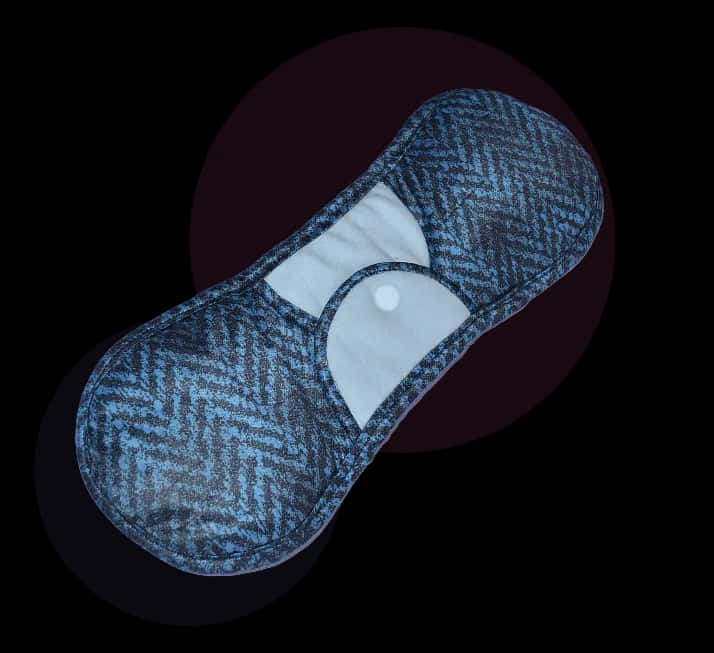
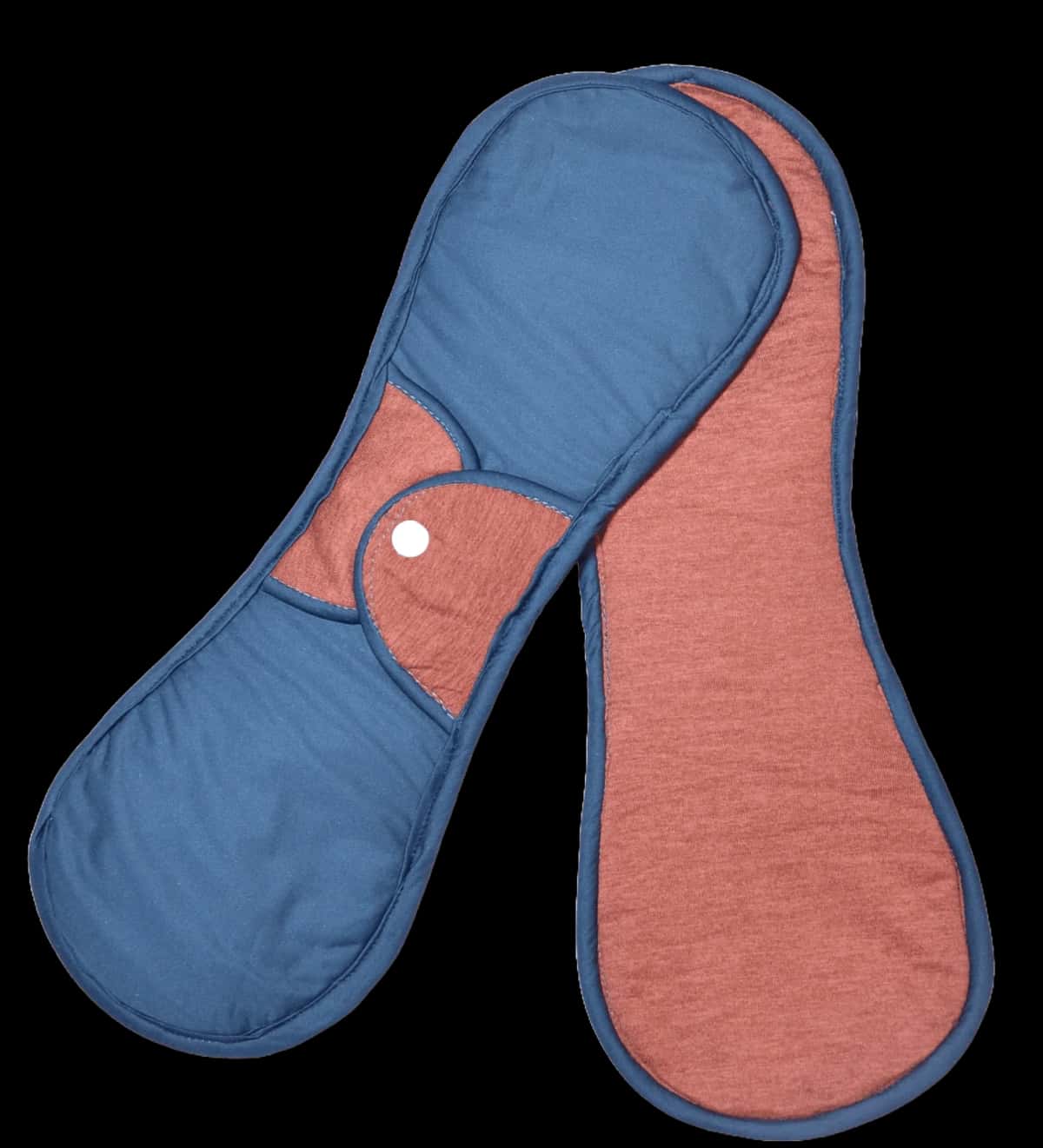
Our pads wey you fit wash

Di Benefits of MHM Wey Include Pipo wey Get Disability
To put time and money for period hygiene management wey everybody fit use dey bring benefits wey pass di period itself. Dem dey spread go outside, dem dey touch education, health, work and money, and how pipo dey join for society.
School, Work and Money
When period management don possible, how pipo dey go school and work dey change well well. Di Association of Women with Disabilities for Kano follow 85 secondary school girls wey get different disabilities for 18 months after dem start accessible MHM support. School attendance during period increase by 43%, and exam results improve clear clear because di girls no dey miss important class days again.
Work and money dey follow education. Women wey finish secondary school dey earn much more for dia whole life. E more likely say dem go start business, do skilled work, and stand on dia own feet with money. Period management fit look like small matter, but many times na di thing wey dey block women wey fit do well from dis opportunities.
Di effect for mind dey important di same way. Women dey talk say dem feel “normal”, “capable” and “in control” when dem fit manage dia period by demself. Dis confidence dey pass period – women say dem feel more free to talk for wetin dem need for other areas, to join social events, and to make decisions about dia body and dia life.
Better Health and Hygiene
Correct period hygiene management dey reduce di risk of infection. Dis one important well well for women wey get some disabilities wey fit get weak immune system or wey no fit move easy go find treatment. To change regularly, to clean well, and to keep reusable pads for dry place dey stop di bacteria wey dey cause urinary tract infection, infection for reproductive tract, and skin irritation.
Reusable pads wey dem make with cloth wey dey breathe dey reduce di rash and irritation wey dey common with disposable wey get plastic for back, especially for women wey dey siddon for long time. Because you fit wash am well with soap and water (instead to just wipe am dry), hygiene and comfort go better.
Women wey get disability often get health needs wey plenty, wey need regular medical care. When period management no be emergency again, families and health workers fit focus on prevention, to keep di whole body healthy, and on other needs. Di energy wey period worry dey take before go now dey available for health monitoring, medicine routine and therapy.
To Join Society and Dignity
Maybe di biggest benefit na say dignity go come back. Women wey get disability dey always talk say period management wahala dey shame dem well well – e dey pain dem pass di disability itself. To depend on pipo, no privacy, di feeling say you be burden, all of dem dey spoil how you value yourself and your confidence for society.
When period hygiene don dey easy to manage, women dey come back to community life. Dem dey go worship, visit friends, go market days, and join community organisations. Loneliness dey reduce. For Port Harcourt, one women cooperative report say after dem start accessible MHM support, members wey get disability begin come regularly instead of once in a while, and three women take leadership positions wey dem don refuse before.
Family life dey better too. When daughters fit manage by demself (or with small support wey get dignity), mamas and sisters no go dey care for dem every time again. Pipo go see di woman wey get disability as person wey fit do am, no be person wey must depend. Di relationship go change from carer and patient to di kind support wey everybody dey give each other for healthy family.
Answers to Common Worries and Wrong Beliefs
Families, pipo wey dey care for dem, and women wey get disability demself often get questions and worries about accessible period hygiene management. Dis worries deserve honest and practical answers.
"Reusable Pads No Go Too Hard to Wash?"
To wash reusable pads actually dey give more flexibility than di wahala of how to throw away disposable. Di process fit change to match wetin each person fit do. Women wey no get strong hand fit wash with leg – put di pad for basin, add soap and water, and use leg move am instead of hand. Dis method common for Nigerian houses for normal laundry, and e dey work well for period pads.
Di soaking method dey reduce di work of washing. After you remove used pad, put am straight for bucket of cold water. Di blood go comot by itself after 2-3 hours. Quick rinse (wey you fit do as you siddon with cup and basin), then wash with soap (again, to wash with leg dey work well), and dry for sun – na so e finish. Di total time wey you go dey work na under five minutes for each pad.
For women wey no fit wash by demself, family support fit change to help. For many houses, laundry na work wey everybody already dey share. To add period pads to di family washing go make period normal, and e go reduce di feeling say period na special burden. Di key na to set systems wey respect privacy – special buckets, to handle am with respect, and to know say dis na helpful support, no be dirty work wey dey shame person.
Some Nigerian disability organisations now dey run period hygiene management workshops wey dey teach adapted washing techniques. Women dey share new ideas wey dem don develop – heavy buckets wey no dey fall for women wey hand dey shake, colour systems for women wey no fit see well, and places to siddon wash. Dis solutions wey dem develop among demself often work better than wetin experts recommend, because dem don test dem for real Nigerian homes.
"Wetin If She No Understand Her Period or She No Fit Learn How to Do Am?"
Dis worry come more from wrong belief than from reality. Women wey get intellectual disability fit learn period management, no doubt – di way of teaching must match how dem dey learn. To break di process into small steps, use pictures, practise when period no dey, and celebrate progress dey bring success.
Start with body awareness. Use di correct names (uterus, vagina, blood) instead of hidden words. Explain say period normal, e healthy, and e dey happen to all women. Picture books wey Nigerian special education teachers make dey show am clear. Di organisation Inclusive Education Lagos don make period education materials wey fit our culture, specially for women wey get intellectual disability.
Teach di skills step by step. First, to recognise blood (to check pant, to sabi how period blood be). Then, to tell somebody when e happen. Next, to choose pad. Then, to put am with support. Reduce di support small small as she dey sabi am more. Some women go fit do am fully by demself. Others go manage with small reminders. Both results na success and dem deserve celebration.
For women wey get more serious intellectual disability wey need full support, di focus go change to care wey get dignity. Di person wey dey help suppose talk wetin dey happen (“I wan help you change your pad now”), give choice where e possible (“Red pad or blue pad?”), keep privacy (support from female family members, close di door, touch with respect), and respect di woman right over her own body even when she need help.
"How We Go Take Pay for Di Changes and Supplies?"
To make place easy to use no need plenty money, but e need sense and to know wetin to do first. Start with di changes wey go help pass for di smallest cost. Grab bars (₦2,500-4,000 for one strong pair) go make difference sharp sharp. Plastic stool (₦800-1,500) go give you place to siddon wash. Better light (₦1,200 for LED strips) dey make am easy for everybody.
Pad wey you fit wash use again go save you plenty money compared to disposable pad. Woman wey dey use disposable pad dey spend about ₦800-1,200 every month, or ₦9,600-14,400 every year. Full set of pads wey you fit wash use again (8-10 pads wey fit last you for several days) go cost ₦4,000-6,000 for di beginning, but e go last 2-3 years if you take care of am well. Di cost for one year go fall reach under ₦2,000 – you go save 60-75% compared to disposable. For families wey disability costs don already squeeze, dis one go make real difference.
Support dey from community and organisations. Plenty disability organisations for Nigeria dey give period hygiene supplies as part of dia programmes. Schools wey international NGOs dey support often get money for period health wey fit cover supplies wey easy to use. Local government councils sometimes dey run programmes wey dey support women wey get disability – to ask your council representative no cost anything, and sometimes e dey bring help.
Family and community fundraising dey work for many areas. When neighbours understand di exact need – “We dey gather ₦8,000 to make our bathroom easy to use so our daughter fit manage her period by herself” – plenty of dem go contribute small small money. Because our culture value support for community members wey get disability, dis kind effort dey often succeed.
Why Sana Pads: Nigerian answer for Nigerian women
Sana Pads start because we understand say Nigerian women need period solutions wey dem design for our weather, our real situation with water and light, and our different needs – including women wey get disability. Because we dey make am here for Nigeria, we dey design with Nigerian bodies, Nigerian bathrooms and Nigerian challenges for mind.
Our pads get special advantages for women wey get disability. Di thick cloth wey get many layers dey give feeling so you fit put am for correct place. Di longer wings easier to hold and handle than normal designs. Di pad strong reach to survive di hard washing wey hygiene need for our weather. Di cotton wey dey breathe dey reduce rash for women wey dey siddon for long time.
We don work with disability advocates for Lagos, Abuja and Kano to understand wetin dem really need. Wetin dem tell us dey shape our products. We don support pass 10,000 women directly and share more than 30,000 pads through partnerships with schools, health centres and disability organisations. Plenty of dis partnerships dey focus on women wey get disability wey other period health programmes leave out.
Our mission pass products. We believe say every Nigerian woman deserve to manage her period with dignity, independence and comfort – no matter her body ability, her money, or where she dey live. We dey give education with di products, we dey teach adapted techniques, and we dey connect women wey get disability with peer support networks.
Because we dey make am here, we understand say when NEPA take light e dey affect drying time, say water scarcity mean you need washing method wey no go use plenty water, and say plenty Nigerian women no get private room to keep things. We dey design solutions wey work for real Nigerian homes, no be perfect Western settings. For women wey get disability wey dey face extra wahala, dis practical approach na di difference between solution wey dey only for paper and solution wey really work.
How to Start: Practical Next Steps
Whether you be woman wey get disability wey want independence, family member wey want give better support, or organisation wey dey serve women wey get disability, accessible period hygiene management possible with di correct approach and resources.
For one person and for family
Start by checking di wahala wey dey now. Which part of period management dey hard? Na to reach toilet, to change pad, to wash, or where to keep am? When you know di main barrier, e go help you find solution well. Talk with di woman wey dey see period – she sabi wetin hard pass and wetin go help her pass.
Try reusable pads with small start. Our Starter Kit get 3 Premium Pads (each one get 1 layer wey no dey leak and 3 layers wey dey absorb, good for normal flow) plus pouch to keep dem. Dis one give you enough pads to test di system for one full cycle as you dey learn how to wash and dry. Di ₦3,500 wey you go pay small pass two months of disposable, but e go give you real test.
For days wey flow light or for women wey want pad wey easy to handle pass, No Wahala Pads (1 layer wey no dey leak plus 1 layer wey dey absorb) thinner and easier to put, and dem still dey protect you well. For heavy flow or for night, Maxi Pads (1 layer wey no dey leak plus 5 layers wey dey absorb) dey give longer protection, and you no go need change am many times every day – dis one important when e hard to reach place to change.
Try adapted techniques. Watch videos from disability organisations wey dey show how to change as you siddon, techniques with one hand, and changed ways to wash. Practise when period no dey, so di movements go don familiar before you need dem under pressure. Share wetin work with other families – your new idea fit help another person.
Make one change for your house to make am easy to use. Even if you no fit do everything, grab bars or shower stool dey make di situation better sharp sharp. Ask family members to help fix am – dis one go make dem part of di solution and help dem understand di wahala wey she dey face.
For Schools, NGOs and Health Organisations
Do accessibility check of di WASH facilities wey you get. Measure di doors, check if grab bars dey, look whether pipo wey get different disabilities fit change and wash. Find di one change wey go help di highest number of students or clients, and do am first.
Partner with disability organisations for your area. Dem get knowledge, dem often fit get money for accessibility improvements, and dem fit connect you with women wey get disability wey fit test your solutions and give you honest feedback. Di Joint National Association of Persons with Disabilities get branches across Nigeria and dem dey welcome partnership requests.
Start period hygiene management education wey include disability matters. Train teachers, health workers and staff on how to support with dignity. Make picture education materials. Set up peer support systems where older students or clients wey get experience go guide di younger ones.
Sana Pads dey supply schools, NGOs and community programmes of any size for di same fixed price per pack. Dis one make reusable pad programmes possible for money side, even for schools and NGOs wey no get big budget. We dey give support to start, we dey help you design how to share pads, how to teach, and how to monitor wey really work for Nigerian situation.
Contact us to talk about your own situation. We don work with organisations wey dey serve girls wey no fit see well for Kano, girls wey get mobility disability for Lagos, and different disabilities for Abuja. Each programme need im own changes, and we learn from every partnership. Your wahala fit be different, but when we solve problem together, solutions go come.
Make We Move Forward Together
Period hygiene management for women wey get disability no be about special treatment – na about to remove barriers wey no suppose dey from beginning. When bathrooms easy to use, products dey work, and support get dignity, women wey get disability dey manage dia period well like anybody else. Di difference dey for design, no be for ability.
Thousands of Nigerian women wey get disability dey already show am. Dem dey go university, dey work for office and market, dey lead community organisations, and dey raise family – dem dey manage dia period with everything else. Di solutions dey. Di products dey work. You fit teach di techniques. Wetin we need now na commitment – from families to put accessibility first, from institutions to use design wey include everybody, from manufacturers to think about different bodies, and from society to know say dignity for period na right wey belong to every woman.
Whether you dey start with one grab bar for your bathroom for house or you dey run big accessible MHM programme for many schools, you dey part of di change for Nigerian women wey get disability. Your effort matter. Your daughter, your student, your client, your sister – she deserve to manage her period with dignity, privacy and independence.
For more information on how to build accessible period hygiene management systems, or to see how Sana Pads fit support your own needs, visit our website or contact our team. We dey here to help find solutions wey work for your own situation. Together, we dey build Nigeria where every woman – no matter her ability – fit manage her period with confidence and dignity. Learn more about full ways to do period hygiene management wey serve all Nigerian women.
Continue to read for Menstrual Hygiene Management
Questions wey pipo dey ask well well
Why I go choose Sana Pads instead of normal disposable pads?
Dem make Sana Pads with good quality materials wey you fit use again. Dem be better option wey no dey spoil environment like disposable sanitary products. Dem gentle for your skin, dem dey absorb well well, and dem go save you money for long run. When you choose Sana Pads, you dey help reduce plastic waste, and you go enjoy comfort and pad wey you fit trust for your whole cycle.
How long I fit use Sana Pad before I need to wash am?
Sana Pad dey give you comfort and protection for 4 to 8 hours, depending on your flow. To stay fresh, change am every 4 to 6 hours - more often for heavy days. After each use, rinse am for cold water and wash am with soap. If you take care of am well, each pad go last 2 to 3 years.
Sana Pads safe for sensitive skin?
Yes, dem make Sana Pads with soft materials wey dey breathe and wey no dey cause allergy, so dem gentle for your skin. Dem no get di harmful chemicals and toxins wey dey common for disposable pads, so dem be correct choice for pipo wey get sensitive skin or allergy.
How I go take clean and care for my Sana Pads?
Rinse your pad for cold water immediately - hot water dey make blood stain stay. Then wash am with mild soap, with hand or for machine, and rinse until di water clear. Dry am finish for direct sun, wey dey also kill germs. Abeg no use tumble dryer, bleach or fabric softener: dem dey spoil di layers wey dey absorb. If you care for am like dis, Sana Pad go last 2 to 3 years.
Di price dey change for bigger orders?
No. Each product get fixed price per pack, no matter how many packs you order. You fit calculate your total with our price calculator. For big orders, send us direct message and we go confirm di delivery cost with you before you pay.
Testimonials
See wetin our customers dey talk about our products.
Women for all over di world dey buy Sana

“I dey really love Sana reusable pads! Dem dey make me relax and feel free for my period time. Plus, dem don reduce the cost and stress of buying disposable pads every month well-well. Kudos to Sana for making dis kind correct product – I go be fan forever!”
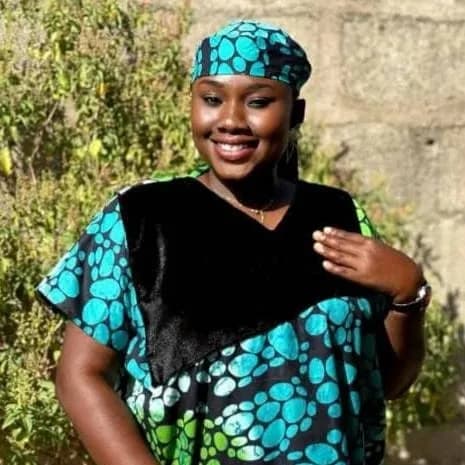
“Sana Pad good well-well, e dey make you comfortable and free. I love the pads, na the best ever!”
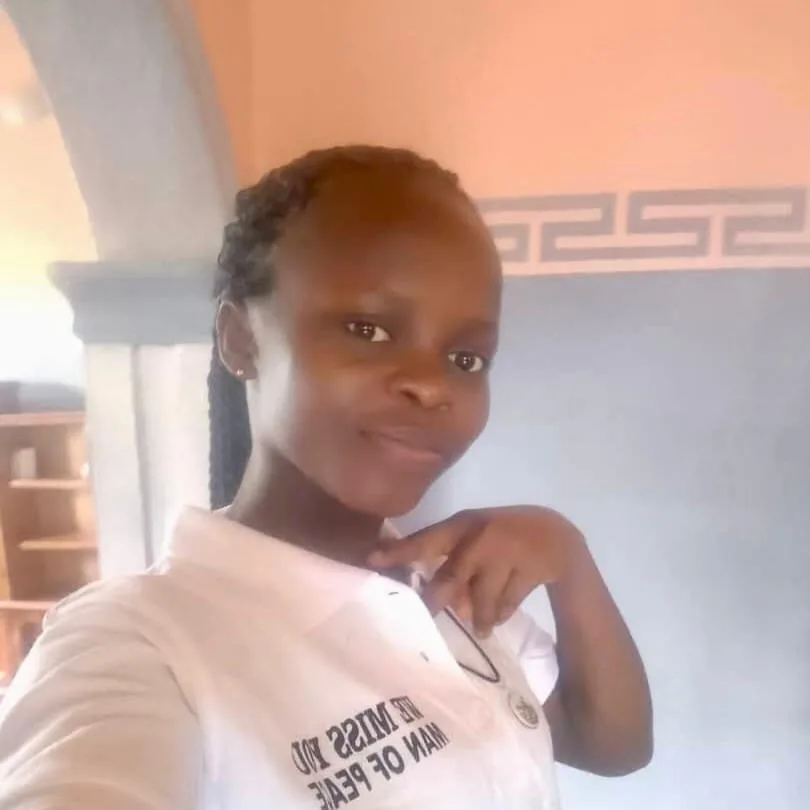
“I don try different brands of reusable pad, but Sana stand out for the quality, the comfort and how e dey last. Dem design am with sense, and the material dey gentle for my skin. As I change to Sana, e don reduce how I dey spoil environment and e don also save me money for long run. I dey grateful for dis solution wey go last!”

“For first, e dey irritate me to use washable sanitary pad. I decide to try am, and to my greatest surprise, e comfortable well-well and e easy to wash. You fit even do your daily things without fear say blood go stain you for public. I wan give Big shout out to SANA PADS!!”

“I don try different pad brands for years, but Sana pads really stand out. From the first time I use am, I see the difference — e soft for skin, e dey soak well-well, and e comfortable die. Even for my heaviest flow days, Sana pads dey hold well. Wetin I also love na how the material dey allow air pass and e good for skin. If you dey find pad wey get comfort, wey you fit trust, and wey get quality, I really recommend make you try Sana pads.”

“To dey buy disposable pads every month dey add up well-well, so I talk say make I try Sana Pads. E surprise me how soft dem be, and dem dey work well for long days for university. To wash dem simple, and e don reach months wey I never buy new pad, so e don save me money. I also like say dem dey better for environment. E sweet me say I get option wey cheap and wey better for environment.”
Time to join hand
Contact Us
Margaret Ochegbudu
Business Manager