How to Manage Your Period for Emergency Time: Wetin Every Nigerian Woman Need to Sabi
Where pipo don see us







 Margaret Ochegbudu don check am · Update 29 min to read
When emergency drive people comot from their house, e dey affect over 2.5 million Nigerians every year, and period needs na usually the last thing wey dem dey provide. To prepare well mean say you keep small kit ready: pads, extra pant, soap, pouch wey water no dey pass, and medicine for pain. Pads wey you fit wash use again dey help pass where supply don break, because dem no dey finish.
Understand MHM for Emergency Time: Wetin Dis Guide Cover
To manage period hygiene for emergency time need different plan from normal everyday period care. Dis full guide go help you prepare, respond, and support MHM for crisis times across Nigeria.
Wetin You Need to Sabi:
- When emergency drive people comot from their house, e dey affect over 2.5 million Nigerians every year, and women and girls dey face special period wahala for camps and temporary shelters.
- Because period products no dey for crisis time, 65% of women wey don run comot from their house dey use rag, leaves or cardboard, and dis one dey increase infection risk by up to 70%.
- Period pads wey you fit wash use again dey reduce how much you depend on emergency supply by 90%, and dem dey last 2-3 years even for hard condition.
- Correct MHM for emergency need four important things: products, water, private place to change, and safe way to dispose.
- Nigerian humanitarian standards now include period dignity kits, but only 23% of emergency responses dey handle period needs well.
- One pad wey you fit wash use again dey cost about ₦1,500-₦2,500, compared to disposable emergency supplies wey cost ₦500-₦800 every month, so e dey save 60-75% over time.
- Emergency bag suppose get 4-6 pads wey you fit wash use again, medicine for pain, soap, and pouch wey water no dey pass, for every person for the house wey dey see period.
Make we look well-well how to keep period dignity for the hardest situations.
Fatima no ever imagine say she go dey manage her period for camp for people wey run comot from their house. When flood destroy her family house for Lokoja for 2024, the 16-year-old girl find herself for emergency shelter with hundreds of other families. She carry her school books and one change of clothes as she dey run, but period products? Dem no even enter her mind for dat moment of confusion. Now, three days inside her cycle and strangers surround am, she face one wahala wey millions of Nigerian women and girls dey face for crisis time: how to manage period with dignity when everything wey she sabi don comot.
Whether na flood for Bayelsa, people wey war drive comot for the Northeast, or infrastructure wey suddenly scatter for city, emergency no dey wait for period. But period hygiene management (MHM) still be one of the things wey humanitarian response dey forget pass. Dis silence dey leave women and girls open to danger and shame, and plenty times e dey force dem to use dangerous things wey dey threaten their health and dignity.
Why Period Hygiene Management Important for Emergency
When disaster strike, whether na flood, war, or infrastructure wey scatter, humanitarian response dey usually focus on food, shelter and medical care. Period hygiene dey usually turn afterthought, dem dey see am as "women matter" instead of basic human need. Dis mistake get serious result.
For emergency time, when correct MHM support no dey, e dey affect every part of woman wellbeing. Body health dey suffer when women dey use dirty materials. Mind health dey go down under the stress of managing period without privacy or supplies. Chance for education dey disappear when girls miss school because dem no fit manage their period safely. Work and money matter dey stop when women no fit comot from shelter for their period.
Nigeria situation get its own wahala. Our weather mean say heavy bleeding dey join with heat and humidity. Small WASH infrastructure for plenty emergency places dey make hygiene hard well-well. Cultural taboos dey stop open talk even when life depend on am. Camps where many generations dey together no get much privacy. All dis things join together create wetin humanitarian workers dey call "compounded vulnerability," where the inequality wey already dey go deep pass for crisis time.
Wetin Make Situation Be Emergency for MHM
Emergency MHM situation dey happen anytime wey normal period hygiene no fit happen again because something suddenly scatter am. Dis one include natural disasters like the flood wey dey happen every year wey dey affect communities for Kogi, Delta, Bayelsa and Anambra states, wey dey drive thousands of families go temporary camps wey no get enough facilities.
War and insecurity dey create emergency wey dey last long. For Northeast Nigeria, as people still dey run comot from their house, e don create emergency wey don last many years, where women dey manage their period for camps wey no get basic privacy and water. Dis ones no be small disturbance wey go pass quick, but long crisis wey need solutions wey go last.
Infrastructure emergency also count. When NEPA wahala last for weeks, when water supply stop suddenly, when toilet systems scatter, women dey face emergency MHM condition even inside their own house. Nigerians for city like Lagos or Abuja sabi dis one well. Water pipe wey burst or light wey go for long time fit turn normal period care to crisis overnight.
Medical emergency dey add another layer. Hospital evacuation, quarantine, or public health crisis like the COVID-19 pandemic create emergency MHM wahala even for women wey no ever comot from their house. Suddenly, to get supplies come hard or no possible.
The Special Wahala Wey Women Dey Face for Crisis Time
Water scarcity dey top the list of emergency MHM wahala. To wash materials wey you fit use again or even basic body hygiene need water wey dem dey usually share small-small for drinking and cooking. For camps for people wey run comot from their house, the place to fetch water fit far, fit crowd, or other people fit dey control am. Women talk say dem dey walk kilometers many times every day just to rinse cloth, and dis one dey expose dem more to violence and tiredness.
Privacy dey disappear for emergency places. Shared shelters, places where everybody dey sleep together, and public places to wash no get space to change or clean without people seeing. Plenty camps get only open latrine or shared toilet block where to change period products almost no possible without other people noticing. The shame and stress wey dis one dey bring dey add to the body wahala.
When supply chain scatter, e dey cut access to period products. Shops dey close, markets dey disappear, transport dey stop. Even when humanitarian help arrive, period supplies no dey usually show well. One study of Nigerian emergency distributions find say only 18% include any period products, and the ones wey include am usually give only 2-3 disposable pads for each woman, wey no even reach one cycle.
Danger dey increase for period time. Women wey dey wash materials for river or far water points dey more open to attack. To go toilet for night during period dey increase risk for camps wey no get enough light. The need to throw away materials fit force women enter places wey no safe. Dis ones no be just talk but true things wey dem don record for Nigerian emergency places.
How Poor MHM Dey Affect Health and Dignity
Infections for the reproductive tract dey increase well-well for emergency when women dey use dirty materials. Studies of people wey run comot from their house for Nigeria find infection rates three to four times higher than normal, wey connect straight to using cloth wey dem no wash, newspaper or other things wey dem just manage. Dis infections dey cause pain and discomfort immediately, but dem fit lead to serious complications like pelvic inflammatory disease (infection for the womb area) and wahala to get belle.
The effect for mind dey usually last pass the emergency itself. Research with women wey run comot from their house for Borno State show say period shame for emergency time add to anxiety and depression wey last long. The constant stress to hide period, fear of leaking for crowded places, and say dem no fit manage period with dignity create trauma for mind wey still dey years later.
Education wahala dey hit girls hard pass. When emergency and period happen together, school girls for temporary learning centers dey usually stay away finish. To miss 4-5 days every month for education wey don already scatter dey create gaps wey go stay forever. Teachers for IDP schools talk say period wahala dey add well-well to why girls dey stop school forever after dem run comot from their house.
People dey isolate women more when cultural taboos meet emergency condition. For some northern Nigerian communities, women wey dey see period get some restrictions by tradition. For normal time, dis practices dey inside culture wey everybody understand. For emergency time, dem fit lead to full isolation, where dem no go allow women for food distribution, community decisions or support services.
Money wahala dey increase when women no fit join work wey dey bring money for their period time. For camps where women for fit do small trading, cook food or other things wey dey bring money, period restrictions and lack of correct MHM support dey force dem stop all money activity, and dis one dey make poverty and depending on others worse.
Main Parts of Emergency MHM: How to Build Your Response
Emergency MHM wey dey work need four things wey connect together. None of dem fit work alone. To understand how dis parts dey support each other dey help people prepare and dey help organisations respond better.
Period Products: How to Choose Wetin Go Work for Crisis
Period pads wey you fit wash use again na the most practical emergency solution for Nigeria situation. No be like disposable wey you must dey buy again and again, few good pads wey you fit wash use again fit last years even for hard condition. Dem no depend on supply chain wey dey work or humanitarian distribution wey fit never come.
To prepare for emergency, every house wey get people wey dey see period suppose keep special emergency supply. Dis one mean 4-6 pads wey you fit wash use again for each person, separate from the ones wey you dey use every day. Keep dem inside bag wey water no dey pass inside your emergency kit, together with other important things like documents and medicine. When crisis come, dis pads go follow you, dem no need fridge, dem no need special storage, and dem no dey take much space.
The advantage dey clear for real emergency. Women for camps for Internally Displaced Persons (IDP) for Maiduguri talk say pads wey dem fit wash use again change their experience. Instead to depend on humanitarian distribution wey no dey regular or to buy expensive things for camp shop, dem fit manage their period by themselves for months or years with just few pads. Dis freedom matter well-well when everything else dey uncertain and other people dey control am.
Quality of material na wetin go decide if e go work for emergency. Pads must fit stand washing with any water wey dey, whether na river water, well water or small tap water. Dem must dry fast enough for humid weather even without special place to dry. Dem must still no dey leak even after you use am many times and wash am anyhow. Cheap pads wey you fit wash use again dey usually fail dis tests, and dis one dey bring frustration and waste. Quality matter for emergency pass any other time.
How to Get Water, Sanitation and Hygiene (WASH)
Water na wetin go decide if products wey you fit use again go work. Women need enough water no be only to drink and cook but also to wash period materials. Humanitarian standards talk say each person need 15-20 litres every day, but emergency places dey usually give only 5-7 litres. Dis one dey force women make choices wey no possible between basic hygiene and other important needs.
Sense way to manage water dey help small water reach far. To wash pads need less water than wetin many people think. Small basin with 1-2 litres enough for first rinse. Soap matter pass how much water. Cold water dey work like hot water for period blood if you use am quick. Dis ways, wey Nigerian houses wey dey face NEPA wahala don learn by force, dey help well-well for emergency.
Toilets must fit period needs. Dis one mean toilets wey get door wey dey lock, hooks to hang bags, small shelves to put clean products, and enough light for night. Most emergency toilets no get any of dis things. Women talk say dem dey squat inside dark toilet wey no get door, dey try change pad while dem hold torch for mouth and dey balance things for floor wey no flat. To fight for better facilities suppose be part of every humanitarian response.
Hygiene supplies pass water include soap, wey important well-well for both body washing and to clean pads wey you fit use again. Bar soap dey work better than liquid soap for emergency place because e no need container or careful sharing. One bar fit last weeks if you use am mainly to wash hand and clean pad. Small cloths to dry hand and surfaces also dey help keep hygiene when towel no dey.
Privacy and Dignity Matter
Private place to change dey change the whole emergency experience. Even for crowded camps, sense solutions dey. Some Nigerian women dey arrange informal privacy, where people for the same tent dey make temporary private corner with cloth wey dem hang, or signals wey everybody agree say mean "abeg stay outside small." Dis solutions wey community make by themselves dey usually work better than formal structures.
Place to dry na special wahala, because period cloth must dry well to stop bacteria to grow and to stop smell, but many cultures prefer to dry am where public no go see. Women dey find ways like to dry pads inside pillowcase, under sleeping mat, or inside special cloth bag wey air dey pass but people no fit see wetin dey inside. For Nigeria hot weather, things dey dry quick even without direct sun.
Way to dispose matter for people wey dey use disposable products or wey need to throw away pads wey don spoil. Emergency places dey usually no get correct waste management. Burning fit no possible if fuel scarce. To bury need tools and correct place. Pit latrines dey full. Some camps don set up special system to dispose period waste, but dis ones still rare. Women need clear guidance on safe way to dispose wey no go cause danger for environment or shame for society.
Storage dey protect clean products and dey give dignity for used ones wey dey wait to wash. Pouch wey water no dey pass dey serve both purpose, but even simple nylon bag dey work if you close am well. Emergency kits suppose get many small bags for dis purpose. No underrate how e dey help your mind when you get clean, arranged storage. Small dignity matter well-well when everything else dey scatter.
Practical Steps to Prepare for Emergency MHM
To prepare na wetin go make difference between to manage period with some dignity for emergency and to face crisis on top crisis. Whether you be one woman wey dey prepare your house or organisation wey dey prepare to serve communities, dis practical steps dey build strength.
How to Build Your Own Emergency MHM Kit
Start with container wey water no dey pass wey big enough to hold supplies for everybody for your house wey dey see period. Plastic storage box wey get cover wey close well dey work well, e dey cost about ₦1,500-₦3,000 for Nigerian markets. Write name for am clear and keep am for place wey easy to reach, wey all family members sabi.
Put 4-6 pads wey you fit wash use again for each person as your foundation. Choose pads wey dey soak different levels to match different flow. Two light pads, three medium, and one heavy pad for each person go cover most situations. Add one special storage pouch for each person for clean pads and another one for used pads wey dey wait to wash. Dis pouches suppose be the ones wey water no dey pass and wey you fit close well.
Supplies for pain suppose dey every emergency kit. Paracetamol or ibuprofen dey help when stress and scattered routine make cramp worse. Put supply for at least 30 days for each person. Add any prescription medicine wey people dey normally use for their period. Emergency dey disturb access to medical care, so to get backup supplies dey important well-well.
Hygiene supplies go complete the kit. Pack some bars of plain soap, small bottle of hand sanitizer, few washcloths, and one packet of safety pins. The pins fit look old-fashioned but dem dey help well-well to hold pad when no correct pant or when elastic don loose. Put also small torch because emergency facilities dey usually no get light, and to change for night dey hard.
Information materials dey help for stress time when normal thinking dey hard. Put simple written instructions on how to use and take care of pads wey you fit wash use again. Add emergency contact numbers for local women health services or humanitarian organisations. Put list of where you fit get support if supplies finish or complications happen.
Check and renew dis kit every six months. Check say pads still dey good condition, medicine never expire, and soap never melt or start to smell. Change supplies as wetin people for your house need dey change. Treat dis kit like any other emergency supply: important preparation for situations wey nobody fit predict.
How Community and House Fit Prepare
Family talk dey stop confusion for real emergency. Talk about period needs open with everybody for house wey old reach to understand. Everybody suppose sabi where the emergency kit dey and why dis supplies matter. Dis openness dey stop people to throw supplies away as "no necessary" if during evacuation dem need to decide quick wetin to carry.
Find safe places for your community where women fit get water and privacy for emergency. E fit be neighbour compound wey get well, community center wey water dey regular, or house of worship wey fit be temporary shelter. To sabi dis places before time dey reduce stress for real crisis.
Build informal support group with other women for your community. For Kano, groups of women don organize "period preparedness circles" where dem dey put money together to buy emergency supplies in bulk, share information about how dem manage MHM for past floods, and promise to support each other if crisis come. Dis groups dey reliable pass to depend only on humanitarian help from outside.
Practice your emergency plan. E fit sound like too much until you face real crisis. To sabi exactly where your MHM supplies dey, how to pack dem quick, and who go carry wetin during evacuation dey stop important things from staying behind. Families for areas wey flood dey always reach for Lokoja and Makurdi talk say to practice evacuation drill, including to carry MHM emergency kits, make real evacuation less painful well-well.
How Organisations and Institutions Fit Prepare
Schools for areas wey flood dey reach or wey war dey affect suppose keep emergency MHM supplies for female students and staff. School wey get 200 girls need about 100-150 emergency pads, wey dem store where water no go reach and check regular. Dis small investment dey make sure say when people run comot from their house or infrastructure fail, girls fit still dey go school safely.
Health facilities must put MHM first for their emergency plans. Dis one mean say dem keep stock of period products together with other medical supplies, train staff on emergency MHM support, and make sure say facility design get correct private places. Clinics wey dey serve IDP people for Abuja and areas around don see say to give MHM support dey make women ready well-well to come for other health services.
NGOs and humanitarian organisations suppose put MHM inside all emergency response planning, no treat am like something wey you fit add if you like. First assessments suppose ask women straight about their period needs and wahala. Distribution plans suppose include period products from the first delivery, no wait for later "special" distributions. Shelter design suppose include privacy and place to wash from the start.
Religious organisations get big role for Nigerian communities and fit use dis trust to support MHM for emergency time. Mosques and churches dey usually serve as temporary shelter or distribution points. To include MHM for their emergency preparation, train religious leaders on why period dignity important, and create support systems wey fit culture fit reach women wey no go go to humanitarian services wey no be religious.
Our pads wey you fit wash

Why E Good to Put MHM First for Emergency Response
To handle period hygiene for emergency time dey bring benefits wey pass the practical solutions for dat moment. Dis advantages dey spread reach each person, families, communities, and the whole humanitarian results.
Health Protection and How to Prevent Disease
Correct MHM for emergency dey prevent reproductive tract infections wey fit cause complications for whole life. When women get clean period materials, enough water to wash, and private place to change, infection rates dey drop well-well. Studies wey compare IDP camps wey get enough MHM support and the ones wey no get find say infection rates dey 60-70% lower for places wey get good support.
Pain management dey better when women fit get correct supplies and pain medicine. Period cramp dey worse under stress, and emergency na serious stress. To get routine wey you sabi, enough products and pain medicine dey help women continue to function and join activities instead to dey down because of pain. Dis one matter for each woman wellbeing and also for community strength, because women dey usually carry plenty responsibility to care for others.
Mind health benefits dey come when basic dignity needs dey met. Women dey always talk say to manage their period well for emergency dey reduce their stress and anxiety well-well. When you dey worry about everything from safety to food to shelter, to no worry also about period leak and shame dey remove one big stress. Dis space for mind matter to fit handle other wahala.
Food and nutrition connect to MHM for ways wey people dey usually forget. Women wey dey shame about their period sometimes dey reduce food and water so dem no go too go toilet or to reduce flow. Dis one dey add to food wahala wey already dey for emergency places. Enough MHM support dey allow women chop and drink well without dis extra worry.
Make School and Work No Stop
Girls dey continue to go emergency learning centers when their MHM needs dey met. For IDP camps, school attendance for teenage girls dey jump from about 45% to over 80% when schools dey give period support. Dis one dey stop school disturbance from turning to dropout forever, and e dey protect girls future.
Women fit join work wey dey bring money for their whole cycle when MHM dey enough. Dis one matter for emergency places where chance to make money already small. To fit do small trading, cook food, or do casual work without stop mean better money result for families wey already dey struggle.
Women dey join leadership more when period wahala no push dem aside. Community meetings, distribution process, and places where dem dey make decisions for emergency settings dey usually leave women out for their period, either because of culture restriction or practical wahala. Enough MHM support dey allow dem join dis important processes all the time.
Skills training and programs to build capacity dey reach more women when MHM wahala comot. Plenty humanitarian responses get training parts, from reading and writing classes to work skills. To miss 4-5 days every month because of period wahala dey affect learning results and how many people dey finish the program well-well.
Dignity, Power and Community Strength
Personal dignity for emergency time dey support strength for mind. When women fit manage their period clean, private and without shame, dem dey keep self-respect and control wey important well-well to recover from trauma. Humanitarian workers talk say to handle basic dignity needs like MHM dey improve mind health results well-well.
Community unity dey strong when people handle MHM with care and include everybody. Women wey dey support each other with period management, communities wey dey organize to make sure privacy and facilities dey, men and boys wey learn to respect dis needs without stigma: dis things dey build the social strength wey dey help communities survive and recover from crisis.
Equality between men and women dey move forward when emergency no dey harm women pass. MHM support na basically to make sure say body differences no turn to rights or chances wey dem deny. Emergency responses wey put period needs first together with other important things dey send strong message say dem value women full humanity.
Environment dey benefit when responses put options wey you fit use again first. Emergency places dey usually produce plenty dirt, and disposable period products dey add well-well for camps wey dey serve thousands of women. Products wey you fit use again dey reduce dis dirt by 90% or more, and dem dey protect environment wey displacement and crisis don already stress.
Common Worries About Emergency MHM
Even when people understand why MHM matter for emergency, real worries dey come up about how to do am, how to respect culture, and if e go work for real life. To answer dis worries honestly dey make emergency preparation strong.
"MHM No Be Luxury Wey We No Fit Afford When Na Life or Death Emergency?"
Dis worry dey show false choice between things wey dey save life and dignity needs. Correct MHM no dey compete with emergency food, water, shelter or medical care. E need small resources compared to dis other important things. Few bars of soap, some pads wey you fit wash use again, and attention to privacy for shelter design no cost almost anything compared to the whole humanitarian budget.
Plus, MHM dey support other things wey dey save life directly. Women wey fit manage their period safely dey more likely to go health facilities, join nutrition programs, fetch water without too much risk, and join all other parts of humanitarian response. Poor MHM dey block dis other important services.
The cost argument go scatter when we look the real numbers. To give emergency MHM support dey cost about ₦2,000-₦3,000 for each woman for supplies wey go last months or years, compared to the cost wey no dey stop to treat infections, give long-term mind health support, or fix education gaps wey period-related absence cause.
Nigerian women wey don face emergency talk clear say for their eye, MHM no be luxury. E important like food and water. One woman from IDP camp for Maiduguri talk am simple: "Una ask wetin we need pass. I talk say water, food, and something for my period. Dis ones no be different kinds of needs. All of dem na basic."
"To Talk About Period No Go Break Culture Rules and Cause Wahala?"
To respect culture matter well-well, but silence for emergency time dey cause more harm than respectful and correct discussion. Nigerian communities get different culture rules about period, and emergency response suppose respect dis difference and still meet the important needs.
Ways wey dey work dey follow culture, no dey fight am. For northern communities where to talk straight no dey proper, to work through women leaders wey community trust, religious people or health workers dey allow information to pass without offending anybody. Women fit collect supplies and support through ways wey fit their culture, instead of public distribution where men and women mix.
Plenty culture restrictions dey exactly to protect women dignity for their period. Emergency responses wey really put dignity first dey agree with dis values for under, even if some practices must change. For example, traditional rule wey say women wey dey see period no suppose cook for others dey aim to protect their rest and health. Emergency places fit respect dis principle through different practices wey fit camp condition.
Men and boys need some education to support MHM wey dey work, but dis one no need to break culture rules. Basic information, say women need privacy, water and special supplies for their period, fit pass with respect. Male humanitarian workers, camp managers and community leaders need dis understanding to create correct facilities and distribution systems.
Nigerian communities don show again and again say respectful ways wey follow wetin people need for MHM dey work even for places wey hold culture tight. The key na real respect instead to force values from outside, and to work with communities to find solutions wey fit their culture instead to give one solution for everybody.
"E No Too Hard to Use Pads Wey You Fit Wash Use Again for Confusion Time?"
Products wey you fit use again dey actually make emergency MHM simple pass disposable wey you must dey buy again and again. Once women get pads wey dem fit wash use again and basic place to wash, dem no need supply chain, distribution or market again. For emergency wey everything scatter, dis freedom dey help well-well.
The worry about washing and drying na true, but you fit manage am with basic planning. Women need about 2-3 litres of water and one bar of soap every time dem wash pad. Dis one less than wetin you need for normal bath. Drying dey take 4-8 hours for Nigeria weather, even without direct sun. With 4-6 pads wey dem dey change, women fit keep hygiene for their whole cycle with any water wey dey.
To do am dey easy when organizations give basic instructions and show how. Plenty Nigerian women already dey use materials wey dem fit use again informally but fit no sabi the best way to clean dem. Simple demonstration, maybe with pictures for people wey no sabi read, dey take 10-15 minutes but e go allow dem use am well for years.
Wahala dey come more when people forget MHM finish than when dem choose solutions wey you fit use again. Women wey must manage with newspaper, cardboard or leaves dey face bigger health risk and practical wahala than the ones wey dey use pads wey dem fit wash use again. The option wey people dey call "hard" na actually the simple, safe and dignified choice.
Emergency situations for Nigeria don show dis one again and again. From flood response for Delta State to people wey war drive comot for the Northeast, programs wey dey give pads wey you fit wash use again with basic WASH support dey always do better than disposable distributions for how users happy, for health results, and for cost.
Wetin Sana Pads Dey Do for Emergency MHM Across Nigeria
Sana Pads start because we understand the real period wahala wey Nigerian women dey face, including the ones for emergency time. As we dey make our pads here for Nigeria, we understand the exact condition wey products must stand: heat, humidity, small water, and infrastructure wahala wey dey for both daily life and emergency situations for Nigeria.
We don support emergency MHM for over 10,000 women directly and we don share more than 30,000 pads for emergency and humanitarian situations. Dis one include partnership with organizations wey dey respond to flood for southern states, people wey war drive comot for the Northeast, and infrastructure emergency for cities. Dis experiences dey always guide how we design products and how we dey work.
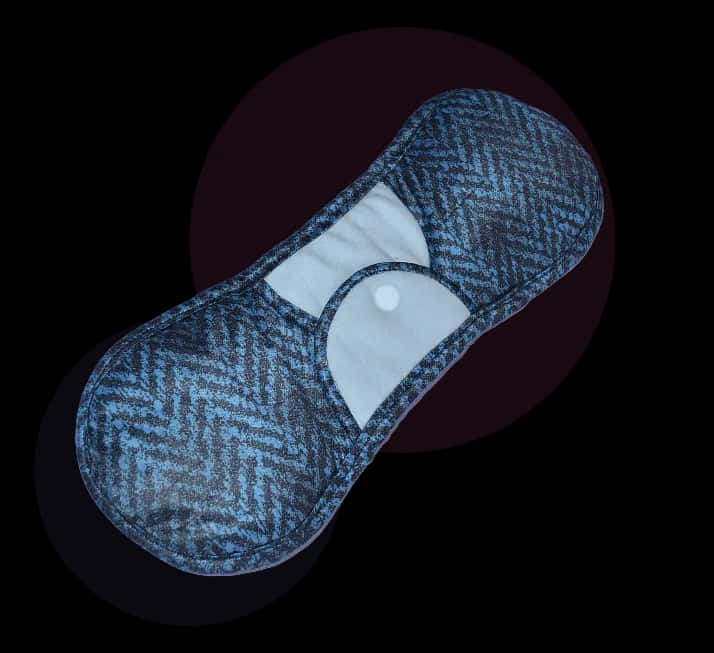
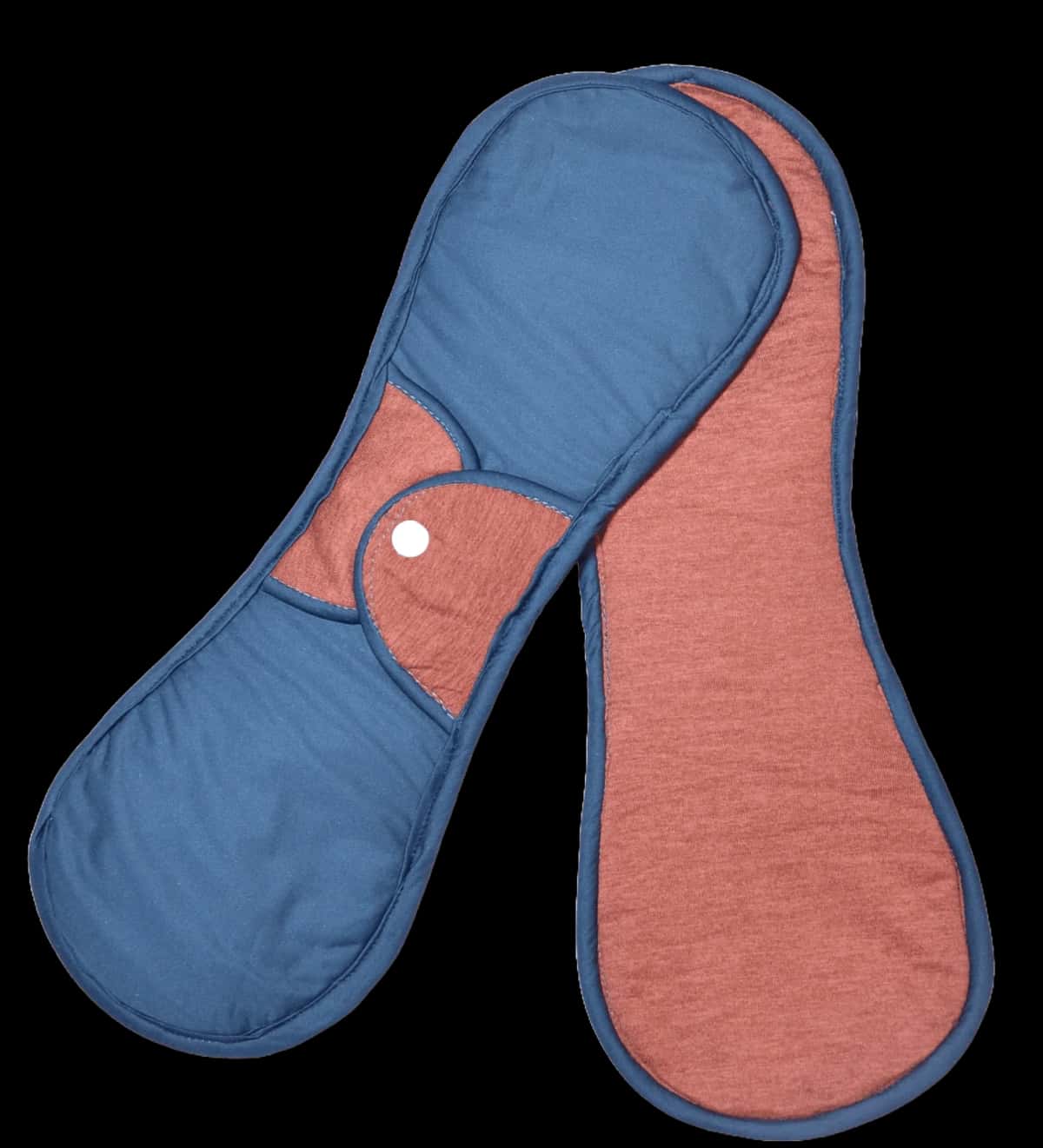
We design our pads specially for Nigeria emergency condition. Dem no dey leak even after you wash dem again and again with any water wey dey, from well water to river water. Dem dey dry within hours even for humid weather without direct sun. Dem fit stand rough hand washing without special detergent. The materials no dey spoil quick from heat, humidity and plenty use. Dis ones no be luxury features but important things for emergency use.
The layers design dey handle different emergency flow needs. No Wahala pads wey get one layer wey no dey leak and one layer wey dey soak dey work for light days or for women wey get light flow naturally. Premium pads wey get three layers wey dey soak dey handle normal flow well. Maxi pads wey get five layers wey dey soak dey manage heavy flow or night use for emergency places where to change often dey hard. Dis flexibility matter when women dey face situations wey nobody fit predict.
Pass products, we dey work to make emergency MHM systems for Nigeria strong. Dis one include to train humanitarian workers on emergency response wey consider the different needs of women and men, to push make dem include MHM inside national emergency preparation standards, and to work with organizations wey dey serve people wey run comot from their house and people wey dey for danger. We believe say to end period poverty, we must handle both everyday needs and emergency needs.
Our mission pass profit, na real impact for society. We sabi say period solutions wey dey last dey help women keep dignity, health and work through the hardest situations. Every pad wey we produce, whether na for daily use or emergency preparation, dey show our commitment to make sure say no Nigerian woman go face period poverty, no matter her situation.
Take Action: Make MHM Emergency Preparation Strong
Whether you be one woman wey dey protect your house, organization wey dey serve people wey dey for danger, or community leader wey dey plan make everybody strong together, real actions dey make emergency MHM strong across Nigeria.
For Each Person and Families
Start to build your emergency MHM kit today with the guide wey we give earlier for dis article. No wait for crisis before you think about dis needs. Basic kit dey cost about ₦8,000-₦12,000 for one person and e dey last for years, so e be one of the emergency investments wey give best value for money.
Think about the emergency risks wey dey your area. If you dey live for area wey flood dey reach, keep your kit inside container wey water no dey pass for high place. If you dey area wey war or insecurity dey affect, keep kits inside bag wey you fit grab quick together with other important documents. If infrastructure failure na your main worry, make sure say supplies go work without electricity or pipe water.
Sana Pads Starter Kit na very good foundation to prepare for emergency. E get three Premium pads plus storage pouch, so you fit use am immediately and most houses fit afford am. If you add few extra pads and hygiene supplies, e go become complete emergency solution. Compared to keeping stock of disposable products wey dey expire or spoil, dis one go save about 60-75% over time and still give better emergency protection.
Talk with other women for your family and community about emergency MHM. Share information, put money together if you need, and create informal support groups. Dis talks fit no dey comfortable at first, but dem dey build strength wey go help well-well for real crisis.
For Organizations, NGOs and Community Leaders
Put MHM inside all emergency preparation and response planning from the beginning, no make am afterthought. Dis one mean say you include period products for the first needs assessment, for buying supplies, and for distribution plans. Put money aside specially for MHM, and calculate wetin you need by the number of women and girls wey you go serve times how long you expect to give support.
Think about buying pads wey you fit wash use again in bulk to prepare for emergency. Organisations fit order as many packs as dem need at our fixed price for each pack, with delivery to any state for Nigeria. Dis products fit stay for storage without end if you pack dem well, dem no get expiry wahala like disposable, and dem dey serve communities for years, no be for one cycle.
Design or adjust emergency facilities with MHM for mind. Make sure toilets get door wey dey lock, enough light, hooks and shelves, and water near. Create special private place to wash wey separate from general bathroom. Set up safe way to dispose for people wey need am. Dis changes no cost much compared to the whole infrastructure budget, but dem dey improve MHM results well-well.
Train all humanitarian staff about why MHM important and how to do am. Dis one include men staff wey fit no dey comfortable, but dem need basic understanding to support correct facilities and distributions. Training dey take just few hours but e dey change how emergency response dey work.
Work with local organizations like Sana Pads wey understand Nigerian situation and fit provide solutions wey fit our culture and wey go last. Local partnership dey make supply chain strong, dey make sure say people respect culture, and dey build strength for long time, pass one emergency response.
Final Word
To manage period for emergency time dey test every woman strength, but correct preparation and support fit turn dis wahala to dignity wey you fit manage. Nigerian women don survive flood, running comot from their house, and infrastructure wey scatter, and still protect their period health through sense planning and community unity. You fit do am too.
Emergency MHM no hard and e no cost much. E need products wey you fit use again wey go last for years, basic hygiene supplies, water and privacy, and commitment to treat period needs as the basic human rights wey dem be. The about 60-75% savings wey good pads wey you fit wash use again dey give compared to disposable emergency supplies mean say to last and to be cheap dey go together well.
Whether you dey prepare your house, support your community, or design humanitarian programs, to put MHM first dey spread benefits across health, education, work and dignity. Every Nigerian woman deserve to manage her period safely and with respect, no matter wetin she dey face.
Start to prepare for emergency today. Prepare your kit. Talk dis talk. Support organizations wey dey bring big change. When crisis come, you go face am with one less stress and shame. For guidance on period hygiene management for all situations, or to prepare for emergency with solutions wey you fit use again wey dey work, visit Sana Pads or contact our team directly. Your dignity matter, for emergency and every day.
Continue to read for Menstrual Hygiene Management
Questions wey pipo dey ask well well
Why I go choose Sana Pads instead of normal disposable pads?
Sana Pads dey made from high-quality material wey you fit wash use again, so dem be option wey last and wey good for environment instead of disposable sanitary products. Dem gentle for your skin, dem dey soak well-well, and dem dey save money for long run. When you choose Sana Pads, you dey help reduce plastic dirt and you go still enjoy comfort and pad wey you fit trust for your whole cycle.
How long I fit use one Sana Pad before I need to wash am?
One Sana Pad dey give you comfort and protection for 4 to 8 hours, depending on your flow. To stay fresh, change am every 4 to 6 hours, and more often for heavy days. After every use, rinse am for cold water and wash am with soap. If you take care of am well, each pad dey last 2 to 3 years.
Sana Pads safe for skin wey dey react quick?
Yes, Sana Pads dey made from soft material wey air dey pass, wey no dey cause allergy easily, so dem gentle for your skin. Dem no get the harmful chemicals and poison wey dem dey usually find for disposable pads, so dem be correct choice for people wey get sensitive skin or allergies.
How I go clean and take care of my Sana Pads?
Rinse your pad for cold water immediately, because hot water dey make blood stain hold the cloth. Then wash am with mild soap, with hand or for machine, and rinse until the water clear. Dry am finish for direct sun, wey also dey kill germs. Abeg no use tumble dryer, bleach or fabric softener: dem dey spoil the layers wey dey soak. If you take care of am like dis, Sana Pad dey last 2 to 3 years.
Price dey change if I order plenty?
No. Each product get fixed price for each pack, no matter how many packs you order. You fit calculate your total with our price calculator. For big order, send us direct message and we go confirm the delivery cost with you before you pay.
Testimonials
See wetin our customers dey talk about our products.
Women for all over di world dey buy Sana
“I don try different brands of reusable pad, but Sana stand out for the quality, the comfort and how e dey last. Dem design am with sense, and the material dey gentle for my skin. As I change to Sana, e don reduce how I dey spoil environment and e don also save me money for long run. I dey grateful for dis solution wey go last!”

“For first, e dey irritate me to use washable sanitary pad. I decide to try am, and to my greatest surprise, e comfortable well-well and e easy to wash. You fit even do your daily things without fear say blood go stain you for public. I wan give Big shout out to SANA PADS!!”

“I dey really love Sana reusable pads! Dem dey make me relax and feel free for my period time. Plus, dem don reduce the cost and stress of buying disposable pads every month well-well. Kudos to Sana for making dis kind correct product – I go be fan forever!”
“Sana Pad good well-well, e dey make you comfortable and free. I love the pads, na the best ever!”

“To dey buy disposable pads every month dey add up well-well, so I talk say make I try Sana Pads. E surprise me how soft dem be, and dem dey work well for long days for university. To wash dem simple, and e don reach months wey I never buy new pad, so e don save me money. I also like say dem dey better for environment. E sweet me say I get option wey cheap and wey better for environment.”
“I don try different pad brands for years, but Sana pads really stand out. From the first time I use am, I see the difference — e soft for skin, e dey soak well-well, and e comfortable die. Even for my heaviest flow days, Sana pads dey hold well. Wetin I also love na how the material dey allow air pass and e good for skin. If you dey find pad wey get comfort, wey you fit trust, and wey get quality, I really recommend make you try Sana pads.”
Time to join hand
Contact Us
Margaret Ochegbudu
Business Manager