Safe Ways to Throw Away Period Products for Nigeria: Full Guide
Where pipo don see us







 Margaret Ochegbudu don check am · Update 24 min to read
No ever flush pads: dem dey block toilet and dem dey pollute waterways. Wrap used disposables for paper and put dem for dustbin wey get cover. Where nobody dey come pack waste, to bury dem deep far from water na the safest, and to burn dem suppose be the last option because of the smoke. Pads wey you fit wash use again dey remove dis wahala finish.
Wetin You Need to Sabi About Safe Way to Throw Away Period Products
To throw away period products for safe way dey protect your health, dey stop damage to environment, and dey reduce the stigma wey dey make period look like shame. See wetin you need to understand:
Main Points:
- When pipo no throw period products away well, e dey block toilet, spread infection, and pollute Nigerian waterways and communities.
- To flush pads or tampons inside toilet dey cause plumbing wahala wey cost money, and e dey damage water system wey don already dey struggle all over Nigeria.
- Pads wey you fit wash use again dey remove 90-95% of the wahala of throwing pad away, and dem dey save Nigerian women ₦15,000-₦30,000 every year on period products.
- Simple ways like to wrap am, close am inside paper bag, and use dustbin wey dey only for dis work dey work well for house, school and workplace.
- To burn disposable pads dey release poison chemicals like dioxins wey dey harm your lungs and the environment around your compound.
- Schools and organisations need correct and respectful system to throw pads away, with dustbin wey get cover, liners, and regular collection, to support period health.
- Safe way to throw away pads, together with period products wey you fit use again, dey solve both hygiene needs of now and environment sustainability for long time for Nigeria.
When you understand correct way to throw away pads, period hygiene go change from shameful struggle to normal part of daily life wey you fit manage. Make we look exactly how to throw away different period products for safe way, wey no cost much, and with dignity.
Blessing, one secondary school teacher for Kaduna, notice something wey worry her. Every morning, the few toilets for the school dey block with used sanitary pads wey dem wrap inside black nylon bags. The gutter dey smell bad well well, and girls dey shame anytime dem need to change for school time. Some stop to come school at all when dem dey see period.
When she ask the girls why dem dey throw pads inside toilet even with the “No Disposal” signs, one student talk softly, “Ma, dustbin no dey. And I no want make anybody see my used pad for open dustbin. E dey shame me.”
Blessing realise say the wahala no be only whether period products dey. Even when girls get pads, as dem no sabi how to throw dem away for safe way, e dey bring health danger, damage environment, and add to the shame about period.
Na dis challenge millions of Nigerian women and girls dey face. Whether you dey use disposable pads, pads wey you fit wash use again, or tampons, to sabi how to throw away period products for safe way dey protect your health, respect environment, and keep your dignity. The good news? With correct knowledge and simple solutions, you fit throw pads away safely anywhere for Nigeria.
Understand the Wahala of Throwing Away Period Products for Nigeria
Nigeria get her own special wahala when e come to how to throw away period products. Different from countries wey get advanced waste management, most Nigerian communities no get organised sanitation system. To understand dis wahala go help you find practical solutions wey go work for your own situation.
The Real Waste Management Situation for Nigeria
Nigeria dey produce about 32 million tons of solid waste every year, but na only about 20-30% of am dem dey pack, according to the Federal Ministry of Environment. For many areas, especially outside big cities like Lagos and Abuja, waste collection no dey regular or e no dey at all.
Dis one mean say period products dey often end for open gutter, burn for backyard, or inside pit toilet where dem no go ever rotate. For rainy season, pads wey pipo no throw away well dey wash enter street and waterways. One disposable pad fit take 500-800 years to rotate finish for dumpsite. When you multiply dis one by millions of women and girls wey dey see period for Nigeria, the damage to environment go shock you.
As correct waste collection no dey, many houses dey make their own way to throw waste. Some dey burn waste for their compound, and e dey release bad chemicals. Others dey bury waste for shallow hole, and e fit dirty underground water. To understand dis real situation dey help us find ways to throw away wey go really work with Nigerian infrastructure.
Health Danger When You No Throw Away Well
Used period products get blood and body fluids wey fit carry bacteria and germs if pipo no handle dem well. When pipo throw pads for open dustbin without to wrap dem well, flies and other insects fit carry bacteria from the blood go food and other places for your house.
For shared toilets wey common for Nigerian student hostels, boarding houses and houses for poor areas, products wey pipo no throw away well dey bring serious hygiene danger. Germs wey dey for blood, like hepatitis B virus, fit live on top surfaces for up to seven days. When period products dey open or pipo flush dem inside toilet wey don overflow, everybody wey dey use dat toilet go get more risk of infection.
Gutter wey pads block dey make water stand, and mosquitoes dey breed there, so malaria risk go increase. The bad smell from period products wey dey rotate inside blocked pipes dey also make pipo no fit use the toilet, and dem go use other places wey no clean. For schools and workplaces wey no get many toilets, one toilet wey block fit affect hundreds of pipo every day.
Culture and Privacy Worries
Apart from health and environment, the wahala of throwing pads away join directly with period stigma for Nigerian culture. Many girls and women dey feel strong shame if other pipo see say dem dey see period. Dis shame dey push dem to do things like to flush pads to hide am, or to wrap dem with too many layers of nylon.
For houses wey many generations dey live together and privacy small, young girls dey worry say their papa, brothers or male visitors go see their used pads for dustbin wey everybody dey use. Some women dey wake up early to throw away products before others wake. Dis worry wey no dey end about how to throw pads away dey add stress wey no need to time wey don already hard.
Religion and culture beliefs also dey affect how pipo dey throw pads away. Some communities get special taboos about period blood to touch some places or some pipo to handle am. To understand dis worries dey help create ways to throw pads away wey respect culture and still keep safety and hygiene.
Safe Ways to Throw Away Different Period Products
Different period products need different way to throw dem away. The correct way depend on wetin you dey use, where you dey, and the facilities wey dey for you.
How to Throw Away Disposable Pads Safely
If you dey use disposable sanitary pads, correct way to throw dem away get simple steps: wrap am, close am, put am for dustbin. After you remove your used pad, wrap am with the wrapper from your new pad, tissue paper, or newspaper. The wrapping dey stop smell and e dey stop pipo to see the blood.
Put the pad wey you don wrap inside small paper bag or old newspaper to close am more. No ever use too much nylon or plastic bags, because dis one dey add more waste to environment. For your house, throw the wrapped pads inside dustbin wey dey only for dis work, wey get cover and liner. Empty dis dustbin every 1-2 days inside your main house waste.
To throw pad away when you no dey house, carry small paper bags or old newspaper inside your handbag. Many public toilets for Nigerian malls and offices now get sanitary bins, but if none dey, wrap your pad well and throw am inside waste bin wey get cover. No ever flush pads inside toilet, even if the packet talk say you fit flush dem. Nigerian plumbing no fit carry dis products.
How to Take Care of Pads Wey You Fit Use Again (Na Wash, No Be Throw Away)
Sanitary pads wey you fit wash use again, like the ones from Sana, dey solve 90% of the wahala of throwing pad away, because you dey wash and use dem again instead of to throw dem away. Dis one dey reduce waste well well and e dey save money. But correct care dey important for hygiene and for the pad to last long.
After you remove used pad wey you fit use again, rinse am for cold water immediately if you fit. Cold water dey stop blood to set inside the cloth. If you no fit wash am immediately, keep the used pad inside small wet bag or waterproof pouch till you reach house. Many women dey keep one pouch wey nobody go notice inside their bag for dis work.
Wash pads wey you fit use again with normal laundry soap and water. You fit wash dem with hand or put dem with your normal laundry. Scrub any place wey stain gently with soap. Rinse well till the water clear. Dry dem for direct sun when you fit, because sun dey disinfect naturally and dey remove stain. For places wey no get much privacy to dry, you fit dry pads inside, fold dem between other clothes.
If you take care of dem well, good pads wey you fit use again dey last 2-3 years. For dis time, one pad wey you fit use again dey replace about 150-200 disposable pads, and e dey keep plenty plenty waste out of Nigerian dumpsite and waterways.
How to Manage Tampons and Menstrual Cups
No ever flush tampons, even though dem small pass pads. Dem dey swell when dem touch water and dem dey cause the same block wahala. Wrap used tampons for tissue paper and throw dem inside dustbin wey get cover, like pads.
Menstrual cups na things wey you fit use again, wey you dey empty instead of to throw away. Pour wetin dey inside the cup for toilet, rinse am with clean water, and put am back. When your period finish, sterilise the cup as you boil am for 5-10 minutes. One menstrual cup fit last up to 10 years, and e no dey make almost any waste. But cups need clean water to rinse dem, and dis one fit hard for areas wey no get enough WASH infrastructure.
How to Create System Wey Work to Throw Away Pads
Safe way to throw away pads no be only wetin one person dey do. E need systems for house, for school and for workplace wey go make am easy and respectful to throw pads away correct way.
How to Set Up System for House
For your house, create one system to throw away pads wey balance hygiene, privacy and wetin practical. Put small dustbin wey get cover for your bathroom or your room. Line am with newspaper or bag wey dey rotate. Dis dustbin na only for period products, so dem no go mix with other waste.
Empty dis dustbin every 1-2 days inside your main house waste. For areas wey nobody dey come pack waste regularly, think about to compost other food waste separate, and keep one container wey close well for period waste and other waste wey no fit compost, till the day dem go come pack am or till you fit carry am go place wey dem dey throw waste.
If you dey live with male family members wey no dey comfortable to see period waste, explain to dem say to throw am inside dustbin wey get cover clean pass other ways. Education dey often reduce the discomfort. You fit also keep your period dustbin for your room instead of bathroom wey everybody dey use, to keep your privacy.
For houses wey dey change go pads wey you fit wash use again, set up simple place to wash. Keep one bucket or basin wey dey only for soaking pads. You fit add small salt for the soaking water to help remove stain. Get routine for washing – many women dey wash their pads wey dem fit use again every evening when dem dey see period.
Solutions for School and Workplace
Schools all over Nigeria dey struggle with facilities to throw away period products. Many no get sanitary bins inside toilet, and dis one dey force girls to carry used pads pass for open place or to throw dem away for way wey no safe. School administrators fit solve dis one as dem put dustbins wey get cover and liner inside every girls toilet.
Give cleaners the work to empty dis dustbins every day. Give dem gloves and clear steps to follow. The dustbins suppose get bags wey dey rotate or newspaper inside, and make dem close wetin dey inside before dem pour am for main school waste. To dey empty dem regularly dey stop smell and overflow wey dey make girls avoid to use the toilets.
Workplaces suppose do the same kind system. Female toilets need sanitary bins wey get cover inside each toilet, regular time to empty dem, and clear signs wey remind users say make dem no flush period products. Organisations wey na mostly men dey manage dey often forget dis needs, so female workers fit need to speak up for correct facilities.
For organisations wey dey serve pipo wey dey vulnerable, to provide both facilities to throw pads away and period products wey you fit use again dey solve the needs of now and the needs for long time. Schools wey dey share pads wey you fit use again dey reduce waste well well, and dem dey make sure say girls get products wey dem fit afford for long time.
Wetin to Think About for Community and Public Places
For markets, motor parks and other public places, facilities to throw sanitary waste rare. Women and girls need to plan before when dem go spend time for dis places. Carry things to wrap pads (paper bags or newspaper) inside your handbag. Find out which public toilets get dustbin before you need am urgently.
Community leaders fit make period hygiene for public better as dem make sure say market toilets and public toilets get basic dustbins wey get cover. Dis small investment dey protect public health because e dey stop gutter to block and dey reduce dirty way of throwing waste for open places. Religious centres like mosques and churches where women dey spend long time suppose also get respectful facilities to throw pads away.
For events like weddings, burials and festivals where many women dey gather, the temporary toilets suppose get way to throw sanitary waste. Event planners dey often forget dis one, and e dey cause wahala wey no need for female guests.
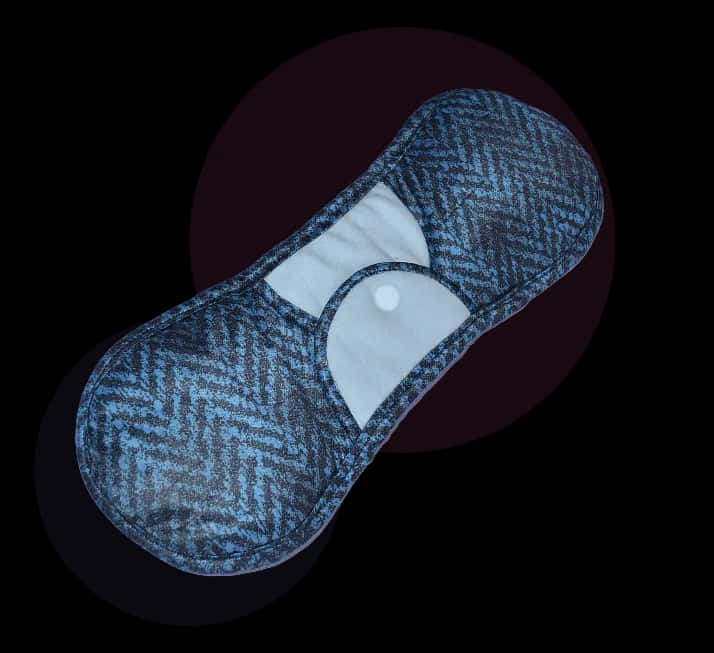
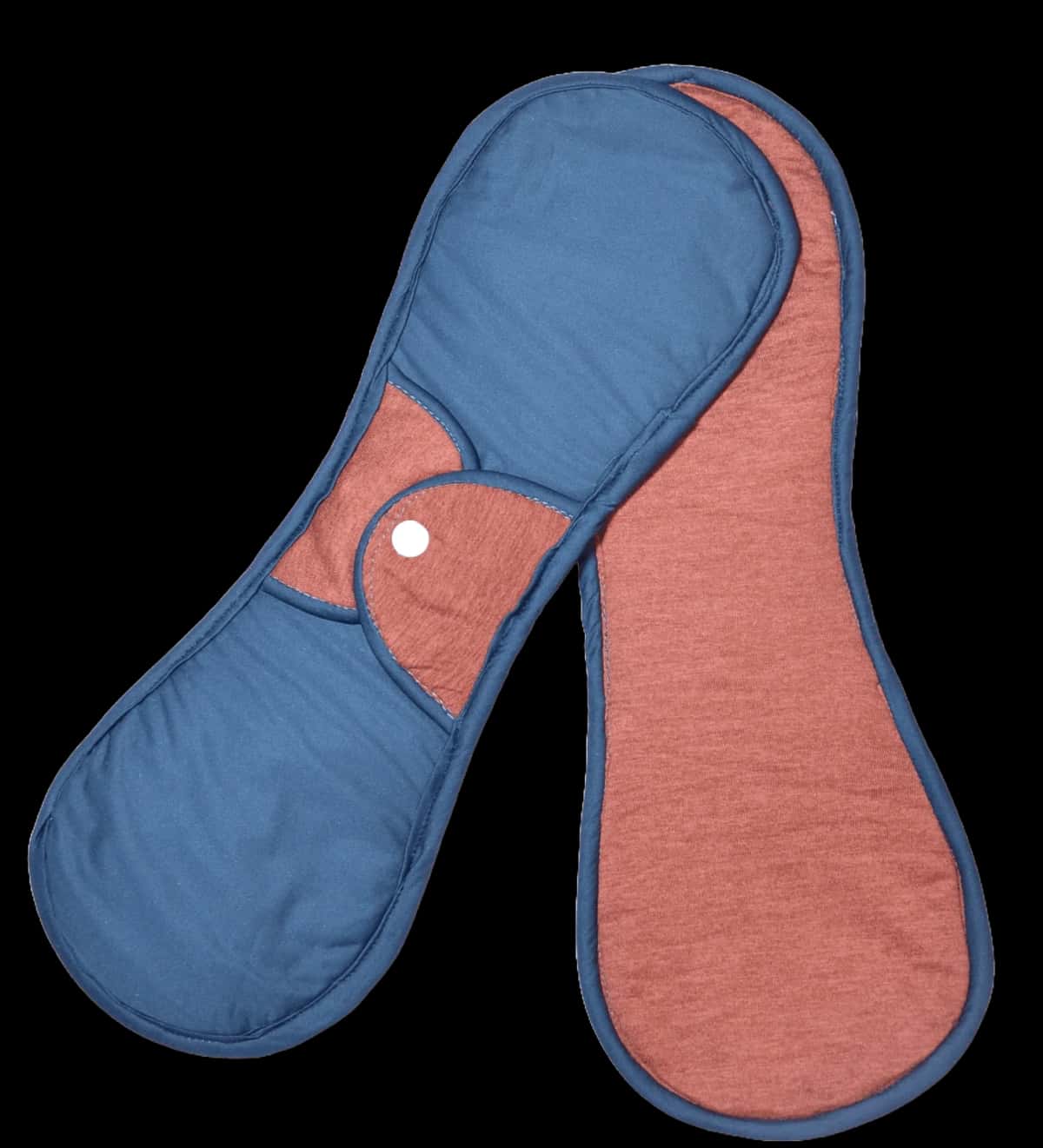
Our pads wey you fit wash

Benefits of Correct Way to Throw Away and Products Wey You Fit Use Again
When you use safe ways to throw away pads and you choose products wey you fit use again, the benefit pass your own convenience far far. Dis habits dey affect health, money and environment for Nigerian communities.
Money Savings and Economic Impact
Normal Nigerian woman dey spend ₦500-₦1,000 every month on disposable sanitary pads, wey be ₦6,000-₦12,000 every year. For the years wey she fit born pikin, about 35-40 years, dis one reach ₦210,000-₦480,000 wey she spend on products wey she go throw away after one use.
To change go pads wey you fit wash use again need about ₦3,000-₦5,000 for beginning for starter set. Dis pads dey last 2-3 years, and dem dey reduce cost of period products by 85-95%. For families wey get many daughters, the savings dey multiply. Mother wey change go pads wey dem fit use again for herself and her three daughters dey save about ₦40,000-₦60,000 every year – money wey fit pay school fees, buy food, or start small business.
For community level, to reduce disposable pad waste dey reduce the cost of waste management for government. Gutter and sewage wey block need repair wey cost plenty money. Lagos State dey spend millions every year to clear gutter wey block, and period products dey contribute well well to the block. If many pipo start to use products wey dem fit use again and throw away disposables correct way, e go reduce dis infrastructure cost.
Better Health and Dignity
Correct systems to throw away pads dey reduce infection risk for house, school and community. When pipo handle period products clean and throw dem inside dustbin wey get cover wey dem dey empty regularly, bacteria no go spread like before. Dis one dey protect everybody for the house or the place, no be only pipo wey dey see period.
Pads wey you fit use again wey dem make with cotton wey air fit pass dey reduce common period health wahala. Many Nigerian women dey get rashes, itching and discomfort from disposable pads, especially for our hot and humid weather. The plastic for the back of disposables dey hold heat and wetness, and e dey create correct place for bacteria and fungus to grow. Cloth pads dey allow air to move, and e dey reduce dis wahala.
When pads and ways to throw dem away get dignity, girls dey attend school more. Research by the African Population and Health Research Center show say when period hygiene management no dey enough, 1 in 10 African girls dey miss school when dem dey see period. When schools provide both pads wey dem fit use again and safe facilities to throw pads away, attendance dey increase well well. Girls wey dey attend school regularly dey do better for school, and dis one dey give dem better chances for life.
Benefits for Environment and Sustainability
Nigeria environment wahala include plastic pollution, struggle with waste management, and small recycling facilities. Period products dey add well well to plastic waste. Each disposable pad get plastic wey reach four plastic bags. With millions of Nigerian women wey dey see period every month, dis one dey create plenty plenty waste.
Pads wey you fit wash use again dey remove dis waste almost finish. One woman wey change go products wey she fit use again dey stop about 2,000-2,500 disposable pads from entering Nigerian waste inside five years. For community level, dis impact dey change things well well. School of 500 girls wey dey use pads wey dem fit use again instead of disposables dey stop about 250,000-300,000 disposable pads from becoming waste every year.
To throw away disposable products correct way, when pipo use dem, dey stop dirt from entering environment. Pads wey pipo throw for open gutter dey wash enter river and later reach ocean, and dem dey add to plastic pollution for Nigerian coastal water. Pads wey pipo burn for open fire dey release dioxins and furans, poison chemicals wey dey cause breathing wahala and damage environment. To close dem well and throw dem inside correct dustbins, then make waste management handle dem well, dey reduce dis harm.
Common Worries About Throwing Away Pads and Products Wey You Fit Use Again
Many Nigerian women and girls get real questions and worries about safe ways to throw away pads and about to change go products wey dem fit use again. When we answer dis worries honestly, e go help you make decisions wey you sabi well.
“To Wash Pads Wey You Fit Use Again Dey Disgusting and E No Clean”
Na dis one be the most common worry about pads wey you fit use again, and e come from deep feelings say period blood dirty or e be shame. Make we talk am straight: period blood na normal body fluid. E no dirty pass sweat, spit or other fluids wey you dey clean regularly.
To wash pads wey you fit use again be like to wash pant wey stain. You rinse for cold water, wash with soap, and dry am finish. E dey take almost the same time as to hand wash underwear. Many women dey actually find am more clean pass to throw away pads wey full of blood wey go siddon for dustbin for days dey smell.
Correct washing dey remove health danger. To rinse with cold water dey comot most blood immediately. Soap and water dey kill bacteria well. To dry for sun dey disinfect naturally – UV rays dey kill germs wey remain. Studies show say pads wey you fit use again wey dem wash well dey clean like disposable products, and sometimes dem clean pass, because dem make dem with materials wey air fit pass wey dey reduce bacteria growth.
If to touch period blood dey worry you well well, wear disposable gloves when you dey rinse pads. Many women dey find say after dem try pads wey dem fit use again for one or two periods, the first discomfort go comot and washing go become normal routine, no different from other laundry work.
“I No Get Privacy or Water to Wash Pads”
Dis worry make sense well well for Nigerian situation where many women dey share house with extended family, dey live for student hostels, or no get enough water. Dis wahala real, but you fit manage am if you plan.
For privacy, you no need to wash pads where everybody go see. Soak used pads inside bucket wey get cover for your room or bathroom. Wash dem with your other clothes when you dey do your normal laundry. When you dey dry dem, fold pads between other clothes for the line, or dry dem inside. Nobody need to know wetin you dey wash.
For hostels or shared houses, build relationship with roommates wey dey see period. Una fit support each other to manage period hygiene. Many women dey find say open talk dey reduce shame – everybody dey see period, and most pipo dey face the same wahala.
When water scarce, e really hard. Pads wey you fit use again need water to wash dem, and water no fit always dey. For dis case, use both. Use pads wey you fit use again for house when you get water, and keep few disposables for time when you no fit wash. Dis one still dey reduce waste and cost well well, and e still practical.
Some Nigerian women dey fetch and keep water specially for period hygiene for time when water scarce. Small bucket of water dey enough to rinse and wash pads for one whole period. Dis planning before dey make sure say you go fit keep yourself clean even when NEPA no dey reliable or water supply stop.
“Where I Fit Throw Away Pads for Public Places?”
Nigerian public places dey often no get enough facilities to throw sanitary waste. Dis one dey cause real wahala when you dey work, school, market or you dey travel. But you fit manage dis situations if you prepare.
Always carry things to wrap pads for your bag – small paper bags, old newspaper, or even nylon shopping bags wey you keep. When you change your pad for public toilet wey no get sanitary bin, wrap the used pad well and put am inside your bag for small time. Throw am away correct way when you reach place wey get correct dustbin.
Dis one fit first feel uncomfortable, but thousands of Nigerian women dey do am every day. Your pad wey you wrap and close well inside your handbag no go bring health danger and no go smell if e dey well covered. Many women dey keep waterproof pouch wey nobody go notice specially for dis work.
For workplaces and schools wey no get correct facilities to throw pads away, speak up for change. Talk to management, administrators or student councils make dem put sanitary bins wey get cover. Present am as basic dignity and health matter wey affect half of the population. Many places just never think about dis needs because na mostly men dey make decisions.
Pads wey you fit wash use again dey reduce dis wahala well well. Instead of to carry used disposable pads, you go carry used pads wey you fit use again inside wet bag to wash for house. Many women dey find dis one more respectful and e no dey give stress like to dey manage disposable pads the whole day.
Why Sana Pads Dey Support Safe Way to Throw Away Pads for Nigeria
For Sana Pads, we understand say to provide good period products na only one part of how to fight period poverty for Nigeria. Safe way to throw away pads wey get dignity dey important the same way for period health and for environment sustainability.
We dey make our sanitary pads wey you fit wash use again here for Nigeria, because we understand the wahala wey Nigerian women dey face. Our weather hot and humid. Our water supply no dey always regular. Our waste management infrastructure small. Privacy for houses wey many generations dey live together scarce. Dis real life things dey shape how we dey design products and how we dey teach users.
Our pads get many layers wey dey soak wey dey wash clean easy, even with hand wash and cold water. The waterproof outside layer dey stop leak when you wear am and e dey dry quick after wash, even when weather humid well well. We don test our pads well well for Nigerian conditions, no be for foreign laboratories wey get different weather and infrastructure.
Apart from products, we don support over 10,000 women and girls directly through education and distribution programmes. We don share more than 30,000 pads to schools, NGOs and communities across Nigeria. For every programme, we dey include education about correct care, washing, and – for organisations wey still dey use disposables – safe ways to throw dem away.
We dey partner with schools to set up full period hygiene management systems. Dis one include to provide pads wey dem fit use again, to put correct dustbins for the disposables wey dem still dey use, to train teachers and students, and to create environment wey dey support girls so dem go dey comfortable to manage their period. Dis approaches wey get many sides dey address the real and complex wahala wey girls dey face.
Our commitment pass to sell products. We dey build movement for period equity for Nigeria. Dis one mean products wey pipo fit afford, yes, but also education, to speak up for infrastructure, and culture change wey go remove shame from period. Safe way to throw away pads dey for the centre of dis mission – when pipo manage waste clean and for sustainable way, period go become normal part of life instead of shameful wahala wey you need to hide.
How to Start With Safe Ways to Throw Away Pads
You fit start safe ways to throw away pads now now, no matter which period products you dey use. Start with small changes wey fit your situation, then build from there.
For Individuals and Families
Start as you check honestly how you dey throw away pads now. You dey flush pads? You dey throw dem for dustbin wey no get cover? You dey burn waste for your compound? Find the exact danger for wetin you dey do now, then change one thing at a time.
First step: stop to flush period products immediately. Dis one change dey protect your plumbing and sewage from block wey go cost plenty money. Instead, wrap used products for tissue paper or newspaper before you put dem for dustbin.
Second step: get dustbin wey get cover for your bathroom or your room, only for period waste. Line am with newspaper or material wey dey rotate. Empty am every 1-2 days inside your house waste. Dis simple system dey handle disposable products clean.
Third step: think about to change go pads wey you fit wash use again. Start with 3-pack of our Premium Pads for ₦4,000. Dis one dey give you enough pads to try the system for one full period. Premium Pads get 1 layer wey no dey leak plus 3 layers wey dey soak, good for regular flow days.
If your flow heavy, especially for the first 2-3 days of your period, try our Maxi Pads wey get 1 layer wey no dey leak plus 5 layers wey dey soak. For light days, No Wahala Pads wey get 1 layer wey no dey leak plus 1 layer wey dey soak dey give comfortable protection wey no cost much. Many women dey use different ones together – Maxi for heavy days, Premium for regular days, and No Wahala for light days.
For Schools, NGOs and Organisations
If you dey manage period hygiene programmes for schools, health facilities or community organisations, full systems to throw away pads suppose dey for the centre of your planning. To share products without facilities to throw dem away dey create new wahala.
Start as you check the facilities wey dey now. How many toilets dey serve girls? Dem get sanitary bins wey get cover? Waste collection dey regular? Students and staff sabi clearly how to throw pads away? Find the gaps one by one.
Put basic facilities: dustbin wey get cover inside every girls toilet, clear signs say make pipo no flush products, and person wey get the work to empty dem every day. Train cleaners how to handle period waste clean with gloves and bags wey close well.
For organisations wey dey serve 50 or more girls and women, think about to provide pads wey dem fit use again. Sana Pads dey supply schools, NGOs and community programmes of any size for the same fixed price per pack. Products wey you fit use again dey reduce the wahala of throwing pads away well well, and dem dey make sure say the pipo wey you dey serve get period products for long time.
Include period hygiene education for your programme. Girls need to understand why correct way to throw away matter, how to take care of pads wey dem fit use again, and how to manage their period with dignity. Education dey turn products from charity things to tools wey dey give power. Contact us make we discuss partnership and support to set up programme wey fit your organisation own needs and wahala.
Conclusion
Safe way to throw away period products dey protect your health because e dey reduce infection risk. E dey protect Nigerian infrastructure because e dey stop block for toilets and gutters wey dey cost plenty money. E dey protect environment because e dey reduce plastic pollution and poison smoke from burning. The most important one, e dey support dignity because e dey create systems where pipo dey manage period clean and normal, without shame.
The solutions simple pass wetin you go think. Wrap disposable products well, use dustbins wey get cover, and empty dem regularly. No ever flush period products inside toilet. For sustainable solution for long time, change go pads wey you fit wash use again wey dey remove 90-95% of the waste and dey save you tens of thousands of naira with time.
Whether you dey manage period for house, you dey support girls for school, or you dey lead community health programmes, you fit start safe ways to throw away pads from today. Every pad wey pipo throw away correct way instead of to flush am dey stop plumbing damage. Every woman wey change go products wey she fit use again dey remove thousands of disposable pads from Nigerian waste.
Your period no suppose ever bring shame, damage environment, or make you spend money wey no need. With knowledge of safe ways to throw away pads and sustainable period products, you fit manage your period with dignity, confidence and care for your community. Learn more about full period hygiene management wey join safe products, correct way to throw away, and education wey dey give power, to end period poverty across Nigeria.
Continue to read for Menstrual Hygiene Management
Questions wey pipo dey ask well well
Why I go choose Sana Pads instead of normal disposable pads?
Dem make Sana Pads from high quality materials wey you fit use again. Dem be sustainable and eco-friendly option instead of disposable sanitary products. Dem soft for your skin, dem dey soak well, and dem dey save money for long run. When you choose Sana Pads, you dey help reduce plastic waste, and you go enjoy comfort and pad wey you fit trust for your whole period.
How long I fit use one Sana Pad before I need to wash am?
One Sana Pad dey give you comfort and protection for 4 to 8 hours, e depend on your flow. To stay fresh, change am every 4 to 6 hours - more often for heavy days. After every use, rinse am for cold water and wash am with soap. If you take care of am well, each pad dey last 2 to 3 years.
Sana Pads dey safe for skin wey dey sensitive?
Yes, dem make Sana Pads from soft materials wey air fit pass and wey no dey cause allergy, so dem gentle for your skin. Dem no get the bad chemicals and poison things wey dey common inside disposable pads, so dem be correct choice for pipo wey get sensitive skin or allergies.
How I go clean and take care of my Sana Pads?
Rinse your pad for cold water immediately - hot water dey make blood stain set. Then wash am with mild soap, with hand or for machine, and rinse till the water clear. Dry am finish for direct sun, wey also dey disinfect am. Abeg no use tumble dryer, bleach or fabric softener: dem dey spoil the layers wey dey soak. If you take care of am like dis, Sana Pad dey last 2 to 3 years.
The price dey change if I order plenty?
No. Every product get fixed price per pack, no matter how many packs you order. You fit calculate your total with our price calculator. For big orders, send us direct message and we go confirm the delivery cost with you before you pay.
Testimonials
See wetin our customers dey talk about our products.
Women for all over di world dey buy Sana

“For first, e dey irritate me to use washable sanitary pad. I decide to try am, and to my greatest surprise, e comfortable well-well and e easy to wash. You fit even do your daily things without fear say blood go stain you for public. I wan give Big shout out to SANA PADS!!”

“I dey really love Sana reusable pads! Dem dey make me relax and feel free for my period time. Plus, dem don reduce the cost and stress of buying disposable pads every month well-well. Kudos to Sana for making dis kind correct product – I go be fan forever!”

“Sana Pad good well-well, e dey make you comfortable and free. I love the pads, na the best ever!”

“I don try different brands of reusable pad, but Sana stand out for the quality, the comfort and how e dey last. Dem design am with sense, and the material dey gentle for my skin. As I change to Sana, e don reduce how I dey spoil environment and e don also save me money for long run. I dey grateful for dis solution wey go last!”

“To dey buy disposable pads every month dey add up well-well, so I talk say make I try Sana Pads. E surprise me how soft dem be, and dem dey work well for long days for university. To wash dem simple, and e don reach months wey I never buy new pad, so e don save me money. I also like say dem dey better for environment. E sweet me say I get option wey cheap and wey better for environment.”

“I don try different pad brands for years, but Sana pads really stand out. From the first time I use am, I see the difference — e soft for skin, e dey soak well-well, and e comfortable die. Even for my heaviest flow days, Sana pads dey hold well. Wetin I also love na how the material dey allow air pass and e good for skin. If you dey find pad wey get comfort, wey you fit trust, and wey get quality, I really recommend make you try Sana pads.”
Time to join hand
Contact Us
Margaret Ochegbudu
Business Manager